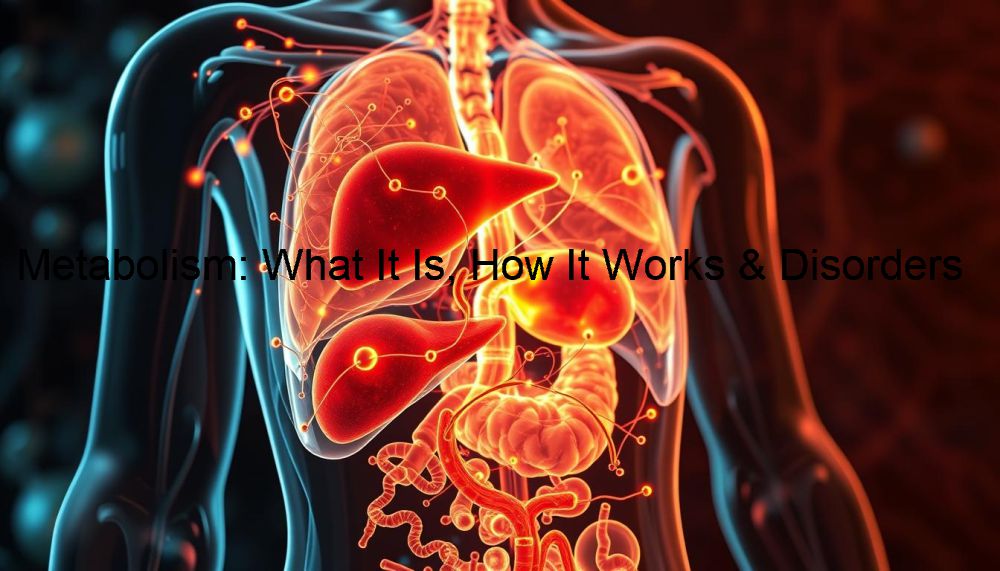
Understanding Inflammation is crucial for maintaining overall health. At its core, inflammation is the body’s natural response to injury or infection.
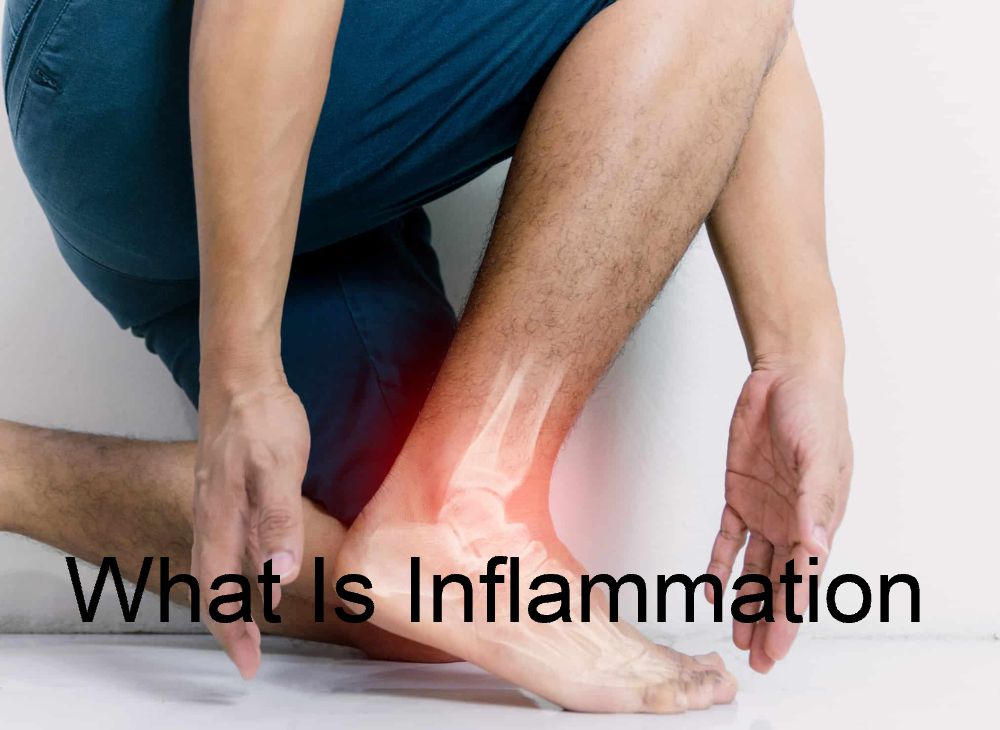
There are two main types: acute inflammation, which is a short-term response, and chronic inflammation, a prolonged condition that can lead to various health issues, including rheumatoid arthritis.
Factors that trigger inflammatory responses include infections, injuries, and autoimmune diseases. Fortunately, there are anti-inflammatory treatments available to help reduce inflammation and alleviate symptoms.
Key Takeaways
- Inflammation is the body’s natural response to injury or infection.
- There are two main types: acute and chronic inflammation.
- Chronic inflammation can lead to health issues like rheumatoid arthritis.
- Anti-inflammatory treatments can help reduce inflammation.
- Understanding inflammation is key to maintaining overall health.
Understanding Inflammation: The Body’s Defense Mechanism
The human body has an intricate defense mechanism, and inflammation is at the forefront of this protective response. Inflammation is not just a reaction; it’s a complex biological process that involves the immune system’s response to various threats.
The Definition of Inflammation
Inflammation is the body’s natural response to injury or infection, characterized by redness, heat, swelling, pain, and sometimes loss of function. This response is triggered by the immune system’s attempt to protect the body and promote healing. The immune system’s response is crucial for eliminating the initial cause of cell injury, clearing out damaged cells and tissues, and initiating the healing process. As Dr. William Cole, a renowned expert in immunology, notes, “Inflammation is a defensive response that aims to remove harmful stimuli and start the recovery process.”
“Inflammation is a defensive response that aims to remove harmful stimuli and start the recovery process.” – Dr. William Cole
The definition of inflammation encompasses its role as a protective mechanism. It’s a vital response that has been conserved throughout evolution, highlighting its importance in maintaining health.
How the Immune Response Works
The immune response is a highly coordinated process involving various cell types, cytokines, and other molecular signals. When the body detects an injury or infection, immune cells are activated to respond. This response includes the release of chemical mediators, which increase blood flow to the affected area, leading to the characteristic signs of inflammation. The immune system’s response is tailored to address the specific threat, whether it’s a bacterial infection, viral invasion, or physical damage.
| Component | Role in Inflammation |
|---|---|
| Cytokines | Signaling molecules that promote inflammation |
| Immune Cells | Cells such as neutrophils and macrophages that fight infection |
| Chemical Mediators | Molecules like histamine that increase blood flow and permeability |
Understanding how the immune response works is crucial for appreciating the role of inflammation in health and disease. By recognizing the complex interplay between different components of the immune system, we can better grasp the mechanisms underlying inflammatory responses.
Acute vs. Chronic Inflammation: Key Differences
Understanding the distinction between acute and chronic inflammation is crucial for grasping how our bodies respond to harm and heal. Inflammation is a vital response that can be beneficial or harmful, depending on its duration and context.
Acute Inflammation: The Immediate Response
Acute inflammation is the body’s immediate response to injury or infection. It is characterized by increased blood flow to the affected area, bringing with it white blood cells to fight off the invading pathogens. This type of inflammation is essential for the healing process, as it helps to isolate the affected area, remove debris, and initiate repair. The symptoms of acute inflammation include redness, heat, swelling, pain, and loss of function, which are typically short-lived and resolve once the underlying cause is addressed.
Chronic Inflammation: When Protection Becomes Problematic
Chronic inflammation, on the other hand, is a prolonged and persistent inflammatory response that can last for months or even years. This type of inflammation occurs when the body’s natural defense mechanism fails to eliminate the cause of inflammation, leading to a continuous activation of immune cells. Chronic inflammation can result from various factors, including autoimmune disorders, persistent infections, and lifestyle factors such as smoking and obesity. Unlike acute inflammation, chronic inflammation can lead to significant tissue damage and contribute to the development of various chronic diseases, including cardiovascular disease, diabetes, and cancer.
| Characteristics | Acute Inflammation | Chronic Inflammation |
|---|---|---|
| Duration | Short-lived, typically resolving within days or weeks | Prolonged, lasting months or years |
| Causes | Injury, infection | Autoimmune disorders, persistent infections, lifestyle factors |
| Effects | Beneficial, promoting healing and repair | Harmful, contributing to chronic diseases |
As noted by a recent study, “Chronic inflammation is a key factor in the development of many diseases, and understanding its mechanisms is crucial for the development of effective treatments.” (
Source: Journal of Inflammation
)
The 5 Cardinal Signs of Inflammation
When the body detects harm, it triggers an inflammatory response, which is typically characterized by five cardinal signs. These signs are critical indicators that something is amiss within the body, signaling the need for healing or medical attention.
Redness and Heat
The first two signs of inflammation are redness and heat. Redness occurs due to the increased blood flow to the affected area, as the body sends more blood to fight off the perceived threat. This increased blood flow also causes the area to feel warm or hot to the touch. These symptoms are a result of the body’s attempt to repair and protect the damaged area.
Swelling and Pain
Swelling is another cardinal sign, resulting from the accumulation of fluid and cells in the affected area, leading to increased pressure on the surrounding tissues. This swelling, combined with the release of chemical mediators, causes pain. Pain serves as a protective mechanism, warning the individual to avoid using the affected area, thereby preventing further injury.
Loss of Function
The final cardinal sign is loss of function, where the affected area may not operate normally due to the inflammation. This can be due to pain, swelling, or the body’s attempt to “guard” the area to prevent further damage. For instance, a person with a sprained ankle might limp to avoid putting weight on the injured ankle.
| Cardinal Sign | Description |
|---|---|
| Redness | Increased blood flow causing the area to appear red |
| Heat | Increased blood flow and metabolic activity causing warmth |
| Swelling | Fluid accumulation and cell infiltration |
| Pain | Caused by swelling and chemical mediators |
| Loss of Function | Impaired operation of the affected area due to pain or swelling |
Common Causes of Inflammation in the Body
Inflammation can arise from multiple sources, including physical injury, infections, and environmental exposures. Understanding these causes is crucial for managing and treating inflammation effectively.
Injury and Infection
When the body experiences an injury, such as a cut or bruise, it triggers an inflammatory response to protect the affected area and initiate healing. Similarly, when the body detects an infection caused by bacteria, viruses, or other pathogens, it mounts an inflammatory response to fight off the invading organisms. This type of inflammation is a natural defense mechanism that helps to prevent further damage and promote recovery.
Autoimmune Disorders
In some cases, inflammation can be caused by autoimmune disorders, where the immune system mistakenly attacks healthy tissues. Conditions such as rheumatoid arthritis, lupus, and multiple sclerosis are examples of autoimmune disorders that lead to chronic inflammation. In these conditions, the immune system’s response is misdirected, resulting in inflammation that can cause significant damage to the body’s own tissues.
Environmental Factors and Lifestyle Choices
Environmental factors, such as exposure to pollution, smoking, and certain chemicals, can also contribute to inflammation. Additionally, lifestyle choices, including a diet high in processed foods and sugars, lack of exercise, and chronic stress, can exacerbate or trigger inflammatory responses. Making informed choices about diet, exercise, and stress management can help mitigate these factors and reduce the risk of chronic inflammation.
By understanding the various causes of inflammation, individuals can take proactive steps to manage their risk factors and reduce the likelihood of developing chronic inflammatory conditions.
Common Inflammatory Diseases and Conditions
Understanding the link between inflammation and various diseases is crucial for developing effective treatments. Inflammation is a complex biological response that can manifest in different parts of the body, leading to a wide range of health issues.
Rheumatoid Arthritis and Other Joint Conditions
Rheumatoid arthritis (RA) is a chronic inflammatory disorder that primarily affects the joints. It occurs when the immune system mistakenly attacks the lining of the joints (synovium), causing inflammation, pain, swelling, and potentially severe joint damage. Other joint conditions like osteoarthritis also involve inflammatory components, although the primary issue in osteoarthritis is joint degeneration rather than an autoimmune response.
Inflammatory Bowel Disease: Ulcerative Colitis and Crohn’s
Inflammatory bowel disease (IBD) encompasses conditions characterized by chronic inflammation of the gastrointestinal tract. The two main types are ulcerative colitis and Crohn’s disease. Ulcerative colitis affects the colon, causing continuous inflammation and ulcers in the inner lining. Crohn’s disease can affect any part of the gastrointestinal tract, from the mouth to the anus, and often causes deep inflammation that can lead to complications like strictures and fistulas.
Cardiovascular Inflammation and Heart Disease
Cardiovascular inflammation plays a significant role in the development of heart disease. The process involves the inflammation of the arterial walls, which can lead to the buildup of plaque (atherosclerosis). This inflammation can destabilize plaques, making them more prone to rupture, which can cause heart attacks and strokes. Managing inflammation is thus a critical aspect of preventing and treating cardiovascular diseases.
In conclusion, inflammatory diseases and conditions are diverse and can affect various body systems. Understanding the inflammatory processes underlying these conditions is essential for developing targeted therapies and improving patient outcomes.
Diagnosing Inflammation
To diagnose inflammation, healthcare providers use a range of methods, from physical exams to advanced imaging techniques. Diagnosing inflammation accurately is crucial for effective treatment and management.
Physical Examination and Symptoms
A physical examination is often the first step in diagnosing inflammation. Healthcare providers look for signs such as redness, swelling, warmth, and pain in the affected area. They also assess the patient’s medical history and symptoms, such as fever or loss of function.
Blood Tests and Biomarkers
Blood tests play a critical role in diagnosing inflammation. They measure biomarkers that indicate the presence and level of inflammation.
C-Reactive Protein (CRP) Testing
CRP is a protein produced by the liver in response to inflammation. Elevated CRP levels can indicate acute or chronic inflammation.
White Blood Cell Count
A white blood cell count measures the number of white blood cells in the blood, which can increase in response to inflammation or infection.
Imaging Tests
Imaging tests, such as X-rays, ultrasound, or MRI, help diagnose inflammation by visualizing the affected area. These tests can identify structural changes or damage caused by inflammation.
| Diagnostic Method | Description | Use in Diagnosing Inflammation |
|---|---|---|
| Physical Examination | Assessment of signs and symptoms | Initial evaluation |
| Blood Tests | Measurement of biomarkers like CRP and white blood cell count | Assessing level of inflammation |
| Imaging Tests | Visualization of affected areas | Identifying structural changes or damage |
Medical Treatments for Inflammation
Medical treatments for inflammation are diverse and include both over-the-counter and prescription options, each with its own set of benefits and potential side effects. The choice of treatment depends on the underlying cause of inflammation, its severity, and the patient’s overall health.
Over-the-Counter Medications
Over-the-counter (OTC) medications are often the first line of defense against inflammation. They are easily accessible and can be effective for mild to moderate inflammation.
NSAIDs (Nonsteroidal Anti-Inflammatory Drugs)
NSAIDs are a common type of OTC medication used to reduce inflammation and pain. They work by inhibiting enzymes that cause inflammation. Examples include ibuprofen and naproxen.
Aspirin and Its Mechanisms
Aspirin is another NSAID that has been used for decades to reduce inflammation and pain. It works by inhibiting the production of chemicals in the body that cause inflammation.
Prescription Anti-Inflammatory Medications
For more severe or chronic inflammation, prescription medications may be necessary. These are typically more potent than OTC options and are used under the guidance of a healthcare provider.
Corticosteroids
Corticosteroids are powerful anti-inflammatory drugs that can be prescribed for various inflammatory conditions. They work by mimicking the effects of cortisol, a hormone produced naturally by the body.
Disease-Modifying Antirheumatic Drugs (DMARDs)
DMARDs are used to treat rheumatoid arthritis and other autoimmune diseases. They work by modifying the disease process, reducing inflammation, and slowing disease progression.
When to Consult Your Healthcare Provider
It’s essential to consult a healthcare provider if you experience persistent or severe inflammation, as they can provide a proper diagnosis and recommend appropriate treatment. They can also monitor for potential side effects of anti-inflammatory medications.
The Anti-Inflammatory Diet: Foods That Fight Inflammation
Adopting an anti-inflammatory diet can be a crucial step in managing inflammation and improving overall health. This dietary approach focuses on consuming foods that help reduce or combat inflammation.
Omega-3 Rich Foods and Fatty Fish
Omega-3 fatty acids, particularly EPA and DHA found in fatty fish like salmon, sardines, and mackerel, have potent anti-inflammatory effects. These nutrients help reduce the production of inflammatory eicosanoids and cytokines.
- Fatty fish: salmon, sardines, mackerel
- Nuts and seeds: flaxseeds, chia seeds, walnuts
Antioxidant-Rich Fruits and Vegetables
Fruits and vegetables are rich in antioxidants, including vitamins C and E, and polyphenols, which help combat oxidative stress and inflammation. Berries, leafy greens, and other colorful produce are particularly beneficial.
- Berries: blueberries, strawberries, raspberries
- Leafy greens: spinach, kale, collard greens
Whole Grains and Mediterranean Diet Principles
The Mediterranean diet, which emphasizes whole grains, fruits, vegetables, and healthy fats, has been shown to reduce inflammation. Whole grains like quinoa, brown rice, and whole wheat are rich in fiber and antioxidants.
- Whole grains: quinoa, brown rice, whole wheat
- Healthy fats: olive oil, avocado
Foods to Avoid: Inflammatory Triggers
Certain foods can trigger or exacerbate inflammation. It’s essential to limit or avoid processed meats, refined sugars, and saturated fats.
- Processed meats: hot dogs, sausages
- Refined sugars: sugary drinks, baked goods
Lifestyle Changes to Reduce Inflammation
Adopting a healthier lifestyle can significantly reduce inflammation in the body. By incorporating a few simple changes into your daily routine, you can mitigate the risk of chronic inflammation and its associated health issues.
The Importance of Regular Exercise
Regular exercise is a crucial component of an anti-inflammatory lifestyle. Physical activity helps reduce inflammation by promoting the production of anti-inflammatory cytokines. Aim for at least 30 minutes of moderate-intensity exercise, such as brisk walking, cycling, or swimming, most days of the week.
Stress Management Techniques
Chronic stress can exacerbate inflammation. Practicing stress management techniques like meditation, yoga, or deep breathing exercises can help mitigate this effect. These activities not only reduce stress but also promote overall well-being.
Sleep Quality and Inflammation
Poor sleep quality is linked to increased inflammation. Ensuring you get 7-9 hours of quality sleep per night is vital. Establish a consistent sleep schedule, avoid caffeine and electronics before bedtime, and create a relaxing bedtime routine to improve sleep quality.
By implementing these lifestyle changes, you can significantly reduce inflammation and improve your overall health.
Conclusion: Managing Inflammation for Better Health
Managing inflammation is crucial for achieving better health and reducing the risk of chronic diseases. By understanding the causes and symptoms of inflammation, individuals can take proactive steps to mitigate its effects.
A comprehensive approach to managing inflammation includes a combination of medical treatments, lifestyle changes, and dietary adjustments. This can involve using anti-inflammatory medications, adopting an anti-inflammatory diet rich in omega-3 fatty acids and antioxidants, and engaging in regular exercise and stress management techniques.
By making these changes, individuals can significantly improve their overall health and reduce the risk of conditions such as cancer, cardiovascular disease, and other inflammatory disorders. Prioritizing inflammation management is essential for maintaining optimal health and well-being.
By taking control of inflammation, individuals can look forward to a healthier future, with reduced symptoms and improved quality of life. Effective inflammation management is a key component of a long-term health strategy.