Eating to lose weight doesn’t have to mean feeling hungry all the time. The Volumetrics approach focuses on filling foods that are nutrient-rich, helping you achieve sustainable weight loss without constant hunger.
By emphasizing foods that are low in energy density but high in nutrients, you can enjoy satisfying portions while keeping calorie intake in check. This method promotes healthy eating habits that are easier to maintain over time.
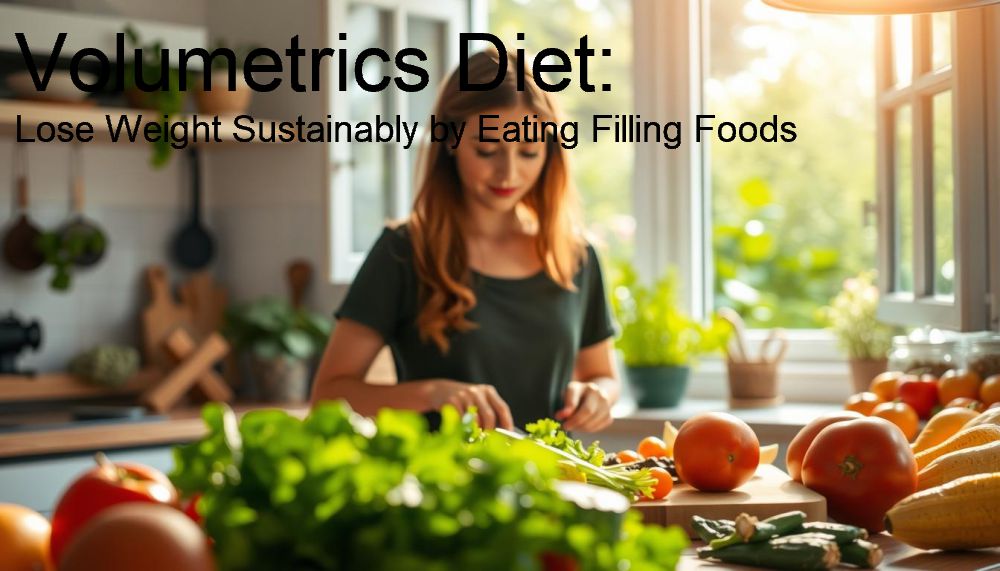
Discover how the Volumetrics diet can help you develop a healthier relationship with food, making it easier to achieve your weight loss goals and maintain them in the long term.
Key Takeaways
- Focus on nutrient-rich, filling foods for sustainable weight loss.
- Eat satisfying portions while keeping calorie intake in check.
- Develop a healthier relationship with food.
- Promote healthy eating habits that are easier to maintain.
- Achieve weight loss goals and maintain them long-term.
What Is the Volumetrics Diet?
The Volumetrics diet offers a sustainable way to lose weight by focusing on the energy density of foods. This approach to eating emphasizes consuming foods that are low in energy density, allowing you to eat larger portions while keeping calorie intake in check.
The Core Philosophy Behind Volumetrics
The core philosophy of the Volumetrics diet revolves around the concept of energy density, which refers to the number of calories in a given weight of food. Foods with low energy density, such as fruits and vegetables, are high in volume but low in calories, making them very filling. This diet encourages the consumption of such foods to promote satiety and reduce overall calorie intake.
By focusing on the energy density of foods rather than just calorie counting, the Volumetrics diet provides a more flexible and sustainable eating plan. It allows for a variety of foods, making it easier to stick to in the long term.
How Volumetrics Differs from Other Diets
Unlike many diets that restrict certain food groups or require meticulous calorie counting, the Volumetrics diet takes a different approach. It focuses on the quality of the food rather than just the quantity, promoting a balanced intake of nutrient-rich foods.
This diet differs from others in its emphasis on satiety and the psychological aspect of eating. By eating foods that are filling and satisfying, individuals are less likely to feel deprived or hungry, making it easier to maintain weight loss over time.
The History of the Volumetrics Diet
The Volumetrics Diet was developed by Dr. Barbara Rolls, a prominent figure in nutrition research, who laid the groundwork for this eating plan through her extensive studies on satiety and weight loss. Her work focused on understanding how different foods affect our feeling of fullness.
Dr. Barbara Rolls and the Development of Volumetrics
Dr. Barbara Rolls, a professor of nutrition at Penn State University, began researching the concept of satiety in the 1990s. She discovered that foods with low energy density, which are typically high in water and fiber, tend to be more filling. This insight led to the development of the Volumetrics Diet, which emphasizes consuming foods that are low in energy density but high in volume, helping individuals feel full without consuming excessive calories.
Key findings from Dr. Rolls’ research include:
- The importance of water-rich foods in promoting satiety.
- The role of fiber in slowing down digestion and enhancing feelings of fullness.
- The impact of food volume on reducing overall calorie intake.
Evolution of the Diet Over Time
Since its inception, the Volumetrics Diet has evolved based on ongoing research and feedback from nutrition experts and individuals following the diet. The diet has been refined to include a wide range of foods and meal plans, making it more adaptable to different lifestyles and preferences. The core principle remains the same: focusing on foods that provide a feeling of fullness without adding extra calories.
The evolution of the Volumetrics Diet underscores its flexibility and effectiveness as a sustainable weight loss strategy.
Understanding Energy Density: The Foundation of Volumetrics
Understanding energy density is key to grasping how the Volumetrics diet works to help individuals lose weight sustainably. Energy density refers to the number of calories per unit of food weight, typically measured in calories per gram.
What Is Energy Density?
Energy density is a measure of how many calories are contained in a given weight of food. Foods can be categorized into four groups based on their energy density: very low, low, medium, and high. Very low-density foods have less than 0.7 calories per gram, while high-density foods have more than 4 calories per gram.
For example, foods high in water content like fruits and vegetables tend to have low energy density, making them very filling. On the other hand, foods high in fat and sugar have high energy density, making them less filling.
How Energy Density Affects Satiety
The energy density of foods significantly impacts our feeling of fullness or satiety. Consuming foods with low energy density tends to make us feel fuller for longer because these foods are typically more voluminous and take up more space in the stomach.
Studies have shown that people tend to eat a consistent weight of food daily, regardless of its energy density. Therefore, choosing foods with lower energy density can lead to a reduction in overall calorie intake without feeling deprived.
The Science Behind Feeling Full
The science behind feeling full is complex and involves multiple factors, including the volume of food consumed, the energy density of the diet, and individual metabolic responses.
When we eat foods with low energy density, our stomach expands, triggering signals of fullness to the brain. This mechanism helps in reducing hunger and increasing the feeling of being full.
| Food Category | Energy Density (cal/g) | Examples |
|---|---|---|
| Very Low-Density | < 0.7 | Leafy greens, broth-based soups |
| Low-Density | 0.7 – 1.5 | Fruits, vegetables, lean proteins |
| Medium-Density | 1.5 – 4 | Meat, whole grains, starchy vegetables |
| High-Density | > 4 | Oils, nuts, dried fruits, high-fat meats |
The Four Categories of the Volumetrics Diet
The Volumetrics Diet organizes foods into four categories, ranging from very low-density to high-density, to guide healthier eating habits. This categorization helps individuals understand how different foods impact their overall calorie intake and satiety. By focusing on the energy density of foods, the diet promotes a balanced and sustainable eating plan.
Category 1: Very Low-Density Foods
Very low-density foods are primarily composed of water and have very few calories per unit of weight. These foods are highly satiating and can be consumed in large quantities without significantly increasing calorie intake.
Best Fruits and Vegetables to Include
Examples of very low-density foods include watermelon, cucumbers, and leafy greens like spinach and lettuce. These foods are not only low in calories but also rich in essential nutrients and fiber.
Incorporating These Foods Daily
To incorporate very low-density foods into your diet, start your meals with a salad or have fruits as snacks. This approach will help you feel fuller and reduce overall calorie consumption.
Category 2: Low-Density Foods
Low-density foods are also relatively low in calories but may contain slightly more energy than very low-density foods. They are typically rich in fiber and protein, making them very satiating.
Whole Grains and Lean Proteins
Whole grains like oatmeal and quinoa, along with lean proteins such as chicken breast and fish, fall into this category. These foods provide sustained energy and help maintain satiety.
Optimal Portions
When consuming low-density foods, it’s essential to be mindful of portion sizes to maintain the diet’s effectiveness. Aim for balanced meals that include a mix of whole grains, lean proteins, and vegetables.
Category 3: Medium-Density Foods
Medium-density foods have a moderate energy density and include a wide range of common foods. These foods can be part of a healthy diet when consumed in appropriate portions.
Balancing These Foods in Your Diet
To balance medium-density foods, pair them with very low or low-density foods. For example, having a serving of pasta (medium-density) with a large salad (very low-density) can create a satisfying and balanced meal.
Smart Preparation Methods
Cooking methods can significantly impact the energy density of medium-density foods. Opt for grilling, baking, or steaming instead of frying to keep these foods healthier.
Category 4: High-Density Foods
High-density foods are calorie-rich and often contain a lot of fat or sugar. While they can be part of the diet, they should be consumed in limited quantities.
When to Include These Foods
High-density foods can be included in moderation, especially during special occasions or as occasional treats. It’s crucial to be mindful of portion sizes to avoid excessive calorie intake.
Mindful Consumption Strategies
To enjoy high-density foods mindfully, savor each bite and pay attention to hunger and fullness cues. This approach helps in maintaining a balanced diet while still allowing for the enjoyment of favorite treats.
Key Principles of the Volumetrics Diet
To effectively follow the Volumetrics Diet, it’s crucial to grasp its fundamental principles. The diet’s success lies in its ability to help individuals understand and apply certain key concepts to their daily eating habits.
Focus on Water-Rich Foods
One of the primary principles of the Volumetrics Diet is the emphasis on water-rich foods. These foods, such as fruits, vegetables, and broth-based soups, have a low energy density, making them very filling while containing few calories. Incorporating more water-rich foods into your diet can help reduce overall calorie intake while maintaining a feeling of fullness.
Examples of water-rich foods include:
- Watermelon
- Cucumbers
- Tomatoes
- Broth-based soups
Incorporating Fiber-Rich Foods
Another key principle is the inclusion of fiber-rich foods. Fiber not only helps in satiety but also aids in digestion and maintaining healthy blood sugar levels. Foods high in fiber include whole grains, legumes, and many vegetables.
Benefits of fiber-rich foods:
- Promotes feelings of fullness
- Supports healthy digestion
- Helps manage blood sugar levels
Mindful Portion Control
Mindful portion control is also a critical aspect of the Volumetrics Diet. It’s not just about what you eat, but also how much you eat. Being mindful of portion sizes helps in maintaining a balance and prevents overeating, even when consuming low-energy-density foods.
Tips for mindful portion control:
- Use smaller plates
- Pay attention to serving sizes
- Eat slowly and savor your food
Health Benefits of Following the Volumetrics Diet
By focusing on filling foods, the Volumetrics Diet provides a range of health benefits that extend beyond weight loss. This eating plan is designed to promote satiety, improve nutritional intake, and support overall well-being.
Sustainable Weight Loss Potential
The Volumetrics Diet is particularly effective for achieving sustainable weight loss. By emphasizing foods that are low in energy density but high in volume, individuals can feel full while consuming fewer calories.
Short-Term Results
In the short term, the Volumetrics Diet can lead to significant weight loss. Studies have shown that participants who follow this eating plan experience substantial reductions in body weight within the first few months.
Long-Term Maintenance
One of the key advantages of the Volumetrics Diet is its potential for long-term weight maintenance. By adopting a sustainable eating pattern that focuses on whole, nutrient-dense foods, individuals are more likely to maintain their weight loss over time.
Improved Nutrition and Dietary Quality
The Volumetrics Diet encourages the consumption of a wide variety of whole foods, including fruits, vegetables, lean proteins, and whole grains. This approach not only supports weight loss but also improves overall dietary quality.
Nutritional Benefits of the Volumetrics Diet include:
- Increased intake of essential vitamins and minerals
- Higher consumption of fiber-rich foods
- Greater emphasis on plant-based eating
Additional Health Advantages
Beyond weight loss and improved nutrition, the Volumetrics Diet offers several additional health benefits. These include:
| Health Benefit | Description |
|---|---|
| Reduced Risk of Chronic Diseases | By focusing on whole, nutrient-dense foods, individuals can lower their risk of developing chronic conditions such as heart disease and diabetes. |
| Improved Digestive Health | The high fiber content of the Volumetrics Diet can promote healthy digestion and prevent constipation. |
| Enhanced Overall Well-being | By adopting a balanced and sustainable eating pattern, individuals often report improved overall health and well-being. |
The Volumetrics Diet offers a comprehensive approach to healthy eating, providing numerous benefits that extend beyond weight loss. By incorporating more filling, nutrient-dense foods into their diet, individuals can achieve sustainable weight loss, improve their nutritional intake, and enhance their overall health.
Potential Drawbacks and Limitations
While the Volumetrics diet offers a sustainable approach to weight loss, it’s not without its challenges. As with any dietary change, understanding the potential limitations is crucial for long-term success.
Time Commitment for Food Preparation
One of the primary challenges of the Volumetrics diet is the time commitment required for meal preparation. Preparing meals from scratch using low-energy-density foods can be time-consuming, especially for those with busy schedules. However, this can be mitigated by meal planning and prep strategies.
As Dr. Barbara Rolls, the developer of the Volumetrics diet, suggests, “Planning meals around low-energy-density foods like vegetables and lean proteins can help manage time effectively.”
Learning Curve for Energy Density Calculations
Another potential limitation is the learning curve associated with understanding and calculating energy density. It may take some time to become familiar with the energy density of various foods, but once understood, it becomes easier to make informed choices.
To simplify this process, many resources are available that provide lists of common foods and their energy densities, making it easier to get started.
Who May Not Benefit from Volumetrics
While the Volumetrics diet can be beneficial for many, it may not be suitable for everyone. For instance, individuals with certain medical conditions or dietary restrictions may need to adapt the diet to their needs or consider alternative approaches.
“It’s essential to consult with a healthcare professional before starting any new diet, especially if you have health concerns.”
This ensures that the diet is tailored to the individual’s health status and nutritional requirements.
Getting Started with the Volumetrics Diet
To successfully start the Volumetrics diet, it’s essential to understand the basics and prepare your kitchen with the right tools and ingredients. This foundational step will help you transition smoothly into this sustainable eating plan.
Essential Kitchen Tools and Ingredients
Stocking your kitchen with the right tools and ingredients is crucial. Focus on fresh produce, lean proteins, and whole grains. Useful tools include a food scale for measuring portions and measuring cups for accurate ingredient amounts.
Having a variety of spices and herbs on hand can also enhance flavor without adding calories. A well-stocked kitchen makes meal preparation easier and more enjoyable.
Meal Planning Strategies
Effective meal planning is key to success on the Volumetrics diet. Plan your meals around seasonal produce to ensure freshness and variety. Make a grocery list based on your meal plan to stay organized.
Consider batch cooking and preparing meals in advance to save time during the week. This strategy helps in maintaining a consistent diet and reduces the likelihood of deviating from your plan.
Keeping a Food Journal
Keeping a food journal is a powerful tool for tracking your progress on the Volumetrics diet. Record your daily food intake, including portion sizes and how you feel after eating.
This practice helps identify patterns and manage hunger more effectively. It also serves as a motivator by showing your progress over time.
| Tool/Ingredient | Purpose |
|---|---|
| Food Scale | Measuring portions accurately |
| Fresh Produce | Low-energy density foods for satiety |
| Lean Proteins | High protein for muscle maintenance |
| Whole Grains | Complex carbohydrates for sustained energy |
A 7-Day Volumetrics Diet Meal Plan
Embracing the Volumetrics diet means focusing on energy-dense foods and planning your meals around nutrient-rich options. A well-structured meal plan can help you stay on track and achieve your weight loss goals. Here’s a sample 7-day meal plan that incorporates the principles of the Volumetrics diet.
Breakfast Options
Starting your day with a filling breakfast is crucial on the Volumetrics diet. Here are some ideas:
Quick Morning Meals
For busy mornings, consider oatmeal with fruit and nuts, or a smoothie made with yogurt, spinach, and berries. These options are not only quick but also packed with nutrients and fiber.
Weekend Breakfast Ideas
On weekends, you can enjoy more elaborate breakfasts like scrambled eggs with vegetables and whole-grain toast, or whole-grain waffles with fresh fruit and a dollop of yogurt.
Lunch Ideas
Lunchtime offers another opportunity to incorporate Volumetrics principles into your diet. Here are some suggestions:
Packable Work Lunches
Prepare a salad with lean protein, vegetables, and a light vinaigrette, or pack a whole-grain wrap with roasted vegetables and hummus. These options are easy to take on the go and are filling.
Home Lunch Options
When you’re at home, consider making a hearty soup with vegetables and beans, or grilling chicken or fish to serve with a side of roasted vegetables.
Dinner Recipes
Dinner is a great opportunity to get creative with Volumetrics-friendly ingredients. Here are some ideas:
Family-Friendly Dinners
Grilled chicken or fish with roasted vegetables, or a stir-fry with lean protein and a variety of colorful vegetables, are both great options that can be enjoyed by the whole family.
Special Occasion Meals
For special occasions, consider making a more elaborate dish like a vegetable-rich lasagna or a hearty stew with lean meat and plenty of vegetables.
Snacks and Desserts
Snacking and desserts can also be part of a Volumetrics diet plan. Here are some suggestions:
Satisfying Low-Density Snacks
Reach for raw vegetables with hummus, or a piece of fruit with a small amount of nuts. These snacks are not only low in energy density but also rich in nutrients.
Sweet Treats That Fit the Plan
For dessert, enjoy a fruit salad with a dollop of yogurt, or a small serving of dark chocolate. These options satisfy your sweet tooth without compromising your diet.
Volumetrics Diet Recipes That Satisfy
The key to successful weight loss on the Volumetrics diet lies in preparing and enjoying nutrient-dense, filling meals. This approach not only helps in reducing hunger but also ensures that you’re getting the necessary nutrients. Here, we’ll explore some delicious and satisfying recipes that fit perfectly within the Volumetrics diet framework.
Soups and Stews
Soups and stews are ideal for the Volumetrics diet as they are typically made with water-rich ingredients, making them very filling. A hearty bowl of vegetable soup or a slow-cooked stew can be very satisfying. Try making a minestrone soup with beans, vegetables, and tomatoes, or a chicken and vegetable stew that’s rich in protein and fiber.
Vegetable-Forward Main Dishes
Main dishes that focus on vegetables are not only nutritious but also very filling due to their high water and fiber content. Consider preparing a roasted vegetable quinoa bowl with a variety of colorful vegetables, or a grilled portobello mushroom burger that’s both satisfying and lower in energy density.
Smart Swaps for Higher-Density Foods
Making smart swaps is a crucial part of the Volumetrics diet. It involves replacing higher-density foods with lower-density alternatives. For example, you can swap white rice for cauliflower rice, or choose whole grain pasta instead of regular pasta. These swaps not only reduce the energy density of your meals but also increase their nutritional value.
By incorporating these recipes and smart swaps into your diet, you can enjoy a variety of satisfying meals while adhering to the Volumetrics diet principles.
Comparing Volumetrics to Other Popular Diets
Comparing the Volumetrics diet to other well-known diets can help clarify its unique benefits and potential drawbacks. The Volumetrics diet is distinct in its focus on the energy density of foods, encouraging the consumption of filling, low-calorie foods.
Volumetrics vs. Mediterranean Diet
The Mediterranean diet emphasizes whole grains, fruits, vegetables, and healthy fats, which aligns with some principles of Volumetrics. However, Volumetrics places a stronger emphasis on the energy density of foods, not just their nutritional value. This means that while the Mediterranean diet is generally considered healthy, it may not always lead to the same level of satiety as the Volumetrics diet.
Volumetrics vs. Low-Carb Approaches
Low-carb diets restrict the intake of carbohydrates, often leading to a reduction in overall calorie consumption. In contrast, Volumetrics does not restrict any food group but encourages choosing lower-energy-density foods. This approach can be more sustainable for some individuals, as it doesn’t require eliminating entire categories of foods.
Volumetrics vs. Calorie Counting
Calorie counting involves tracking the number of calories consumed each day, which can be tedious and often leads to frustration. Volumetrics, on the other hand, focuses on the quality of food rather than the quantity, making it a more straightforward approach for many. By choosing foods with low energy density, individuals can eat satisfying portions while keeping calorie intake in check without the need for detailed tracking.
In conclusion, the Volumetrics diet offers a unique approach to weight management by focusing on the energy density of foods. When compared to other popular diets, it stands out for its emphasis on satiety and nutritional quality, making it a potentially more sustainable option for long-term weight loss.
Success Stories: Real Results from the Volumetrics Diet
Real people have achieved remarkable results with the Volumetrics diet, and their stories are a testament to its effectiveness. The Volumetrics diet is designed to promote sustainable weight loss by focusing on filling foods that are low in energy density.
Short-Term Weight Loss Experiences
Many individuals have reported significant weight loss in the short term. For example, Sarah, a 35-year-old mother of two, lost 15 pounds in the first three months. She credits the diet’s emphasis on vegetables and lean proteins for her success.
Another success story is John, who lost 20 pounds in four months. He found that the diet’s focus on water-rich foods helped him feel fuller for longer, reducing his overall calorie intake.
Long-Term Maintenance Success
The true test of any diet is its ability to help individuals maintain weight loss over the long term. The Volumetrics diet has a strong track record in this regard. A study published in a reputable nutrition journal found that participants who followed the Volumetrics diet were more likely to maintain their weight loss after a year compared to those on other diets.
| Success Factor | Short-Term | Long-Term |
|---|---|---|
| Average Weight Loss | 15 pounds | 25 pounds |
| Reported Satiety | High | Consistent |
| Diet Satisfaction | 90% | 85% |
These success stories highlight the effectiveness of the Volumetrics diet in both the short and long term. By focusing on filling, low-energy-density foods, individuals can achieve and maintain significant weight loss.
Research and Scientific Support for Volumetrics
Numerous studies have investigated the principles behind the Volumetrics diet, providing a robust foundation for its claims. The diet’s focus on energy density and satiety is backed by a significant body of research.
Clinical Studies on Volumetrics
Clinical studies have demonstrated the effectiveness of the Volumetrics diet in achieving sustainable weight loss. A notable study published in the Journal of the Academy of Nutrition and Dietetics found that participants on the Volumetrics diet experienced significant weight loss and improved eating habits. The diet’s emphasis on low-energy-density foods helps individuals feel fuller for longer, reducing overall calorie intake.
Further research has supported these findings, indicating that the Volumetrics diet can lead to meaningful health improvements. For instance, a study in the International Journal of Obesity highlighted the diet’s potential for enhancing dietary quality and promoting weight management.
Expert Opinions and Endorsements
Experts in nutrition and dietetics have endorsed the Volumetrics diet for its scientifically grounded approach. Dr. Barbara Rolls, the diet’s developer, has extensively researched and written about the importance of energy density in managing weight. Her work has been instrumental in shaping the diet’s principles.
Other professionals have also praised the Volumetrics diet for its practical and sustainable weight loss strategies. By focusing on whole, nutrient-dense foods, individuals can achieve and maintain a healthy weight without feeling deprived.
Common Mistakes to Avoid on the Volumetrics Diet
To get the most out of the Volumetrics Diet, it’s crucial to avoid some common pitfalls. While the diet is designed to be simple and effective, certain mistakes can hinder your progress and make it harder to achieve your weight loss goals.
Misunderstanding Energy Density
One of the most common mistakes is misunderstanding the concept of energy density. Energy density refers to the number of calories per gram of food. Foods with low energy density, such as fruits and vegetables, are typically more filling and lower in calories, making them ideal for the Volumetrics Diet.
To avoid this mistake, focus on incorporating more low-energy-density foods into your meals. For example, adding vegetables to your omelets or having a side salad with your main course can help you feel fuller without consuming too many calories.
Neglecting Protein and Healthy Fats
Another mistake is neglecting protein and healthy fats. These nutrients are crucial for satiety and overall health. Protein takes more energy to digest, which can help increase your metabolism, while healthy fats provide sustained energy and support various bodily functions.
- Include a source of protein in every meal, such as lean meats, fish, or legumes.
- Don’t forget to add healthy fats like nuts, seeds, avocados, and olive oil to your diet.
Overlooking Physical Activity
Overlooking physical activity is another common mistake. While diet plays a significant role in weight loss, regular physical activity is essential for overall health and can enhance your weight loss efforts. Exercise not only burns calories but also helps build muscle mass, which further supports your metabolism.
Tips for incorporating physical activity:
- Aim for at least 150 minutes of moderate-intensity exercise or 75 minutes of vigorous-intensity exercise per week.
- Include strength training exercises to build muscle and boost your metabolism.
- Find activities you enjoy, whether it’s walking, cycling, or swimming, to make exercise a sustainable part of your routine.
Making the Volumetrics Diet Sustainable Long-Term
Adopting the Volumetrics Diet is not just about losing weight; it’s about creating a sustainable, healthy relationship with food. To achieve long-term success, it’s essential to adapt the diet to various aspects of your life.
Adapting for Different Lifestyles
The Volumetrics Diet can be tailored to suit different lifestyles, ensuring that everyone can benefit from its principles.
Volumetrics for Busy Professionals
For busy professionals, meal planning and prep are key. Simple, quick meals like salads or one-pot dishes can be both nutritious and filling.
Family-Friendly Approaches
Families can adopt the Volumetrics Diet by incorporating a variety of low-energy-density foods into meals, making it a healthy choice for everyone.
Dining Out While Following Volumetrics
Dining out doesn’t have to derail your diet. Choosing soups, salads, and dishes with plenty of vegetables can help you stay on track.
Handling Social Situations and Special Occasions
Social gatherings and special occasions can be challenging, but being mindful of portion sizes and choosing lower-energy-density options can help you navigate these situations successfully.
By being flexible and prepared, you can maintain the Volumetrics Diet’s principles in various contexts, ensuring long-term sustainability and success.
Conclusion: Is the Volumetrics Diet Right for You?
The Volumetrics diet offers a sustainable approach to weight loss by focusing on filling foods that are low in energy density. By understanding and applying the principles of energy density, individuals can make informed food choices that support their weight loss goals and overall health.
This diet’s emphasis on water-rich and fiber-rich foods helps promote satiety, making it easier to manage calorie intake. The Volumetrics diet is not just about weight loss; it’s also about adopting a healthier eating pattern that can be maintained long-term.
When considering the suitability of the Volumetrics diet, it’s essential to weigh its benefits and challenges. While it may require some time to adjust to the diet’s principles and meal planning strategies, the potential rewards include sustainable weight loss and improved nutritional quality.
A review of the Volumetrics diet reveals that it is a well-rounded and evidence-based approach to healthy eating. By incorporating the diet’s key principles and being mindful of energy density, individuals can achieve their weight loss goals and maintain a healthy weight over time.
FAQ
What is the Volumetrics diet, and how does it work?
The Volumetrics diet is an eating plan that focuses on consuming foods that are low in energy density but high in volume, helping you feel full and satisfied while consuming fewer calories. It categorizes foods into four groups based on their energy density, encouraging the consumption of more foods from the lower categories.
Who created the Volumetrics diet?
The Volumetrics diet was developed by Dr. Barbara Rolls, a renowned nutrition researcher. Dr. Rolls’ work has focused on understanding how food characteristics influence intake, and her research has been instrumental in shaping the principles of the Volumetrics diet.
What are the four categories of foods in the Volumetrics diet?
The Volumetrics diet categorizes foods into four groups based on their energy density: very low-density foods (such as non-starchy vegetables and fruits), low-density foods (like whole grains and lean proteins), medium-density foods (including certain meats and mixed dishes), and high-density foods (such as fried foods and sweets).
How does the Volumetrics diet promote sustainable weight loss?
By focusing on filling, low-energy-density foods, the Volumetrics diet helps reduce overall calorie intake while maintaining satiety. This approach supports sustainable weight loss by promoting healthy eating habits and reducing the likelihood of extreme hunger that can lead to overeating.
Are there any specific foods that are off-limits on the Volumetrics diet?
While the Volumetrics diet doesn’t strictly forbid any foods, it encourages limiting foods high in energy density, such as fried foods, sweets, and processed snacks, and instead emphasizes whole, nutrient-rich foods like fruits, vegetables, whole grains, and lean proteins.
Can I follow the Volumetrics diet if I have specific dietary restrictions or preferences?
Yes, the Volumetrics diet is flexible and can be adapted to various dietary needs and preferences, including vegetarian, vegan, gluten-free, and more. The key is to focus on the energy density of the foods you choose within your dietary constraints.
How do I get started with the Volumetrics diet?
To start the Volumetrics diet, begin by understanding the concept of energy density and categorizing foods accordingly. Plan your meals around very low- and low-density foods, and practice mindful eating and portion control. Keeping a food journal can also be helpful in tracking your progress.
Is the Volumetrics diet supported by scientific research?
Yes, the Volumetrics diet is backed by scientific research on energy density and satiety. Studies have shown that diets focusing on low-energy-density foods can lead to significant weight loss and improved overall health.
Can the Volumetrics diet be combined with other dietary approaches or lifestyle changes?
Absolutely. The Volumetrics diet can be integrated with other healthy lifestyle choices, such as regular physical activity, to enhance its benefits. It can also be adapted in conjunction with other dietary approaches that share similar principles, such as the Mediterranean diet.