A high-protein diet is a popular approach to achieving weight loss. By focusing on protein-rich foods, individuals can create a diet plan that promotes satiety and supports muscle growth.
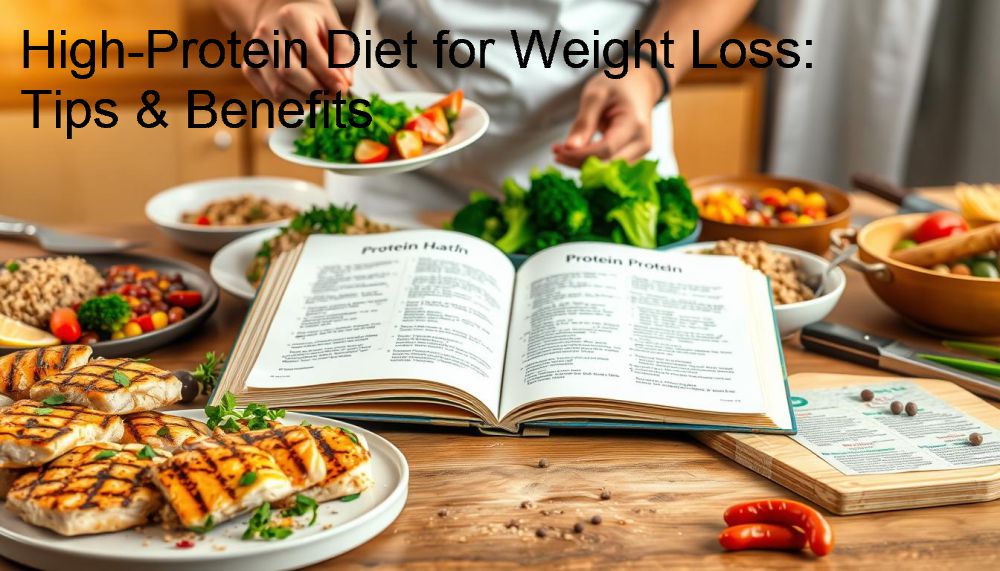
Increasing protein intake can have numerous benefits, including enhanced metabolism and improved overall health. A well-structured diet plan can help individuals achieve their weight loss goals.
Key Takeaways
- A high-protein diet can aid in weight loss by promoting satiety.
- Increasing protein intake supports muscle growth and overall health.
- A well-structured diet plan is crucial for achieving weight loss goals.
- Protein-rich foods can enhance metabolism.
- A high-protein diet can be a sustainable approach to weight loss.
The Science Behind Protein and Weight Loss
The impact of protein on weight loss can be attributed to several key factors, including metabolic rate and appetite regulation. Protein is a crucial macronutrient that plays a significant role in various bodily functions, making it an essential component of a weight loss diet.
How Protein Affects Metabolism
Protein has a profound effect on metabolism. It requires more energy to digest than carbohydrates or fats, which can increase the body’s metabolic rate. This phenomenon is known as the thermic effect of food (TEF). A higher metabolic rate helps the body burn more calories at rest, contributing to weight loss.
Protein’s Role in Appetite Regulation
Protein is highly satiating, meaning it can help reduce hunger and increase feelings of fullness. This is partly due to its effect on various hormones that regulate appetite, such as ghrelin and leptin. By keeping you fuller for longer, protein can help reduce overall calorie intake, supporting weight loss efforts.
- Protein takes longer to digest, keeping you fuller for longer.
- It influences appetite hormones, reducing hunger.
- A high-protein diet can lead to reduced calorie intake.
Thermic Effect of Protein
The thermic effect of protein is significantly higher than that of carbohydrates or fats. This means that when you consume protein, your body expends more energy to process it, which can enhance weight loss. The thermic effect of protein is a key factor in how it supports a high-protein diet for weight loss.
Key benefits of protein’s thermic effect include:
- Increased energy expenditure.
- Enhanced fat burning.
- Support for overall weight loss.
By understanding how protein affects metabolism, appetite, and the thermic effect, it becomes clear why a high-protein diet is often recommended for those seeking to lose weight.
What Is a High-Protein Diet for Weight Loss?
When it comes to losing weight, a high-protein diet has emerged as a highly effective strategy. This dietary approach focuses on increasing protein intake to support weight loss efforts.
Definition and Basic Principles
A high-protein diet for weight loss emphasizes the consumption of protein-rich foods to boost metabolism, reduce hunger, and maintain muscle mass. The basic principle is to ensure that protein intake is significantly higher than the average recommendation, typically above 1.6 grams per kilogram of body weight daily.
The diet encourages the intake of lean meats, fish, eggs, dairy products, and plant-based protein sources like legumes and nuts. By prioritizing protein, individuals can experience enhanced satiety and a reduction in overall calorie intake.
Comparison to Other Diet Approaches
Unlike low-fat or low-carb diets, a high-protein diet focuses on the quality of the food rather than drastically cutting out specific macronutrients. It offers a more balanced approach by incorporating a variety of protein sources, making it easier to adhere to in the long term.
Compared to other diet approaches, a high-protein diet is particularly effective for preserving lean muscle mass during weight loss, which is crucial for maintaining a healthy metabolism.
Key Benefits of a High-Protein Diet
A high-protein diet offers numerous benefits that can significantly impact weight loss efforts. One of the primary advantages is its ability to influence various physiological processes that contribute to effective weight management.
Increased Satiety and Reduced Hunger
Protein takes longer to digest than carbohydrates, which helps in keeping you fuller for longer. This increased satiety can lead to a reduction in overall calorie intake, as individuals are less likely to snack between meals. According to a study, “High protein diets have been shown to reduce hunger and increase feelings of fullness, making it easier to stick to a weight loss diet.” Increased satiety is a key factor in successful weight loss.
Preservation of Lean Muscle Mass
When on a calorie-restricted diet, the body may start to break down muscle tissue for energy. A high-protein diet helps to preserve lean muscle mass by providing the necessary building blocks for muscle repair and maintenance. This is crucial for maintaining metabolism, as muscle tissue plays a significant role in burning calories at rest.
Improved Metabolic Rate
The thermic effect of protein is higher compared to carbohydrates and fats, meaning that the body expends more energy to digest and process protein. This can lead to an improved metabolic rate, helping the body burn more calories throughout the day.
Better Blood Sugar Control
Protein can also have a beneficial effect on blood sugar levels by slowing down the absorption of glucose from carbohydrates, thus preventing spikes in blood sugar.
“A diet rich in protein can help regulate blood sugar levels and improve overall glucose metabolism.”
This is particularly beneficial for individuals with diabetes or those at risk of developing the condition.
By incorporating a high-protein diet into one’s lifestyle, individuals can experience these benefits firsthand, potentially leading to more successful weight loss outcomes and improved overall health.
How Much Protein Do You Need for Weight Loss?
To lose weight successfully, it’s vital to consume the right amount of protein tailored to your individual needs. Protein intake plays a crucial role in weight loss by helping to build and repair muscles, organs, and tissues.
Calculating Your Protein Needs
Calculating your daily protein needs depends on several factors including your age, weight, activity level, and weight loss goals. A general guideline is to consume between 0.8 to 1.2 grams of protein per kilogram of body weight per day for weight loss.
- For sedentary individuals, 0.8 grams/kg/day is often recommended.
- For active individuals, 1.2 grams/kg/day or more may be necessary.
Protein Requirements Based on Activity Level
Your activity level significantly influences your protein needs. The more active you are, the more protein you require to support muscle repair and growth.
- Lightly Active: 1.0-1.2 grams/kg/day
- Moderately Active: 1.2-1.4 grams/kg/day
- Very Active: 1.4-1.6 grams/kg/day
Distribution Throughout the Day
Distributing your protein intake evenly throughout the day can help maximize its benefits. Aim to include a source of protein in every meal.
- Breakfast: Include eggs, Greek yogurt, or protein smoothie.
- Lunch and Dinner: Incorporate lean meats, fish, or plant-based protein sources.
- Snacks: Choose nuts, seeds, or protein bars.
Animal Protein Sources for Weight Loss
When it comes to weight loss, incorporating the right animal protein sources into your diet can make a significant difference. Animal proteins are not only rich in essential nutrients but also help in keeping you fuller for longer, thus aiding in weight management.
Lean Meats and Poultry
Lean meats such as chicken, turkey, and lean cuts of beef are excellent sources of protein. They are low in fat and calories, making them ideal for a weight loss diet. Incorporating lean meats into your meals can help preserve muscle mass while losing fat.
Fish and Seafood
Fish and seafood are not only rich in protein but also in omega-3 fatty acids, which are beneficial for heart health. Options like salmon, tuna, and shrimp are great choices. They are also low in saturated fats, making them a healthy addition to your diet.
Eggs and Dairy Products
Eggs are a versatile and protein-rich food that can be easily incorporated into your diet. Dairy products like Greek yogurt and cottage cheese are also high in protein and can help with satiety.
Nutritional Profile
- Eggs: High in protein, vitamins, and minerals.
- Greek Yogurt: Rich in protein and probiotics.
- Cottage Cheese: High in protein, low in calories.
Portion Recommendations
It’s essential to consume the right portion sizes to achieve your weight loss goals. For instance, a serving size of lean meat is about 3 ounces, while a serving of Greek yogurt is typically 6 ounces.
Here are some general guidelines for portion sizes:
- Lean Meats: 3-4 ounces per serving.
- Fish and Seafood: 3-4 ounces per serving.
- Eggs: 1-2 eggs per serving.
- Dairy: 6-8 ounces per serving.
Incorporating these animal protein sources into your diet can significantly aid in your weight loss journey. By understanding the nutritional profiles and recommended portion sizes, you can make informed choices that support your health and fitness goals.
Plant-Based Protein Sources
The world of plant-based protein is rich with options that can support weight loss and overall health. As more people turn to plant-based diets, understanding the diverse sources of protein is crucial.
Legumes and Beans
Legumes and beans are among the most protein-rich plant-based foods. They are also high in fiber, which can help with satiety and weight management. Examples include lentils, chickpeas, black beans, and kidney beans. Incorporating these into your diet can be as simple as adding them to salads, soups, or using them as a base for veggie burgers.
Nuts and Seeds
Nuts and seeds are not only a good source of protein but also provide healthy fats. Almonds, chia seeds, hemp seeds, and pumpkin seeds are excellent choices. They can be enjoyed as snacks, added to oatmeal or yogurt, or used as a topping for salads.
Soy Products and Meat Alternatives
Soy products like tofu, tempeh, and edamame are high in protein and versatile in cooking. Meat alternatives made from soy or pea protein are also gaining popularity. These can be used in a variety of dishes, from stir-fries to sandwiches.
Complete vs. Incomplete Proteins
A common misconception is that plant-based diets lack complete proteins. While it’s true that most plant-based proteins are incomplete (lacking one or more essential amino acids), you can achieve a complete protein by combining different sources. For example, pairing whole grains with legumes or nuts with seeds can provide all the essential amino acids your body needs.
As noted by a renowned nutrition expert,
“The key to a successful plant-based diet is variety. By including a wide range of plant-based protein sources, you can ensure you’re getting all the nutrients you need.”
In conclusion, plant-based protein sources offer a wealth of options for those looking to lose weight or simply adopt a healthier diet. By understanding and incorporating these sources, individuals can reap the benefits of a balanced and nutritious diet.
Protein Supplements: Do You Need Them?
When it comes to weight loss, protein supplements can be a valuable addition to your diet. They offer a convenient way to boost your protein intake, especially when you’re on-the-go or struggling to meet your daily protein needs through whole foods alone.
Types of Protein Powders
There are several types of protein powders available, each with its own unique characteristics. The most common types include:
- Whey protein: Derived from milk, whey protein is absorbed quickly by the body.
- Casein protein: Also from milk, casein protein digests more slowly, providing a sustained release of amino acids.
- Plant-based proteins: Options like pea, rice, and hemp protein are ideal for vegans and those with dairy intolerance.
When Supplements Make Sense
Protein supplements are particularly useful in certain situations. For instance, if you’re an athlete or highly active individual, you may require more protein than you can easily consume through meals. Supplements can also be helpful during periods of rapid weight loss, when you’re at risk of losing lean muscle mass.
How to Choose Quality Supplements
To ensure you’re getting a quality protein supplement, look for products that are third-party tested and certified. Check the ingredient list for minimal added sugars, artificial flavors, and sweeteners. Consider the protein source and choose one that aligns with your dietary preferences and needs.
By being mindful of these factors, you can effectively incorporate protein supplements into your weight loss plan and support your overall health goals.
Creating a High-Protein Meal Plan
Creating a meal plan rich in protein doesn’t have to be complicated. With a few simple strategies, you can design a plan that supports your weight loss goals and fits your lifestyle.
Breakfast Options
Starting your day with a high-protein breakfast can help keep you full until lunchtime. Consider options like:
- Scrambled eggs with spinach and feta cheese
- Greek yogurt with berries and almonds
- Avocado toast with poached eggs
Lunch and Dinner Ideas
For lunch and dinner, incorporate a variety of protein sources. Some ideas include:
- Grilled chicken breast with quinoa and vegetables
- Baked salmon with sweet potato and green beans
- Turkey and avocado wrap with mixed greens
High-Protein Snacks
Snacking on high-protein foods can help curb hunger and support muscle health. Try:
- Cottage cheese with fruit
- Hard-boiled eggs
- Protein smoothies with Greek yogurt and nuts
Sample 7-Day Meal Plan
Here’s a sample 7-day meal plan to get you started:
| Day | Breakfast | Lunch | Dinner |
|---|---|---|---|
| Monday | Greek yogurt with berries | Grilled chicken salad | Baked salmon with quinoa |
| Tuesday | Scrambled eggs with spinach | Turkey wrap | Grilled chicken with roasted vegetables |
| Wednesday | Protein smoothie | Chicken Caesar salad | Beef stir-fry with brown rice |
By incorporating these high-protein meal ideas into your daily routine, you can create a balanced and satisfying diet that supports your weight loss goals.
Combining Protein with Other Nutrients
A well-rounded diet for weight loss isn’t just about protein; it’s also about balancing it with other essential nutrients. When you combine protein with fiber, healthy fats, and complex carbohydrates, you create a balanced diet that supports both weight loss and overall health.
Balancing Protein with Fiber
Fiber plays a crucial role in satiety and digestive health. By including high-fiber foods like vegetables, fruits, and whole grains in your meals, you can enhance the feeling of fullness and support healthy digestion. This balance helps in maintaining a healthy gut and can improve the overall effectiveness of your weight loss diet.
Healthy Fats and Protein
Healthy fats are essential for hormone production and can help you feel more satisfied. Combining sources of healthy fats, such as nuts, seeds, and avocados, with protein can create meals that are both filling and nutritious. This combination supports overall nutritional balance and can aid in weight management.
The Role of Complex Carbohydrates
Complex carbohydrates provide sustained energy and are rich in fiber and nutrients. When paired with protein, they can help maintain stable blood sugar levels and provide a feeling of fullness. Including complex carbohydrates like whole grains and starchy vegetables in your meals can enhance the benefits of a high-protein diet.
Potential Risks and Side Effects
A high-protein diet, though effective for weight loss, is not without its potential health drawbacks. While protein is an essential nutrient, consuming it in excess can have various health implications.
Impact on Kidney Function
One of the concerns associated with high-protein diets is their impact on kidney function. Some research suggests that a high intake of protein can put additional strain on the kidneys, potentially exacerbating existing kidney issues.
Cardiovascular Considerations
The relationship between high-protein diets and cardiovascular health is complex. Some high-protein foods, such as those high in saturated fats, can negatively impact heart health if not chosen carefully.
Digestive Issues
A sudden increase in protein intake can lead to digestive issues in some individuals, including constipation or diarrhea, depending on the sources of protein and overall diet composition.
Who Should Be Cautious
Certain groups should be cautious when adopting a high-protein diet. These include individuals with pre-existing kidney disease, those with certain cardiovascular conditions, and pregnant or breastfeeding women.
| Group | Considerations |
|---|---|
| Individuals with Kidney Disease | High protein intake may strain kidneys further. |
| People with Cardiovascular Conditions | Choose protein sources low in saturated fats. |
| Pregnant or Breastfeeding Women | Ensure protein intake is balanced and consult a healthcare provider. |
It’s essential to weigh these potential risks against the benefits of a high-protein diet and consult with a healthcare professional before making significant changes to your diet.
High-Protein Diet and Exercise
When it comes to weight loss, the synergy between a high-protein diet and exercise cannot be overstated. Exercise not only burns calories but also builds muscle, and a high-protein diet supports this muscle growth while enhancing fat loss.
Timing Protein Around Workouts
Consuming protein around workouts is crucial for muscle recovery and growth. Protein intake before a workout can help provide amino acids to muscles during exercise, potentially improving performance. Post-workout protein consumption is equally important as it aids in muscle recovery and synthesis.
Protein Needs for Different Exercise Types
Different types of exercise have different protein requirements. For instance, endurance athletes may require a different protein intake compared to strength training athletes. Generally, the more intense the exercise, the higher the protein requirement.
| Exercise Type | Protein Requirement (grams/kg body weight) |
|---|---|
| Endurance | 1.2-1.4 |
| Strength Training | 1.6-2.2 |
| High-Intensity Interval Training (HIIT) | 1.4-1.7 |
Building Muscle While Losing Fat
To build muscle while losing fat, it’s essential to be in a calorie deficit while still consuming enough protein to support muscle growth. This involves a delicate balance between calorie intake, protein consumption, and exercise.
By understanding how to time protein intake around workouts and adjusting protein needs based on the type of exercise, individuals can optimize their fitness goals, whether it’s to lose weight, build muscle, or both.
Common Myths About High-Protein Diets
As more people turn to high-protein diets for weight loss, it’s essential to separate fact from fiction and debunk some of the most prevalent myths. High-protein diets have garnered significant attention for their effectiveness in weight management, but misconceptions can cloud the truth.
Myth: “All Protein Is Created Equal”
Not all protein sources are created equal. Animal-based proteins are considered complete proteins because they contain all essential amino acids, whereas many plant-based proteins are incomplete. However, combining different plant-based sources can provide all necessary amino acids.
Myth: “More Protein Is Always Better”
Consuming excessive protein doesn’t necessarily lead to greater weight loss or muscle gain. The body has a limit to how much protein it can effectively use at any given time. Exceeding this limit may put a strain on the kidneys and liver.
Myth: “High-Protein Diets Are Bad for Your Bones”
Some believe that high-protein diets lead to bone loss by increasing calcium excretion. However, research indicates that adequate protein intake is actually associated with better bone health, particularly when combined with sufficient calcium intake.
| Myth | Reality |
|---|---|
| All protein is the same | Protein quality varies between animal and plant sources |
| More protein is always better | Excessive protein can strain kidneys and liver |
| High-protein diets harm bones | Adequate protein supports bone health with sufficient calcium |
Special Considerations for Different Groups
Whether you’re an athlete or managing a health condition, understanding how a high-protein diet applies to your specific situation is key. Different groups have unique nutritional needs and considerations that can impact the effectiveness and safety of a high-protein diet.
Athletes and Active Individuals
Athletes and highly active individuals require more protein to support muscle repair and recovery. The International Society of Sports Nutrition recommends that athletes consume 1.6 to 2.2 grams of protein per kilogram of body weight daily, spread out over multiple meals.
Older Adults
Older adults need to be mindful of their protein intake to prevent muscle loss associated with aging. Consuming high-quality protein sources can help maintain muscle mass and strength.
Vegetarians and Vegans
Vegetarians and vegans can meet their protein needs by consuming a variety of plant-based protein sources, such as legumes, nuts, and soy products. It’s essential to eat a diverse diet to ensure you’re getting all essential amino acids.
People with Health Conditions
Individuals with certain health conditions, such as kidney disease, need to be cautious with their protein intake. Consulting with a healthcare provider or a registered dietitian can help determine the appropriate amount of protein for your specific health needs.
In conclusion, while a high-protein diet can be beneficial for weight loss and overall health, it’s crucial to consider the special needs of different demographic groups. By understanding these considerations, individuals can tailor their diet to meet their unique nutritional requirements.
Practical Tips for Adding More Protein to Your Diet
Enhancing your diet with more protein is simpler than you think, with practical tips that fit into your busy lifestyle. Incorporating high-protein foods into your meals can be achieved through a variety of straightforward strategies.
Easy Swaps and Additions
One of the simplest ways to increase your protein intake is by making easy swaps in your daily meals. For example, choose Greek yogurt over regular yogurt, or opt for almond butter instead of peanut butter. Adding nuts or seeds to your meals and snacks is another effective way to boost protein.
- Add chia seeds to your oatmeal or yogurt
- Snack on hard-boiled eggs
- Use hemp seeds as a topping for salads
Meal Prep Strategies
Meal preparation is a powerful tool for ensuring you meet your protein goals. By planning your meals in advance, you can guarantee that you’re getting enough protein throughout the day. Consider preparing grilled chicken or quinoa bowls that can be easily reheated.
Dining Out on a High-Protein Diet
Dining out doesn’t have to derail your high-protein diet. When eating out, choose dishes that are naturally high in protein, such as grilled salmon or chicken stir-fry. Don’t be afraid to ask for modifications to suit your dietary needs.
Budget-Friendly High-Protein Options
Eating a high-protein diet doesn’t have to break the bank. Beans, lentils, and eggs are all affordable, high-protein foods that can be incorporated into a variety of dishes. Consider buying in bulk to save money.
Tracking Your Progress on a High-Protein Diet
Tracking your progress on a high-protein diet involves more than just weighing yourself. It’s about understanding how your body is responding to the changes you’re making.
Monitoring Weight and Body Composition
Regularly tracking your weight and body composition can provide valuable insights into the effectiveness of your high-protein diet. Use a scale and body fat calipers to monitor changes.
Key metrics to track include:
- Weight
- Body fat percentage
- Measurements
Assessing Energy Levels and Performance
Your energy levels and physical performance are also important indicators of your progress. Notice how you feel during workouts and throughout the day.
Improvements in energy and performance can be a sign that your diet is on track.
Adjusting Your Approach as Needed
If you’re not seeing the desired results, it may be necessary to adjust your high-protein diet. Consider consulting with a healthcare professional or a registered dietitian to fine-tune your plan.
Be prepared to make changes based on your progress, and don’t be discouraged by setbacks.
Conclusion
A high-protein diet is an effective approach to weight loss, offering numerous benefits that support a healthy and sustainable weight management plan. By understanding the science behind protein and weight loss, individuals can make informed decisions about their diet and achieve their weight loss goals.
A key takeaway from our discussion is that a high-protein diet helps regulate appetite, preserve lean muscle mass, and boost metabolic rate. To achieve these benefits, it’s essential to consume the right amount of protein, choosing from a variety of animal and plant-based sources, and combining protein with other nutrients like fiber, healthy fats, and complex carbohydrates.
In conclusion, a well-planned high-protein diet can be a valuable tool for weight loss. By summarizing the key points and tips discussed, individuals can create a personalized plan that suits their needs and lifestyle, ultimately leading to a successful high-protein diet conclusion and a comprehensive weight loss summary.
By monitoring progress and adjusting protein intake as needed, individuals can optimize their protein intake summary and achieve their weight loss goals, while maintaining overall health and well-being.
FAQ
How much protein do I need per day for weight loss?
The daily protein intake for weight loss varies based on factors like activity level and overall health. Generally, a range of 0.8 to 1.2 grams of protein per kilogram of body weight is recommended for weight loss.
Can a high-protein diet help with weight loss?
Yes, a high-protein diet can aid in weight loss by increasing satiety, preserving lean muscle mass, and boosting metabolism.
What are good sources of protein for a weight loss diet?
Good protein sources include lean meats, fish, eggs, dairy products, legumes, nuts, and seeds. Both animal and plant-based proteins can be beneficial.
Are protein supplements necessary for weight loss?
Protein supplements can be helpful for those who struggle to meet their protein needs through whole foods alone. However, they are not necessary for everyone and should be considered based on individual needs.
Can a high-protein diet have negative health effects?
While generally safe, high-protein diets may pose risks for certain individuals, such as those with kidney disease. It’s essential to consult with a healthcare professional before making significant dietary changes.
How do I balance protein with other nutrients on a weight loss diet?
Balancing protein with fiber, healthy fats, and complex carbohydrates is crucial for a well-rounded diet. Aim for a variety of whole foods to ensure you’re getting all necessary nutrients.
Is it necessary to track my protein intake?
Tracking protein intake can be helpful, especially when starting a new diet. It ensures you’re meeting your daily protein needs and can help adjust your diet plan as needed.
Can I follow a high-protein diet if I’m vegetarian or vegan?
Yes, vegetarians and vegans can follow a high-protein diet by consuming plant-based protein sources like legumes, beans, tofu, tempeh, nuts, and seeds. Combining different protein sources can help meet daily needs.
How does exercise impact protein needs on a weight loss diet?
Exercise, especially resistance training, can increase protein needs. Adequate protein intake supports muscle repair and growth, which is crucial during weight loss.
Are there any long-term risks associated with high-protein diets?
Potential long-term risks include impacts on kidney function and cardiovascular health. However, these risks are generally associated with extremely high protein intakes or pre-existing health conditions.