Managing high blood pressure levels can be challenging, but incorporating a heart-healthy diet can make a significant difference.
A well-balanced diet rich in essential nutrients can help lower blood pressure naturally. Certain foods to lower blood pressure are particularly effective due to their nutritional content.
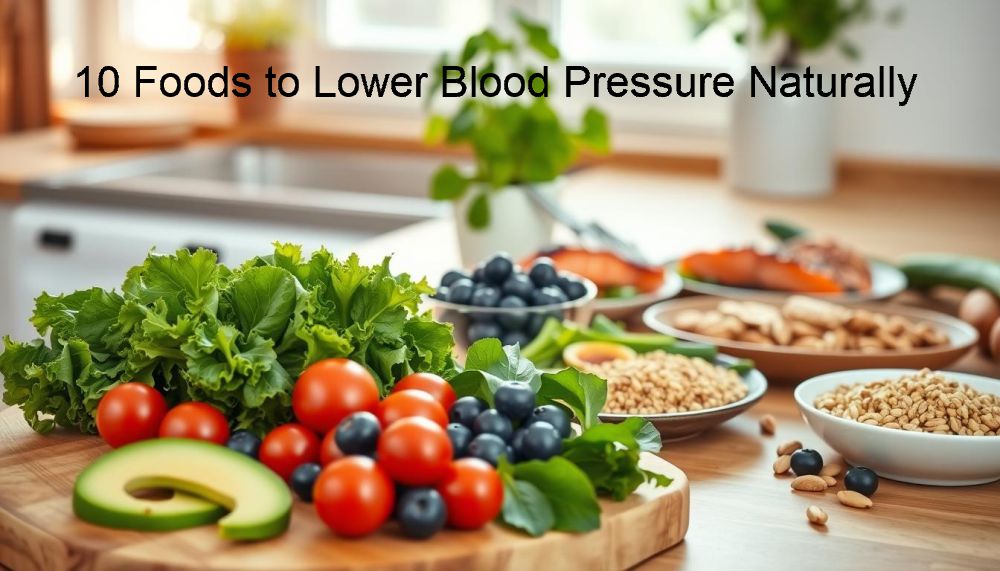
By making informed dietary choices, individuals can take a proactive approach to maintaining healthy blood pressure levels. In this article, we’ll explore 10 specific foods that can help.
Key Takeaways
- Incorporating a heart-healthy diet can help manage blood pressure levels.
- Certain foods are rich in nutrients that support blood pressure health.
- A well-balanced diet is crucial for overall cardiovascular health.
- Making informed dietary choices can help lower blood pressure naturally.
- A healthy diet is a key component of a comprehensive approach to blood pressure management.
Understanding High Blood Pressure and the Role of Diet
High blood pressure, or hypertension, is a condition that can be influenced by dietary choices, making it essential to understand how different foods impact blood pressure levels. Effective management of high blood pressure involves a combination of lifestyle changes and dietary adjustments.
What Causes High Blood Pressure
High blood pressure is caused by a combination of genetic, environmental, and lifestyle factors. Poor diet, lack of physical activity, and excessive sodium intake are among the key factors that can contribute to the development of hypertension. Understanding these causes is crucial for developing effective strategies for managing the condition.
How Food Affects Blood Pressure Levels
The foods we eat play a significant role in determining our blood pressure levels. Consuming foods high in sodium can lead to higher blood pressure in some individuals, while a diet rich in potassium can help lower it. Incorporating foods that are rich in nutrients and low in sodium is a key dietary change that can help manage high blood pressure.
The DASH Diet Approach
The DASH (Dietary Approaches to Stop Hypertension) diet is a well-studied eating plan that has been shown to be effective in lowering blood pressure. It emphasizes the consumption of fruits, vegetables, whole grains, and lean protein sources, while limiting sodium and sugary drinks. By following the DASH diet, individuals can make significant strides in managing their blood pressure through dietary changes.
Leafy Greens: Potassium Powerhouses
Leafy greens are packed with potassium, an essential mineral for maintaining healthy blood pressure. These nutrient-dense foods play a crucial role in a diet aimed at managing hypertension.
Why Potassium Matters for Blood Pressure
Potassium helps balance the effects of sodium in the body and promotes healthy blood vessel function. Adequate potassium intake can help lower blood pressure by counteracting the effects of sodium and supporting overall cardiovascular health.
Best Leafy Greens for Hypertension
Some of the best leafy greens for hypertension include spinach, kale, Swiss chard, and arugula. These greens are not only rich in potassium but also packed with other nutrients beneficial for heart health.
Spinach and Kale Benefits
Spinach and kale are standout choices, offering high levels of potassium and antioxidants. They can be easily incorporated into salads, smoothies, or sautéed as side dishes.
Swiss Chard and Arugula
Swiss chard and arugula are other excellent options, providing a peppery flavor and a boost of potassium. They can add variety to salads and cooked meals.
Easy Ways to Add More Greens to Your Diet
Incorporating leafy greens into your diet can be simple. Try adding spinach to your morning smoothie or sautéing kale with garlic as a side dish. You can also use arugula in salads or as a pizza topping.
| Leafy Green | Potassium Content (mg per cup) | Easy Ways to Include |
|---|---|---|
| Spinach | 840 | Smoothies, salads, sautéed |
| Kale | 900 | Salads, soups, baked chips |
| Swiss Chard | 960 | Sautéed, soups, stews |
| Arugula | 220 | Salads, pizza topping, sandwiches |
Berries: Antioxidant-Rich Foods to Lower Blood Pressure
Rich in flavonoids, berries offer a delicious way to support heart health and manage hypertension. Berries are not only a tasty addition to various meals but are also packed with nutrients that can help improve cardiovascular health.
How Flavonoids Improve Blood Vessel Function
Flavonoids, found abundantly in berries, play a crucial role in improving blood vessel function. They help in relaxing the blood vessels, thereby reducing blood pressure. Regular consumption of flavonoid-rich foods can lead to significant improvements in cardiovascular health.
Top Berries for Heart Health
Some of the top berries for heart health include:
- Blueberries
- Strawberries
- Raspberries
These berries are rich in antioxidants and flavonoids, making them excellent choices for those looking to lower their blood pressure.
Blueberries and Blood Pressure Research
Research has shown that blueberries can have a positive impact on blood pressure due to their high anthocyanin content. Anthocyanins are powerful antioxidants that help in reducing inflammation and improving heart health.
Strawberries, Raspberries and Other Options
Strawberries and raspberries are also beneficial, offering a rich source of vitamins, minerals, and antioxidants. Incorporating a variety of berries into your diet can provide a broad range of health benefits.
Delicious Ways to Enjoy Berries Daily
Incorporating berries into your daily diet is easy and delicious. Here are some ideas:
- Add fresh or frozen berries to your oatmeal or yogurt
- Blend them into a smoothie with your favorite milk or yogurt
- Use them as a topping for salads or desserts
Enjoying berries daily can be a simple yet effective way to support your heart health and lower blood pressure.
Bananas and Other Potassium-Rich Fruits
A diet rich in potassium can help counterbalance the effects of sodium and support overall cardiovascular health. Potassium is a vital mineral that helps regulate fluid balance in the body and supports healthy blood vessel function.
The Sodium-Potassium Balance
The balance between sodium and potassium is crucial for maintaining healthy blood pressure. Potassium helps to relax blood vessels, counteracting the effects of sodium, which can cause blood vessels to constrict. “A diet high in potassium can help lower blood pressure by promoting healthy blood vessel function,” according to recent studies.
Beyond Bananas: Other Potassium-Rich Options
Bananas are well-known for their potassium content, but other fruits are also rich in this essential mineral.
Avocados and Blood Pressure
Avocados are not only a good source of potassium but also rich in healthy fats that support overall heart health.
Oranges and Melons
Oranges and melons, such as cantaloupe, are also high in potassium and can be easily incorporated into your daily diet.
Ideal Serving Sizes for Maximum Benefits
To reap the benefits of potassium-rich fruits, it’s essential to consume them in the right amounts. Aim for 1-2 servings per day, with one serving being approximately 100g or 3.5 ounces.
Beets: Natural Nitrate Sources for Vascular Health
Beets are not only a vibrant addition to meals but also a valuable source of nitrates that can benefit cardiovascular health. Nitrates are compounds that can help relax blood vessels, improving blood flow and potentially lowering blood pressure.
Nitrates and Blood Pressure
Nitrates in beets are converted into nitric oxide in the body, which helps to dilate blood vessels. This dilation can lead to a reduction in systolic blood pressure. The role of nitrates in vascular health is significant, as they can improve the overall function of the endothelium, the inner lining of blood vessels.
Research on Beet Juice and Hypertension
Several studies have investigated the effects of beet juice on hypertension. Beet juice is a concentrated source of dietary nitrates.
Clinical Studies and Results
Clinical trials have shown that consuming beet juice can lead to a significant reduction in systolic blood pressure. A study published in the Journal of Human Hypertension found that beet juice supplementation resulted in dose-dependent reductions in blood pressure.
Recommended Consumption Amounts
The optimal amount of beet juice for blood pressure reduction varies, but consuming 250-500 ml per day is commonly recommended. It’s essential to consult with a healthcare provider before starting any new dietary regimen.
| Study | Beet Juice Dose | Blood Pressure Reduction |
|---|---|---|
| Study A | 250 ml | 5 mmHg |
| Study B | 500 ml | 8 mmHg |
Creative Ways to Include Beets in Your Diet
Beets can be incorporated into the diet in various ways: raw, cooked, pickled, or juiced. Adding beets to salads, soups, or making beet-based dishes can enhance both the nutritional value and the visual appeal of meals.
As Dr. Andrew Weil once said, “A diet rich in fruits, vegetables, and whole grains can help lower blood pressure and improve overall health.” Incorporating beets into your diet is a step towards achieving that goal.
“The regular consumption of beets can be a simple yet effective way to support vascular health.”
Whole Grains: Fiber for Heart Health
Whole grains are rich in fiber, which plays a crucial role in supporting cardiovascular health and managing hypertension. Incorporating a variety of whole grains into your diet can help ensure you’re getting a broad range of nutrients.
Oatmeal and Blood Pressure Regulation
Oatmeal is a standout whole grain for its ability to help regulate blood pressure. The soluble fiber in oatmeal can help lower cholesterol levels, which in turn supports heart health. Starting your day with a bowl of oatmeal can be a simple yet effective way to incorporate more whole grains into your diet.
Other Beneficial Whole Grains
Beyond oatmeal, there are numerous other whole grains that offer significant health benefits. These include quinoa, brown rice, barley, and whole wheat.
Quinoa and Brown Rice Benefits
Quinoa is a complete protein, making it an excellent choice for those looking to boost their protein intake while benefiting from whole grains. Brown rice is rich in manganese, a mineral that plays a role in many bodily functions, including the metabolism of nutrients.
Barley and Whole Wheat
Barley is high in beta-glucans, a type of soluble fiber that has been shown to help lower cholesterol levels. Whole wheat is another versatile whole grain that can be incorporated into a variety of dishes, from bread to pasta.
Simple Whole Grain Swaps for Everyday Meals
Making simple swaps in your daily meals can significantly increase your whole grain intake. Try replacing white rice with brown rice or swapping out regular pasta for whole wheat pasta. These small changes can make a big difference in your overall heart health.
Fatty Fish: Omega-3s for Cardiovascular Support
Fatty fish are rich in omega-3 fatty acids, which play a crucial role in maintaining heart health. These nutrients have been shown to support cardiovascular well-being by reducing inflammation and improving blood vessel function.
How Omega-3 Fatty Acids Affect Blood Pressure
Omega-3 fatty acids, particularly EPA and DHA, have been found to help lower blood pressure by reducing the production of certain chemicals in the body that constrict blood vessels. This can lead to improved overall cardiovascular health.
Key Benefits of Omega-3s:
- Reduced inflammation
- Improved blood vessel function
- Lower triglycerides
Best Fish Choices for Heart Health
Not all fatty fish are created equal when it comes to omega-3 content. Some of the best choices include:
Salmon and Mackerel Benefits
Salmon and mackerel are among the top choices for omega-3 rich fish. They are not only delicious but also provide significant cardiovascular benefits.
Sardines and Trout Options
Sardines and trout are other excellent options. They are rich in omega-3s and can be easily incorporated into a heart-healthy diet.
| Fish Type | Omega-3 Content | Preparation Tips |
|---|---|---|
| Salmon | High | Grill or bake with herbs |
| Mackerel | High | Smoke or pickle for added flavor |
| Sardines | Very High | Enjoy canned or fresh on salads |
Recommended Servings and Preparation Methods
For maximum benefits, it’s recommended to consume fatty fish at least twice a week. Preparation methods like grilling, baking, or poaching are healthier than frying.
Tip: Adding a squeeze of lemon and some herbs can enhance the flavor without adding extra salt or calories.
Garlic and Herbs: Natural Vasodilators
The use of garlic and herbs as natural vasodilators offers a promising approach to lowering blood pressure naturally. These ingredients not only add flavor to meals but also provide health benefits that can support cardiovascular well-being.
Allicin and Its Effects on Blood Vessels
Garlic contains a compound called allicin, which is responsible for its medicinal properties. Allicin acts as a vasodilator, meaning it helps to widen blood vessels, improving blood flow and reducing pressure on the vascular walls. This can lead to a decrease in blood pressure, providing relief for individuals with hypertension. The vasodilating effect of allicin is a key factor in its ability to support heart health.
Other Beneficial Herbs for Hypertension
Beyond garlic, several other herbs have been identified for their potential benefits in managing hypertension. These include basil, cardamom, cinnamon, and ginger, each offering unique properties that can contribute to heart health.
Basil and Cardamom Research
Research has shown that basil and cardamom possess properties that can help in lowering blood pressure. Basil’s antioxidant properties and cardamom’s potential to improve circulation make them valuable additions to a diet focused on hypertension management.
Cinnamon and Ginger Benefits
Cinnamon has been found to have a positive effect on blood pressure by improving insulin sensitivity and vascular function. Similarly, ginger has been shown to have anti-inflammatory properties that can aid in reducing blood pressure by improving overall cardiovascular health.
Cooking Tips to Maximize Health Benefits
To maximize the health benefits of garlic and herbs, it’s essential to incorporate them into your diet in a way that preserves their medicinal properties. This can be achieved by adding garlic towards the end of cooking to retain allicin, using fresh herbs whenever possible, and exploring various recipes that highlight these ingredients. Simple changes, like using herbal infusions or adding garlic to sauces, can make a significant difference.
Dark Chocolate and Cocoa: Sweet Relief for Blood Pressure
The flavanols in dark chocolate have been shown to relax blood vessels, potentially lowering blood pressure. This makes dark chocolate a valuable addition to a heart-healthy diet. But what makes dark chocolate so beneficial, and how can you choose the right products?
Flavanols and Blood Vessel Relaxation
Flavanols, found in high amounts in cocoa, help to improve blood flow and lower blood pressure by relaxing blood vessels. This process improves the body’s ability to regulate blood pressure naturally.
Choosing the Right Chocolate Products
Not all dark chocolates are created equal. The key is to choose products with high cocoa content and minimal processing.
Cocoa Percentage and Processing
A higher cocoa percentage typically means more flavanols. Look for dark chocolate with at least 70% cocoa solids.
Reading Labels for Maximum Benefits
Check the ingredient list for minimal added sugars and no artificial additives. This ensures you’re getting the most health benefits from your dark chocolate.
Moderation and Serving Recommendations
While dark chocolate is beneficial, it should be consumed in moderation due to its calorie content. A serving size of about 1 ounce (28 grams) per day is recommended.
| Cocoa Percentage | Flavanol Content | Recommended Serving Size |
|---|---|---|
| 70% | High | 1 oz (28g) |
| 85% | Very High | 1 oz (28g) |
| 90%+ | Extremely High | 1 oz (28g) |
Enjoying dark chocolate as part of a balanced diet can be a delicious way to support heart health.
Olive Oil and Nuts: Heart-Healthy Fats
Olive oil and nuts are two key components of a heart-healthy diet that can help lower blood pressure. Both are rich in healthy fats that support cardiovascular health and can be easily incorporated into daily meals.
Benefits of Extra Virgin Olive Oil
Extra virgin olive oil is rich in monounsaturated fats, which have been shown to improve heart health by reducing inflammation and enhancing blood vessel function. Its high antioxidant content also contributes to its cardiovascular benefits.
Nuts for Blood Pressure Management
Nuts are a good source of healthy fats, protein, and fiber, making them a nutritious snack for heart health. Research has highlighted the benefits of specific nuts in managing blood pressure.
Pistachios and Walnuts Research
Studies have shown that pistachios and walnuts can help lower blood pressure due to their rich content of healthy fats and antioxidants. Regular consumption of these nuts has been associated with improved cardiovascular health.
Almonds and Other Beneficial Nuts
Almonds, along with other nuts like pecans and hazelnuts, are also beneficial for heart health. They provide a mix of healthy fats, fiber, and antioxidants that support overall cardiovascular well-being.
Daily Consumption Guidelines
To reap the benefits of olive oil and nuts, it’s essential to consume them in moderation. Using extra virgin olive oil as a primary cooking oil and snacking on a small handful of nuts daily can be a healthy addition to your diet.
| Nut Type | Serving Size | Health Benefits |
|---|---|---|
| Pistachios | 1 ounce (49 nuts) | Rich in healthy fats and antioxidants |
| Walnuts | 1 ounce (14 halves) | High in omega-3 fatty acids and antioxidants |
| Almonds | 1 ounce (23 nuts) | Good source of vitamin E and magnesium |
Conclusion: Creating a Sustainable Diet for Healthy Blood Pressure
Developing a long-term eating plan is crucial for managing blood pressure effectively. By incorporating the foods discussed into your daily meals, you can make significant strides towards a healthier cardiovascular system. A sustainable diet focuses on gradual, lasting changes rather than quick fixes, ensuring long-term health benefits.
Making dietary changes can seem daunting, but starting with small adjustments can lead to lasting results. Incorporating leafy greens, berries, and other nutrient-rich foods into your meals can help lower blood pressure naturally. It’s about creating a balanced eating plan that you can maintain over time, not just following a short-term diet.
A healthy blood pressure is achievable through a combination of a balanced diet, regular physical activity, and stress management. By adopting a sustainable diet and making healthy lifestyle choices, you can significantly improve your overall cardiovascular health and reduce the risk of related complications.
Embracing a sustainable diet is a journey towards a healthier you. By focusing on whole, nutrient-rich foods and making informed choices, you can take control of your blood pressure and enhance your overall well-being.
FAQ
What are some natural ways to lower blood pressure?
Incorporating certain foods into your diet, such as leafy greens, berries, and fatty fish, can help lower blood pressure naturally. Additionally, maintaining a balanced diet, reducing sodium intake, and staying hydrated can also contribute to healthy blood pressure levels.
How does potassium help with blood pressure management?
Potassium helps balance the effects of sodium in the body and can aid in lowering blood pressure by promoting blood vessel relaxation and improving overall cardiovascular health.
Are there any specific foods that can help reduce blood pressure?
Yes, foods rich in potassium, such as bananas and leafy greens, as well as those high in antioxidants like berries, can help reduce blood pressure. Other beneficial foods include beets, whole grains, fatty fish, garlic, and dark chocolate.
Can dietary changes alone manage high blood pressure?
While dietary changes are a crucial aspect of managing high blood pressure, they may not be enough on their own for everyone. It’s essential to combine a healthy diet with other lifestyle modifications, such as regular exercise and stress management, and to follow any medical treatment plans recommended by a healthcare provider.
How does the DASH diet help with blood pressure management?
The DASH diet, which focuses on whole grains, fruits, vegetables, lean protein, and low-fat dairy, is designed to help lower blood pressure. It emphasizes reducing sodium intake and increasing consumption of nutrients that are beneficial for blood pressure management.
What role do omega-3 fatty acids play in heart health?
Omega-3 fatty acids, found in fatty fish and some nuts and seeds, support heart health by reducing inflammation, improving blood lipid profiles, and aiding in blood pressure management.
How can I incorporate more heart-healthy foods into my diet?
Start by making small changes, such as adding a serving of leafy greens or berries to your meals, switching to whole grains, and including fatty fish in your diet a few times a week. Exploring new recipes and meal ideas can also help make dietary changes more enjoyable and sustainable.
Are there any foods I should avoid to help manage blood pressure?
Yes, it’s beneficial to limit or avoid foods high in sodium, added sugars, and saturated fats, as they can negatively impact blood pressure and overall cardiovascular health. Processed and packaged foods are often high in these ingredients.
Can drinking beet juice help lower blood pressure?
Beet juice is rich in nitrates, which can help lower blood pressure by improving blood vessel function. Some studies suggest that regular consumption of beet juice may contribute to reduced systolic blood pressure.
How does dark chocolate affect blood pressure?
Dark chocolate contains flavanols, which can help relax blood vessels and improve blood flow, potentially lowering blood pressure. However, it’s essential to consume dark chocolate in moderation due to its calorie content.