Mucuna Pruriens, commonly known as the velvet bean, is a tropical legume that has been used for centuries in traditional medicine.
It’s renowned for its high content of L-Dopa, a precursor to dopamine, a neurotransmitter that plays a crucial role in the brain’s reward and pleasure centers, as well as regulation of movement and emotional responses.
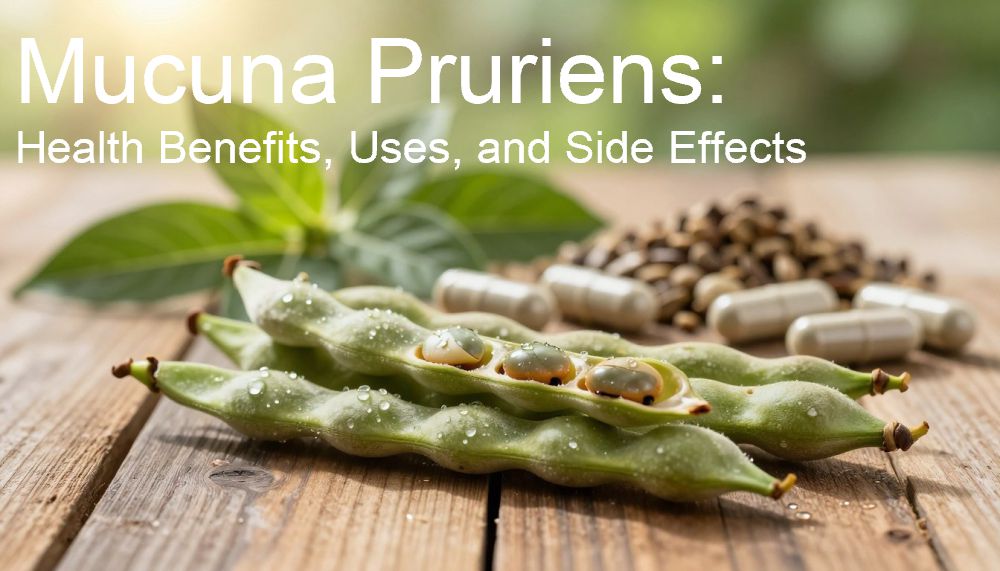
The use of Mucuna Pruriens has been associated with various health benefits, including improved mood, enhanced cognitive function, and relief from stress.
However, like any supplement, it is not without its potential side effects, making it essential to understand its uses and risks.
Key Takeaways
- Mucuna Pruriens is a rich source of L-Dopa, which is converted into dopamine in the brain.
- It is used to improve mood and cognitive function.
- The supplement has been associated with various health benefits.
- Potential side effects need to be considered.
- Understanding its uses and risks is crucial before supplementation.
- Mucuna Pruriens is also known as the velvet bean.
What Is Mucuna Pruriens?
Mucuna Pruriens, commonly known as the velvet bean, is a tropical legume that has been used for centuries in traditional medicine. This plant has garnered significant attention in recent years due to its potential health benefits and unique chemical composition.
Botanical Characteristics and Origin
Mucuna Pruriens is characterized by its climbing vine nature and its pods, which are covered in fine hairs that can cause irritation. It is native to tropical regions, including parts of Africa, Asia, and the Caribbean. The plant thrives in warm, humid climates and is often found in areas with rich soil.
Historical Background
The use of Mucuna Pruriens dates back centuries, with roots in Ayurvedic medicine. It has been traditionally used for various purposes, including as a natural remedy for neurological disorders and as an aphrodisiac. The plant’s seeds, in particular, have been valued for their medicinal properties.
Chemical Composition
One of the key components of Mucuna Pruriens is L-Dopa (Levodopa), a precursor to dopamine, a neurotransmitter that plays a crucial role in brain function and mood regulation. The seeds of the plant contain significant amounts of L-Dopa, making them a valuable resource for natural dopamine support. Other compounds present in Mucuna Pruriens include serotonin and bufotenine, contributing to its complex pharmacological profile.
The Science Behind Mucuna Pruriens
Understanding the science behind Mucuna Pruriens reveals its potential therapeutic benefits. Mucuna Pruriens is more than just a plant with historical significance; it’s a key to unlocking various physiological processes, particularly in the realm of neurotransmitters.
The plant’s seeds contain a high concentration of L-dopa (levodopa), a precursor to dopamine, a crucial neurotransmitter in the brain. L-dopa is directly involved in dopamine production, making Mucuna Pruriens a significant natural source for enhancing dopaminergic activity.
L-Dopa and Dopamine Production
L-dopa is a critical amino acid that serves as a precursor to dopamine, norepinephrine, and epinephrine. Dopamine is a vital neurotransmitter associated with pleasure, reward, and motivation. The conversion of L-dopa to dopamine is a crucial step in neurotransmitter synthesis.
“The administration of L-dopa has been shown to increase dopamine levels in the brain, thereby potentially alleviating symptoms associated with dopamine deficiency,” as noted in various neurological studies.
Other Active Compounds
Apart from L-dopa, Mucuna Pruriens contains other bioactive compounds, including flavonoids, alkaloids, and glycosides. These compounds contribute to the plant’s overall therapeutic profile, potentially offering antioxidant, anti-inflammatory, and neuroprotective effects.
- Flavonoids: Known for their antioxidant properties.
- Alkaloids: May contribute to the plant’s neuroactive effects.
- Glycosides: Can have various physiological effects, including on the cardiovascular system.
How It Works in the Body
When ingested, Mucuna Pruriens’ L-dopa is absorbed into the bloodstream, crossing the blood-brain barrier to increase dopamine levels in the brain. This increase in dopamine can have various effects, including improved mood, enhanced cognitive function, and better motor control.
The therapeutic potential of Mucuna Pruriens is vast, ranging from neurological health to overall well-being. Its natural origin and relatively safe profile make it an attractive option for those seeking to enhance their health naturally.
Traditional Uses of Mucuna Pruriens
The use of Mucuna Pruriens in traditional medicine dates back centuries, with significant roots in Ayurvedic practices. This herb has been revered for its multifaceted health benefits and has played a crucial role in various traditional healing systems.
Ayurvedic Medicine Applications
In Ayurvedic medicine, Mucuna Pruriens is considered a Rasayana, a category of herbs believed to promote overall health and longevity. It is used to enhance vitality, improve cognitive function, and support reproductive health. The herb is also known for its nervine properties, helping to manage stress and anxiety.
Ayurvedic practitioners often combine Mucuna Pruriens with other herbs to enhance its effects. For instance, it is commonly paired with Ashwagandha to amplify its stress-relieving properties.
| Ayurvedic Use | Description | Benefits |
|---|---|---|
| Rasayana | Promotes overall health and longevity | Enhances vitality, cognitive function |
| Nervine Properties | Helps manage stress and anxiety | Promotes mental well-being |
| Reproductive Health | Supports fertility and reproductive health | Improves reproductive functions |
Cultural Significance
Mucuna Pruriens holds significant cultural and spiritual importance in various societies. In India, it is considered a sacred plant and is used in traditional rituals and ceremonies. The herb is also valued for its aphrodisiac properties, making it a part of traditional practices aimed at enhancing fertility and sexual vitality.
Historical Medicinal Uses
Historically, Mucuna Pruriens has been used in various medicinal contexts. In addition to its Ayurvedic applications, it has been utilized in folk medicine across different cultures for its perceived health benefits. The herb has been used to treat a range of conditions, from snake bites to various inflammatory diseases.
The historical use of Mucuna Pruriens underscores its versatility and the broad spectrum of its medicinal properties. Its continued use in modern times is a testament to its enduring value in traditional and contemporary healing practices.
Health Benefits of Mucuna Pruriens
The health benefits of Mucuna Pruriens are multifaceted, impacting various aspects of health, from neurological function to reproductive well-being. This herb has been used for centuries in traditional medicine, and modern research continues to uncover its potential benefits.
Neurological Benefits
Mucuna Pruriens is perhaps best known for its neurological benefits, particularly in relation to Parkinson’s disease and mood enhancement.
Parkinson’s Disease Support
The high L-Dopa content in Mucuna Pruriens makes it a valuable supplement for individuals with Parkinson’s disease. L-Dopa is a precursor to dopamine, a neurotransmitter that is often deficient in those with Parkinson’s. By increasing dopamine levels, Mucuna Pruriens can help alleviate some symptoms of the disease.
Mood Enhancement
In addition to its potential benefits for Parkinson’s disease, Mucuna Pruriens may also have a positive impact on mood. The increase in dopamine levels can help reduce symptoms of depression and improve overall mood.
Fertility and Reproductive Health
Mucuna Pruriens has been traditionally used to enhance fertility and support reproductive health in both men and women. Some studies suggest that it may improve sperm count and motility, making it a potential natural remedy for male infertility.
Key benefits for fertility include:
- Increased sperm count
- Improved sperm motility
- Enhanced libido
Hormonal Balance
Mucuna Pruriens may also play a role in hormonal balance, particularly in relation to testosterone levels. Some research indicates that it can help increase testosterone, which is essential for various bodily functions, including muscle mass and bone density.
Antioxidant Properties
The herb is rich in antioxidants, which help protect the body from oxidative stress and damage caused by free radicals. This antioxidant activity can contribute to overall health and potentially reduce the risk of chronic diseases.
The antioxidant properties of Mucuna Pruriens offer several benefits, including:
- Protection against cell damage
- Reduced oxidative stress
- Potential anti-aging effects
Mucuna Pruriens for Mental Health
Research into Mucuna Pruriens suggests it may offer significant mental health benefits. As a natural supplement, it has been studied for its potential to alleviate stress and anxiety, its antidepressant effects, and its ability to enhance cognitive function.
Effects on Stress and Anxiety
Mucuna Pruriens is known to influence dopamine levels in the brain, which can have a positive effect on stress and anxiety. Increasing dopamine can help improve mood and reduce feelings of anxiety. According to a study, “Mucuna Pruriens extract has been shown to reduce stress and anxiety in animal models by modulating the hypothalamic-pituitary-adrenal axis”
“The anxiolytic effects of Mucuna Pruriens were associated with its ability to decrease cortisol levels and improve neurotransmitter balance.”
The ability of Mucuna Pruriens to reduce stress and promote relaxation makes it a potential natural remedy for individuals dealing with anxiety disorders.
Potential Antidepressant Effects
The L-Dopa in Mucuna Pruriens is converted into dopamine in the brain, which can help alleviate symptoms of depression. Additionally, it may influence other neurotransmitters like serotonin and norepinephrine, which play crucial roles in mood regulation. Boosting these neurotransmitters can lead to improved mood and reduced depressive symptoms.
Some studies suggest that Mucuna Pruriens may have antidepressant properties, although more research is needed to fully understand its effects on human subjects.
Cognitive Function Enhancement
Mucuna Pruriens has been found to enhance cognitive function, potentially improving memory, focus, and overall brain performance. The increase in dopamine levels is believed to contribute to these cognitive benefits.
- Improved memory
- Enhanced focus
- Better overall cognitive function
By supporting brain health, Mucuna Pruriens may offer a natural way to boost cognitive performance, making it a valuable supplement for individuals looking to improve their mental clarity and productivity.
How to Use Mucuna Pruriens
To harness the benefits of Mucuna Pruriens, it’s essential to understand the various ways to incorporate it into your daily routine. This supplement has gained popularity for its potential to enhance mood, cognitive function, and overall well-being.
Available Forms
Mucuna Pruriens is available in several forms, catering to different preferences and needs. The most common forms include:
- Powder: The raw powder is a popular choice among users, as it can be easily mixed into smoothies or other beverages.
- Capsules/Tablets: For those who prefer a more convenient option, capsules or tablets containing Mucuna Pruriens extract are available.
- Seed Extract: Some products contain a concentrated extract of Mucuna Pruriens seeds, which may offer a more potent effect.
Recommended Dosage
The recommended dosage of Mucuna Pruriens can vary depending on the form and individual needs. Generally, a dosage between 300 mg to 500 mg per day is considered effective.
| Form | Typical Dosage |
|---|---|
| Powder | 1-2 teaspoons per day |
| Capsules/Tablets | 1-2 capsules/tablets per day |
| Seed Extract | 300-500 mg per day |
Timing and Administration
The timing of Mucuna Pruriens intake can influence its effectiveness. Taking it in the morning may help boost energy and cognitive function throughout the day.
Cycling and Long-term Use
Some users prefer to cycle Mucuna Pruriens, taking it for a few weeks followed by a short break. Others may use it continuously. It’s essential to monitor your body’s response and adjust your usage accordingly.
By understanding the available forms, recommended dosages, and optimal timing, you can maximize the benefits of Mucuna Pruriens and incorporate it effectively into your supplement routine.
Potential Side Effects and Safety Concerns
Understanding the potential side effects and safety concerns of Mucuna Pruriens is essential for safe usage. While it offers numerous health benefits, like any supplement, it can have adverse effects and interact with other medications.
Common Side Effects
Mucuna Pruriens is generally considered safe when used appropriately. However, some individuals may experience side effects. Common side effects can include:
- Gastrointestinal discomfort
- Nausea
- Headaches
- Dizziness
These side effects are typically mild and transient. However, if they persist or worsen, it’s advisable to consult a healthcare professional.
Drug Interactions
Mucuna Pruriens can interact with certain medications, potentially altering their effectiveness or increasing the risk of side effects. Notable interactions include:
| Medication Type | Potential Interaction |
|---|---|
| Antidepressants (MAOIs) | Increased risk of serotonin syndrome |
| Antipsychotics | Potential reduction in efficacy |
| Blood thinners | Possible increased risk of bleeding |
It’s crucial to consult with a healthcare provider before using Mucuna Pruriens, especially if you’re taking other medications.
Contraindications
Certain individuals should avoid using Mucuna Pruriens or use it with caution under medical supervision. Contraindications include:
- Pregnancy and breastfeeding: Due to limited research, it’s recommended to avoid Mucuna Pruriens during these periods.
- Surgery: Discontinue use at least two weeks before surgery due to potential effects on blood sugar control and bleeding risk.
- Psychiatric conditions: Individuals with a history of psychiatric disorders should use Mucuna Pruriens cautiously.
Special Precautions
To ensure safe use, consider the following precautions:
- Start with a low dose and gradually increase as needed and under medical supervision.
- Monitor blood pressure and blood sugar levels, as Mucuna Pruriens may affect these.
- Be aware of potential allergic reactions, such as skin rashes or itching.
By understanding these potential side effects and taking necessary precautions, individuals can safely incorporate Mucuna Pruriens into their health regimen.
Who Should Consider Using Mucuna Pruriens?
Understanding who can benefit from Mucuna Pruriens requires examining its effects and potential risks. Mucuna Pruriens is known for its potential to support neurological health and boost dopamine levels. However, like any supplement, it’s crucial to determine whether it’s appropriate for individual use.
Ideal Candidates
Individuals who may benefit from Mucuna Pruriens include those experiencing low dopamine levels, which can manifest as low motivation, mood swings, or decreased libido. People with Parkinson’s disease or those seeking natural support for mental health might also consider Mucuna Pruriens due to its L-Dopa content, which is a precursor to dopamine.
| Condition | Potential Benefit of Mucuna Pruriens |
|---|---|
| Low Dopamine | May help increase dopamine levels |
| Parkinson’s Disease | L-Dopa content may support motor function |
| Mental Health Support | Potential antidepressant effects due to dopamine boost |
When to Avoid It
Despite its potential benefits, Mucuna Pruriens is not suitable for everyone. Pregnant or breastfeeding women should avoid it due to the lack of comprehensive safety data. Individuals with certain medical conditions, such as schizophrenia or other psychiatric disorders, should also exercise caution as Mucuna Pruriens may interact with their condition or medications.
Consulting Healthcare Providers
Before starting Mucuna Pruriens, it’s essential to consult with a healthcare provider, especially for individuals with pre-existing health conditions or those taking medications. A healthcare professional can provide personalized advice based on an individual’s health status and needs.
Conclusion
Mucuna Pruriens has emerged as a significant herb in the realm of health and wellness, offering a multitude of benefits that range from neurological enhancements to reproductive health improvements. This summary highlights the key points discussed, providing a comprehensive overview of its uses and effects.
The benefits of Mucuna Pruriens are largely attributed to its rich composition, including L-Dopa, which plays a crucial role in dopamine production. This has implications for mental health, cognitive function, and overall well-being. Additionally, its antioxidant properties contribute to its therapeutic potential.
While Mucuna Pruriens offers several health benefits, it is essential to be aware of potential side effects and safety concerns. Understanding the recommended dosage, possible drug interactions, and contraindications is vital for safe usage.
In summary, Mucuna Pruriens is a versatile herb with various applications in health and medicine. Its benefits, when weighed against potential risks, make it a valuable consideration for those looking to enhance their well-being, under the guidance of healthcare professionals.
FAQ
What is Mucuna Pruriens?
Mucuna Pruriens, also known as velvet bean, is a legume that has been used in Ayurvedic medicine for centuries. It is known for its high content of L-Dopa, a precursor to dopamine.
What are the health benefits of Mucuna Pruriens?
Mucuna Pruriens is associated with several health benefits, including neurological benefits, fertility and reproductive health, hormonal balance, and antioxidant properties. It is also used to support individuals with Parkinson’s disease.
How does Mucuna Pruriens work in the body?
Mucuna Pruriens works by increasing the production of dopamine in the brain, thanks to its high L-Dopa content. L-Dopa is a precursor to dopamine, a neurotransmitter that plays a crucial role in various bodily functions, including movement and mood regulation.
What are the traditional uses of Mucuna Pruriens?
Traditionally, Mucuna Pruriens has been used in Ayurvedic medicine to treat various health conditions, including nervous system disorders, male infertility, and as an aphrodisiac.
What forms of Mucuna Pruriens are available?
Mucuna Pruriens is available in various forms, including powdered seeds, capsules, and extracts. The choice of form depends on individual preferences and needs.
What is the recommended dosage of Mucuna Pruriens?
The recommended dosage of Mucuna Pruriens varies depending on the individual and the condition being treated. It is essential to consult with a healthcare provider to determine the best dosage.
Can Mucuna Pruriens cause side effects?
Yes, Mucuna Pruriens can cause side effects, including nausea, vomiting, and dyskinesia. It can also interact with certain medications, such as antidepressants and antipsychotics.
Who should avoid using Mucuna Pruriens?
Individuals with certain health conditions, such as psychosis, and those taking certain medications, such as MAOIs, should avoid using Mucuna Pruriens. Pregnant or breastfeeding women should also consult with their healthcare provider before using it.
Can Mucuna Pruriens be used long-term?
Long-term use of Mucuna Pruriens can lead to tolerance and potential side effects. It is recommended to cycle its use and consult with a healthcare provider to determine the best approach.
Is Mucuna Pruriens safe to use?
Mucuna Pruriens is generally considered safe when used under the guidance of a healthcare provider. However, it is crucial to be aware of the potential side effects and interactions with other medications.