Lavender oil has been a staple in natural health and wellness for centuries, renowned for its calming and soothing properties.
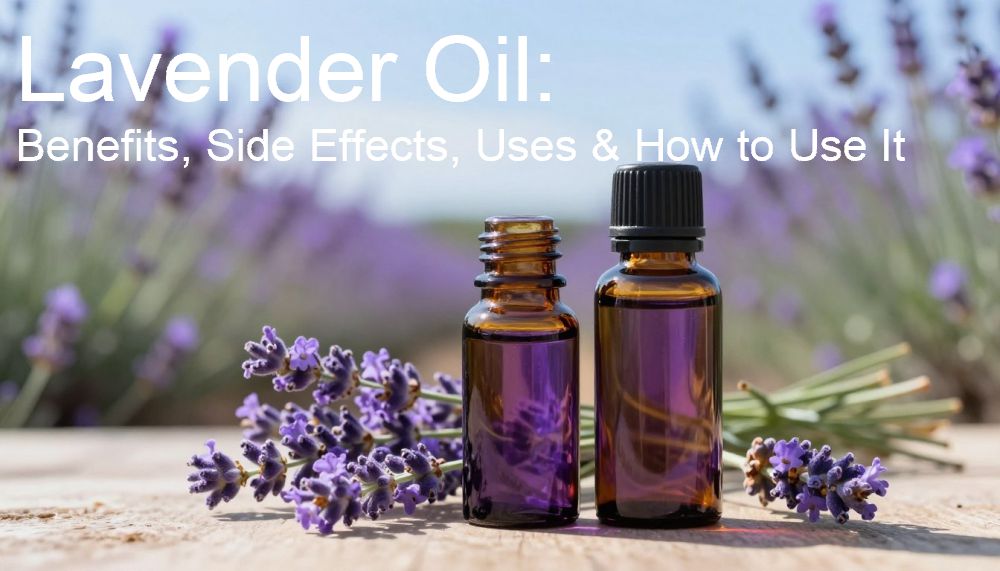
The benefits of lavender oil are numerous, ranging from promoting relaxation and improving sleep quality to reducing anxiety and stress.
With its versatility, lavender essential oil can be used in various ways, from aromatherapy to skincare, making it a valuable addition to any wellness routine.
Key Takeaways
- Understand the benefits and uses of lavender oil
- Learn how to incorporate lavender essential oil into your daily routine
- Discover the potential side effects and precautions
- Explore the different methods of using lavender oil
- Find out how lavender oil can enhance your well-being
What is Lavender Oil?
Lavender oil, extracted from the delicate purple flowers of the Lavandula angustifolia plant, is renowned for its therapeutic benefits. This essential oil has been a cornerstone in herbal medicine for centuries, valued for its calming and healing properties.
Botanical Origins of Lavender
Lavender oil originates from the Lavandula genus, which comprises several species. Lavandula angustifolia, also known as English lavender, is the most commonly used species for producing high-quality lavender essential oil. Native to the Mediterranean region, lavender thrives in dry, sunny conditions.
Extraction Methods
The extraction of lavender oil typically involves steam distillation, a process that preserves the oil’s delicate chemical composition. This method ensures that the essential oil retains its therapeutic properties, making it suitable for various applications.
Chemical Composition
Lavender oil’s chemical composition is complex, featuring compounds such as linalool and linalyl acetate. These constituents contribute to its calming effects and therapeutic benefits. The exact composition can vary depending on factors like the lavender species and growing conditions.
The History and Traditional Uses of Lavender Oil
The use of lavender oil dates back to ancient times, where it was valued for its medicinal and spiritual properties. Lavender has been used for centuries in various cultures, not only for its calming effects but also for its versatility in traditional practices.
Ancient Medicinal Applications
Lavender oil was utilized in ancient medicine for its antiseptic and anti-inflammatory properties. The Egyptians, for instance, used lavender in their mummification processes and for perfuming. The Romans and Greeks employed it for its healing properties and to scent their baths.
- Treatment of wounds and skin conditions
- Relief from anxiety and stress
- Improvement of sleep quality
Cultural Significance Throughout History
Lavender oil has played a significant role in various cultures throughout history. It was used in traditional ceremonies and rituals, symbolizing purity, silence, and devotion. The oil was also a symbol of luxury and was used extensively in perfumery.
In many cultures, lavender was believed to ward off evil spirits and promote a peaceful environment. Its calming scent made it a staple in households, where it was used to create a soothing atmosphere.
Health Benefits of Lavender Oil
With its calming effects and therapeutic properties, lavender oil is increasingly being used to promote overall well-being. The health benefits of lavender oil are diverse and well-documented, making it a valuable addition to any health regimen.
Anxiety and Stress Reduction
Lavender oil is renowned for its anxiety-reducing properties. Studies have shown that inhaling lavender oil can significantly reduce anxiety levels and promote relaxation. This makes it an excellent natural remedy for individuals dealing with stress and anxiety disorders.
Sleep Quality Improvement
The calming effects of lavender oil also extend to improving sleep quality. By promoting relaxation and reducing anxiety, lavender oil helps individuals fall asleep faster and enjoy a more restful sleep. This is particularly beneficial for those suffering from insomnia or other sleep disorders.
Pain Management
Lavender oil has been found to be effective in pain management. Its anti-inflammatory and analgesic properties make it a useful natural remedy for alleviating pain associated with various conditions, including arthritis and muscle tension.
Headache Relief
The calming and pain-relieving properties of lavender oil also make it beneficial for headache relief. Applying lavender oil topically or inhaling it through aromatherapy can help alleviate headache symptoms and promote relaxation.
In conclusion, the health benefits of lavender oil are multifaceted, ranging from anxiety and stress reduction to improved sleep quality and pain management. Its efficacy in promoting overall well-being makes it a valuable natural remedy.
Lavender Oil for Skin Care
Lavender oil’s therapeutic properties make it an excellent addition to any skin care routine, promoting healthy and balanced skin. Its natural benefits can address various skin concerns, from acne and aging to wounds and irritations.
Acne Treatment
Lavender oil is known for its antimicrobial properties, making it effective in treating acne by reducing inflammation and preventing infection. It can be used as a natural alternative to harsh acne treatments.
To use lavender oil for acne, dilute it with a carrier oil like coconut or jojoba oil and apply it to the affected area using a cotton swab.
Anti-aging Properties
Lavender oil is rich in antioxidants, which help to reduce the appearance of fine lines and wrinkles. Its anti-aging properties promote a smoother, more youthful complexion.
Regular use of lavender oil can improve skin elasticity and tone, giving the skin a more radiant appearance.
Wound Healing
The antiseptic properties of lavender oil make it beneficial for wound healing. It helps to prevent infection and promote a healthy healing process.
Applying diluted lavender oil to minor cuts and scrapes can reduce the risk of scarring and speed up recovery.
Eczema and Dermatitis Relief
Lavender oil’s soothing and anti-inflammatory properties provide relief for skin conditions like eczema and dermatitis. It helps to calm irritated skin and reduce redness.
Using lavender oil in a warm bath or as a topical application can offer significant relief from the discomfort associated with these conditions.
Aromatherapy Applications of Lavender Oil
Aromatherapy with lavender oil is renowned for its ability to promote relaxation and reduce stress. This ancient practice involves the use of essential oils to enhance physical and emotional well-being.
Diffusion Methods
One of the most effective ways to enjoy the benefits of lavender oil in aromatherapy is through diffusion. Diffusers disperse the oil into the air, allowing for a subtle yet impactful experience. There are various types of diffusers, including ultrasonic and nebulizing diffusers, each offering a unique way to release the oil’s fragrance and benefits.
Inhalation Techniques
In addition to diffusion, direct inhalation is another method used in aromatherapy. This can be done by inhaling the oil directly from the bottle or by adding a few drops to a cloth or handkerchief. Inhalation techniques can provide immediate relief from anxiety and stress.
Psychological and Calming Effects
The psychological and calming effects of lavender oil are well-documented. The oil’s calming properties can help reduce anxiety, promote a good night’s sleep, and even alleviate symptoms of depression. By incorporating lavender oil into aromatherapy practices, individuals can experience a significant improvement in their mental well-being.
Lavender oil’s versatility in aromatherapy makes it a valuable tool for those seeking to enhance their relaxation and reduce stress. Whether through diffusion or inhalation, the benefits of lavender oil are accessible and effective.
How to Use Lavender Oil Topically
Using lavender oil topically can be a highly effective way to reap its numerous benefits. When applied directly to the skin, lavender oil can promote relaxation, soothe muscle tension, and support skin health.
Proper Dilution with Carrier Oils
Before applying lavender oil topically, it’s essential to dilute it with a carrier oil to avoid skin irritation. Carrier oils like coconut, jojoba, and sweet almond oil are popular choices. A general dilution ratio is 3-5 drops of lavender oil per teaspoon of carrier oil.
- Coconut oil: Moisturizing and antimicrobial
- Jojoba oil: Easily absorbed and non-greasy
- Sweet almond oil: Gentle and rich in vitamins
Massage Applications
Massage is an excellent way to apply lavender oil topically. Mix a few drops of lavender oil with a carrier oil and gently massage it into the skin. This can help reduce muscle tension and promote relaxation.
Benefits of lavender oil massage:
- Relieves muscle pain and tension
- Improves sleep quality
- Reduces stress and anxiety
Bath and Shower Uses
Adding lavender oil to your bath or shower can be a wonderful way to unwind. Mix a few drops with bath salts or shower gel for a relaxing experience.
Direct Application Methods
For specific skin concerns, lavender oil can be applied directly to the affected area. However, it’s crucial to dilute it first and perform a patch test to ensure you don’t have any sensitivity.
Always consult with a healthcare professional before using lavender oil, especially if you have sensitive skin or allergies.
Combining Lavender Oil with Other Essential Oils
Blending lavender oil with other essential oils can significantly enhance its therapeutic benefits. This practice allows individuals to create customized blends tailored to specific needs, such as relaxation, skin care, or respiratory health.
Lavender and Tea Tree Oil Benefits
One popular combination is lavender and tea tree oil. Tea tree oil is known for its antimicrobial properties, making it an excellent addition to lavender oil for skin care. Together, they can help reduce acne and soothe irritated skin. This blend is particularly beneficial for its ability to promote healthy skin while calming the mind.
Complementary Oil Combinations
Lavender oil can be combined with various other essential oils to achieve different benefits. For example, blending lavender with frankincense oil can enhance its anti-inflammatory properties, while combining it with bergamot oil can boost its stress-relieving effects. Experimenting with different combinations can help individuals find the perfect blend for their needs.
Synergistic Effects
The concept of synergistic effects refers to the idea that the combined effect of two or more essential oils is greater than the sum of their individual effects. When lavender oil is blended with complementary oils, the resulting mixture can have a more profound impact on health and well-being than using lavender oil alone.
By understanding the benefits of different essential oil combinations, individuals can harness the full potential of lavender oil and enhance their overall health.
Oral Consumption and Supplementation
Oral consumption of lavender oil, though less common, has garnered attention for its possible therapeutic effects. While it’s primarily used topically or through aromatherapy, some individuals explore oral supplementation for its potential health benefits.
Safety First: It’s crucial to note that lavender oil is highly concentrated and potentially toxic if ingested undiluted or in large quantities. Therefore, any oral consumption should be approached with caution and under professional guidance.
Silexan and Other Preparations
Silexan is a well-studied, orally administered lavender oil preparation that has been shown to have anxiolytic effects without sedation. It’s a proprietary, enteric-coated capsule that ensures the oil is released in the intestine, minimizing potential gastric irritation.
Other preparations may include lavender oil capsules or softgels, often used for their potential calming effects. However, the quality and efficacy can vary significantly between products, emphasizing the need for choosing reputable brands.
Dosage Recommendations
The appropriate dosage of lavender oil for oral consumption can vary. For Silexan, a typical dosage is 80 mg per day. It’s essential to follow the manufacturer’s instructions or consult with a healthcare professional to determine the best dosage for individual needs.
Culinary Uses
Lavender oil can also be used in culinary applications, adding a floral note to various dishes. However, due to its potency, only a few drops should be used. It’s also crucial to ensure the oil is labeled as “food-grade” to guarantee it’s safe for ingestion.
When incorporating lavender oil into recipes, start with a small amount (about 1/4 teaspoon per recipe) and adjust to taste. It’s suitable for baked goods, desserts, and certain savory dishes, offering a unique flavor dimension.
In conclusion, while oral consumption of lavender oil can offer potential benefits, it’s vital to do so responsibly and with awareness of the potential risks and proper dosages.
Potential Side Effects and Precautions
Understanding the potential side effects of lavender oil is essential for safe usage. While lavender oil is generally considered safe when used appropriately, there are certain precautions to be aware of to minimize risks.
Skin Reactions and Allergies
Lavender oil can cause skin irritation or allergic reactions in some individuals. It’s recommended to perform a patch test before using it topically. Diluting lavender oil with a carrier oil can also help reduce the risk of skin reactions.
Drug Interactions
Lavender oil may interact with certain medications, including sedatives and antidepressants. If you’re taking any prescription medications, consult with your healthcare provider before using lavender oil, especially if you’re considering using it for therapeutic purposes.
Pregnancy and Breastfeeding Concerns
Pregnant or breastfeeding women should exercise caution when using lavender oil. While it’s generally considered safe in small amounts, high concentrations or prolonged use may pose risks. Always consult with a healthcare professional before using lavender oil during pregnancy or breastfeeding.
When to Avoid Lavender Oil
Individuals with certain health conditions, such as hormone-sensitive cancers, should avoid using lavender oil or consult with their healthcare provider. Additionally, children and pets may be more susceptible to the effects of lavender oil, so it’s crucial to use it judiciously.
| Precaution | Description |
|---|---|
| Skin Patch Test | Perform a patch test before topical use to check for allergic reactions. |
| Consult Healthcare Provider | Consult with a healthcare provider if taking medications or during pregnancy/breastfeeding. |
| Avoid in Certain Conditions | Avoid use in hormone-sensitive cancers and exercise caution in children and pets. |
DIY Lavender Oil Recipes and Home Uses
Creating your own lavender oil blends can be a fun and rewarding experience, allowing you to tailor the scents to your preferences. Lavender oil is a versatile essential oil that can be used in a variety of applications, from personal care to household cleaning.
Homemade Massage Oils
One of the most popular uses for lavender oil is in homemade massage oils. By combining lavender oil with a carrier oil like coconut or jojoba oil, you can create a relaxing and soothing massage blend. Simply mix a few drops of lavender oil with your chosen carrier oil and gently massage onto the skin.
Sleep and Relaxation Blends
Lavender oil is well-known for its calming properties, making it an excellent addition to sleep and relaxation blends. You can create a sleep-promoting spray by mixing lavender oil with water and spraying it on your pillow before bed. Alternatively, add a few drops of lavender oil to your bath water for a relaxing soak.
Household Cleaning Products
Lavender oil can also be used in household cleaning products, providing a natural and fragrant alternative to chemical-based cleaners. Mix lavender oil with baking soda and vinegar to create a natural all-purpose cleaner.
Natural Perfumes and Body Sprays
Finally, lavender oil can be used to create natural perfumes and body sprays. By combining lavender oil with other essential oils and a carrier oil, you can create a unique and refreshing scent. Simply mix the oils together and apply to pulse points or spray onto clothing.
Conclusion
Lavender essential oil has been extensively discussed in this article, highlighting its numerous benefits and uses. From its botanical origins to its various applications in health, skin care, and aromatherapy, lavender oil has proven to be a versatile and valuable resource.
The benefits of lavender oil are multifaceted, ranging from anxiety and stress reduction to improved sleep quality and pain management. Its use in skin care has shown promising results in acne treatment, anti-aging, and wound healing. Moreover, its applications in aromatherapy have demonstrated significant psychological and calming effects.
To fully harness the advantages of lavender essential oil, it is essential to understand how to use it effectively. Proper dilution with carrier oils, massage applications, and diffusion methods are just a few ways to incorporate lavender oil into daily life. By exploring the various uses of lavender oil, individuals can experience its numerous benefits firsthand.
In conclusion, lavender essential oil is a natural and effective solution for various health and wellness needs. Its numerous benefits and uses make it an excellent addition to any self-care routine, promoting relaxation, calmness, and overall well-being.
FAQ
What are the benefits of using lavender oil for anxiety and stress?
Lavender oil has been shown to have a calming effect on the mind and body, reducing anxiety and stress levels. Its anxiolytic properties can help alleviate symptoms of anxiety disorders.
How do I use lavender oil for sleep improvement?
Lavender oil can be used in aromatherapy to promote relaxation and improve sleep quality. You can diffuse it in your bedroom, add a few drops to your pillow, or inhale it directly from a cloth or handkerchief.
Can lavender oil be used on the skin, and are there any precautions?
Yes, lavender oil can be used on the skin, but it’s essential to dilute it with a carrier oil to avoid skin irritation. Always perform a patch test before using it on a larger area, and consult with a healthcare professional if you have sensitive skin.
What is the recommended dosage for orally consuming lavender oil?
The recommended dosage for orally consuming lavender oil, such as Silexan, varies. Typically, it ranges from 80 to 160 mg per day. However, it’s crucial to follow the manufacturer’s instructions and consult with a healthcare professional before ingesting lavender oil.
Can I combine lavender oil with other essential oils, and what are the benefits?
Yes, lavender oil can be combined with other essential oils, such as tea tree oil, to create synergistic blends. This can enhance their therapeutic properties, promoting relaxation, reducing anxiety, and improving skin health.
Are there any potential side effects or interactions with medications when using lavender oil?
While generally considered safe, lavender oil can cause skin reactions, allergic contact dermatitis, or interact with certain medications, such as sedatives. Consult with a healthcare professional before using lavender oil, especially if you’re pregnant, breastfeeding, or taking medications.
How do I store lavender oil to maintain its quality and shelf life?
To maintain the quality and shelf life of lavender oil, store it in a cool, dark place, away from direct sunlight and heat sources. Keep the bottle tightly sealed to prevent oxidation and contamination.
Can lavender oil be used in household cleaning products, and what are the benefits?
Yes, lavender oil can be used in household cleaning products due to its antimicrobial properties. It can help reduce the presence of bacteria, viruses, and fungi, promoting a cleaner and healthier environment.
Is lavender oil safe for use during pregnancy and breastfeeding?
While lavender oil is generally considered safe, it’s recommended to consult with a healthcare professional before using it during pregnancy and breastfeeding. They can provide guidance on safe usage and potential risks.