Staying hydrated and maintaining a balanced diet can be challenging, but incorporating the right foods can make all the difference. One refreshing and nutritious option is a popular vegetable known for its high water content and numerous health benefits.
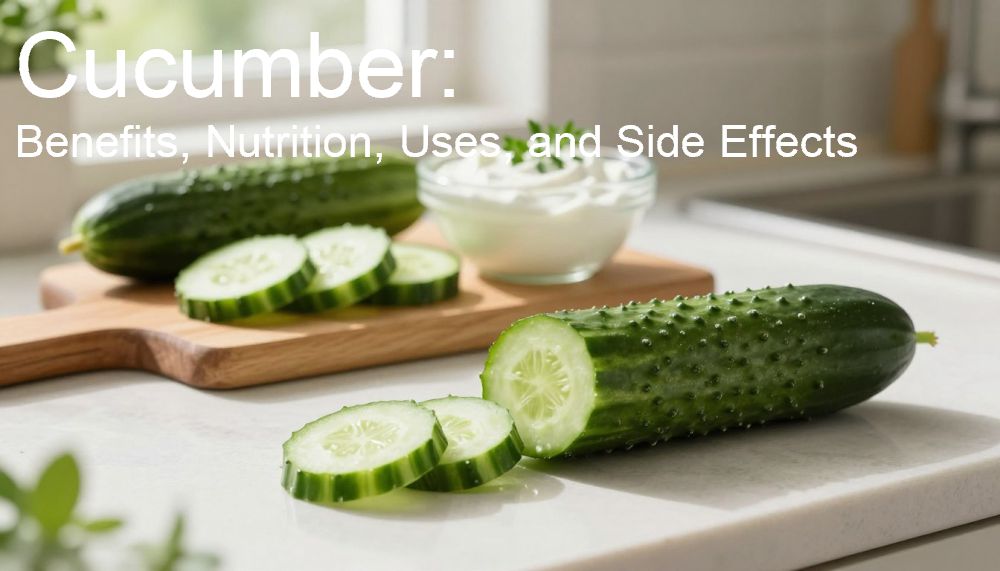
This low-calorie food is not only great for hydration but also rich in essential nutrients, including vitamin K. Its versatility makes it a great addition to various meals and snacks, from salads to sandwiches.
Key Takeaways
- Rich in water content, making it great for hydration
- Low in calories, supporting weight management
- Good source of vitamin K and other essential nutrients
- Versatile ingredient for various dishes
- Supports overall health and well-being
What Are Cucumbers?
The cucumber, scientifically known as Cucumis sativus, is a popular vegetable used in various cuisines around the world. It belongs to the Cucurbitaceae family, which includes other popular gourds like melons and squash.
Origin and Botanical Classification
Cucumbers are believed to have originated in South Asia, specifically in the region between India and the Himalayas. They have been cultivated for over 3,000 years, with evidence of their consumption found in ancient civilizations. Botanically, cucumbers are classified as a type of pepo, a berry with a hard rind.
Popular Varieties of Cucumbers
There are several popular varieties of cucumbers, each with its unique characteristics and uses. The most common types include:
- Slicing cucumbers: These are the most commonly found in supermarkets, ideal for fresh consumption.
- Pickling cucumbers: Smaller and often used for pickling due to their size and flavor.
- English cucumbers: Longer and thinner, with a milder flavor, often used in salads.
These varieties showcase the diversity within the cucumber family, offering a range of options for different culinary needs.
Nutritional Profile of Cucumber
Cucumbers are a nutrient-rich food that provides a range of vitamins, minerals, and antioxidants. They are an excellent addition to a healthy diet, offering numerous benefits due to their rich nutritional profile.
Macronutrients in Cucumbers
Cucumbers are primarily composed of water, making them very low in calories. They contain a small amount of macronutrients, including carbohydrates, proteins, and fats. The calorie count is so low that they are often considered a “negative calorie” food because they require more energy to digest than they provide.
Vitamins and Minerals
Cucumbers are a good source of several important vitamins and minerals. They are rich in vitamin C, a powerful antioxidant that helps protect the body against free radicals. They also contain potassium, an essential mineral that helps regulate blood pressure and support overall cardiovascular health.
Antioxidants and Bioactive Compounds
Cucumbers contain a variety of antioxidants and bioactive compounds that have been shown to have anti-inflammatory properties. These compounds can help protect against oxidative stress and may reduce the risk of chronic diseases such as heart disease and certain cancers.
The nutritional profile of cucumbers makes them a valuable component of a healthy diet, providing essential nutrients and antioxidants that support overall well-being.
Hydration Benefits of Cucumbers
Hydration is key to maintaining various bodily functions, and cucumbers can contribute significantly to this. Cucumbers are composed of about 96% water, making them one of the most water-dense foods available.
High Water Content and Electrolytes
Cucumbers not only have a high water content but also contain essential electrolytes like potassium. These electrolytes help regulate fluid balance in the body, supporting overall hydration. The combination of water and electrolytes in cucumbers makes them an effective snack for replenishing fluids.
Hydration and Overall Health
Proper hydration is crucial for maintaining healthy skin, regulating body temperature, and supporting organ function. Cucumbers, with their high water content, can help individuals stay hydrated, potentially improving overall health. Additionally, consuming cucumber juice can be a refreshing way to boost hydration levels.
Cucumber and Weight Management
Cucumbers offer several benefits that can aid in weight management, making them a valuable component of a healthy diet. Their nutritional profile supports a weight loss regimen through multiple mechanisms.
Low-Calorie Food Option
Cucumbers are extremely low in calories, making them an ideal snack for those monitoring their calorie intake. One medium-sized cucumber contains approximately 45 calories, which is significantly lower than many other snack options. This low-calorie count allows individuals to consume cucumbers in generous portions without significantly impacting their daily calorie quota.
Fiber Content and Satiety
The fiber content in cucumbers also plays a crucial role in weight management. Dietary fiber helps promote feelings of fullness and satiety, reducing the likelihood of overeating. By incorporating cucumbers into meals or using them as a snack, individuals can better manage their hunger and maintain a healthy eating schedule.
Antioxidant and Anti-inflammatory Properties
Cucumbers contain compounds that have been shown to have significant antioxidant and anti-inflammatory effects. These properties make cucumbers a valuable ingredient in both culinary and cosmetic applications.
Free Radical Scavenging Activity
Cucumbers are rich in antioxidants, including various phytochemicals such as flavonoids and triterpenes, which have been demonstrated to scavenge free radicals effectively. This free radical scavenging activity helps protect cells from oxidative damage, potentially reducing the risk of chronic diseases like cancer and cardiovascular disease.
Reducing Oxidative Stress and Inflammation
The anti-inflammatory effects of cucumbers can help mitigate oxidative stress and inflammation in the body. Cucumber extract, in particular, has been studied for its potential to enhance these benefits, suggesting that it could be used as a natural remedy to support overall health and well-being.
By incorporating cucumbers into your diet, you can harness their antioxidant properties to promote a healthier lifestyle.
Skin Health Benefits of Cucumbers
Cucumbers have been used for centuries in skincare routines due to their cooling and hydrating properties. They offer a natural and effective way to address various skin concerns, from inflammation to dryness.
Topical Applications for Skin
Applying cucumber slices directly to the skin can have numerous benefits. The cooling effect helps to reduce inflammation and soothe irritated skin. Cucumbers are also rich in antioxidants, which can help protect the skin from environmental stressors and promote overall skin health.
- Hydrates the skin
- Reduces inflammation
- Soothes irritated skin
Reducing Puffiness Around the Eyes
Cucumber slices are commonly used to reduce puffiness around the eyes. The cooling effect constricts blood vessels, reducing swelling and dark circles. This simple remedy can be particularly effective in the morning or after a long day.
Some key benefits of using cucumbers for puffiness include:
- Reduces swelling
- Constricts blood vessels
- Soothes the under-eye area
By incorporating cucumbers into your skincare routine, you can enjoy these benefits and more, promoting healthier and more radiant skin.
Digestive Health Benefits
Eating cucumbers may help support a healthy digestive system due to their unique nutritional profile. Cucumbers are rich in water and fiber, making them an excellent addition to a diet focused on digestive well-being.
Fiber Content and Digestive Function
The fiber in cucumbers plays a crucial role in maintaining healthy digestion. Fiber helps regulate bowel movements by adding bulk to stool and promoting the growth of beneficial gut bacteria. This can lead to a reduction in symptoms of digestive discomfort, such as bloating and irregularity.
Potential Benefits for Constipation
Cucumbers may also offer relief from constipation due to their high water and fiber content. Adequate hydration and fiber intake are key factors in preventing constipation, as they help soften and move food through the digestive system. Incorporating cucumbers into your diet can be a simple and effective way to support regular bowel movements.
Blood Sugar Management and Cucumbers
Cucumbers may offer benefits for individuals with diabetes due to their potential blood sugar management properties. The potential of cucumbers to influence blood sugar levels is an area of growing interest in nutritional research.
Research on Cucumbers and Diabetes
Studies have begun to explore the relationship between cucumber consumption and diabetes management. Cucumbers contain various bioactive compounds that may contribute to their potential benefits in blood sugar control. Research indicates that certain nutrients and antioxidants in cucumbers could help in managing blood sugar levels.
Compounds in Cucumber Seeds for Blood Sugar Control
Cucumber seeds are rich in bioactive compounds that have been investigated for their potential role in blood sugar management. These compounds may help in regulating blood sugar levels, providing a potential dietary approach for diabetes management. Further research is needed to fully understand the mechanisms and benefits.
The potential benefits of cucumbers and their compounds for blood sugar control highlight the importance of continued research in this area.
Heart Health Benefits
Incorporating cucumbers into your diet can be a simple yet effective way to support cardiovascular health. Cucumbers are rich in nutrients and antioxidants that contribute to overall heart well-being.
Potassium Content and Blood Pressure
Cucumbers are a good source of potassium, an essential mineral that helps regulate blood pressure. Potassium counteracts the effects of sodium, helping to lower blood pressure in people with hypertension. Consuming potassium-rich foods like cucumbers can reduce the risk of cardiovascular diseases.
Cholesterol-Lowering Effects
Research suggests that cucumbers may have a positive impact on cholesterol levels. The fiber content in cucumbers can help bind to bile acids and remove them from the body, which in turn can lead to a reduction in cholesterol production. This cholesterol-lowering effect can significantly reduce the risk of heart disease.
| Nutrient | Amount per 100g | Benefit |
|---|---|---|
| Potassium | 150mg | Regulates blood pressure |
| Fiber | 0.5g | Lowers cholesterol |
Culinary Uses of Cucumber
The culinary uses of cucumbers are diverse, ranging from fresh salads and sandwiches to pickled cucumbers and refreshing juices. Cucumbers can be incorporated into daily meals in various ways, enhancing both the flavor and nutritional value of dishes.
Fresh Cucumber Recipes and Salads
Fresh cucumbers are a staple in many salads, adding a crunchy texture and refreshing flavor. They can be combined with tomatoes, onions, and herbs for a simple yet delicious salad. Cucumber salads are also a great way to stay hydrated during hot summer days.
Pickling and Preservation Methods
Pickling is another popular way to enjoy cucumbers. By soaking cucumbers in a brine solution, they can be preserved for longer periods. Pickling cucumbers are typically smaller and have a thicker skin than those eaten fresh. The process of pickling involves creating a brine with vinegar, salt, and spices, which gives the cucumbers a tangy flavor.
Cucumber Juice and Smoothies
Cucumber juice is a refreshing and healthy beverage that can be enjoyed on its own or blended with other fruits and vegetables. Adding cucumbers to smoothies not only enhances the flavor but also boosts the nutritional content. Cucumber juice is known for its hydrating properties and is often used in detox diets.
Potential Side Effects and Precautions
While cucumbers are generally considered safe, there are potential side effects to be aware of. Consuming cucumbers can be beneficial, but it’s essential to be mindful of the risks, especially for certain individuals.
Allergic Reactions
Some people may experience allergic reactions to cucumbers, which can manifest as itching, swelling, or difficulty breathing. If you suspect an allergy, it’s crucial to consult a healthcare professional for proper diagnosis and guidance.
Digestive Issues
Cucumbers can cause digestive issues in some individuals, such as bloating or gas, particularly when consumed in large quantities. Moderation is key to minimizing these effects.
Medication Interactions
Cucumbers may interact with certain medications, such as blood thinners, due to their vitamin K content. It’s advisable for individuals on medication to consult their healthcare provider about potential interactions.
Being aware of these potential side effects and taking necessary precautions can help ensure a safe and healthy experience with cucumber consumption.
Conclusion
Cucumbers are more than just a refreshing addition to salads and sandwiches; they are a nutrient-rich food that offers numerous health benefits. Throughout this article, we’ve explored the various advantages of incorporating cucumbers into your diet, from their high water content and antioxidant properties to their potential benefits for weight management, skin health, and digestive well-being.
The nutritional profile of cucumbers is impressive, with a good balance of vitamins, minerals, and antioxidants that contribute to overall health. Their versatility in culinary uses, from fresh recipes to pickling and juicing, makes it easy to enjoy their benefits in a variety of ways.
In summary, cucumbers are a simple and effective way to enhance your nutrition and support a healthy lifestyle. By understanding the cucumber benefits and incorporating them into your daily routine, you can take a refreshing step towards better health and well-being. Whether you’re looking to improve your hydration, support your skin health, or simply add some variety to your meals, cucumbers are a great choice.
FAQ
What are the health benefits of eating cucumbers?
Cucumbers offer numerous health benefits, including hydration, antioxidant properties, and anti-inflammatory effects. They are also low in calories and rich in essential nutrients like vitamin K and potassium.
Can cucumbers help with weight loss?
Yes, cucumbers can aid in weight loss due to their low-calorie nature and high water content, making them a filling and nutritious snack.
Are cucumbers good for skin health?
Cucumbers have been used topically to reduce puffiness around the eyes and soothe skin irritations. Their cooling properties can help calm the skin.
Can I consume cucumber seeds?
Yes, cucumber seeds are edible and contain beneficial compounds that may help with blood sugar control and provide antioxidant effects.
How can I incorporate cucumbers into my diet?
Cucumbers can be enjoyed in salads, as a snack, pickled, or blended into juices and smoothies. They are a versatile vegetable that can be used in various culinary preparations.
Are there any potential side effects of eating cucumbers?
While cucumbers are generally safe, some individuals may experience allergic reactions or digestive issues. It’s also important to be aware of potential interactions with certain medications.
Can cucumbers help lower blood sugar levels?
Research suggests that compounds found in cucumber seeds may have a beneficial effect on blood sugar control, although more studies are needed to confirm this.
Are pickled cucumbers as healthy as fresh cucumbers?
While pickled cucumbers can still offer some nutritional benefits, they are often high in sodium. Fresh cucumbers are generally a healthier option due to their lower sodium content.
Can I grow my own cucumbers?
Yes, cucumbers are relatively easy to grow and can be cultivated in a variety of conditions. They are a popular choice for home gardens due to their hardiness and versatility.
How do I store cucumbers to keep them fresh?
Cucumbers should be stored in the refrigerator to maintain their freshness. They can be kept whole or sliced, and it’s best to consume them within a few days of purchase.