Are you tired of living with the discomfort of gastroesophageal reflux disease (GERD)? You’re not alone. Millions of people worldwide suffer from this condition, experiencing symptoms like heartburn and stomach discomfort. The good news is that there are effective remedies and treatments available to help manage your symptoms and improve your quality of life.
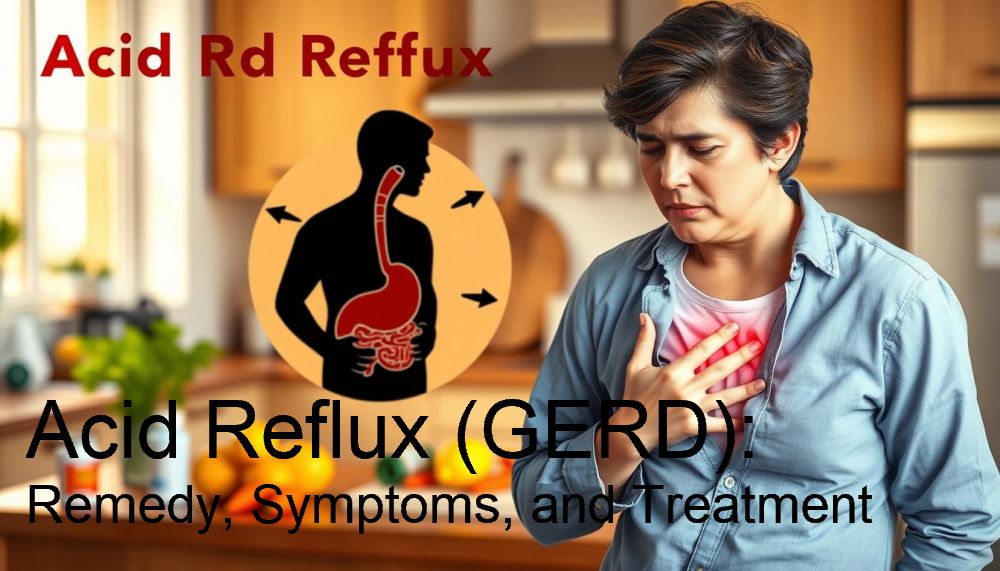
GERD, commonly known as acid reflux, occurs when stomach acid flows back into the esophagus, causing irritation and discomfort. Understanding the causes, symptoms, and treatment options is crucial for finding relief. In this article, we’ll explore the various aspects of GERD, providing you with a comprehensive guide to managing your condition.
Key Takeaways
- GERD is a common condition that affects millions of people worldwide.
- Symptoms include heartburn, stomach discomfort, and difficulty swallowing.
- Effective remedies and treatments are available to manage GERD symptoms.
- Lifestyle changes and medical treatments can help alleviate discomfort.
- Understanding the causes and symptoms is key to finding relief from GERD.
What Is Acid Reflux and GERD?
The terms acid reflux and GERD are often used interchangeably, but they have distinct meanings that are important to understand. Acid reflux, also known as gastroesophageal reflux, occurs when stomach contents flow back into the esophagus, causing symptoms like heartburn.
The Mechanism of Reflux
The lower esophageal sphincter (LES) plays a crucial role in preventing reflux. Normally, the LES relaxes to allow food into the stomach and then tightens to prevent backflow. However, when the LES is weakened or relaxes inappropriately, stomach contents can flow back into the esophagus, causing irritation and discomfort.
This backflow is known as acid reflux, and it can be triggered by various factors, including certain foods, obesity, and pregnancy. Understanding the mechanism behind reflux is essential for managing its symptoms and preventing complications.
| Factors Contributing to Reflux | Description |
|---|---|
| Dietary Choices | Consuming spicy, fatty, or acidic foods can trigger reflux. |
| Obesity | Excess weight can put pressure on the stomach, causing reflux. |
| Pregnancy | Hormonal changes and increased pressure on the stomach can lead to reflux. |
When Occasional Reflux Becomes GERD
While occasional acid reflux is common and usually not a cause for concern, frequent or severe reflux can develop into GERD, a chronic condition that requires medical attention. GERD is characterized by persistent symptoms that occur more than twice a week, significantly impacting quality of life.
GERD can lead to serious complications, such as esophagitis, esophageal stricture, and potentially esophageal cancer if left untreated. Developing a comprehensive treatment plan, which may include lifestyle changes, medications like PPIs, and in some cases surgery, is crucial for managing GERD effectively.
How Acid Reflux Happens
To comprehend acid reflux, it’s essential to know how the digestive system works. The digestive system’s normal function is key to understanding why stomach contents sometimes flow back into the esophagus.
Normal Digestive Function
The digestive process begins when food is consumed. It travels down the esophagus into the stomach, where it is mixed with stomach acid and digestive enzymes that break down the food into smaller molecules. This process is crucial for nutrient absorption.
The stomach contents are acidic, with a pH that can be as low as 1.5-3.5. The lining of the esophagus is not designed to handle this level of acidity, so mechanisms are in place to prevent stomach contents from flowing back into the esophagus.
The Role of the Lower Esophageal Sphincter
The lower esophageal sphincter (LES) is a ring-like muscle that separates the esophagus and stomach. Its primary function is to allow food to pass into the stomach while preventing stomach contents from flowing back into the esophagus. The LES relaxes during swallowing, allowing food to enter the stomach, and then tightens to prevent reflux.
When Stomach Contents Flow Back
When the LES is weakened or relaxes inappropriately, stomach contents can flow back into the esophagus, causing GERD symptoms. This backflow, or reflux, can irritate the lining of the esophagus, leading to discomfort and potentially causing long-term damage.
Understanding the role of the esophageal sphincter and how it impacts the flow of stomach contents is vital for managing acid reflux. By knowing how acid reflux happens, individuals can take steps to mitigate its occurrence.
Common Symptoms of GERD
Understanding the symptoms of GERD is crucial for identifying the condition and seeking appropriate treatment. GERD, or Gastroesophageal Reflux Disease, is characterized by a range of symptoms that can significantly impact an individual’s quality of life.
Heartburn and Acid Indigestion
Heartburn, a burning sensation in the chest, is one of the most common symptoms of GERD. It occurs when stomach acid flows back into the esophagus, causing discomfort and pain. Acid indigestion, often associated with heartburn, can also occur, leading to a sour or bitter taste in the mouth.
Regurgitation and Bitter Taste
Regurgitation, or the sensation of food or acid backing up into the throat or mouth, is another frequent symptom. This can leave a bitter taste, making it uncomfortable for individuals to eat or drink.
Chest Pain and Burning Feeling
Chest pain associated with GERD can be alarming, as it may be mistaken for heart-related issues. The pain is usually a burning feeling that can radiate to the back, neck, or arms.
Distinguishing from Heart-Related Chest Pain
It’s crucial to distinguish GERD-related chest pain from heart-related pain. GERD pain is often related to eating and may be accompanied by other symptoms like heartburn or regurgitation.
Less Common Symptoms
Some individuals with GERD may experience less common symptoms, including difficulty swallowing, coughing, or a sensation of a lump in the throat.
Shortness of Breath and Lump in Your Throat
In some cases, GERD can cause shortness of breath or a feeling of a lump in the throat, which can be distressing. These symptoms are often related to the reflux of stomach contents into the esophagus.
Causes and Risk Factors of GERD
Understanding the causes and risk factors of GERD is crucial for managing the condition effectively. GERD, or gastroesophageal reflux disease, is a chronic condition where the stomach acid flows back into the tube connecting your mouth and stomach (esophagus). This backwash (acid reflux) can irritate the lining of your esophagus, causing discomfort.
Hiatal Hernia
A hiatal hernia occurs when the upper part of your stomach bulges through your diaphragm into your chest cavity. This condition can disrupt the normal functioning of the lower esophageal sphincter (LES), making it a significant risk factor for GERD. A hiatal hernia can compromise the LES, allowing stomach acid to flow more easily into the esophagus.
Lifestyle Factors
Lifestyle factors play a significant role in the development and severity of GERD. These include dietary habits, body weight, smoking, and alcohol consumption.
Diet and Weight
Eating large or heavy meals can put pressure on the LES, causing it to open and allowing acid to flow into the esophagus. Similarly, being overweight or obese can increase the pressure on the stomach, exacerbating GERD symptoms. Maintaining a healthy weight through a balanced diet and regular exercise can help alleviate symptoms.
Smoking and Alcohol
Smoking can weaken the LES and reduce saliva production, which helps neutralize stomach acid. Alcohol consumption can also relax the LES and irritate the esophagus, worsening GERD symptoms.
Medical Conditions That Increase Risk
Certain medical conditions can increase the risk of developing GERD. These include conditions that affect the motility of the esophagus or the function of the LES.
| Condition | Description | Impact on GERD |
|---|---|---|
| Hiatal Hernia | Upper stomach bulges through diaphragm | Increases risk by compromising LES |
| Scleroderma | Hardening of skin and connective tissue | Can lead to esophageal dysmotility |
| Gastroparesis | Delayed stomach emptying | Increases pressure on LES, worsening reflux |
Diagnosing Acid Reflux
To accurately diagnose GERD, healthcare providers rely on a combination of medical history, physical examination, and various diagnostic tests. This comprehensive approach helps in understanding the patient’s condition and ruling out other possible causes of the symptoms.
Medical History and Physical Examination
A thorough medical history is essential in diagnosing GERD. It involves questioning the patient about their symptoms, including the frequency and severity of heartburn, regurgitation, and any other related symptoms. A physical examination may also be conducted to look for signs that could indicate the presence of GERD or other conditions that might be causing the symptoms.
Diagnostic Tests
Several diagnostic tests can be employed to confirm the diagnosis of GERD and assess the severity of the condition. These tests help in identifying any complications and ruling out other conditions.
Endoscopy
An endoscopy involves passing a flexible tube with a camera through the mouth to visualize the esophagus, stomach, and the beginning of the small intestine. This test can help identify inflammation, damage, or other complications related to GERD.
X-ray and Other Imaging
An X-ray or other imaging tests may be used to visualize the upper digestive system. While not as detailed as an endoscopy, these tests can provide valuable information about the structure of the esophagus and stomach.
Esophageal pH Monitoring
Esophageal pH monitoring involves measuring the amount of acid that flows into the esophagus over a 24-hour period. This test is particularly useful for patients whose symptoms persist despite treatment or for those with atypical symptoms.
Ruling Out Other Conditions
Diagnosing GERD also involves ruling out other conditions that could cause similar symptoms, such as peptic ulcers or gallstones. By combining the information from the medical history, physical examination, and diagnostic tests, healthcare providers can accurately diagnose GERD and develop an appropriate treatment plan.
Complications of Untreated GERD
If left untreated, GERD can lead to several serious complications that affect the esophagus and overall health. These complications can significantly impact the quality of life and, in severe cases, lead to life-threatening conditions.
Esophagitis and Inflammation of the Esophagus
One of the most common complications of untreated GERD is esophagitis, which is characterized by inflammation of the esophagus. This inflammation can cause pain, difficulty swallowing, and bleeding. Chronic esophagitis can lead to further complications, including the formation of scar tissue.
Esophageal Stricture
Repeated inflammation and scarring can cause the esophagus to narrow, a condition known as esophageal stricture. This narrowing can lead to difficulty swallowing and may require medical intervention to dilate the esophagus.
Barrett’s Esophagus
Chronic GERD can also lead to Barrett’s esophagus, a condition where the lining of the esophagus changes, potentially increasing the risk of esophageal cancer. Regular monitoring is crucial for individuals with Barrett’s esophagus to detect any precancerous changes early.
Increased Risk of Esophageal Cancer
Untreated GERD increases the risk of developing esophageal cancer. The chronic inflammation and damage to the esophagus can lead to cancerous changes over time. Understanding the risks and managing GERD effectively are critical in preventing this serious complication.
| Complication | Description | Risks |
|---|---|---|
| Esophagitis | Inflammation of the esophagus | Pain, difficulty swallowing, bleeding |
| Esophageal Stricture | Narrowing of the esophagus | Difficulty swallowing, need for dilation |
| Barrett’s Esophagus | Change in esophageal lining | Increased risk of esophageal cancer |
Lifestyle Changes to Reduce Acid Reflux
By incorporating a few key lifestyle changes, individuals can effectively reduce acid reflux. These modifications can significantly alleviate symptoms and improve overall quality of life.
Dietary Modifications
Diet plays a crucial role in managing acid reflux. Certain foods can trigger or worsen symptoms, while others may help alleviate them.
Foods to Avoid
Some foods are known to trigger acid reflux. These include citrus fruits, tomatoes, chocolate, and spicy or fatty foods. Avoiding these can help reduce symptoms.
Foods That May Help
Incorporating foods that are less likely to trigger reflux can be beneficial. Alkaline foods like bananas, melons, and green vegetables can help neutralize stomach acid.
Weight Management
Maintaining a healthy weight is crucial for reducing acid reflux. Excess weight, particularly around the abdomen, can put pressure on the stomach, causing acid to back up into the esophagus.
“Losing weight, if needed, can significantly reduce the pressure on the stomach and help alleviate acid reflux symptoms.”
Sleep Position Adjustments
The way you sleep can also impact acid reflux. Elevating the head of the bed by about 6-8 inches can help prevent stomach acid from flowing back into the esophagus.
Stress Reduction Techniques
Stress can exacerbate acid reflux symptoms. Practicing stress-reducing techniques such as meditation, yoga, or deep breathing exercises can help manage stress and reduce reflux episodes.
By implementing these lifestyle changes, individuals can significantly reduce the occurrence and severity of acid reflux, leading to a better quality of life.
Home Remedies for Acid Reflux Relief
Home remedies offer a practical and accessible approach to managing acid reflux symptoms without immediately turning to medication. These remedies can be particularly appealing as they often utilize ingredients found in the kitchen or are easily available over the counter.
Natural Ways to Neutralize Acid
One of the simplest home remedies involves consuming substances that help neutralize stomach acid. Baking soda, for instance, is a well-known antacid that can provide quick relief. Mixing a teaspoon of baking soda with water can help stabilize the pH in the stomach, offering temporary relief from heartburn and acid indigestion.
Another natural approach is to consume almond milk or other low-fat milks that can help neutralize stomach acid. Unlike dairy products high in fat, these alternatives are less likely to trigger acid production.
Herbal Remedies
Herbal remedies have been used for centuries to treat various ailments, including acid reflux. Licorice root is one such herb that has been traditionally used to soothe the digestive tract and reduce inflammation. However, it’s essential to consult with a healthcare provider before using licorice root supplements, as they can interact with certain medications.
Slippery elm is another herb that can help protect the mucous membranes in the esophagus, providing a barrier against acid reflux. It is available in various forms, including capsules and teas.
Quick Relief Techniques
For immediate relief, several techniques can be employed. Elevating the head of the bed by about 6-8 inches can help prevent stomach acid from flowing back into the esophagus during sleep, reducing nighttime symptoms.
Another quick relief technique is to avoid lying down after eating. Waiting at least 2-3 hours after a meal before lying down or going to bed can significantly reduce the likelihood of acid reflux occurring.
- Avoid tight clothing that can put pressure on the stomach.
- Maintain a healthy weight to reduce pressure on the abdomen.
- Practice stress-reducing techniques, such as meditation or deep breathing exercises.
Over-the-Counter Treatments
Over-the-counter (OTC) treatments are a crucial first line of defense for managing acid reflux symptoms. These medications are easily accessible and can provide quick relief for those suffering from acid reflux.
Antacids
Antacids are among the most commonly used OTC medications for acid reflux. They work by neutralizing stomach acid, providing quick relief from heartburn and indigestion.
How They Work
Antacids contain ingredients like calcium carbonate, magnesium hydroxide, or aluminum hydroxide that help neutralize stomach acid, thus alleviating symptoms.
Common Brands and Options
Popular antacid brands include Tums, Rolaids, and Mylanta. These products come in various forms, such as tablets, liquids, or gum.
H2 Blockers
H2 blockers reduce acid production in the stomach. They are another effective OTC option for managing acid reflux symptoms. H2 blockers work by blocking histamine, a chemical that stimulates acid secretion in the stomach.
Common H2 blockers include ranitidine (Zantac) and famotidine (Pepcid). These medications can provide longer-lasting relief compared to antacids.
OTC Proton Pump Inhibitors
OTC proton pump inhibitors (PPIs) are another class of medications that reduce stomach acid production. They are effective for more severe acid reflux symptoms.
Examples of OTC PPIs include omeprazole (Prilosec OTC) and lansoprazole (Prevacid 24HR). These medications work by blocking the proton pumps in the stomach lining, significantly reducing acid production.
| Medication Type | How It Works | Examples |
|---|---|---|
| Antacids | Neutralizes stomach acid | Tums, Rolaids, Mylanta |
| H2 Blockers | Reduces acid production | Zantac, Pepcid |
| Proton Pump Inhibitors | Blocks proton pumps to reduce acid | Prilosec OTC, Prevacid 24HR |
Prescription Medications for GERD Treatment
When lifestyle changes and over-the-counter medications aren’t enough, prescription medications become a necessary step in treating GERD. These medications are designed to provide stronger relief for more severe symptoms.
Prescription-Strength PPIs
Prescription-strength proton pump inhibitors (PPIs) are a common next step for individuals whose GERD symptoms are not adequately controlled with over-the-counter PPIs. These medications work by significantly reducing the production of stomach acid, thereby alleviating symptoms like heartburn and acid reflux.
Examples of prescription-strength PPIs include:
- Esomeprazole (Nexium)
- Lansoprazole (Prevacid)
- Omeprazole (Prilosec)
- Pantoprazole (Protonix)
It’s essential to follow the prescribed dosage and be aware of potential side effects, which can include an increased risk of osteoporosis-related fractures with long-term use.
Prokinetics to Tighten the Esophageal Sphincter
Prokinetic agents are another class of prescription medications used to treat GERD. They work by enhancing the motility of the gastrointestinal tract and increasing the pressure of the lower esophageal sphincter (LES), thereby reducing reflux.
“Prokinetics can be particularly beneficial for patients who have a weak LES, as they help in preventing stomach contents from flowing back into the esophagus.”
While their use is less common due to potential side effects, prokinetics can be an effective option for certain patients.
Other Prescription Options
Beyond PPIs and prokinetics, other prescription medications may be used to treat GERD, especially in cases where patients do not respond to first-line treatments. These can include medications that help protect the esophagus or reduce inflammation.
| Medication Type | Mechanism of Action | Example |
|---|---|---|
| Prescription PPIs | Reduce stomach acid production | Esomeprazole (Nexium) |
| Prokinetics | Enhance GI motility, tighten LES | Metoclopramide (Reglan) |
| H2 Blockers (prescription strength) | Reduce acid production | Famotidine (Pepcid) |
In conclusion, prescription medications offer a range of options for managing GERD, from powerful PPIs to prokinetics and other specialized medications. It’s crucial for patients to work closely with their healthcare provider to find the most effective treatment plan.
Surgical and Procedural Treatments for Severe GERD
For individuals suffering from severe GERD, surgical treatments offer a viable solution when other methods fail. These treatments are considered when the condition significantly impacts the quality of life and conservative management is ineffective.
The decision to undergo surgery involves careful consideration and consultation with healthcare professionals. It’s essential to understand the available surgical options and their implications.
Fundoplication Surgery
Fundoplication surgery involves wrapping the upper portion of the stomach around the lower esophageal sphincter to prevent reflux. This procedure can be performed laparoscopically, minimizing recovery time.
Benefits of Fundoplication:
- Effective in reducing symptoms of GERD
- Minimally invasive options available
- Can improve quality of life significantly
LINX Device Implantation
The LINX device is a ring of magnetic beads implanted around the junction of the esophagus and stomach. It helps to prevent reflux by strengthening the lower esophageal sphincter.
Key Features of LINX Device:
| Feature | Description |
|---|---|
| Magnetic Beads | Creates a magnetic attraction to keep the junction closed |
| Minimally Invasive | Implantation is done laparoscopically |
| Reversible | The device can be removed if necessary |
Endoscopic Procedures
Endoscopic procedures for GERD involve using an endoscope to apply treatments that reduce reflux. These can include techniques like transoral incisionless fundoplication (TIF).
Advantages of Endoscopic Procedures:
- No external incisions are required
- Less recovery time compared to traditional surgery
- Can be effective for certain patients
In conclusion, surgical and procedural treatments offer hope for individuals with severe GERD who have not found relief through other means. Understanding these options is crucial for making informed decisions about care.
Creating an Effective GERD Treatment Plan
To manage GERD symptoms successfully, it’s essential to work with your healthcare provider to develop a customized treatment plan. This plan will be tailored to your specific needs, taking into account the severity of your symptoms, your medical history, and your lifestyle.
Working With Your Healthcare Provider
Collaboration with your healthcare provider is vital in creating a treatment plan that works for you. They will help you understand your condition better, discuss various treatment options, and monitor your progress. It’s crucial to be open about your symptoms, any medications you’re taking, and any lifestyle changes you’ve made.
Key aspects to discuss with your healthcare provider include:
- Your symptom history and severity
- Any medications or supplements you’re currently taking
- Lifestyle factors that could be contributing to your GERD
Combining Approaches for Best Results
A effective treatment plan often involves a combination of different approaches. This can include dietary modifications, weight management, sleep position adjustments, and medication. By combining these strategies, you can achieve better control over your GERD symptoms.
For instance, making dietary changes such as avoiding trigger foods and eating smaller meals can significantly reduce symptoms. Additionally, incorporating stress reduction techniques can help manage stress-related exacerbations of GERD.
| Approach | Description | Benefits |
|---|---|---|
| Dietary Modifications | Avoiding trigger foods, eating smaller meals | Reduces symptom frequency and severity |
| Weight Management | Maintaining a healthy weight | Reduces pressure on the stomach |
| Sleep Position Adjustments | Elevating the head of the bed | Reduces nighttime symptoms |
Monitoring and Adjusting Your Plan
It’s essential to regularly monitor your symptoms and adjust your treatment plan as needed. This may involve keeping a symptom diary, tracking your medication, and reporting back to your healthcare provider. By doing so, you can identify what’s working and what areas need improvement.
When to Seek Medical Treatment for Acid Reflux
Recognizing the warning signs of acid reflux can help individuals seek timely medical treatment. While occasional acid reflux is common, persistent or severe symptoms may indicate a more serious condition that requires professional evaluation.
Warning Signs and Red Flags
Certain symptoms accompanying acid reflux can signal a more severe underlying condition. These include:
- Difficulty swallowing or pain while swallowing
- Regurgitation of food or sour liquid
- Nausea or vomiting
- Unexplained weight loss
- Bleeding or black tarry stools
Table: Warning Signs and Red Flags
| Symptom | Description |
|---|---|
| Difficulty Swallowing | Pain or discomfort while swallowing food or liquids |
| Regurgitation | Food or sour liquid returns to the mouth |
| Unexplained Weight Loss | Losing weight without changes in diet or exercise |
If you experience any of these red flags, it’s crucial to consult a healthcare provider for proper evaluation and treatment.
Emergency Symptoms Requiring Immediate Care
In some cases, acid reflux symptoms can be accompanied by emergency signs that require immediate medical attention. These include:
- Chest pain or pressure, potentially radiating to the arm, back, or jaw
- Severe abdominal pain
- Vomiting blood or black material
- Shortness of breath
It’s essential to seek emergency care if you experience these symptoms, as they could indicate a life-threatening condition.
Conclusion
Understanding and managing acid reflux is crucial for individuals experiencing symptoms of gastroesophageal reflux disease (GERD). As discussed, a comprehensive approach to treating GERD involves lifestyle changes, home remedies, and medical treatments.
By making dietary modifications, managing weight, and adjusting sleep positions, individuals can reduce the frequency and severity of acid reflux episodes. Additionally, various over-the-counter and prescription medications are available to help alleviate symptoms.
In conclusion, a successful acid reflux management plan involves a combination of these approaches, tailored to the individual’s specific needs. By working with a healthcare provider and making informed decisions, individuals can effectively manage their GERD symptoms and improve their quality of life. This comprehensive approach is key to a GERD treatment summary, emphasizing the importance of a multifaceted strategy for acid reflux management.
FAQ
What is acid reflux, and how is it related to GERD?
Acid reflux, also known as gastroesophageal reflux, occurs when stomach contents flow back into the esophagus. GERD, or gastroesophageal reflux disease, is a chronic condition where acid reflux happens frequently, causing symptoms and potentially leading to complications.
What are the common symptoms of GERD?
Common symptoms of GERD include heartburn, acid indigestion, regurgitation, and a burning feeling in the chest. Some people may also experience less common symptoms like shortness of breath, a lump in the throat, or chest pain.
How is GERD diagnosed?
Diagnosing GERD typically involves a medical history, physical examination, and diagnostic tests such as endoscopy, X-ray, or esophageal pH monitoring. These tests help rule out other conditions and confirm the presence of GERD.
What lifestyle changes can help reduce acid reflux?
Lifestyle changes that can help reduce acid reflux include dietary modifications, weight management, adjusting sleep positions, and stress reduction techniques. Avoiding trigger foods, eating smaller meals, and losing weight if needed can also help alleviate symptoms.
What are the treatment options for GERD?
Treatment options for GERD include over-the-counter medications like antacids, H2 blockers, and proton pump inhibitors, as well as prescription medications and surgical procedures. Lifestyle changes and home remedies can also be effective in managing symptoms.
Can GERD lead to complications if left untreated?
Yes, untreated GERD can lead to complications such as esophagitis, esophageal stricture, Barrett’s esophagus, and an increased risk of esophageal cancer. Seeking medical treatment can help prevent these complications.
How can I manage my GERD symptoms effectively?
Managing GERD symptoms effectively involves working with a healthcare provider to create a personalized treatment plan, combining different approaches, and making ongoing adjustments as needed.
When should I seek medical treatment for acid reflux?
You should seek medical treatment for acid reflux if you experience warning signs like difficulty swallowing, severe chest pain, or if your symptoms worsen over time. Emergency symptoms like severe difficulty breathing or chest pain radiating to the arm or jaw require immediate care.