Imagine a warm mug of your favorite chocolatey drink on a chilly morning. Most people love the rich taste, but there is so much more to cocoa than just flavor. It has become a staple in many American homes because it works well in so many different recipes.
Exploring the health benefits of this plant-based superfood reveals why it is so popular today. It can help your heart and boost your mood, which is very helpful for your daily life. However, understanding the correct dose is essential to getting the most out of it without overdoing things.
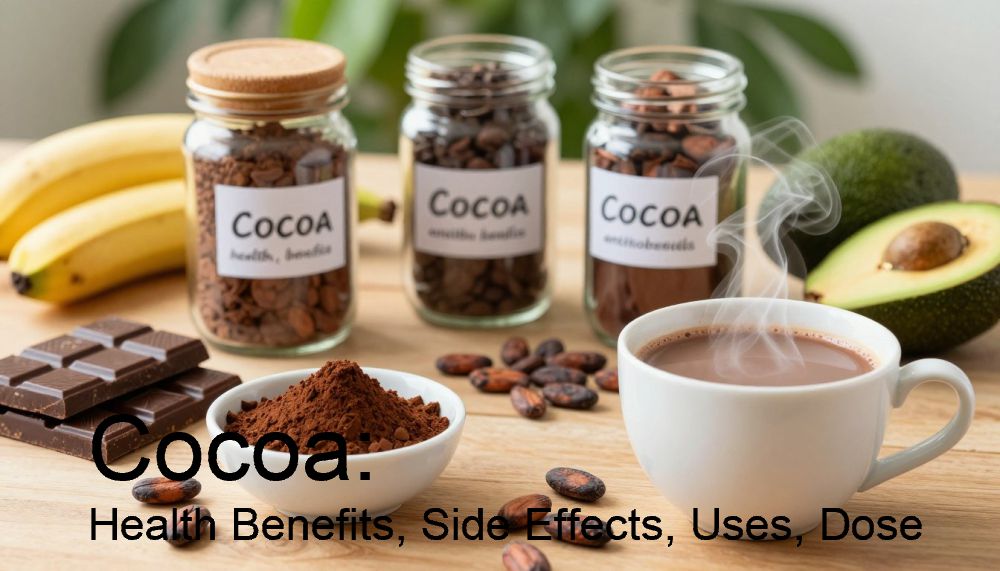
While many people enjoy the various uses in baking and smoothies, you should also be aware of potential side effects. Some individuals may be sensitive to certain parts of the beans, like caffeine.
This guide will walk you through everything you need to know to enjoy this treat safely and effectively. We want you to feel confident when adding this ingredient to your wellness routine. By looking at the science and practical tips, you can make the most of every delicious spoonful.
Key Takeaways
- Rich in antioxidants that support cardiovascular wellness.
- Naturally boosts mood and provides a gentle energy lift.
- Highly versatile for use in both sweet and savory dishes.
- Potential for minor reactions like jitters if taken in large amounts.
- Moderation is vital to achieving the best results for your body.
- Understanding proper measurements helps maintain a balanced diet.
1. What is Cocoa and Where Does it Come From
Theobroma cacao, the tree from which cocoa is derived, has been a source of fascination and culinary delight for centuries. Native to the tropical regions of Central and South America, this evergreen tree is the foundation of the cocoa industry.
The Theobroma Cacao Tree and Cocoa Seeds
The Theobroma cacao tree produces pods that contain cocoa seeds, also known as cocoa beans. These seeds are harvested, fermented, and dried to develop their unique flavor and aroma. The quality of the cocoa beans is crucial for the production of high-quality cocoa products.
Processing Cocoa Beans into Cocoa Products
The process of transforming cocoa beans into cocoa products involves several steps, including roasting, grinding, and pressing. Roasting enhances the flavor, while grinding produces a fine paste known as chocolate liquor. Pressing this liquor separates it into cocoa butter and cocoa solids, which are then used to create various cocoa products.
Understanding Different Forms of Cocoa
Cocoa is available in several forms, each with its unique characteristics and uses. Understanding these differences is essential for choosing the right type for specific needs.
Cocoa Powder and Raw Cacao Powder
Cocoa powder is made by grinding cocoa solids into a fine powder. It is a key ingredient in baking and cooking. Raw cacao powder, on the other hand, is made from raw cocoa beans and is considered to retain more nutrients.
Dark Chocolate and Chocolate Bars
Dark chocolate is made by combining cocoa solids with sugar and sometimes cocoa butter. It is known for its rich flavor and potential health benefits. Chocolate bars can vary widely in their cocoa content and added ingredients.
Cocoa Butter and Cocoa Extract
Cocoa butter is the fatty part of the cocoa bean, used in chocolate production and cosmetics. Cocoa extract is a concentrated form of cocoa, often used in supplements due to its high flavanol content.
By understanding the different forms of cocoa and their production processes, consumers can make informed choices about the products they use.
2. Active Compounds Found in Cocoa
Cocoa’s nutritional profile is highlighted by its array of bioactive compounds, which have garnered significant attention for their health-promoting properties. These compounds are responsible for the potential health benefits associated with cocoa consumption.
Flavanols and Their Potency
Cocoa is particularly rich in flavanols, a subclass of flavonoids known for their potent antioxidant properties. Flavanols have been shown to have a positive impact on cardiovascular health and cognitive function. The most prominent flavanols in cocoa are epicatechin and catechin.
The potency of flavanols in cocoa can vary depending on the processing methods and the type of cocoa beans used. High-quality cocoa products tend to retain more of these beneficial compounds.
Polyphenols and Antioxidant Effects
In addition to flavanols, cocoa contains a wide range of polyphenols, which are antioxidants that help protect the body against free radicals. The antioxidant effects of polyphenols can contribute to reduced inflammation and improved overall health.
- Polyphenols help in neutralizing free radicals.
- They contribute to the anti-inflammatory properties of cocoa.
- Polyphenols may improve heart health and cognitive function.
Caffeine in Cocoa and Its Impact
Cocoa also contains caffeine, although in smaller amounts compared to coffee. The caffeine in cocoa can contribute to its stimulatory effects and may enhance alertness and energy.
However, the amount of caffeine in cocoa products can vary widely depending on the processing and preparation methods. Dark chocolate and cocoa powder generally contain more caffeine than milk chocolate.
Other Bioactive Compounds in Cocoa
Apart from flavanols, polyphenols, and caffeine, cocoa contains other bioactive compounds such as theobromine and anandamide. Theobromine is a stimulant that can affect the nervous system and heart rate, while anandamide is a fatty acid neurotransmitter that may influence mood and cognitive function.
The diverse array of bioactive compounds in cocoa underscores its potential as a health-promoting food ingredient. Understanding these compounds can help in harnessing the benefits of cocoa more effectively.
3. Health Benefits of Cocoa
Rich in bioactive compounds, cocoa offers several health benefits, from antioxidant effects to protective effects against certain diseases. The diverse range of nutrients and flavonoids present in cocoa contributes to its positive impact on overall health.
Powerful Antioxidant Properties
Cocoa is known for its high antioxidant content, which plays a crucial role in protecting the body against free radicals. Antioxidants help in neutralizing harmful free radicals, thereby reducing the risk of chronic diseases such as cancer, diabetes, and heart disease.
According to a study published in a reputable journal, cocoa contains a significant amount of antioxidants, even more than some other superfoods. This makes it an excellent dietary inclusion for those looking to boost their antioxidant intake.
Cocoa Reduces Inflammation and Oxidative Stress
Chronic inflammation and oxidative stress are linked to various health issues. Cocoa has been shown to reduce inflammation and combat oxidative stress due to its flavonoid content. Regular consumption can lead to improved health outcomes by mitigating these factors.
“Cocoa flavanols have been demonstrated to have a positive effect on biomarkers of inflammation and oxidative stress.”
Benefits of Cocoa for Metabolic Health
Cocoa consumption has been associated with improved metabolic health, including better insulin sensitivity and glucose metabolism. This is particularly beneficial for individuals at risk of developing type 2 diabetes.
| Metabolic Parameter | Effect of Cocoa Consumption |
|---|---|
| Insulin Sensitivity | Improves |
| Glucose Metabolism | Enhances |
| Inflammation Markers | Reduces |
Protective Effects of Regular Cocoa Consumption
Regularly consuming cocoa can have long-term protective effects against various diseases, including cardiovascular disease and certain types of cancer. The cumulative effect of its antioxidant and anti-inflammatory properties contributes to overall health and well-being.
As part of a balanced diet, cocoa can be a valuable component in maintaining health and preventing disease.
4. How Cocoa Improves Cardiovascular Health
Research has shown that cocoa can play a significant role in enhancing cardiovascular health, thanks to its rich flavanol content. The flavanols present in cocoa have been found to have a positive impact on various aspects of heart health, including blood pressure, vascular function, and overall cardiovascular well-being.
Effects of Cocoa Flavanols on Blood Pressure
Cocoa flavanols have been shown to have a beneficial effect on blood pressure. Studies have indicated that consuming flavanol-rich cocoa can help to lower blood pressure in individuals with hypertension. This is attributed to the ability of flavanols to improve the function of blood vessels, making them more flexible and better able to relax and dilate.
Regular consumption of flavanol-rich cocoa can lead to significant improvements in blood pressure management. This is particularly important for individuals at risk of developing cardiovascular disease.
Flavanol-Rich Cocoa on Vascular Function
The vascular benefits of cocoa are largely due to its flavanol content. Flavanol-rich cocoa has been shown to improve vascular function by enhancing the production of nitric oxide, a key molecule involved in the relaxation of blood vessels. This improvement in vascular function can lead to better blood flow and a reduced risk of cardiovascular events.
Cocoa May Reduce the Risk of Heart Disease
Consuming cocoa as part of a balanced diet may help reduce the risk of heart disease. The antioxidants and flavanols in cocoa work together to protect the heart and blood vessels from damage caused by free radicals and inflammation. By improving blood flow, lowering blood pressure, and enhancing vascular function, cocoa consumption can contribute to a reduced risk of heart disease.
How Cocoa Improves Blood Flow and Circulation
Cocoa improves blood flow and circulation by enhancing the function of the endothelium, the inner lining of blood vessels. The flavanols in cocoa stimulate the production of nitric oxide, which helps to relax and dilate blood vessels, improving blood flow. This can lead to improved oxygen delivery to tissues and organs, supporting overall health and well-being.
Improved blood circulation is essential for maintaining healthy tissues and organs. By consuming cocoa, individuals can support their cardiovascular health and potentially reduce the risk of cardiovascular-related diseases.
5. Cocoa and Brain Health Benefits
The relationship between cocoa consumption and brain health is a topic of increasing interest, with research uncovering its neuroprotective effects. Cocoa contains a rich mix of bioactive compounds that may contribute to its potential benefits for brain health.
Neuroprotective Effects of Cocoa Consumption
Cocoa has been found to have neuroprotective properties, potentially due to its high content of flavanols and other antioxidants. These compounds may help protect the brain against oxidative stress and inflammation, factors that are associated with neurodegenerative diseases.
Key Neuroprotective Mechanisms:
- Antioxidant effects reducing oxidative stress
- Anti-inflammatory properties minimizing inflammation
- Improved blood flow to the brain
Acute Effects of Cocoa on Cognitive Function
Research has shown that cocoa can have acute effects on cognitive function, particularly in tasks that require attention and memory. The flavanols present in cocoa are believed to play a significant role in these effects.
A study examining the acute effects of cocoa flavanol intake on cognitive performance found improvements in tasks related to attention and processing speed.
Sustained Benefits for Long-term Brain Health
Regular consumption of cocoa may have long-term benefits for brain health, including potential protective effects against age-related cognitive decline. The sustained intake of flavanol-rich cocoa has been associated with improved cognitive function in older adults.
Long-term benefits may include:
- Improved cognitive function
- Reduced risk of dementia
- Enhanced mental performance
Effects of Flavanol-Rich Cocoa on Mental Performance
Flavanol-rich cocoa has been shown to positively impact mental performance, particularly in tasks that require executive function. The high flavanol content is thought to enhance blood flow to the brain, thereby improving cognitive performance.
The table below summarizes the potential benefits of flavanol-rich cocoa on mental performance:
| Cognitive Domain | Effects of Flavanol-Rich Cocoa |
|---|---|
| Attention | Improved focus and concentration |
| Memory | Enhanced memory performance |
| Executive Function | Better decision-making and problem-solving skills |
6. Side Effects and Safety Concerns of Taking Cocoa
While cocoa is known for its numerous health benefits, it’s essential to be aware of the potential side effects associated with its consumption.
Common Side Effects When You Consume Cocoa
Consuming cocoa can lead to several common side effects, primarily due to its caffeine and theobromine content. These may include jitteriness, anxiety, and an increase in heart rate. Some individuals may also experience stomach upset or allergic reactions.
As noted by a study published in the Journal of Agricultural and Food Chemistry, “theobromine and caffeine in cocoa can cause adverse effects in sensitive individuals.”
“Theobromine and caffeine in cocoa can cause adverse effects in sensitive individuals.”
How Caffeine in Cocoa Might Affect You
Caffeine is a stimulant found in cocoa, and its effects can vary widely among individuals. While some may experience a boost in energy and alertness, others may suffer from jitteriness, insomnia, or an increased heart rate.
- Increased heart rate and blood pressure
- Jitteriness and anxiety
- Insomnia and disrupted sleep patterns
Cocoa Inhibits Certain Medications
Cocoa may interact with certain medications, either enhancing or inhibiting their effects. For instance, the caffeine in cocoa can interact with certain antibiotics and medications for depression.
It’s crucial to consult with a healthcare provider before consuming cocoa or cocoa products, especially if you are on medication.
| Medication Type | Potential Interaction |
|---|---|
| Antibiotics | Caffeine may increase the risk of side effects |
| Antidepressants | Cocoa flavanols may enhance the effects of certain antidepressants |
Safety During Pregnancy and Special Populations
Pregnant women and special populations should be cautious when consuming cocoa due to its caffeine content. High levels of caffeine can increase the risk of miscarriage and growth restriction.
As with any dietary change, it’s advisable to consult with a healthcare provider to discuss safety concerns and appropriate consumption levels.
7. Practical Uses of Cocoa and Cocoa Products
The versatility of cocoa extends far beyond the realm of confectionery, with various practical uses that promote health and wellness. Cocoa and its derivatives can be consumed in various forms, used as supplements, or even applied topically to reap their benefits.
Drinking Cocoa for Health Benefits
Drinking cocoa is a delightful way to enjoy its health benefits. Rich in flavanols, cocoa beverages can improve heart health and boost cognitive function. To maximize the benefits, it’s essential to choose a drink made with high-quality, flavanol-rich cocoa.
Preparing cocoa at home allows you to control the ingredients and sugar content. Using cocoa powder with minimal processing and low sugar can make for a healthier drink. You can also explore various recipes that incorporate spices and other nutritious ingredients.
Eating Cocoa in Dark Chocolate and Food
Consuming cocoa through dark chocolate and other foods is another enjoyable way to benefit from its nutritional properties. Dark chocolate with a high cocoa content (at least 70%) is particularly beneficial due to its high flavanol content.
Incorporating cocoa into your diet can be as simple as adding it to oatmeal, smoothies, or baked goods. This not only enhances the flavor but also increases the antioxidant intake.
Using Cocoa Extract Supplements
For those who prefer a more concentrated dose of cocoa’s benefits, cocoa extract supplements are available. These supplements can provide a standardized amount of flavanols and other beneficial compounds found in cocoa.
When choosing a supplement, look for products that specify the flavanol content and are manufactured by reputable companies to ensure quality and efficacy.
Applying Cocoa Topically for Skin Health
Cocoa is not just beneficial when consumed; it also has potential benefits when applied topically. Cocoa butter and cocoa extracts are used in skincare products due to their moisturizing and antioxidant properties.
Using cocoa-based skincare products can help improve skin hydration and protect against environmental stressors. Some products also claim to improve skin elasticity and reduce the appearance of fine lines.
| Practical Use | Benefits | Precautions |
|---|---|---|
| Drinking Cocoa | Improves heart health, boosts cognitive function | Choose low sugar, high flavanol content |
| Eating Dark Chocolate | High in antioxidants, improves mood | Select dark chocolate with at least 70% cocoa |
| Cocoa Extract Supplements | Concentrated dose of flavanols | Ensure standardized flavanol content, choose reputable brands |
| Topical Application | Moisturizes, antioxidant properties | Patch test, choose products with natural ingredients |
8. Recommended Dose and Optimal Cocoa Intake
Determining the optimal dose of cocoa for health benefits is crucial for maximizing its positive effects. The ideal amount of cocoa consumption can vary based on individual health goals, the flavanol content of the cocoa product, and personal tolerance.
How Much Cocoa Per Day for Health Benefits
Research suggests that consuming cocoa in moderation can provide significant health benefits. A daily intake of 1-2 ounces of dark chocolate or 1-2 tablespoons of cocoa powder is often recommended. This amount is generally considered sufficient to reap the cardiovascular and antioxidant benefits associated with cocoa consumption.
For specific health benefits, the amount of cocoa flavanols is a critical factor. Studies have shown that cocoa flavanol doses ranging from 200 to 1000 mg per day can have positive effects on cardiovascular health and cognitive function.
Cocoa Flavanol Consumption Guidelines
Cocoa flavanols are the key bioactive compounds responsible for many of the health benefits associated with cocoa. The optimal intake of cocoa flavanols can vary depending on the desired health outcome.
A study published in the Journal of Agricultural and Food Chemistry found that cocoa flavanol intake of 500-1000 mg per day can improve cardiovascular health by enhancing blood flow and lowering blood pressure.
Mg Per Day Recommendations for Different Goals
| Health Goal | Recommended Daily Cocoa Flavanol Intake (mg) |
|---|---|
| Cardiovascular Health | 500-1000 |
| Cognitive Function | 250-500 |
| Antioxidant Benefits | 200-500 |
Safe Amounts of Cocoa for Regular Use
While cocoa is generally considered safe, excessive consumption can lead to side effects due to its caffeine and sugar content. It is essential to be mindful of the overall diet and adjust cocoa intake accordingly.
“Moderation is key when it comes to cocoa consumption. While it offers numerous health benefits, overconsumption can negate these benefits and lead to unwanted side effects.”
— Dr. Norman Hollenberg, Harvard Medical School
For most adults, a daily intake of 1-2 cups of cocoa or 1-2 ounces of dark chocolate is considered safe. However, individual tolerance to cocoa and its components can vary, so it’s crucial to monitor how your body responds.
9. Selecting and Using High-Quality Cocoa Products
To maximize the health benefits of cocoa, selecting high-quality products is essential. The quality of cocoa products can vary significantly based on factors like processing methods and flavanol content.
Choosing High-Flavanol Cocoa and Flavonoid-Rich Cocoa
When selecting cocoa products, it’s crucial to look for those that are high in flavanols. Flavanols are a type of flavonoid that has been shown to have numerous health benefits, including improving heart health and boosting cognitive function. Flavanol-rich cocoa is often labeled as such, making it easier for consumers to make informed choices.
Some key points to consider when choosing flavanol-rich cocoa include:
- Look for products with a high cocoa content (at least 70% for dark chocolate).
- Check the label for flavanol content or flavonoid-rich claims.
- Be aware that processing methods can affect flavanol levels.
Understanding Cocoa Content in Products
The cocoa content in products can vary widely. For instance, dark chocolate typically contains a higher percentage of cocoa solids compared to milk chocolate. Understanding the cocoa content is vital because it directly impacts the potential health benefits.
Here are some guidelines for understanding cocoa content:
- Check the ingredient list to ensure cocoa is listed among the first ingredients.
- Be wary of products that list sugar or milk as primary ingredients.
- For dark chocolate, aim for products with at least 70% cocoa solids.
Dark Chocolate and Cocoa vs Regular Chocolate
Dark chocolate and cocoa are often considered superior to regular chocolate due to their higher flavanol content and lower sugar levels. Dark chocolate, in particular, is known for its rich flavor and potential health benefits.
| Chocolate Type | Cocoa Content | Health Benefits |
|---|---|---|
| Dark Chocolate | 70% or higher | High in flavanols, potential cardiovascular benefits |
| Milk Chocolate | Typically lower than 50% | Lower flavanol content, higher sugar |
Best Practices for Sustained Benefits
To reap the sustained benefits of cocoa consumption, it’s essential to incorporate it into your diet consistently. Here are some best practices:
- Consume cocoa or dark chocolate in moderation due to its calorie density.
- Choose products that are minimally processed to preserve flavanols.
- Consider cocoa extract supplements if you’re having trouble getting enough through dietary sources.
By following these guidelines and being mindful of the quality and content of cocoa products, you can maximize the potential health benefits of cocoa.
10. Conclusion
Cocoa is more than just a tasty ingredient in chocolate; it’s a nutrient-rich food with numerous health benefits. The health benefits of cocoa are backed by a wealth of research, from its antioxidant properties to its positive effects on cardiovascular health and cognitive function.
Incorporating high-quality cocoa products into your diet can be a delicious way to support overall health. Whether through dark chocolate, cocoa powder, or supplements, choosing products rich in flavanols can help maximize these benefits.
As with any food or supplement, moderation is key. Being mindful of the amount of cocoa consumed and choosing products with minimal added sugars and fats will help ensure that the health benefits of cocoa are fully realized.
By making informed choices and incorporating cocoa into a balanced diet, individuals can enjoy the many rewards this ancient food has to offer.
FAQ
Where does cocoa actually come from and how is it made?
All cocoa starts with the cacao tree, scientifically known as Theobroma cacao. This tree produces large pods containing cocoa seeds, commonly called cocoa beans. To create the cocoa product you see on shelves, brands like Valrhona ferment, dry, and roast these beans. The process separates the cocoa butter from the solids to create cocoa powder. If you prefer a less processed version, raw cacao powder is made by cold-pressing unroasted beans, which helps preserve the high cocoa content and antioxidant effects found in the original cocoa bean.
What are the primary health benefits of cocoa consumption?
The health benefits of cocoa are primarily linked to its high concentration of cocoa flavanols and cocoa polyphenols. These compounds provide powerful antioxidant support that helps the body combat oxidative stress and inflammation. Regular consumption of cocoa can also support metabolic health and provide preventive effects against various chronic conditions. Whether you are taking cocoa in a morning smoothie or enjoying a piece of dark chocolate, the protective effects of these cocoa flavonoids are truly impressive.
How does cocoa help with cardiovascular health and blood pressure?
Research shows that flavanol-rich cocoa has a significant effect on chocolate-related health outcomes, particularly for the heart. Cocoa improves the production of nitric oxide, which helps improve blood flow and lower blood pressure. Clinical studies on flavanol-rich cocoa on vascular function suggest that cocoa reduces arterial stiffness. By choosing high-flavanol cocoa, you can help reduce the risk of hypertension and support overall cardiovascular benefits, effectively lowering the risk of heart disease through better circulation.
Can eating cocoa or dark chocolate actually improve brain function?
Yes! Cocoa ingestion has been shown to have both acute effects and sustained benefits for brain health. The effects of cocoa flavanols include increased blood flow to the brain, which can boost cognitive function and mental clarity. Cocoa can help protect neurons, offering neuroprotective effects that may stave off cognitive decline. Brands like Alter Eco produce dark chocolate and cocoa products that make it easy to consume cocoa daily to support long-term mental performance.
Is there a difference between regular cocoa powder and cacao powder?
While both come from the same plant, cacao may be considered more nutrient-dense because it is processed at lower temperatures. Cacao powder typically contains higher amounts of cocoa nutrients like cocoa polyphenols compared to regular cocoa that has been alkalized (Dutch-processed). Raw cacao is often the choice for those seeking the maximum benefits of cocoa, while standard cocoa powder is a staple for baking. Both chocolate or cocoa sources contribute to your daily antioxidant intake, but raw cacao powder generally offers more flavonoid-rich cocoa per serving.
Does the caffeine in cocoa cause side effects?
Cocoa contains a small amount of caffeine, though much less than a cup of coffee. The effects of caffeine can include jitteriness or sleep disruption in sensitive individuals, but for most, the caffeine in cocoa might just provide a gentle energy boost. It is important to note that cocoa also contains theobromine, which mediates beneficial effects of flavanol-rich snacks without the “crash” often associated with heavy caffeine use. If you are sensitive, monitor your cocoa intake in the evening, especially with a concentrated cocoa drink.
How much cocoa should I consume per day for the best results?
For optimal cardiovascular health and brain health, experts often recommend a cocoa flavanol consumption of about 400 to 900 mg per day. This can usually be achieved by eating about 1 to 2 ounces of a high-quality chocolate bar (at least 70% cocoa content) or using a tablespoon of cocoa powder. When using cocoa extract, follow the specific mg per day instructions on the label. Always check the per serving information to ensure you are getting enough flavanol-containing cocoa to see a real effect of cocoa on your wellbeing.
Are there any safety concerns or medications that cocoa inhibits?
While eating cocoa is generally safe, cocoa inhibits certain enzymes that may interact with medications like MAO inhibitors or blood thinners. Cocoa can increase the risk of bleeding if taken with certain drugs. Regarding per day during pregnancy, it is best to limit cocoa and cocoa products to moderate amounts due to the caffeine content. Always consult a doctor if you are concerned about how taking cocoa or cocoa extract might interact with your specific health regimen.
What should I look for when buying a chocolate bar or cocoa product?
To ensure you get the metabolic effects and cardiovascular benefits, look for dark chocolate and cocoa products with a high percentage of solids (70% or higher). Cocoa and chocolate products from quality brands like Lindt or Theo Chocolate often list their cocoa content clearly. Avoid chocolate or cocoa products with high amounts of added sugar or hydrogenated oils, as these can negate the health benefits of cocoa. Choosing flavonoid-rich cocoa ensures you are getting the acute cocoa benefits for your heart and mood.