Many people enjoy a bowl of fruit without thinking about the tiny remnants left behind. These small parts of the vitis vinifera plant are often overlooked, yet they hold a wealth of wellness potential. Modern health fans now turn to these botanical options to support their daily routines.
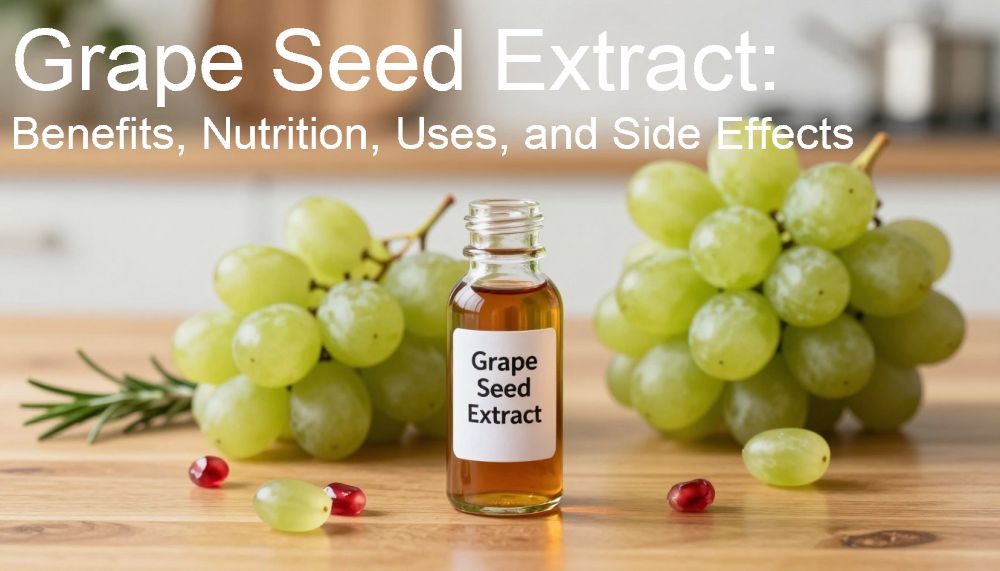
This natural extract offers more than just basic nutrition; it provides a concentrated source of antioxidants. Whether you want to support cardiovascular wellness or enhance skin radiance, this supplement is gaining fame across the United States. In this guide, we will explore the many ways these grape seeds can impact your life.
We will look at the nutritional profile and the specific advantages of these supplements. While mostly safe, it is wise to learn about possible side effects before starting. Let’s dive into the science behind this popular herbal choice.
Key Takeaways
- Contains high levels of powerful antioxidants for cellular protection.
- Promotes healthy blood flow and supports overall heart function.
- Encourages better skin elasticity and a youthful, healthy glow.
- Derived from specific nutrient-rich botanical species found in nature.
- Generally safe for most adults when used as a daily supplement.
- Important to check for potential mild reactions before long-term use.
What Is Grape Seed Extract?
Vitis vinifera, a grape species, is the origin of Grape Seed Extract, which is obtained from its seeds. Grape Seed Extract has gained popularity for its potential health benefits, but understanding its source and production process is essential to appreciating its value.
Vitis Vinifera: The Source of Grape Seed Extract
Vitis vinifera, commonly known as the grapevine, is a species of grape native to the Mediterranean region. It is the primary source of grapes used in wine production, table grapes, and grape-derived products like Grape Seed Extract. The seeds of Vitis vinifera grapes are rich in nutrients and bioactive compounds, making them an ideal source for extracts used in dietary supplements and health products.
How Grape Seed Extract Is Made from Grape Seeds
The process of making Grape Seed Extract involves several steps, starting with the collection of grape seeds from winemaking and grape processing industries. The seeds are then cleaned, dried, and ground into a fine powder. This powder is subjected to extraction using solvents like water or ethanol to isolate the bioactive compounds. The resulting extract is then filtered, concentrated, and often standardized to contain a specific percentage of active ingredients, such as proanthocyanidins.
Grape Seed Extract vs. Grape Seed Oil vs. Grape Skin Extract
It’s essential to differentiate Grape Seed Extract from other grape-derived products like grape seed oil and grape skin extract. Grape seed oil is extracted from grape seeds using a cold-pressing process and is primarily used in cooking and cosmetics due to its mild flavor and high smoke point. Grape skin extract, on the other hand, is derived from the skin of grapes and is rich in resveratrol, a different set of bioactive compounds. While all three products come from grapes, they have distinct compositions and uses.
Nutritional Profile and Active Compounds in Grape Seed Extract
Grape Seed Extract is renowned for its rich nutritional profile and diverse array of bioactive compounds. It is derived from the seeds of grapes, typically from the Vitis vinifera species, and is known for its high concentration of beneficial nutrients and antioxidants.
Proanthocyanidins and Proanthocyanidin-Rich Grape Seed Extract
One of the key active compounds in Grape Seed Extract is proanthocyanidins, a type of flavonoid that is known for its powerful antioxidant properties. Proanthocyanidin-rich Grape Seed Extract is particularly valued for its potential health benefits, including cardiovascular support and anti-inflammatory effects.
Phenolic Compounds and Grape Polyphenols
In addition to proanthocyanidins, Grape Seed Extract contains a variety of other phenolic compounds, including flavonoids, phenolic acids, and stilbenes. These grape polyphenols contribute to the extract’s overall antioxidant capacity and may help protect against oxidative stress and inflammation.
Antioxidant Capacity and Free Radical Protection
The antioxidant capacity of Grape Seed Extract is one of its most significant attributes, allowing it to neutralize free radicals and potentially mitigate oxidative damage. This capacity is crucial for maintaining overall health and may help in reducing the risk of chronic diseases.
Grape Seed Proanthocyanidins Content
The content of proanthocyanidins in Grape Seed Extract can vary depending on the manufacturing process and the quality of the grape seeds used. High-quality extracts are typically standardized to contain a specific percentage of proanthocyanidins, ensuring a consistent level of bioactive compounds.
Health Benefits of Grape Seed Extract
With its rich nutritional profile, Grape Seed Extract offers a variety of health benefits, from fighting oxidative stress to promoting skin health and anti-aging.
Powerful Antioxidant Properties
Grape Seed Extract is renowned for its antioxidant properties, which play a crucial role in protecting the body against oxidative stress and damage caused by free radicals.
Fighting Oxidative Stress and Free Radicals
Oxidative stress occurs when there’s an imbalance between free radicals and antioxidants in the body. Grape Seed Extract helps tip the balance in favor of antioxidants, thereby reducing oxidative stress.
Cellular and DNA Protection
The antioxidants in Grape Seed Extract not only neutralize free radicals but also protect cellular and DNA integrity, potentially reducing the risk of chronic diseases.
Anti-Inflammatory Effects and Inflammation Reduction
Grape Seed Extract has been shown to possess anti-inflammatory properties, which can help in reducing inflammation and alleviating conditions associated with it.
Skin Health and Anti-Aging Benefits
The extract is also beneficial for skin health, offering anti-aging benefits by protecting the skin from various forms of damage.
Collagen Protection and Skin Elasticity
Grape Seed Extract helps in maintaining collagen integrity, thereby improving skin elasticity and reducing the appearance of fine lines and wrinkles.
Protection Against UV Damage
It also offers protection against UV damage, which is a major factor in skin aging and skin cancer.
Cognitive Function and Brain Health Support
Emerging evidence suggests that Grape Seed Extract may support cognitive function and overall brain health, potentially reducing the risk of neurodegenerative diseases.
| Health Benefit | Description |
|---|---|
| Antioxidant Properties | Fights oxidative stress and protects cells |
| Anti-Inflammatory Effects | Reduces inflammation and associated conditions |
| Skin Health | Improves skin elasticity and protects against UV damage |
| Cognitive Function | Supports brain health and potentially reduces neurodegenerative disease risk |
Cardiovascular Benefits and Heart Health
Grape Seed Extract has been found to offer numerous cardiovascular benefits, making it a valuable supplement for heart health. The extract’s rich composition of polyphenols and other nutrients contributes to its positive effects on the cardiovascular system.
Blood Pressure Regulation and Hypertension Management
One of the significant cardiovascular benefits of Grape Seed Extract is its ability to help regulate blood pressure. Hypertension management is crucial for preventing heart disease, and Grape Seed Extract has been shown to support this through its vasodilating properties, which help to relax blood vessels and improve blood flow.
Studies have indicated that the proanthocyanidins present in Grape Seed Extract play a key role in endothelial function improvement, which is vital for maintaining healthy blood pressure levels. By enhancing the body’s natural ability to regulate blood pressure, Grape Seed Extract can be a useful adjunct in managing hypertension.
Cholesterol Management and Lipid Profile Improvement
Grape Seed Extract is also beneficial for cholesterol management. It helps in improving the lipid profile by reducing the levels of bad cholesterol (LDL) and increasing the levels of good cholesterol (HDL). This balance is essential for maintaining heart health and reducing the risk of cardiovascular diseases.
- Reduces LDL cholesterol levels
- Increases HDL cholesterol levels
- Improves overall lipid profile
Improved Blood Flow and Circulation
The extract’s ability to improve blood flow and circulation is another significant cardiovascular benefit. Enhanced circulation ensures that oxygen and nutrients are efficiently delivered to tissues and organs, supporting overall health.
Grape Seed Extract Reduces Leg Swelling in Healthy Women
Research has shown that Grape Seed Extract can reduce leg swelling in healthy women, particularly during periods of prolonged sitting. This benefit is attributed to its ability to improve circulation and reduce fluid retention.
Benefits During Prolonged Sitting
Prolonged sitting can lead to leg swelling due to poor circulation. Grape Seed Extract has been found to mitigate this issue by enhancing blood flow and reducing inflammation.
Evidence from Clinical Studies
Clinical studies have provided evidence supporting the benefits of Grape Seed Extract in reducing leg swelling. These studies underscore the extract’s potential in improving venous function and overall circulation.
“The findings from our study suggest that Grape Seed Extract is effective in reducing leg swelling associated with prolonged sitting, highlighting its potential as a natural remedy for improving venous health.”
In conclusion, Grape Seed Extract offers a range of cardiovascular benefits, from blood pressure regulation and cholesterol management to improved blood flow and reduced leg swelling. Its potential to support heart health makes it a valuable consideration for those looking to enhance their cardiovascular well-being.
Uses and Applications of Grape Seed Extract
Grape Seed Extract is celebrated for its broad range of uses, from dietary supplementation to addressing specific health conditions. Its versatility stems from its rich nutritional profile and potent antioxidant properties.
Grape Seed Extract Is a Dietary Supplement
Grape Seed Extract is widely used as a dietary supplement due to its high content of antioxidants, particularly proanthocyanidins. These compounds are known for their ability to protect against cell damage and support overall health.
Standardized Grape Seed Extract and Formulations
Standardized Grape Seed Extract formulations ensure a consistent level of active compounds, making them reliable for therapeutic use. These formulations are often used in clinical trials and recommended by healthcare professionals.
Common Health Conditions Addressed by GSE
Grape Seed Extract is used to address various health conditions, including cardiovascular diseases, cognitive decline, and skin health issues. Its anti-inflammatory and antioxidant properties make it a potential natural remedy for these conditions.
| Health Condition | Benefit of Grape Seed Extract |
|---|---|
| Cardiovascular Disease | Improves blood flow, lowers blood pressure |
| Cognitive Decline | Enhances cognitive function, reduces oxidative stress |
| Skin Health | Protects against skin damage, improves skin elasticity |
Evidence from Randomized Controlled Trials and Meta-Analysis
The efficacy of Grape Seed Extract has been evaluated in numerous randomized controlled trials and meta-analyses. These studies provide evidence of its potential benefits in improving cardiovascular health, reducing inflammation, and enhancing cognitive function.
Efficacy of Grape Seed Extract in Clinical Trials
Clinical trials have demonstrated that Grape Seed Extract can improve blood flow, lower blood pressure, and reduce oxidative stress. These benefits are attributed to its high proanthocyanidin content.
What Memorial Sloan Kettering Cancer Center Says
According to Memorial Sloan Kettering Cancer Center, Grape Seed Extract may have anti-cancer properties and can be used to support cardiovascular health. However, they also note that more research is needed to fully understand its effects.
Recommended Dosage and How to Take Grape Seed Extract
The efficacy of Grape Seed Extract supplementation largely hinges on adhering to the recommended dosage guidelines. Ensuring the correct intake is vital for maximizing its health benefits while minimizing potential side effects.
Standard Dosage Guidelines for Adults
For adults, the typical dosage of Grape Seed Extract ranges from 50 to 300 mg per day. A common recommendation is to start with a lower dose and gradually increase as needed and under medical supervision. The extract is often standardized to contain a specific percentage of proanthocyanidins, typically between 95% and 99%.
“The standardization of Grape Seed Extract is crucial for ensuring its efficacy and safety,” notes a study published in a reputable health journal. This standardization helps in maintaining the quality of the supplement across different brands and formulations.
Proanthocyanidin-Rich Grape Seed Extract Dosing
For proanthocyanidin-rich Grape Seed Extract, the dosing can be more specific due to its high concentration of active compounds. A dose of 100 to 200 mg per day is often recommended for general health benefits. However, for specific health conditions, the dosage may vary and should be determined in consultation with a healthcare provider.
Best Practices When You Take Grape Seed Extract
To maximize the benefits of Grape Seed Extract, it’s advisable to take it with meals to enhance absorption. Consistency is key; taking the supplement at the same time every day can help maintain its effectiveness.
- Take Grape Seed Extract with a meal to improve absorption.
- Start with a lower dose and adjust as necessary.
- Consult with a healthcare provider before beginning supplementation, especially if you have underlying health conditions.
Duration of Supplementation and Long-Term Use
The duration of Grape Seed Extract supplementation can vary based on individual health goals and needs. For chronic conditions, long-term use may be necessary, but it should be monitored by a healthcare professional. Regular check-ups can help assess the efficacy and safety of prolonged supplementation.
As with any supplement, it’s crucial to follow the recommended dosage and consult with a healthcare provider if you have any concerns or experience any adverse effects. By doing so, you can safely harness the potential health benefits of Grape Seed Extract.
Grape Seed Extract Side Effects and Safety Concerns
While Grape Seed Extract (GSE) is generally considered safe, it’s essential to be aware of its potential side effects and safety concerns. As with any dietary supplement, GSE can cause adverse reactions in some individuals, and certain interactions may occur.
Common Side Effects of Grape Seed Extract
Most people tolerate GSE well, but some may experience mild side effects, including headache, dizziness, or nausea. These effects are usually temporary and resolve on their own. However, if you experience any persistent or severe side effects, it’s crucial to consult your healthcare provider.
Grape Seed Extract May Interact with Blood Thinners
GSE may interact with certain medications, particularly blood thinners like warfarin. This interaction can lead to an increased risk of bleeding.
Blood-Thinning Effect and Medication Interactions
The blood-thinning effect of GSE is a concern when taken alongside anticoagulant medications. This combination may enhance the risk of bruising and bleeding.
Grape Seed Extract May Increase Bleeding Risk
Individuals taking blood thinners or having bleeding disorders should be cautious when using GSE, as it may increase the bleeding risk. Monitoring your condition and adjusting your medication or supplement regimen under medical supervision is advisable.
Effects on Liver Enzymes and Liver Function
Some studies suggest that GSE may affect liver enzymes and liver function. Although the evidence is limited, it’s essential to be aware of this potential impact, especially for individuals with pre-existing liver conditions.
Adverse Effects and When to Stop Using Grape Seed Extract
If you experience any adverse effects, such as severe headache, abdominal pain, or signs of an allergic reaction, discontinue GSE use and consult your healthcare provider. It’s also important to be aware of the signs of an allergic reaction, which can include hives, itching, or difficulty breathing.
Who Should Avoid Grape Seed Extract?
Not everyone can safely use Grape Seed Extract; certain groups should exercise caution or avoid it entirely. Grape Seed Extract is generally considered safe for most people when taken in appropriate amounts. However, specific individuals may face risks due to its potential effects on certain health conditions or interactions with medications.
Women Who Are Pregnant or Breastfeed
Pregnant or breastfeeding women should consult their healthcare provider before using Grape Seed Extract. There is limited research on its safety during pregnancy and lactation. As with any supplement, caution is advised to avoid any potential risks to the fetus or baby.
People Taking Blood Thinners or With Bleeding Disorders
Individuals taking anticoagulant medications, such as warfarin, or those with bleeding disorders should be cautious. Grape Seed Extract may slow blood clotting, potentially increasing the risk of bruising and bleeding when combined with blood thinners.
Pre-Surgery and Medical Procedure Considerations
It’s recommended to stop taking Grape Seed Extract at least two weeks before any scheduled surgery or medical procedure. This precaution helps minimize the risk of excessive bleeding during and after the procedure.
Specific Health Conditions Requiring Caution
People with certain health conditions should consult their healthcare provider before using Grape Seed Extract. This includes individuals with diabetes, high blood pressure, or those undergoing chemotherapy. The extract may interact with medications or exacerbate certain conditions.
When to Consult Your Healthcare Provider Before Use
It’s always best to consult with a healthcare professional before starting any new supplement, including Grape Seed Extract. This is particularly important for individuals with pre-existing health conditions, those taking medications, or if you’re unsure about potential interactions or side effects.
In conclusion, while Grape Seed Extract can be a valuable addition to a health regimen for many, it’s crucial for certain individuals to exercise caution or avoid it altogether. Consulting with a healthcare provider can help determine the safety and appropriateness of Grape Seed Extract for your specific situation.
Conclusion
Grape Seed Extract has emerged as a valuable supplement for overall health and wellness. By understanding its grape seed extract benefits, individuals can make informed decisions about incorporating it into their daily regimen.
The various grape seed extract uses, ranging from antioxidant support to cardiovascular health, make it a versatile supplement. As with any supplement, being aware of potential grape seed extract side effects is crucial.
While generally considered safe, Grape Seed Extract may interact with certain medications or exacerbate specific health conditions. By weighing the benefits against the potential risks, individuals can harness the power of Grape Seed Extract to support their health goals.
As research continues to uncover the full potential of this natural extract, its role in promoting overall wellness is likely to expand.
FAQ
What exactly is grape seed extract and where does it come from?
Grape seed extract is a dietary supplement derived from the ground-up seeds of red wine grapes, specifically the Vitis vinifera species. Unlike grape seed oil, which is used for cooking or topical application, the extract is a dietary supplement concentrated with powerful phenolic compounds and grape polyphenols. These seeds are a byproduct of the winemaking process, but they are nutritional powerhouses filled with proanthocyanidins.
What are the main health benefits of grape seed extract?
The health benefits of grape seed are largely attributed to its antioxidant capacity. It helps the body fight oxidative stress by neutralizing free radicals that can damage cells. Many people take grape seed extract to support heart health, reduce inflammation, and improve skin health. Research indicates that grape seed extract may help protect collagen, improve blood circulation, and provide a protective effect of grape seed extract on the cardiovascular system.
How does the extract support cardiovascular and heart health?
Grape seed extract may provide significant cardiovascular benefits by helping to manage blood pressure and cholesterol levels. A meta-analysis of randomized controlled trials suggests that grape seed extract improves blood flow and reduces systolic blood pressure. By protecting the lining of the blood vessels, grape seed proanthocyanidin extract helps maintain arterial flexibility and overall heart health.
Can grape seed extract help with leg swelling for those who sit for long periods?
Yes, it can! A clinical trial on effects of this supplement showed that proanthocyanidin-rich grape seed extract reduces leg swelling in healthy women during prolonged sitting. This is because the vitis vinifera extract strengthens the veins and improves circulation, which is why seed extract reduces leg swelling so effectively compared to a placebo. If you have a desk job, you might find that the use of grape seed extract makes a noticeable difference in comfort.
What is the recommended dosage for a grape seed extract supplement?
Most standardized grape seed extract supplements, such as those from Nature’s Way or NOW Foods, are typically taken in doses ranging from 100 mg to 300 mg per day. However, in some randomized controlled trials, researchers have used up to 600 mg. It is always best to consult your healthcare provider to determine the right dosage for your specific health condition and to ensure the efficacy of grape seed extract for your needs.
Are there any side effects I should be aware of?
While grape seed extract is generally considered safe, possible side effects include headache, dizziness, and nausea. Some people may experience an itchy scalp or mild digestive upset. More seriously, the extract may increase the blood-thinning effect of certain medications. There have also been rare reports of changes in liver enzymes, so it is important to monitor how you feel and report any adverse effects to a professional.
Can grape seed extract improve my brain health or cognitive function?
There is growing interest in the vitis vinifera extract on cognitive function. Because it can cross the blood-brain barrier, the antioxidants in grape seeds may help protect the brain from oxidative stress. Some studies suggest the extract on cognitive function may have a protective effect against age-related decline, though more clinical trials are needed to confirm these potential benefits for long-term brain health.
Who should avoid taking grape seed extract?
Women who are pregnant or breastfeed should avoid grape seed extract because there is insufficient research on its safety for infants. Furthermore, because it can have a blood-thinning effect, people taking blood thinners like Warfarin or those with bleeding disorders should not use grape seed extract without medical supervision. If you are scheduled for surgery, the seed extract is not recommended for at least two weeks prior to the procedure to prevent excess bleeding.
What is the difference between grape seed extract and grape skin extract?
While both are grape products, they contain different active compounds. Grape skin extracts are often higher in resveratrol, whereas grape seed extract comes packed with proanthocyanidins and phenolic acids. While grape skin is great for heart health, the proanthocyanidin-rich grape seed extract is generally considered to have a more potent antioxidant profile for fighting free radicals.
Is grape seed extract the same thing as grapefruit seed extract?
No, it is vital to know that grape seed extract is entirely different from grapefruit seed extract. Grape seed extract is derived from Vitis vinifera (grapes) and is prized for its grape polyphenols. Grapefruit seed extract, on the other hand, is derived from citrus and is primarily used for its antimicrobial efficacy. They have very different chemical profiles and uses.
What does the Memorial Sloan Kettering Cancer Center say about GSE?
The Memorial Sloan Kettering Cancer Center acknowledges that grape seed extract could potentially help with chronic venous insufficiency and high cholesterol. They note that the antioxidants in grape seeds are powerful but emphasize that more randomized controlled trials are necessary to confirm its use for treating or preventing more serious diseases.