Experiencing sudden waves of heat and sweating can be unsettling, especially during menopause. Hot flashes are a common symptom affecting many women, disrupting daily life and sleep.
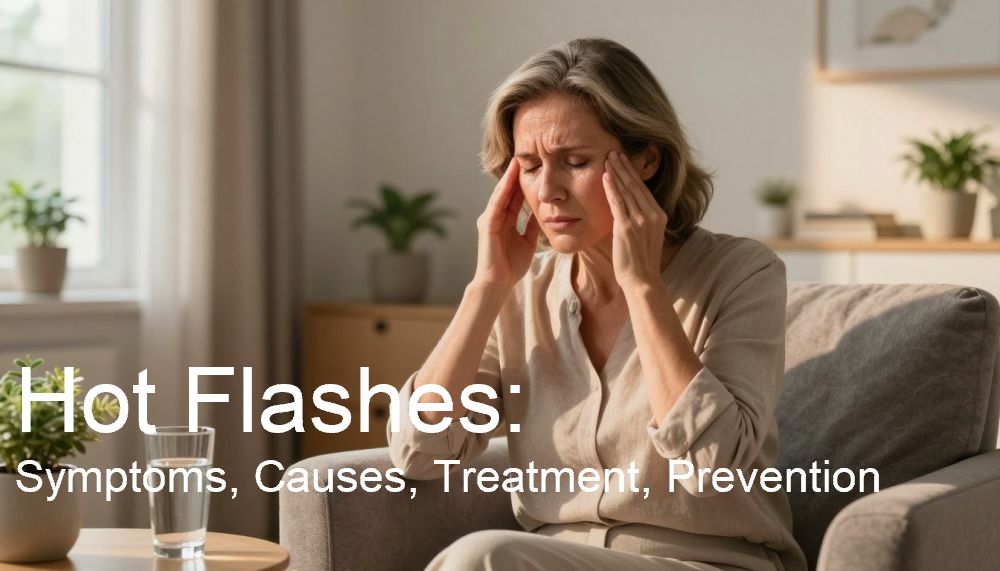
These episodes, often accompanied by night sweats, are primarily caused by the decline in estrogen levels. Understanding the symptoms, causes, and available treatment options is crucial for managing hot flashes.
By exploring prevention strategies and treatments, individuals can better cope with these symptoms.
Key Takeaways
- Hot flashes are a common symptom of menopause.
- Decline in estrogen levels is a primary cause.
- Night sweats often accompany hot flashes.
- Understanding symptoms and causes is key to management.
- Various treatment options and prevention strategies are available.
What Are Hot Flashes?
A hot flash is a sudden sensation of warmth that can be intense and uncomfortable. It is a vasomotor symptom, meaning it is related to the blood vessels and the body’s ability to regulate its temperature.
Definition and Basic Mechanism
Hot flashes are characterized by a feeling of intense heat, often accompanied by sweating, flushing, and a rapid heartbeat. They occur when the body’s thermostat is affected by hormonal changes, leading to a sudden dilation of blood vessels near the surface of the skin.
As Dr. Jane Smith, a leading expert in menopause, notes, “Hot flashes are a hallmark symptom of menopause, affecting a significant majority of women during this transition.” This is due to the decrease in estrogen levels, which can disrupt the body’s normal thermoregulatory processes.
How Common Are Hot Flashes?
Hot flashes are a very common symptom, especially during menopause. Studies suggest that up to 75% of women experience hot flashes during this time. They can also occur in men and women due to other medical conditions or as a side effect of certain medications.
Duration and Frequency
The duration and frequency of hot flashes can vary significantly from one person to another. Some women may experience them daily, while others may have them only occasionally. The frequency and severity can be influenced by various factors, including lifestyle, overall health, and the presence of other medical conditions.
Understanding hot flashes is crucial for managing their impact on daily life. By recognizing the causes and triggers, individuals can take steps to mitigate their effects.
Recognizing Hot Flash Symptoms
Recognizing the symptoms of hot flashes is the first step towards alleviating their impact on daily life. Hot flashes are a complex symptom that can affect women in various ways, extending beyond the immediate physical sensation.
Common Physical Symptoms
Physical symptoms of hot flashes include sudden feelings of intense heat, sweating and flushing, particularly in the face, neck, and chest area. These episodes can be brief, lasting from 30 seconds to several minutes, and may be accompanied by a rapid heartbeat. Some women may experience palpitations or a feeling of dizziness during a hot flash.
Emotional and Psychological Effects
Beyond the physical symptoms, hot flashes can have significant emotional and psychological effects. Women may feel anxious or embarrassed by the sudden onset of a hot flash, particularly in public or professional settings. This can lead to stress and anxiety about when the next hot flash might occur, potentially disrupting daily activities and overall well-being.
Night Sweats: Hot Flashes During Sleep
Night sweats are hot flashes that occur during sleep, potentially disrupting rest and leading to fatigue. These episodes can be particularly distressing, causing women to wake up feeling hot, sweaty, and uncomfortable. Night sweats can significantly impact sleep quality, affecting overall health and daily functioning.
Understanding these various symptoms can help women better manage their hot flashes and mitigate their impact on daily life.
The Science Behind Hot Flashes
Understanding the science behind hot flashes is crucial for managing their impact on daily life. Hot flashes are a complex phenomenon influenced by various physiological factors, including changes in body temperature regulation and hormonal fluctuations.
How Hot Flashes Affect Body Temperature
Hot flashes are characterized by a sudden sensation of heat, often accompanied by sweating and flushing. This disruption in body temperature regulation is believed to be triggered by the hypothalamus, the part of the brain that acts as the body’s thermostat. During a hot flash, the hypothalamus mistakenly senses that the body is too hot, leading to a rapid cooling response.
The Role of Estrogen and Progesterone
Hormonal changes play a significant role in the onset of hot flashes. The decline in estrogen levels during menopause is particularly associated with the occurrence of hot flashes. Estrogen is believed to have a protective effect on the hypothalamus, and its decrease can lead to hot flashes. Additionally, changes in progesterone levels can also influence the frequency and severity of hot flashes.
Vasomotor Symptoms Explained
Vasomotor symptoms, including hot flashes and night sweats, are related to the dilation and constriction of blood vessels. These symptoms are a hallmark of menopause and are closely linked to hormonal fluctuations. The table below summarizes the key factors influencing vasomotor symptoms.
| Factor | Influence on Vasomotor Symptoms |
|---|---|
| Estrogen Levels | Decline in estrogen can trigger hot flashes |
| Progesterone Levels | Changes can influence frequency and severity |
| Blood Vessel Response | Dilation and constriction lead to hot flashes |
Primary Causes of Hot Flashes
Understanding the primary causes of hot flashes is crucial for effective management and treatment. Hot flashes are a complex symptom that can be triggered by various factors, making it essential to identify the underlying cause.
Menopause and Perimenopause
Menopause and perimenopause are the most common causes of hot flashes. During perimenopause, the transition period leading up to menopause, hormone levels fluctuate significantly, leading to hot flashes. These symptoms can continue into menopause, which is defined as the point of a woman’s last menstruation.
Premature Menopause
Premature menopause, also known as premature ovarian failure, occurs when a woman under 40 experiences menopause. This condition can be caused by various factors, including genetics, medical treatments, and certain medical conditions, leading to hot flashes.
Medical Conditions That Cause Hot Flashes
Certain medical conditions can trigger hot flashes. These include thyroid disorders, infections, and tumors that affect hormone production. Understanding the underlying medical condition is crucial for managing hot flashes effectively.
Medications That Can Trigger Hot Flashes
Some medications can cause hot flashes as a side effect. These include certain antidepressants, blood pressure medications, and hormone therapies. It’s essential to discuss any medication-related symptoms with a healthcare provider.
Identifying the primary cause of hot flashes is the first step towards managing and treating this symptom. By understanding whether hot flashes are related to menopause, a medical condition, or medication, individuals can work with their healthcare provider to develop an effective treatment plan.
Common Hot Flash Triggers
Several factors can trigger hot flashes, ranging from certain foods to stressful situations. Understanding these triggers can help individuals manage and potentially reduce the frequency of hot flashes.
Dietary Triggers
Diet plays a significant role in triggering hot flashes. Spicy foods, for instance, can cause a sudden increase in body temperature, leading to a hot flash. Alcohol and caffeine are also common dietary triggers. These substances can affect the body’s ability to regulate temperature and can trigger vasomotor symptoms associated with hot flashes.
Environmental Factors
Environmental factors such as heat and humidity can also trigger hot flashes. Being in a hot environment or experiencing a sudden change in temperature can lead to a hot flash. Simple measures like staying cool and wearing light, breathable clothing can help mitigate these triggers.
Stress and Emotional Triggers
Stress and emotional changes can trigger hot flashes in some individuals. The body’s response to stress can affect hormone levels, potentially leading to hot flashes. Practicing stress-reducing techniques, such as meditation or deep breathing, can help manage these triggers.
Smoking and Tobacco Use
Smoking and the use of tobacco products have been linked to an increased risk of hot flashes. These habits can affect blood flow and hormone levels, contributing to the occurrence of hot flashes. Quitting smoking can help reduce the frequency and severity of hot flashes.
Medical Treatments for Hot Flashes
Hot flashes, a hallmark of menopause, can be effectively managed with the right medical treatment approach. For many women, the severity and frequency of hot flashes can significantly impact daily life, necessitating a comprehensive treatment plan.
Hormone Replacement Therapy Options
Hormone Replacement Therapy (HRT) is a widely recognized treatment for hot flashes. It involves supplementing the body with estrogen alone or a combination of estrogen and progesterone. HRT can be administered through various methods, including oral tablets, skin patches, and vaginal creams. While effective, HRT is not suitable for everyone, particularly those with a history of certain medical conditions.
Non-Hormonal Prescription Medications
For women who cannot or prefer not to use HRT, non-hormonal prescription medications offer an alternative. Selective estrogen receptor modulators (SERMs) and certain antidepressants have been found to reduce hot flash frequency and severity. Additionally, gabapentin, an anti-seizure medication, has shown efficacy in managing hot flashes.
FDA-Approved Treatment Options
The FDA has approved specific treatments for hot flashes, including certain HRT regimens and non-hormonal medications like paroxetine. These treatments have undergone rigorous testing to ensure their safety and efficacy.
Considerations for Women with Breast Cancer
Women with a history of breast cancer may face unique challenges when seeking treatment for hot flashes. Certain HRT options are contraindicated in these cases, making non-hormonal treatments a preferred choice. It’s crucial for these women to discuss their treatment options with their healthcare provider to determine the safest and most effective approach.
| Treatment Option | Description | Considerations |
|---|---|---|
| Hormone Replacement Therapy (HRT) | Supplements estrogen and/or progesterone | Not suitable for women with certain medical histories |
| Non-Hormonal Medications | Includes SERMs, antidepressants, and gabapentin | Alternative for those who cannot use HRT |
| FDA-Approved Treatments | Specific HRT and non-hormonal medications | Proven safety and efficacy |
Natural Remedies for Hot Flashes
For many women, the quest for relief from hot flashes leads to exploring natural remedies and alternative therapies. Hot flashes, a common symptom of menopause, can be distressing and disrupt daily life. While conventional treatments are available, many women prefer natural approaches to manage their symptoms.
Herbal Supplements and Plant Estrogens
Herbal supplements, including those containing plant estrogens (phytoestrogens), are popular among women seeking natural relief from hot flashes. Phytoestrogens are found in foods such as soybeans, flaxseeds, and sesame seeds, and are believed to mimic some of the effects of estrogen in the body.
Some studies suggest that certain herbal supplements may help reduce the frequency and severity of hot flashes. For example, black cohosh has been used by women to alleviate menopausal symptoms, although its effectiveness is still a subject of research.
| Herbal Supplement | Potential Benefits |
|---|---|
| Black Cohosh | May reduce hot flash frequency and severity |
| Soy Isoflavones | May alleviate hot flashes due to phytoestrogen content |
| Red Clover | Contains isoflavones that may help with hot flashes |
Acupuncture and Alternative Therapies
Acupuncture, a form of traditional Chinese medicine, involves inserting thin needles into specific points on the body. Some women find acupuncture helpful in managing hot flashes, possibly due to its effects on the body’s physiological responses.
“Acupuncture may offer a valuable treatment option for women experiencing hot flashes, particularly those who cannot or prefer not to use hormone therapy.”
Northrup, C. (2012). Women’s Bodies, Women’s Wisdom.
Vitamins and Supplements
Certain vitamins and supplements may also play a role in alleviating hot flashes. Vitamin E, for instance, is sometimes recommended for its potential benefits in reducing hot flash severity.
Evidence for Natural Treatments
While many women report relief from hot flashes using natural remedies, the scientific evidence supporting these treatments varies. It’s essential to consult healthcare providers before starting any new supplements or therapies.
In conclusion, natural remedies offer a range of options for women seeking relief from hot flashes. From herbal supplements to acupuncture, these alternatives can provide symptom management without the need for conventional hormone therapy.
Lifestyle Changes to Prevent Hot Flashes
Making simple lifestyle changes can significantly reduce the frequency and severity of hot flashes. By incorporating a few straightforward adjustments into daily routines, individuals can potentially minimize the occurrence and impact of hot flashes.
Dietary Adjustments
Diet plays a crucial role in managing hot flashes. Avoiding triggers such as spicy foods, caffeine, and alcohol can help reduce hot flash frequency. Incorporating foods rich in omega-3 fatty acids, such as salmon and flaxseeds, may also be beneficial. Additionally, maintaining a healthy weight through a balanced diet can help alleviate symptoms.
Exercise and Physical Activity
Regular exercise and physical activity can help reduce hot flashes. Activities such as yoga, walking, and swimming are not only beneficial for overall health but may also help in managing hot flash symptoms. Exercise can help regulate body temperature and improve overall well-being.
Stress Management Techniques
Stress management is crucial in preventing hot flashes. Techniques such as meditation, deep breathing exercises, and mindfulness can help reduce stress levels. By managing stress, individuals can potentially decrease the frequency and severity of hot flashes.
Sleep Hygiene Practices
Maintaining good sleep hygiene is essential. Practices such as keeping the bedroom cool, avoiding screens before bedtime, and establishing a consistent sleep schedule can help improve sleep quality and reduce night sweats associated with hot flashes.
Managing Hot Flashes Day-to-Day
Managing hot flashes effectively requires a combination of practical strategies and lifestyle adjustments. By incorporating these methods into daily life, individuals can reduce the frequency and severity of hot flashes.
Practical Tips for Immediate Relief
One of the most effective ways to manage hot flashes is to have practical tips for immediate relief. Techniques such as deep breathing, staying hydrated, and using cooling packs can provide quick relief. Deep breathing exercises can help calm the body’s response to a hot flash, while drinking cold water can help lower body temperature.
Dressing Strategies and Layering
Dressing strategies play a crucial role in managing hot flashes. Wearing layers allows individuals to adjust their clothing according to their body temperature, providing comfort and confidence. Choosing breathable fabrics like cotton can also help keep the body cool.
Creating a Hot Flash-Friendly Environment
Creating a hot flash-friendly environment involves making adjustments to one’s surroundings to minimize triggers. Keeping the home cool, using fans, and avoiding hot environments can help reduce hot flash occurrences.
Cognitive Behavioral Therapy Approaches
Cognitive Behavioral Therapy (CBT) approaches can also be beneficial in managing hot flashes. CBT helps individuals change their perception of hot flashes, reducing stress and anxiety associated with them. This therapeutic approach can lead to better overall management of hot flashes.
By implementing these strategies, individuals can better manage hot flashes on a day-to-day basis, improving their quality of life.
Hot Flashes in Different Demographics
The experience of hot flashes varies significantly across different demographic groups. Understanding these differences is crucial for both treatment and management.
Age-Related Differences
Hot flashes are most commonly associated with menopause, typically occurring in women between the ages of 45 and 55. However, they can start during perimenopause, which can be several years before menopause. Women who experience premature menopause may also have hot flashes at a younger age.
Ethnic and Racial Variations
Research has shown that the frequency and severity of hot flashes can vary among different ethnic and racial groups. For example, studies have found that African American women tend to experience more hot flashes than women from other ethnic backgrounds.
| Ethnic Group | Frequency of Hot Flashes |
|---|---|
| African American | Higher frequency |
| Caucasian | Moderate frequency |
| Asian | Lower frequency |
Hot Flashes in Men
While less common, men can also experience hot flashes, often due to low testosterone levels or as a side effect of certain treatments for prostate cancer.
Individual Variation in Experiences
It’s essential to recognize that the experience of hot flashes can vary greatly from person to person, influenced by a range of factors including lifestyle, overall health, and genetic predispositions.
When to See a Healthcare Professional
Hot flashes, although typically not serious, can sometimes signal underlying health issues that need medical evaluation. While many women experience hot flashes during menopause, certain situations require immediate attention.
Warning Signs That Require Medical Attention
If you’re experiencing hot flashes accompanied by other symptoms such as chest pain, severe headache, or dizziness, it’s crucial to seek medical help immediately. Additionally, if hot flashes are interfering with your daily life or sleep, consulting a healthcare professional can provide relief and guidance.
Preparing for Your Doctor’s Appointment
Before your appointment, keeping a symptom journal can be helpful. Note the frequency, duration, and any triggers of your hot flashes. This information can assist your healthcare provider in understanding your condition better.
| Symptom | Notes |
|---|---|
| Frequency of Hot Flashes | Daily/Weekly |
| Triggers | Stress, Spicy Foods |
| Impact on Daily Life | Sleep Disturbance, Anxiety |
Questions to Ask Your Healthcare Provider
During your appointment, don’t hesitate to ask questions. Some examples include: “What are the possible causes of my hot flashes?” or “Are there any treatments that can help alleviate my symptoms?”
Diagnostic Approaches
Your healthcare provider may use various diagnostic approaches, including hormone level tests or other examinations to determine the underlying cause of your hot flashes. Understanding the cause is key to finding the right treatment.
By being prepared and informed, you can work closely with your healthcare provider to manage hot flashes effectively.
Conclusion: Living Well Despite Hot Flashes
Hot flashes can be a challenging symptom of menopause, but with the right strategies and support, it is possible to manage them effectively and maintain a good quality of life. By understanding the causes, triggers, and treatment options, individuals can take control of their symptoms and live well despite hot flashes.
Managing hot flashes requires a multi-faceted approach that incorporates lifestyle changes, natural remedies, and medical treatments. By making dietary adjustments, practicing stress management techniques, and exploring alternative therapies, individuals can reduce the frequency and severity of hot flashes.
Living well with hot flashes means being proactive and taking steps to minimize their impact. By staying informed and working with healthcare professionals, individuals can develop a personalized plan to manage their symptoms and improve their overall quality of life.
FAQ
What are hot flashes?
Hot flashes are sudden feelings of heat, often accompanied by sweating, flushing, and a rapid heartbeat. They are a common symptom of menopause and perimenopause.
What causes hot flashes?
Hot flashes are primarily caused by hormonal changes, particularly the decline of estrogen levels during menopause. Other factors, such as certain medical conditions, medications, and lifestyle triggers, can also contribute to hot flashes.
How can I manage hot flashes?
Managing hot flashes involves a combination of lifestyle changes, such as dietary adjustments, stress management, and dressing in layers, as well as medical treatments, including hormone replacement therapy and non-hormonal prescription medications.
Are there any natural remedies for hot flashes?
Yes, some natural remedies, such as herbal supplements, acupuncture, and certain vitamins and supplements, may help alleviate hot flashes. However, it’s essential to consult with a healthcare professional before trying any new treatments.
Can hot flashes be a sign of an underlying medical condition?
In some cases, hot flashes can be a symptom of an underlying medical condition, such as thyroid disorders or certain types of cancer. If you’re experiencing severe or persistent hot flashes, it’s crucial to consult with a healthcare professional to rule out any underlying conditions.
How can I prevent hot flashes?
While it’s not possible to completely prevent hot flashes, making lifestyle changes, such as maintaining a healthy weight, exercising regularly, and managing stress, can help reduce their frequency and severity.
When should I see a doctor for hot flashes?
If you’re experiencing severe, frequent, or persistent hot flashes that disrupt your daily life, it’s a good idea to consult with a healthcare professional. They can help determine the underlying cause and recommend effective treatment options.
What are the treatment options for hot flashes?
Treatment options for hot flashes include hormone replacement therapy, non-hormonal prescription medications, and lifestyle changes. The North American Menopause Society recommends considering individual factors, such as medical history and personal preferences, when choosing a treatment.
Can cognitive behavioral therapy help with hot flashes?
Yes, cognitive behavioral therapy (CBT) can be an effective approach in managing hot flashes. CBT helps individuals identify and change negative thought patterns and behaviors that can exacerbate hot flashes.
Are hot flashes a normal part of menopause?
Yes, hot flashes are a common symptom of menopause, affecting many women during this transition. While they can be uncomfortable, hot flashes are generally not a cause for concern and can be managed with the right strategies.