The human body has a complex defense mechanism against infections and diseases, thanks to its immune response. The immune system plays a vital role in maintaining overall health by fighting off foreign invaders like bacteria and viruses.
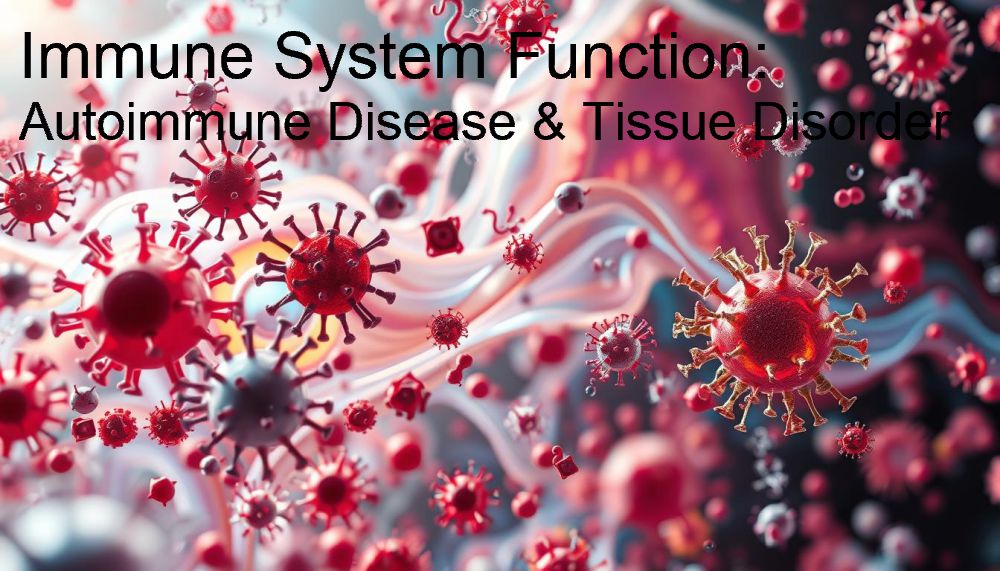
A healthy immune system is essential for well-being, and understanding its function can help in recognizing related conditions and disorders. This article will delve into the intricacies of the immune system, exploring its role in immunity and the impact of autoimmune diseases and disorders on overall health.
Key Takeaways
- The immune system defends the body against pathogens.
- A healthy immune response is crucial for overall well-being.
- Autoimmune diseases occur when the immune system malfunctions.
- Understanding immune system function can aid in disease prevention.
- White blood cells play a key role in immunity.
What Is the Immune System?
The human immune system is a complex and highly specialized network designed to safeguard our health. It is a sophisticated defense mechanism that protects the body against a myriad of pathogens, including bacteria, viruses, and other foreign substances.
Definition and Primary Purpose
The immune system definition encompasses a broad range of biological structures and processes that work together to defend the body. Its primary purpose is to identify and neutralize threats, thereby preventing infection and disease. This is achieved through a multi-layered defense strategy that involves various organs, cells, and proteins working in concert.
A Complex Network of Organs, Cells, and Proteins
The immune system is a complex network that includes several key components. Organs such as the spleen, lymph nodes, and thymus play crucial roles, as do cells like white blood cells, which are vital for fighting infections. Additionally, proteins such as antibodies are essential for recognizing and binding to specific pathogens, marking them for destruction. The lymphatic system, which includes lymph nodes and vessels, is also a critical part of this network, facilitating the transport of immune cells and the removal of pathogens.
Understanding the immune system’s structure and function is essential for appreciating how it defends the body against disease. By recognizing the intricate mechanisms at play, we can better appreciate the importance of maintaining a healthy immune system.
Components of the Immune System
The immune system’s effectiveness relies on its various components working in harmony. These components include primary and secondary immune organs, as well as specialized tissues that play crucial roles in immune function.
Primary Immune Organs
Primary immune organs are responsible for the development and maturation of immune cells. They provide the necessary environment for immune cells to mature and become functional.
Bone Marrow
Bone marrow is the spongy tissue inside some of your bones, such as your hips and thighbones, which produces blood cells. It is a critical site for the production of immune cells, including B cells and other lymphocytes.
Thymus
The thymus is a small gland located behind the sternum, playing a vital role in the maturation of T cells. T cells are a type of lymphocyte that plays a central role in cell-mediated immunity.
Secondary Immune Organs
Secondary immune organs are where immune responses are initiated. They provide a site for the activation of immune cells.
Lymph Nodes
Lymph nodes are small, bean-shaped structures that are located throughout the body. They filter lymph fluid, trapping pathogens and activating immune cells.
Spleen
The spleen is an organ that filters the blood, removing old, damaged red blood cells and housing immune cells called macrophages and dendritic cells.
Tonsils
Tonsils are masses of lymphoid tissue located in the throat. They help to trap pathogens that enter the body through the mouth or nose.
Specialized Tissues
Specialized tissues, such as the lymphatic system, play a crucial role in immune function. The lymphatic system is a network of vessels, organs, and tissues responsible for the transport of lymph fluid throughout the body.
| Organ/Tissue | Function |
|---|---|
| Bone Marrow | Produces immune cells |
| Thymus | Matures T cells |
| Lymph Nodes | Filters lymph fluid, activates immune cells |
| Spleen | Filters blood, houses immune cells |
| Tonsils | Traps pathogens |
“The immune system is a complex and highly specialized system that protects the body against infection and disease.”
— Immunology Expert
Immune System Function: How Your Body Defends Itself
The body’s defense against infection and disease relies heavily on the immune system’s ability to recognize and respond to foreign substances. This complex process involves multiple components working in harmony to protect the body.
Recognition of Foreign Substances
The immune system’s first line of defense is the recognition of pathogens or foreign substances. This is achieved through various mechanisms, including:
- Pattern recognition receptors (PRRs)
- Pathogen-associated molecular patterns (PAMPs)
These recognition systems allow immune cells to identify and respond to a wide range of pathogens, from bacteria to viruses.
Neutralizing and Eliminating Threats
Once a pathogen is recognized, the immune system springs into action to neutralize and eliminate the threat. Key processes include:
- Activation of immune cells such as neutrophils and macrophages
- Production of antibodies by B cells to mark pathogens for destruction
- Cell-mediated immunity, where T cells directly kill infected cells or produce chemical signals that activate the immune response
Developing Immune Memory
After an infection is cleared, the immune system retains a “memory” of the encounter. This immune memory is crucial for mounting a rapid and effective response upon future exposures to the same pathogen. The development of immune memory involves:
- Memory B cells, which can quickly produce antibodies upon re-exposure to a pathogen
- Memory T cells, which can rapidly expand and directly kill infected cells or support other immune responses
In summary, the immune system’s function is multifaceted, involving the recognition of foreign substances, the neutralization and elimination of threats, and the development of immune memory. Understanding these processes highlights the immune system’s critical role in maintaining health and preventing disease.
Types of Immunity
Understanding the various types of immunity is crucial for comprehending how the immune system functions to keep us healthy. The immune system employs a multi-layered defense strategy against pathogens, involving different types of immunity that work in concert to protect the body.
Innate Immunity: The First Line of Defense
Innate immunity serves as the body’s initial barrier against infection. It includes physical barriers like the skin and mucous membranes, as well as cells and proteins that provide immediate defense. This type of immunity is non-specific, meaning it responds to any foreign substance or pathogen. Innate immunity is crucial for preventing the entry and establishment of pathogens within the body.
Adaptive Immunity: The Targeted Response
In contrast to innate immunity, adaptive immunity is a highly specific response to a pathogen. It involves the activation of immune cells called lymphocytes (B cells and T cells) that recognize and remember specific pathogens. This memory allows for a more rapid and effective response upon subsequent infections, providing long-term immunity against specific diseases.
Passive vs. Active Immunity
Immunity can also be categorized as either passive or active. Active immunity is achieved when the body produces antibodies in response to direct exposure to a pathogen, either through infection or immunization. On the other hand, passive immunity involves the transfer of antibodies from one individual to another, such as from mother to child during breastfeeding, or through the administration of immunoglobulins. While passive immunity provides immediate protection, it is temporary, as the transferred antibodies eventually degrade and are not replaced by the recipient’s immune system.
Understanding these different types of immunity—innate, adaptive, active, and passive—provides insight into how the immune system protects the body against infections and diseases. Each type plays a vital role in the overall defense strategy, and together they ensure a robust and effective immune response.
White Blood Cells: The Immune System’s Army
White blood cells, or leukocytes, are vital components of the immune system, defending against pathogens. They are produced in the bone marrow and circulate throughout the body via the bloodstream and lymphatic system. These cells play a crucial role in protecting the body against infections and diseases.
Neutrophils
Neutrophils are the most abundant type of white blood cells, making up about 50-70% of the total white blood cell count. They are critical in fighting bacterial infections by engulfing and destroying bacteria through a process called phagocytosis. Neutrophils are also known for their ability to release granules that contain enzymes and antimicrobial peptides, further aiding in the elimination of pathogens.
Lymphocytes (B Cells and T Cells)
Lymphocytes, which include B cells and T cells, are essential for the adaptive immune response. B cells produce antibodies that recognize and bind to specific antigens, marking them for destruction. T cells, on the other hand, can directly kill infected cells or coordinate the immune response by releasing cytokines. There are several types of T cells, including cytotoxic T cells and helper T cells, each playing a unique role in immunity.
Natural Killer Cells
Natural Killer (NK) cells are a type of lymphocyte that can kill tumor cells and virus-infected cells without prior sensitization. They are part of the innate immune response and play a significant role in defending against viral infections and cancer. NK cells recognize and destroy target cells by releasing cytotoxins, providing a crucial defense mechanism.
Monocytes and Macrophages
Monocytes are large mononuclear white blood cells that mature into macrophages upon tissue migration. Macrophages are key players in the cleanup of cellular debris and pathogens. They engulf and digest foreign particles and cellular waste, contributing to tissue repair and immune regulation. Macrophages also play a role in presenting antigens to lymphocytes, thus initiating the adaptive immune response.
In summary, white blood cells are a diverse group of immune cells that work together to defend the body against infections and diseases. Understanding the different types of white blood cells and their functions is crucial for appreciating the complexity of the immune system.
The Immune Response Process
The immune system’s response to pathogens is a multi-faceted process that involves detection, mobilization, and elimination. This complex process is crucial for protecting the body against infections and diseases.
Detecting Invaders
The first step in the immune response is detecting invaders. The immune system uses various mechanisms to recognize pathogens, including pathogen recognition receptors (PRRs) that identify specific components of microbial cells.
Mobilizing Defenses
Once a pathogen is detected, the immune system mobilizes its defenses. This involves the activation of various immune cells, such as neutrophils and macrophages, which work to eliminate the pathogen.
Attacking the Threat
The immune system then attacks the threat through mechanisms such as phagocytosis, where cells engulf and digest microbial particles, and the production of antibodies that neutralize pathogens.
Creating Immune Memory
After eliminating the pathogen, the immune system creates immune memory. This allows for a more rapid and effective response upon future encounters with the same pathogen, providing long-term immunity.
The immune response process is a testament to the body’s intricate defense mechanisms. By understanding how the immune system detects and responds to pathogens, we can appreciate the complex interplay that keeps us healthy.
Autoimmune Disorders: When the Immune System Attacks Itself
Autoimmune conditions arise when the body’s immune response is directed against its own healthy tissues. This misguided attack can lead to a variety of chronic and often debilitating diseases.
What Causes Autoimmune Disorders?
The exact causes of autoimmune disorders remain largely unknown, but research suggests a combination of genetic predisposition and environmental triggers. Factors such as infections, hormonal changes, and exposure to certain chemicals may initiate or exacerbate these conditions.
Common Autoimmune Diseases
Several autoimmune diseases are prevalent and significantly impact the quality of life for those affected.
Rheumatoid Arthritis
Rheumatoid arthritis is characterized by inflammation of the joints, leading to pain, swelling, and potentially severe joint damage. Early diagnosis and treatment can significantly improve outcomes.
Type 1 Diabetes
Type 1 diabetes occurs when the immune system attacks the insulin-producing beta cells in the pancreas, resulting in a lack of insulin production and requiring lifelong insulin therapy.
Multiple Sclerosis
In multiple sclerosis, the immune system damages the protective covering of nerves, disrupting communication between the brain and the rest of the body. Symptoms can vary widely among affected individuals.
Lupus
Lupus is a systemic autoimmune disease that can affect multiple organs, including the skin, joints, kidneys, and brain. Its symptoms can range from mild to life-threatening.
Understanding these autoimmune disorders is crucial for developing effective treatments and improving patient care. Ongoing research aims to uncover the underlying mechanisms and identify new therapeutic targets.
Immunodeficiency Disorders: When the Immune System Is Weakened
When the immune system is weakened, the body’s defense against pathogens is severely impaired, leading to immunodeficiency disorders. This condition makes individuals more susceptible to infections and diseases, as their immune system cannot mount an effective response.
Immunodeficiency disorders can be categorized into two main types: primary and secondary. Understanding the differences between these categories is crucial for diagnosis and treatment.
Primary Immunodeficiency Disorders
Primary immunodeficiency disorders are typically genetic conditions present from birth. They result from defects in the immune system’s components, such as cells or proteins.
X-Linked Agammaglobulinemia
X-linked agammaglobulinemia is a genetic disorder that affects the production of B cells, a type of white blood cell crucial for immune function. This condition leads to low levels of antibodies, making it difficult for the body to fight infections.
Severe Combined Immunodeficiency (SCID)
SCID is a serious form of primary immunodeficiency that affects both B cells and T cells, leading to a severely compromised immune system. Individuals with SCID are highly susceptible to severe infections and require immediate medical attention.
Secondary Immunodeficiency Disorders
Secondary immunodeficiency disorders are acquired conditions that result from external factors or other health issues. These can include infections, medications, or other diseases that impair immune function.
HIV/AIDS
HIV/AIDS is a significant cause of secondary immunodeficiency. The HIV virus attacks and destroys CD4 T cells, a critical component of the immune system, leading to a weakened immune response and increased susceptibility to infections and certain cancers.
Medication-Induced Immunodeficiency
Certain medications, such as immunosuppressants used in organ transplantation or chemotherapy for cancer, can induce immunodeficiency by suppressing the immune system’s activity. While necessary for their intended purpose, these treatments can increase the risk of infections.
Understanding immunodeficiency disorders is essential for developing effective treatments and management strategies. By recognizing the causes and symptoms of these conditions, healthcare providers can offer targeted interventions to improve patient outcomes.
Allergies: Overreactions of the Immune System
The immune system’s overreaction to typically harmless substances results in what we commonly know as allergies. This overreaction triggers a series of defensive responses that can lead to uncomfortable and sometimes dangerous symptoms.
How Allergic Reactions Develop
Allergic reactions occur when the immune system mistakenly identifies a harmless substance, such as pollen or certain foods, as a threat. Upon encountering this perceived threat, the immune system releases chemicals like histamine, which cause the symptoms associated with allergic reactions. These symptoms can range from mild, such as sneezing and itching, to severe, including anaphylaxis, a life-threatening condition.
The process begins with sensitization, where the immune system first encounters the allergen and becomes primed to react. Upon subsequent exposures, the immune system mounts a response, leading to the release of mediators that cause allergic symptoms.
Common Allergens
Common allergens include pollen, dust mites, pet dander, certain foods like peanuts and shellfish, and insect stings. These substances are usually harmless to non-allergic individuals but can trigger significant reactions in sensitive individuals.
- Pollen: Released by trees, grasses, and weeds, causing seasonal allergic rhinitis.
- Foods: Certain foods are known to cause allergic reactions, with peanuts and shellfish being among the most common culprits.
- Insect Stings: Stings from bees, wasps, and other insects can cause allergic reactions ranging from localized swelling to anaphylaxis.
Managing Allergic Responses
Managing allergies involves avoiding known allergens, using medications to alleviate symptoms, and in some cases, undergoing immunotherapy to desensitize the individual to specific allergens. Antihistamines and corticosteroids are common medications used to treat allergic reactions.
For severe allergies, carrying an EpiPen or other epinephrine injector is crucial, as it can be lifesaving in the event of anaphylaxis. Understanding the nature of one’s allergies and being prepared is key to managing allergic responses effectively.
The Immune System and Cancer
The immune system is equipped with mechanisms to recognize and destroy cancer cells, acting as a vital defense against cancer. This complex process involves various components of the immune system working together to identify and eliminate cancerous cells before they can develop into tumors.
How the Immune System Fights Cancer
The immune system fights cancer through a multi-step process that begins with the recognition of cancer cells as foreign. Immune cells, such as T cells and natural killer cells, play a crucial role in this process. They can identify and destroy cancer cells, helping to prevent tumor growth.
Cancer’s Evasion Tactics
Despite the immune system’s efforts, cancer cells can evade detection and continue to grow. Cancer cells can develop mechanisms to hide from the immune system or suppress its activity, allowing them to proliferate unchecked. Understanding these evasion tactics is crucial for developing effective cancer treatments.
Immunotherapy Approaches
Immunotherapy is a promising approach to cancer treatment that involves enhancing the immune system’s ability to fight cancer. Immunotherapies can include checkpoint inhibitors, cancer vaccines, and adoptive T-cell therapy, among others. These treatments work by boosting the immune system’s natural defenses against cancer, providing new hope for patients with various types of cancer.
By harnessing the power of the immune system, researchers and clinicians are developing innovative cancer treatments that offer improved outcomes and new possibilities for patients.
Factors That Weaken Immune Function
A multitude of elements can compromise the immune system’s effectiveness, making us more susceptible to infections and diseases. Understanding these factors is crucial for taking proactive steps to maintain a healthy immune system.
Chronic Stress
Chronic stress is a significant factor that can weaken immune function. When we experience stress, our body releases cortisol, a hormone that, while useful in short bursts, can suppress the immune system when elevated over prolonged periods. Chronic stress can lead to inflammation and decrease the production of white blood cells, making us more vulnerable to illnesses.
Poor Nutrition
A diet lacking essential nutrients can impair immune function. Poor nutrition can lead to deficiencies in vitamins and minerals that are crucial for the immune system’s operation. For instance, vitamin C is important for the production of white blood cells, while zinc plays a key role in wound healing and fighting off infections.
Lack of Sleep
Adequate sleep is vital for immune health. During sleep, our body produces cytokines, proteins that help fight off infections and inflammation. Lack of sleep can reduce the production of these cytokines, making us more susceptible to illnesses.
Aging Effects
As we age, our immune system’s effectiveness can decline. This is due in part to the reduction in the production of new immune cells and the thymus’s shrinking, which is responsible for T-cell maturation. Aging effects on the immune system can make older adults more prone to infections and less responsive to vaccines.
By understanding these factors, individuals can take steps to mitigate their impact on immune health, such as managing stress, eating a balanced diet, getting adequate sleep, and taking extra precautions as they age.
Supporting Your Immune System Naturally
Supporting your immune system naturally can be achieved through a combination of lifestyle choices and dietary habits. By focusing on a few key areas, you can significantly enhance your body’s ability to fight off infections and diseases.
Balanced Nutrition and Key Nutrients
A well-balanced diet rich in essential nutrients is fundamental to immune health. Foods high in vitamin C, such as citrus fruits and leafy greens, play a crucial role in boosting the immune system. Similarly, zinc found in nuts, seeds, and legumes is vital for the proper functioning of immune cells.
Other key nutrients include omega-3 fatty acids, which are anti-inflammatory, and probiotics, which support gut health. A healthy gut microbiome is essential for a strong immune system, as it aids in the production of antibodies and the activation of immune cells.
| Nutrient | Food Sources | Immune Benefit |
|---|---|---|
| Vitamin C | Citrus fruits, leafy greens | Boosts immune cell production |
| Zinc | Nuts, seeds, legumes | Supports immune cell function |
| Omega-3 Fatty Acids | Fatty fish, flaxseeds | Reduces inflammation |
Regular Physical Activity
Engaging in regular physical activity is another crucial aspect of immune support. Exercise can help boost the immune system by promoting the circulation of white blood cells, which fight infections. Activities such as brisk walking, cycling, or swimming are excellent options.
“Exercise is a celebration of what your body can do, not a punishment for what you ate.” – Unknown
Adequate Sleep and Recovery
Adequate sleep is essential for immune function. During sleep, your body produces cytokines, which are proteins that help fight off infections and inflammation. Ensuring you get 7-9 hours of quality sleep per night is vital for immune health.
Stress Management Techniques
Chronic stress can significantly weaken the immune system. Practicing stress management techniques such as meditation, yoga, or deep breathing exercises can help mitigate this effect. These practices not only reduce stress but also promote overall well-being.
- Meditation
- Yoga
- Deep breathing exercises
In conclusion, supporting your immune system naturally involves a holistic approach that includes balanced nutrition, regular physical activity, adequate sleep, and effective stress management. By incorporating these habits into your daily routine, you can enhance your immune health and overall quality of life.
Vaccines: Training the Immune System
By introducing antigens to the body, vaccines train the immune system to recognize and combat pathogens effectively. This process not only protects individuals but also contributes to public health by preventing the spread of infectious diseases.
How Vaccines Work
Vaccines introduce a harmless piece of a pathogen, such as a protein or sugar, to the body. This triggers the immune system to produce antibodies and immune cells that can recognize the pathogen. As a result, the body is prepared to fight the disease if it encounters the real pathogen in the future.
Vaccination is a safe and effective way to prevent infectious diseases. According to the CDC, vaccines have been instrumental in controlling and eliminating many serious diseases in the United States.
Types of Vaccines
There are several types of vaccines, each with a different approach to immunization:
- Inactivated vaccines, which contain a killed version of the pathogen.
- Live, attenuated vaccines, which contain a weakened form of the pathogen.
- Subunit vaccines, which include only specific components of the pathogen.
- mRNA vaccines, which instruct cells to produce a specific protein.
Herd Immunity and Public Health
Herd immunity occurs when a significant portion of a community becomes immune to a disease, making its spread from person to person unlikely. This protects individuals who are not immune, such as those with weakened immune systems.
“Herd immunity is a form of indirect protection from infectious disease that occurs when a population is immune either through vaccination or immunity developed through previous infection.” – World Health Organization
| Vaccination Strategy | Effect on Public Health |
|---|---|
| Widespread Vaccination | Prevents outbreaks and protects vulnerable populations |
| Targeted Vaccination | Focuses on high-risk groups to prevent disease spread |
Emerging Research in Immunology
Emerging research in immunology is transforming our understanding of the immune system and its role in health and disease. Recent studies have led to a deeper understanding of how the immune system functions and how it can be modulated to prevent or treat various conditions.
New Treatments for Immune Disorders
Researchers are developing new treatments for immune disorders, including autoimmune diseases and immunodeficiency conditions. These treatments aim to restore balance to the immune system, reducing inflammation and improving overall health.
Personalized Immune Therapies
The development of personalized immune therapies is a significant area of research. By tailoring treatments to an individual’s specific immune profile, scientists hope to improve treatment efficacy and reduce side effects.
Future Directions in Immune Science
Looking to the future, immune science advancements are expected to continue at a rapid pace. Researchers are exploring new areas, such as the role of the microbiome in immune function and the potential for gene editing technologies to treat immune-related disorders.
Conclusion
Understanding your immune system is crucial for overall health and well-being. As discussed, the immune system is a complex network of organs, cells, and proteins that work together to defend the body against foreign invaders.
A healthy immune system is essential for preventing illnesses and infections. By recognizing the importance of immune health, individuals can take proactive steps to support their immune system naturally.
Key factors that contribute to a robust immune system include a balanced diet rich in essential nutrients, regular physical activity, adequate sleep, and effective stress management. By incorporating these habits into daily life, individuals can significantly enhance their immune function.
In conclusion, a well-functioning immune system is vital for maintaining overall health. By understanding how the immune system works and taking steps to support it, individuals can reduce their risk of illness and improve their quality of life. Prioritizing immune health is a crucial aspect of overall wellness.
FAQ
What is the primary function of the immune system?
The primary function of the immune system is to defend the body against foreign invaders, such as bacteria, viruses, and other pathogens, and to protect against infection and disease.
What are the main components of the immune system?
The main components of the immune system include primary immune organs like the bone marrow and thymus, secondary immune organs such as lymph nodes, spleen, and tonsils, and specialized tissues throughout the body.
How does the immune system recognize pathogens?
The immune system recognizes pathogens through various mechanisms, including the identification of foreign substances by immune cells like white blood cells, which then trigger an immune response to neutralize or eliminate the threat.
What is the difference between innate and adaptive immunity?
Innate immunity provides the first line of defense against infections, while adaptive immunity offers a targeted response to specific pathogens, developing a memory of these encounters to mount a quicker response upon future infections.
What are some common autoimmune diseases?
Common autoimmune diseases include rheumatoid arthritis, type 1 diabetes, multiple sclerosis, and lupus, where the immune system mistakenly attacks the body’s own tissues.
How can I support my immune system naturally?
You can support your immune system naturally by maintaining a balanced nutrition, engaging in regular physical activity, getting adequate sleep, and practicing stress management techniques.
What are vaccines, and how do they work?
Vaccines are a crucial tool in preventing infectious diseases by training the immune system to recognize and respond to specific pathogens, thereby providing immunity against future infections.
What factors can weaken immune function?
Factors that can weaken immune function include chronic stress, poor nutrition, lack of sleep, and the effects of aging, which can compromise the immune system’s ability to fight infections.
What is immunodeficiency, and what are its types?
Immunodeficiency occurs when the immune system’s ability to fight infections is compromised, and it can be primary (such as X-linked agammaglobulinemia and SCID) or secondary (resulting from HIV/AIDS or certain medications).
How does the immune system fight cancer?
The immune system fights cancer through various mechanisms, including the action of immune cells like natural killer cells and T cells, which recognize and attack cancer cells, although cancer can sometimes evade immune detection.