Are you or a loved one struggling with digestive health issues? You’re not alone. Irritable Bowel Syndrome (IBS) is a common condition that affects millions of people worldwide, causing discomfort, pain, and disruption to daily life.
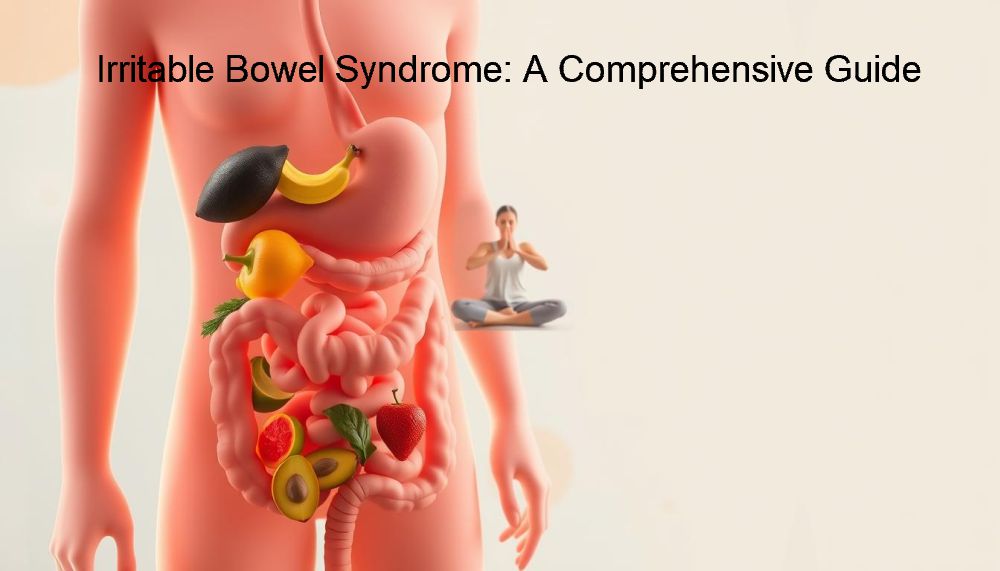
This comprehensive guide is designed to provide you with a deeper understanding of IBS, its causes, symptoms, and treatment options. We’ll explore the latest research and expert insights to help you take control of your gut health and improve your overall well-being.
Key Takeaways
- Understanding the causes and symptoms of IBS
- Exploring treatment options for managing IBS
- Discovering lifestyle changes to improve digestive health
- Learning how to manage stress and anxiety related to IBS
- Finding support and resources for living with IBS
What Is Irritable Bowel Syndrome?
IBS, or Irritable Bowel Syndrome, is a chronic condition characterized by a combination of abdominal pain, bloating, and changes in bowel movements. It’s a functional gastrointestinal disorder, meaning that the bowel looks normal but doesn’t function correctly.
Definition and Overview
Irritable Bowel Syndrome is a complex condition that affects the large intestine, causing a variety of symptoms that can range from mild to severe. The definition of Irritable Bowel Syndrome encompasses its chronic nature and the variety of symptoms associated with it, including abdominal pain, changes in bowel habits, and bloating.
Prevalence in the United States
IBS is a common condition in the United States, affecting a significant portion of the population. Studies suggest that approximately 10-15% of adults in the U.S. suffer from IBS, although many may not seek medical attention for their symptoms.
Impact on Quality of Life
The impact of IBS on an individual’s quality of life can be substantial. Symptoms can be unpredictable and disrupt daily activities, work, and social interactions. The chronic nature of IBS means that managing the condition is an ongoing process.
| Aspect of Life | Impact of IBS |
|---|---|
| Daily Activities | Symptoms can be triggered or worsened by certain foods or stress, affecting daily routines. |
| Work and Productivity | Frequent absences or reduced productivity due to symptoms. |
| Social Interactions | Fear of symptoms can lead to avoidance of social situations. |
Understanding IBS is crucial for managing its symptoms and improving the quality of life for those affected. By recognizing the symptoms and how they impact daily living, individuals can take the first steps towards effective management.
The Science Behind IBS
The underlying mechanisms of IBS involve a complex interaction between intestinal motility, sensitivity, and the microbiome. This multifaceted condition is not just about the digestive system; it encompasses a broader spectrum of physiological and neurological factors.
The Gut-Brain Connection
The gut and the brain are connected through the gut-brain axis, a bidirectional communication network that involves the central nervous system (CNS), the enteric nervous system (ENS), and the vagus nerve. This connection plays a crucial role in regulating digestive processes and modulating symptoms of IBS.
Nervous System Involvement
The nervous system’s role in IBS is significant, with both the CNS and ENS contributing to the condition’s pathophysiology. Stress and emotional factors can influence the nervous system’s control over gut function, exacerbating symptoms.
Intestinal Sensitivity and Motility
Individuals with IBS often experience heightened intestinal sensitivity and altered motility patterns. These changes can lead to symptoms such as abdominal pain, bloating, and changes in bowel habits.
Microbiome and Bacterial Overgrowth
The gut microbiome plays a crucial role in IBS. An imbalance in the microbiome, or dysbiosis, and bacterial overgrowth can contribute to the development of IBS symptoms. Modulating the microbiome through diet and probiotics is a potential therapeutic approach.
| Aspect | Description | Impact on IBS |
|---|---|---|
| Gut-Brain Axis | Bidirectional communication between the CNS and ENS | Regulates digestive processes and modulates symptoms |
| Nervous System | Involves CNS and ENS in controlling gut function | Stress and emotions can exacerbate symptoms |
| Intestinal Motility | Altered patterns of movement in the intestines | Leads to symptoms like abdominal pain and changes in bowel habits |
| Microbiome | Balance of gut bacteria | Dysbiosis and bacterial overgrowth contribute to IBS symptoms |
Common Symptoms of Irritable Bowel Syndrome
Identifying the common symptoms of IBS is the first step towards finding relief and improving quality of life. IBS symptoms can vary significantly from one individual to another, but there are several commonalities that many people experience.
Abdominal Pain and Cramping
One of the hallmark symptoms of IBS is abdominal pain or cramping. This discomfort can range from mild to severe and is often relieved by bowel movements. The pain is usually located in the lower abdomen.
Changes in Bowel Habits
Changes in bowel habits are another key symptom of IBS. This can manifest as diarrhea, constipation, or an alternating pattern between the two. Some individuals may experience urgency or a feeling of incomplete evacuation.
Bloating and Gas
Bloating and gas are also common complaints among those with IBS. Bloating can make the abdomen feel uncomfortably full and tight, while gas can lead to discomfort and pain.
Non-Digestive Symptoms
In addition to gastrointestinal symptoms, some people with IBS experience non-digestive symptoms. These can include fatigue, headaches, and difficulties with concentration or memory.
Understanding these symptoms is crucial for both diagnosis and management of IBS. By recognizing the range of possible symptoms, individuals can better navigate their condition and seek appropriate care.
Types of IBS
Irritable Bowel Syndrome (IBS) is categorized into several subtypes based on the predominant symptoms experienced by patients. This classification is essential for tailoring treatment plans to individual needs.
IBS with Constipation (IBS-C)
IBS-C is characterized by persistent constipation, with patients often experiencing hard or lumpy stools. Managing IBS-C typically involves dietary changes and, in some cases, medication to soften stools or stimulate bowel movements.
IBS with Diarrhea (IBS-D)
In contrast, IBS-D is marked by frequent diarrhea, with loose or watery stools being a common complaint. Treatment for IBS-D may include dietary adjustments, anti-diarrheal medications, and stress management techniques.
IBS with Mixed Bowel Habits (IBS-M)
IBS-M presents a mix of both constipation and diarrhea, making it challenging to manage. Patients with IBS-M may need to adopt a flexible treatment plan that addresses both symptoms.
Unclassified IBS (IBS-U)
Some patients are diagnosed with IBS-U when their symptoms do not clearly fit into one of the other categories. This subtype requires a comprehensive approach to identify the most effective management strategies.
As noted by a gastroenterology expert, “Understanding the specific type of IBS a patient has is crucial for developing an effective treatment plan.”
“The key to managing IBS lies in its classification and personalized care.”
By recognizing the distinct characteristics of each IBS subtype, healthcare providers can offer targeted therapies to improve patient outcomes.
Causes and Risk Factors
Understanding the causes and risk factors of IBS is crucial for managing its symptoms effectively. IBS is a complex condition influenced by multiple factors.
Genetic Predisposition
Research suggests that genetic predisposition plays a significant role in the development of IBS. Individuals with a family history of IBS are more likely to experience symptoms.
Genetic factors can affect the functioning of the gut and the brain-gut axis, contributing to IBS.
Environmental Triggers
Environmental triggers, such as stress and certain foods, can exacerbate IBS symptoms. Identifying and managing these triggers is key to symptom relief.
Common environmental triggers include dietary factors, stress, and hormonal changes.
Psychological Factors
Psychological factors, including anxiety and depression, are closely linked to IBS. The gut-brain axis is bidirectional, meaning that psychological distress can affect gut function.
Managing psychological factors through therapy and stress management techniques can help alleviate IBS symptoms.
Post-Infectious IBS Development
Post-infectious IBS (PI-IBS) occurs after a gastrointestinal infection. The condition is characterized by persistent IBS symptoms following the resolution of the initial infection.
Understanding the role of post-infectious IBS can help in developing targeted treatment strategies.
Diagnosing Irritable Bowel Syndrome
The diagnosis of IBS is primarily based on symptom-based criteria, as there is no specific test for the condition. Healthcare providers rely on a combination of medical history, physical examination, and diagnostic tests to rule out other conditions and confirm IBS.
Rome IV Diagnostic Criteria
The Rome IV criteria are the most widely used guidelines for diagnosing IBS. These criteria include:
- Recurrent abdominal pain, on average, at least 1 day per week in the last 3 months.
- Associated with two or more of the following:
- Related to defecation
- Associated with a change in frequency of stool
- Associated with a change in form (appearance) of stool
Medical History and Physical Examination
A thorough medical history is crucial in diagnosing IBS. The healthcare provider will ask questions about the patient’s symptoms, including when they started, how often they occur, and any factors that seem to trigger or relieve them. A physical examination may also be performed to check for any signs of other conditions that could be causing the symptoms.
Necessary Diagnostic Tests
While there is no specific test for IBS, certain diagnostic tests may be ordered to rule out other conditions. These may include:
- Blood tests to check for signs of infection or inflammation
- Stool tests to check for bacterial or parasitic infections
- Endoscopy or colonoscopy to examine the inside of the colon
- Imaging tests such as X-rays or CT scans
The Elimination Process
The diagnosis of IBS often involves a process of elimination, where other potential causes of the symptoms are ruled out. This may involve trying different treatments or diets to see if they improve the symptoms. By ruling out other conditions and using the Rome IV criteria, healthcare providers can make an accurate diagnosis of IBS.
Diagnosing IBS requires a comprehensive approach that takes into account the patient’s symptoms, medical history, and diagnostic test results. By understanding the diagnostic process, patients can better navigate their care and work with their healthcare providers to develop an effective treatment plan.
IBS vs. Other Digestive Conditions
Understanding the differences between Irritable Bowel Syndrome (IBS) and other digestive conditions is crucial for accurate diagnosis and effective treatment. IBS is often confused with other gastrointestinal disorders due to overlapping symptoms, making it essential to distinguish between them.
IBS vs. Inflammatory Bowel Disease
Inflammatory Bowel Disease (IBD) includes conditions like Crohn’s disease and ulcerative colitis, characterized by chronic inflammation of the gastrointestinal tract. Unlike IBS, IBD causes visible inflammation and damage to the bowel lining. A key difference lies in the presence of inflammation; IBD involves significant inflammation, whereas IBS does not.
| Characteristics | IBS | IBD |
|---|---|---|
| Inflammation | No visible inflammation | Chronic inflammation |
| Bowel Damage | No structural damage | Damage to bowel lining |
| Diagnostic Tests | Based on symptoms and exclusion | Endoscopy, biopsy, and imaging |
IBS vs. Celiac Disease
Celiac disease is an autoimmune disorder where ingestion of gluten leads to damage in the small intestine. It is distinct from IBS, although some symptoms like abdominal pain and changes in bowel habits can overlap. A strict gluten-free diet can manage celiac disease, whereas IBS management involves a broader range of dietary and lifestyle changes.
“Celiac disease is not just a matter of avoiding gluten; it’s about healing the gut and restoring overall health.” – Dr. Alessio Fasano
IBS vs. Functional Dyspepsia
Functional dyspepsia refers to persistent upper abdominal pain or discomfort that is not related to bowel movements or relieved by defecation. While both IBS and functional dyspepsia are functional gastrointestinal disorders, they affect different parts of the digestive system. IBS primarily affects bowel habits, whereas functional dyspepsia involves the upper gastrointestinal tract.
When to Suspect Something More Serious
If symptoms such as severe abdominal pain, significant weight loss, blood in the stool, or persistent diarrhea occur, it may indicate a more serious condition than IBS. These red flags necessitate a thorough medical evaluation to rule out conditions like IBD, celiac disease, or other gastrointestinal disorders.
In conclusion, while IBS shares symptoms with other digestive conditions, careful evaluation and diagnostic tests can help differentiate it from more serious disorders. Understanding these differences is key to managing symptoms effectively and improving quality of life.
The Role of Diet in IBS Management
Diet plays a crucial role in the management of IBS, influencing the frequency and severity of its symptoms. By making informed dietary choices, individuals with IBS can significantly reduce their discomfort and improve their overall quality of life.
Common Food Triggers
Certain foods are known to trigger or worsen IBS symptoms in many individuals. These can include high-FODMAP foods, spicy foods, and foods high in fat. Identifying and avoiding personal trigger foods is a key step in managing IBS through diet.
Understanding Food Sensitivities
Food sensitivities, as opposed to allergies, involve adverse reactions to foods that do not trigger an immune response. In IBS, sensitivities to certain food components can lead to symptoms. Keeping a food diary can help identify which foods may be causing issues.
Adding Fiber to Your Diet
Fiber can play a dual role in IBS management. While it can help regulate bowel movements and soften stool, a sudden increase in fiber intake can also exacerbate symptoms like bloating and gas. Gradually introducing high-fiber foods into the diet can help minimize adverse effects.
Importance of Proper Hydration
Adequate hydration is essential for digestive health, helping to prevent constipation by softening stool and promoting regular bowel movements. Drinking plenty of water throughout the day is recommended for individuals with IBS.
By understanding the impact of diet on IBS and making targeted dietary adjustments, individuals can better manage their symptoms and improve their overall well-being.
The Low FODMAP Diet Approach
The low FODMAP diet has been recognized for its effectiveness in reducing IBS symptoms, improving quality of life. This dietary approach focuses on limiting certain types of carbohydrates that can exacerbate IBS symptoms.
What are FODMAPs?
FODMAPs stands for Fermentable Oligo-, Di-, Mono-saccharides, and Polyols. These are types of carbohydrates found in a variety of foods, including fruits, vegetables, grains, and dairy products. FODMAPs can be poorly absorbed by some individuals, leading to IBS symptoms.
The Three-Phase Process
The low FODMAP diet is implemented in three phases: elimination, reintroduction, and personalization. The elimination phase involves removing high FODMAP foods from the diet for a period of 2-6 weeks. The reintroduction phase systematically reintroduces FODMAP groups to identify which cause symptoms. Finally, the personalization phase tailors the diet based on individual tolerance to different FODMAPs.
Foods to Avoid and Include
During the elimination phase, it’s crucial to avoid high FODMAP foods such as certain fruits (e.g., apples, pears), vegetables (e.g., onions, garlic), dairy products, and wheat-based products. Conversely, individuals can consume low FODMAP alternatives like bananas, rice, and gluten-free products.
| Food Category | High FODMAP Foods | Low FODMAP Alternatives |
|---|---|---|
| Fruits | Apples, Pears, Watermelon | Bananas, Oranges, Grapes |
| Vegetables | Onions, Garlic, Beans | Carrots, Potatoes, Tomatoes |
| Grains | Wheat, Barley, Rye | Rice, Quinoa, Gluten-free bread |
Evidence-Based Results and Limitations
Research has shown that the low FODMAP diet can significantly reduce IBS symptoms in many individuals. However, it’s not without its limitations, including the potential for nutritional deficiencies if not properly managed. It’s recommended to consult with a healthcare provider or a dietitian to ensure nutritional adequacy.
In conclusion, the low FODMAP diet offers a structured approach to managing IBS symptoms through dietary adjustments. By understanding FODMAPs and following the three-phase process, individuals can identify and manage their dietary triggers effectively.
Medication Options for IBS Relief
IBS relief can be achieved through a range of medication options, from over-the-counter solutions to prescription drugs. The choice of medication often depends on the predominant symptoms and the specific type of IBS.
Over-the-Counter Solutions
For many IBS sufferers, over-the-counter (OTC) medications are the first line of defense. Loperamide is commonly used to slow bowel movements and reduce diarrhea. On the other hand, psyllium husk or methylcellulose can help with constipation by adding fiber to the diet.
Prescription Medications
When OTC options are insufficient, prescription medications may be necessary. For IBS with diarrhea (IBS-D), medications like eluxadoline (Viberzi) and rifaximin (Xifaxan) can be effective. For IBS with constipation (IBS-C), lubiprostone (Amitiza) and linaclotide (Linzess) are often prescribed.
Treating Abdominal Pain and Spasms
Abdominal pain and spasms are common IBS symptoms. Antispasmodic medications like dicyclomine and hyoscyamine can help relax the muscles in the intestines and reduce cramping. For some patients, low-dose antidepressants may be recommended to help manage pain.
Targeted Treatments for Different IBS Types
The type of IBS (IBS-C, IBS-D, or IBS-M) dictates the treatment approach. For instance, patients with IBS-C may benefit from fiber supplements or osmotic laxatives, while those with IBS-D may require anti-diarrheal medications.
| IBS Type | Common Symptoms | Medication Options |
|---|---|---|
| IBS-C | Constipation, abdominal pain | Lubiprostone, Linaclotide, Fiber supplements |
| IBS-D | Diarrhea, abdominal pain | Loperamide, Eluxadoline, Rifaximin |
| IBS-M | Mixed bowel habits, abdominal pain | Combination therapy based on predominant symptoms |
As noted by a gastroenterologist, “The key to effective IBS management is tailoring the treatment to the individual’s specific symptoms and IBS subtype.” This personalized approach can significantly improve the quality of life for IBS sufferers.
“The management of IBS requires a multifaceted approach, including dietary changes, lifestyle modifications, and when necessary, medication.”
Gastroenterology Expert
Psychological Approaches to Treatment
For many individuals with IBS, psychological approaches to treatment can offer significant relief. These methods focus on addressing the mental and emotional aspects that influence gastrointestinal symptoms.
Cognitive Behavioral Therapy
Cognitive Behavioral Therapy (CBT) is a helpful approach in managing IBS symptoms. It works by identifying and changing negative thought patterns and behaviors that contribute to the condition.
Gut-Directed Hypnotherapy
Gut-directed hypnotherapy is another technique that has shown promise. It involves guided hypnosis to help manage abdominal pain and bowel habits by influencing the gut-brain axis.
Stress Management Techniques
Stress is known to exacerbate IBS symptoms. Therefore, stress management techniques, such as deep breathing, progressive muscle relaxation, and meditation, can be beneficial.
Mindfulness and Relaxation Practices
Mindfulness practices and other relaxation techniques can also help reduce IBS symptoms. These practices promote relaxation and reduce stress, contributing to overall well-being.
| Technique | Description | Benefits |
|---|---|---|
| Cognitive Behavioral Therapy | Identifies and changes negative thought patterns | Reduces symptom severity |
| Gut-Directed Hypnotherapy | Uses hypnosis to influence gut function | Manages abdominal pain and bowel habits |
| Stress Management | Techniques to reduce stress | Decreases symptom flare-ups |
By incorporating these psychological approaches into their treatment plan, individuals with IBS can potentially reduce their symptoms and improve their quality of life.
Lifestyle Modifications That Help Relieve IBS
Lifestyle modifications play a crucial role in managing IBS effectively. By incorporating a few simple changes into daily life, individuals can significantly alleviate their symptoms and improve their overall quality of life.
Exercise and Physical Activity Benefits
Regular exercise is known to have a positive impact on IBS symptoms. Physical activity helps stimulate bowel movements, reducing symptoms of constipation and improving overall gut motility. Activities such as walking, jogging, or yoga can be particularly beneficial. Aim for at least 30 minutes of moderate exercise per day to experience these benefits.
Improving Sleep Quality
Poor sleep can exacerbate IBS symptoms, making it essential to prioritize good sleep hygiene. Establishing a consistent sleep schedule and creating a relaxing bedtime routine can help improve sleep quality. Avoiding caffeine and electronic devices before bedtime can also contribute to a restful night’s sleep, thereby reducing IBS discomfort.
Stress Reduction Strategies
Stress is a known trigger for IBS symptoms. Engaging in stress-reducing activities such as meditation, deep breathing exercises, or mindfulness can help mitigate this effect. Regular practice of these techniques can lead to a significant reduction in IBS symptoms by lowering overall stress levels.
Establishing Regular Daily Routines
Maintaining a consistent daily routine can help regulate bowel movements and reduce IBS symptoms. Eating at the same times each day and avoiding skipped meals can help stabilize digestion. Additionally, keeping a food diary can help identify and avoid trigger foods that may exacerbate IBS symptoms.
By implementing these lifestyle modifications, individuals with IBS can experience significant relief from their symptoms. It’s about making small, manageable changes that add up to make a big difference in overall well-being.
Alternative and Complementary Therapies
Beyond conventional treatments, alternative and complementary therapies offer additional relief for IBS sufferers. These therapies can be used alongside traditional treatments to provide a more comprehensive approach to managing IBS symptoms.
Probiotics and Gut Health
Probiotics are live bacteria and yeasts that are beneficial for gut health. They can help restore the natural balance of gut bacteria, which is often disrupted in individuals with IBS. Research has shown that probiotics can reduce symptoms of IBS, including bloating, abdominal pain, and changes in bowel habits.
Beneficial Herbal Remedies
Certain herbal remedies have been found to be beneficial in managing IBS symptoms. For example, peppermint oil capsules can help reduce abdominal pain and cramping. Other herbs like ginger and turmeric have anti-inflammatory properties that may also be helpful.
Acupuncture and Traditional Approaches
Acupuncture, a traditional Chinese medicine technique, involves inserting thin needles into specific points on the body. Some studies suggest that acupuncture can help reduce IBS symptoms, possibly by affecting the gut-brain axis.
Peppermint Oil and Other Helpful Supplements
In addition to probiotics and herbal remedies, other supplements like peppermint oil can provide relief. Peppermint oil has natural anti-spasmodic properties that can help relax the muscles in the digestive tract, reducing cramps and discomfort.
By exploring these alternative and complementary therapies, individuals with IBS can find additional ways to manage their symptoms and improve their quality of life.
Conclusion: Living Well with IBS
Living with Irritable Bowel Syndrome (IBS) can be challenging, but with the right strategies, individuals can effectively manage their symptoms and improve their quality of life. By understanding the condition, its symptoms, and the various treatment options available, those affected can take control of their digestive health.
Managing IBS involves a combination of dietary changes, lifestyle modifications, and, when necessary, medication. The low FODMAP diet, stress management techniques, and regular exercise are among the approaches that can help alleviate symptoms. It’s also crucial to work closely with healthcare providers to develop a personalized treatment plan.
Improving digestive health is a key aspect of living well with IBS. This includes being mindful of food triggers, maintaining a balanced diet, and staying hydrated. Additionally, incorporating stress-reducing practices and engaging in regular physical activity can significantly enhance overall well-being.
By adopting these strategies and maintaining a proactive approach to managing IBS, individuals can reduce the impact of the condition on their daily lives and enjoy a better quality of life. Effective management of IBS is key to unlocking a more comfortable, healthy lifestyle.
FAQ
What is Irritable Bowel Syndrome (IBS)?
Irritable Bowel Syndrome (IBS) is a gastrointestinal disorder characterized by recurring abdominal pain, changes in bowel movements, and other symptoms that affect the digestive system.
What are the common symptoms of IBS?
Common symptoms of IBS include abdominal pain, cramping, bloating, gas, diarrhea, constipation, and changes in bowel habits.
What causes IBS?
The exact cause of IBS is unknown, but it is believed to involve a combination of factors, including changes in gut motility, hypersensitivity, stress, and hormonal fluctuations.
How is IBS diagnosed?
IBS is diagnosed based on symptoms, medical history, and physical examination, using the Rome IV diagnostic criteria. Diagnostic tests may be used to rule out other conditions.
What are the different types of IBS?
There are four subtypes of IBS: IBS with constipation (IBS-C), IBS with diarrhea (IBS-D), IBS with mixed bowel habits (IBS-M), and unclassified IBS (IBS-U).
Can diet help manage IBS symptoms?
Yes, dietary changes can help manage IBS symptoms. Common recommendations include following a low FODMAP diet, increasing fiber intake, and avoiding trigger foods.
What is the low FODMAP diet?
The low FODMAP diet is a dietary approach that involves limiting or avoiding certain types of carbohydrates that can be difficult to digest, such as fermentable oligo-, di-, and mono-saccharides, and polyols.
Are there any medications available to treat IBS?
Yes, various medications are available to treat IBS symptoms, including over-the-counter and prescription medications, such as antispasmodics, laxatives, and anti-diarrheal medications.
Can stress make IBS symptoms worse?
Yes, stress can exacerbate IBS symptoms. Stress management techniques, such as cognitive behavioral therapy, gut-directed hypnotherapy, and mindfulness practices, can help alleviate symptoms.
Can IBS be cured?
While there is no cure for IBS, symptoms can be managed effectively with a combination of dietary changes, lifestyle modifications, and medical treatments.
How can I manage IBS flare-ups?
To manage IBS flare-ups, identify and avoid trigger foods, stay hydrated, practice stress-reducing techniques, and consider adjusting your diet or medication regimen.