Explore Wellness and Nutrition Insights

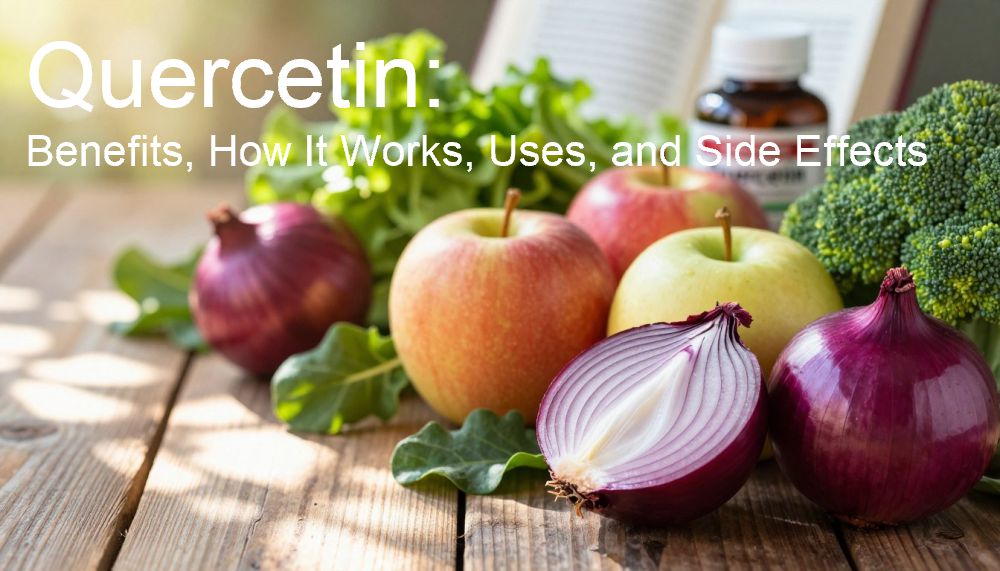
Quercetin: Benefits, How It Works, Uses, and Side Effects

Quercetin is a type of flavonoid, a class of plant compounds known for their antioxidant properties. Flavonoids are a group of phytonutrients found in various fruits, vegetables, grains, bark, roots, stems, flowers, tea, and wine. These compounds are responsible for the vibrant colors of many fruits and vegetables and play a crucial role in protecting plants from environmental stressors.

Quercetin: Benefits, How It Works, Uses, and Side Effects Read Post »
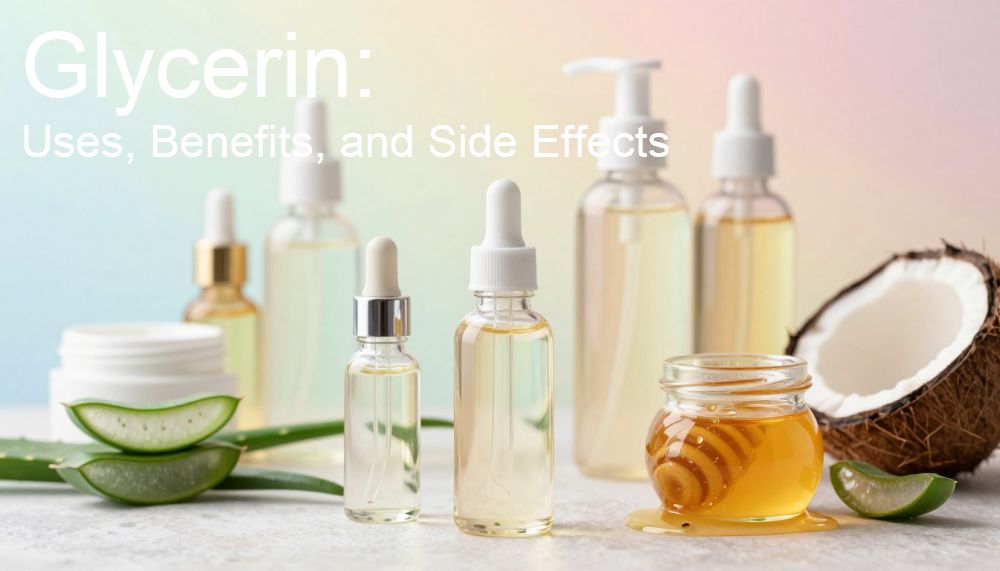
Glycerin: Uses, Benefits, and Side Effects

Glycerin: Uses, Benefits, and Side Effects

Glycerin is characterized by its hygroscopic nature, meaning it has a strong affinity for water. This property makes it an excellent humectant, capable of retaining moisture in various applications. Chemically, glycerin is a simple polyol compound with the formula C3H8O3. Its structure consists of three carbon atoms, each bonded to a hydroxyl group, making it highly soluble in water.

Glycerin: Uses, Benefits, and Side Effects Read Post »

Scroll to Top