Learning about a complex health condition can feel overwhelming at first. We are here to help you understand the basics of how it affects your body and mind. You deserve clear answers and a supportive voice during this transition.
Many doctors explain that causes parkinson’s disease usually involve a combination of your genes and the environment. Since parkinson’s disease is a progressive health issue, most people see very slow changes in their movement over many years. This slow pace gives you plenty of time to adapt and find the right medical support.
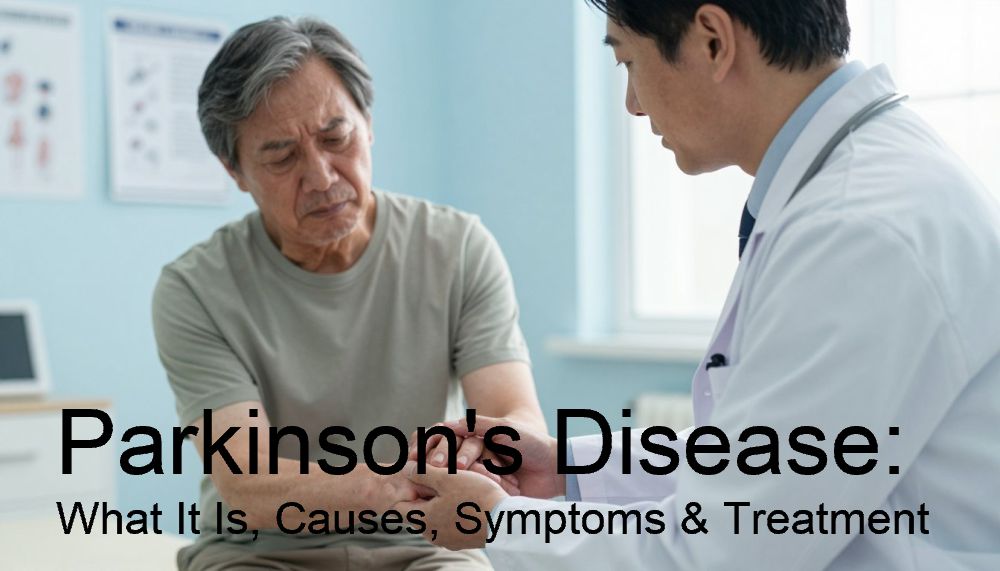
Identifying parkinson’s disease symptoms early helps you and your care team create a great plan for the future. Even when facing parkinson, you have many options to stay active and maintain a high quality of life. You are not alone on this path, as modern treatments offer significant help for managing daily activities.
Key Takeaways
- It is a condition that affects movement and the central nervous system.
- The specific cause often links to a mix of genetics and external factors.
- Symptoms typically develop slowly over several years rather than all at once.
- Early detection plays a vital role in managing the condition effectively.
- Modern medicine provides various therapies to improve daily comfort and mobility.
- Staying physically active helps maintain muscle strength and overall balance.
Understanding Parkinson’s Disease
Understanding the intricacies of Parkinson’s Disease is crucial for managing its impact. Parkinson’s Disease is a neurological disorder that primarily affects movement. It is characterized by a set of symptoms that impact an individual’s quality of life.
Defining the Movement Disorder
Parkinson’s Disease is classified as a movement disorder due to its primary effects on the motor systems of the body. The disease leads to a variety of motor symptoms, including tremors, stiffness, and slowed movement. These symptoms result from the degeneration of nerve cells in the brain that are responsible for producing dopamine, a crucial neurotransmitter.
The key characteristics of Parkinson’s as a movement disorder include:
- Tremors or shaking, often beginning in a limb
- Rigidity or stiffness of the muscles
- Bradykinesia, or slowness of movement
- Postural instability, leading to balance issues
The Role of Dopamine in the Brain
Dopamine is a vital neurotransmitter in the brain that plays a significant role in controlling movement and coordinating body movements. The dopamine-producing nerve cells are located in a part of the brain called the substantia nigra. In Parkinson’s Disease, these dopamine-producing cells degenerate, leading to a deficiency in dopamine.
The depletion of dopamine disrupts the normal functioning of the brain’s motor control systems, resulting in the characteristic symptoms of Parkinson’s Disease. Understanding the role of dopamine is crucial for developing effective treatments that aim to restore or mimic its effects in the brain.
Maintaining optimal dopamine levels is essential for normal motor function. Treatments for Parkinson’s Disease often focus on increasing dopamine levels or simulating its action in the brain to alleviate symptoms.
The Biological Mechanisms of Parkinson’s Disease
Understanding the biological underpinnings of Parkinson’s Disease is crucial for grasping how it affects individuals. The disease is characterized by specific pathological changes in the brain that lead to its progression.
Degeneration of Nerve Cells in the Substantia Nigra
Parkinson’s Disease is primarily associated with the degeneration of nerve cells in a part of the brain called the substantia nigra. This region is crucial for movement control, and the loss of dopamine-producing neurons here disrupts normal brain function.
The substantia nigra is significant because it produces dopamine, a neurotransmitter that plays a key role in coordinating movement. When the nerve cells in this area degenerate, dopamine levels decrease, leading to the motor symptoms associated with Parkinson’s Disease.
| Region of the Brain | Function | Impact of Degeneration |
|---|---|---|
| Substantia Nigra | Produces dopamine, crucial for movement control | Leads to motor symptoms like tremors and rigidity |
| Basal Ganglia | Regulates movement and cognition | Affects movement coordination and control |
| Cerebral Cortex | Involved in various higher-order brain functions | May contribute to non-motor symptoms |
The Presence of Lewy Bodies
Another hallmark of Parkinson’s Disease is the presence of Lewy bodies, which are abnormal aggregates of protein that develop inside nerve cells. These inclusions are primarily composed of alpha-synuclein protein and are a key pathological feature of the disease.
The formation of Lewy bodies is believed to play a role in the progression of Parkinson’s Disease, although their exact role is still under investigation. Research into Lewy bodies and their impact on nerve cells continues to provide insights into the disease’s mechanisms.
Understanding the biological mechanisms, including the degeneration of nerve cells and the presence of Lewy bodies, is essential for developing effective treatments for Parkinson’s Disease.
Identifying Early Signs and Symptoms
The early stages of Parkinson’s Disease can manifest through a variety of subtle changes. These changes can be both motor and non-motor in nature, making early diagnosis sometimes challenging.
Subtle Changes in Movement
Early signs of Parkinson’s Disease often include subtle changes in movement. These can be as simple as a slight tremor in one hand or a feeling of stiffness in the limbs.
Some people may notice that their arm swings less on one side when walking, or they might experience a slight dragging of one foot. These symptoms may be mild and can be mistaken for other conditions or simply attributed to aging.
Early Non-Motor Indicators
In addition to motor symptoms, Parkinson’s Disease can also present with non-motor symptoms early on. These can include changes in sense of smell, sleep disturbances, and mood changes such as depression or anxiety.
A comprehensive understanding of these early signs can aid in earlier diagnosis and intervention.
| Early Signs | Description |
|---|---|
| Tremors | A slight shaking or trembling, often beginning in one limb |
| Bradykinesia | A decrease in the spontaneity of movement, making everyday activities challenging |
| Sleep Disturbances | Difficulty sleeping or vivid dreams and nightmares |
| Mood Changes | Depression, anxiety, or other mood swings |
Motor Symptoms and Their Impact on Daily Life
Parkinson’s disease is characterized by a range of motor symptoms that significantly impact an individual’s daily life. These symptoms can vary in severity and impact different aspects of a person’s life, from simple daily tasks to complex activities.
The presence of tremors and involuntary movements is one of the most recognizable motor symptoms of Parkinson’s disease. These movements can be distressing and affect a person’s ability to perform everyday tasks.
Managing Tremors and Involuntary Movements
Tremors are often one of the earliest symptoms of Parkinson’s disease. Managing tremors involves a combination of medication, lifestyle adjustments, and in some cases, surgical interventions. Involuntary movements, also known as dyskinesia, can be a side effect of long-term medication use.
Strategies for managing tremors include relaxation techniques, such as deep breathing and meditation, which can help reduce stress and subsequently minimize tremor severity.
Bradykinesia and Muscle Rigidity
Bradykinesia, or slowness of movement, is another significant motor symptom. It affects the ability to initiate and continue movements, making everyday activities challenging. Muscle rigidity contributes to stiffness and discomfort, further complicating movement.
Physical therapy and exercise are crucial in managing bradykinesia and muscle rigidity. Regular physical activity helps maintain flexibility and mobility, improving overall quality of life.
Postural Instability and Balance Issues
Postural instability and balance issues become more prevalent as Parkinson’s disease progresses. These symptoms increase the risk of falls, which can lead to serious injuries.
Exercises that improve balance and flexibility, such as tai chi, can be beneficial. Additionally, making homes safer by removing tripping hazards and installing handrails can help prevent falls.
By understanding and addressing these motor symptoms, individuals with Parkinson’s disease can better manage their condition and maintain a higher quality of life.
Non-Motor Symptoms Often Overlooked
Beyond the well-known tremors and rigidity, Parkinson’s Disease encompasses a range of non-motor symptoms that can significantly impact the quality of life for those affected.
Cognitive and Mood Changes
Cognitive changes in Parkinson’s Disease can range from mild cognitive impairment to dementia. These changes can affect memory, attention, and the ability to perform daily tasks. Mood changes, including depression and anxiety, are also common and can be challenging to manage.
Some individuals may experience hallucinations or delusions, which can be distressing for both the patient and their caregivers. It’s essential to address these symptoms as part of a comprehensive treatment plan.
- Mood swings
- Depression
- Anxiety
- Cognitive decline
Sleep Disturbances and Sensory Changes
Sleep disturbances are a prevalent issue among Parkinson’s Disease patients. These can include insomnia, restless leg syndrome, and REM sleep behavior disorder. Sleep disturbances can exacerbate other symptoms and reduce overall well-being.
Sensory changes, such as loss of smell (anosmia) or pain, can also occur. These symptoms can be subtle but have a significant impact on daily life.
Addressing non-motor symptoms is crucial for improving the quality of life for individuals with Parkinson’s Disease. By understanding and managing these symptoms, healthcare providers can offer more comprehensive care.
Exploring the Causes and Risk Factors
The exact cause of Parkinson’s Disease remains a mystery, but research has shed light on several contributing factors. Understanding these factors is crucial for developing effective treatments and improving patient outcomes.
Genetic and Environmental Factors
Research suggests that Parkinson’s Disease is caused by a combination of genetic and environmental factors. Genetic mutations can predispose individuals to the disease, while environmental exposures, such as pesticides and heavy metals, may also play a role.
A study published in the Journal of Neurology, Neurosurgery, and Psychiatry found that exposure to pesticides was associated with an increased risk of developing Parkinson’s Disease. The study highlighted the importance of considering environmental factors in the disease’s etiology.
| Risk Factor | Description | Impact |
|---|---|---|
| Genetic Mutations | Mutations in genes such as SNCA, PARK2, and LRRK2 | Increased risk of developing Parkinson’s Disease |
| Pesticide Exposure | Exposure to pesticides and herbicides | Increased risk of developing Parkinson’s Disease |
| Heavy Metal Exposure | Exposure to heavy metals such as lead and mercury | Potential risk factor for Parkinson’s Disease |
The Search for the Exact Cause
Despite ongoing research, the exact cause of Parkinson’s Disease remains unknown. Researchers continue to explore the complex interplay between genetic and environmental factors, seeking to identify potential therapeutic targets.
The search for the exact cause is an active area of research, with new discoveries shedding light on the disease’s underlying mechanisms. As our understanding of Parkinson’s Disease evolves, we may uncover new avenues for treatment and prevention.
The Progression and Stages of the Disease
Parkinson’s Disease progression varies significantly among individuals, making it essential to understand its stages. This understanding can help manage expectations and guide treatment decisions.
The progression of Parkinson’s Disease is typically characterized by a gradual worsening of symptoms over time. While the rate of progression can vary, knowing the stages can help individuals and caregivers prepare for the future.
Early Stages of Parkinson’s Disease
In the early stages, symptoms may be mild and not interfere significantly with daily life. Common early signs include tremors, stiffness, and slowed movement. These symptoms often start on one side of the body.
- Tremors or shaking, typically beginning in a limb
- Rigidity or stiffness in the muscles
- Bradykinesia, or slowness of movement
- Postural instability or impaired balance
During this stage, individuals may still be able to continue their daily routines with minimal assistance. Early diagnosis and treatment can significantly improve quality of life.
Advanced Stages and Disease Progression
As Parkinson’s Disease advances, symptoms worsen and can significantly impact daily activities. Advanced stages are characterized by increased disability and the need for full-time care.
The progression to advanced stages can involve:
- Increased severity of motor symptoms, such as more pronounced tremors and rigidity
- Significant bradykinesia, making everyday movements challenging
- Postural instability, leading to frequent falls
- Cognitive decline and dementia in some cases
Understanding the progression and stages of Parkinson’s Disease is vital for managing the condition effectively. While the disease’s advancement can be challenging, various treatments and lifestyle adjustments can help improve the quality of life for those affected.
Diagnostic Procedures and Clinical Evaluation
The diagnostic process for Parkinson’s Disease is multifaceted, relying on clinical evaluation and ruling out other conditions. Diagnosing Parkinson’s involves a comprehensive assessment that includes medical history, symptoms, and various examinations.
Clinical evaluation is crucial as it allows healthcare professionals to understand the patient’s condition thoroughly. This process involves a detailed medical history and physical examination to identify the presence of Parkinson’s Disease symptoms.
Neurological Examinations
Neurological examinations are a cornerstone in diagnosing Parkinson’s Disease. These examinations assess various neurological functions, including motor skills, coordination, and balance. A healthcare provider may perform tests to evaluate tremors, rigidity, bradykinesia (slowness of movement), and postural instability.
“A thorough neurological examination is essential for identifying the characteristic motor symptoms of Parkinson’s Disease.”
During the examination, the healthcare provider may also assess non-motor symptoms, such as cognitive changes, mood disorders, and sleep disturbances, which are common in Parkinson’s Disease patients.
Ruling Out Conditions with Similar Symptoms
One of the challenges in diagnosing Parkinson’s Disease is that its symptoms can be similar to those of other neurological conditions. Therefore, a critical part of the diagnostic process is ruling out other conditions that might cause similar symptoms.
Conditions such as essential tremor, multiple system atrophy, and progressive supranuclear palsy can mimic Parkinson’s Disease. Advanced imaging techniques, such as MRI or DaTSCAN, may be used to help differentiate Parkinson’s from other conditions.
“The diagnosis of Parkinson’s Disease is primarily clinical, relying on the presence of characteristic symptoms and the exclusion of other causes of parkinsonism.”
By combining thorough neurological examinations with advanced diagnostic tools and a careful review of the patient’s medical history, healthcare providers can make an accurate diagnosis and develop an appropriate treatment plan.
Current Medical Treatment Options
The management of Parkinson’s Disease has evolved significantly with the introduction of various medical treatment options. These treatments aim to alleviate symptoms, improve quality of life, and slow down disease progression.
As Parkinson’s Disease is a complex condition, its treatment requires a multifaceted approach. Medications play a crucial role in managing its symptoms. Among the various medications available, levodopa and dopamine agonists are cornerstone treatments.
Levodopa and Dopamine Agonists
Levodopa, often combined with carbidopa, is considered the most effective medication for managing Parkinson’s Disease symptoms. It works by increasing dopamine levels in the brain, thereby helping to alleviate motor symptoms such as tremors and rigidity.
Dopamine agonists mimic the action of dopamine in the brain, making them a valuable treatment option. They can be used alone or in combination with levodopa to manage symptoms effectively.
“The introduction of levodopa revolutionized the treatment of Parkinson’s Disease,” notes a leading neurologist. “It significantly improved the quality of life for many patients.”
“Levodopa remains the gold standard for Parkinson’s Disease treatment, offering substantial relief from motor symptoms.”
Dr. Jane Smith, Neurologist
Developing a Personalized Treatment Plan
Developing a personalized treatment plan is crucial for effectively managing Parkinson’s Disease. This involves tailoring medication regimens to the individual needs of each patient, taking into account the severity of their symptoms, overall health, and lifestyle.
A personalized treatment plan may include a combination of medications such as levodopa and dopamine agonists, along with other therapies like physical therapy and lifestyle adjustments.
Regular monitoring and adjustments to the treatment plan are necessary to ensure optimal management of symptoms and to minimize potential side effects.
- Regular follow-ups with healthcare providers
- Adjustments to medication as needed
- Incorporating lifestyle changes and therapies
By adopting a comprehensive and personalized approach to treatment, individuals with Parkinson’s Disease can better manage their symptoms and improve their quality of life.
Surgical Interventions and Advanced Therapies
For individuals with advanced Parkinson’s Disease, surgical interventions and advanced therapies can offer significant relief from symptoms. As the disease progresses, medications alone may not be sufficient to manage symptoms effectively. In such cases, surgical options become a viable alternative.
Surgical interventions are considered when the quality of life is significantly impacted by motor fluctuations and dyskinesias despite optimal medical therapy. These interventions aim to reduce symptoms, improve quality of life, and potentially reduce medication usage.
Deep Brain Stimulation Explained
Deep Brain Stimulation (DBS) is a surgical procedure that involves implanting electrodes in specific areas of the brain. These electrodes emit impulses that modulate brain activity, helping to alleviate Parkinson’s Disease symptoms.
DBS is primarily used to treat motor symptoms such as tremors, rigidity, and bradykinesia. The procedure involves several steps, including detailed pre-surgical evaluation, precise targeting of brain areas during surgery, and post-operative programming of the device.
The benefits of DBS include significant reduction in motor symptoms and improvement in the quality of life for many patients. However, it’s crucial to carefully select candidates for DBS, as it’s not suitable for everyone with Parkinson’s Disease.
New Treatments and Future Research
Research into Parkinson’s Disease is ongoing, with several new treatments and therapies being explored. These include gene therapy, stem cell therapy, and other innovative approaches aimed at modifying the disease process or providing symptomatic relief.
Future research directions also involve improving existing treatments like DBS, making them more accessible and effective for a broader range of patients. Clinical trials are essential for evaluating the safety and efficacy of these emerging therapies.
As our understanding of Parkinson’s Disease evolves, so too will the treatment options available to patients. Staying informed about the latest developments can help individuals with Parkinson’s Disease make informed decisions about their care.
Lifestyle Adjustments for Living Well
Living with Parkinson’s Disease requires a multifaceted approach that includes lifestyle adjustments to manage symptoms effectively. By incorporating these adjustments, individuals can significantly improve their quality of life and maintain independence for as long as possible.
Physical Therapy and Exercise
Regular physical activity and targeted exercises are crucial for managing Parkinson’s symptoms. Physical therapy can help improve mobility, balance, and flexibility, reducing the risk of falls and related injuries.
A well-structured exercise program can include a variety of activities such as walking, swimming, or tai chi. These exercises not only improve physical health but also contribute to mental well-being.
“Exercise is a critical component of Parkinson’s management. It helps maintain physical function and can slow the progression of symptoms.”
— Dr. Michael J. Fox
| Exercise Type | Benefits |
|---|---|
| Walking | Improves cardiovascular health, maintains mobility |
| Swimming | Enhances flexibility, reduces muscle stiffness |
| Tai Chi | Improves balance, reduces fall risk |
Support Systems for People Living with Parkinson’s
Having a robust support system is vital for individuals living with Parkinson’s Disease. This can include family, friends, support groups, and healthcare professionals.
Support groups provide a platform for sharing experiences, receiving emotional support, and gaining insights into managing the condition. They play a significant role in enhancing the overall well-being of individuals with Parkinson’s.
By making informed lifestyle adjustments and leveraging support systems, individuals with Parkinson’s can lead fulfilling lives despite their diagnosis.
Conclusion
Parkinson’s disease is a progressive condition that affects millions worldwide, causing a range of motor and non-motor symptoms that impact daily life. Understanding parkinson’s disease symptoms is crucial for early diagnosis and effective management.
Living with parkinson’s requires a comprehensive approach, including medical treatment, lifestyle adjustments, and support systems. While there is currently no cure for parkinson’s disease, ongoing research offers hope for future advancements in treatment and care.
Current medical treatment options, including Levodopa and dopamine agonists, can help manage symptoms and improve quality of life. Surgical interventions, such as deep brain stimulation, are also available for those who require more advanced treatment.
As research continues to uncover the complexities of parkinson’s disease, it is clear that a multifaceted approach is necessary to address this condition. By staying informed and working with healthcare professionals, individuals living with parkinson’s can navigate the challenges of the disease and maintain a high quality of life.
FAQ
What exactly is Parkinson’s disease and how does it affect the body?
Parkinson’s disease is a neurological condition and a movement disorder that occurs when nerve cells in the brain—specifically in a brain called the substantia nigra—become impaired or die. These nerve cells normally produce dopamine, a chemical messenger essential for smooth, coordinated movement. Because Parkinson’s disease is a progressive condition, the dopamine levels drop over time, leading to the signs and symptoms many people recognize, such as a tremor or stiffness.
What are the most common early signs of the disease?
In the early stages of the disease, the early signs can be quite subtle. You might notice early symptoms like a slight tremor in one hand, a change in handwriting (micrographia), or a “masked” facial expression. Other early stages of Parkinson’s disease may involve non-motor symptoms such as a loss of smell, constipation, or sleep disturbances. Recognizing these symptoms of Parkinson’s early can help you start a treatment plan that can significantly improve your quality of life.
Is there a known cause of Parkinson’s disease?
While the exact cause is still being studied, researchers believe that a combination of genetic and environmental factors plays a role. The cause of Parkinson’s disease is often linked to the abnormal buildup of proteins called Lewy bodies within brain cells. While most cases are not directly inherited, certain risk factors and possible causes, such as exposure to specific toxins, are associated with Parkinson’s disease and continue to be a major focus for the Parkinson’s Foundation and other research groups.
What are the primary motor symptoms to look out for?
The main symptoms usually involve movement symptoms such as involuntary movements (tremors), bradykinesia (slowness of movement), and muscle rigidity. As the disease progresses, individuals may experience postural instability, which can affect balance and increase the risk of falls. These parkinson’s disease symptoms vary from person to person, and different symptoms may appear at different stages of Parkinson’s.
What treatment options are available to help manage symptoms?
While there is currently no cure for Parkinson’s disease, there are several new treatments and medications available to help manage symptoms. The most common treatment of Parkinson’s disease involves levodopa, which the brain converts into dopamine, and dopamine agonists. For those in more advanced stages of the disease, deep brain stimulation (DBS)—a surgical procedure involving the nervous system—can help control symptoms and reduce symptoms like tremors and rigidity.
Can lifestyle changes help people living with Parkinson’s?
Absolutely! People with Parkinson’s disease often find that regular physical therapy and exercise are crucial to maintain mobility and balance. Living with Parkinson’s is also about having a strong support network. Organizations like the Parkinson’s Foundation provide resources for people living with Parkinson’s and their families to help navigate the disease progression and find the best ways to manage pd symptoms daily.
How is Parkinson’s disease diagnosed, and could it be something else?
There is no single blood test for a diagnosis; instead, a neurologist will perform a thorough clinical evaluation to identify symptoms of Parkinson’s disease. They will look for symptoms similar to other conditions, such as Essential Tremor or Multiple System Atrophy, to rule them out. Because symptoms may overlap with other disorders, a detailed history of your parkinson’s symptoms is vital for an accurate diagnosis and starting the right treatment options.
What is early-onset Parkinson’s?
While the risk of Parkinson’s disease generally increases with age, early-onset Parkinson’s occurs in people younger than 50. Though the parkinson’s symptoms are often similar to those in older adults, younger people with Parkinson’s disease may face different challenges regarding career and family life, and their treatment plan may be adjusted to manage the long-term effects of medications like levodopa.