Maintaining eye health is crucial for a lifetime of clear vision. Vision loss can significantly impact daily life, making everyday tasks challenging. Fortunately, there are several strategies to prevent vision loss and promote healthy vision.
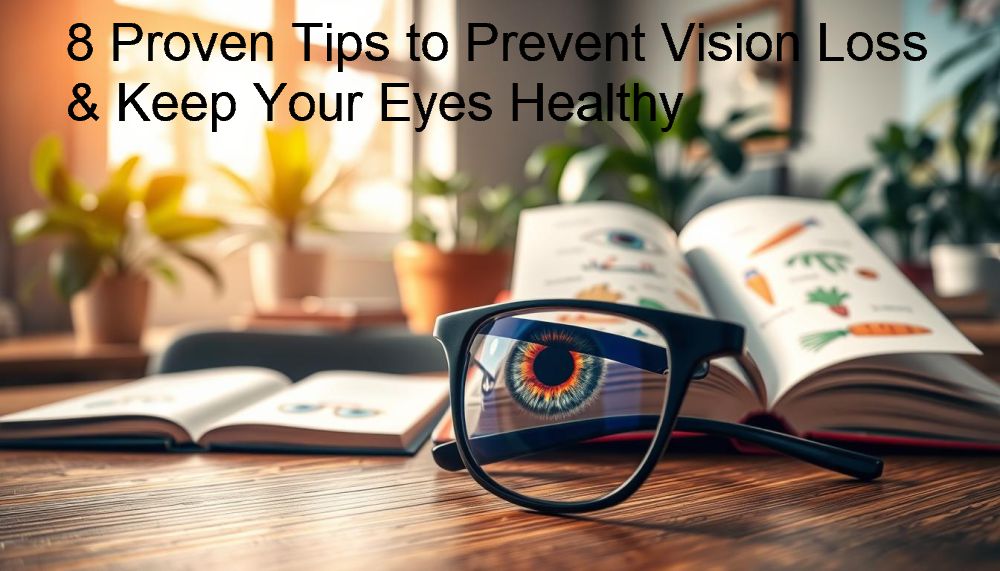
By incorporating simple eye care practices into your daily routine, you can significantly reduce the risk of vision problems. This includes a combination of lifestyle changes and protective measures to safeguard your eyes.
Key Takeaways
- Understand the importance of maintaining eye health
- Learn simple strategies to prevent vision loss
- Discover how lifestyle changes can promote healthy vision
- Find out how to incorporate eye care into your daily routine
- Explore protective measures to safeguard your eyes
Understanding Vision Loss: Causes and Risk Factors
Understanding the causes and risk factors of vision loss is crucial for prevention and maintaining healthy vision. Vision impairment can result from a combination of factors, including age-related diseases, preventable conditions, and lifestyle choices.
Common Causes of Vision Impairment
Vision impairment can be caused by various conditions. These include age-related eye diseases and preventable vision problems.
Age-Related Eye Diseases
Age-related eye diseases are a significant cause of vision loss among older adults. Conditions such as age-related macular degeneration (AMD) and cataracts are prevalent. AMD affects the macula, the part of the retina responsible for central vision, while cataracts involve the clouding of the eye’s lens.
Preventable Vision Problems
Some vision problems are preventable with proper care and lifestyle adjustments. For instance, diabetic retinopathy, a complication of diabetes, can be managed with tight blood sugar control and regular eye exams.
Who Is at Risk for Eye Problems?
Certain groups are at higher risk for eye problems. These include older adults, individuals with diabetes, and those with a family history of eye diseases.
| Risk Factor | Description | Preventive Measures |
|---|---|---|
| Age | Risk increases with age, especially after 40 | Regular eye exams |
| Diabetes | Diabetic retinopathy can cause vision loss | Manage blood sugar, regular eye exams |
| Family History | Increases risk of certain eye diseases | Regular eye exams, genetic counseling |
How Vision Loss Impacts Quality of Life
Vision loss can significantly impact an individual’s quality of life, affecting daily activities, independence, and mental health. It can lead to difficulties in performing tasks, increased risk of falls, and social isolation.
The Importance of Regular Eye Exams
Regular eye exams play a vital role in preserving your vision and overall eye health. These exams are not just about checking your vision; they are comprehensive assessments that can detect eye diseases and other health issues early on.
What Happens During a Comprehensive Eye Exam
A comprehensive eye exam is a thorough evaluation of your eye health and vision. During the exam, an eye doctor will check your visual acuity, eye alignment, and eye movement. They will also examine the external and internal structures of your eyes to detect any signs of disease or abnormalities.
The Dilated Eye Exam Difference is a crucial part of a comprehensive eye exam. During a dilated eye exam, the eye doctor uses special eye drops to widen your pupils, allowing them to examine the internal structures of your eyes more effectively.
The Dilated Eye Exam Difference
A dilated eye exam provides a more detailed view of the internal structures of your eyes, enabling the detection of conditions such as diabetic retinopathy, macular degeneration, and cataracts.
How Often Should You Get Your Eyes Checked?
The frequency of eye exams depends on your age, risk factors, and overall eye health. Generally, adults should have their eyes checked every two years, but those with certain risk factors may need more frequent exams.
| Age Group | Recommended Frequency |
|---|---|
| Adults (18-60 years) | Every 2 years |
| Adults (61 years and older) | Every 1-2 years |
| Children | At 6 months, 3 years, and before starting school |
Signs You Should See an Eye Doctor Immediately
Certain symptoms indicate the need for an immediate visit to an eye doctor. These include sudden vision loss, severe eye pain, and flashes of light or floaters.
Recognizing Eye Emergencies
Eye emergencies require prompt attention. If you experience any of the following, seek immediate care: eye trauma, sudden vision changes, or severe eye pain.
Tip 1: Maintain a Nutrient-Rich Diet for Eye Health
A well-balanced diet plays a crucial role in maintaining healthy vision. Consuming the right foods can help prevent vision loss and keep your eyes healthy.
Essential Vitamins and Minerals for Vision
Certain vitamins and minerals are particularly beneficial for eye health. Vitamin A is crucial for the health of the cornea, while Vitamin C and E help protect against age-related damage. Lutein and Zeaxanthin are antioxidants that reduce the risk of chronic eye diseases.
Foods That Promote Healthy Eyes
Including a variety of colorful fruits and vegetables in your diet can significantly benefit your eyes.
Colorful Fruits and Vegetables for Vision
Foods rich in antioxidants, such as carrots, spinach, and berries, help protect your eyes. Leafy greens like kale and collard greens are rich in lutein and zeaxanthin.
| Food | Nutrient | Benefit |
|---|---|---|
| Carrots | Vitamin A | Cornea Health |
| Spinach | Lutein, Zeaxanthin | Age-related Macular Degeneration Protection |
| Salmon | Omega-3 Fatty Acids | Reduces Inflammation |
The Role of Omega-3 Fatty Acids in Eye Health
Omega-3 fatty acids, particularly EPA and DHA found in fatty fish like salmon, play a significant role in reducing inflammation and promoting eye health. They support the retina’s function and may help prevent dry eye syndrome.
Tip 2: Protect Your Eyes from Harmful UV Rays
Protecting your eyes from harmful UV rays is crucial for maintaining healthy vision and preventing eye damage. Prolonged exposure to UV radiation can lead to various eye problems, including cataracts, macular degeneration, and eye cancer.
How UV Exposure Damages Eyes
UV exposure can cause significant harm to the eyes. UV-A rays penetrate deep into the eye, potentially causing damage to the retina and lens. UV-B rays are also harmful, as they can cause damage to the cornea and lens. The risk of eye damage increases with prolonged exposure to UV radiation, especially during peak sun hours.
Choosing the Right Sunglasses
Selecting the right sunglasses is vital for effective UV protection. Look for sunglasses that offer 100% UV protection, blocking both UVA and UVB rays. The label should indicate that the sunglasses provide “100% UV protection” or “UV400 protection.”
UV Protection Ratings Explained
Understanding UV protection ratings can help you make informed choices. The most common ratings include:
- UV400: Blocks 99-100% of UV rays up to 400nm
- 100% UV protection: Ensures that both UVA and UVB rays are blocked
Additional Protection Measures Outdoors
In addition to wearing sunglasses, there are other measures you can take to protect your eyes outdoors. These include:
- Wearing a hat with a brim to reduce UV exposure
- Seeking shade, especially during peak sun hours
- Avoiding looking directly at the sun
By combining these measures, you can significantly reduce the risk of UV-related eye damage and maintain healthy vision.
Tip 3: Prevent Digital Eye Strain in the Modern World
The modern world’s reliance on technology necessitates a closer look at digital eye strain. As we increasingly use digital devices for work, entertainment, and communication, our eyes are subjected to prolonged screen time, potentially leading to discomfort and long-term vision problems.
Understanding Computer Vision Syndrome
Computer Vision Syndrome (CVS) refers to a group of eye and vision-related problems resulting from prolonged computer use. Symptoms include dry eyes, headaches, blurred vision, and neck or shoulder pain. CVS is a common issue in today’s digital-centric world, affecting people of all ages.
The 20-20-20 Rule Explained
To mitigate digital eye strain, follow the 20-20-20 rule: every 20 minutes, look away from your screen and focus on something 20 feet away for 20 seconds. This simple practice can significantly reduce eye fatigue.
Ergonomic Setup for Eye Comfort
An ergonomic workspace setup is crucial for minimizing eye strain. Ensure your computer monitor is:
- At a distance of about 20-25 inches from your eyes
- Positioned directly in front of you, at a 90-degree angle to your line of sight
- Adjusted so the top of the screen is at eye level or slightly below
Blue Light Filters: Do They Help?
Blue light filters are designed to reduce the potentially harmful effects of blue light emitted by digital devices. These filters can be integrated into glasses, screen protectors, or device software. While their effectiveness is still being studied, many users report reduced eye strain when using blue light filters.
By understanding the causes of digital eye strain and implementing preventive measures like the 20-20-20 rule, ergonomic setups, and blue light filters, you can protect your eye health in the digital age.
Tip 4: Maintain Healthy Blood Pressure and Blood Sugar Levels
The connection between blood pressure, blood sugar, and eye health is more significant than you might think. Hypertension and diabetes are two major health conditions that can significantly impact your vision if not managed properly.
How Hypertension Affects Your Vision
High blood pressure, or hypertension, can damage the blood vessels in the retina, leading to a condition known as hypertensive retinopathy. This damage can cause vision problems, including blurred vision and, in severe cases, vision loss. Managing hypertension through lifestyle changes and, if necessary, medication can help protect your vision.
Diabetes and Diabetic Eye Disease
Diabetes is another condition that can have a significant impact on eye health. High blood sugar levels over time can damage the blood vessels in the retina, leading to diabetic retinopathy. This condition can cause vision loss if left untreated. Regular eye exams are crucial for people with diabetes to detect any issues early.
Preventing Diabetic Retinopathy
Preventing diabetic retinopathy involves managing your diabetes through a healthy diet, regular exercise, and monitoring your blood sugar levels. Regular eye exams can help detect any problems early, when they are more treatable.
Lifestyle Changes to Protect Your Eyes
Making healthy lifestyle choices can help manage blood pressure and blood sugar levels, protecting your eyes. This includes eating a balanced diet, exercising regularly, maintaining a healthy weight, and not smoking.
| Lifestyle Change | Benefit for Eye Health |
|---|---|
| Eating a balanced diet | Provides essential nutrients for eye health |
| Regular exercise | Helps manage blood pressure and blood sugar |
| Maintaining a healthy weight | Reduces the risk of developing diabetes and hypertension |
| Not smoking | Reduces the risk of many eye conditions, including cataracts and age-related macular degeneration |
Tip 5: Prevent Eye Injuries with Proper Protection
One of the simplest ways to safeguard your vision is by preventing eye injuries through proper protection. Eye injuries can range from minor irritations to serious conditions that may lead to vision loss. Understanding how these injuries occur and how to prevent them is crucial for maintaining healthy eyes.
Common Eye Injuries and How They Happen
Eye injuries can occur in various settings, including at home, in the workplace, or during sports activities. Common causes include foreign objects entering the eye, chemical splashes, and blunt trauma. For instance, not wearing protective eyewear during activities like woodworking or playing racquetball can significantly increase the risk of eye injury.
Protective Eyewear for Different Activities
Wearing appropriate protective eyewear is essential for preventing eye injuries. Different activities require different types of eyewear. For example, sports like racquetball or basketball require polycarbonate lenses that can withstand high-impact hits. In contrast, chemical-resistant goggles are necessary when working with hazardous chemicals.
Workplace Eye Safety
In the workplace, eye safety is often regulated by specific guidelines. Employers are required to provide protective eyewear to employees who work in environments where eye injuries are a risk. This includes construction sites, laboratories, and manufacturing facilities. Ensuring that protective eyewear is worn correctly and consistently is key to preventing workplace eye injuries.
First Aid for Eye Injuries
Despite preventive measures, eye injuries can still occur. Knowing how to administer first aid is crucial. For chemical splashes, flush the eye with water immediately. For foreign objects, avoid rubbing the eye; instead, try to flush out the object with water or seek medical attention if it doesn’t come out easily. In cases of blunt trauma, apply a cold compress to reduce swelling and seek medical evaluation.
By understanding the risks and taking proactive steps to protect your eyes, you can significantly reduce the likelihood of eye injuries. Whether at work, at home, or during leisure activities, using the right protective eyewear and following safety guidelines is essential for maintaining healthy vision.
Tip 6: Quit Smoking to Preserve Your Vision
Smoking cessation is not just beneficial for your lungs; it’s also vital for maintaining healthy vision. The harmful effects of smoking on eye health are multifaceted, impacting various aspects of vision and increasing the risk of severe eye conditions.
How Smoking Damages Eye Health
Smoking damages eye health by reducing blood flow to the eyes, increasing the risk of cataracts, and causing macular degeneration. The chemicals in tobacco smoke can lead to inflammation and oxidative stress, further compromising eye health.
Smoking and Macular Degeneration
Smoking is a significant risk factor for macular degeneration, a condition that can lead to vision loss in older adults. Quitting smoking can significantly reduce this risk.
Reduced Risks After Quitting
Quitting smoking can lead to a reduction in the risk of developing smoking-related eye diseases. The benefits of cessation are seen relatively quickly, with risks continuing to decrease the longer one remains smoke-free.
| Years Since Quitting | Reduction in Risk of Eye Diseases |
|---|---|
| 1-2 years | Moderate reduction in risk |
| 5 years | Significant reduction in risk |
| 10+ years | Substantial reduction in risk, nearing non-smoker levels |
Resources for Smoking Cessation
For those looking to quit smoking, numerous resources are available, including counseling, support groups, and medications. Utilizing these resources can significantly increase the chances of successful cessation.
Tip 7: Understand Your Family’s Eye Health History
Knowing your family’s medical history related to eye health can be a game-changer. It allows you to understand potential risks and take proactive measures to protect your vision. “Your family’s eye health history is a critical factor in determining your risk for certain eye conditions,” says Dr. Jane Smith, a renowned ophthalmologist.
Hereditary Eye Conditions to Know About
Certain eye conditions have a genetic component, making them more likely to occur if there’s a family history. These include glaucoma, macular degeneration, and retinitis pigmentosa. Being aware of these conditions can help you monitor your eye health more effectively.
How to Discuss Eye Health with Family Members
To understand your family’s eye health history, start by asking your relatives about their eye health experiences. You can ask questions like: “Have you had any eye problems?” or “Have you been diagnosed with any eye conditions?” This information will help you identify potential risks.
Preventive Measures for Genetic Risk Factors
If you have a family history of certain eye conditions, there are steps you can take to reduce your risk. These include maintaining a healthy lifestyle, getting regular eye exams, and wearing protective eyewear. Early detection is key to preventing vision loss.
Early Detection for Better Outcomes
Regular eye exams are crucial, especially if you have a family history of eye conditions. Early detection can lead to timely treatment and better outcomes. As the saying goes, “Prevention is better than cure.”
Tip 8: Get Adequate Sleep and Rest for Eye Recovery
Adequate sleep is crucial for maintaining healthy vision and overall eye well-being. During sleep, our eyes get a chance to rest and recover from the strain of the day.
How Sleep Affects Eye Health
Sleep plays a vital role in eye health by giving our eyes the rest they need. Lack of sleep can lead to eye fatigue, dryness, and irritation. Research has shown that inadequate sleep can also be linked to various eye conditions, including glaucoma and age-related macular degeneration.
Signs of Eye Fatigue
Eye fatigue can manifest in several ways, including:
- Dry or irritated eyes
- Blurred vision
- Headaches
- Difficulty focusing
Dealing with Dry Eyes
Dry eyes are a common symptom of eye fatigue. To alleviate dry eyes, you can use artificial tears or lubricating eye drops. It’s also helpful to blink regularly, especially when working on digital devices.
Relaxation Techniques for Tired Eyes
Several relaxation techniques can help soothe tired eyes, including:
- The 20-20-20 rule: Every 20 minutes, look away from your screen and focus on something 20 feet away for 20 seconds.
- Eye massage: Gently massage your eyes with a circular motion to improve blood circulation.
- Warm compresses: Apply a warm compress to your eyes to relax the muscles.
By incorporating these tips into your daily routine, you can help reduce eye strain and promote overall eye health.
8 Proven Tips to Prevent Vision Loss: Your Action Plan for Healthy Eyes
Maintaining healthy eyes requires a combination of good habits and proactive care. By following the 8 proven tips outlined in this article, you can significantly reduce your risk of vision loss and enjoy optimal eye health.
To prevent vision loss, it’s essential to maintain a nutrient-rich diet, protect your eyes from UV rays, and prevent digital eye strain. Regular eye exams, healthy blood pressure and blood sugar levels, and proper protection during activities can also contribute to healthy eyes.
Quitting smoking, understanding your family’s eye health history, and getting adequate sleep are also crucial steps in preserving your vision. By incorporating these tips into your daily routine, you can create an effective action plan for maintaining healthy eyes and reducing the risk of vision loss.
By taking control of your eye care, you can enjoy a lifetime of clear vision and overall well-being. Start implementing these tips today to protect your eyes and maintain optimal eye health for years to come.
FAQ
What are the most common causes of vision loss?
The most common causes of vision loss include age-related macular degeneration, cataracts, glaucoma, diabetic retinopathy, and eye injuries. Regular eye exams can help detect these conditions early, reducing the risk of vision loss.
How often should I get my eyes checked?
The frequency of eye exams depends on age, risk factors, and existing eye conditions. Generally, adults should have a comprehensive eye exam every two years, or annually if they have a family history of eye disease, diabetes, or are over 60.
Can a healthy diet really help prevent vision loss?
Yes, a nutrient-rich diet that includes foods high in omega-3 fatty acids, lutein, and zeaxanthin can help maintain eye health and reduce the risk of vision loss. Foods such as leafy greens, nuts, and fatty fish are beneficial for vision.
How can I protect my eyes from digital eye strain?
To protect your eyes from digital eye strain, follow the 20-20-20 rule: every 20 minutes, look away from your screen and focus on something 20 feet away for 20 seconds. Adjusting the display settings on your devices and using blue light filtering glasses or apps can also help.
Is it true that smoking can cause vision loss?
Yes, smoking is a significant risk factor for many eye diseases, including age-related macular degeneration and cataracts. Quitting smoking can reduce the risk of developing these conditions and help preserve vision.
What are some signs that I should see an eye doctor immediately?
Sudden vision changes, such as blurred vision, double vision, or loss of peripheral vision, are signs that you should see an eye doctor immediately. Eye pain, redness, or flashes of light can also indicate a serious eye condition.
Can eye injuries be prevented?
Yes, many eye injuries can be prevented by wearing protective eyewear during activities that could potentially harm the eyes, such as sports, DIY projects, or working with chemicals. Ensuring proper safety measures are in place in the workplace can also reduce the risk of eye injuries.
How does family history impact my risk for eye diseases?
Family history can play a significant role in the risk for certain eye diseases, such as glaucoma and age-related macular degeneration. Knowing your family’s eye health history can help you and your eye care provider take preventive measures and monitor for these conditions.
What role does sleep play in eye health?
Adequate sleep is crucial for eye health as it allows the eyes to rest and recover. Lack of sleep can lead to eye fatigue, dry eyes, and increased risk of eye diseases. Practicing good sleep hygiene can help maintain healthy vision.