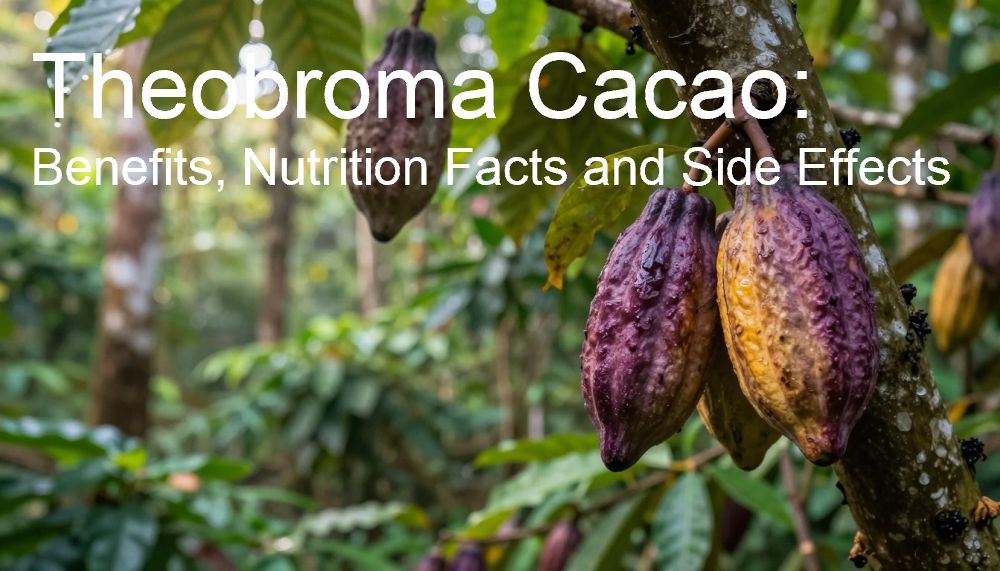
Theobroma Cacao, commonly known as cocoa, has been revered for centuries due to its rich nutritional profile and potential health benefits. Derived from the cacao tree, it is the main ingredient in chocolate production, particularly in dark chocolate, which is known for its high flavanol content.
The health benefits associated with cacao products range from antioxidant properties to potential improvements in heart health and brain function. However, like any food, it can have side effects, especially when consumed excessively. This article will explore the nutritional facts, health benefits, and potential side effects of Theobroma Cacao.
Key Takeaways
- Rich in antioxidants and flavanols
- Potential benefits for heart health and brain function
- May have anti-inflammatory properties
- Can be part of a healthy diet when consumed in moderation
- Potential side effects when consumed excessively
What is Theobroma Cacao?
With a history as rich as its flavor, Theobroma Cacao has been a prized commodity since ancient times. This treasured ingredient, central to chocolate production, has origins that trace back to the ancient civilizations of Mesoamerica.
Origin and History
Theobroma Cacao, or cacao, has its roots in the tropical regions of Central and South America. The history of cacao dates back over 3,000 years, with the Olmec, Maya, and Aztecs revering it not just for its unique taste but also for its medicinal and spiritual properties. The name “Theobroma” means “food of the gods,” a term coined by the Swedish botanist Carolus Linnaeus, reflecting its esteemed status.
“Cacao was considered a gift from the gods by the ancient Mesoamericans, and its consumption was often reserved for the elite and used in rituals.”
The cultivation of cacao was a complex process that involved the careful selection of beans, fermentation, and drying. This process not only preserved the beans but also developed the unique flavor and aroma that are characteristic of high-quality cacao.
From Bean to Product
The journey from cacao bean to a consumable product involves several steps:
- Harvesting: Cacao pods are harvested from the cacao tree.
- Fermentation: The beans are fermented to develop the flavor.
- Drying: Fermented beans are dried to remove excess moisture.
- Roasting: Dried beans are roasted to enhance the flavor.
- Grinding: Roasted beans are ground into a fine paste known as chocolate liquor.
This chocolate liquor can then be processed into various products, including cocoa powder, cacao nibs, and chocolate.
| Product | Description | Nutritional Highlights |
|---|---|---|
| Cocoa Powder | Made by removing most of the cocoa butter from chocolate liquor | Rich in antioxidants, flavanols |
| Cacao Nibs | Small pieces of crushed cacao beans | High in fiber, magnesium |
| Chocolate | Created by adding sugar and sometimes milk to chocolate liquor | Varies; dark chocolate is high in flavanols |
The diverse range of cacao products offers various nutritional benefits, from flavanols that support heart health to fiber that aids digestion. Understanding the process from bean to product helps appreciate the value and versatility of Theobroma Cacao.
The Nutritional Profile of Theobroma Cacao
The nutritional profile of Theobroma Cacao is both complex and impressive, featuring a wide array of beneficial compounds. This richness in nutrients and bioactive substances is a key factor in its potential health benefits.
Macronutrients
Theobroma Cacao contains a significant amount of macronutrients, including fats, proteins, and carbohydrates. The fat content is particularly noteworthy, as it includes both saturated and unsaturated fats. The primary fatty acids present are oleic acid, stearic acid, and palmitic acid, contributing to its unique nutritional profile.
Micronutrients
In addition to its macronutrient content, Theobroma Cacao is also rich in various micronutrients. It is a good source of minerals such as magnesium, copper, and iron, which are essential for numerous bodily functions, including energy production and immune function.
Bioactive Compounds
The bioactive compounds in Theobroma Cacao, including flavonoids and antioxidants, are of particular interest due to their potential health benefits. Flavonoids, such as epicatechin and catechin, have been shown to have positive effects on cardiovascular health and may help protect against certain diseases. The antioxidants in cacao can help combat oxidative stress, contributing to overall well-being.
The combination of macronutrients, micronutrients, and bioactive compounds in Theobroma Cacao makes it a nutrient-dense food with many health benefits. Its unique nutritional profile is a significant factor in its growing popularity as a health-promoting ingredient.
Antioxidant Properties of Theobroma Cacao
Theobroma Cacao is a rich source of antioxidants, which are vital for combating oxidative stress in the body. Antioxidants play a crucial role in maintaining overall health by neutralizing free radicals that can cause cellular damage.
Flavonoids and Polyphenols
Theobroma Cacao is particularly rich in flavonoids and polyphenols, two classes of compounds known for their potent antioxidant properties. Flavonoids are known to have anti-inflammatory properties, while polyphenols have been shown to improve heart health by enhancing blood flow and lowering blood pressure.
Flavonoids in Theobroma Cacao, such as epicatechin, have been studied for their potential to improve cardiovascular health. These compounds help in reducing inflammation and improving blood vessel function, contributing to overall heart health.
Fighting Oxidative Stress
Oxidative stress occurs when there’s an imbalance between free radicals and antioxidants in the body. Theobroma Cacao’s high antioxidant content helps combat oxidative stress, potentially reducing the risk of heart disease and other conditions associated with oxidative damage.
By consuming Theobroma Cacao products rich in cocoa flavanols, individuals may benefit from enhanced antioxidant defenses. This can lead to improved overall health and well-being, as the body’s ability to fight oxidative stress is bolstered.
Cardiovascular Benefits of Cacao
Research has shown that consuming cacao can lead to significant improvements in cardiovascular health. The flavanols present in Theobroma cacao have been found to play a crucial role in maintaining a healthy heart.
The cardiovascular benefits of cacao are multifaceted, ranging from blood pressure regulation to improving blood flow, and ultimately contributing to a reduced risk of heart disease. Let’s delve into these benefits in more detail.
Blood Pressure Regulation
Cacao flavanols have been shown to help regulate blood pressure by promoting the production of nitric oxide, a molecule that helps to relax blood vessels. This can lead to improved overall cardiovascular health.
- Flavanols improve nitric oxide production
- Nitric oxide relaxes blood vessels
- Relaxed blood vessels contribute to lower blood pressure
Improving Blood Flow
In addition to regulating blood pressure, cacao flavanols also improve blood flow. This is achieved through the same mechanism of increasing nitric oxide production, which in turn enhances vascular function.
Improved blood flow can have numerous health benefits, including:
- Enhanced exercise performance
- Better cognitive function
- Improved overall cardiovascular health
Reducing Risk of Heart Disease
The combination of blood pressure regulation and improved blood flow contributes to a reduced risk of heart disease. Cacao consumption has been associated with lower risks of cardiovascular events, making it a valuable addition to a heart-healthy diet.
The key factors that contribute to this reduced risk include:
- Antioxidant properties of flavanols
- Improved vascular function
- Lower blood pressure
In conclusion, the cardiovascular benefits of cacao are significant and well-supported by scientific research. Incorporating cacao into your diet can be a delicious way to support your heart health.
Theobroma Cacao and Brain Health
Emerging evidence suggests that Theobroma cacao may play a significant role in supporting brain health and protecting against cognitive decline. The rich flavonoid content in Theobroma cacao has been shown to have neuroprotective effects, potentially enhancing cognitive function and reducing the risk of neurodegenerative diseases.
Cognitive Function Enhancement
Theobroma cacao is rich in flavonoids, which have been demonstrated to improve blood flow to the brain and boost cognitive performance. Flavonoids can enhance memory, attention, and processing speed, making them a valuable compound for individuals seeking to improve their cognitive function.
As noted by a study published in the Journal of Psychopharmacology, “Flavonoid-rich cocoa consumption was associated with improved cognitive performance in older adults.”
“The consumption of flavonoid-rich cocoa may be a useful strategy for improving cognitive function in older adults.”
Protection Against Neurodegenerative Diseases
Neurodegenerative diseases, such as Alzheimer’s and Parkinson’s, are characterized by progressive neuronal loss and cognitive decline. The flavonoids present in Theobroma cacao may help protect against these conditions by reducing oxidative stress and inflammation in the brain.
A study in the Journal of Agricultural and Food Chemistry found that “Cacao flavonoids exhibited neuroprotective effects against oxidative stress-induced neuronal damage.” This suggests that Theobroma cacao could be a valuable component of a diet aimed at reducing the risk of neurodegenerative diseases.
In conclusion, Theobroma cacao offers promising benefits for brain health, from enhancing cognitive function to potentially protecting against neurodegenerative diseases. Incorporating flavonoid-rich Theobroma cacao products into one’s diet could be a step towards maintaining healthy brain function.
Metabolic Effects and Weight Management
Emerging research suggests that Theobroma Cacao may play a crucial role in regulating metabolic health. The metabolic effects of Theobroma Cacao are multifaceted, influencing various aspects of health that are crucial for overall well-being.
Blood Sugar Regulation
Theobroma Cacao has been shown to have a positive impact on blood sugar regulation. Flavonoids present in cacao may improve insulin sensitivity and glucose metabolism, which can be beneficial for individuals with diabetes or those at risk of developing the condition.
Studies have indicated that the consumption of Theobroma Cacao can lead to improved glycemic control, potentially reducing the risk of complications associated with diabetes.
Insulin Sensitivity
Improving insulin sensitivity is crucial for maintaining healthy blood sugar levels. The bioactive compounds in Theobroma Cacao, particularly flavonoids, have been found to enhance insulin sensitivity.
Increased insulin sensitivity can reduce the risk of developing type 2 diabetes and metabolic syndrome, conditions that are associated with insulin resistance.
Potential for Weight Management
Theobroma Cacao may also aid in weight management. The flavonoids and other compounds in cacao can influence fat metabolism and may help reduce body weight by improving metabolic rate and suppressing appetite.
While more research is needed, incorporating Theobroma Cacao into a balanced diet could be a useful adjunct to traditional weight management strategies.
Anti-inflammatory Properties
Theobroma Cacao’s anti-inflammatory effects have been a subject of interest in recent research. Chronic inflammation is a known risk factor for various diseases, and Theobroma Cacao may offer a natural way to mitigate this risk.
Mechanisms of Action
Theobroma Cacao contains a rich mix of bioactive compounds that contribute to its anti-inflammatory properties. Flavonoids and polyphenols are among the key components that have been identified as having anti-inflammatory effects. These compounds work by inhibiting the production of pro-inflammatory cytokines, which are molecules that promote inflammation in the body.
The mechanisms through which Theobroma Cacao exerts its anti-inflammatory effects are multifaceted. It not only reduces the production of inflammatory markers but also enhances the production of anti-inflammatory cytokines, creating a balanced inflammatory response.
Conditions That May Benefit
The anti-inflammatory properties of Theobroma Cacao may benefit various conditions associated with chronic inflammation. These include arthritis, cardiovascular disease, and certain neurodegenerative disorders. By potentially reducing inflammation, Theobroma Cacao may help in managing symptoms and improving the quality of life for individuals with these conditions.
Furthermore, the anti-inflammatory effects of Theobroma Cacao may also contribute to its potential benefits in reducing the risk of chronic diseases. As research continues to uncover the full extent of Theobroma Cacao’s anti-inflammatory properties, its role in preventive and therapeutic nutrition is likely to expand.
Different Forms of Cacao Products
Exploring the different forms of cacao products reveals a world of culinary and nutritional possibilities. Theobroma cacao is processed into various products, each with its unique characteristics and benefits.
Raw Cacao vs. Cocoa Powder
Raw cacao and cocoa powder are two popular forms of cacao products. While both are derived from cacao beans, they differ in processing and nutritional content. Raw cacao is less processed and retains more of its natural flavanols compared to cocoa powder.
Raw Cacao: It is made from cold-pressing cacao beans, preserving a higher amount of flavanols. Raw cacao is often used in health supplements and recipes where a rich cacao flavor is desired.
Cocoa Powder: Cocoa powder, on the other hand, is roasted at higher temperatures, which reduces its flavanol content. However, it remains a rich source of antioxidants and is widely used in baking and cooking.
| Product | Processing Method | Flavanol Content | Common Uses |
|---|---|---|---|
| Raw Cacao | Cold-pressing | High | Health supplements, recipes |
| Cocoa Powder | Roasting | Lower | Baking, cooking |
Cacao Nibs
Cacao nibs are small pieces of cacao beans that have been broken into pieces. They are rich in antioxidants and flavanols, making them a popular choice for health-conscious consumers.
Cacao nibs can be used as a topping for oatmeal or yogurt, or as an ingredient in smoothies and baked goods. They provide a intense chocolate flavor without the added sugar found in many chocolate products.
Cacao Butter
Cacao butter is the fatty part of the cacao bean, extracted during the processing of cacao into cocoa powder or chocolate. It is used in chocolate making, cosmetics, and pharmaceuticals due to its moisturizing properties.
Cacao butter contains a mix of fatty acids and is known for its smooth texture and melting properties, making it ideal for confectionery and skincare products.
Incorporating Cacao Into Your Diet
Theobroma Cacao, known for its antioxidant properties, can be easily incorporated into your daily meals. Incorporating cacao into your diet not only enhances the nutritional value of your meals but also adds a delicious flavor. With various forms of cacao products available, such as cacao powder, nibs, and dark chocolate, there’s a wide range of options to suit different tastes and dietary needs.
Healthy Recipe Ideas
There are numerous ways to incorporate Theobroma Cacao into your diet. Here are some healthy recipe ideas:
- Cacao Smoothie: Blend cacao powder with your favorite fruits and milk for a nutritious and filling smoothie.
- Dark Chocolate Trail Mix: Mix dark chocolate pieces with nuts and dried fruits for a healthy snack.
- Cacao Nib Salad Topping: Sprinkle cacao nibs over your salad for a boost of antioxidants and a crunchy texture.
Recommended Daily Intake
While Theobroma Cacao is nutritious, it’s essential to consume it in moderation. The recommended daily intake varies depending on the form of cacao and individual health goals. Generally, a daily intake of 1-2 tablespoons of cacao powder or 1 ounce of dark chocolate is considered beneficial.
Incorporating Theobroma Cacao into your diet can be a healthy choice when done correctly. It’s crucial to maintain a balanced diet and not overconsume cacao products to avoid excessive sugar or calorie intake.
Potential Side Effects and Precautions
As with any food rich in bioactive compounds, Theobroma Cacao can have side effects that consumers should be aware of. While it offers numerous health benefits, understanding its potential risks is crucial for safe consumption.
Caffeine and Theobromine Content
Theobroma Cacao contains caffeine and theobromine, two stimulants that can cause side effects in some individuals. Caffeine is known for its ability to increase alertness and energy, but high intake can lead to jitteriness, anxiety, and insomnia. Theobromine, on the other hand, is a milder stimulant that can still cause headaches and increased heart rate in sensitive individuals.
| Compound | Effects | Precautions |
|---|---|---|
| Caffeine | Increased alertness, jitteriness, anxiety | Limit intake, especially for sensitive individuals |
| Theobromine | Mild stimulation, headaches, increased heart rate | Be aware of total intake from all sources |
Allergies and Sensitivities
Some people may be allergic or sensitive to compounds in Theobroma Cacao. Symptoms can range from mild discomfort to severe reactions. It’s essential to be aware of how your body reacts to cacao products.
- Mild symptoms: digestive issues, skin rashes
- Severe symptoms: anaphylaxis, requiring immediate medical attention
Drug Interactions
Theobroma Cacao can interact with certain medications, potentially altering their effectiveness or increasing the risk of side effects. For example, its caffeine content can interact with certain antidepressants.
To safely enjoy Theobroma Cacao, be mindful of its potential side effects and take necessary precautions. If you have specific health conditions or concerns, consult with a healthcare professional.
Conclusion
Theobroma Cacao is a nutrient-rich ingredient that offers numerous health benefits, backed by peer-reviewed studies. Its high nutritional value, coupled with its antioxidant and anti-inflammatory properties, makes it an excellent addition to a balanced diet.
The health benefits of Theobroma Cacao include cardiovascular health support, cognitive function enhancement, and potential weight management. Understanding its nutrition facts and health properties can help individuals make informed choices about incorporating Cacao into their daily routine.
By consuming Theobroma Cacao in moderation, individuals can harness its health benefits while minimizing potential side effects. As research continues to uncover the full potential of Cacao, it is clear that this ancient ingredient remains a valuable component of a healthy lifestyle.
FAQ
What is Theobroma Cacao?
Theobroma Cacao, also known as cacao, is the main ingredient in chocolate production. It is a nutrient-rich food that contains flavonoids, antioxidants, and other beneficial compounds.
What are the health benefits of consuming Theobroma Cacao?
Consuming Theobroma Cacao has been linked to several health benefits, including improved heart health, reduced inflammation, and enhanced cognitive function. The flavanols present in cacao may help lower blood pressure, improve blood flow, and reduce the risk of heart disease.
How does Theobroma Cacao affect blood pressure?
The flavanols in Theobroma Cacao may help lower blood pressure by improving blood flow and reducing inflammation. Regular consumption of cacao products may help regulate blood pressure and reduce the risk of cardiovascular disease.
Can Theobroma Cacao help with weight management?
Theobroma Cacao may aid in weight management by improving insulin sensitivity and regulating blood sugar levels. However, it is essential to consume cacao products in moderation as part of a balanced diet.
What is the difference between raw cacao and cocoa powder?
Raw cacao and cocoa powder are both derived from Theobroma Cacao, but they differ in processing and flavanol content. Raw cacao is less processed and retains more flavanols, while cocoa powder is more processed and may contain added sugars.
Are there any potential side effects of consuming Theobroma Cacao?
While Theobroma Cacao is generally considered safe, excessive consumption may lead to side effects due to its caffeine and theobromine content. Allergic reactions or sensitivities to cacao are also possible.
How can I incorporate Theobroma Cacao into my diet?
You can incorporate Theobroma Cacao into your diet by consuming cacao products such as dark chocolate, cacao nibs, or raw cacao powder. Adding these products to your meals or snacks can provide a delicious and nutritious boost.
What is the recommended daily intake of Theobroma Cacao?
The recommended daily intake of Theobroma Cacao varies depending on individual needs and health goals. A moderate amount, such as 1-2 ounces of dark chocolate or 1-2 tablespoons of raw cacao powder, can be a good starting point.
Can Theobroma Cacao interact with medications?
Theobroma Cacao may interact with certain medications, such as blood thinners, due to its flavanol content. Consult with a healthcare professional before consuming cacao products, especially if you have any underlying medical conditions or take medications.