Experiencing a spinning sensation or feeling like the environment around you is spinning can be quite disorienting. This condition, often associated with dizziness and balance problems, is known as Vertigo.
Vertigo is a complex condition that affects the inner ear, leading to a range of uncomfortable symptoms. Understanding its causes, symptoms, and treatment options is crucial for those affected.
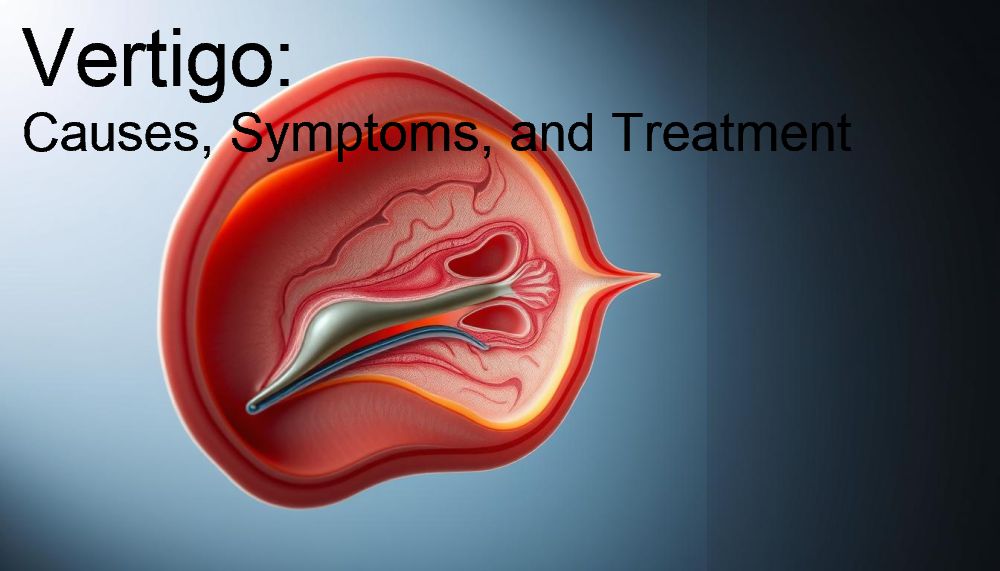
It’s a common issue that can arise from various factors, including inner ear disturbances. Recognizing the signs and seeking appropriate medical attention can significantly improve the quality of life for those experiencing this condition.
Key Takeaways
- Vertigo is associated with dizziness and balance problems.
- The condition affects the inner ear.
- Understanding its causes, symptoms, and treatment is crucial.
- Inner ear disturbances can lead to Vertigo.
- Seeking medical attention can improve the quality of life.
Understanding Vertigo: More Than Just Dizziness
While often confused with dizziness, vertigo is a distinct condition characterized by a sensation of rotation or imbalance. This false sense of spinning can be intense and debilitating, affecting daily activities and overall quality of life.
What Exactly Is Vertigo?
Vertigo is a type of balance disorder that occurs when there’s a problem with the inner ear or the brain. It’s not just a feeling of being lightheaded or dizzy; vertigo involves a specific sensation of movement or rotation. This can be caused by various factors, including issues with the vestibular system, which is responsible for maintaining balance.
Vertigo vs. Dizziness: Important Distinctions
Many people use the terms vertigo and dizziness interchangeably, but they have distinct meanings. Dizziness is a general term that encompasses a range of sensations, including lightheadedness and imbalance. Vertigo, on the other hand, is a specific type of dizziness characterized by the sensation of spinning or movement. Understanding this difference is crucial for proper diagnosis and treatment.
How Common Is Vertigo?
Vertigo is more common than you might think. According to the National Institute on Deafness and Other Communication Disorders (NIDCD), millions of Americans experience vertigo or other balance disorders each year. Benign Paroxysmal Positional Vertigo (BPPV) is one of the most common causes of vertigo, accounting for a significant percentage of cases. BPPV occurs when small crystals in the inner ear become dislodged and cause abnormal sensations of movement.
Recognizing the symptoms and understanding the causes of vertigo are essential steps in managing this condition and improving quality of life.
The Science Behind Vertigo
To comprehend vertigo, it’s essential to explore how our body maintains balance and equilibrium. The sense of balance is a complex process that involves the coordination of multiple bodily systems.
How Balance Works in the Body
Balance is maintained through the integrated efforts of the vestibular system in the inner ear, vision, and proprioception (the sense of the relative position of neighboring parts of the body). The vestibular system plays a crucial role in detecting changes in head position, movement, and acceleration.
The Vestibular System Explained
The vestibular system consists of three semicircular canals and the otolith organs (utricle and saccule) within the inner ear. These structures are filled with fluid and contain sensory hair cells that detect movement and send signals to the brain.
The Brain’s Role in Balance Perception
The brain processes information from the vestibular system, vision, and proprioception to maintain balance. When there’s a conflict between these inputs, it can lead to the sensation of vertigo. The brain’s ability to interpret these signals accurately is crucial for our sense of balance and equilibrium.
| System | Function |
|---|---|
| Vestibular System | Detects changes in head position and movement |
| Vision | Provides visual cues about body position and movement |
| Proprioception | Senses the relative position of body parts |
Types of Vertigo: Peripheral vs. Central
Understanding the differences between peripheral and central vertigo is crucial for effective diagnosis and treatment. Vertigo, a condition characterized by a spinning sensation, can be categorized into these two main types based on its origin.
Peripheral Vertigo: Inner Ear Origins
Peripheral vertigo originates from issues related to the inner ear. The inner ear contains the vestibular system, which is responsible for balance. Problems in this area, such as Benign Paroxysmal Positional Vertigo (BPPV), can lead to peripheral vertigo.
- Common causes include BPPV, Meniere’s disease, and labyrinthitis.
- Symptoms often include vertigo triggered by specific head movements.
Central Vertigo: Brain-Related Causes
In contrast, central vertigo is related to brain-related causes. This type of vertigo is often associated with problems in the central nervous system, including the brainstem or cerebellum.
- Causes can include stroke, multiple sclerosis, and brain tumors.
- Central vertigo may present with more severe symptoms and additional neurological signs.
Key Differences Between Types
The distinction between peripheral and central vertigo is vital for determining the appropriate treatment plan. While peripheral vertigo is often related to inner ear issues, central vertigo indicates a more serious condition related to the brain.
Benign Paroxysmal Positional Vertigo (BPPV)
BPPV, or Benign Paroxysmal Positional Vertigo, is a vestibular disorder that results in brief, intense episodes of vertigo, often triggered by changes in the position of the head. This condition is related to the inner ear’s balance structures and is a common cause of vertigo.
The Role of Ear Crystals
Ear crystals, or otoconia, are small calcium particles in the inner ear that play a crucial role in our balance. In BPPV, these crystals become dislodged and move into one of the semicircular canals, causing abnormal stimulation of the hair cells and resulting in vertigo. The movement of these crystals can be likened to “ear rocks” that shouldn’t be there, causing the inner ear to send incorrect signals to the brain about the body’s position.
Typical BPPV Episodes and Triggers
BPPV episodes are typically short-lived, lasting from a few seconds to a few minutes. They are often triggered by specific head movements, such as:
- Rolling over in bed
- Getting up from a lying down position
- Tilting the head upwards or downwards
- Looking up or down
These movements can cause the dislodged otoconia to move within the semicircular canal, triggering an episode of vertigo.
Why BPPV Is the Most Common Cause
BPPV is considered the most common cause of vertigo due to several factors:
- Age: BPPV is more common in older adults.
- Head trauma: Even minor head injuries can cause BPPV.
- Viral infections: Certain viral infections can affect the inner ear.
- Other inner ear disorders: Conditions like Meniere’s disease can increase the risk of developing BPPV.
Understanding BPPV is crucial for effective management and treatment. By recognizing the triggers and characteristics of BPPV, individuals can seek appropriate medical care to alleviate their symptoms.
Other Common Causes of Vertigo
Beyond BPPV, several other conditions can lead to vertigo, affecting millions of people worldwide. Understanding these causes is crucial for proper diagnosis and treatment.
Vestibular Neuritis and Labyrinthitis
Vestibular neuritis and labyrinthitis are inner ear disorders that can cause severe vertigo. Vestibular neuritis involves inflammation of the vestibular nerve, while labyrinthitis affects the labyrinth, a structure in the inner ear. Both conditions often result from viral infections.
Symptoms can include sudden onset vertigo, nausea, and vomiting. In the case of labyrinthitis, hearing loss may also occur. Treatment typically involves managing symptoms and, in some cases, antiviral medication.
Meniere’s Disease
Meniere’s disease is a disorder of the inner ear that affects balance and hearing. The exact cause is unknown, but it’s believed to involve abnormal fluid levels in the inner ear.
Key symptoms include vertigo episodes, tinnitus, hearing loss, and ear fullness. Managing Meniere’s disease often involves dietary changes, medication to reduce fluid buildup, and vestibular rehabilitation therapy.
Vestibular Migraine
Vestibular migraine is a type of migraine that can cause vertigo, dizziness, and balance problems. It’s often accompanied by headache, but not always.
Diagnosis can be challenging due to the variability of symptoms. Treatment may involve migraine management strategies, including lifestyle changes and medication.
Acoustic Neuroma
An acoustic neuroma is a benign tumor on the vestibular nerve. It can cause vertigo, hearing loss, and tinnitus.
| Condition | Primary Symptoms | Typical Treatment |
|---|---|---|
| Vestibular Neuritis | Vertigo, nausea, vomiting | Symptom management, antiviral medication |
| Meniere’s Disease | Vertigo, tinnitus, hearing loss, ear fullness | Dietary changes, medication, vestibular rehabilitation |
| Vestibular Migraine | Vertigo, dizziness, headache | Migraine management (lifestyle changes, medication) |
| Acoustic Neuroma | Vertigo, hearing loss, tinnitus | Monitoring, surgery, radiation therapy |
Less Common Causes of Vertigo
While many people are familiar with common causes of vertigo, there are several less common conditions that can also lead to this debilitating symptom. Understanding these less common causes is crucial for proper diagnosis and treatment.
Head Injuries and Trauma
Head injuries, even those that seem minor, can cause vertigo. Trauma to the head can affect the inner ear or brain, leading to balance problems. For instance, a concussion from a sports injury or a fall can result in vertigo that may last for weeks or even months.
Multiple Sclerosis
Multiple sclerosis (MS) is a chronic disease that affects the central nervous system. Vertigo is a common symptom in people with MS, occurring in about 20-50% of cases. The condition can cause demyelination in the brainstem or cerebellum, leading to balance issues.
Stroke and TIA
A stroke or transient ischemic attack (TIA), often referred to as a “mini-stroke,” can cause vertigo. This occurs when the blood supply to the brain is interrupted, potentially damaging areas responsible for balance. Recognizing the signs of a stroke, such as sudden dizziness or difficulty speaking, is critical for timely medical intervention.
Brain Tumors
Brain tumors, whether benign or malignant, can cause vertigo by exerting pressure on structures within the brain that control balance. Although this is a rare cause of vertigo, it is a serious condition that requires medical evaluation.
Medication Side Effects
Certain medications can cause vertigo as a side effect. These include ototoxic drugs that can damage the inner ear, as well as medications that affect the central nervous system. Consulting with a healthcare provider about potential side effects is essential.
| Condition | How It Causes Vertigo |
|---|---|
| Head Injuries | Affects inner ear or brain |
| Multiple Sclerosis | Demyelination in brainstem or cerebellum |
| Stroke/TIA | Interrupts blood supply to brain |
| Brain Tumors | Exerts pressure on balance control structures |
| Medication Side Effects | Damages inner ear or affects CNS |
As illustrated in the table, various less common conditions can lead to vertigo, emphasizing the importance of a thorough medical evaluation to determine the underlying cause.
Recognizing Vertigo Symptoms
Recognizing the symptoms of vertigo is crucial for seeking appropriate medical care. Vertigo is characterized by a distinct set of symptoms that can significantly impact an individual’s quality of life.
The Spinning Sensation Explained
The hallmark symptom of vertigo is the sensation of spinning or feeling like the environment around you is spinning. This spinning sensation can be intense and is often triggered by specific head movements or changes in position.
Associated Symptoms: Nausea and Vomiting
Many people experiencing vertigo also report feeling nauseous, and in some cases, this can lead to vomiting. The combination of vertigo and nausea can be particularly debilitating, making everyday activities challenging.
Balance Problems and Fall Risk
Vertigo can cause significant balance problems, increasing the risk of falls. This is because the inner ear, which plays a crucial role in balance, is often affected in individuals with vertigo.
Hearing Changes and Tinnitus
Some forms of vertigo, particularly those related to inner ear issues, can result in hearing changes or tinnitus (a ringing or buzzing in the ears). These symptoms can be distressing and may require specific treatment approaches.
| Symptom | Description |
|---|---|
| Spinning Sensation | A feeling of rotation or movement |
| Nausea and Vomiting | Feeling queasy or vomiting due to vertigo |
| Balance Problems | Difficulty maintaining balance, increased fall risk |
| Hearing Changes and Tinnitus | Alterations in hearing or ringing/buzzing in the ears |
Understanding these symptoms is key to managing vertigo effectively. By recognizing the signs of vertigo, individuals can seek the right medical attention and treatment.
How Vertigo Affects Daily Life
Vertigo is more than just a physical condition; it can profoundly affect one’s quality of life and daily functioning. The spinning sensation and balance problems associated with vertigo can make everyday tasks challenging.
Impact on Work and Productivity
Vertigo can significantly impact an individual’s ability to work, especially in jobs that require physical activity, concentration, or specific physical postures. Simple tasks become daunting challenges, leading to decreased productivity and potential absenteeism.
| Work Aspect | Impact of Vertigo |
|---|---|
| Physical Tasks | Difficulty performing tasks that require balance or specific physical movements |
| Concentration | Challenges in focusing due to vertigo symptoms |
| Attendance | Potential for increased absenteeism due to vertigo episodes |
Social and Emotional Consequences
The social and emotional toll of vertigo should not be underestimated. Individuals may withdraw from social activities due to fear of experiencing vertigo in public or embarrassment about their condition.
Safety Concerns and Precautions
Safety is a significant concern for individuals with vertigo. Fall risk increases due to balance problems, making it essential to take precautions such as installing handrails at home and being cautious when walking.
Understanding the impact of vertigo on daily life is crucial for developing strategies to manage its effects and improve quality of life.
When to See a Doctor for Vertigo
For individuals suffering from vertigo, identifying red flag symptoms is key to deciding when to seek medical help. While occasional mild dizziness might not be a cause for concern, certain symptoms indicate a need for immediate medical attention.
Red Flag Symptoms That Require Immediate Attention
If you experience any of the following, seek medical help right away:
- Severe vertigo that comes on suddenly
- Vertigo accompanied by a headache, confusion, or double vision
- Loss of hearing or tinnitus (ringing in the ears)
- Weakness, numbness, or difficulty walking
- Chest pain or difficulty breathing
These symptoms could indicate a more serious underlying condition that requires prompt medical evaluation.
Persistent vs. Occasional Vertigo
Understanding the difference between persistent and occasional vertigo is crucial. Persistent vertigo lasts for more than a few minutes and can significantly impact daily activities. If you experience persistent vertigo, it’s essential to consult a doctor to determine the cause and appropriate treatment.
Preparing for Your Doctor’s Appointment
Before seeing your doctor, make a list of your symptoms, including when they started and any factors that make them better or worse. Be prepared to discuss your medical history and any medications you’re currently taking. This information will help your doctor make an accurate diagnosis and develop an effective treatment plan.
By being aware of red flag symptoms and understanding when to seek medical help, you can take control of your vertigo and work towards alleviating its impact on your life.
Diagnosing Vertigo
To accurately diagnose vertigo, healthcare professionals employ several diagnostic techniques. The process begins with a thorough medical history and physical examination to identify potential causes and rule out other conditions.
Physical Examination Techniques
A physical examination for vertigo includes assessing balance and coordination, checking for nystagmus (abnormal eye movements), and evaluating the patient’s overall neurological function. Balance tests can help determine the severity of the vertigo and its impact on the patient’s daily activities.
The Dix-Hallpike Maneuver
The Dix-Hallpike maneuver is a specific diagnostic test used primarily to diagnose Benign Paroxysmal Positional Vertigo (BPPV). It involves a series of movements that can trigger vertigo symptoms, helping healthcare providers identify the affected ear and the type of BPPV.
Imaging Tests: When Are They Necessary?
Imaging tests such as MRI or CT scans are not always necessary for diagnosing vertigo but are crucial when there’s suspicion of a central cause, such as a stroke or tumor. These tests help visualize the brain and inner ear structures to identify any abnormalities.
Other Diagnostic Procedures
Other diagnostic procedures may include:
- Electronystagmography (ENG) or videonystagmography (VNG) to evaluate balance function
- Rotary chair testing to assess the vestibular system
- Posturography to measure balance and posture control
These tests help healthcare providers understand the underlying cause of vertigo and develop an appropriate treatment plan.
Medical Treatments for Vertigo
When it comes to managing vertigo, medical treatments play a crucial role in alleviating symptoms and improving quality of life. The choice of treatment depends on the underlying cause of vertigo, its severity, and the patient’s overall health.
Medications for Symptom Relief
For many people, managing vertigo symptoms begins with medication. Vestibular suppressants are commonly prescribed to reduce the spinning sensation associated with vertigo. These medications work by decreasing the sensitivity of the inner ear or the brain’s balance centers. Examples include meclizine and diazepam. While effective for short-term relief, long-term use can sometimes hinder the body’s natural compensation mechanisms.
Antibiotics for Infection-Related Vertigo
In cases where vertigo is caused by an inner ear infection, such as labyrinthitis, antibiotics may be prescribed to treat the underlying infection. It’s essential to identify the type of infection (viral or bacterial) to determine the appropriate treatment. For bacterial infections, antibiotics like amoxicillin can be effective.
Diuretics for Meniere’s Disease
Diuretics are often used in the management of Meniere’s disease, a condition that can cause vertigo, tinnitus, and hearing loss. By reducing fluid buildup in the inner ear, diuretics can help alleviate vertigo symptoms. Commonly prescribed diuretics include hydrochlorothiazide and triamterene.
Migraine Medications
For individuals experiencing vertigo as part of a vestibular migraine, migraine-specific medications can be beneficial. These may include triptans for acute migraine attacks and preventive medications like topiramate or propranolol to reduce the frequency of migraines.
Understanding the various medical treatments available for vertigo is crucial for effective management. By working closely with healthcare providers, individuals can find the most appropriate treatment plan to alleviate their symptoms and improve their quality of life.
Physical Therapy for Vertigo
Physical therapy has become an indispensable component of vertigo management. By addressing the underlying causes of vertigo, physical therapy can significantly reduce symptoms and improve quality of life.
Canalith Repositioning Procedures (Epley Maneuver)
The Epley maneuver is a series of specific head movements designed to relocate the calcium particles (canaliths) in the inner ear that cause Benign Paroxysmal Positional Vertigo (BPPV). This procedure is highly effective in alleviating BPPV symptoms.
- The Epley maneuver is typically performed by a trained healthcare professional.
- It involves a series of precise movements to guide the canaliths out of the semicircular canals.
- Patients often experience immediate relief after the procedure.
Vestibular Rehabilitation Therapy
Vestibular Rehabilitation Therapy (VRT) is a form of physical therapy that helps the body compensate for vestibular (balance) disorders. VRT involves exercises that promote balance and reduce dizziness.
Key components of VRT include:
- Customized exercise programs tailored to the individual’s specific needs.
- Exercises to improve balance and reduce dizziness.
- Habituation exercises to help the body get used to movements that provoke vertigo.
Balance Training Exercises
Balance training is a critical aspect of physical therapy for vertigo. These exercises are designed to improve balance, reduce dizziness, and enhance overall stability.
Examples of balance training exercises include:
- Standing on a foam pad or BOSU ball to challenge balance.
- Performing single-leg stands or heel-to-toe walks.
- Engaging in tai chi or other balance-focused activities.
Finding a Qualified Vestibular Therapist
Finding the right physical therapist is crucial for effective vertigo management. Look for therapists who specialize in vestibular rehabilitation and have experience with vertigo patients.
Tips for finding a qualified vestibular therapist:
- Ask your primary care physician for recommendations.
- Check professional certifications, such as vestibular rehabilitation specialization.
- Read patient reviews and testimonials to gauge satisfaction.
Surgical Options for Severe Cases
When vertigo significantly impacts daily life, surgical options become a viable consideration. For some individuals, the severity of vertigo symptoms can be debilitating, affecting their ability to perform daily tasks or maintain their balance.
When Surgery Becomes Necessary
Surgery is typically considered when other treatments have failed to provide relief, and the vertigo is caused by a specific underlying condition that can be surgically corrected. Conditions such as Meniere’s disease, acoustic neuroma, or other structural issues might necessitate surgical intervention.
Types of Vertigo Surgeries
There are several surgical procedures that can help alleviate vertigo symptoms. These include:
- Labyrinthectomy: Removal of the inner ear labyrinth.
- Vestibular nerve section: Cutting the nerve that transmits balance information.
- Endolymphatic sac surgery: Relieving pressure in the inner ear.
Recovery and Success Rates
Recovery times and success rates vary depending on the type of surgery performed. Generally, patients can expect a significant reduction in vertigo symptoms. However, the recovery process may involve a period of adjustment as the body compensates for the changes.
| Surgical Procedure | Success Rate | Recovery Time |
|---|---|---|
| Labyrinthectomy | 80-90% | Several weeks |
| Vestibular nerve section | 85-95% | Several weeks to months |
| Endolymphatic sac surgery | 70-80% | Variable, often shorter |
It’s essential to consult with a healthcare professional to determine the best course of treatment and understand the potential benefits and risks associated with surgical options for vertigo.
Home Remedies and Lifestyle Adjustments
While medical treatment is crucial, incorporating home remedies and lifestyle changes can significantly alleviate vertigo symptoms. By making a few simple adjustments, individuals can better manage their condition and improve their quality of life.
Dietary Changes That May Help
Certain dietary adjustments can help mitigate vertigo symptoms. Increasing fluid intake and maintaining a balanced diet rich in vitamins and minerals is essential. Some individuals find that reducing salt intake helps alleviate symptoms associated with Meniere’s disease.
Stress Management Techniques
Stress can exacerbate vertigo symptoms. Practicing stress management techniques such as meditation, yoga, or deep breathing exercises can help reduce the frequency and severity of vertigo episodes.
Sleep Positioning Tips
The way you sleep can impact vertigo symptoms. Sleeping with your head elevated and avoiding sleeping on the side that triggers vertigo can help manage symptoms.
Home Exercises for Vertigo Relief
Certain exercises, such as the Epley maneuver or Brandt-Daroff exercises, can help relieve vertigo symptoms when performed correctly. It’s essential to consult with a healthcare professional before starting any new exercise regimen.
Living with Chronic Vertigo
The challenges of chronic vertigo can be mitigated with the right combination of medical care, adaptive techniques, and psychological support. Living with this condition requires a multifaceted approach to manage its impact on daily life.
Developing a Management Plan
Creating a personalized management plan is crucial for individuals with chronic vertigo. This plan should include regular medical check-ups, lifestyle adjustments, and vestibular rehabilitation therapy if recommended by a healthcare provider. By tailoring the plan to the individual’s specific needs, it’s possible to reduce the frequency and severity of vertigo episodes.
Adaptive Strategies for Daily Activities
Simple changes in daily routines can significantly improve the quality of life for those with chronic vertigo. For example, making slow and deliberate movements can help prevent triggering vertigo episodes. Additionally, using assistive devices such as canes or walkers can provide extra stability and confidence.
Support Groups and Resources
Connecting with others who experience similar challenges can be incredibly beneficial. Support groups offer a platform to share experiences, exchange advice, and find emotional support. Furthermore, various online resources and educational materials can provide valuable information on managing chronic vertigo.
Psychological Aspects of Chronic Vertigo
Chronic vertigo can have a profound impact on mental health, potentially leading to anxiety and depression. It’s essential to address these psychological aspects as part of the overall management plan. Counseling or therapy can be beneficial in coping with the emotional challenges associated with chronic vertigo.
Conclusion: Taking Control of Your Vertigo
Understanding and managing vertigo is crucial for regaining control over your life. By recognizing the causes, symptoms, and treatment options, you can take the first step towards effective vertigo management.
Vertigo can significantly impact daily activities, but with the right approach, its effects can be minimized. From medical treatments to physical therapy and lifestyle adjustments, various options are available to help alleviate symptoms.
Taking control of your vertigo involves being proactive about your health. This includes working closely with healthcare professionals to develop a personalized management plan, making necessary lifestyle changes, and staying informed about the latest treatments.
By adopting these strategies, individuals can reduce the frequency and severity of vertigo episodes, improving their overall quality of life. Effective vertigo management enables people to participate fully in daily activities, enhancing their well-being and independence.
FAQ
What is the main cause of vertigo?
The main cause of vertigo is often related to inner ear problems, with Benign Paroxysmal Positional Vertigo (BPPV) being the most common cause. BPPV occurs when small crystals in the inner ear become dislodged and cause abnormal sensations.
How is vertigo diagnosed?
Diagnosing vertigo typically involves a physical examination, including techniques like the Dix-Hallpike maneuver, and may include imaging tests such as MRI or CT scans to rule out underlying conditions.
What are the symptoms of vertigo?
Symptoms of vertigo include a spinning sensation, dizziness, nausea, vomiting, balance problems, and sometimes hearing changes or tinnitus. These symptoms can vary depending on the underlying cause.
Can vertigo be cured?
In many cases, vertigo can be effectively managed or “cured” with appropriate treatment, which depends on the underlying cause. Treatments range from canalith repositioning procedures for BPPV to medications for other conditions.
What is the difference between vertigo and dizziness?
Vertigo is a specific type of dizziness characterized by the sensation that you or your surroundings are spinning or moving. Dizziness is a broader term that encompasses various sensations, including lightheadedness and imbalance.
How does Benign Paroxysmal Positional Vertigo (BPPV) occur?
BPPV occurs when small crystals (otoconia) in the inner ear become dislodged and move into one of the semicircular canals, causing abnormal sensations of movement.
Are there any home remedies for vertigo?
Yes, there are several home remedies and lifestyle adjustments that can help alleviate vertigo symptoms, including dietary changes, stress management techniques, sleep positioning tips, and specific exercises.
Can stress cause vertigo?
While stress is not a direct cause of vertigo, it can exacerbate symptoms in some individuals, particularly those with vestibular migraine or other conditions that contribute to vertigo.
What is vestibular rehabilitation therapy?
Vestibular rehabilitation therapy is a type of physical therapy that helps individuals with vertigo and balance problems by improving the function of the vestibular system.
When should I see a doctor for vertigo?
You should see a doctor if you experience severe vertigo, vertigo that lasts for more than a few days, or if you have red flag symptoms such as sudden hearing loss, severe headache, or difficulty speaking.