Have you ever wondered why this ancient grain is taking over modern kitchens across the United States? It stands out as a powerful complete protein, offering all nine essential amino acids your body needs to thrive. This tiny seed provides an impressive nutritional value that fits perfectly into any balanced meal plan.
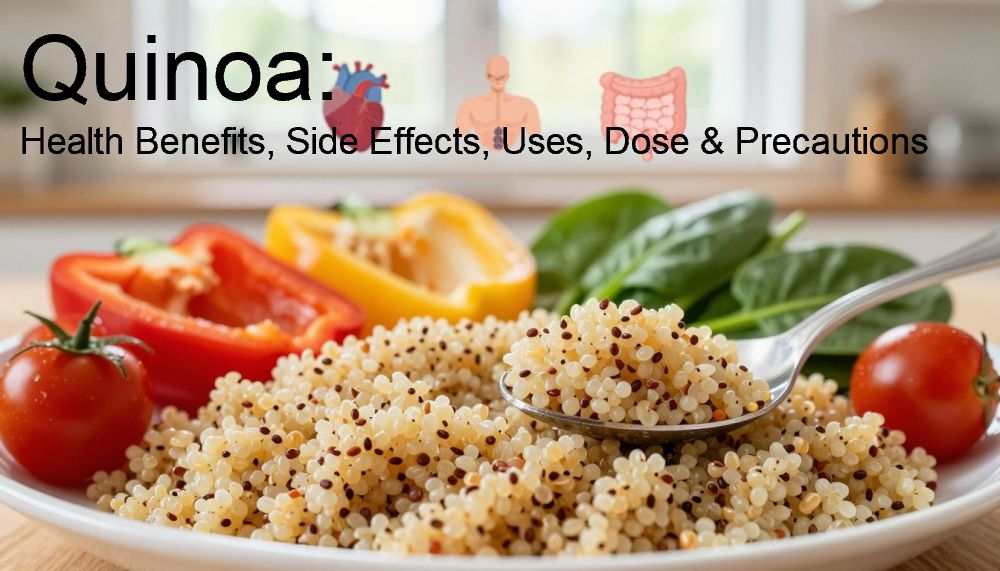
Many people choose this gluten-free option to support their digestive health and energy levels. Exploring the health benefits of quinoa reveals its high fiber and mineral content for a stronger heart. This guide explores everything from daily usage to potential side effects you should keep in mind.
Key Takeaways
- Excellent source of dietary fiber for digestion.
- Rich in essential minerals like magnesium and iron.
- Naturally safe for those with gluten sensitivities.
- Contains high-quality plant-based proteins.
- Supports cardiovascular health and blood sugar levels.
- Highly versatile for breakfast, lunch, or dinner.
Understanding the Nutritional Profile of Quinoa
Understanding quinoa’s nutritional makeup is essential to appreciating its health benefits. Quinoa is often lauded for its impressive nutritional profile, which includes a unique combination of protein, vitamins, minerals, and fiber.
The Complete Protein Source
One of the standout features of quinoa is that it is a complete protein source, meaning it contains all nine essential amino acids that the human body cannot produce on its own. This makes quinoa an excellent protein source for vegetarians and vegans.
Quinoa contains a significant amount of protein, typically around 8g per cup, which is substantially higher than many other grains. This high protein content, combined with its complete amino acid profile, makes quinoa a valuable component of a balanced diet.
Essential Vitamins and Minerals
Quinoa is also rich in various essential vitamins and minerals, including magnesium, iron, potassium, and manganese. These nutrients play crucial roles in numerous bodily functions, such as energy production, nerve function, and the maintenance of healthy bones.
Magnesium, for instance, is important for muscle and nerve function, while iron is vital for the formation of red blood cells. Potassium helps regulate blood pressure, and manganese acts as an antioxidant, protecting cells from damage.
Fiber Content and Digestive Health
In addition to its protein and mineral content, quinoa is high in fiber, containing both soluble and insoluble fiber. This high fiber content supports digestive health by promoting regular bowel movements and preventing constipation.
A diet rich in fiber can also help manage blood sugar levels and support healthy weight management. Quinoa’s fiber content contributes to its ability to keep you feeling fuller for longer, making it a nutritious addition to meals.
The Science-Backed Health Benefits of Quinoa
With its rich nutritional makeup, quinoa offers a multitude of health benefits that are backed by science. Quinoa is more than just a nutritious food; it’s a powerful tool in supporting overall health and well-being.
Supporting Heart Health and Cholesterol Management
Quinoa may play a significant role in heart health and cholesterol management. Its high fiber content helps in lowering bad cholesterol levels, thereby reducing the risk of heart disease. The antioxidant properties in quinoa also contribute to overall cardiovascular health by protecting against oxidative stress and inflammation.
- Rich in fiber, which helps lower bad cholesterol
- Antioxidants protect against oxidative stress
- Supports overall cardiovascular health
Managing Blood Sugar Levels and Type 2 Diabetes
The fiber and protein in quinoa make it an excellent food for managing blood sugar levels. It has a low glycemic index, which means it doesn’t cause a spike in blood sugar levels. This property is particularly beneficial for individuals with type 2 diabetes, as it helps in maintaining stable blood glucose levels.
- Low glycemic index prevents blood sugar spikes
- High fiber and protein content support blood sugar management
- Beneficial for individuals with type 2 diabetes
Antioxidant Properties and Inflammation
Quinoa is rich in antioxidants, which play a crucial role in reducing inflammation in the body. Chronic inflammation is associated with various health conditions, including cardiovascular disease and cancer. The antioxidants in quinoa help mitigate this risk by neutralizing free radicals.
Promoting a Healthy Gut Microbiome
A healthy gut microbiome is essential for overall health, and quinoa can contribute to this. Its prebiotic fibers feed the good bacteria in the gut, promoting a balanced gut microbiome. This balance is crucial for digestive health, immune function, and even mental well-being.
- Prebiotic fibers support good bacteria
- Promotes a balanced gut microbiome
- Essential for digestive health and immune function
Varieties of Quinoa and Their Unique Characteristics
Exploring the world of quinoa reveals a range of varieties, including white, red, and black quinoa, each offering something unique. These differences are not just in terms of appearance but also extend to texture, flavor, and culinary applications.
White Quinoa: The Most Versatile Option
White quinoa is the most commonly consumed variety and is known for its mild flavor and soft texture. It cooks relatively quickly and is highly versatile, making it a staple in many kitchens. Its neutral taste allows it to pair well with a wide range of ingredients, from vegetables and meats to spices and herbs.
As Chef and nutritionist, Dr. John Smith, notes, “White quinoa is a great starting point for those new to cooking quinoa. It’s forgiving and adapts well to various recipes.” This adaptability makes white quinoa a favorite among chefs and home cooks alike.
Red Quinoa: Texture and Nutty Flavor
Red quinoa stands out due to its striking color and slightly crunchier texture compared to its white counterpart. It has a nuttier flavor, which adds depth to salads, stir-fries, and other dishes. The texture holds up well to cooking, making it a preferred choice for those who enjoy a bit of bite in their quinoa.
One of the key benefits of red quinoa is its ability to retain its texture even after cooking, as highlighted by a study in the Journal of Food Science, which found that the texture of red quinoa remains firmer than white quinoa after cooking.
Black Quinoa: Earthy Tones and Visual Appeal
Black quinoa is known for its dramatic color and earthy flavor profile. It has a slightly sweeter and earthier taste than white quinoa, which can add a unique dimension to various dishes. The visual appeal of black quinoa is undeniable, making it a popular choice for presentation in fine dining.
- Black quinoa adds a dramatic touch to salads and bowls.
- Its earthy flavor complements roasted vegetables and grilled meats.
- The texture is slightly firmer than white quinoa, offering a pleasant contrast.
As quinoa continues to gain popularity worldwide, understanding the different varieties can help cooks and chefs make informed choices for their recipes. Whether it’s the versatility of white quinoa, the texture of red quinoa, or the visual appeal of black quinoa, each type brings its own unique qualities to the table.
How to Properly Prepare and Cook Quinoa
To get the most out of quinoa, it’s essential to understand how to prepare it correctly. Quinoa is a nutritious grain that can be a great addition to a variety of meals, but its preparation is key to bringing out its best qualities.
The Importance of Rinsing Quinoa to Remove Saponins
Quinoa naturally contains a coating called saponin, which can give it a bitter taste. Rinsing quinoa before cooking is a crucial step to remove some of this saponin, improving its flavor. Rinsing quinoa under cold water for about 30 seconds can make a significant difference in its taste.
As noted by a study, “Rinsing quinoa can reduce its saponin content, making it more palatable.” This simple step can enhance the overall quinoa-eating experience.
Step-by-Step Cooking Techniques for Perfect Texture
Cooking quinoa is relatively straightforward. Here’s a simple method:
- Rinse the quinoa under cold running water.
- Combine 2 cups of water with 1 cup of quinoa in a pot.
- Bring the water to a boil, then reduce the heat to low and cover.
- Simmer for about 15-20 minutes or until the water is absorbed.
| Cooking Method | Water Ratio | Cooking Time |
|---|---|---|
| Stovetop | 2:1 | 15-20 minutes |
| Rice Cooker | 2:1 | Varies |
Common Mistakes to Avoid When Cooking Quinoa
One common mistake is not rinsing quinoa before cooking, which can result in a bitter taste. Another is overcooking, which can make quinoa mushy. Using the right water ratio and cooking time is crucial for achieving the perfect texture.
By following these simple steps and avoiding common mistakes, you can enjoy perfectly cooked quinoa every time.
Incorporating Quinoa into Your Daily Diet
With its rich nutritional profile, quinoa is an excellent addition to any meal, from breakfast to dinner. Incorporating quinoa into your daily diet can be both easy and delicious. Here are some creative ways to make quinoa a staple in your meals.
Using Quinoa in Breakfast Bowls and Porridges
Quinoa adds a nutritious twist to breakfast bowls and porridges. Simply cook quinoa and mix it with your favorite fruits, nuts, and milk for a healthy start to the day. You can also make a quinoa breakfast porridge by cooking quinoa with milk or water and adding spices like cinnamon.
Tips for a perfect quinoa breakfast: Use a ratio of 2 cups of water or milk to 1 cup of quinoa. Bring to a boil, then reduce heat and simmer for about 15-20 minutes or until the quinoa is tender.
Adding Quinoa to Salads and Side Dishes
Quinoa is a great base for salads, providing a complete protein and a satisfying texture. Try mixing cooked quinoa with roasted vegetables, nuts, and a tangy dressing for a quick and healthy salad. It can also be used as a side dish, seasoned with herbs and spices to complement any main course.
Experiment with different flavors by adding ingredients like diced mango, chopped fresh herbs, or a squeeze of fresh lime juice to your quinoa salads.
Baking with Quinoa Flour
For those looking to bake with quinoa, quinoa flour is a fantastic gluten-free alternative. It can be used to make a variety of baked goods, from cakes and cookies to bread. When baking with quinoa flour, it’s often best to blend it with other flours to achieve the desired texture.
Benefits of quinoa flour: It’s high in protein, fiber, and minerals, making it a nutritious choice for gluten-free baking.
Potential Side Effects and Precautions
While quinoa is generally considered safe and nutritious, it’s essential to be aware of its potential side effects. Consuming quinoa can lead to adverse reactions in some individuals, and being informed can help mitigate these risks.
Recognizing a Potential Quinoa Allergy
A quinoa allergy is relatively rare but can occur. Symptoms may include hives, itching, swelling, stomach cramps, diarrhea, and in severe cases, anaphylaxis. If you experience any of these symptoms after consuming quinoa, it’s crucial to seek medical attention.
Common symptoms of a quinoa allergy:
- Hives and itching
- Swelling, particularly of the face, lips, tongue, or throat
- Stomach cramps and diarrhea
- Anaphylaxis, a severe, life-threatening allergic reaction
Managing Digestive Sensitivity
Some individuals may experience digestive sensitivity due to quinoa’s high fiber content or the presence of saponins. Saponins can cause gastrointestinal upset in sensitive individuals.
Tips for managing digestive sensitivity:
- Rinse quinoa thoroughly before cooking to remove saponins
- Gradually increase quinoa consumption to allow gut bacteria to adjust
- Cook quinoa properly to make it easier to digest
Interactions with Existing Health Conditions
Quinoa can interact with certain health conditions, such as kidney disease, due to its protein and fiber content. Individuals with specific health conditions should consult their healthcare provider before making quinoa a staple in their diet.
| Health Condition | Potential Interaction | Precaution |
|---|---|---|
| Kidney Disease | High protein intake may strain kidney function | Consult a healthcare provider for personalized advice |
| Diverticulitis | High fiber content may exacerbate symptoms | Monitor fiber intake and adjust as necessary |
| Irritable Bowel Syndrome (IBS) | Fiber and saponins may trigger or worsen symptoms | Start with small amounts and adjust preparation methods |
By understanding the potential side effects and taking necessary precautions, you can enjoy the nutritional benefits of quinoa while minimizing its risks.
Quinoa for Specific Dietary Needs
Quinoa has emerged as a vital component for individuals with specific dietary needs due to its nutritional versatility. It is particularly beneficial for those who follow a gluten-free diet, individuals diagnosed with celiac disease, and vegetarians and vegans seeking high-quality plant-based protein.
Why Quinoa is a Staple for a Gluten-Free Diet
Quinoa is naturally gluten-free, making it an ideal grain for individuals who require a gluten-free diet. Unlike other grains that are often processed in facilities that handle gluten-containing grains, quinoa is less likely to be cross-contaminated, providing a safe and nutritious option.
Key benefits of quinoa for a gluten-free diet include:
- Naturally gluten-free
- High in protein and fiber
- Rich in essential vitamins and minerals
Benefits for Those with Celiac Disease
For individuals with celiac disease, consuming gluten can lead to damage in the small intestine. Quinoa, being gluten-free, is a safe choice. Additionally, its high nutritional value helps in maintaining a balanced diet, which is crucial for individuals with this condition.
A comparison of quinoa’s nutritional benefits for celiac disease management:
| Nutrient | Quinoa Content per Cup | Benefit |
|---|---|---|
| Protein | 8g | Supports healing and maintenance of body tissues |
| Fiber | 5g | Aids in digestive health |
| Iron | 2mg | Essential for healthy red blood cells |
Plant-Based Protein for Vegetarians and Vegans
Quinoa is a complete protein, meaning it contains all nine essential amino acids that the body cannot produce on its own. This makes it an excellent source of protein for vegetarians and vegans, who often require alternative protein sources.
The protein content in quinoa supports:
- Muscle health and repair
- Overall bodily functions
- A balanced diet for vegetarians and vegans
Dosage and Consumption Recommendations
Understanding the right dosage and consumption of quinoa is crucial for maximizing its health benefits. Quinoa is a nutrient-dense food that can be a valuable addition to a healthy diet when consumed appropriately.
Determining Daily Serving Sizes
The daily serving size of quinoa can vary based on individual nutritional needs and dietary goals. Generally, a serving size of cooked quinoa is about 1/2 cup or 100 grams. For most adults, consuming 1/2 to 1 cup of cooked quinoa per day is a reasonable amount to reap its nutritional benefits without overdoing it.
For those looking to manage their weight or improve overall health, incorporating quinoa into meals can be beneficial. It’s also important to consider the overall balance of the diet, ensuring a variety of foods are consumed.
Frequency of Consumption for Optimal Health
Quinoa can be consumed daily as part of a balanced diet. Its high protein and fiber content make it a satisfying and healthy choice for meals. However, it’s also important to vary grain intake to ensure a broad range of nutrients.
Eating quinoa 3 to 4 times a week can be a good starting point. This frequency allows you to benefit from its nutritional profile while maintaining dietary variety.
Balancing Quinoa with Other Whole Grains
While quinoa is nutritious, balancing it with other whole grains can enhance the overall quality of the diet. Whole grains like brown rice, barley, and whole wheat provide different nutrients and textures, contributing to a more balanced nutritional intake.
A good approach is to mix quinoa with other grains in meals. For example, a salad might include quinoa, brown rice, and a variety of vegetables, providing a nutrient-rich and filling meal.
- Brown rice
- Whole wheat
- Barley
- Oats
By incorporating a variety of whole grains into your diet, you can ensure a broad intake of essential nutrients and fiber, supporting overall health and well-being.
Conclusion
Quinoa is a nutrient-rich food that offers numerous health benefits due to its complete protein, essential vitamins, and minerals. Its nutritional profile makes it an ideal addition to a balanced diet, supporting heart health, managing blood sugar levels, and promoting a healthy gut microbiome.
Incorporating quinoa into your daily meals can be simple and delicious. From breakfast bowls and salads to baked goods, quinoa’s versatility allows for a wide range of culinary uses. By understanding the different types of quinoa and how to prepare them, you can enjoy the quinoa benefits while exploring new flavors and textures.
As you consider adding quinoa to your diet, remember its potential to support overall health and well-being. With its high nutritional value and adaptability in cooking, quinoa is a great choice for those looking to enhance their meals and improve their health.
FAQ
Is quinoa considered a complete protein?
Yes, quinoa is one of the few plant-based foods that contains all nine essential amino acids, making it a complete protein. This high quinoa protein content is part of what makes the nutritional value of chenopodium quinoa so impressive for those on a plant-based diet.
Is quinoa naturally gluten-free?
Absolutely! Quinoa is naturally gluten-free, which makes it a fantastic staple for anyone following a gluten-free diet. Because it doesn’t contain gluten, it is a safe and nutritious alternative for people living with celiac disease.
Why is it important to rinse quinoa before I cook it?
You should always rinse quinoa to remove the saponin that coats the quinoa seed. Saponin is a natural compound that can give the grain a bitter or soapy taste. A quick rinse ensures that your cooked quinoa contains only the delicious, nutty flavor you’re looking for.
How does quinoa benefit heart health and cholesterol?
Quinoa could significantly support heart health because it is high in fiber and contains healthy fats. The dietary fiber in foods like quinoa helps lower cholesterol levels, while the antioxidant properties and magnesium found in the seed support overall cardiovascular health.
Can eating quinoa help manage type 2 diabetes?
Quinoa may help manage blood sugar levels because it has a low glycemic index and is packed with fiber. The specific nutrients in quinoa slow down the absorption of sugar, which is why eating more quinoa is often recommended for those looking to prevent or manage type 2 diabetes.
What are the differences between white, red, and black quinoa?
While the nutritional profile is similar across all types of quinoa, they differ in texture and taste. White quinoa is the most common and has the fluffiest texture, making it great for side dishes. Red quinoa holds its shape better and has a richer, nutty flavor, while black quinoa offers earthy tones and a striking visual appeal for salads.
Can I use quinoa flour for baking?
Yes, you can incorporate quinoa into your baking by using quinoa flour. It is an excellent way to boost the essential amino acid content of your recipes while keeping them gluten-free. It works wonderfully in muffins, breads, and even pancakes!
Are there any side effects of quinoa to be aware of?
While the potential health benefits are numerous, some people might experience side effects of quinoa such as digestive discomfort due to its high fiber content of quinoa. Additionally, although rare, a quinoa allergy can occur. If you are allergic to quinoa, you might experience skin rashes or digestive upset and should consult a doctor regarding whether quinoa is safe for you.
How does quinoa support digestive health?
Quinoa is a good source of fiber, which is vital for digestive health. Regular consumption of quinoa helps maintain a healthy gut microbiome by providing the necessary roughage to keep your system moving and feeding beneficial gut bacteria.
How much quinoa should I consume daily for optimal health?
To enjoy the health benefits of quinoa, a standard serving size is typically about one-half to one cup of cooked seeds. Eating quinoa regularly can provide your body with vital nutrients, but it is always best to balance it with other whole grains and fresh produce to ensure a well-rounded nutritional profile.