These vibrant stone fruits are a delightful addition to any pantry. Known for their sweet flavor and golden hue, they offer a wealth of health benefits that support your daily wellness goals.
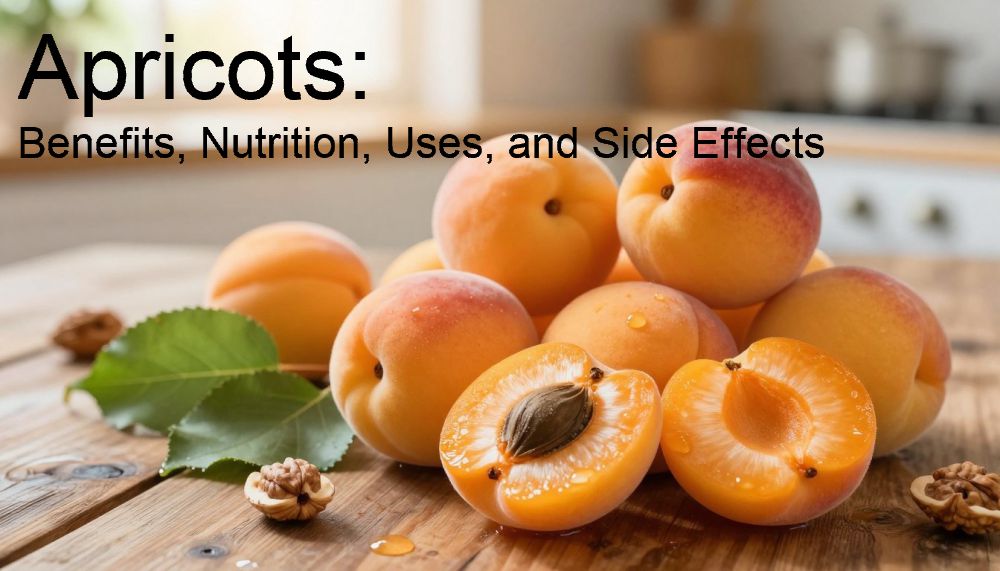
Understanding the nutrition facts is the first step toward a balanced diet. By adding apricots to your meals, you provide your body with essential vitamins and minerals that boost overall function.
This guide explores how to enjoy this seasonal treat safely. We will help you integrate this fruit into your lifestyle for maximum impact.
Key Takeaways
- These fruits are packed with essential vitamins like A and C.
- Regular consumption supports healthy digestion and heart function.
- They serve as a low-calorie snack option for weight management.
- Antioxidants in the fruit help protect cells from oxidative stress.
- You can easily incorporate them into salads, smoothies, or oatmeal.
The Nutritional Profile of Apricots
Discovering why an apricot is a smart snack choice starts with understanding its impressive nutrient density. This vibrant fruit offers a unique combination of vitamins and minerals that support your daily wellness goals without adding unnecessary bulk to your diet.
Essential Vitamins and Minerals
The nutrition profile of this fruit is quite remarkable. Apricots are rich in vitamin A and vitamin C, which are vital for maintaining a strong immune system and healthy skin.
Furthermore, apricots contain significant amounts of potassium. This mineral is essential for proper heart function and fluid balance. Apricots also contain various antioxidants that help protect your body from oxidative stress throughout the day.
Caloric Density and Macronutrient Breakdown
For those monitoring their energy intake, apricots are low in calories. Because they possess a high water content, they provide a satisfying snack that keeps you hydrated.
When you examine one cup of apricots, you will find they are naturally high in dietary fiber, which aids in digestion. Because apricots are low in fat and sugar, they serve as an excellent nutrient-dense option for any time of day.
Apricots are rich in the fuel your body needs to function at its best. By choosing this fruit, you ensure your body receives essential nutrients in a delicious, natural package.
Top Health Benefits of Apricots
If you are looking to boost your daily wellness, the benefits of apricot are hard to ignore. This small, golden fruit packs a punch when it comes to supporting your body. By choosing nutrient-dense foods, you can easily access many health benefits that contribute to a vibrant lifestyle.
Antioxidant Properties and Free Radical Protection
The health benefits of apricots are largely tied to their high concentration of protective compounds. These fruits are rich in antioxidant properties that work tirelessly to defend your cells. They specifically target and neutralize free radicals, which are unstable molecules that cause oxidative stress.
When you consume these fruits regularly, you provide your body with the tools it needs to stay resilient. Protecting your cells from damage is a cornerstone of long-term vitality. Consider these key advantages of adding them to your routine:
- Reduction of oxidative stress markers.
- Support for cellular repair processes.
- Enhanced protection against environmental stressors.
- Inclusion in top 10 health benefits lists for fruit.
Supporting Healthy Blood Pressure
Maintaining healthy blood pressure is essential for your cardiovascular system. Fortunately, the potassium in apricots helps regulate fluid balance and nerve signals throughout your body. This mineral is a vital component for anyone focused on heart-centered wellness benefits.
By keeping your sodium levels in check, potassium acts as a natural balancer. It allows your blood vessels to relax, which promotes better circulation. Understanding the unique properties of apricot makes it clear why this fruit is a smart addition to any balanced diet.
Promoting Digestive Health and Regularity
Apricots are more than just a sweet snack; they are a powerhouse for your digestive tract. When you prioritize your internal health, choosing the right foods becomes essential for long-term comfort. Incorporating this fruit into your daily routine is a simple way to support your body’s natural processes.
The Role of Soluble and Insoluble Fiber
To understand why this fruit is so effective, we must look at its composition. Apricots are rich in fiber, providing a balanced mix of both soluble and insoluble fiber. This specific combination of soluble and insoluble fiber is vital for maintaining smooth digestion.
Soluble fiber dissolves in water to form a gel-like substance, which helps soften stool. Meanwhile, insoluble fiber adds bulk to the diet and promotes movement through the system. Together, they ensure that your digestive tract remains clear and efficient.
Impact on Gut Bacteria and Constipation Relief
Beyond simple mechanics, the fiber found in these fruits acts as a prebiotic. It feeds the beneficial gut bacteria that reside in your colon, which is crucial for a healthy microbiome. A thriving population of gut bacteria is linked to better nutrient absorption and overall immune function.
For those who struggle with occasional constipation, this fruit can be a gentle and natural solution. Because apricot helps regulate your system, it encourages consistent bowel movements without the need for harsh interventions. Making these fruits a regular part of your diet is a smart strategy for anyone seeking reliable constipation relief and improved digestion.
Apricots and Eye Health
Did you know that the vibrant color of an apricot is a hint at its powerful benefits for your eyes? Incorporating this fruit into your daily meals is a simple, delicious way to promote eye health naturally. Because apricots are rich in vitamin content, they serve as a vital addition to any balanced diet focused on long-term wellness.
Vitamin A and Beta-Carotene Benefits
Apricots are a fantastic source of vitamin A and beta-carotene. These nutrients are essential for maintaining clear vision and supporting the overall function of your eyes. When you consume these compounds, your body converts them into forms that directly nourish ocular tissues.
Beyond these primary nutrients, apricots also contain other beneficial plant compounds that work in harmony to support your sight. By choosing nutrient-dense snacks, you provide your body with the building blocks it needs to stay sharp. This is why many nutritionists suggest that being rich in vitamin profiles makes this fruit a top choice for eye care.
Protecting Vision from Oxidative Stress
Your eyes are constantly exposed to environmental factors that can lead to oxidative stress. This process can damage delicate eye tissues over time if left unchecked. Fortunately, the antioxidants found in apricots help neutralize these harmful effects, acting as a shield for your vision.
Maintaining the integrity of your eye tissues is crucial for preventing age-related decline. By regularly eating these fruits, you help your body combat oxidative stress effectively. The following table highlights the key nutrients found in apricots that contribute to your overall eye health.
| Nutrient | Primary Benefit | Impact on Vision |
|---|---|---|
| Vitamin A | Retinal Health | Supports low-light vision |
| Beta-Carotene | Antioxidant | Protects against light damage |
| Vitamin C | Collagen Support | Maintains ocular blood vessels |
| Vitamin E | Cell Protection | Reduces tissue inflammation |
Skin Health and the Glow Factor
Achieving a radiant complexion often starts with the nutrients you put on your plate. Apricots serve as a fantastic source of vitamin support, offering a natural way to nourish your body from the inside out. By incorporating this fruit into your daily routine, you can effectively improve skin texture and overall vitality.
Vitamin C and E for Skin Elasticity
The combination of vitamin C and vitamin E is essential for maintaining skin elasticity. Vitamin C plays a critical role in collagen production, which keeps your complexion firm and youthful. Meanwhile, vitamin E acts as a deep moisturizer that helps maintain the suppleness of your skin.
When you consume vitamin c in apricots, you provide your body with the building blocks needed for a glowing skin appearance. These nutrients work in harmony to ensure your skin remains resilient against the natural aging process. Regular intake is a simple, delicious habit for anyone prioritizing long-term skin health.
Protecting the Skin from Environmental Damage
Our skin faces constant stress from external factors like pollution and harsh sunlight. Apricots help protect the skin from damage caused by these environmental stressors through their potent antioxidant profile. These vitamins neutralize free radicals that would otherwise lead to premature aging.
By choosing nutrient-dense foods, you create a natural barrier for healthy skin. Consider these primary benefits of adding apricots to your diet:
- Enhanced hydration for a smoother complexion.
- Support for skin elasticity to reduce fine lines.
- Defense against oxidative stress for glowing skin.
- Natural nourishment that promotes overall skin health.
Fresh vs. Dried Apricots: What to Know
Whether you prefer the juicy bite of a fresh apricot or the chewy texture of dried fruit, both options offer unique advantages for your diet. Understanding how processing affects these fruits helps you make the best choice for your daily nutritional needs.
Nutrient Concentration in Dried Fruit
When you choose dried apricots, you are getting a more concentrated source of energy. Because the water content is removed, dried apricots contain higher levels of natural sugars and dietary fiber per serving compared to their fresh counterparts.
This makes them an excellent choice for a quick energy boost during a workout or a busy afternoon. However, when buying commercially dried apricots, it is important to check the labels for added sugars or preservatives. Being mindful of these additions ensures you enjoy the full dried apricot benefits without unnecessary ingredients.
Storage Tips for Fresh Apricots
If you enjoy the crisp, refreshing taste of a fresh apricot, proper storage is essential to maintain quality. Fresh apricots can be stored in the refrigerator to keep them at their peak flavor and texture for several days.
To get the best results, place them in a breathable bag or a container in the crisper drawer. If your fruit is slightly firm, you can leave it on the counter for a day or two to ripen before moving it to the fridge. This simple step helps you enjoy your dried fruit alternatives and fresh snacks at their absolute best.
Culinary Uses for Apricots
If you are looking to elevate your cooking, learning how to use apricot in your kitchen is a great start. This vibrant fruit offers a unique balance of tartness and sugar that works well in many different recipes. Whether you are a professional chef or a home cook, you will find that this ingredient adds a delightful flair to your culinary creations.
There are many ways to enjoy apricots throughout the day. Because they are so versatile, these fruits can be eaten fresh, cooked, or even grilled to bring out their natural juices.
Incorporating Sliced Apricots into Meals
One of the simplest ways to add nutrition to your morning is by adding sliced apricots to your bowl. They provide a refreshing burst of flavor when paired with creamy yogurt or warm oatmeal.
Beyond breakfast, you can toss them into fresh garden salads for a touch of brightness. They also pair beautifully with savory proteins like chicken or pork, adding a sophisticated contrast to your dinner plate.
Using Apricots in Baking and Preserves
Many people love using apricots to make homemade treats that capture the essence of summer. The sweet apricot is a perfect candidate for slow-cooked jams and preserves that can be enjoyed all year long.
When it comes to baking, the fruit holds its shape well in tarts, muffins, and rustic galettes. You will find that the heat of the oven intensifies the natural sugars, creating a truly decadent dessert experience for your family and friends.
Understanding Apricot Kernels and Seeds
When you look beyond the juicy exterior of an apricot, you encounter the seeds and oil that offer unique uses. While the fruit is a staple in many healthy diets, the inner components of the stone require a more cautious approach. It is essential to distinguish between the edible fruit and the parts that demand careful handling.
Nutritional Value vs. Safety Concerns
The apricot kernel is the seed found inside the hard pit of the fruit. While some cultures have historically used these seeds in traditional practices, modern science suggests significant caution is necessary. Taking apricot seeds as a supplement can be risky because they contain a compound called amygdalin.
When ingested, this compound can convert into cyanide within the body. Because of this, health organizations often warn against the consumption of raw apricot seeds. It is always best to prioritize your well-being and consult with a medical professional before experimenting with these parts of the plant.
Proper Usage of Apricot Oil
Unlike the seeds, apricot oil is widely celebrated for its safe and effective use in personal care. This golden oil is extracted from the kernel and is highly valued for its ability to nourish the skin without leaving a greasy residue. Many people prefer it as a natural alternative to synthetic moisturizers.
If you are interested in incorporating this oil into your routine, consider these common applications:
- Deep Hydration: It acts as an excellent emollient for dry or sensitive skin types.
- Hair Care: A few drops can help smooth frizz and add a healthy shine to hair strands.
- Massage Therapy: Its lightweight texture makes it a popular choice for soothing massages.
By focusing on topical applications, you can enjoy the benefits of the apricot kernel safely. Always ensure you are purchasing high-quality, cold-pressed oil to get the most out of your skincare regimen.
Potential Side Effects of Apricots
Enjoying fresh fruit is generally healthy, but understanding the side effects of apricots is a smart move for any wellness enthusiast. While most people tolerate this stone fruit well, individual biology can vary significantly. Being mindful of your apricot consumption ensures you can enjoy the benefits without unwanted surprises.
Allergic Reactions and Sensitivity
For some, an apricot might trigger mild allergic reactions or digestive discomfort. Symptoms can range from oral itching to more noticeable gastrointestinal distress if the fruit is consumed in large quantities. It is always best to introduce new foods slowly to see how your body responds.
“Moderation is the golden rule for a healthy lifestyle, especially when introducing nutrient-dense fruits into your daily routine.”
If you notice any unusual symptoms after eating, consider these common signs of sensitivity:
- Mild tingling or itching in the mouth.
- Occasional bloating or gas after eating.
- Skin irritation in rare cases of contact sensitivity.
Managing Natural Sugar Intake
It is important to remember that apricots contain natural sugars that provide quick energy. While these sugars are accompanied by fiber, those who are strictly monitoring their blood glucose levels should remain aware of portion sizes. Consistent taking apricot as part of a balanced meal helps mitigate potential spikes in blood sugar.
Because apricots contain concentrated nutrients, they are best enjoyed as part of a varied diet. By keeping your portions reasonable, you can easily avoid the discomfort that comes from overindulgence. Always listen to your body to determine the right amount for your specific health needs.
Apricots in a Balanced Diet
Apricots are a versatile addition to any healthy lifestyle, offering both flavor and vital nutrients. When you focus on nutrition and exercise, choosing the right fuel becomes a priority for your body. Integrating this fruit into your daily routine provides a natural energy boost that supports your active goals.
Combining Nutrition and Exercise
Many athletes find that apricots can be eaten as a quick snack before hitting the gym. Their natural sugars provide a rapid source of energy, while the fiber content helps maintain steady levels during your workout. After training, apricot consumption assists in replenishing glycogen stores effectively.
“Let food be thy medicine and medicine be thy food.”
Hippocrates
You can easily enjoy apricots as part of a balanced meal plan. Whether you pair them with Greek yogurt or a handful of nuts, they offer a perfect mix of carbohydrates and essential vitamins. This simple habit makes it easier to stay consistent with your health objectives.
How to Select the Best Fruit at the Market
When you visit your local grocery store, you will find that high-quality apricots can be purchased during the peak summer season. To select the best apricot fruit, look for a firm texture and a vibrant, uniform color. Avoid pieces that feel overly soft or show signs of bruising, as these may not offer the best flavor profile.
A fresh apricot should have a sweet, fragrant aroma that indicates it is perfectly ripe. By making smart choices at the market, you ensure that your snacks are both delicious and packed with goodness. Use the following guide to help you identify the best quality produce for your kitchen.
| Feature | Ideal Quality | What to Avoid |
|---|---|---|
| Texture | Firm but yielding | Mushy or hard |
| Color | Vibrant orange/gold | Green or dull spots |
| Aroma | Sweet and fragrant | No scent or sour |
The Science Behind Apricots
The story of the apricot is a journey that spans thousands of years and reaches into the heart of modern medical research. While many enjoy this fruit for its vibrant color and sweet flavor, scientists are uncovering deeper reasons to appreciate its role in human health.
Historical Context of Prunus Armeniaca
The botanical name Prunus armeniaca serves as a testament to the fruit’s long-standing relationship with human civilization. Cultivated for millennia across diverse regions, this fruit has traveled from ancient orchards to modern markets.
Historians note that the spread of Prunus armeniaca was facilitated by trade routes that connected various cultures. This widespread adoption suggests that early societies recognized the value of the fruit long before modern science could explain its specific nutritional profile.
Current Research on Disease Prevention
Modern scientific studies are now actively investigating how fruit-derived compounds support long-term wellness. Researchers are particularly focused on how specific phytochemicals interact with human biological systems to provide protective benefits.
There is growing interest in how these natural compounds might help in the fight against diseases such as cancer. While more clinical trials are needed, early data suggests that a diet rich in diverse fruits is a cornerstone of a proactive health strategy.
By focusing on the prevention of diseases such as cancer, scientists hope to better understand how daily dietary choices influence cellular health. This ongoing research underscores the importance of incorporating nutrient-dense foods into your regular routine.
Conclusion
Adding fresh or dried stone fruits to your daily meals provides a simple way to boost your overall wellness. You can easily enjoy the many health benefits of apricots by tossing them into morning oatmeal or snacking on them during a busy afternoon.
The benefits of apricot varieties extend beyond simple nutrition. These fruits offer a natural sweetness that satisfies cravings while providing essential vitamins. Exploring the top 10 health benefits helps you understand why this fruit remains a staple in balanced diets across the United States.
Prioritizing whole foods like Prunus armeniaca supports long-term vitality. You gain access to vital nutrients that protect your body and keep your systems running smoothly. Understanding the health benefits of apricots empowers you to make smarter choices at the grocery store.
Start experimenting with new recipes today to see how this vibrant fruit fits your lifestyle. Share your favorite ways to prepare these snacks with friends or family members. Your journey toward better nutrition starts with small, consistent changes in your kitchen.
FAQ
Are apricots a good choice for someone watching their weight?
Absolutely! Apricots are low in calories and feature a high water content, which helps you feel full and hydrated. The nutrition profile of a fresh apricot makes it an ideal snack for those balancing nutrition and exercise. Because apricots are low in energy density but high in essential nutrients, they fit perfectly into a calorie-conscious lifestyle.
What are the main health benefits of apricots for digestion?
Apricots are rich in fiber, specifically providing a balance of soluble and insoluble fiber. This combination is vital for maintaining regular bowel movements and providing constipation relief. Additionally, the fiber acts as a prebiotic to feed beneficial gut bacteria, ensuring your entire digestive tract remains healthy and efficient.
How do the antioxidants in apricots protect the body?
The antioxidant properties of this fruit are impressive. Apricots contain high levels of flavonoids and polyphenols that neutralize free radicals, which reduces oxidative stress in the body. This cellular protection is one of the many health benefits that may help lower the risk of chronic diseases such as cancer.
Can eating apricots improve the appearance of my skin?
Yes, adding apricots to your diet can lead to glowing skin. The vitamin C in apricots promotes collagen production, which is essential for skin elasticity, while vitamin e helps protect the skin from environmental damage. Using products with apricot oil, like those from Burt’s Bees, can also help improve skin texture from the outside in.
Are dried apricots as healthy as fresh ones?
Both have their perks! Dried apricots contain a more concentrated amount of potassium, fiber, and energy. However, commercially dried apricots may sometimes have added sulfites or sugars, so it is wise to check the nutrition facts on brands like Sun-Maid. While the dried apricot benefits are great for a quick energy boost, a fresh apricot provides more vitamin C and hydration.
How do apricots support eye health?
Apricots are a good source of Vitamin A and beta-carotene, which are crucial to promote eye health. These nutrients help protect the cornea and may reduce the risk of age-related vision loss. Because apricots are rich in vitamin content that specifically targets ocular tissues, they are often featured in top 10 health benefits lists for maintaining sharp vision.
Is it safe to eat the apricot kernel or seeds?
You should be very cautious with the apricot kernel. While some cultures use apricot seeds in traditional medicine, apricot seeds contain amygdalin, which the body converts into cyanide. Due to these safety concerns, health organizations like the Mayo Clinic advise against taking apricot seeds in large quantities. The fruit itself is perfectly safe and healthy, but the seed requires professional guidance.
Can the potassium in apricots help with my heart health?
Definitely. The potassium in apricots helps relax the blood vessels and maintains a healthy blood pressure. Since apricots are naturally high in this mineral, consistent apricot consumption supports overall cardiovascular function and helps balance electrolytes in the body.
What is the best way to enjoy apricots in daily meals?
You can enjoy apricots in a variety of ways! Try adding sliced apricots to your morning bowl of Quaker Oats or using apricots to make a fresh summer salad with goat cheese. If you have a surplus of the apricot fruit, fresh apricots can be stored in the refrigerator for about a week, or you can use them to bake a sweet apricot tart.
Where can I find high-quality apricots?
During the peak summer season, apricots can be purchased at most local farmers’ markets or grocery stores like Whole Foods Market. Look for fruit that has a vibrant orange color and a firm but slightly yielding texture to ensure you are getting the best benefits of apricot in every bite.