Adding high-quality protein to your diet is a smart way to boost your overall wellness. Many health experts suggest that you eat salmon at least twice a week to reap its incredible rewards. This popular fish is packed with essential nutrients that support heart health and brain function.
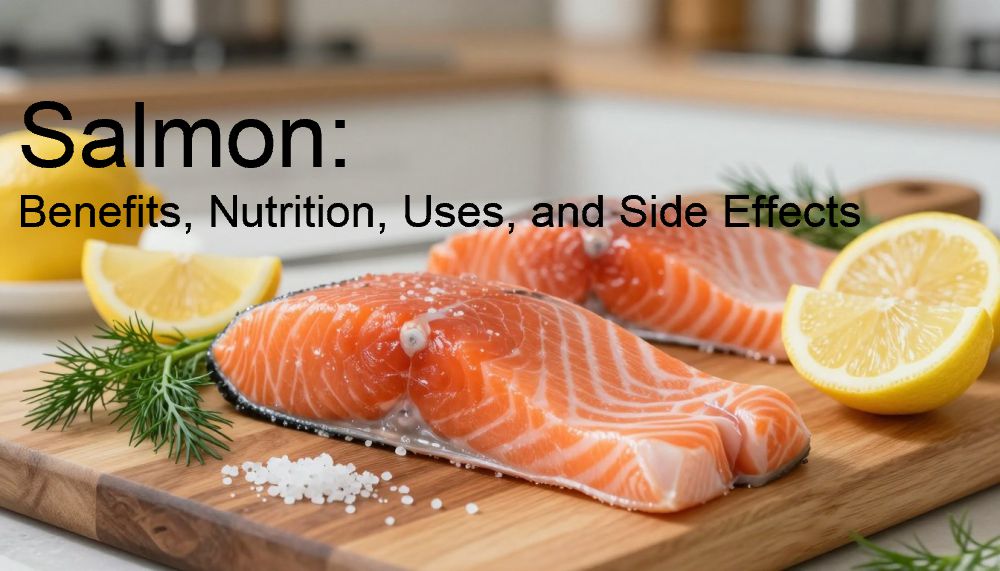
Beyond its delicious taste, this versatile ingredient fits perfectly into almost any meal plan. Whether you prefer it grilled, baked, or poached, the health profile of salmon remains impressive. We will explore the specific vitamins and minerals that make this choice a staple in many households.
Understanding the full picture helps you make better decisions for your family. We will also cover important safety tips to ensure your meals are as safe as they are nutritious. Let’s dive into why this fish is a top-tier superfood for your kitchen.
Key Takeaways
- Provides a rich source of omega-3 fatty acids for heart health.
- Offers high-quality protein to support muscle maintenance.
- Contains essential vitamins like B12 and D for immune support.
- Versatile preparation methods make it easy to include in weekly meals.
- Important safety considerations ensure you consume it responsibly.
Understanding the Nutritional Profile of Salmon
Exploring the science behind salmon reveals why it is considered a nutritional powerhouse for the human body. This oily fish is more than just a delicious meal; it is a dense source of fuel that supports various biological processes. By examining the specific nutrition facts, we can better understand how it contributes to a balanced lifestyle.
Essential Vitamins and Minerals
Salmon is an excellent source of vital micronutrients that many people lack in their daily diets. It provides a significant boost to your immune system and energy levels through its unique profile.
When you consume this fish, you benefit from a wide range of essential components:
- Vitamin B12: Crucial for nerve function and DNA production.
- Selenium: A powerful antioxidant that supports thyroid health.
- Vitamin D: Essential for maintaining strong bone health and immune function.
- Potassium: Helps manage blood pressure levels effectively.
The Role of Omega-3 Fatty Acids
Perhaps the most famous aspect of this fish is that it is rich in omega-3 fatty acids. These healthy fats are not produced by the body, meaning you must obtain them through your diet. Salmon provides these long-chain fats, specifically EPA and DHA, which are highly beneficial.
The omega-3 fatty acids in salmon are linked to reduced inflammation and improved cardiovascular wellness. Because salmon is a good source of these compounds, regular consumption can help protect your heart. Furthermore, these fats play a key role in maintaining cognitive function as you age.
Caloric Density and Macronutrient Breakdown
Understanding the calories in salmon is helpful for those tracking their intake. While it is energy-dense, the quality of those calories is superior to many other protein sources. Salmon is also rich in high-quality protein, which is necessary for muscle repair and satiety.
“The nutritional benefits of fatty fish like salmon are unmatched, providing a perfect balance of protein and healthy fats for optimal health.”
The following table highlights the general macronutrient profile found in a standard 3-ounce serving of cooked Atlantic salmon:
| Nutrient | Approximate Amount |
|---|---|
| Protein | 17-20 grams |
| Total Fat | 5-7 grams |
| Calories | 150-180 kcal |
Salmon also contains trace amounts of other minerals that support overall wellness. By incorporating this fish into your routine, you ensure your body receives the building blocks it needs to thrive.
The Health Benefits of Salmon for Your Body
The health benefits of salmon extend far beyond simple nutrition, impacting nearly every system in your body. By choosing this nutrient-dense fish, you provide your system with high-quality proteins and essential fats. These components work together to support overall health and vitality in a variety of ways.
Supporting Heart Health and Lowering Blood Pressure
One of the most significant advantages of eating this fish is its positive impact on the cardiovascular system. Salmon contains high levels of omega-3 fatty acids, which are known to help lower blood pressure and reduce the risk of heart disease. By managing inflammation, these healthy fats keep your arteries flexible and clear.
Regular consumption of salmon may also help improve your cholesterol profile. Many health benefits are linked to the way these fats balance your body’s internal chemistry. It is a simple, natural way to protect your heart for years to come.
Enhancing Brain Function and Cognitive Health
Your brain requires specific nutrients to perform at its best, and salmon provides exactly what it needs. The omega-3 fatty acids found in the fish are essential for maintaining brain health and supporting long-term cognitive function. Research suggests that these nutrients can help sharpen memory and improve focus.
Salmon is also a great source of selenium and vitamin B12, which are vital for neurological processes. By including this fish in your diet, you can help maintain your mental clarity as you age. It is one of the most effective ways to nourish your mind through food.
Promoting Skin Health and Anti-Inflammatory Effects
Beyond internal systems, the potential health benefits of salmon reach your skin. The healthy fats and antioxidants in the fish help keep your skin hydrated and resilient. Salmon also contains compounds that fight oxidative stress, which can lead to premature aging.
Because it reduces inflammation, salmon can also help soothe skin conditions that are triggered by internal irritation. Many people notice a natural glow when they make this fish a regular part of their diet. It truly supports human health from the inside out.
| Benefit Category | Primary Nutrient | Key Outcome |
|---|---|---|
| Heart Health | Omega-3 Fatty Acids | Lower Blood Pressure |
| Brain Function | DHA and EPA | Improved Cognitive Health |
| Skin Health | Antioxidants | Reduced Inflammation |
Wild-Caught vs. Farm-Raised Salmon
Navigating the seafood aisle often leads to a common dilemma: choosing between wild-caught and farm-raised varieties. While both options provide essential nutrients, understanding their origins helps you make the best decision for your health and the planet.
Key Differences in Nutritional Value
When comparing the two, wild-caught salmon is often prized for its natural diet and nutrient density. Because these fish swim in open waters, salmon tends to be leaner than its farmed counterparts.
In contrast, farm-raised salmon is typically higher in fat content due to a controlled diet. This consistency makes it a popular choice for those who prefer a milder flavor and a softer texture in their meals.
Environmental Impact and Sustainability Concerns
Choosing between wild and farmed salmon also involves considering the ecological footprint of your food. Wild populations are managed to prevent overfishing, though they face challenges from changing ocean temperatures.
Farming practices have evolved significantly to address sustainability concerns. Many modern farms now prioritize responsible aquaculture to minimize waste and protect surrounding marine ecosystems from potential contamination.
Identifying Quality in Fresh and Frozen Options
Whether you are buying fresh salmon or frozen fillets, quality indicators remain consistent. Look for firm, moist flesh that springs back when touched, and ensure the fish has a mild, clean scent rather than a strong “fishy” odor.
- Check for bright, clear eyes if buying whole fish.
- Ensure the color is vibrant and consistent throughout the fillet.
- Verify that the packaging for frozen farmed salmon is free of ice crystals, which can indicate freezer burn.
By paying attention to these details, you can confidently select high-quality wild salmon or farmed varieties. Always check labels for certifications that guarantee sustainable sourcing practices.
Popular Types of Salmon to Include in Your Diet
From the deep red hues of wild salmon to the mild profile of farmed salmon, there is a perfect choice for every palate. Because salmon is often the centerpiece of a healthy meal, knowing the differences between varieties helps you cook with confidence. Each type of fish brings unique qualities to your dinner table.
Sockeye Salmon: Characteristics and Flavor
Sockeye salmon is highly prized for its vibrant, deep red color and robust, intense flavor. This variety is a favorite among those who enjoy a bold taste that stands up well to strong seasonings. The flesh of the salmon is firm and lean, making it an excellent choice for grilling or roasting.
Atlantic Salmon: Availability and Texture
Atlantic salmon is the most widely available variety in grocery stores across the United States. It is favored for its mild, delicate taste and buttery texture that melts in your mouth. Because it is consistently accessible, this popular fish is a reliable staple for busy weeknight dinners.
King and Coho Varieties
King salmon, also known as Chinook, is widely considered the most luxurious of all types of salmon due to its high oil content and rich, velvety texture. Salmon is also available in the Coho variety, which offers a slightly milder flavor than Sockeye but remains more flavorful than Atlantic options. Both varieties are excellent for those looking to experiment with different culinary profiles in their home cooking.
Culinary Uses and Preparation Methods
You can easily elevate your dinner routine by exploring various ways to prepare this healthy fish. Learning how to cook salmon properly is essential for preserving its delicate texture and maximizing its nutritional benefits. Whether you are a beginner or a pro, these techniques will help you master the art of preparing this versatile protein at home.
Tips to Properly Cook Salmon
The secret to a perfect salmon recipe lies in monitoring the internal temperature. You should aim for an internal temperature of 145°F to ensure the fish is safe and flaky. Avoid overcooking, as this can cause the protein to lose its natural moisture and become dry.
Letting the fish rest for a few minutes after heat exposure allows the juices to redistribute. This simple step ensures that every bite of your cooked wild salmon remains tender and flavorful. Always pat the surface dry before seasoning to achieve a better sear.
Grilled Salmon vs. Baked Salmon Techniques
When you choose grilled salmon, you benefit from the smoky char that high, direct heat provides. This method works best for thicker fillets that can withstand the intense temperature of an outdoor grill. Salmon also pairs beautifully with the subtle flavors imparted by wood smoke or charcoal.
“Cooking is like painting or writing a song. Just as there are only so many notes or colors, there are only so many flavors—it’s how you combine them that sets you apart.”
Wolfgang Puck
In contrast, baking offers a gentle, consistent heat that is ideal for those who prefer a milder taste. You can place the fish on a parchment-lined tray with lemon slices and herbs to lock in moisture. This technique is perfect for busy weeknights when you want a reliable result without constant monitoring.
Incorporating Smoked and Canned Salmon into Meals
If you are short on time, canned salmon is a fantastic pantry staple for quick, healthy meals. You can easily mix it into salads, pasta dishes, or even create savory fish cakes. It provides the same high-quality nutrients as fresh options with much less preparation time.
Smoked salmon is another excellent choice for adding a burst of flavor to your breakfast or lunch. It works perfectly on whole-grain toast, in wraps, or folded into scrambled eggs. Much like salmon prepared with heat, these convenient varieties offer a simple way to maintain a balanced diet throughout the week.
Potential Health Risks and Safety Considerations
Even the healthiest foods require a bit of caution, and understanding the potential health risks of salmon is no exception. While this fish is a staple for many, being aware of potential health factors ensures you can enjoy your meals with complete peace of mind.
Understanding Mercury Levels in Fish
One common concern involves the presence of heavy metals in seafood. Generally, the levels in salmon are quite low compared to larger predatory fish like swordfish or shark.
However, it is wise to remain informed. While salmon can be high in beneficial nutrients, consistent monitoring of your overall fish intake is a smart strategy for long-term wellness.
Risks of Eating Raw Salmon
Many people enjoy sushi or sashimi, but it is important to recognize the risks of eating raw seafood. When you eat raw salmon, you may expose yourself to parasites or harmful bacteria that are typically destroyed during the cooking process.
For vulnerable populations, such as pregnant women or those with compromised immune systems, choosing fully cooked options is the safest path. Proper preparation is essential to avoid negative health effects.
Allergies and Contaminant Concerns
Beyond preparation, some individuals may experience allergic reactions to fish proteins. If you notice any adverse symptoms, it is best to consult with a healthcare professional immediately.
Furthermore, salmon may occasionally be exposed to environmental contaminants depending on its origin. To minimize these health risks of eating salmon, always source your fish from reputable suppliers who prioritize transparency and quality control.
Choosing high-quality, sustainably sourced fish is the most effective way to mitigate safety concerns while maximizing nutritional intake.
Guidelines for Safe Fish Consumption
Establishing a consistent routine for your fish intake helps you maximize health benefits while maintaining safety. By following evidence-based recommendations, you can enjoy the many advantages of regular fish consumption without worry. Understanding how to integrate this popular fish into your weekly schedule is the first step toward a balanced diet.
Recommended Weekly Servings
Most nutrition experts suggest that adults aim for two servings of seafood per week. A standard serving of salmon is typically about four ounces, which provides a significant amount of essential nutrients. While it is healthy salmon, you do not need to eat it every day to see positive results.
Variety is key when planning your meals. Rotating your protein sources ensures you receive a wide spectrum of vitamins and minerals. Balancing your intake of salmon and other fish helps keep your diet diverse and interesting.
Advice from Health Organizations
Major health organizations, such as the FDA and EPA, provide clear guidance on safe intake levels. These groups emphasize that most people benefit greatly from regular seafood consumption. They specifically highlight that choosing low-mercury options makes it easy to eat salmon safely throughout the year.
These guidelines are designed to protect vulnerable populations while encouraging heart-healthy habits. By staying informed, you can make choices that support your long-term wellness goals. Following these standards ensures that your salmon consumption remains a safe and beneficial part of your lifestyle.
Selecting the Best Salmon for Your Household
When shopping, look for signs of freshness to ensure you are getting the highest quality product. Fresh fillets should have a firm texture and a mild, clean scent. If you are buying frozen, check the packaging for ice crystals, which may indicate improper storage.
Choosing sustainable sources is another way to ensure your salmon safe practices are environmentally responsible. Many retailers now provide labels that detail where and how the fish was caught. Investing in quality products provides peace of mind for you and your family.
| Category | Recommendation | Key Benefit |
|---|---|---|
| Weekly Intake | 2-3 Servings | Heart Health |
| Serving Size | 4 Ounces | Protein Intake |
| Variety | Mix with others | Nutrient Balance |
| Quality Check | Fresh/Firm | Food Safety |
Integrating Salmon into a Balanced Lifestyle
Building a balanced lifestyle starts with choosing nutrient-dense proteins that support your body every day. When you make the decision to prioritize high-quality food, you set the stage for long-term vitality. Including salmon in your diet consistently is one of the most effective ways to nourish your system.
Simple Strategies for Regular Consumption
Many people find that the best way to incorporate more salmon is through simple, repeatable habits. You might try batch-cooking fillets at the start of the week to use in salads or wraps. Keeping canned options in your pantry also ensures you always have a quick protein source ready for busy evenings.
Consistency is the secret to success when you want to improve your health. By setting a goal to eat fish twice a week, you create a sustainable rhythm. Remember that salmon in your diet may provide the essential fats your brain and heart crave to function at their best.
Pairing Salmon with Nutrient-Dense Sides
To create a complete meal, focus on pairing your fish with colorful, fiber-rich ingredients. Foods like salmon shine when served alongside roasted root vegetables or steamed greens. These combinations help you maintain optimal health by balancing your plate with vitamins and minerals.
Consider the following meal combinations to keep your routine exciting and nutritious:
| Meal Type | Primary Protein | Nutrient-Dense Side | Flavor Enhancer |
|---|---|---|---|
| Quick Lunch | Canned Salmon | Quinoa Salad | Lemon Vinaigrette |
| Hearty Dinner | Baked Fillet | Roasted Asparagus | Fresh Dill |
| Light Supper | Grilled Salmon | Steamed Broccoli | Garlic Butter |
By including salmon in your diet through these thoughtful pairings, you support your overall health. Small, intentional changes to your grocery list will lead to significant benefits for your overall health over time.
Conclusion
Adding high-quality seafood to your weekly meal plan creates a foundation for lasting vitality. You now possess the knowledge to select the best fillets and prepare them with ease. Embracing the health benefits of salmon transforms your kitchen into a hub for wellness.
Small changes in your grocery habits lead to significant improvements in your physical state. Brands like Vital Choice or local wild-caught options provide excellent sources of essential nutrients. Prioritizing these choices ensures you receive the full health benefits of salmon in every bite.
Your journey toward better eating habits starts with a single recipe. Experiment with new herbs, citrus glazes, or simple roasting techniques to keep your palate excited. Consistent habits build a stronger body and a sharper mind over time.
Share your favorite preparation methods with friends or family members to inspire their own culinary adventures. Building a community around nutritious food makes the process enjoyable for everyone involved. Start your path toward a vibrant lifestyle by making this versatile fish a staple in your home today.
FAQ
What makes salmon such a highly recommended food for a healthy diet?
A: Salmon is a nutritional powerhouse because it is an excellent source of high-quality protein and essential vitamins and minerals. It is particularly rich in omega-3 fatty acids, which are vital for heart health, brain health, and bone health. Because salmon provides a dense concentration of nutrients like vitamin B12 and D, it is considered a premier type of fish for those looking to improve your health through diet.
How does eating salmon specifically help my cardiovascular system?
When you eat salmon, the omega-3s work to lower blood pressure and reduce the risk of heart disease. This oily fish helps manage inflammation throughout the body, and salmon also contains antioxidants like astaxanthin. Regular fish consumption, especially fatty fishlike salmon, is a proven way to support overall health and maintain a strong heart.
Should I choose wild-caught salmon or farm-raised salmon?
Both wild and farmed salmon offer significant nutritional benefits, though they differ slightly. Wild salmon (like those sourced from Alaska Seafood) tends to be leaner and higher in minerals, while farm-raised salmon often has a higher fat content, providing more omega-3 fatty acids in salmon. When choosing farmed salmon, look for reputable brands like Verlasso or Bluehouse Salmon to ensure you are getting healthy salmon raised with sustainability in mind.
Can including salmon in my diet really improve my brain function?
Absolutely! The omega-3 fatty acids in salmon are crucial for brain function and long-term cognitive health. Salmon contains high levels of DHA, a specific type of fat that is a primary structural component of the brain. Regular salmon consumption may help protect brain health and reduce the risk of age-related cognitive decline.
Which types of salmon are the most popular for cooking at home?
There are several popular types of salmon to explore. Sockeye salmon is famous for its deep red flesh of the salmon and intense flavor, while Atlantic salmon is widely available and loved for its mild taste and buttery texture. You might also enjoy King salmon for its high calories in salmon fat content or Coho for its delicate flavor. Knowing these types of salmon helps you choose the perfect salmon recipe.
What are the best ways to prepare and cook salmon to keep it healthy?
To maximize the health benefits of salmon, it is best to cook salmon using methods like grilling, poaching, or baking. Grilled salmon is a fan favorite for its smoky flavor, while baked salmon is great for keeping the fish moist. You can also incorporate more salmon by using smoked salmon on whole-grain bagels or canned salmon for a quick protein boost in salads. Don’t forget that salmon skin is edible and salmon is also rich in nutrients right under the skin!
Are there any health risks of eating salmon I should be worried about?
While there are many health benefits, there are potential health risks to consider, such as mercury levels in salmon and potential health concerns regarding environmental contaminants. Additionally, you should be cautious if you eat raw salmon; it is important to ensure it is “sushi-grade” to avoid risks of eating parasites. For most people, the possible health benefits far outweigh the health risks of eating salmon.
How many servings of salmon should I eat each week to maintain optimal health?
Major health organizations, such as the American Heart Association, recommend eating at least two servings of salmon (about 3.5 ounces cooked) per week. By including salmon in your diet at this frequency, you get a steady supply of fish oil and omega-3s without over-consuming certain levels in salmon of trace minerals. Salmon every day is generally safe for most, but variety in fish consumption is always a good idea.
How does salmon contribute to skin health and anti-inflammatory effects?
A: Salmon is also an incredible food for skin health. The omega-3 fatty acids help keep skin moisturized and may reduce the severity of inflammatory skin conditions. Because salmon is an excellent source of antioxidants and vitamins and minerals, including salmon in your weekly routine can lead to a glowing complexion and health in a variety of biological systems.
Is it easy to incorporate more salmon into a busy lifestyle?
Yes! Salmon into your diet can be very simple. Use fresh salmon for a quick 15-minute dinner, or keep canned salmon in your pantry for instant nutritional value of salmon in sandwiches or pasta. Whether it is cooked wild salmon or a quick atlantic salmon fillet, this fatty fish is a versatile nutrient powerhouse that makes it easy to maintain optimal health even on a tight schedule.