Experiencing discomfort in your midsection can be a confusing and stressful event. Whether you feel a dull ache or sharp sensations, understanding the underlying abdominal pain causes is the first step toward feeling better.

Many people in the United States deal with digestive issues that range from simple indigestion to more complex health concerns. It is vital to listen to your body when these symptoms arise. Knowing the difference between a minor stomach upset and a situation that requires urgent medical help can provide peace of mind.
This guide offers a clear look at how your digestive system works and what triggers common discomfort. We aim to empower you with the knowledge needed to manage your health effectively. By breaking down these symptoms, we help you navigate your wellness journey with confidence and ease.
Key Takeaways
- Identify the difference between mild indigestion and serious medical emergencies.
- Learn how anatomy influences where you feel discomfort in your midsection.
- Recognize when it is time to seek professional medical advice.
- Understand common triggers that lead to digestive distress.
- Gain confidence in managing your overall digestive health at home.
Understanding the Nature of Abdominal Pain
When you feel pain between your chest and groin, it is important to consider the many possible causes. At its core, Abdominal Pain is pain that signals your body is experiencing some form of distress. While we often refer to a general stomach ache, it is helpful to remember that abdominal pain is pain that can originate from various internal structures.
Defining Abdominal Discomfort
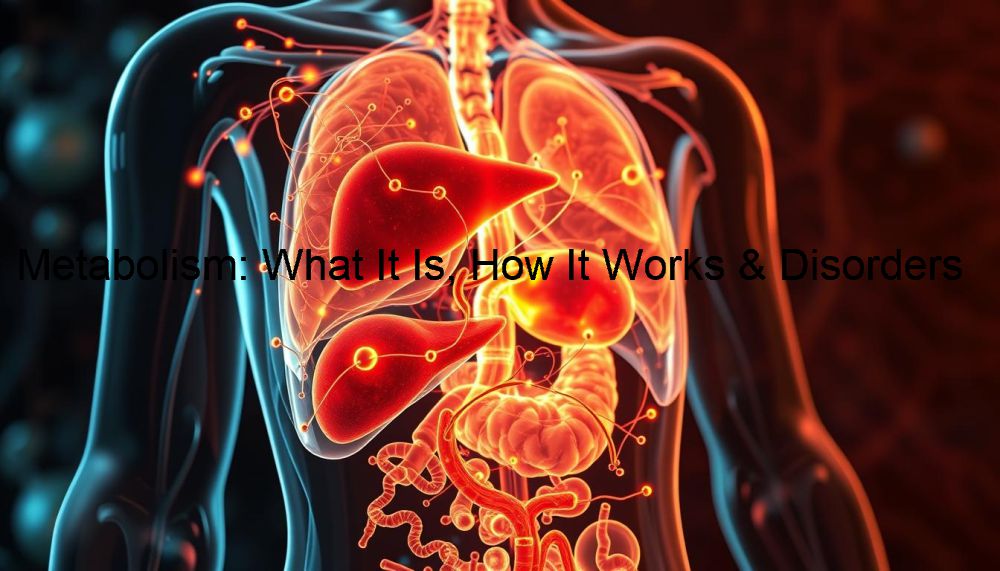
The abdomen is a complex region housing vital organs like the liver, stomach, and intestines. Because these organs are packed closely together, pinpointing the exact source of discomfort can be difficult. Abdominal pain is often a subjective experience, meaning the intensity and location can vary significantly from person to person.
Medical professionals view this discomfort as a primary indicator of underlying health issues. Whether the sensation is sharp, dull, or cramping, it serves as a vital communication tool from your body. Understanding this helps you describe your symptoms more accurately during a consultation.
Why Pain Can Have Many Causes
It is a fact that pain can have many causes, ranging from simple indigestion to more serious systemic conditions. Because the area contains so many different systems, abdominal pain can stem from digestive, reproductive, or even urinary sources. Pain is usually a protective mechanism designed to alert you that something is amiss.
Recognizing that there are many causes for your symptoms allows for better management. For instance, abdominal pain may be related to localized inflammation or generalized gas. When you track how your pain may change over time, you provide your doctor with essential data for a diagnosis.
| Category | Common Symptoms | Potential Origin |
|---|---|---|
| Digestive | Bloating, cramping | Stomach or Intestines |
| Inflammatory | Sharp, localized pain | Appendix or Gallbladder |
| Systemic | General malaise | Metabolic or Viral |
| Referred | Pain in distant areas | Nerve pathways |
Common Causes of Abdominal Pain
Whether it is a fleeting ache or a persistent issue, knowing what causes abdominal pain is essential for your health. Many people experience discomfort in their midsection, but identifying the specific trigger can help you decide if you need professional care or simple home relief.
By recognizing the common causes of abdominal pain, you can better distinguish between minor digestive hiccups and conditions that require a doctor’s visit. Understanding these triggers empowers you to take control of your well-being.
Viral Infections and Stomach Viruses
A stomach virus is one of the most frequent reasons for sudden gut distress. These infections often lead to inflammation in the digestive tract, resulting in cramping, nausea, or diarrhea.
Most people recover from a viral infection within a few days with plenty of rest and hydration. It is important to monitor your symptoms closely, as a severe stomach virus can sometimes lead to dehydration if not managed properly.
Gas Pain and Digestive Issues
Gas pain is another frequent culprit behind sharp, temporary sensations in the gut. This discomfort often occurs when you swallow excess air or consume foods that are difficult for your body to break down completely.
While gas pain can feel quite intense, it is usually harmless and passes once the digestive system processes the trapped air. Making small adjustments to your eating habits can often prevent these common causes of abdominal from recurring.
Inflammatory Conditions
Some individuals experience discomfort that lasts much longer than a typical infection. Chronic inflammatory conditions can cause abdominal pain that persists over weeks or months, requiring a more targeted medical approach.
Unlike temporary issues, these conditions involve ongoing irritation within the digestive organs. If you notice that your Abdominal Pain does not improve with time, it is vital to consult a healthcare provider to rule out underlying inflammatory issues. Recognizing these common causes early is the best way to ensure long-term digestive health.
Categorizing the Four Types of Abdominal Pain
Not all stomach aches are the same, and recognizing the four types of abdominal pain can clarify your diagnostic journey. Medical professionals often classify discomfort into specific categories to help narrow down the underlying cause of your distress. By identifying the specific type of abdominal pain you are experiencing, you provide your physician with the essential clues needed to determine the most appropriate path forward.
Visceral Pain Explained
Visceral pain originates from the organs within your abdominal cavity. This type of pain is typically described as a dull, aching, or cramping sensation that is often difficult to pinpoint. Because the nerves in these organs are not as precise as those in the skin, you might feel the discomfort across a broad area rather than in one specific spot.
Parietal Pain Characteristics
In contrast, parietal pain occurs when the lining of the abdominal wall becomes irritated or inflamed. This sensation is usually sharp, intense, and very specific to a certain area of the Abdominal Pain. Patients often find that this discomfort worsens with movement, coughing, or even taking a deep breath.
Referred Pain Patterns
Referred pain is a unique phenomenon where you feel discomfort in a part of the body that is distant from the actual source of the problem. This happens because the nerves from different areas of the body share the same pathways to the spinal cord. For example, an issue in your gallbladder might manifest as pain in your right shoulder or back.
Colicky Abdominal Pain
Colicky abdominal pain is distinct because it arrives in waves of intensity. These episodes often come and go, creating a cycle of severe discomfort followed by periods of relative calm. This colicky pain is frequently associated with muscle spasms or obstructions within the digestive tract, signaling that your body is working hard to move contents through a blocked or irritated passage.
Analyzing Pain by Location
When you experience Abdominal Pain, the specific area where you feel it acts as a vital roadmap for diagnosis. The location of pain is one of the most significant clues in determining what might be causing your distress. By observing where your symptoms manifest, you can better communicate with healthcare providers to find the right solution.
Upper Left Abdominal Pain and Its Origins
Discomfort in the upper left quadrant often points toward issues involving the spleen or the stomach. Because this area houses several vital organs, persistent upper left abdominal pain requires careful observation. It is important to note if the sensation is sharp or dull, as this helps distinguish between minor indigestion and more serious internal concerns.
Lower Left Abdominal Pain Concerns
When you feel lower left abdominal pain, the focus often shifts to the colon. This region is a common site for issues like diverticulitis or general digestive inflammation. Understanding this specific area helps narrow down the potential cause lower abdominal pain might have in your daily life.
“The body is a complex system where every sensation serves as a message, and learning to listen to these signals is the first step toward true wellness.”
— Medical Wellness Journal
Upper Abdominal Pain and Digestive Health
Many people encounter upper abdominal pain when their digestive system is under stress. This type of discomfort frequently relates to the gallbladder, pancreas, or acid reflux issues. Keeping track of when this pain occurs can provide your doctor with the necessary data to improve your digestive health.
Lower Abdominal Pain and Reproductive or Urinary Issues
In contrast, lower abdominal pain often involves the reproductive or urinary systems. These organs are located deep within the pelvic cavity, making them distinct from digestive-related discomfort. If you notice recurring lower abdominal pain, it is essential to consider factors beyond just your diet, such as bladder health or reproductive wellness.
When Abdominal Pain After Eating Becomes a Concern
If you find yourself frequently dealing with abdominal pain after eating, it is time to look at what might be happening inside your body. While occasional indigestion is normal, persistent discomfort often acts as a signal that your digestive system is struggling with specific triggers.
Food Intolerances and Sensitivities
Many individuals experience distress due to common food sensitivities, such as lactose or gluten intolerance. When your body lacks the enzymes needed to break down these substances, it can lead to significant bloating, gas, and sharp discomfort shortly after a meal.
These reactions are not always immediate, but they often follow a predictable pattern. Identifying these specific dietary culprits is the first step toward reclaiming your digestive health and reducing overall Abdominal Pain.
Gallbladder and Pancreatic Triggers
The gallbladder and pancreas are vital organs that work behind the scenes to process fats and regulate digestion. When these organs face inflammation or blockages, such as gallstones, they can cause intense post-meal distress that radiates through the upper abdomen.
This type of pain is often more severe than simple indigestion and may require professional medical evaluation. Ignoring these symptoms can lead to complications, so it is important to recognize when your body is signaling a deeper issue.
Managing Post-Meal Discomfort
Learning to manage your symptoms through mindful dietary adjustments is a key focus for maintaining long-term comfort. Keeping a food diary can help you pinpoint exactly which ingredients contribute to your abdominal pain after eating.
| Trigger Type | Common Symptoms | Recommended Action |
|---|---|---|
| Lactose Sensitivity | Bloating, Cramping | Try dairy-free alternatives |
| Gallbladder Issues | Sharp upper pain | Reduce high-fat intake |
| Gluten Sensitivity | Gas, Abdominal Pain | Consult a nutritionist |
By making small, consistent changes to your eating habits, you can significantly lower the frequency of unwanted digestive episodes. Always prioritize whole foods and stay hydrated to support your gut health throughout the day.
Distinguishing Between Acute and Chronic Abdominal Pain
Distinguishing between sudden onset and persistent discomfort is the first step toward effective relief. When you experience Abdominal Pain, knowing how to categorize your symptoms helps you decide whether to seek immediate help or schedule a routine visit.
Identifying Acute Abdominal Pain Symptoms
Acute abdominal pain typically appears suddenly and often reaches peak intensity within a few hours. This type of discomfort is usually a signal that something requires urgent attention, such as an infection or an obstruction.
Common signs include sharp, stabbing sensations or a sudden onset of cramping that prevents you from performing daily tasks. If you are trying to determine the cause acute abdominal pain, look for accompanying symptoms like fever, vomiting, or a rigid abdomen. These indicators often suggest that you should contact a medical professional right away.
Managing Chronic Abdominal Pain Long-Term
Unlike sudden episodes, chronic abdominal pain persists over several weeks or even months. This condition often requires a consistent, long-term strategy to manage effectively. Because the underlying issues can be complex, working closely with a specialist is essential for your well-being.
Successful management usually involves a combination of lifestyle adjustments, dietary changes, and regular monitoring. Identifying the specific cause chronic abdominal pain is a journey that requires patience and clear communication with your healthcare team. By tracking your symptoms in a journal, you can provide your doctor with the data needed to refine your treatment plan.
Recognizing Progressive Abdominal Pain
Sometimes, discomfort starts as a mild annoyance but slowly intensifies over time. This progressive abdominal pain is a critical warning sign that your condition may be worsening, necessitating a thorough medical evaluation.
Do not ignore symptoms that gradually become more frequent or severe. Recognizing the difference between stable, chronic issues and progressive abdominal pain allows you to prioritize your health before a situation becomes an emergency. Always consult a professional if you notice a steady decline in your comfort levels.
How Medical Professionals Diagnose Abdominal Pain
When you visit a healthcare provider, they follow a specific process to uncover the root of your stomach issues. Getting an accurate assessment is the most important step to ensure your Abdominal Pain is managed correctly. By working with a professional, you can feel confident that your symptoms are being taken seriously.
Physical Examinations and Medical History
The process to diagnose abdominal pain usually begins with a detailed conversation about your health history. Your doctor will ask about the location, duration, and intensity of your discomfort. They need to know if you have other symptoms like fever, nausea, or changes in bowel habits.
Following this discussion, a physical exam is performed to check for tenderness or swelling. The doctor will gently press on different areas of your belly to see how you react. This hands-on approach helps them narrow down the potential cause severe pain in your digestive system.
Diagnostic Imaging and Lab Tests
Once the physical exam is complete, your doctor might order specific tests to get a clearer picture. Common tools include blood work, urine analysis, or stool samples to check for signs of infection or inflammation. These tests are essential to ensure your Abdominal Pain is properly identified.
Imaging technology often provides the final piece of the puzzle. An ultrasound, CT scan, or X-ray can reveal issues like gallstones, blockages, or organ inflammation. These non-invasive methods allow your doctor to see exactly what is happening inside your body.
When to Seek Immediate Medical Attention
While many issues are minor, you must recognize when your condition requires urgent care. If you experience severe abdominal pain that comes on suddenly, do not wait to see if it goes away. Intense abdominal pain that is accompanied by a high fever, vomiting blood, or a rigid, hard belly is a medical emergency.
You should also seek help if you have severe stomach pain that prevents you from standing or sitting comfortably. Getting your severe pain evaluated quickly can prevent complications and ensure you receive the right care. Remember, it is always better to be safe when your health is at stake.
Once your condition is evaluated, you can have your abdominal pain treated with a targeted plan. Whether it requires medication, lifestyle changes, or a minor procedure, a timely diagnosis is the key to recovery. Being prepared for your appointment helps your doctor provide the best possible care for your specific needs.
Effective Treatment for Abdominal Pain
Once you identify the source of your distress, you can begin effective treatment for abdominal pain. Because the underlying causes vary, your path to recovery should be personalized to your specific health needs. Professional guidance remains the most reliable way to ensure your condition is managed safely.
Home Remedies for Mild Abdominal Pain
For cases involving mild abdominal pain, simple adjustments at home often provide significant relief. Applying a heating pad to the affected area can help relax tense muscles and soothe cramping. Additionally, resting your digestive system by consuming clear liquids or bland foods may reduce irritation.
“The most effective healing often begins with listening to your body and providing it with the gentle care it needs to recover naturally.”
Medical Treatment and Prescription Options
When symptoms persist or stem from complex issues, professional medical treatment becomes necessary. Doctors may prescribe specific medications to address inflammation, bacterial infections, or chronic digestive disorders. It is vital to follow your provider’s instructions closely to ensure your Abdominal Pain is treated effectively and safely.
| Treatment Type | Primary Goal | Best For |
|---|---|---|
| Home Care | Symptom relief | Mild discomfort |
| Prescription Meds | Targeted healing | Chronic conditions |
| Lifestyle Changes | Prevention | Long-term health |
Lifestyle Adjustments for Lasting Relief
Lasting relief is rarely a quick fix; it is usually achieved through sustainable lifestyle adjustments. Incorporating a balanced diet and regular hydration helps keep your digestive tract functioning smoothly. By making these small, consistent changes, you can prevent future episodes and ensure your Abdominal Pain remains well-managed over time.
Strategies to Prevent Stomach Pain
Preventing abdominal pain starts with understanding how your body reacts to the food you eat and the lifestyle you lead. By making small, intentional changes, you can significantly lower your risk of digestive distress. Taking a proactive approach is the best way to ensure your gut remains healthy and resilient over time.
Dietary Habits for a Healthy Gut
Your digestive system thrives on consistency and quality. Incorporating more fiber-rich foods like whole grains, fruits, and vegetables helps keep your digestive tract moving smoothly. This simple habit is a powerful way to prevent stomach pain caused by constipation or sluggish digestion.
Additionally, try eating smaller, more frequent meals throughout the day. Large, heavy meals often overwhelm the stomach and lead to bloating or indigestion. By spacing out your intake, you give your body the time it needs to process nutrients efficiently.
Hydration and Lifestyle Choices
Water is essential for almost every bodily function, including the breakdown of food. Staying well-hydrated helps soften stool and prevents the buildup of gas that often causes stomach pain. Aim to drink water consistently rather than waiting until you feel thirsty.
Regular physical activity also plays a vital role in gut health. Movement stimulates the natural contractions of your intestines, which helps prevent abdominal pain related to slow digestion. Even a brisk daily walk can make a noticeable difference in how your stomach feels.
Recognizing Early Warning Signs
Learning to listen to your body is a critical skill for long-term wellness. Minor discomfort, such as mild bloating or occasional heartburn, often serves as an early warning sign. If you notice these symptoms, consider adjusting your diet or activity level before the issue escalates.
Keeping a food diary can help you identify specific triggers that lead to uncomfortable flare-ups. When you catch these signs early, you can take action to resolve the problem before it becomes a more serious concern.
| Habit Category | Recommended Action | Benefit |
|---|---|---|
| Dietary | Increase fiber intake | Improves regularity |
| Hydration | Drink 8 glasses daily | Supports digestion |
| Lifestyle | Daily light exercise | Reduces bloating |
| Awareness | Track food triggers | Prevents recurrence |
Conclusion
Managing your health starts with paying close attention to the signals your body sends every day. Abdominal pain acts as a vital indicator that something requires your focus or a change in your daily habits.
You now possess the knowledge to distinguish between minor discomfort and symptoms that demand medical attention. Tracking the location and intensity of your abdominal pain empowers you to have productive conversations with your primary care physician or a specialist at Mayo Clinic.
Small adjustments to your diet and lifestyle often lead to significant improvements in how you feel. Prioritize your long-term wellness by staying proactive about your digestive health. If you experience persistent abdominal pain, reach out to a healthcare provider to ensure you receive the proper care and guidance for your specific needs.
FAQ
What exactly is abdominal pain?
Abdominal pain is pain that is felt anywhere between the chest and the groin area. Often referred to as a stomach ache, this type of discomfort can vary in intensity. Abdominal pain is often a temporary issue related to digestion, but because it can involve many different organs, abdominal pain can stem from a wide range of underlying health factors.
Why does my stomach hurt, and what are the most common causes?
Because the midsection houses the stomach, liver, gallbladder, and intestines, pain can have many causes. Some of the most common causes of abdominal pain include a stomach virus, gas pain, or indigestion. However, more persistent causes of abdominal pain might include inflammatory conditions or infections that require a closer look by a healthcare professional.
What are the four types of abdominal pain that doctors look for?
To help identify the source of your distress, medical professionals categorize symptoms into the four types of abdominal pain: visceral, parietal, referred, and colicky abdominal pain. Understanding your specific type of pain—for instance, if it is a steady ache or if you have colicky pain that seems to come and go in waves—is a vital step toward an accurate diagnosis.
How does the location of pain help determine the cause?
The location of pain is one of the most important clues for your doctor. For example, upper left abdominal pain is often related to the stomach or spleen, while lower left abdominal pain frequently involves the lower colon. Upper abdominal pain is generally linked to digestive organs like the gallbladder, whereas lower abdominal pain may point toward urinary or reproductive system issues.
What can cause abdominal pain after eating?
Experiencing abdominal pain after eating is a frequent complaint that may be linked to food sensitivities, such as lactose intolerance, or more significant issues like gallbladder stones. If you find that a stomach ache consistently follows your meals, it may be helpful to track your diet to see if certain foods trigger the mild abdominal pain or bloating.
What is the difference between acute and chronic abdominal pain?
Acute abdominal pain typically appears suddenly and can be quite sharp, often signaling a temporary infection or a sudden blockage. In contrast, chronic abdominal pain is discomfort that persists for months. It is also important to watch for progressive abdominal pain, which is a type of abdominal pain that steadily worsens over time and may indicate a need for specialized medical treatment.
When should I seek help for severe abdominal pain?
You should contact a healthcare provider immediately if you experience intense abdominal pain that makes it difficult to stand or if you have severe stomach pain accompanied by a high fever. Severe pain that is sudden and localized can be a sign of a serious condition, such as appendicitis, which requires an immediate evaluation to diagnose abdominal pain and start treatment.
How is abdominal pain diagnosed and treated?
When you visit a facility like Mount Sinai or the Mayo Clinic, your abdominal pain is diagnosed through a combination of physical exams, medical history, and diagnostic imaging like ultrasounds. Once the possible causes are identified, abdominal pain is treated based on the root issue. Treatment for abdominal pain can range from simple dietary changes for mild abdominal pain to prescription medications for more complex cases.
Can I take steps to prevent abdominal pain?
Yes, you can often prevent abdominal pain by maintaining a healthy lifestyle. Drinking plenty of water, eating smaller meals, and increasing fiber intake are excellent ways to prevent stomach pain caused by indigestion or constipation. Recognizing your body’s early warning signs is the best way to manage your health before stomach pain becomes a recurring problem.