Experiencing a burning sensation in your chest after eating can be alarming. This discomfort, often associated with acid reflux, is commonly known as heartburn. It occurs when stomach acid flows back into the esophagus, causing irritation and pain.
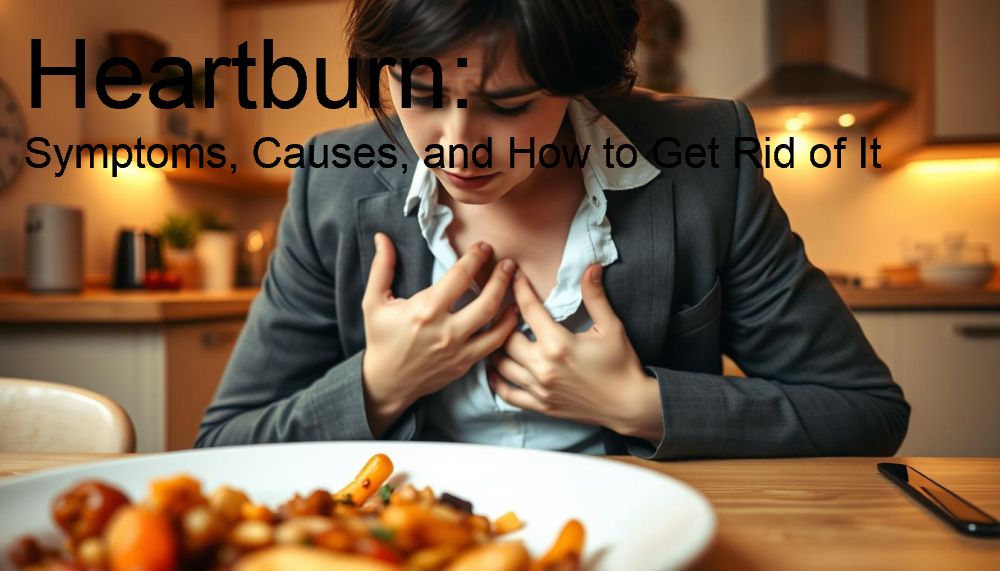
The symptoms of heartburn can vary from person to person but typically include a burning sensation in the chest that may radiate to the throat. Understanding the causes of heartburn, such as certain foods, lifestyle factors, and underlying conditions like GERD, is crucial for finding relief.
Key Takeaways
- Heartburn is caused by stomach acid flowing back into the esophagus.
- Common symptoms include a burning chest sensation that may spread to the throat.
- Certain foods and lifestyle factors can trigger heartburn.
- GERD is a condition associated with frequent heartburn episodes.
- Understanding the causes is key to finding relief from heartburn.
What Is Heartburn?
Heartburn is a widespread issue that involves the reflux of stomach acid into the esophagus. This condition is characterized by a burning sensation in the chest and throat, often occurring after eating or at night. Understanding heartburn starts with recognizing its impact on the esophagus and the role of stomach acid.
The Burning Sensation Explained
The burning sensation associated with heartburn is caused by stomach acid flowing back into the esophagus. This backflow, or acid reflux, irritates the lining of the esophagus, leading to discomfort. The sensation is often described as a burning pain in the chest that may radiate to the throat.
How Heartburn Affects the Esophagus
When stomach acid flows back into the esophagus, it can cause inflammation and irritation. Prolonged exposure to stomach acid can lead to damage to the esophageal lining. The esophagus is not designed to handle the acidity of stomach contents, making it vulnerable to injury from acid reflux.
| Aspect | Normal Esophagus | Esophagus with Heartburn |
|---|---|---|
| Lining Condition | Intact, no irritation | Irritated, inflamed |
| Acid Exposure | Minimal to none | Frequent, leading to damage |
| Symptoms | No burning sensation | Burning pain, discomfort |
Common Symptoms of Heartburn
Understanding the symptoms of heartburn is crucial for managing the condition effectively. Heartburn is characterized by a distinctive set of symptoms that can vary in intensity and frequency.
The Classic Burning Sensation in Your Chest
The most common symptom of heartburn is a burning sensation in the chest, often referred to as pyrosis. This sensation occurs when stomach acid flows back into the esophagus, causing irritation and discomfort. The burning feeling can be intense and may worsen when lying down or bending over.
Additional Symptoms You May Experience
In addition to the classic burning sensation, individuals with heartburn may experience other symptoms. These can include regurgitation of food or sour liquid, difficulty swallowing (dysphagia), and a sensation of a lump in the throat. Some people may also experience coughing or wheezing, particularly at night.
How Long Symptoms Typically Last
The duration of heartburn symptoms can vary significantly from one person to another. For some, symptoms may last only a few minutes, while for others, they can persist for several hours. Factors such as the type of food consumed, the timing of meals, and the effectiveness of any treatments being used can influence the duration of symptoms.
| Symptom | Description | Duration |
|---|---|---|
| Burning Sensation | Irritation in the esophagus due to stomach acid | Several minutes to hours |
| Regurgitation | Food or sour liquid backs up into the throat | Variable, often after eating |
| Difficulty Swallowing | Sensation of food being stuck in the throat | Can be persistent |
Understanding the Causes of Heartburn
To tackle heartburn, it’s essential to understand the mechanisms that trigger this uncomfortable condition. Heartburn is not just a random occurrence; it’s often the result of specific physiological processes gone awry.
The Role of the Lower Esophageal Sphincter
The lower esophageal sphincter (LES) plays a crucial role in preventing heartburn. This ring-like muscle separates the esophagus and stomach, allowing food to pass into the stomach while keeping stomach acid out of the esophagus. When the LES is weakened or relaxes inappropriately, stomach acid can flow back into the esophagus, causing the characteristic burning sensation of heartburn.
How Stomach Acid Affects Your Esophagus
Stomach acid is highly corrosive, designed to break down food in the stomach. However, when this acid comes into contact with the esophagus, it can cause significant irritation and inflammation. The esophagus lacks the protective lining that the stomach has, making it vulnerable to acid damage. This exposure can lead to the pain and discomfort associated with heartburn.
Pressure Changes in the Stomach
Pressure changes within the stomach can also contribute to heartburn. For instance, during pregnancy, the growing fetus can increase abdominal pressure, pushing stomach contents back up into the esophagus. Similarly, being overweight or wearing tight clothing can increase pressure on the stomach, exacerbating heartburn symptoms.
Understanding these causes is the first step in managing heartburn effectively. By recognizing the role of the LES, the impact of stomach acid, and how pressure changes can influence symptoms, individuals can take proactive steps to reduce their heartburn episodes.
Common Triggers That Cause Heartburn
Understanding what triggers heartburn is crucial for managing its symptoms effectively. Heartburn triggers can vary significantly from one individual to another, but there are common factors that many people experience.
Foods and Beverages to Watch Out For
Certain foods and beverages are known to trigger heartburn in many individuals. These include spicy and acidic foods, certain beverages, and eating habits.
Spicy and Acidic Foods
Consuming spicy foods like hot peppers and acidic foods such as citrus fruits and tomatoes can irritate the esophagus, leading to heartburn. It’s advisable to limit or avoid these foods if you experience frequent heartburn.
Beverages That Spell Trouble
Beverages like coffee, tea, and carbonated drinks can relax the lower esophageal sphincter, allowing stomach acid to flow back into the esophagus. Reducing consumption of these beverages can help alleviate heartburn symptoms.
Portion Size and Eating Habits
Eating large meals or lying down after eating can put pressure on the stomach, causing acid to back up into the esophagus. Practicing portion control and avoiding late-night meals can help prevent heartburn.
Lifestyle Factors That Worsen Symptoms
Lifestyle factors play a significant role in triggering heartburn. These include smoking, alcohol consumption, stress levels, and physical activity.
Smoking and Alcohol
Smoking can weaken the lower esophageal sphincter, making it easier for stomach acid to flow into the esophagus. Similarly, alcohol consumption can irritate the esophagus and increase the risk of heartburn. Quitting smoking and limiting alcohol can help reduce heartburn occurrences.
Stress and Sleep Patterns
Stress can exacerbate heartburn symptoms by increasing the production of stomach acid. Practicing stress-reducing techniques, such as meditation or deep breathing, can help. Additionally, improving sleep patterns by elevating the head of the bed and avoiding late meals can reduce nighttime heartburn.
Physical Activity Impact
While regular physical activity is beneficial for overall health, certain exercises can trigger heartburn, especially those that involve bending or heavy lifting. Being mindful of how physical activity affects your heartburn can help you make necessary adjustments.
Risk Factors for Developing Heartburn
Certain medical conditions, medications, and demographic factors can predispose individuals to heartburn. Understanding these risk factors is essential for managing and preventing the condition.
Medical Conditions That Increase Risk
Several medical conditions can increase the risk of developing heartburn. These include gastroesophageal reflux disease (GERD), where the stomach acid frequently flows back into the tube connecting your mouth and stomach (esophagus). Other conditions like diabetes and scleroderma can also affect digestion and increase the risk of heartburn.
Medications That May Trigger Heartburn
Some medications can relax the lower esophageal sphincter or irritate the esophagus, leading to heartburn. These include calcium channel blockers, anticholinergics, and certain antibiotics. It’s essential to discuss your medication regimen with your healthcare provider if you’re experiencing frequent heartburn.
Demographic Factors
Demographic factors such as age, weight, and pregnancy can also play a significant role in the development of heartburn. Older adults are more prone to heartburn due to decreased esophageal function and other age-related changes. Excess weight, particularly around the abdomen, can put pressure on the stomach, causing acid reflux. Pregnancy is another significant risk factor due to hormonal changes and increased pressure on the stomach.
Heartburn vs. Other Digestive Conditions
Understanding the differences between heartburn and other digestive conditions is crucial for proper diagnosis. Heartburn is often confused with other gastrointestinal issues due to similar symptoms, but it has distinct characteristics.
Heartburn vs. GERD: What’s the Difference?
Heartburn and Gastroesophageal Reflux Disease (GERD) are related but distinct conditions. Heartburn is a symptom characterized by a burning sensation in the chest, whereas GERD is a chronic condition where the stomach acid flows back into the esophagus, causing symptoms like heartburn. GERD is a more severe and frequent form of acid reflux.
Heartburn vs. Heart Attack: When to Worry
Heartburn can sometimes be mistaken for a heart attack due to the similarity in symptoms, such as chest pain. However, a heart attack is a serious medical emergency caused by blocked blood flow to the heart. If you experience chest pain with symptoms like shortness of breath, dizziness, or pain radiating to your arm or jaw, seek immediate medical attention.
Other Conditions That Mimic Heartburn
Other digestive conditions can mimic heartburn, including gastritis, peptic ulcers, and esophagitis. These conditions can cause similar burning sensations or discomfort. A proper diagnosis by a healthcare professional is essential to determine the underlying cause of your symptoms.
| Condition | Symptoms | Differences from Heartburn |
|---|---|---|
| GERD | Frequent heartburn, difficulty swallowing | More severe and frequent acid reflux |
| Heart Attack | Chest pain, shortness of breath, dizziness | Serious medical emergency, not related to digestion |
| Gastritis | Stomach pain, nausea, vomiting | Inflammation of the stomach lining, not necessarily related to acid reflux |
How Heartburn Is Diagnosed
Understanding the root cause of heartburn requires a detailed diagnostic process. Diagnosing heartburn involves a comprehensive approach that includes evaluating symptoms, medical history, and sometimes, additional tests.
Initial Evaluation and Medical History
The first step in diagnosing heartburn is an initial evaluation, where a healthcare provider assesses the patient’s symptoms and medical history. This involves discussing the frequency and severity of heartburn episodes, lifestyle factors, and any medications being taken.
Diagnostic Tests and Procedures
If symptoms persist, diagnostic tests may be necessary to rule out other conditions or assess damage to the esophagus. These tests can provide valuable insights into the cause of heartburn.
Endoscopy: Looking Inside Your Esophagus
An endoscopy involves using a flexible tube with a camera to visually examine the esophagus for any abnormalities, such as inflammation or damage.
pH Monitoring and Other Tests
pH monitoring measures the acid levels in the esophagus over a period, usually 24 hours, to determine if there’s abnormal acid exposure. Other tests may include esophageal manometry to assess the function of the esophagus.
When Imaging Studies Are Needed
In some cases, imaging studies like X-rays or a barium swallow test may be required to visualize the upper digestive system and identify any structural issues.
| Diagnostic Test | Purpose |
|---|---|
| Endoscopy | Visual examination of the esophagus |
| pH Monitoring | Measures acid levels in the esophagus |
| Imaging Studies | Visualize the upper digestive system |
As noted by a gastroenterologist, “Accurate diagnosis is key to effective treatment. By understanding the underlying causes of heartburn, we can tailor treatment to the individual’s needs.”
“The diagnosis of heartburn is not just about treating the symptoms; it’s about understanding the underlying condition to provide the best care.”
A renowned gastroenterologist
Over-the-Counter Treatments for Heartburn
When heartburn strikes, many turn to over-the-counter treatments for fast and effective relief. These treatments are designed to neutralize stomach acid, reduce acid production, or protect the esophagus from damage. Understanding the options available can help individuals manage their heartburn symptoms more effectively.
Antacids: How They Work and Options
Antacids are among the most commonly used over-the-counter heartburn treatments. They work by neutralizing stomach acid, providing quick relief from heartburn symptoms. Common antacids include Tums, Rolaids, and Mylanta. These products come in various forms, such as tablets, liquids, or powders, offering flexibility in how they are administered.
Key Benefits: Fast relief, easy to find in stores, and available in various formulations.
H2 Blockers: Benefits and Limitations
H2 blockers, such as ranitidine (Zantac) and famotidine (Pepcid), reduce acid production in the stomach. They are effective for preventing heartburn symptoms when taken before meals or at bedtime. While they are generally well-tolerated, their effectiveness can vary from person to person.
Benefits: Can prevent heartburn before it starts, relatively fast-acting.
Limitations: May not be as effective for severe heartburn, can have varying results among individuals.
Proton Pump Inhibitors (PPIs)
Proton Pump Inhibitors (PPIs), like omeprazole (Prilosec OTC) and lansoprazole (Prevacid), are powerful medications that reduce stomach acid production. They are available over-the-counter and are particularly useful for frequent heartburn sufferers. PPIs are generally taken once daily before a meal.
| Treatment Type | Action | Examples |
|---|---|---|
| Antacids | Neutralize stomach acid | Tums, Rolaids, Mylanta |
| H2 Blockers | Reduce acid production | Zantac, Pepcid |
| Proton Pump Inhibitors (PPIs) | Reduce stomach acid production | Prilosec OTC, Prevacid |
As noted by a gastroenterologist, “The choice of over-the-counter treatment depends on the frequency and severity of heartburn symptoms. For occasional heartburn, antacids or H2 blockers may suffice. However, for frequent heartburn, PPIs are often more effective.”
“For individuals suffering from frequent heartburn, understanding the available treatment options is crucial for effective management.”
— Heartburn Relief Expert
By understanding the different types of over-the-counter treatments available, individuals can better manage their heartburn symptoms and improve their quality of life.
Prescription Medications for Chronic Heartburn
When over-the-counter treatments fail, prescription medications can provide relief from chronic heartburn. For many, these stronger medications are necessary to manage symptoms effectively.
Stronger PPIs and When They’re Needed
Proton Pump Inhibitors (PPIs) are a common prescription medication for chronic heartburn. Stronger PPIs are particularly effective for individuals who have not found relief with over-the-counter versions. These medications work by significantly reducing the amount of acid produced in the stomach, thereby alleviating heartburn symptoms.
According to a study published in the Journal of Clinical Gastroenterology, stronger PPIs can provide significant relief for patients with severe heartburn symptoms.
“PPIs are effective in healing erosive esophagitis and relieving symptoms in patients with gastroesophageal reflux disease (GERD).”
| Medication Type | Primary Use | Notable Benefits |
|---|---|---|
| Stronger PPIs | Severe heartburn, GERD | High efficacy in reducing stomach acid |
| Other Prescription Options | Heartburn not responding to PPIs | Alternative mechanisms of action |
Other Prescription Options
For individuals who do not respond to PPIs or require additional treatment, other prescription options are available. These may include medications that strengthen the lower esophageal sphincter or reduce stomach acid through different mechanisms.
Key considerations when exploring these options include the patient’s medical history, potential side effects, and the specific characteristics of their heartburn.
Effective Home Remedies for Heartburn Relief
Heartburn relief is within reach, thanks to a variety of effective home remedies. These remedies can help alleviate the discomfort and burning sensation associated with heartburn, improving overall quality of life.
Quick Relief Strategies
For immediate relief from heartburn, several strategies can be employed. Standing up or sitting upright can help reduce the burning sensation by preventing stomach acid from flowing back into the esophagus. Additionally, loosening tight clothing around the abdomen can help alleviate pressure on the stomach, thereby reducing symptoms.
- Drink a glass of water to help dilute stomach acid.
- Avoid lying down after eating to prevent acid reflux.
- Try chewing gum to stimulate saliva production, which can help neutralize stomach acid.
Natural Remedies Worth Trying
Nature offers several remedies that can help soothe heartburn. Some of these include:
Ginger and Herbal Options
Ginger has natural anti-inflammatory properties that can help reduce inflammation in the esophagus. Herbal teas like chamomile and licorice root tea can also provide soothing relief.
Baking Soda and Other Kitchen Remedies
Baking soda can neutralize stomach acid when mixed with water, providing quick relief. Other kitchen staples like aloe vera juice can also help soothe the esophagus and reduce heartburn symptoms.
Complementary Approaches
Some people find relief through complementary approaches like acupuncture or meditation, which can help reduce stress, a common trigger for heartburn.
What to Avoid When Seeking Relief
While trying home remedies, it’s essential to avoid certain triggers that can worsen heartburn. These include:
- Spicy or fatty foods that can irritate the esophagus.
- Caffeine and alcohol, which can relax the lower esophageal sphincter.
- Tight clothing that can put pressure on the stomach.
By avoiding these triggers and incorporating effective home remedies, individuals can find significant relief from heartburn.
Lifestyle Changes to Prevent Heartburn
Lifestyle adjustments play a crucial role in managing and preventing heartburn. By incorporating simple changes into your daily routine, you can significantly reduce the occurrence of this uncomfortable condition.
Dietary Modifications That Make a Difference
One of the most effective ways to prevent heartburn is through dietary modifications. Avoiding trigger foods such as citrus fruits, tomatoes, and spicy dishes can help alleviate symptoms. Incorporating more alkaline foods like bananas, melons, and green vegetables into your diet can also provide relief. Keeping a food diary can help identify specific foods that trigger heartburn, allowing you to make informed choices.
Sleep Position and Timing Adjustments
Adjusting your sleep position and timing can also help prevent heartburn. Elevating the head of your bed by 6-8 inches can prevent stomach acid from flowing back into the esophagus. Avoiding late-night meals and waiting at least 2-3 hours after eating before lying down can also reduce symptoms. This allows for proper digestion and reduces pressure on the stomach.
Stress Management Techniques
Stress is a known trigger for heartburn, making stress management techniques an essential part of prevention. Practices such as meditation, yoga, and deep breathing exercises can help reduce stress levels. Regular physical activity also plays a role in managing stress and improving overall digestive health.
By implementing these lifestyle changes, individuals can take proactive steps towards preventing heartburn and improving their overall quality of life.
When to See a Doctor About Heartburn
While occasional heartburn is typically not a cause for concern, frequent or severe episodes may signal a more serious underlying issue that needs to be addressed by a healthcare professional. It’s crucial to understand when to seek medical help to prevent potential complications and alleviate symptoms.
Warning Signs That Require Medical Attention
Certain symptoms accompanying heartburn warrant immediate medical attention. These include:
- Difficulty swallowing or pain while swallowing
- Severe chest pain or pressure that may radiate to the arm, back, or jaw
- Vomiting blood or black tarry stools
- Unintentional weight loss
- Shortness of breath
If you experience any of these warning signs, it’s essential to seek medical care promptly.
What to Expect at Your Appointment
When you visit your doctor for heartburn, you can expect a thorough evaluation. This may include:
| Evaluation Component | Description |
|---|---|
| Medical History | Your doctor will ask about your symptoms, including when they occur, how long they last, and any factors that seem to trigger or relieve them. |
| Physical Examination | A physical exam may be performed to look for signs of underlying conditions that could be contributing to your heartburn. |
| Diagnostic Tests | Depending on your symptoms and medical history, your doctor may order tests such as an upper endoscopy or ambulatory acid probe to assess the extent of any esophageal damage or acid reflux. |
Being prepared for your appointment by noting your symptoms and any questions you have can help ensure a productive discussion with your healthcare provider.
Potential Complications of Untreated Heartburn
If left untreated, heartburn can lead to serious complications that affect not just the esophagus but overall health. Chronic heartburn can cause significant damage to the esophagus and surrounding areas, leading to conditions that may require medical intervention.
Esophagitis and Esophageal Damage
One of the most common complications of untreated heartburn is esophagitis, an inflammation of the esophagus that can lead to pain and difficulty swallowing. Prolonged exposure to stomach acid can damage the lining of the esophagus, potentially causing ulcers and narrowing of the esophagus.
| Condition | Description | Symptoms |
|---|---|---|
| Esophagitis | Inflammation of the esophagus | Pain, difficulty swallowing |
| Esophageal Ulcers | Open sores in the esophagus | Pain, bleeding |
| Esophageal Stricture | Narrowing of the esophagus | Difficulty swallowing |
Barrett’s Esophagus and Cancer Risk
Long-standing heartburn can lead to Barrett’s esophagus, a condition where the esophageal lining changes, potentially increasing the risk of esophageal cancer. Regular monitoring is crucial for individuals with this condition to detect any precancerous changes early.
“Barrett’s esophagus is a serious complication of chronic GERD, and it’s a precursor to esophageal adenocarcinoma.” –
American Gastroenterological Association
Impact on Quality of Life
Untreated heartburn can significantly impact an individual’s quality of life, affecting daily activities, sleep, and overall well-being. The discomfort and pain associated with heartburn can lead to anxiety and stress, further exacerbating the condition.
Latest Research and Advances in Heartburn Treatment
The landscape of heartburn treatment is evolving, with cutting-edge research paving the way for innovative therapies. Recent advancements are not only improving symptom management but also addressing the underlying causes of heartburn, offering new hope to those affected.
New Medications on the Horizon
Researchers are developing new medications that target specific pathways involved in heartburn. For instance, potassium-competitive acid blockers (P-CABs) are showing promise as they can provide faster and more sustained acid suppression compared to traditional proton pump inhibitors (PPIs). These new drugs may offer relief to patients who do not respond well to existing treatments.
Surgical and Endoscopic Innovations
In addition to pharmaceutical advancements, surgical and endoscopic procedures are becoming more refined. Techniques such as transoral incisionless fundoplication (TIF) are gaining traction as they offer a less invasive alternative to traditional surgery. These innovations aim to strengthen the lower esophageal sphincter, reducing the frequency of heartburn episodes.
Emerging Understanding of Gut Health
The role of gut health in heartburn is an area of growing interest. Studies suggest that the gut microbiome plays a crucial part in digestive health, and alterations in its composition may contribute to heartburn symptoms. Research into probiotics and prebiotics is ongoing, with early findings indicating potential benefits in managing heartburn by promoting a balanced gut microbiome.
As research continues to uncover the complexities of heartburn, treatment options are becoming more diverse and effective. Staying informed about these advances can help individuals make better decisions about their care.
Conclusion: Living Well Despite Heartburn
Living with heartburn can be challenging, but with the right strategies, it’s possible to manage symptoms and improve quality of life. By understanding the causes of heartburn, identifying common triggers, and making lifestyle changes, individuals can reduce the frequency and severity of episodes.
Effective heartburn management involves a combination of dietary modifications, stress management techniques, and, when necessary, medication. By adopting a healthy lifestyle and being mindful of the foods and beverages consumed, individuals can minimize heartburn symptoms and enjoy a better quality of life.
For those experiencing persistent or severe heartburn, seeking medical attention is crucial. A healthcare professional can provide personalized guidance and treatment options to help alleviate symptoms and prevent potential complications. By taking proactive steps, individuals can successfully manage heartburn and maintain overall well-being.
FAQ
What is heartburn?
Heartburn is a burning sensation in the chest that occurs when stomach acid flows back into the esophagus, causing discomfort and pain.
What are the symptoms of heartburn?
Common symptoms of heartburn include a burning sensation in the chest, regurgitation of food or sour liquid, difficulty swallowing, and chest pain.
What causes heartburn?
Heartburn is caused by the reflux of stomach acid into the esophagus, which can be triggered by factors such as eating spicy or fatty foods, lying down after eating, and being overweight.
How is heartburn diagnosed?
Heartburn is typically diagnosed based on symptoms and medical history, and may involve diagnostic tests such as endoscopy or pH monitoring to rule out other conditions.
What are the treatment options for heartburn?
Treatment options for heartburn include lifestyle changes, over-the-counter medications such as antacids and H2 blockers, and prescription medications such as proton pump inhibitors (PPIs).
Can heartburn be a sign of a more serious condition?
Yes, frequent or severe heartburn can be a symptom of gastroesophageal reflux disease (GERD), which can increase the risk of complications such as esophagitis and Barrett’s esophagus.
How can I prevent heartburn?
Preventing heartburn involves making lifestyle changes such as eating smaller meals, avoiding trigger foods, losing weight if overweight, and elevating the head of your bed.
Are there any natural remedies for heartburn?
Yes, some natural remedies that may help alleviate heartburn symptoms include ginger, baking soda, and herbal teas, although it’s essential to consult with a healthcare professional before trying any new remedies.
When should I see a doctor about heartburn?
You should see a doctor if you experience frequent or severe heartburn, difficulty swallowing, or if your symptoms persist or worsen over time.
Can heartburn affect my quality of life?
Yes, frequent or severe heartburn can significantly impact your quality of life, affecting your ability to eat, sleep, and engage in daily activities.