Achieving a healthy weight is a journey that requires dedication, the right strategy, and a bit of knowledge. In today’s fast-paced world, finding the time and resources to lose weight effectively can be challenging.

However, with the right tips and a commitment to a balanced diet, you can start your journey towards a healthier you. This article will guide you through practical advice on losing weight sustainably.
Key Takeaways
- Understand the importance of a balanced diet in weight management.
- Learn effective strategies for sustainable weight loss.
- Discover how to maintain motivation throughout your journey.
- Explore the role of nutrition in achieving a healthy weight.
- Find out how to create a personalized weight loss plan.
The Science Behind Successful Weight Loss
Weight loss is a complex process, but it boils down to a few simple yet crucial concepts. At its core, weight loss is about creating a balance between the calories consumed and the calories expended by the body.
Calories In vs. Calories Out: The Fundamental Principle
The principle of “calories in vs. calories out” is fundamental to understanding weight loss. When you consume more calories than your body needs, the excess is stored as fat, leading to weight gain. Conversely, when you burn more calories than you consume, your body uses stored fat for energy, resulting in weight loss.
Metabolic Factors That Influence Your Results
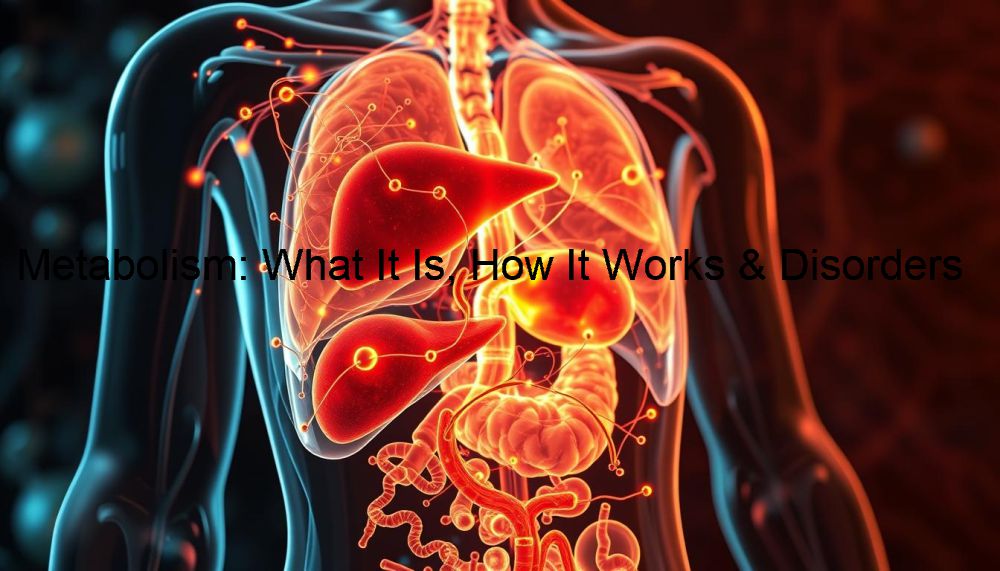
Metabolism plays a significant role in weight loss. Your metabolic rate determines how many calories your body burns at rest. Factors such as age, gender, genetics, and muscle mass can influence your metabolic rate. For instance, individuals with more muscle mass tend to have a higher metabolic rate.
| Factor | Effect on Metabolism |
|---|---|
| Age | Metabolic rate decreases with age |
| Muscle Mass | Increases metabolic rate |
| Genetics | Can influence metabolic rate |
Why Quick-Fix and Fad Diets Often Fail
Quick-fix and fad diets often promise rapid weight loss but fail to provide sustainable results. These diets usually restrict certain food groups or severely limit calorie intake, leading to nutrient deficiencies and decreased metabolism. Once the diet ends, weight often returns.
Understanding the science behind weight loss helps in adopting a more sustainable approach to achieving and maintaining a healthy weight. By focusing on balanced eating and regular physical activity, individuals can achieve long-term weight loss success.
Setting Realistic and Achievable Weight Loss Goals
Setting achievable weight loss goals is the first step towards a sustainable lifestyle change. This foundational step ensures that you’re not only motivated but also on the right track to maintaining your weight loss over time.
Determining Your Healthy Weight Range
Understanding your healthy weight range is crucial. It involves considering factors like age, height, body composition, and overall health. A commonly used measurement is the Body Mass Index (BMI), though it’s not perfect, it provides a good starting point. For a more personalized range, consulting with a healthcare professional can offer insights tailored to your specific needs.
Table: Healthy Weight Range Based on BMI
| BMI Category | BMI Range | Weight Status |
|---|---|---|
| Underweight | Less than 18.5 | Underweight |
| Normal | 18.5 – 24.9 | Normal weight |
| Overweight | 25 – 29.9 | Overweight |
| Obese | 30 or greater | Obese |
Creating SMART Weight Loss Objectives
SMART (Specific, Measurable, Achievable, Relevant, Time-bound) goals are a proven strategy for success. By making your weight loss goals SMART, you ensure they’re clear and attainable.
Short-Term Goals for Immediate Motivation
Short-term goals provide immediate motivation. Examples include losing a certain amount of weight in a few weeks or completing a set number of workouts per week. These goals help keep you engaged and motivated throughout your weight loss journey.
Long-Term Goals for Lasting Success
Long-term goals are about sustaining your weight loss over time. They might include maintaining a certain weight loss for several months or adopting a long-term exercise routine. These goals are crucial for ensuring that your weight loss is not just a temporary change but a lasting lifestyle adjustment.
“The key is not to prioritize what’s on your plate but to plate what’s on your priority list.” –
Tracking Progress Beyond the Scale
While the scale is a common measure of weight loss, it’s not the only indicator. Tracking progress through other means, such as body measurements, progress photos, or how your clothes fit, can provide a more comprehensive view of your success.
By setting realistic goals, determining your healthy weight range, creating SMART objectives, and tracking your progress in various ways, you set yourself up for success in your weight loss journey.
Nutrition Fundamentals for Effective Weight Loss
A well-balanced diet is the cornerstone of any successful weight loss strategy. To achieve your weight loss goals, it’s crucial to understand the nutritional fundamentals that drive your body’s processes.
Calculating Your Daily Caloric Needs
Understanding your daily caloric needs is the first step towards a successful weight loss journey. Your daily caloric needs depend on several factors, including age, gender, weight, height, and activity level. Using a calorie calculator can help you determine your specific needs.
| Activity Level | Daily Caloric Needs (Sedentary) | Daily Caloric Needs (Active) |
|---|---|---|
| Men | 2,000-2,400 calories | 2,400-3,000 calories |
| Women | 1,600-2,000 calories | 2,000-2,400 calories |
Finding Your Ideal Macronutrient Balance
Macronutrients, including carbohydrates, proteins, and fats, are essential for energy and overall health. Finding the right balance is key to supporting your weight loss goals. A general guideline is to allocate 45-65% of your calories to carbohydrates, 15-20% to proteins, and 20-35% to fats.
Essential Micronutrients for Weight Management
Micronutrients, such as vitamins and minerals, play a significant role in weight management. They support metabolic functions and overall health.
Vitamins That Support Metabolism
Vitamins B12, D, and others are crucial for metabolic health. Vitamin B12 is particularly important for energy production and nerve function.
Minerals That Aid Weight Control
Minerals like calcium, iron, and magnesium are vital for various bodily functions, including muscle function and metabolism. Calcium, for instance, supports fat burning and muscle function.
By understanding and applying these nutritional fundamentals, you can create a diet plan that supports your weight loss goals effectively.
Creating a Sustainable Meal Plan You Can Follow
Creating a sustainable meal plan involves more than just cutting calories; it’s about adopting a balanced eating habit that nourishes your body and supports your overall health goals.
Practical Portion Control Strategies
Effective portion control is crucial for maintaining a healthy diet. One strategy is to use smaller plates to reduce the amount of food you consume. Additionally, measuring your food with a scale or measuring cups can help you gauge your portions accurately.
- Use smaller plates to reduce food intake.
- Measure food with a scale or measuring cups.
- Avoid eating directly from the package.
Meal Timing and Frequency Considerations
When it comes to meal timing, consistency is key. Eating at regular intervals can help regulate your metabolism and prevent overeating. Consider spacing your meals to maintain energy levels throughout the day.
Meal Prep Tips for Busy Lifestyles
Meal preparation is a lifesaver for those with busy schedules. By preparing meals in advance, you can save time and ensure that you’re eating healthy, balanced meals.
Time-Saving Preparation Techniques
To make meal prep efficient, focus on simple recipes that can be prepared in bulk. Techniques like batch cooking and slow cooker recipes can be very helpful.
Budget-Friendly Meal Planning
Meal planning doesn’t have to break the bank. Planning your meals around seasonal produce and buying in bulk can significantly reduce costs. Additionally, using leftovers creatively can minimize food waste.
Power Foods That Accelerate Weight Loss
Certain foods have been shown to accelerate weight loss by boosting metabolism and satiety. Incorporating these power foods into your diet can make a significant difference in your weight loss journey.
High-Protein Options to Increase Satiety
High-protein foods are known to increase satiety, helping you feel fuller for longer. Examples include lean meats like chicken and turkey, fish such as salmon, and plant-based options like lentils and chickpeas. Incorporating these foods into your meals can help reduce overall calorie intake.
- Lean meats (chicken, turkey)
- Fish (salmon)
- Legumes (lentils, chickpeas)
Fiber-Rich Foods That Keep You Full Longer
Fiber-rich foods are another crucial component of a weight loss diet. They help keep you full and support healthy digestion. Foods high in fiber include whole grains, fruits, and vegetables.
- Whole grains (oats, quinoa)
- Fruits (apples, berries)
- Vegetables (broccoli, carrots)
Healthy Fats and Their Role in Weight Management
Healthy fats play a vital role in weight management by providing sustained energy and supporting the absorption of essential vitamins. Sources of healthy fats include nuts, seeds, avocados, and olive oil.
- Nuts and seeds (almonds, chia seeds)
- Avocados
- Olive oil
Fruits and Vegetables for Essential Nutrition
Fruits and vegetables are packed with essential vitamins, minerals, and antioxidants that support overall health and weight loss. They are also low in calories and high in fiber, making them very filling.
- Fruits (berries, citrus fruits)
- Vegetables (leafy greens, bell peppers)
By incorporating these power foods into your diet, you can enhance your weight loss efforts and achieve a healthier, more balanced lifestyle.
Foods to Limit or Avoid on Your Weight Loss Journey
Understanding which foods to limit or avoid is a key component of a successful weight loss strategy. Certain foods can hinder your progress, making it more challenging to achieve your weight loss goals.
Hidden Sugars and Their Impact on Cravings
Consuming high amounts of hidden sugars can lead to increased cravings for unhealthy foods. Many processed foods contain added sugars that can be detrimental to your weight loss efforts. Being aware of these hidden sugars is crucial to making informed dietary choices.
Processed Foods and the Weight Gain Connection
Processed foods are often high in unhealthy fats, salts, and sugars, making them a significant contributor to weight gain. Limiting your intake of processed foods can help you maintain a healthier diet and support your weight loss journey.
Sugary Beverages and Empty Calories
Sugary beverages like soda and sports drinks are high in empty calories and can greatly impact your weight loss progress. These beverages provide no nutritional value while contributing to weight gain.
Healthier Alternatives to Common Cravings
Finding healthier alternatives to your favorite treats can help you stay on track with your weight loss goals. For example, choosing fruit or dark chocolate instead of sugary snacks can satisfy your cravings while providing nutritional benefits.
| Unhealthy Food | Healthier Alternative | Benefits |
|---|---|---|
| Sugary Soda | Infused Water | Zero Calories, Hydrating |
| Processed Snacks | Raw Vegetables with Hummus | High in Fiber, Nutritious |
| Sugary Cereals | Oatmeal with Fresh Fruits | High in Fiber, Sustained Energy |
By being mindful of the foods you consume and making informed choices, you can significantly enhance your weight loss journey. Limiting or avoiding certain foods and opting for healthier alternatives can lead to a more successful and sustainable weight loss experience.
The Essential Role of Physical Activity in Weight Loss
Regular physical activity is a cornerstone of successful weight loss, enhancing both physical and mental health. It’s not just about the number on the scale; physical activity helps build muscle, increase metabolism, and improve overall well-being.
Cardio vs. Strength Training: What’s More Effective?
Both cardio and strength training have their unique benefits when it comes to weight loss. Cardio exercises, such as running, cycling, or swimming, are excellent for burning calories during the activity. On the other hand, strength training builds muscle mass, which can increase your resting metabolic rate, helping you burn more calories at rest.
A well-rounded exercise routine should include a mix of both cardio and strength training. This combination not only aids in weight loss but also improves cardiovascular health and muscle strength.
How Many Calories Different Activities Burn
The number of calories burned during physical activity depends on several factors, including the type of exercise, intensity, and duration. For example, high-intensity activities like HIIT (High-Intensity Interval Training) can burn a significant number of calories in a short amount of time.
- Running at a moderate pace can burn approximately 600 calories per hour.
- Swimming laps can burn around 450 calories per hour.
- Cycling at a moderate pace can burn about 400 calories per hour.
Understanding the caloric expenditure of different activities can help you plan your exercise routine more effectively.
Creating an Exercise Routine You’ll Actually Stick To
Consistency is key when it comes to physical activity. To create a routine that you can stick to, consider your schedule, preferences, and fitness goals. It’s essential to start slowly and gradually increase the intensity and duration of your workouts.
Finding activities you enjoy, whether it’s team sports, solo workouts, or group fitness classes, can make exercising feel less like a chore. Variety is also crucial to prevent boredom and plateaus.
Becoming More Physically Active in Daily Life
Incorporating more physical activity into your daily routine doesn’t have to be daunting. Simple changes, such as taking the stairs instead of the elevator, walking to work, or doing household chores, can contribute to your overall activity level.
Additionally, consider active commuting, such as biking or walking to work, and taking regular breaks to stretch or move around if you have a desk job.
Overcoming Common Weight Loss Plateaus
Weight loss plateaus are a normal part of the journey, but there are strategies to overcome them. When you’ve been diligently following a weight loss plan and suddenly find that the numbers on the scale aren’t moving, it’s not just frustrating – it’s a signal that something needs to change.
Why Plateaus Happen and What They Mean
A weight loss plateau occurs when your body gets used to your current diet and exercise routine, leading to a halt in weight loss progress. This can happen due to a variety of factors, including metabolic adaptation, where your body becomes more efficient at using energy, or changes in body composition, such as increased muscle mass.
Strategies to Break Through Stalled Progress
To overcome a plateau, consider adjusting your calorie intake or changing your exercise routine. Increasing the intensity or duration of your workouts can help stimulate further weight loss. Additionally, revisiting your nutrition plan to ensure you’re meeting your dietary needs without overconsumption can be beneficial.
When to Reassess Your Approach
If you’ve been stuck on a plateau for an extended period, it might be time to reassess your overall strategy. This includes evaluating your diet, physical activity, sleep, and stress levels. Sometimes, a simple adjustment, like increasing your water intake or getting more sleep, can make a significant difference.
How to Get Back on Track After Setbacks
Setbacks are a part of the weight loss journey, but getting back on track is crucial. Don’t be too hard on yourself; instead, focus on what you can do differently moving forward. Recommitting to your goals and making a plan to avoid similar setbacks in the future can help you stay on course.
The Mind-Body Connection in Weight Management
Achieving and maintaining a healthy weight involves more than just physical changes; it requires a harmonious mind-body connection. The intricate relationship between our mental state and physical health plays a significant role in weight loss and overall well-being.
Managing Stress to Support Weight Control
Stress is a significant obstacle to weight loss. When we’re stressed, our body releases cortisol, a hormone that can increase appetite and lead to fat storage around the abdominal area. Managing stress is crucial for weight control. Techniques such as meditation, yoga, and deep breathing exercises can help mitigate the effects of stress.
Mindful Eating Practices for Portion Awareness
Mindful eating involves paying full attention to the experience of eating and drinking. It’s about noticing the colors, smells, textures, and flavors of your food, as well as the sensations of hunger and fullness. Mindful eating practices can help develop a healthier relationship with food and improve portion control.
Addressing Emotional Eating Patterns
Emotional eating is the practice of consuming food in response to emotional states rather than hunger. It’s a common challenge for many individuals trying to lose weight. Addressing emotional eating patterns involves understanding the underlying emotional triggers.
Identifying Your Emotional Triggers
The first step in overcoming emotional eating is to identify your emotional triggers. These could be stress, boredom, sadness, or even happiness. Keeping a food diary can help you track your eating habits and identify patterns.
Healthy Alternatives When You Turn to Food for Comfort
Once you’re aware of your emotional triggers, you can start finding healthier alternatives to food for comfort. This could include activities like going for a walk, practicing yoga, or engaging in a hobby. Finding healthy alternatives can significantly reduce the tendency to turn to food for emotional comfort.
By understanding and addressing the mind-body connection, individuals can develop more effective and sustainable weight management strategies. It’s about creating a balance between physical health and mental well-being.
Sleep Quality and Its Crucial Impact on Weight Loss
Sleep quality is a critical, yet often overlooked, factor in successful weight loss. While diet and exercise are widely recognized as key components of a weight loss regimen, the role of sleep is equally important but less frequently discussed.
Poor sleep quality can significantly affect weight loss efforts. One of the primary ways it does this is through its impact on hunger hormones.
How Poor Sleep Affects Hunger Hormones
Sleep deprivation can lead to an imbalance in hunger hormones, increasing levels of ghrelin (the “hunger hormone”) and decreasing levels of leptin (the “fullness hormone”). This imbalance can result in increased appetite and calorie intake.
Optimal Sleep Duration for Weight Management
Most adults need 7-9 hours of sleep per night for optimal health, including weight management. Sleeping less than 7 hours per night can negatively affect weight loss efforts.
Practical Tips for Improving Sleep Quality
To improve sleep quality, establish a consistent sleep schedule, create a restful sleep environment, and avoid caffeine and electronics before bedtime. These practices can enhance sleep quality and support weight loss.
By prioritizing sleep and implementing strategies to improve sleep quality, individuals can better support their weight loss goals.
Building a Support System for Long-Term Weight Loss Success
Long-term weight loss success often hinges on the support system you build around yourself. Having people or tools that keep you motivated and accountable can significantly impact your journey. A support system can come in various forms, from family and friends to professional guidance and technology.
Finding Accountability Partners to Keep You Motivated
Finding someone who understands your weight loss goals can be incredibly motivating. Accountability partners can be friends, family members, or colleagues who share similar objectives. They can provide encouragement, share tips, and help you stay on track. “Surround yourself with people who support your goals, and you’ll be more likely to achieve them,” as the saying goes.
When to Consider Professional Guidance
While friends and family can offer support, there are times when professional guidance is necessary. Professionals can provide personalized advice and plans tailored to your needs.
Working with a Registered Dietitian
A registered dietitian can help you create a meal plan that suits your dietary needs and weight loss goals. They can offer expert advice on nutrition and help you develop healthy eating habits.
The Benefits of Personal Trainers
Personal trainers can design an exercise routine that fits your lifestyle and goals. They provide motivation and ensure you’re performing exercises correctly, reducing the risk of injury.
Utilizing Apps and Technology for Support
In today’s digital age, numerous apps and technologies can support your weight loss journey. From calorie tracking apps to wearable fitness devices, technology can help monitor your progress and stay motivated. “Technology is a powerful tool, but it’s only as effective as the person using it,” emphasizes the importance of choosing the right tools.
By leveraging these different forms of support, you can create a robust system that helps you achieve and maintain your weight loss goals.
Sustainable Weight Loss: Making Lifestyle Changes That Last
Sustainable weight loss is about making gradual, sustainable lifestyle changes that promote overall health and well-being. It’s not just about shedding pounds quickly, but about adopting habits that can be maintained over time.
Moving Beyond the Diet Mentality
The traditional diet mentality often leads to a cycle of weight loss and regain. To break this cycle, it’s essential to shift focus from short-term diets to long-term healthy eating habits. This involves understanding that certain foods can either support or hinder your weight loss efforts.
Incorporating Healthy Habits Gradually
Rather than making drastic changes that are hard to maintain, it’s more effective to incorporate healthy habits gradually. Start with small, achievable steps, such as increasing your water intake or adding a daily walk to your routine. As these habits become ingrained, you can continue to build upon them.
Maintaining Motivation for the Long Term
Maintaining motivation is crucial for long-term success. Setting realistic goals and celebrating small achievements along the way can help keep you motivated. It’s also important to find a support system, whether it’s friends, family, or a weight loss community.
How to Make Healthy Choices Fit Into Your Life
Making healthy choices doesn’t have to be complicated or time-consuming. Simple changes, such as planning your meals in advance or keeping healthy snacks on hand, can make a significant difference. The key is to find a balance that works for you and your lifestyle.
By focusing on sustainable lifestyle changes and healthy habits, you can achieve weight loss that lasts. It’s about creating a healthier, more balanced you.
Common Weight Loss Myths and Misconceptions Debunked
Separating fact from fiction is crucial in the realm of weight loss, where numerous myths and misconceptions prevail. Many individuals embark on their weight loss journey armed with misinformation, which can significantly hinder their progress.
Separating Scientific Fact from Popular Fiction
One of the most pervasive myths is that certain foods or supplements can magically burn fat. However, scientific evidence suggests that a balanced diet combined with regular exercise is the most effective approach to weight loss. It’s essential to rely on credible sources and consult with healthcare professionals before adopting any weight loss strategy.
Dangerous Weight Loss Trends to Avoid
Fad diets and extreme calorie restriction are among the dangerous trends that can have adverse health consequences. These methods often lead to nutrient deficiencies and can negatively impact mental health. Instead, focusing on sustainable lifestyle changes is key to long-term weight loss success.
Evidence-Based Approaches That Actually Work
| Approach | Description | Benefits |
|---|---|---|
| Balanced Diet | Eating a variety of nutrient-rich foods | Provides essential vitamins and minerals, supports overall health |
| Regular Exercise | Engaging in physical activity regularly | Burns calories, improves cardiovascular health, enhances mental well-being |
| Mindful Eating | Paying attention to hunger and fullness cues | Reduces overeating, promotes a healthier relationship with food |
By understanding the facts and avoiding common misconceptions, individuals can adopt effective weight loss strategies that promote lasting results.
Special Weight Loss Considerations for Different Life Stages
Different life stages bring distinct weight loss considerations that must be addressed. As people age, their metabolic rate slows, and their body composition changes, making weight loss more challenging.
Weight Management During Hormonal Changes
Hormonal fluctuations during menopause or pregnancy can significantly impact weight loss efforts. For instance, decreased estrogen levels during menopause can lead to increased fat storage around the abdomen. Understanding these changes is crucial for developing effective weight loss strategies.
Adapting Strategies as You Age
As individuals age, their lifestyle and physiological needs change. For example, older adults may need to adjust their diet to accommodate decreased muscle mass and metabolic rate. Incorporating more protein and engaging in resistance training can be beneficial.
Health Conditions That May Affect Weight Loss
Certain health conditions, such as type 2 diabetes and thyroid issues, can complicate weight loss efforts. It’s essential to manage these conditions effectively to achieve weight loss goals.
Weight Loss with Type 2 Diabetes
Managing type 2 diabetes requires careful consideration of diet and exercise. Monitoring carbohydrate intake and engaging in regular physical activity can help regulate blood sugar levels and support weight loss.
Managing Weight with Thyroid Issues
Thyroid disorders can affect metabolism, making it harder to lose weight. Working with a healthcare provider to manage thyroid hormone levels and adopting a tailored diet and exercise plan can help.
| Life Stage | Common Challenges | Effective Strategies |
|---|---|---|
| Menopause | Hormonal changes, increased abdominal fat | Dietary adjustments, strength training |
| Older Adults | Decreased muscle mass, slower metabolism | Increased protein intake, resistance exercises |
| Type 2 Diabetes | Insulin resistance, blood sugar management | Carbohydrate monitoring, regular physical activity |
Conclusion: Embracing Your Personal Path to Weight Loss Success
Achieving weight loss success is a personal journey, unique to each individual. By understanding the science behind weight loss, setting realistic goals, and focusing on sustainable lifestyle changes, you can unlock your full potential. Nutrition fundamentals, physical activity, and a supportive environment all play crucial roles in this journey.
Embracing weight loss requires patience, persistence, and self-compassion. It’s about finding a personal path that works for you, not just following a generic plan. By incorporating healthy habits into your daily life, you’ll be better equipped to maintain your weight loss over time.
Your personal path to weight loss success is not about perfection; it’s about progress. By staying committed to your goals and being kind to yourself along the way, you’ll be more likely to achieve lasting results. Start your journey today, and discover a healthier, happier you.
FAQ
What is a healthy rate of weight loss?
Aiming to lose 1 to 2 pounds per week is considered a healthy and sustainable rate of weight loss, as recommended by the American Heart Association.
How can I create a calorie deficit to lose weight?
To create a calorie deficit, you can eat fewer calories, increase your physical activity, or combine both methods. Aiming for a daily deficit of 500 to 1000 calories can help you lose weight at a safe and sustainable rate.
What role does physical activity play in weight loss?
Regular physical activity not only burns calories but also helps build muscle mass, which can further boost your metabolism. Aim for at least 150 minutes of moderate-intensity exercise or 75 minutes of vigorous-intensity exercise per week.
Are fad diets effective for weight loss?
Fad diets often promise quick fixes but are typically unsustainable and may not provide long-term weight loss results. Focus on making healthy lifestyle changes, such as eating a balanced diet and increasing physical activity, for more effective and lasting weight loss.
How can I maintain weight loss over time?
To maintain weight loss, continue to focus on healthy eating habits and regular physical activity. Regularly tracking your progress, setting new goals, and seeking support from friends, family, or a registered dietitian can also help.
What are some common obstacles to weight loss, and how can I overcome them?
Common obstacles to weight loss include emotional eating, lack of motivation, and plateaus. Strategies to overcome these challenges include practicing mindful eating, finding healthy ways to cope with emotions, and seeking support from a healthcare professional or a registered dietitian.
Can certain health conditions affect my ability to lose weight?
Certain health conditions, such as type 2 diabetes, thyroid issues, or hormonal imbalances, can impact weight loss. Consult with your healthcare provider to develop a personalized weight loss plan that takes into account your specific health needs.
How can I get back on track with my weight loss plan after a setback?
Don’t be too hard on yourself after a setback. Instead, identify the trigger that led to the setback and develop a plan to avoid it in the future. Get back on track by refocusing on your healthy eating habits and physical activity routine.
What are some healthy alternatives to sugary beverages?
Try drinking water, unsweetened tea, or coffee instead of sugary beverages like soda or sports drinks. You can also infuse water with fruits or herbs for added flavor without the added sugar.
How can I make healthy eating more convenient?
Meal prep, plan your meals in advance, and keep healthy snacks on hand to make healthy eating more convenient. You can also prep healthy meals in bulk and freeze them for later use.