Embarking on a Mediterranean diet can be a transformative experience for those looking to adopt a healthier lifestyle. This dietary approach, rich in whole grains and healthy fats, such as those found in olive oil, has been celebrated for its numerous health benefits.
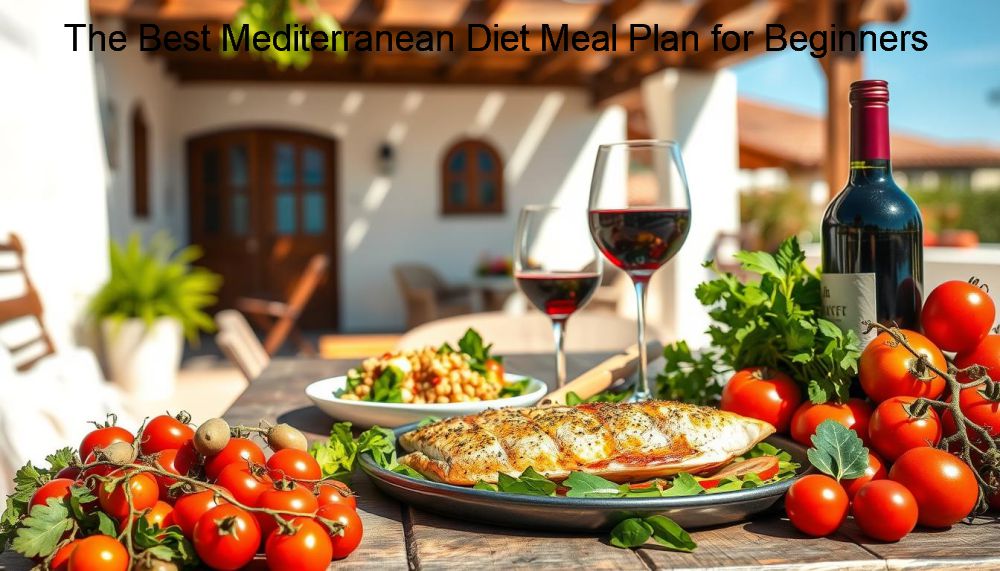
For beginners, creating a meal plan is a great first step. It not only simplifies the process of adopting this new diet but also ensures that you’re getting the most out of its health-promoting components. A well-structured meal plan can help in exploring the variety of foods that the Mediterranean diet has to offer.
Key Takeaways
- Focus on whole grains and healthy fats.
- Incorporate olive oil into your daily meals.
- Start with a simple meal plan to ease into the diet.
- Explore a variety of Mediterranean diet-friendly foods.
- Consult resources or a professional for a personalized meal plan.
What Is The Mediterranean Diet?
With its roots in the traditional dietary patterns of countries bordering the Mediterranean Sea, the Mediterranean diet is more than just a diet – it’s a lifestyle. This eating pattern has been followed for centuries in countries such as Greece, Italy, and Spain, and has gained worldwide recognition for its numerous health benefits.
Origins and Cultural Background
The Mediterranean diet is deeply rooted in the cultural and historical context of the Mediterranean region. It reflects the traditional foods and culinary practices of countries like Greece, Italy, and Spain.
Traditional Foods of Mediterranean Countries
Traditional Mediterranean foods include a variety of fruits, vegetables, whole grains, and healthy fats, such as those found in olive oil. Fresh produce is a staple, with meals often centered around seasonal ingredients. As noted by a renowned nutritionist, “The Mediterranean diet is not just about food; it’s about the culture and the way people eat together.”
Historical Development and Modern Adaptations
Over time, the Mediterranean diet has evolved, influenced by various cultural and economic factors. Modern adaptations have made it more accessible and flexible, while still maintaining its core principles. Flexibility is key to successfully adopting this dietary pattern.
Core Principles and Philosophy
At its core, the Mediterranean diet emphasizes whole foods and a balanced approach to eating. It’s not just about the food; it’s also about the lifestyle components that accompany it.
Focus on Whole Foods
The diet prioritizes whole, unprocessed foods, including fruits, vegetables, whole grains, and lean proteins.
“The emphasis on whole foods is what makes the Mediterranean diet so nutritious and sustainable,”
says a leading health expert.
Lifestyle Components Beyond Food
Beyond the food itself, the Mediterranean diet encompasses a broader lifestyle that includes regular physical activity, social eating, and a relaxed approach to meals.
This holistic approach is what sets the Mediterranean diet apart and contributes to its numerous health benefits.
Health Benefits of the Mediterranean Diet
The Mediterranean diet has been extensively studied for its various health benefits, ranging from heart health to weight management. This dietary pattern has been associated with numerous positive outcomes, making it a highly recommended choice for overall well-being.
Heart Health and Cardiovascular Benefits
The Mediterranean diet is particularly noted for its heart health benefits. By emphasizing foods rich in healthy fats, such as olive oil, and omega-3 fatty acids from fish, it helps to support cardiovascular health.
Impact on Blood Pressure and Cholesterol
Studies have shown that adhering to a Mediterranean diet can lead to improvements in blood pressure and cholesterol levels. The diet’s focus on whole grains, fruits, and vegetables contributes to these positive effects.
Research on Heart Disease Prevention
Research has consistently demonstrated that the Mediterranean diet is associated with a reduced risk of heart disease. A notable study published in the New England Journal of Medicine found that participants following a Mediterranean diet supplemented with extra virgin olive oil or nuts had a lower risk of cardiovascular events compared to those on a control diet.
Weight Management
In addition to its cardiovascular benefits, the Mediterranean diet is also effective for weight management. The diet’s emphasis on whole, nutrient-dense foods helps individuals maintain a healthy weight, reducing the risk of obesity-related health issues.
Diabetes Prevention and Management
The Mediterranean diet has been shown to be beneficial for diabetes prevention and management. By focusing on whole grains, fruits, and vegetables, and healthy fats, the diet helps regulate blood sugar levels and improve insulin sensitivity.
Reduced Inflammation and Other Benefits
Beyond its cardiovascular and metabolic benefits, the Mediterranean diet is also associated with reduced inflammation and other health advantages.
Brain Health and Cognitive Function
Emerging research suggests that the Mediterranean diet may support brain health and cognitive function. The diet’s anti-inflammatory properties and high levels of antioxidants may contribute to a reduced risk of cognitive decline.
Longevity and Quality of Life
Adhering to a Mediterranean diet has been linked to longevity and improved quality of life. By reducing the risk of chronic diseases and supporting overall health, this dietary pattern can enhance an individual’s overall well-being and life expectancy.
The Mediterranean Diet: Key Components and Food List
At its core, the Mediterranean diet is about embracing a lifestyle that celebrates whole, nutrient-dense foods. This eating plan is characterized by a high consumption of fruits, vegetables, whole grains, and healthy fats, alongside moderate amounts of lean proteins and dairy products.
Plant-Based Foods
Plant-based foods are the cornerstone of the Mediterranean diet. They provide essential nutrients, fiber, and antioxidants that contribute to overall health.
Fruits and Vegetables to Prioritize
Fruits and vegetables are rich in vitamins, minerals, and antioxidants. Leafy greens like spinach and kale, along with tomatoes and bell peppers, are particularly beneficial.
Legumes and Beans
Legumes, including lentils, chickpeas, and fava beans, are excellent sources of protein and fiber, making them a staple in the Mediterranean diet.
Healthy Fats and Olive Oil
Healthy fats, particularly those derived from olive oil, nuts, and avocados, play a crucial role in the Mediterranean diet, supporting heart health and satisfaction.
Extra Virgin Olive Oil Benefits
Extra virgin olive oil is rich in monounsaturated fats and antioxidants, making it a key component of Mediterranean cooking.
Nuts, Seeds, and Avocados
Nuts and seeds, such as almonds and chia seeds, along with avocados, contribute to the diet’s high levels of healthy fats.
Whole Grains
Whole grains like barley, quinoa, and whole wheat bread are rich in fiber and nutrients, making them a fundamental part of the Mediterranean diet.
Lean Proteins
Lean proteins, including fish, poultry, and legumes, are consumed in moderation, providing essential amino acids without excessive saturated fats.
Fish and Seafood Options
Fatty fish like salmon and sardines are high in omega-3 fatty acids, supporting heart health.
Poultry and Eggs
Poultry and eggs are consumed in moderation, providing protein without excessive fat.
Herbs and Spices
Herbs and spices, such as oregano, thyme, and rosemary, add flavor to Mediterranean dishes without adding salt or sugar.
| Food Group | Examples | Benefits |
|---|---|---|
| Plant-Based Foods | Fruits, Vegetables, Legumes | Rich in Vitamins, Minerals, and Antioxidants |
| Healthy Fats | Olive Oil, Nuts, Avocados | Supports Heart Health |
| Whole Grains | Barley, Quinoa, Whole Wheat | High in Fiber and Nutrients |
| Lean Proteins | Fish, Poultry, Legumes | Provides Essential Amino Acids |
| Herbs and Spices | Oregano, Thyme, Rosemary | Adds Flavor without Salt or Sugar |
Foods to Limit or Avoid
The Mediterranean diet isn’t just about what you eat, but also about what you limit or avoid. While it emphasizes whole, nutrient-dense foods, there are certain food groups that should be consumed in moderation or avoided altogether to reap its full benefits.
Processed Foods
Processed foods are typically high in unhealthy fats, added sugars, and sodium. Limiting these foods helps maintain the diet’s integrity and health benefits. Examples include packaged snacks, frozen meals, and processed meats.
Added Sugars
Consuming high amounts of added sugars can counteract the health benefits of the Mediterranean diet. It’s advisable to limit sugary drinks, baked goods, and sweets.
Red Meat
While not entirely off-limits, red meat consumption should be limited. Opt for lean cuts when you do choose to eat red meat, and consider alternatives like poultry or fish more frequently.
Moderate Consumption Items
Some foods and beverages can be part of the Mediterranean diet but should be consumed in moderation.
Dairy Products
Dairy products like cheese and yogurt are consumed in the Mediterranean diet, but in moderation. Choose full-fat, high-quality products.
Wine and Alcohol
Red wine is often associated with the Mediterranean diet, but it’s essential to consume it in moderation. The same applies to other alcoholic beverages.
| Food Group | Recommended Consumption |
|---|---|
| Processed Foods | Limit |
| Added Sugars | Limit |
| Red Meat | Consume occasionally |
| Dairy Products | Moderate |
| Wine/Alcohol | Moderate |
Getting Started: Transitioning to a Mediterranean Diet
The Mediterranean diet offers a balanced and sustainable eating pattern that can be achieved with a few simple steps. Transitioning to this diet involves understanding its core principles and making gradual changes to your eating habits.
Pantry Clean-Out and Restocking
To start, it’s essential to clean out your pantry and restock it with Mediterranean diet staples. Remove processed foods, excess sugars, and unhealthy fats. Restock with whole grains, nuts, seeds, and healthy oils like olive oil.
Gradual Implementation Strategies
Gradual implementation is key to a successful transition. This can be achieved through a week-by-week plan and simple ingredient swaps.
Week-by-Week Transition Plan
Begin by introducing Mediterranean meals once a week and gradually increase the frequency over time. For example, start with a Mediterranean-inspired dinner and gradually add more meals as you become more comfortable with the diet’s principles.
Simple Ingredient Swaps
Replace butter with olive oil, and choose whole grains over refined grains. These simple swaps can make a significant difference in your transition to the Mediterranean diet.
Setting Realistic Goals
Setting realistic goals helps maintain motivation. Aim to include a variety of Mediterranean diet components in your meals and gradually reduce non-compliant foods. Celebrate your successes along the way to keep yourself motivated.
7-Day Mediterranean Diet Meal Plan for Beginners
A 7-day Mediterranean diet meal plan is an excellent way for beginners to get started on their healthy eating journey. This meal plan is designed to introduce you to the core principles of the Mediterranean diet, with a variety of delicious and nutritious meals.
Day 1: Easing Into Mediterranean Eating
Start your journey with simple, flavorful dishes.
Breakfast: Greek Yogurt with Honey and Walnuts
Combine Greek yogurt with honey and walnuts for a nutritious start.
Lunch: Mediterranean Salad with Chickpeas
Mix chickpeas with vegetables, feta cheese, and a drizzle of olive oil.
Dinner: Herb-Roasted Chicken with Vegetables
Roast chicken with herbs and serve with a variety of roasted vegetables.
Day 2: Exploring Whole Grains
Whole grains are a staple of the Mediterranean diet.
Breakfast: Whole Grain Toast with Avocado
Top whole grain toast with mashed avocado and a squeeze of lemon.
Lunch: Quinoa Bowl with Roasted Vegetables
Fill a bowl with quinoa and top with roasted vegetables and a drizzle of olive oil.
Dinner: Farro Risotto with Mushrooms
Cook farro with mushrooms and finish with a sprinkle of parmesan cheese.
| Day | Breakfast | Lunch | Dinner |
|---|---|---|---|
| Day 1 | Greek Yogurt with Honey and Walnuts | Mediterranean Salad with Chickpeas | Herb-Roasted Chicken with Vegetables |
| Day 2 | Whole Grain Toast with Avocado | Quinoa Bowl with Roasted Vegetables | Farro Risotto with Mushrooms |
| Day 3 | Whole Grain Cereal with Fruit | Tuna Salad with Olive Oil Dressing | Baked Salmon with Lemon and Herbs |
Day 3: Seafood Focus
Seafood is a key component of the Mediterranean diet.
Breakfast: Whole Grain Cereal with Fruit
Start with whole grain cereal and add fresh fruit.
Lunch: Tuna Salad with Olive Oil Dressing
Mix canned tuna with olive oil, lemon juice, and chopped onions.
Dinner: Baked Salmon with Lemon and Herbs
Season salmon with lemon and herbs, then bake until cooked through.
Day 4: Plant-Powered Day
Focus on plant-based meals.
Day 5: Legume Love
Legumes are rich in protein and fiber.
Day 6: Mediterranean Classics
Enjoy traditional Mediterranean dishes.
Day 7: Flexible Fun Day
Use this day to try new recipes or leftovers.
Breakfast Options
Choose from omelets, whole grain toast, or Greek yogurt.
Lunch and Dinner Ideas
Grill chicken or fish, and serve with roasted vegetables.
Healthy Snack Suggestions
Enjoy fruits, nuts, or carrot sticks with hummus.
This 7-day meal plan provides a solid foundation for adopting the Mediterranean diet. Feel free to adjust the portions and ingredients based on your preferences and dietary needs.
Mediterranean Diet Shopping List
Embarking on the Mediterranean diet requires a thoughtful approach to grocery shopping, focusing on whole, nutrient-dense foods. To help you get started, we’ve compiled a comprehensive shopping list that covers the essentials.
Pantry Staples
A well-stocked pantry is the foundation of Mediterranean cooking. Here are the must-haves:
Oils, Vinegars, and Condiments
- Extra virgin olive oil
- Balsamic vinegar
- Olive oil-based mayonnaise
- Harissa
- Mustard
Grains, Pasta, and Legumes
- Whole wheat bread
- Quinoa
- Brown rice
- Whole grain pasta
- Chickpeas
- Lentils
Fresh Produce Essentials
Fresh fruits and vegetables are a crucial part of the Mediterranean diet. Consider the following:
Seasonal Fruits and Vegetables
- Tomatoes
- Leafy greens
- Bell peppers
- Berries
- Citrus fruits
Herbs and Aromatics
- Fresh basil
- Rosemary
- Thyme
- Garlic
- Onions
Protein Sources
The Mediterranean diet includes a variety of protein sources. Key items include:
- Salmon
- Sardines
- Chicken breast
- Turkey
- Legumes (as mentioned earlier)
Dairy and Alternatives
For those who consume dairy, or are looking for alternatives:
- Greek yogurt
- Feta cheese
- Almond milk
- Oat milk
As Dr. Walter Willett, a renowned nutrition expert, once said,
“The Mediterranean diet is not just a diet, it’s a way of eating that’s been associated with numerous health benefits.”
By stocking your kitchen with these essentials, you’ll be well on your way to adopting this healthy eating pattern.
| Food Category | Examples |
|---|---|
| Pantry Staples | Olive oil, whole grains, legumes |
| Fresh Produce | Tomatoes, leafy greens, citrus fruits |
| Protein Sources | Salmon, chicken, legumes |
| Dairy/Alternatives | Greek yogurt, feta, almond milk |
Customizing the Mediterranean Diet for Different Needs
The Mediterranean diet is highly adaptable to various dietary needs and preferences. Its flexibility makes it an ideal choice for individuals with different lifestyles and dietary requirements.
Vegetarian and Vegan Adaptations
For vegetarians and vegans, the Mediterranean diet can be modified by focusing on plant-based protein sources such as legumes, nuts, and seeds. Replacing meat with these alternatives can provide the necessary nutrients while adhering to dietary preferences.
Gluten-Free Mediterranean Eating
Individuals with gluten intolerance or sensitivity can easily adapt the Mediterranean diet by choosing gluten-free whole grains like quinoa and brown rice. Being mindful of gluten-containing ingredients is key to a successful gluten-free Mediterranean diet.
Budget-Friendly Mediterranean Diet
Making the Mediterranean diet budget-friendly involves smart shopping and meal planning. Here are some strategies:
- Focus on seasonal produce to reduce costs.
- Use cost-effective protein sources like beans and lentils.
Cost-Effective Protein Sources
Beans, lentils, and chickpeas are not only affordable but also rich in protein and fiber. Incorporating these into your diet can be both cost-effective and nutritious.
Seasonal Shopping Strategies
Buying produce in season can significantly reduce grocery bills. It also ensures freshness and variety in your diet.
Tips for Success on the Mediterranean Diet
Succeeding on the Mediterranean diet involves a combination of meal planning, mindful eating, and family involvement. To make the most of this dietary approach, it’s crucial to adopt strategies that fit your lifestyle and preferences.
Meal Prepping Strategies
Effective meal prepping is key to maintaining a consistent Mediterranean diet. This involves:
- Planning your meals around seasonal produce
- Preparing ingredients in advance
- Cooking in bulk
Batch Cooking Mediterranean Staples
Batch cooking can save time and ensure you have healthy meals ready. Focus on staples like lentil soup, roasted vegetables, and whole grain salads.
Time-Saving Preparation Techniques
Techniques such as chopping vegetables in advance and using a slow cooker can significantly reduce meal preparation time.
Dining Out While Following the Diet
Dining out doesn’t have to derail your Mediterranean diet. Choose restaurants that offer Mediterranean-inspired dishes, and don’t hesitate to ask for modifications to suit your dietary needs.
Involving Family Members
Involving your family in the Mediterranean diet can make the transition smoother and more enjoyable. This can be achieved by:
- Preparing kid-friendly Mediterranean meals
- Gradually introducing family members to new dishes
Kid-Friendly Mediterranean Meals
Meals like grilled chicken skewers, hummus with vegetables, and whole grain pasta with tomato sauce are often a hit with kids.
Gradual Family Transitions
Gradually introducing new foods and recipes can help your family adjust to the Mediterranean diet without feeling overwhelmed.
Conclusion
As we’ve explored throughout this article, adopting the Mediterranean diet is a significant step towards a healthier lifestyle. By focusing on whole grains, lean proteins, and healthy fats, this eating plan not only promotes weight management but also contributes to overall well-being.
The Mediterranean diet benefits extend beyond physical health, as this balanced approach to eating can also enhance mental clarity and reduce the risk of chronic diseases. By incorporating more plant-based foods, herbs, and spices into your meals, you’ll be taking a proactive approach to healthy eating.
As you start your Mediterranean diet journey, remember that it’s about making sustainable lifestyle changes rather than following a restrictive diet. With its flexibility and emphasis on whole foods, this eating plan is an achievable and enjoyable path to a healthier you.
FAQ
What is the Mediterranean diet?
The Mediterranean diet is a way of eating that emphasizes whole grains, fruits, vegetables, lean proteins, and healthy fats, such as those found in olive oil. It is inspired by the traditional dietary patterns of the countries bordering the Mediterranean Sea.
What are the health benefits of the Mediterranean diet?
The Mediterranean diet has been associated with numerous health benefits, including a reduced risk of heart disease, type 2 diabetes, and certain types of cancer. It may also help with weight management and improve overall longevity.
What foods are included in the Mediterranean diet?
The Mediterranean diet includes a variety of foods, such as fruits, vegetables, whole grains, legumes, nuts, seeds, olive oil, and lean proteins like fish and poultry. It also allows for moderate amounts of dairy products and red wine.
What foods should be limited or avoided on the Mediterranean diet?
Foods that are high in processed ingredients, added sugars, and saturated fats should be limited or avoided on the Mediterranean diet. This includes processed meats, sugary drinks, and refined grains.
Can I follow a vegetarian or vegan Mediterranean diet?
Yes, the Mediterranean diet can be adapted to suit vegetarian or vegan dietary preferences. Plant-based protein sources like legumes, nuts, and seeds can replace animal products, and vegan alternatives to dairy can be used.
How can I make the Mediterranean diet more budget-friendly?
To make the Mediterranean diet more budget-friendly, consider shopping for seasonal produce, buying in bulk, and choosing cost-effective protein sources like beans and lentils. You can also plan your meals and cook in advance to reduce food waste.
Is the Mediterranean diet suitable for people with diabetes?
Yes, the Mediterranean diet may be beneficial for people with diabetes, as it emphasizes whole, unprocessed foods and healthy fats, which can help regulate blood sugar levels and improve insulin sensitivity.
Can I drink red wine on the Mediterranean diet?
Moderate amounts of red wine are allowed on the Mediterranean diet, as it is believed to have health benefits due to its antioxidant content. However, it’s essential to consume it in moderation, defined as up to one glass per day for women and up to two glasses per day for men.
How long does it take to see the benefits of the Mediterranean diet?
The benefits of the Mediterranean diet can be seen in as little as a few weeks to a few months, depending on individual circumstances. Regular adherence to the diet and a balanced lifestyle can lead to significant health improvements over time.