A urinary tract infection occurs when bacteria enter the urinary system, causing discomfort and potentially serious complications. The UTI can affect any part of the urinary system, including the kidneys, bladder, and ureters.
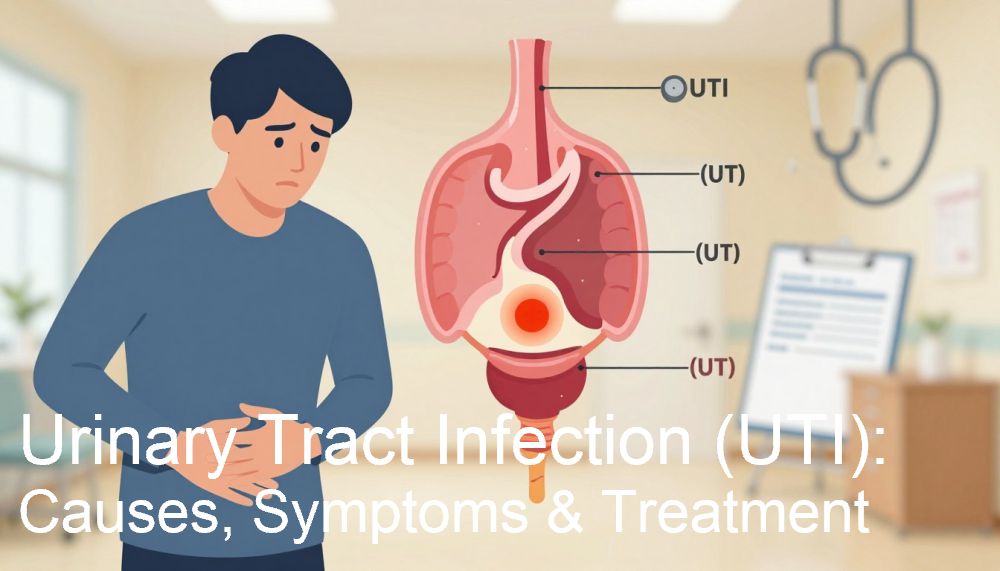
Common causes of UTIs include bacterial contamination, poor hygiene, and certain medical conditions. Symptoms may include burning during urination, frequent urination, and abdominal pain. If left untreated, UTIs can lead to more severe complications, such as kidney infection.
Fortunately, various treatment options are available, including antibiotics and lifestyle changes. Understanding the causes, recognizing the symptoms, and seeking prompt treatment are crucial in managing UTIs effectively.
Key Takeaways
- UTIs occur when bacteria enter the urinary system.
- Common causes include bacterial contamination and poor hygiene.
- Symptoms may include burning during urination and abdominal pain.
- Untreated UTIs can lead to severe complications like kidney infection.
- Treatment options include antibiotics and lifestyle changes.
Understanding Urinary Tract Infection (UTI)
Understanding UTIs is crucial for managing and preventing these infections that can significantly impact daily life. UTIs are infections that occur in any part of the urinary system, including the kidneys, ureters, bladder, and urethra.
Definition and Prevalence in the United States
A Urinary Tract Infection (UTI) is defined as the presence of bacteria or other pathogens in the urine, which can cause infection and inflammation in the urinary tract. In the United States, UTIs are a significant health concern, with millions of cases reported annually. Women are more prone to UTIs due to their shorter urethra, which facilitates bacterial entry into the bladder. According to the National Institute of Diabetes and Digestive and Kidney Diseases, UTIs result in over 8 million doctor visits each year.
Impact on Quality of Life
UTIs can significantly affect an individual’s quality of life, causing discomfort, pain, and potentially leading to more severe complications if left untreated. Common symptoms include a burning sensation during urination, frequent urination, and abdominal pain. The impact on daily activities can be substantial, with some individuals experiencing recurrent infections that require ongoing management. Understanding the causes and taking preventive measures can help mitigate these effects and improve overall well-being.
Anatomy of the Urinary System
The human urinary system is a complex network of organs that work together to maintain health by filtering waste and excess fluids from the body. This system is composed of several key components that work in harmony.
Components of the Urinary Tract
The urinary tract includes the kidneys, which filter the blood to produce urine, the ureters, which transport urine from the kidneys to the bladder, a storage organ for urine, and the urethra, through which urine is expelled from the body. Each of these components plays a vital role in the urinary system’s overall function.
Natural Defense Mechanisms
The urinary system has natural defense mechanisms to prevent infections, including the flushing out of bacteria through urination and the presence of antimicrobial proteins in the urine. Understanding these mechanisms is crucial for appreciating how UTIs occur and how they can be prevented.
Types of Urinary Tract Infections
Understanding the different types of UTIs is crucial for effective diagnosis and treatment. UTIs can be classified based on the part of the urinary system they affect, leading to various infections with distinct symptoms and complications.
Cystitis (Bladder Infection)
Cystitis refers to the inflammation of the bladder, often due to infection. Common symptoms include:
- Frequent urination
- Pain or burning during urination
- Cloudy or strong-smelling urine
If left untreated, cystitis can lead to more severe complications, such as kidney damage.
Urethritis (Urethra Infection)
Urethritis is the inflammation of the urethra, typically caused by bacterial or viral infections. Symptoms may include:
- Burning sensation while urinating
- Discharge from the urethra
- Itching or irritation
Prompt treatment is essential to prevent the spread of infection to other parts of the urinary system.
Pyelonephritis (Kidney Infection)
Pyelonephritis is a type of UTI that affects the kidneys. It can cause:
- Severe back pain
- High fever
- Nausea and vomiting
Pyelonephritis is considered a serious condition that requires immediate medical attention to prevent long-term kidney damage.
Common Causes of UTIs
Understanding the causes of UTIs is crucial for effective prevention and treatment. UTIs are primarily caused by bacterial infections, although other organisms can also be responsible.
Bacterial Infections
Bacterial infections are the most common cause of UTIs. E. coli, a type of bacteria, is responsible for approximately 80% of uncomplicated UTIs.
E. coli and Other Common Bacteria
E. coli is a bacterium that is commonly found in the gastrointestinal tract. Other bacteria that can cause UTIs include Klebsiella, Proteus, and Staphylococcus saprophyticus.
How Bacteria Enter the Urinary Tract
Bacteria can enter the urinary tract through the urethra. In women, the shorter urethra makes it easier for bacteria to reach the bladder, increasing the risk of UTIs. Poor hygiene, sexual activity, and certain types of birth control can also facilitate bacterial entry.
| Bacteria Type | Common Source | UTI Association |
|---|---|---|
| E. coli | Gastrointestinal Tract | Most common cause of uncomplicated UTIs |
| Klebsiella | Gastrointestinal Tract, Hospital Environments | Can cause complicated UTIs |
| Staphylococcus saprophyticus | Rectal Area | Common in young, sexually active women |
Other Causative Organisms
While bacteria are the primary cause of UTIs, other organisms such as fungi and viruses can also cause infections, particularly in individuals with compromised immune systems or underlying health conditions.
Understanding the various causes of UTIs can help in developing effective treatment plans and preventive strategies.
Risk Factors for Developing UTIs
The likelihood of developing a UTI is influenced by a combination of anatomical, behavioral, and medical factors. Understanding these risk factors can help individuals take preventive measures and seek timely medical attention if necessary.
Anatomical and Physiological Factors
Anatomical differences between genders play a significant role in UTI risk. Female anatomy is more prone to UTIs due to a shorter urethra, which facilitates bacterial entry into the bladder.
Female Anatomy and UTI Risk
Women are more likely to experience UTIs because of their shorter urethra and its proximity to the anus, increasing the risk of bacterial contamination.
Male Anatomy and UTI Risk
Men have a lower risk of UTIs due to their longer urethra. However, conditions like an enlarged prostate can obstruct urine flow, increasing the risk of infection.
Behavioral Risk Factors
Certain behaviors can increase the risk of UTIs. These include:
- Infrequent urination
- Not urinating after sexual intercourse
- Using certain types of birth control
Medical Conditions That Increase UTI Risk
Some medical conditions can increase the likelihood of developing UTIs. These include:
| Medical Condition | UTI Risk Increase |
|---|---|
| Diabetes | Increased glucose in urine can facilitate bacterial growth |
| Urinary Tract Abnormalities | Structural issues can obstruct urine flow, increasing infection risk |
| Suppressed Immune System | Reduced ability to fight off infections |
By understanding these risk factors, individuals can take steps to reduce their likelihood of developing UTIs and seek appropriate medical care when needed.
Recognizing UTI Symptoms
UTIs often present with distinct symptoms that can vary depending on the infection’s location and severity. Recognizing these symptoms is crucial for seeking timely medical care.
Common Symptoms in Lower UTIs
Lower UTIs, which include cystitis (bladder infection) and urethritis (urethra infection), typically present with symptoms such as dysuria (painful urination), frequent urination, and urgency. Patients may also experience suprapubic discomfort or pelvic pain. In some cases, the urine may appear cloudy or have a strong odor.
Signs of Upper UTI/Kidney Infection
Upper UTIs, or pyelonephritis, involve the kidneys and can present with more severe symptoms, including flank pain, fever, and nausea or vomiting. These symptoms indicate a potentially serious infection that requires prompt medical attention. The pain associated with pyelonephritis is typically located in the flank area and can radiate to the groin or back.
UTIs Without Symptoms (Silent UTIs)
Some individuals, particularly the elderly or those with neurological disorders, may experience UTIs without noticeable symptoms, known as asymptomatic or silent UTIs. These infections can still cause significant harm, such as kidney damage, if left untreated. Regular check-ups and urine tests are crucial for detecting silent UTIs in at-risk populations.
Diagnosis of Urinary Tract Infections
The diagnosis of UTIs is a layered process, starting with a physical examination and medical history review. This initial assessment is crucial for identifying symptoms and risk factors associated with UTIs.
Physical Examination and Medical History
A healthcare provider will typically begin by asking questions about symptoms, such as the frequency and urgency of urination, presence of pain or burning during urination, and any changes in urine appearance. A physical examination may also be conducted to check for tenderness in the abdominal or pelvic area.
Laboratory Tests and Urine Culture
Laboratory tests play a critical role in confirming a UTI diagnosis. A urine sample is usually collected and tested for the presence of bacteria, blood, or other signs of infection. A urine culture may also be performed to identify the specific type of bacteria causing the infection, guiding antibiotic treatment.
| Laboratory Test | Purpose |
|---|---|
| Urinalysis | Detects bacteria, blood, or other signs of infection |
| Urine Culture | Identifies the specific bacteria causing the infection |
Additional Diagnostic Procedures
In some cases, additional diagnostic procedures may be necessary, especially if the UTI is recurrent or severe. These can include imaging tests like ultrasound or CT scans to check for abnormalities in the urinary tract.
“Accurate diagnosis is key to effective treatment of UTIs, ensuring that patients receive appropriate care and reducing the risk of complications.”
Treatment Options for UTIs
Understanding the various treatment options for UTIs can help individuals make informed decisions about their care. Treatment typically involves a combination of medical therapies and supportive care to manage symptoms and support recovery.
Antibiotic Therapy
Antibiotic therapy is the primary treatment for UTIs, targeting the underlying bacterial infection. The choice of antibiotic depends on the type of bacteria causing the infection and the severity of the UTI.
Common Antibiotics Used
Commonly prescribed antibiotics for UTIs include trimethoprim/sulfamethoxazole, nitrofurantoin, and fosfomycin. The selection of antibiotic is based on factors such as the patient’s medical history, local resistance patterns, and the specific causative organism.
Antibiotic Resistance Concerns
The growing issue of antibiotic resistance is a significant concern in the treatment of UTIs. Misuse or overuse of antibiotics can lead to the development of resistant bacterial strains, making infections harder to treat. Therefore, it’s crucial to use antibiotics judiciously and only when necessary.
| Antibiotic | Common Use | Resistance Concerns |
|---|---|---|
| Trimethoprim/Sulfamethoxazole | Uncomplicated UTIs | Moderate |
| Nitrofurantoin | Lower UTIs | Low |
| Fosfomycin | Uncomplicated UTIs | Low |
Pain Management
Pain management is an essential aspect of UTI treatment. Over-the-counter pain relievers such as ibuprofen or acetaminophen can help alleviate discomfort and pain associated with UTIs.
Home Remedies and Supportive Care
In addition to antibiotic therapy, several home remedies can provide relief and support the healing process. These include staying hydrated by drinking plenty of water, urinating when needed, and avoiding irritants. Cranberry juice is often recommended, although its effectiveness is still being researched.
Recurrent Urinary Tract Infections
For some people, Urinary Tract Infections (UTIs) are not just a one-time issue but a recurring problem that requires understanding and management. Recurrent UTIs can significantly impact an individual’s quality of life, making it essential to delve into their definition, causes, and effective management strategies.
Defining Recurrent UTIs
Recurrent UTIs are typically defined as experiencing three or more UTIs within a year or two or more infections within six months. This condition is more common in women than men, due to anatomical differences. Understanding this definition helps in identifying those at risk and tailoring preventive measures.
Causes of Frequent UTIs
The causes of recurrent UTIs can be multifactorial, including bacterial persistence, inadequate treatment of initial infections, and individual susceptibility factors such as hormonal changes or genetic predisposition. Behavioral factors like sexual activity and certain contraceptive methods can also play a role.
Management Strategies for Chronic UTIs
Managing recurrent UTIs involves a combination of medical treatment and lifestyle adjustments. Antibiotic prophylaxis is often recommended for individuals with frequent recurrences. Additionally, practices such as maintaining good hygiene, staying hydrated, and possibly incorporating cranberry products or probiotics can be beneficial. A healthcare provider can help determine the best management plan.
Effective Management Strategies:
- Antibiotic prophylaxis for frequent recurrences
- Good hygiene practices
- Staying well-hydrated
- Cranberry products or probiotics
| Strategy | Description | Benefits |
|---|---|---|
| Antibiotic Prophylaxis | Regular antibiotics to prevent UTIs | Reduces frequency of UTIs |
| Hydration | Drinking plenty of water | Flushes out bacteria |
| Cranberry Products | Consuming cranberry juice or supplements | May prevent bacterial adhesion |
“Understanding and managing recurrent UTIs requires a comprehensive approach that includes medical treatment, lifestyle changes, and possibly preventive measures like antibiotic prophylaxis.”
Preventing Urinary Tract Infections
Adopting a few simple habits can significantly reduce the risk of developing Urinary Tract Infections.
Hygiene Practices
Good hygiene is crucial in preventing UTIs. Wiping from front to back after using the bathroom helps prevent bacteria from entering the urethra. Additionally, gentle cleansing of the genital area is recommended.
Dietary and Fluid Recommendations
Diet and fluid intake play a significant role in UTI prevention. Drinking plenty of water helps flush out bacteria from the urinary tract.
The Role of Cranberry Products
Cranberry products have been suggested to help prevent UTIs, possibly by preventing bacteria from adhering to bladder walls.
Hydration and UTI Prevention
Adequate hydration is key to preventing UTIs. Drinking enough water throughout the day helps in flushing out bacteria.
Lifestyle Modifications
Certain lifestyle changes can also help prevent UTIs. Urinating after sexual intercourse can help flush out bacteria that may have entered the urinary tract.
By incorporating these practices into daily life, individuals can significantly reduce their risk of developing UTIs.
Conclusion
Understanding urinary tract infections is crucial for maintaining good urinary health. Throughout this article, we’ve explored the causes, symptoms, and treatment options for UTIs, as well as strategies for prevention.
The key takeaways from our discussion include recognizing the common causes of UTIs, such as bacterial infections, and being aware of the risk factors that can increase susceptibility. Symptoms can vary but often include painful urination and frequent trips to the bathroom.
Effective treatment typically involves antibiotic therapy, and in some cases, pain management. Preventing UTIs involves good hygiene practices, dietary recommendations, and lifestyle modifications.
By being informed and proactive, individuals can reduce their risk of developing UTIs and manage their urinary health effectively. This summary provides a comprehensive overview, serving as a valuable resource for those seeking to understand and manage UTIs.
In conclusion, being aware of the uti conclusion and implementing the discussed strategies can significantly improve one’s quality of life.
FAQ
What is a Urinary Tract Infection (UTI)?
A UTI is an infection that occurs in any part of the urinary system, including the kidneys, bladder, or urethra. It’s typically caused by bacteria, but can also be caused by other microorganisms.
What are the common symptoms of a UTI?
Common symptoms include a strong, persistent urge to urinate, a burning sensation while urinating, passing frequent, small amounts of urine, and cloudy or strong-smelling urine. Symptoms can vary depending on the type and location of the infection.
How are UTIs diagnosed?
UTIs are diagnosed through a combination of physical examination, medical history review, and laboratory tests, including urine tests and sometimes urine culture. Additional diagnostic procedures may be necessary in certain cases.
What is the treatment for a UTI?
The primary treatment for UTIs is antibiotic therapy, which is usually effective in clearing the infection. Pain management and home remedies can also help alleviate symptoms and support the healing process.
Can UTIs be prevented?
Yes, UTIs can be prevented through good hygiene practices, dietary and fluid intake recommendations, and certain lifestyle modifications. Drinking plenty of water, urinating when needed, and practicing good genital hygiene can help reduce the risk.
What are the risk factors for developing UTIs?
Risk factors include anatomical and physiological factors, such as being female, having a shorter urethra, and certain medical conditions. Behavioral risk factors, like sexual activity and certain types of birth control, can also increase the likelihood of developing UTIs.
What is the difference between a lower UTI and an upper UTI?
Lower UTIs affect the bladder and urethra, while upper UTIs affect the kidneys. Upper UTIs, also known as pyelonephritis, can be more severe and require prompt medical attention.
Can UTIs occur without symptoms?
Yes, some UTIs can occur without noticeable symptoms, known as silent UTIs. This is more common in certain populations, such as older adults or those with certain medical conditions.
How can recurrent UTIs be managed?
Recurrent UTIs can be managed through a combination of preventive measures, such as good hygiene practices, dietary changes, and lifestyle modifications. In some cases, long-term antibiotic therapy or other treatments may be necessary.
Are cranberry products effective in preventing UTIs?
Cranberry products may help reduce the risk of UTIs, although the evidence is not conclusive. Drinking cranberry juice or taking cranberry supplements may be beneficial, but more research is needed to confirm their effectiveness.