Combining elements of the Mediterranean and DASH diets, the MIND diet is specifically designed to promote cognitive health and reduce the risk of cognitive decline.
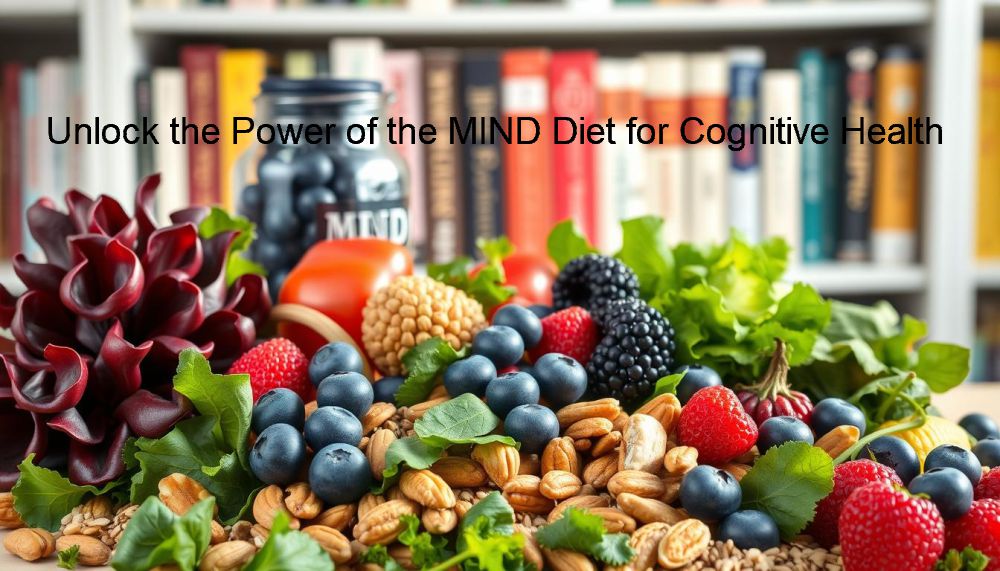
This dietary approach focuses on consuming foods that are rich in nutrients and antioxidants, which are essential for maintaining brain health. By incorporating the MIND diet into your lifestyle, you can potentially improve your cognitive function and overall well-being.
Key Takeaways
- The MIND diet combines the best of the Mediterranean and DASH diets.
- It is specifically designed to support cognitive health.
- Rich in nutrients and antioxidants, the diet promotes brain health.
- Incorporating the MIND diet can improve cognitive function.
- A healthier diet can lead to overall well-being.
What Is the MIND Diet?
Developed to delay neurodegenerative diseases, the MIND diet is a nutritional plan that merges the principles of two well-respected diets: the Mediterranean Diet and the DASH (Dietary Approaches to Stop Hypertension) Diet. This unique combination aims to promote cognitive health and reduce the risk of Alzheimer’s disease.
Definition and Origin
The MIND diet, which stands for Mediterranean-DASH Intervention for Neurodegenerative Delay, was developed by researchers at Rush University Medical Center. It is designed to incorporate the most beneficial components of the Mediterranean and DASH diets, both of which have been shown to support heart health and, by extension, brain health.
The diet focuses on consuming foods that are rich in antioxidants, healthy fats, and other nutrients that support cognitive function. By emphasizing whole grains, leafy greens, and other nutrient-dense foods, the MIND diet provides a balanced eating plan.
How It Differs from Other Diets
Unlike many other diets that focus solely on weight loss or heart health, the MIND diet is specifically designed to support brain health. While it shares many similarities with the Mediterranean and DASH diets, it streamlines these diets to include only the components most closely associated with cognitive health.
| Diet | Primary Focus | Key Components |
|---|---|---|
| MIND Diet | Brain Health | Leafy greens, berries, nuts, whole grains |
| Mediterranean Diet | Heart Health | Olive oil, fish, fruits, vegetables |
| DASH Diet | Blood Pressure | Low-sodium, whole grains, lean proteins |
The Science Behind the MIND Diet
The scientific community has been actively exploring the MIND diet’s impact on brain health and cognitive function. This exploration is rooted in extensive research and development aimed at understanding how dietary patterns influence cognitive decline and neurodegenerative diseases.
Research and Development
The MIND diet is a result of collaborative research between nutritional scientists and neurologists. Studies have focused on identifying dietary components that support brain health. Key research areas include the role of antioxidants, healthy fats, and other nutrients in delaying cognitive decline.
A significant aspect of the MIND diet research involves understanding how different food groups impact brain health. This involves analyzing data from large-scale studies to pinpoint specific dietary patterns associated with reduced cognitive decline.
Key Scientific Studies
Several landmark studies have investigated the MIND diet’s efficacy in reducing Alzheimer’s disease risk. A notable study published in the journal Alzheimer’s & Dementia found that adherence to the MIND diet significantly reduced the risk of Alzheimer’s disease in older adults.
| Study | Findings | Impact |
|---|---|---|
| Rush Alzheimer’s Disease Center Study | Participants with high MIND diet adherence had a 34% lower risk of Alzheimer’s. | Significant reduction in Alzheimer’s risk |
| Alzheimer’s & Dementia Journal Study | MIND diet adherence associated with slower cognitive decline. | Delayed cognitive decline |
These studies underscore the potential of the MIND diet to support cognitive health and delay neurodegenerative diseases, providing a valuable dietary approach for individuals at risk of Alzheimer’s disease.
Understanding the Components of the MIND Diet
To understand the MIND diet, it’s essential to explore its roots in the Mediterranean and DASH dietary patterns. The MIND diet isn’t just a simple combination of these two diets; it’s a carefully curated selection of their most beneficial elements.
Mediterranean Diet Elements
The Mediterranean diet contributes several key components to the MIND diet, including an emphasis on whole grains, nuts, and olive oil. These foods are rich in healthy fats and antioxidants, which play a crucial role in maintaining cognitive health.
DASH Diet Elements
The DASH diet brings its focus on vegetables, particularly leafy greens and berries, to the MIND diet. These foods are packed with vitamins and minerals that support brain health.
| Dietary Component | Benefit |
|---|---|
| Whole Grains | Rich in fiber and antioxidants |
| Nuts | High in healthy fats |
| Leafy Greens | Packed with vitamins and minerals |
By combining these elements, the MIND diet provides a comprehensive approach to nutritional health, focusing on foods that support both heart health and cognitive function.
10 Foods to Embrace on the MIND Diet
By focusing on whole, nutrient-rich foods, individuals can make the most of the MIND diet’s cognitive benefits. The diet highlights specific food groups that are crucial for maintaining brain health and reducing the risk of cognitive decline.
Green Leafy Vegetables
Green leafy vegetables are rich in vitamins and minerals that support brain health. Recommended Servings: at least six servings per week.
Recommended Servings and Preparation
To incorporate green leafy vegetables into your diet, try adding spinach or kale to your salads, smoothies, or sauté them with garlic as a side dish. Aim for a variety of colors to maximize nutrient intake.
Berries and Other Fruits
Berries, particularly blueberries, are known for their high antioxidant content, which can help reduce oxidative stress. Enjoy them fresh or frozen as a snack or add to oatmeal or yogurt.
Whole Grains
Whole grains provide sustained energy and fiber, supporting overall health. Choose whole grain bread, brown rice, and quinoa to incorporate into your meals.
Nuts and Healthy Fats
Nuts and healthy fats, such as olive oil, are rich in healthy fats that support brain function. Recommended Servings: a handful of nuts daily and use olive oil as your primary cooking oil.
Fish and Poultry
Fish and poultry are excellent sources of protein and omega-3 fatty acids, which are crucial for brain health. Aim for at least one serving of fish per week and include poultry in your meals regularly.
| Food Group | Recommended Servings | Preparation Tips |
|---|---|---|
| Green Leafy Vegetables | At least 6 servings/week | Add to salads, smoothies, or sauté with garlic |
| Berries and Other Fruits | 2 servings/day | Enjoy fresh or frozen, add to oatmeal or yogurt |
| Whole Grains | 3 servings/day | Choose whole grain bread, brown rice, quinoa |
| Nuts and Healthy Fats | A handful daily | Use olive oil as primary cooking oil |
| Fish and Poultry | At least 1 serving/week (fish) | Grill, bake, or sauté with herbs |
5 Foods to Limit or Avoid
Limiting or avoiding specific food groups is a key aspect of the MIND diet, aimed at protecting cognitive health and reducing the risk of neurological decline. By being mindful of the foods that are detrimental to brain health, individuals can maximize the cognitive benefits of this dietary approach.
Red Meat and Processed Foods
Red meat and processed foods are among the top foods to limit on the MIND diet. Processed meats, in particular, have been linked to increased risk of cognitive decline. It’s recommended to limit red meat consumption to no more than four servings per week and to avoid processed meats as much as possible. Instead, opt for lean protein sources like poultry and fish.
Butter, Cheese, and Fried Foods
Butter, cheese, and fried foods are high in saturated fats, which can negatively impact cognitive health. Limiting these foods can help reduce the risk of cognitive decline. Try to limit butter to less than a tablespoon per day, and choose lower-fat cheese options. Fried foods should be avoided or limited to special occasions.
How the MIND Diet Protects Brain Health
As we age, maintaining brain health becomes increasingly important, and dietary interventions like the MIND diet can play a significant role. The MIND diet is specifically designed to support cognitive health by focusing on nutrient-dense foods that have been shown to have a positive impact on the brain.
Reducing Oxidative Stress and Inflammation
The MIND diet helps reduce oxidative stress and inflammation, both of which are associated with cognitive decline. By emphasizing foods rich in antioxidants, such as berries and green leafy vegetables, the diet helps protect the brain from damage caused by free radicals. Additionally, the diet’s focus on healthy fats, like those found in nuts and olive oil, further supports brain health.
Supporting Neural Connections
Another key aspect of the MIND diet is its support for neural connections. The diet includes foods that are rich in omega-3 fatty acids, such as fatty fish, which are known to support brain health. Furthermore, the diet’s emphasis on whole grains and lean protein sources helps maintain the integrity of neural pathways, supporting overall cognitive function.
The MIND Diet and Cognitive Disease Prevention
Research into the MIND diet has revealed its potential in reducing the risk of cognitive decline and Alzheimer’s disease. This dietary approach combines elements of the Mediterranean and DASH diets, focusing on foods that support brain health.
Impact on Alzheimer’s Disease Risk
Studies have shown that adherence to the MIND diet can significantly reduce the risk of developing Alzheimer’s disease. The diet’s emphasis on green leafy vegetables, berries, and nuts provides essential nutrients that support brain health and may delay the onset of neurodegenerative diseases.
Benefits for Overall Cognitive Function
Beyond Alzheimer’s prevention, the MIND diet supports overall cognitive function. By incorporating foods rich in antioxidants and healthy fats, individuals can improve their brain health and potentially enhance cognitive performance. The diet’s balanced approach ensures that the brain receives the necessary nutrients for optimal functioning.
Getting Started with the MIND Diet
Getting started with the MIND diet means embracing a comprehensive approach to cognitive health through nutrition. This diet combines elements from the Mediterranean and DASH diets, focusing on foods that support brain health.
Transitioning to the Diet
Transitioning to the MIND diet involves gradual changes to your eating habits. Start by incorporating more green leafy vegetables, berries, and whole grains into your meals. It’s about making sustainable lifestyle changes rather than following a restrictive diet.
Shopping Lists and Pantry Essentials
Creating a shopping list centered around MIND diet staples is essential. Focus on purchasing fresh produce like spinach, kale, and berries. Your pantry should be stocked with whole grains, nuts, and olive oil. These essentials will form the backbone of your MIND diet meals.
Working with a Registered Dietitian
For personalized guidance, consider working with a registered dietitian. They can help tailor the MIND diet to your specific needs, ensuring you’re getting the most out of this nutritional approach. A dietitian can also provide support and accountability as you make dietary changes.
Sample MIND Diet Meal Plan
A well-structured meal plan is crucial for successfully following the MIND diet and reaping its cognitive benefits. By incorporating a variety of nutrient-dense foods, you can create a balanced diet that supports brain health.
Breakfast Options
Starting your day with a nutritious breakfast is essential. Whole grain toast with avocado and eggs or oatmeal with berries and nuts are excellent choices. For a quick and easy breakfast, consider preparing a smoothie with spinach, banana, and almond milk.
Quick and Easy Recipes
For busy mornings, having a simple recipe can be a lifesaver. Try making whole grain waffles with fresh berries and yogurt or a breakfast burrito with scrambled eggs, black beans, and salsa.
Lunch Ideas
For lunch, focus on incorporating lean proteins and a variety of vegetables. A grilled chicken salad with mixed greens, nuts, and berries or a whole grain pita stuffed with roasted vegetables and hummus are healthy options.
Dinner Recipes
Dinner should include a balance of protein, healthy fats, and complex carbohydrates. Consider making baked salmon with quinoa and steamed broccoli or lentil soup with a side of whole grain bread. These meals are not only delicious but also packed with nutrients.
Snacks and Treats
Healthy snacking is important for maintaining energy levels. Reach for handfuls of nuts and dried fruits, or enjoy a piece of dark chocolate as a treat. You can also prepare homemade trail mix with whole grain cereal and dried berries for a quick snack.
Customizing the MIND Diet for Your Lifestyle
Customizing the MIND diet involves making adjustments to suit your dietary restrictions, budget, and eating habits. This flexibility is key to maintaining the diet over the long term and ensuring it remains a positive and sustainable part of your lifestyle.
Adapting for Dietary Restrictions
For individuals with specific dietary needs, such as vegetarians or those with gluten intolerance, the MIND diet can be adapted. Focus on plant-based protein sources like beans, lentils, and tofu, and choose gluten-free whole grains. It’s about making the right substitutions while maintaining the core principles of the diet.
Budget-Friendly Approaches
Eating a brain-healthy diet doesn’t have to break the bank. Buy in bulk and plan your meals around seasonal produce to save money. Nuts and seeds, which are staples of the MIND diet, can be purchased in larger quantities and stored for future use, making them a cost-effective choice.
Eating Out While Following the MIND Diet
When dining out, making MIND diet-friendly choices is easier than you think. Opt for dishes rich in vegetables and whole grains, and choose grilled fish or poultry. Be mindful of portion sizes and avoid fried foods and excessive cheese. With a little planning, you can stick to your diet even when eating out.
- Plan ahead and research restaurants that offer MIND diet-friendly options.
- Don’t be afraid to ask for modifications to suit your dietary needs.
- Enjoy your meal while staying true to your health goals.
Conclusion: Embracing the MIND Diet for Lifelong Cognitive Health
Embracing the MIND diet is a proactive step towards maintaining lifelong cognitive health. By combining elements of the Mediterranean and DASH diets, this dietary approach provides a comprehensive strategy for supporting brain health and reducing the risk of cognitive decline.
The MIND diet’s focus on whole, nutrient-dense foods such as green leafy vegetables, berries, and whole grains provides essential nutrients and antioxidants that support neural connections and protect against oxidative stress.
By incorporating the MIND diet into your lifestyle, you can experience the MIND diet benefits, including improved cognitive function and a reduced risk of Alzheimer’s disease. This dietary approach is a valuable tool for maintaining cognitive health and promoting overall well-being.
As you continue on your journey to lifelong cognitive health, remember that the MIND diet is a long-term strategy that requires commitment and patience. With its flexible and adaptable approach, you can enjoy the cognitive health benefits while still enjoying your favorite foods.
FAQ
What is the MIND diet, and how does it differ from other diets?
The MIND diet is a dietary approach that combines elements of the Mediterranean and DASH diets, focusing on foods that support brain health and reduce the risk of cognitive decline. It differs from other diets by its specific emphasis on cognitive health and its inclusion of a variety of brain-healthy foods.
What are the key components of the MIND diet?
The MIND diet includes elements from both the Mediterranean and DASH diets, such as whole grains, leafy greens, nuts, berries, and olive oil, which are rich in nutrients and antioxidants that support brain health.
How can the MIND diet help protect against Alzheimer’s disease?
The MIND diet has been shown to reduce the risk of Alzheimer’s disease by promoting brain health through the consumption of nutrient-dense foods, reducing oxidative stress and inflammation, and supporting neural connections.
What foods should I limit or avoid on the MIND diet?
Foods to limit or avoid on the MIND diet include red meat, processed foods, butter, cheese, and fried foods, which are high in saturated fats and can be detrimental to cognitive health.
Can I customize the MIND diet to fit my dietary needs and lifestyle?
Yes, the MIND diet can be adapted to accommodate dietary restrictions, budget constraints, and personal preferences, making it a flexible and practical choice for individuals seeking to improve their cognitive health.
How can I get started with the MIND diet?
To get started with the MIND diet, begin by transitioning your eating habits to include more brain-healthy foods, create a shopping list of essentials, and consider working with a registered dietitian for personalized guidance.
Are there any specific meal planning tips for following the MIND diet?
A sample meal plan can help guide your food choices, including breakfast, lunch, and dinner ideas, as well as healthy snack options, making it easier to follow the MIND diet and maintain a balanced eating plan.
Can the MIND diet be followed while eating out?
Yes, it is possible to follow the MIND diet while eating out by making informed choices, such as selecting dishes that feature whole grains, vegetables, and lean protein sources, and avoiding fried foods and high-saturated fat options.
How does the MIND diet support overall brain health?
The MIND diet supports overall brain health by reducing oxidative stress and inflammation, promoting neural connections, and providing essential nutrients and antioxidants that support cognitive function.
Is the MIND diet suitable for older adults?
Yes, the MIND diet is particularly beneficial for older adults, as it has been shown to reduce the risk of cognitive decline and Alzheimer’s disease, promoting healthy aging and cognitive well-being.