Discover the Power of Schisandra, a traditional Chinese medicine herb known for its adaptogenic properties. For centuries, Schisandra chinensis has been used to promote overall well-being and resilience.
This ancient herb is renowned for its ability to adapt to various health needs, making it a popular choice among those seeking a natural approach to wellness. As we explore the benefits and potential side effects of this herb, you’ll gain a deeper understanding of its role in traditional Chinese medicine.
Key Takeaways
- Schisandra is an adaptogenic herb used in traditional Chinese medicine.
- It promotes overall well-being and resilience.
- Schisandra chinensis is the most commonly used species.
- The herb has various forms and potential health benefits.
- Understanding its side effects is crucial for safe usage.
What is Schisandra?
Schisandra chinensis, a plant native to northern China, has been a cornerstone in traditional medicine for centuries. This versatile vine, known for its adaptogenic properties, has been used to promote overall health and well-being.
Origin and History of Schisandra Chinensis
Schisandra chinensis has its roots in traditional Chinese medicine, where it has been used for centuries to treat various health conditions. The plant is native to northern China, where it grows in the wild, particularly in the mountainous regions. Its history dates back to the Shen Nong Ben Cao Jing, one of the earliest Chinese medical texts, which highlights its importance in traditional healing practices.
The use of Schisandra chinensis has been documented in several traditional Chinese medicine texts, showcasing its value in treating a range of ailments, from fatigue to digestive issues. Its adaptogenic properties have made it a popular choice for those seeking to enhance their overall health.
Botanical Characteristics of the Schisandra Plant
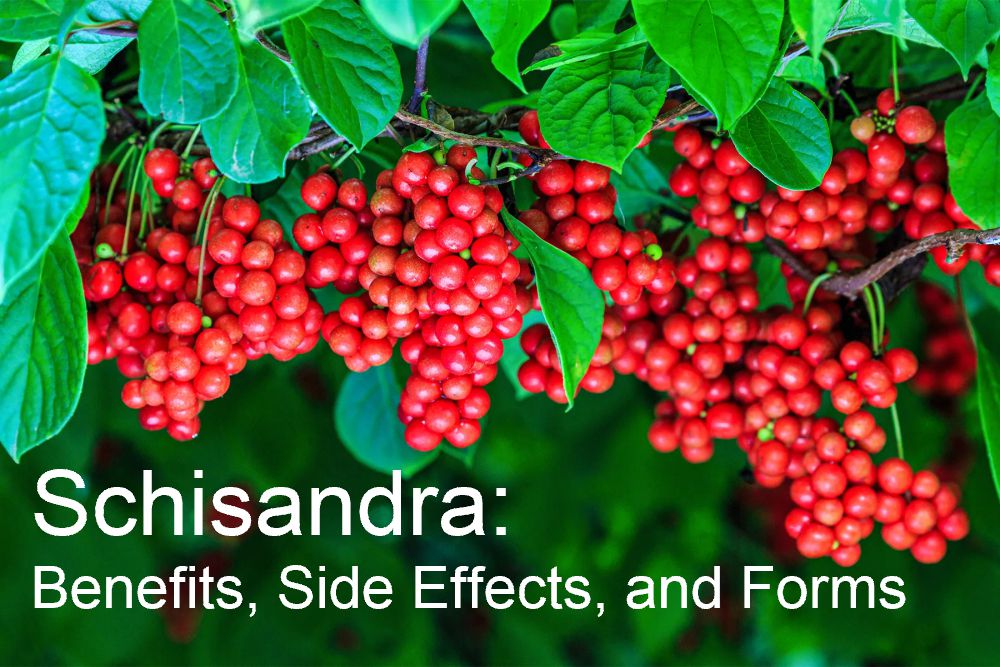
The Schisandra plant is a woody vine that thrives in the forests of northern China. It is characterized by its purple-red berries, which are the primary part used in medicine. The berries are rich in active compounds that contribute to the plant’s health benefits.
- The Schisandra plant can grow up to 9 meters in length.
- It produces small, fragrant flowers that are followed by the purple-red berries.
- The berries are harvested in the fall and are often dried or used fresh in traditional medicine.
The botanical characteristics of Schisandra chinensis, including its unique berries, make it a valuable resource in traditional medicine. Understanding its origin and history provides insight into its significance and continued use in modern times.
The Science Behind Schisandra
Understanding the science behind Schisandra involves examining its key active compounds and their effects on the body. Schisandra berries, the primary part of the plant used in health supplements, contain a complex mix of bioactive molecules that contribute to its health benefits.
Active Compounds in Schisandra Berries
Schisandra berries are rich in lignans, a class of phytoestrogens known for their antioxidant properties. The most notable lignans found in Schisandra include schisandrin, schisandrin B, and schisandrin C. These compounds are believed to be responsible for many of the health benefits associated with Schisandra, including its adaptogenic and protective effects on the liver.
The lignans in Schisandra have been shown to have various biological activities, including antioxidant, anti-inflammatory, and anti-cancer properties. The table below summarizes some of the key active compounds found in Schisandra and their potential health benefits.
| Compound | Potential Health Benefits |
|---|---|
| Schisandrin | Antioxidant, liver protection |
| Schisandrin B | Anti-inflammatory, anti-cancer |
| Schisandrin C | Antioxidant, neuroprotection |
How Schisandra Works in the Body
When ingested, the active compounds in Schisandra are absorbed into the bloodstream, where they can exert their effects on various bodily systems. The antioxidant properties of Schisandra’s lignans help protect cells from damage caused by free radicals, contributing to overall health and potentially reducing the risk of chronic diseases.
Schisandra is also believed to influence the body’s stress response system, helping to improve resilience to stress and promoting overall well-being. The mechanisms behind these effects are complex and involve multiple pathways, including the modulation of stress hormones and the enhancement of cellular protective mechanisms.
Health Benefits of Schisandra
The health benefits of Schisandra are multifaceted, ranging from liver protection to stress reduction. This versatile herb has been used in traditional Chinese medicine for centuries, and modern research has begun to uncover the science behind its numerous benefits.
Liver Protection and Detoxification
Schisandra has been found to have hepatoprotective effects, meaning it helps protect the liver from damage. Studies have shown that Schisandra extracts can reduce liver inflammation and promote liver cell regeneration. This is crucial for individuals exposed to toxins or suffering from liver conditions.
- Enhances liver function
- Reduces liver inflammation
- Promotes liver cell regeneration
Stress Reduction and Adaptogenic Properties
Schisandra is classified as an adaptogen, meaning it helps the body adapt to stress. It has been shown to reduce cortisol levels, improve mental performance, and enhance physical endurance. By mitigating the effects of stress, Schisandra can contribute to overall well-being.
- Reduces cortisol levels
- Improves mental performance
- Enhances physical endurance
Other Potential Health Benefits
In addition to its liver-protecting and adaptogenic properties, Schisandra has been found to have antioxidant effects, helping to protect cells from damage caused by free radicals. It may also have anti-inflammatory properties and could potentially support cardiovascular health.
- Antioxidant effects
- Anti-inflammatory properties
- Potential cardiovascular benefits
In conclusion, Schisandra offers a range of health benefits that make it a valuable supplement for overall health and wellness.
Schisandra for Liver Health
Emerging research suggests that Schisandra may play a significant role in supporting liver health and function. The liver is a vital organ responsible for detoxification, metabolism, and the production of essential proteins. Maintaining liver health is crucial for overall well-being.
Improving Liver Function
Studies have shown that Schisandra can improve liver function by enhancing the liver’s ability to detoxify harmful substances. Schisandra chinensis contains compounds that may help protect liver cells from damage caused by toxins and oxidative stress. This protective effect can lead to improved overall liver health and function.
Hepatitis Treatment Support
Schisandra has been investigated for its potential to support the treatment of hepatitis. Research indicates that the bioactive compounds in Schisandra may help reduce liver inflammation and promote healing in patients with hepatitis. While more research is needed, the existing evidence suggests that Schisandra could be a valuable adjunct therapy.
Liver Transplant Recovery
For individuals undergoing liver transplant surgery, Schisandra may offer benefits during the recovery process. Its antioxidant properties can help mitigate oxidative stress associated with surgery and improve post-operative recovery. By supporting liver health, Schisandra may contribute to better outcomes for liver transplant patients.
In conclusion, Schisandra shows promise in supporting liver health through its potential to improve liver function, support hepatitis treatment, and aid in liver transplant recovery. As research continues to uncover the benefits of this traditional medicine, it may become an increasingly important component of liver health management.
Mental Health and Cognitive Benefits
Emerging research suggests that Schisandra may offer significant mental health benefits, including antidepressant effects and cognitive enhancement. The adaptogenic properties of Schisandra have been shown to help mitigate the effects of stress, which is a major contributor to mental health issues.
Antidepressant Effects
Studies have indicated that Schisandra may possess antidepressant properties, potentially due to its ability to modulate neurotransmitters and reduce oxidative stress. This makes it a valuable herb for those seeking natural alternatives for managing depression.
The bioactive compounds in Schisandra, such as lignans, are believed to contribute to its antidepressant effects by influencing the body’s stress response system.
Cognitive Enhancement Properties
Schisandra is also being explored for its cognitive enhancement properties. Research suggests that it may improve cognitive function by enhancing memory, focus, and mental clarity. The antioxidant properties of Schisandra are thought to play a key role in protecting the brain from oxidative damage, thereby supporting overall brain health.
By potentially enhancing cognitive function and reducing the impact of stress on mental health, Schisandra presents a promising natural supplement for overall well-being.
Different Forms of Schisandra
The versatility of Schisandra is evident in its various forms, from berries to tinctures. This adaptability makes it easy for individuals to incorporate Schisandra into their daily routines, regardless of their preferences or needs.
Schisandra Berry and Fruit
The most traditional form of Schisandra is the berry itself. Rich in antioxidants and active compounds, Schisandra berries can be consumed fresh, dried, or used in cooking. The fruit is known for its five distinct flavors: sweet, sour, bitter, salty, and umami, making it a unique addition to various recipes.
Schisandra Extract
For those seeking a more concentrated form, Schisandra extract is a popular choice. This form is often used in supplements due to its high potency and ease of use. The extraction process concentrates the active compounds, making it a powerful option for those looking for specific health benefits.
Schisandra Powder and Capsules
Schisandra powder is another versatile form that can be easily added to smoothies, teas, or taken directly. Capsules offer a convenient way to consume Schisandra, especially for those who prefer a straightforward supplement routine. Both forms are popular for their ease of use and precise dosing.
Schisandra Tea and Tinctures
For a more traditional approach, Schisandra tea is a soothing and effective way to enjoy its benefits. Tinctures, on the other hand, offer a concentrated liquid form that can be taken sublingually or added to drinks. Both tea and tinctures provide a gentle, yet effective way to incorporate Schisandra into one’s health regimen.
In conclusion, the various forms of Schisandra cater to a wide range of preferences and needs, making it accessible to a broad audience. Whether one prefers the traditional berry, a convenient capsule, or a soothing tea, there’s a form of Schisandra suitable for everyone.
How to Use Schisandra
To reap the benefits of Schisandra, understanding how to use it effectively is crucial. The versatility of Schisandra allows it to be consumed in various forms, but the key to maximizing its benefits lies in the dosage and timing.
Recommended Dosage Guidelines
The recommended dosage of Schisandra can vary based on the form and individual health needs. Generally, a daily dose of 1-2 grams of Schisandra extract is considered effective. For Schisandra berries or powder, a dosage of 3-6 grams per day is often recommended.
- Schisandra Extract: 1-2 grams per day
- Schisandra Berries/Powder: 3-6 grams per day
It’s essential to start with a lower dose and gradually increase as needed and under the guidance of a healthcare professional.
Best Times and Methods for Taking Schisandra
The timing of Schisandra intake can influence its effectiveness. Taking Schisandra in the morning can help boost energy and mental clarity throughout the day. Alternatively, consuming it in the evening may aid in relaxation and improve sleep quality.
Some popular methods for consuming Schisandra include making a tea from the berries, taking Schisandra extract capsules, or adding Schisandra powder to smoothies or other beverages. Experimenting with different methods can help determine the most suitable way to incorporate Schisandra into your daily routine.
Potential Side Effects and Safety Concerns
Understanding the potential side effects of Schisandra is essential for safe consumption. While generally considered safe, Schisandra may cause adverse effects in some individuals and interact with certain medications. It’s crucial to be aware of these potential issues to maximize the benefits of Schisandra while minimizing risks.
Common Side Effects
Most people can tolerate Schisandra well, but some may experience mild side effects. These can include gastrointestinal discomfort, such as nausea or stomach upset, and allergic reactions like skin rashes. In rare cases, Schisandra might cause heartburn or insomnia. If you experience any of these symptoms, it’s advisable to adjust your dosage or consult with a healthcare professional.
Who Should Avoid Schisandra
Certain individuals should exercise caution or avoid Schisandra altogether. This includes pregnant or breastfeeding women, as there’s limited research on its safety during these periods. People with epilepsy or other seizure disorders should also be cautious, as Schisandra might potentially affect seizure thresholds. Additionally, individuals with hormone-sensitive conditions, such as certain types of cancer, should consult their doctor before using Schisandra.
Toxicity Considerations
While Schisandra is generally considered safe when consumed in recommended amounts, high doses could potentially lead to toxicity. There’s limited information on the toxic dose of Schisandra, so it’s essential to follow recommended dosages and consult with a healthcare provider, especially if you’re considering long-term use or have underlying health conditions.
In conclusion, while Schisandra offers numerous health benefits, it’s essential to be aware of its potential side effects and safety concerns. By understanding who should avoid it and being mindful of toxicity considerations, you can use Schisandra more safely and effectively.
Drug Interactions with Schisandra
The interaction between Schisandra and certain drugs is a significant consideration for individuals on medication. Schisandra’s active compounds can influence how the body processes various medications, potentially leading to increased side effects or reduced efficacy of the drugs.
Medications Processed by the Liver
Schisandra can affect the liver’s ability to process certain medications. The liver uses various enzymes to metabolize drugs, and Schisandra may inhibit or induce these enzymes, thereby altering the drug’s concentration in the body. For instance, Schisandra has been shown to inhibit the activity of certain cytochrome P450 enzymes, which are crucial for the metabolism of many drugs. This could lead to increased levels of the drug in the bloodstream, potentially causing toxicity.
Examples of medications processed by the liver include certain antidepressants, antipsychotics, and statins. Individuals taking these medications should consult their healthcare provider before using Schisandra supplements.
Other Known Drug Interactions
Apart from affecting liver enzyme activity, Schisandra may interact with other drugs through different mechanisms. For example, Schisandra’s adaptogenic properties might enhance the effects of certain medications, such as blood thinners or diabetes medications, potentially leading to hypoglycemia or increased risk of bleeding.
It’s essential for individuals on any medication regimen to discuss their plans to use Schisandra with their healthcare provider to avoid adverse interactions. A healthcare professional can provide personalized advice based on the specific medications and health conditions involved.
Conclusion: Is Schisandra Right for You?
As we’ve explored throughout this article, Schisandra offers a multitude of potential benefits, from liver protection and detoxification to stress reduction and cognitive enhancement. With its rich history and adaptogenic properties, Schisandra has become a popular supplement for those seeking to enhance their overall well-being.
When considering whether Schisandra is right for you, it’s essential to weigh its potential benefits against your individual health needs. If you’re looking to support liver health, reduce stress, or improve cognitive function, Schisandra may be a valuable addition to your wellness routine.
Before incorporating Schisandra into your regimen, consult with a healthcare provider to discuss the best form and dosage for your specific needs. This is particularly important if you’re taking medications or have underlying health conditions. By doing so, you can ensure safe and effective use of Schisandra.
In conclusion, Schisandra can be a valuable tool for those seeking to enhance their health and well-being. By understanding its potential benefits and consulting with a healthcare provider, you can make an informed decision about whether Schisandra is right for you.
FAQ
What is Schisandra chinensis?
Schisandra chinensis is a plant native to northern China, used in traditional Chinese medicine for centuries. It is also known for its adaptogenic properties and is rich in lignans, which are believed to contribute to its health benefits.
What are the health benefits of Schisandra?
Schisandra is known for its liver protection and detoxification properties, stress reduction, and adaptogenic effects. It may also have antioxidant properties and support overall well-being.
How does Schisandra support liver health?
Schisandra may improve liver function, support hepatitis treatment, and aid in liver transplant recovery by protecting the liver from damage and promoting its natural detoxification processes.
Can Schisandra be used for mental health benefits?
Yes, Schisandra may have antidepressant effects and cognitive-enhancing properties, helping to mitigate the effects of stress and support mental well-being.
What forms is Schisandra available in?
Schisandra is available in various forms, including berries, extracts, powders, capsules, teas, and tinctures, each with its own characteristics and uses.
How should I take Schisandra?
The recommended dosage of Schisandra can vary based on the form and individual health needs. It’s best to follow the guidelines provided with the product or consult with a healthcare provider.
Are there any side effects or safety concerns with Schisandra?
While generally considered safe, Schisandra may cause side effects in some individuals and interact with certain medications. It’s essential to be aware of these potential interactions and consult with a healthcare provider if necessary.
Can Schisandra interact with other medications?
Yes, Schisandra may interact with medications processed by the liver and other drugs. It’s crucial to understand these potential interactions to avoid any adverse effects.
Who should avoid taking Schisandra?
Certain individuals, such as those with specific health conditions or taking particular medications, should avoid Schisandra or consult with a healthcare provider before using it.
Is Schisandra safe for everyone?
While Schisandra is generally considered safe, it’s not suitable for everyone. Consulting with a healthcare provider before adding Schisandra to your wellness routine is recommended, especially for those with health concerns or taking medications.