The health of our gastrointestinal tract plays a crucial role in our overall well-being. Digestive problems can significantly impact our quality of life, causing discomfort and pain.
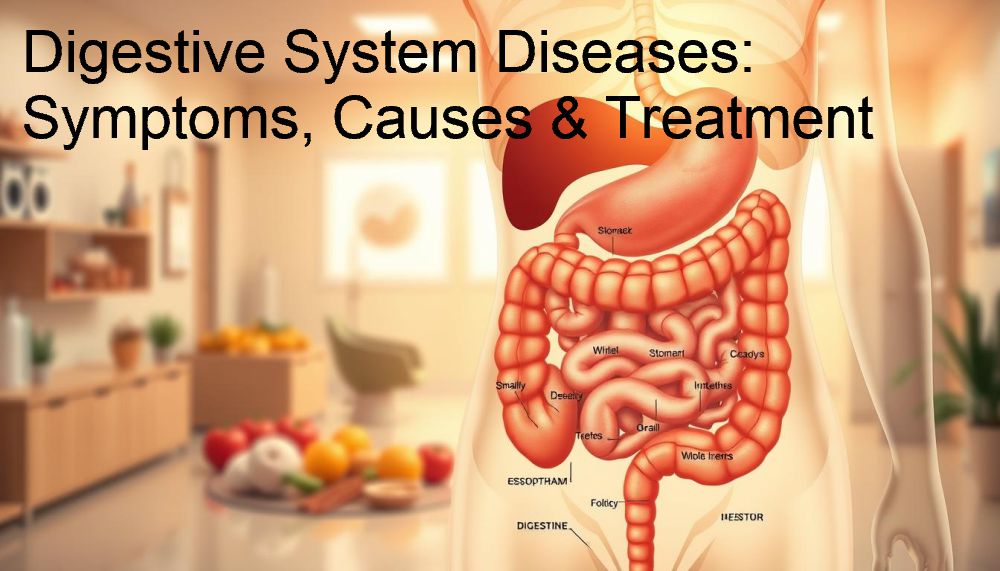
Digestive system diseases encompass a range of conditions affecting the digestive tract, from common issues like acid reflux to more severe conditions such as Crohn’s disease.
Understanding the symptoms, causes, and treatment options for these digestive conditions is essential for effective management and maintaining optimal health.
Key Takeaways
- Digestive system diseases affect millions worldwide.
- Common symptoms include abdominal pain and digestive discomfort.
- Causes can range from diet to genetic factors.
- Treatment options vary depending on the condition and severity.
- Early diagnosis is crucial for effective management.
Understanding the Digestive System
Understanding the digestive system is crucial for maintaining overall health and preventing digestive disorders. The digestive system, also known as the gastrointestinal (GI) tract, is a complex process that involves the breakdown and absorption of nutrients from the food we eat.
Components of the Digestive Tract
The digestive tract is a long, winding tube that starts at the mouth and ends at the anus. It includes several key components, each playing a vital role in the digestive process:
- Mouth: Where food is chewed and mixed with saliva that contains enzymes to break down carbohydrates.
- Esophagus: A muscular tube that transports food from the mouth to the stomach through peristalsis.
- Stomach: A sac-like organ that secretes digestive enzymes and acids to further break down food.
- Small intestine: A long, thin tube where most of our nutrient absorption takes place.
- Large intestine (colon): Primarily responsible for water absorption and storing waste until it’s eliminated.
The Digestive Process
The digestive process involves several stages, starting from ingestion and ending with elimination. It includes mechanical and chemical digestion, where food is broken down into smaller molecules that can be absorbed by the body.
Key stages of the digestive process include:
- Ingestion: The act of eating.
- Mechanical digestion: Physical breakdown of food into smaller pieces.
- Chemical digestion: Enzymatic breakdown of food into nutrients.
- Absorption: The process by which nutrients are taken into the bloodstream.
- Elimination: The removal of waste products from the body.
Functions of Digestive Organs
Each organ in the digestive system has specific functions that contribute to the overall process of digestion and nutrient absorption. For instance, the liver produces bile to emulsify fats, while the pancreas secretes enzymes to digest proteins, carbohydrates, and fats.
“The digestive system is a remarkable process that is essential for our survival. It is a complex interplay of organs and enzymes working together to nourish our bodies.”
By understanding how the digestive system works, we can better appreciate the importance of maintaining its health through a balanced diet and healthy lifestyle choices.
Common Digestive System Diseases
Understanding the different types of digestive system diseases is crucial for effective management and treatment. Digestive health is vital, and various diseases can affect the digestive system’s functioning.
Functional vs. Structural Disorders
Digestive diseases can be broadly classified into functional and structural disorders. Functional disorders occur when the digestive system doesn’t work properly, but there are no visible signs of damage or disease. Irritable Bowel Syndrome (IBS) is a common example of a functional disorder, characterized by abdominal pain, bloating, and changes in bowel movements.
Structural disorders, on the other hand, involve physical changes or damage to the digestive tract. Conditions like diverticulitis, where pouches in the wall of the colon become inflamed, are considered structural disorders.
Inflammatory vs. Non-inflammatory Conditions
Another way to categorize digestive diseases is by their inflammatory status. Inflammatory conditions involve inflammation of the digestive tract, which can lead to damage over time. Inflammatory Bowel Disease (IBD), including Crohn’s disease and ulcerative colitis, is a prime example of an inflammatory condition.
Non-inflammatory conditions do not involve significant inflammation. While they can still cause discomfort and disrupt normal digestive function, their underlying causes and treatment approaches may differ from those of inflammatory conditions.
Acute vs. Chronic Digestive Problems
Digestive diseases can also be distinguished by their duration. Acute digestive problems are short-term conditions that often resolve with treatment or on their own. Food poisoning is a common acute condition that affects the digestive system.
Chronic digestive problems, such as chronic constipation or Gastroesophageal Reflux Disease (GERD), persist over time and often require ongoing management to control symptoms and prevent complications.
By understanding these different categories and characteristics of digestive diseases, individuals can better navigate their diagnosis and treatment options, ultimately improving their digestive health.
Common Symptoms of Digestive Disorders
Digestive disorders can manifest through a variety of symptoms, affecting different parts of the gastrointestinal tract. Recognizing these symptoms is crucial for early diagnosis and treatment.
Upper GI Tract Symptoms
Symptoms related to the upper gastrointestinal tract include dysphagia (difficulty swallowing), heartburn, and regurgitation. These symptoms often occur due to conditions like gastroesophageal reflux disease (GERD) or esophageal motility disorders.
- Difficulty swallowing (dysphagia)
- Heartburn and regurgitation
- Nausea and vomiting
Lower GI Tract Symptoms
Lower GI tract symptoms involve the intestines and can include abdominal pain, bloating, constipation, and diarrhea. Conditions such as irritable bowel syndrome (IBS), inflammatory bowel disease (IBD), and diverticular disease can cause these symptoms.
- Abdominal pain and cramping
- Bloating and gas
- Changes in bowel habits (constipation or diarrhea)
When to Seek Medical Attention
It’s essential to seek medical attention if you experience severe or persistent symptoms. Warning signs include intense abdominal pain, vomiting blood, or black tarry stools. Early intervention can prevent complications and improve outcomes.
“Prompt medical evaluation is crucial for individuals experiencing alarming symptoms such as severe abdominal pain or gastrointestinal bleeding.”
— Gastroenterology Guidelines
Understanding the common symptoms of digestive disorders empowers individuals to seek timely medical care, potentially preventing complications and improving quality of life.
Gastroesophageal Reflux Disease (GERD)
GERD, or Gastroesophageal Reflux Disease, is a prevalent condition characterized by the backflow of stomach contents into the esophagus. This chronic condition can significantly impact an individual’s quality of life, causing discomfort and potentially leading to serious complications if left untreated.
Symptoms and Complications
The primary symptom of GERD is heartburn, a burning sensation in the chest that occurs when stomach acid flows back into the esophagus. Other symptoms include difficulty swallowing, chest pain, and regurgitation of food. If GERD is not managed properly, it can lead to complications such as esophagitis, stricture, and Barrett’s esophagus.
- Esophagitis: Inflammation of the esophagus due to acid reflux.
- Stricture: Narrowing of the esophagus caused by scar tissue.
- Barrett’s esophagus: A condition where the esophageal lining changes, potentially leading to esophageal cancer.
Causes and Risk Factors
GERD occurs when the lower esophageal sphincter (LES) weakens or relaxes abnormally, allowing stomach contents to flow back into the esophagus. Several factors can increase the risk of developing GERD, including obesity, pregnancy, smoking, and certain foods or medications.
“Understanding the causes and risk factors of GERD is crucial for effective management and prevention of complications.”
Treatment Options
Treatment for GERD typically involves lifestyle modifications, such as dietary changes and weight loss, alongside medications to reduce acid production. In severe cases, surgical interventions may be necessary to strengthen the LES or repair any damage to the esophagus.
Managing GERD effectively requires a comprehensive approach that includes understanding its symptoms, causes, and treatment options. By adopting the right strategies, individuals can alleviate symptoms and prevent long-term complications.
Inflammatory Bowel Disease (IBD)
The term Inflammatory Bowel Disease (IBD) refers to chronic inflammation of the gastrointestinal tract, primarily manifesting as Crohn’s Disease or Ulcerative Colitis. IBD is characterized by periods of flare-ups and remission, significantly impacting the quality of life for those affected.
Crohn’s Disease
Crohn’s Disease can affect any part of the gastrointestinal tract, from the mouth to the anus, but it most commonly affects the lower part of the small intestine, known as the ileum. The inflammation caused by Crohn’s Disease can lead to deep ulcers, narrowing of the intestine, and complications such as bowel obstruction or fistulas.
Ulcerative Colitis
Ulcerative Colitis is limited to the colon and rectum. It causes chronic inflammation and ulcers in the inner lining of the colon, leading to symptoms like abdominal pain, diarrhea, and rectal bleeding. The extent of the inflammation can vary, with some individuals experiencing more severe symptoms than others.
Differences and Similarities
While both conditions are forms of IBD, Crohn’s Disease and Ulcerative Colitis have distinct characteristics. Crohn’s can affect any part of the GI tract and involves deeper layers of the intestinal wall, whereas Ulcerative Colitis is confined to the colon’s inner lining. Despite these differences, both conditions share common symptoms such as diarrhea, weight loss, and abdominal pain.
Treatment Approaches
Treatment for IBD typically involves a combination of medications aimed at reducing inflammation, managing symptoms, and inducing remission. Aminosalicylates, corticosteroids, immunomodulators, and biologics are among the commonly used medications. Lifestyle changes, including dietary adjustments and stress management, also play a crucial role in managing IBD.
| Characteristics | Crohn’s Disease | Ulcerative Colitis |
|---|---|---|
| Location | Any part of the GI tract | Limited to the colon and rectum |
| Depth of Inflammation | Deeper layers of the intestinal wall | Inner lining of the colon |
| Common Symptoms | Diarrhea, abdominal pain, weight loss | Diarrhea, abdominal pain, rectal bleeding |
As noted by a gastroenterology expert, “Understanding the nuances between Crohn’s Disease and Ulcerative Colitis is crucial for developing effective treatment plans tailored to the individual patient’s needs.”
Irritable Bowel Syndrome (IBS)
Understanding IBS is crucial for managing its symptoms and improving the lives of those affected by this chronic condition. IBS, or Irritable Bowel Syndrome, is a functional gastrointestinal disorder that affects the large intestine, causing a variety of symptoms.
Diagnostic Criteria
Diagnosing IBS involves a combination of clinical evaluation and diagnostic tests to rule out other conditions. The Rome IV criteria are commonly used to diagnose IBS, requiring the presence of recurrent abdominal pain associated with changes in bowel habits, such as diarrhea or constipation.
Key diagnostic features include:
- Recurrent abdominal pain
- Changes in bowel habits (diarrhea, constipation, or both)
- Symptoms persisting for at least 3 days per month in the last 3 months
Subtypes of IBS
IBS can be categorized into several subtypes based on the predominant bowel habits. Understanding these subtypes is essential for tailoring management strategies.
| Subtype | Characteristics |
|---|---|
| IBS-D | Diarrhea-predominant IBS |
| IBS-C | Constipation-predominant IBS |
| IBS-M | Mixed IBS (both diarrhea and constipation) |
| IBS-U | Unclassified IBS (symptoms don’t fit into other categories) |
Management Strategies
Managing IBS involves a multifaceted approach, including dietary modifications, stress management, and potentially medication. Dietary changes may include a low FODMAP diet or avoiding trigger foods.
Effective management strategies can significantly improve the quality of life for individuals with IBS. By understanding the diagnostic criteria, subtypes, and management options, healthcare providers and patients can work together to develop personalized treatment plans.
Celiac Disease and Gluten Sensitivity
Gluten, a protein found in wheat, barley, and rye, is at the center of celiac disease and gluten sensitivity, two distinct but related conditions. Celiac disease is a chronic autoimmune disorder that causes the immune system to react to gluten, leading to damage in the small intestine. On the other hand, gluten sensitivity is characterized by symptoms similar to celiac disease but without the same level of immune system activation.
Autoimmune Response to Gluten
In celiac disease, the ingestion of gluten triggers an autoimmune response, damaging the villi of the small intestine. This damage impairs the ability of the intestine to absorb nutrients, leading to various health issues. The immune system mistakenly identifies gluten as a foreign invader, launching an immune response against it.
Diagnostic Testing
Diagnosing celiac disease involves a combination of medical history, physical examination, and diagnostic tests. Blood tests are used to detect the presence of certain antibodies associated with celiac disease. If the blood tests are positive, an intestinal biopsy may be performed to confirm the diagnosis.
| Diagnostic Test | Purpose |
|---|---|
| Blood Tests | Detect antibodies associated with celiac disease |
| Intestinal Biopsy | Examine the damage to the small intestine |
Gluten-Free Diet Management
Managing celiac disease and gluten sensitivity requires a strict gluten-free diet. This involves avoiding foods that contain gluten, such as bread, pasta, and baked goods made from wheat, barley, and rye. Reading food labels carefully and choosing gluten-free alternatives are crucial steps in managing these conditions.
By understanding the autoimmune response to gluten, undergoing proper diagnostic testing, and adhering to a gluten-free diet, individuals with celiac disease and gluten sensitivity can significantly improve their quality of life.
Diverticular Disease
Diverticula, small pouches in the wall of the colon, can lead to diverticular disease, a condition that affects millions worldwide. This condition is particularly prevalent among older adults, with its incidence increasing with age.
Diverticulosis vs. Diverticulitis
Diverticulosis refers to the presence of diverticula without inflammation or symptoms. In contrast, diverticulitis occurs when these pouches become inflamed or infected, leading to symptoms such as abdominal pain, fever, and changes in bowel habits. Understanding the difference between these two conditions is crucial for appropriate management.
Risk Factors and Prevention
Several factors increase the risk of developing diverticular disease, including a low-fiber diet, obesity, and lack of physical activity. A diet rich in fiber can help prevent the formation of diverticula by promoting regular bowel movements and reducing pressure on the colon wall. Regular exercise and maintaining a healthy weight are also recommended.
Treatment Approaches
Treatment for diverticular disease depends on the severity of the condition. For diverticulosis, a high-fiber diet and lifestyle modifications are often sufficient. Diverticulitis, especially in its severe form, may require antibiotics, bowel rest, or even surgery in complicated cases. Early diagnosis and treatment can significantly improve outcomes.
In conclusion, diverticular disease is a significant health issue that can be managed effectively with the right approach to diet, lifestyle, and medical treatment.
Colorectal Disorders
Understanding colorectal disorders is crucial for early detection and treatment of potentially life-threatening conditions. Colorectal disorders encompass a range of conditions that affect the colon and rectum, significantly impacting an individual’s quality of life.
Colorectal Polyps
Colorectal polyps are growths on the inner lining of the colon or rectum. They are common and can be benign, but some types have the potential to become malignant over time. Removing polyps during a colonoscopy can prevent the development of colon cancer.
Colon Cancer
Colon cancer, also known as colorectal cancer, is a disease where cancerous cells form in the tissues of the colon or rectum. It typically starts as a polyp, and early detection through screening is crucial for effective treatment. Risk factors include age, family history, and lifestyle factors.
Screening and Early Detection
Screening for colorectal cancer is vital for early detection. Methods include colonoscopy, fecal occult blood tests (FOBT), and imaging tests. Early detection significantly improves treatment outcomes.
| Screening Method | Description | Frequency |
|---|---|---|
| Colonoscopy | Direct visualization of the colon and rectum | Every 10 years |
| FOBT | Tests for blood in the stool | Annually |
| Imaging Tests | CT scans or MRI for visualization | As recommended by a doctor |
Regular screening can help detect colorectal disorders at an early stage, improving treatment outcomes. It is recommended that individuals over 45 years old undergo regular screening.
Gallbladder and Liver Disorders
Gallbladder and liver disorders encompass a variety of conditions, including gallstones, fatty liver disease, and hepatitis, each with distinct causes and symptoms. These organs play vital roles in digestion and overall health, and their dysfunction can lead to serious health issues.
Gallstones and Cholecystitis
Gallstones are hardened deposits that form in the gallbladder, often causing pain and potentially leading to cholecystitis, an inflammation of the gallbladder. Treatment options range from medication to surgery, depending on the severity of the condition. Cholecystitis can be acute or chronic and may require immediate medical attention if severe.
Fatty Liver Disease
Fatty liver disease occurs when excess fat builds up in the liver, potentially leading to liver damage. This condition is often associated with obesity, diabetes, and high cholesterol. Lifestyle changes, including diet and exercise, are typically recommended to manage fatty liver disease.
Hepatitis
Hepatitis refers to inflammation of the liver, commonly caused by viral infections, although other factors like alcohol and toxins can also be responsible. There are several types of hepatitis, with varying levels of severity and treatment approaches. Understanding the cause is crucial for effective management.
In conclusion, gallbladder and liver disorders are significant health concerns that require proper diagnosis and treatment. By understanding these conditions, individuals can better manage their health and seek appropriate medical care when needed.
Pancreatic Disorders
Pancreatic disorders encompass a range of conditions that affect the pancreas, an organ vital for digestion and glucose regulation. These disorders can significantly impact an individual’s quality of life, necessitating proper diagnosis and treatment.
Pancreatitis
Pancreatitis refers to inflammation of the pancreas and can be acute or chronic. Acute pancreatitis is often caused by gallstones or excessive alcohol consumption, leading to severe abdominal pain. Chronic pancreatitis results in persistent inflammation, potentially causing irreversible damage.
Pancreatic Insufficiency
Pancreatic insufficiency occurs when the pancreas fails to produce sufficient digestive enzymes, leading to malabsorption of nutrients. This condition can result from chronic pancreatitis, cystic fibrosis, or other factors. Symptoms include diarrhea, weight loss, and nutritional deficiencies.
Treatment Options
Treatment for pancreatic disorders depends on the underlying condition. For pancreatitis, treatment may involve hospitalization, pain management, and addressing underlying causes. Pancreatic insufficiency is managed with enzyme replacement therapy. In some cases, surgical intervention may be necessary.
Understanding pancreatic disorders is crucial for effective management and improving patient outcomes. By recognizing the symptoms and seeking appropriate medical care, individuals can mitigate the impact of these conditions.
Diagnostic Procedures for Digestive Diseases
Understanding the right diagnostic procedures is key to managing digestive health. Diagnostic tests help identify the underlying causes of digestive symptoms, enabling healthcare providers to develop effective treatment plans.
Endoscopic Procedures
Endoscopy is a crucial diagnostic tool that allows direct visualization of the digestive tract. Endoscopic procedures include:
- Gastroscopy (examination of the stomach)
- Colonoscopy (examination of the colon)
- Endoscopic Ultrasound (EUS) for evaluating the digestive tract and surrounding tissues
These procedures help diagnose conditions such as ulcers, inflammation, and tumors.
Imaging Studies
Imaging studies play a vital role in diagnosing digestive diseases. Common imaging techniques include:
- X-rays
- Computed Tomography (CT) scans
- Magnetic Resonance Imaging (MRI)
- Ultrasound
These tests help visualize the digestive tract and detect abnormalities such as obstructions, tumors, or inflammation.
Laboratory Tests
Laboratory tests are essential for diagnosing digestive diseases. Common tests include:
| Test | Purpose |
|---|---|
| Blood Tests | To check for signs of infection, inflammation, or nutritional deficiencies |
| Stool Tests | To detect infections, inflammation, or malabsorption |
| Biopsy | To examine tissue samples for abnormalities |
When to See a Gastroenterologist
If you’re experiencing persistent digestive symptoms, it’s crucial to consult a gastroenterologist. They specialize in diagnosing and treating digestive disorders, ensuring you receive the appropriate care.
Treatment and Management of Digestive System Diseases
Effective management of digestive system diseases requires a multi-faceted approach. This involves not only medical treatments but also significant lifestyle adjustments to alleviate symptoms and improve quality of life.
Medications
Various medications are used to treat digestive diseases, including antacids for heartburn, anti-inflammatory drugs for conditions like Crohn’s disease, and immunosuppressants for autoimmune disorders.
Dietary Modifications
Diet plays a crucial role in managing digestive disorders. For instance, a gluten-free diet is essential for individuals with celiac disease, while a low-FODMAP diet can help alleviate symptoms of irritable bowel syndrome (IBS).
Surgical Interventions
In some cases, surgical intervention is necessary. This can range from procedures like endoscopy to remove polyps or repair damaged tissue, to more extensive surgeries such as bowel resection for severe Crohn’s disease or ulcerative colitis.
Complementary Therapies
Complementary therapies, including probiotics, acupuncture, and stress management techniques, can also be beneficial. These therapies can help manage symptoms and improve overall well-being.
| Treatment Option | Description | Example Conditions |
|---|---|---|
| Medications | Pharmaceuticals to alleviate symptoms or treat underlying causes. | GERD, IBD, IBS |
| Dietary Modifications | Changes in diet to manage or alleviate symptoms. | Celiac Disease, IBS |
| Surgical Interventions | Surgical procedures to repair or remove affected areas. | Crohn’s Disease, Ulcerative Colitis |
| Complementary Therapies | Alternative approaches to support conventional treatments. | IBS, Functional Dyspepsia |
By combining these treatment strategies, individuals with digestive system diseases can achieve better symptom control and an improved quality of life.
Conclusion
Understanding digestive system diseases is crucial for maintaining overall health. By recognizing the symptoms, causes, and treatment options for various digestive disorders, individuals can take proactive steps towards prevention and management.
Maintaining a healthy digestive system involves a combination of a balanced diet, regular physical activity, and stress management. A diet rich in fiber, fruits, and vegetables can help prevent digestive issues such as constipation and diverticulitis.
Prevention is key to avoiding digestive system diseases. Regular check-ups and screenings can help identify potential issues early on, allowing for timely intervention. By prioritizing digestive health, individuals can reduce their risk of developing chronic conditions like irritable bowel syndrome and inflammatory bowel disease.
By adopting healthy habits and being aware of the signs and symptoms of digestive disorders, individuals can take control of their digestive health and maintain a healthy digestive system.
FAQ
What are the most common symptoms of digestive disorders?
Common symptoms include abdominal pain, bloating, diarrhea, constipation, and heartburn. These symptoms can vary depending on the specific condition affecting the digestive system.
What is the difference between Irritable Bowel Syndrome (IBS) and Inflammatory Bowel Disease (IBD)?
IBS is a functional disorder characterized by abdominal pain and changes in bowel movements without visible signs of inflammation or damage. IBD, which includes Crohn’s disease and ulcerative colitis, involves chronic inflammation and damage to the digestive tract.
How is Celiac Disease diagnosed?
Celiac disease is diagnosed through a combination of blood tests to detect certain antibodies and an intestinal biopsy to examine the damage to the small intestine. A gluten-free diet is typically recommended after diagnosis.
What is Gastroesophageal Reflux Disease (GERD)?
GERD is a chronic condition where stomach acid flows back into the esophagus, causing symptoms like heartburn and discomfort. It can lead to complications if not managed properly.
Can lifestyle changes help manage digestive diseases?
Yes, lifestyle changes such as dietary modifications, increased physical activity, stress management, and avoiding trigger foods can significantly help manage many digestive diseases.
What is the role of a gastroenterologist in treating digestive diseases?
A gastroenterologist specializes in the diagnosis and treatment of digestive system disorders. They can perform diagnostic procedures, recommend treatments, and provide guidance on managing digestive health.
How can I prevent diverticular disease?
Preventing diverticular disease involves maintaining a high-fiber diet, staying hydrated, exercising regularly, and avoiding straining during bowel movements.
What are the treatment options for Colorectal Cancer?
Treatment options for colorectal cancer include surgery, chemotherapy, radiation therapy, and targeted therapy, depending on the stage and location of the cancer.
What is the difference between diverticulosis and diverticulitis?
Diverticulosis refers to the presence of diverticula (pouches) in the colon wall, often without symptoms. Diverticulitis occurs when these diverticula become inflamed, leading to symptoms like abdominal pain and fever.
How is Pancreatitis diagnosed?
Pancreatitis is diagnosed through a combination of clinical evaluation, laboratory tests (such as amylase and lipase levels), and imaging studies like CT scans or ultrasound.