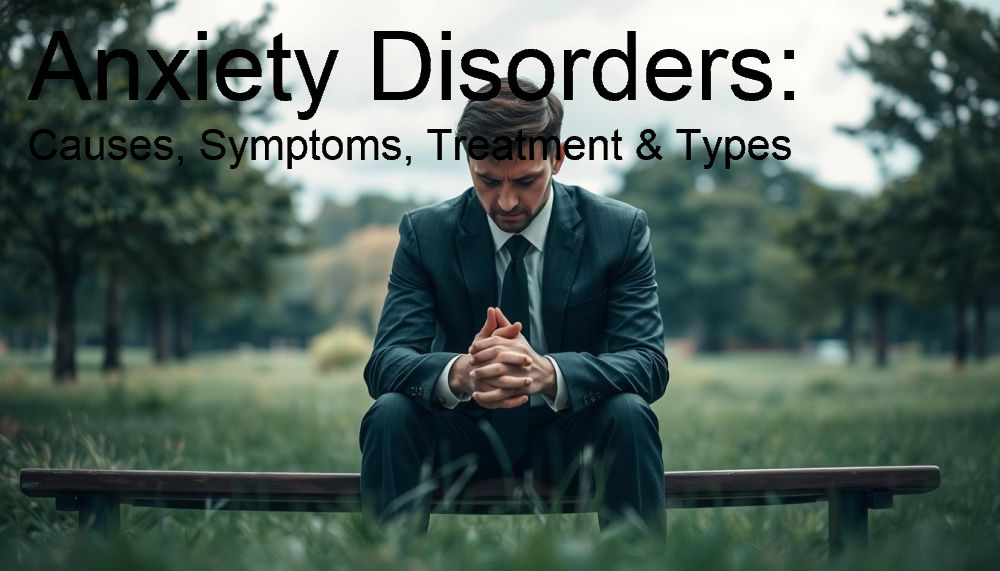
Experiencing anxiety can be a daunting and debilitating condition, affecting millions of people worldwide. Anxiety disorders encompass a range of conditions that include generalized anxiety disorder, social anxiety disorder, and panic disorder, among others.
Understanding the symptoms of anxiety is crucial for identifying the type of anxiety disorder one might be experiencing. These symptoms can vary widely but often include persistent fear, worry, or anxiety that interferes with daily activities.
Recognizing the causes and available treatment options is essential for managing anxiety disorders effectively. Treatment can range from therapy to medication, depending on the disorder’s severity and type.
Key Takeaways
- Anxiety disorders include generalized anxiety disorder, social anxiety disorder, and panic disorder.
- Symptoms of anxiety can vary but often include persistent fear or worry.
- Understanding the type of anxiety disorder is crucial for effective treatment.
- Treatment options range from therapy to medication.
- Recognizing the causes of anxiety disorders is essential for management.
What Are Anxiety Disorders?
Anxiety disorders encompass a range of mental health conditions characterized by excessive fear and anxiety. These disorders can significantly impact an individual’s daily life, making everyday tasks challenging.
Definition and Overview
Anxiety disorders are complex mental health conditions that involve more than just feeling anxious or nervous. They are characterized by persistent and excessive worry that interferes with daily activities. According to the National Institute of Mental Health, anxiety disorders are among the most common mental health conditions in the United States.
Normal Anxiety vs. Anxiety Disorders
It’s normal to experience anxiety in response to stressful situations. However, anxiety disorders involve anxiety that is persistent, overwhelming, and interferes with daily life. The key differences include:
- Persistent and excessive worry
- Interference with daily activities
- Physical symptoms such as rapid heartbeat and trembling
Prevalence and Impact in the United States
Anxiety disorders affect a significant portion of the population in the United States. Statistics indicate that nearly 1 in 5 adults experience some form of anxiety disorder each year. The impact is substantial, affecting not only the individuals but also their families and communities. As noted by
“Anxiety disorders are highly treatable, yet only a fraction of those affected receive treatment.”
Understanding the prevalence and impact of anxiety disorders is crucial for developing effective treatment strategies and support systems.
The Science Behind Anxiety
Understanding anxiety requires delving into its biological underpinnings. Anxiety is a complex condition that involves multiple physiological processes.
Brain Chemistry and Neural Pathways
The brain’s chemistry plays a crucial role in anxiety. Neurotransmitters such as serotonin and dopamine help regulate mood and emotional responses. Imbalances in these chemicals can contribute to anxiety disorders. Neural pathways, or the connections between different brain regions, are also vital in processing anxiety-related information.
The Fight-or-Flight Response
The fight-or-flight response is a natural reaction to perceived threats, characterized by increased heart rate, rapid breathing, and heightened alertness. This response is mediated by the amygdala and other parts of the brain, preparing the body to either confront or flee from danger. In anxiety disorders, this response can be triggered inappropriately or excessively.
How Chronic Anxiety Affects the Brain
Chronic anxiety can have profound effects on the brain. Prolonged exposure to anxiety can lead to changes in brain structure and function, particularly in regions like the hippocampus and prefrontal cortex. These changes can impair cognitive function and emotional regulation, making it harder to manage anxiety.
Understanding these aspects of anxiety is crucial for developing effective treatments. By targeting the underlying biological mechanisms, therapies can help alleviate symptoms and improve quality of life for those affected by anxiety disorders.
Common Causes of Anxiety Disorders
The development of anxiety disorders can be attributed to a combination of genetic, environmental, and psychological factors. Understanding these causes is crucial for developing effective treatment plans.
Genetic and Hereditary Factors
Research has shown that anxiety disorders can run in families, suggesting a genetic component. Individuals with a family history of anxiety are more likely to develop an anxiety disorder. Genetic predisposition plays a significant role, but it’s not the sole determining factor.
Environmental Triggers and Stressors
Environmental factors such as stress, significant life changes, or exposure to violence can trigger anxiety disorders. Chronic stress can alter the brain’s chemistry, making it more susceptible to anxiety. Understanding these triggers can help in managing anxiety.
Traumatic Experiences and PTSD
Traumatic experiences can lead to the development of anxiety disorders, including post-traumatic stress disorder (PTSD). Individuals who have experienced trauma may exhibit heightened anxiety levels and other PTSD symptoms.
Medical Conditions That Mimic Anxiety
Certain medical conditions, such as thyroid disorders or heart disease, can mimic or exacerbate anxiety symptoms. It’s essential to rule out underlying medical conditions when diagnosing anxiety disorders.
Substance Use and Withdrawal Effects
Substance use and withdrawal can significantly impact anxiety levels. Certain substances can induce anxiety, while withdrawal from others can lead to heightened anxiety symptoms.
| Cause | Description | Impact |
|---|---|---|
| Genetic Factors | Family history of anxiety disorders | Increased susceptibility |
| Environmental Triggers | Stress, significant life changes | Trigger or exacerbate anxiety |
| Traumatic Experiences | Experiences of trauma or abuse | Lead to PTSD and anxiety |
| Medical Conditions | Thyroid disorders, heart disease | Mimic or worsen anxiety symptoms |
| Substance Use | Use or withdrawal from substances | Induce or heighten anxiety |
Understanding the multifaceted causes of anxiety disorders is crucial for effective management and treatment. By identifying the underlying factors, individuals can seek appropriate help and develop coping strategies.
Recognizing Anxiety Disorder Symptoms
Anxiety disorders manifest through a complex array of symptoms that affect both mind and body. These symptoms can vary widely among individuals, making diagnosis and treatment challenging. However, understanding the common manifestations of anxiety disorders is crucial for effective management.
Psychological and Emotional Symptoms
Psychological and emotional symptoms are often the most distressing aspects of anxiety disorders. Individuals may experience persistent feelings of fear or dread, excessive worry, or restlessness. These feelings can be overwhelming and interfere with daily activities.
Common psychological symptoms include:
- Irritability
- Difficulty concentrating
- Mood swings
- Sense of impending doom
Physical Manifestations of Anxiety
Anxiety disorders also have significant physical manifestations. The body’s “fight or flight” response is triggered, leading to various physiological symptoms.
Common physical symptoms include:
- Rapid heartbeat
- Trembling or shaking
- Sweating
- Nausea or abdominal discomfort
- Shortness of breath
Behavioral Changes and Avoidance
Anxiety disorders often lead to noticeable behavioral changes. Individuals may avoid situations or places that trigger anxiety, leading to a restricted lifestyle.
Common behavioral changes include:
- Avoidance of social situations
- Reluctance to try new things
- Dependency on others for reassurance
- Procrastination or avoidance of tasks due to anxiety
Understanding Anxiety Attacks vs. Panic Attacks
Many people use the terms “anxiety attack” and “panic attack” interchangeably, but they have distinct characteristics. Panic attacks are intense episodes of fear or discomfort that peak within minutes, often without warning. Anxiety attacks, while similar, may build up more gradually and are typically linked to a specific stressor or situation.
Understanding the difference between these two conditions can help individuals better articulate their experiences to healthcare providers, leading to more accurate diagnoses and effective treatments.
Types of Anxiety Disorders
There are several types of anxiety disorders, each with distinct characteristics and symptoms that can impact an individual’s quality of life. Understanding these differences is crucial for accurate diagnosis and effective treatment.
Generalized Anxiety Disorder (GAD)
Generalized Anxiety Disorder is characterized by persistent and excessive worry about everyday things, even when there’s no apparent reason to worry. Individuals with GAD may feel anxious or on edge most of the time, and this anxiety can interfere with their daily activities.
Symptoms of GAD: Restlessness, feeling on edge, difficulty concentrating, irritability, sleep disturbances.
Social Anxiety Disorder
Social Anxiety Disorder involves a fear of being judged, negatively evaluated, or embarrassed in public. People with this disorder may avoid social or performance situations because they fear they will be humiliated or judged.
Symptoms of Social Anxiety Disorder: Fear of social or performance situations, fear of being judged, avoidance of social interactions, physical symptoms like blushing or sweating.
Panic Disorder
Panic Disorder is characterized by recurrent panic attacks, which are intense episodes of fear or discomfort that peak within minutes. Symptoms can include palpitations, sweating, trembling, and a fear of losing control or dying.
Symptoms of Panic Disorder: Recurrent panic attacks, fear of having another panic attack, avoidance of situations that might trigger a panic attack.
Specific Phobias
Specific Phobias involve an intense, irrational fear of a specific object or situation. Common phobias include fear of spiders, snakes, heights, or flying. People with specific phobias often go to great lengths to avoid the feared object or situation.
Symptoms of Specific Phobias: Intense fear or anxiety when confronted with the feared object or situation, avoidance of the feared object or situation.
Separation Anxiety Disorder
Separation Anxiety Disorder is characterized by excessive fear or anxiety about separation from home or from a loved one. This disorder is more common in children but can also occur in adults.
Symptoms of Separation Anxiety Disorder: Distress when separated from home or a loved one, persistent fear of losing a loved one, reluctance to be alone.
Agoraphobia
Agoraphobia involves a fear of being in places or situations where escape might be difficult or embarrassing, or where help may not be available. People with agoraphobia often avoid going out in public or being in crowded areas.
Symptoms of Agoraphobia: Fear of being in crowded places, fear of using public transportation, avoidance of situations that might trigger panic.
| Type of Anxiety Disorder | Primary Characteristics | Common Symptoms |
|---|---|---|
| Generalized Anxiety Disorder (GAD) | Persistent and excessive worry | Restlessness, irritability, sleep disturbances |
| Social Anxiety Disorder | Fear of being judged or embarrassed | Fear of social situations, physical symptoms like blushing |
| Panic Disorder | Recurrent panic attacks | Palpitations, sweating, trembling, fear of losing control |
| Specific Phobias | Irrational fear of a specific object or situation | Intense fear or anxiety when confronted with the feared object |
| Separation Anxiety Disorder | Excessive fear of separation from home or loved ones | Distress when separated, fear of losing a loved one |
| Agoraphobia | Fear of being in places where escape is difficult | Fear of crowded places, avoidance of public transportation |
Related Anxiety Conditions
Beyond generalized anxiety, several related conditions can significantly impact an individual’s quality of life. These conditions often share similar symptoms with anxiety disorders, making diagnosis and treatment complex.
Obsessive-Compulsive Disorder (OCD)
Obsessive-Compulsive Disorder (OCD) is characterized by recurring, intrusive thoughts (obsessions) and repetitive behaviors (compulsions) that an individual feels compelled to perform. OCD can significantly interfere with daily life, causing distress and anxiety if the compulsions are not fulfilled.
Post-Traumatic Stress Disorder (PTSD)
Post-Traumatic Stress Disorder (PTSD) develops after a person experiences a traumatic event. Symptoms include flashbacks, severe anxiety, and uncontrollable thoughts about the trauma. PTSD can be debilitating, affecting various aspects of an individual’s life.
Acute Stress Disorder
Acute Stress Disorder is similar to PTSD but occurs within a shorter timeframe following a traumatic event. It involves symptoms like dissociation, anxiety, and avoidance of reminders of the trauma. Early intervention can prevent the development of PTSD.
Anxiety with Co-occurring Depression
Many individuals experience both anxiety and depression simultaneously. This co-occurrence can complicate treatment but also presents opportunities for comprehensive care that addresses both conditions.
| Condition | Key Characteristics | Impact on Daily Life |
|---|---|---|
| OCD | Recurring intrusive thoughts and compulsions | Significant interference with daily activities |
| PTSD | Flashbacks and severe anxiety following trauma | Debilitating effects on various life aspects |
| Acute Stress Disorder | Dissociation, anxiety, and avoidance post-trauma | Short-term but intense impact |
| Anxiety with Depression | Co-occurring symptoms of anxiety and depression | Complex treatment needs |
Understanding these related anxiety conditions is crucial for providing appropriate support and treatment. By recognizing the distinct characteristics of each condition, healthcare providers can develop targeted interventions to improve patient outcomes.
Diagnosing Anxiety Disorders
Diagnosing anxiety disorders necessitates a careful examination of the individual’s symptoms, behavior patterns, and medical history. This complex process involves a comprehensive assessment by a mental health professional to accurately identify the disorder and develop an effective treatment plan.
Professional Assessment Process
The professional assessment process for anxiety disorders typically begins with a thorough clinical interview. During this interview, the mental health professional will ask questions about the individual’s symptoms, their duration, and how they impact daily life. A detailed understanding of the individual’s experiences is crucial for an accurate diagnosis.
Diagnostic Criteria and DSM-5
The Diagnostic and Statistical Manual of Mental Disorders, Fifth Edition (DSM-5), provides the standard diagnostic criteria for anxiety disorders. According to the DSM-5, anxiety disorders include conditions such as Generalized Anxiety Disorder (GAD), Panic Disorder, and Social Anxiety Disorder, among others. Each of these conditions has specific diagnostic criteria that must be met for a diagnosis.
“Anxiety disorders are characterized by excessive fear and anxiety and related behavioral disturbances.” – DSM-5
Common Screening Tools and Questionnaires
Several screening tools and questionnaires are used to help diagnose anxiety disorders. These include the Generalized Anxiety Disorder 7-item scale (GAD-7) and the Beck Anxiety Inventory (BAI). These tools help clinicians assess the severity of symptoms and monitor changes over time.
- GAD-7: A 7-item questionnaire used to assess the severity of generalized anxiety disorder.
- BAI: A 21-item questionnaire that measures the severity of anxiety.
Medical Evaluations to Rule Out Other Conditions
Medical evaluations are essential to rule out other medical conditions that may mimic or contribute to anxiety symptoms. Conditions such as thyroid disorders, heart disease, and substance withdrawal can cause symptoms similar to anxiety disorders. A thorough medical evaluation helps ensure an accurate diagnosis.
Treatment Approaches for Anxiety Disorders
Anxiety disorders can be managed through a range of treatment options, including psychotherapy, medication, and alternative therapies. The most effective treatment plan often involves a combination of these approaches, tailored to the individual’s specific needs and circumstances.
Evidence-Based Psychotherapy Options
Psychotherapy, also known as talk therapy, is a cornerstone in the treatment of anxiety disorders. It involves working with a trained therapist to understand and change thought patterns and behaviors that contribute to anxiety.
Cognitive Behavioral Therapy (CBT)
CBT is a highly effective form of psychotherapy for anxiety disorders. It focuses on identifying and challenging negative thought patterns and beliefs that contribute to anxiety, and learning new coping skills and techniques to manage anxiety symptoms.
Exposure Therapy
Exposure therapy is a type of CBT that involves gradually exposing individuals to the feared object, situation, or activity. This helps them become comfortable with the anxiety-provoking stimulus and reduces avoidance behaviors.
Acceptance and Commitment Therapy
Acceptance and Commitment Therapy (ACT) encourages individuals to accept their thoughts and feelings in the present moment without judgment, while taking action towards valued life goals. ACT can be particularly helpful for individuals who struggle with anxiety related to uncertainty or fear of the future.
Medication Treatment Options
For some individuals, medication may be necessary to manage anxiety symptoms effectively. Medications can help reduce the severity of symptoms, making it easier to participate in psychotherapy and daily activities.
SSRIs and Other Antidepressants
Selective serotonin reuptake inhibitors (SSRIs) are commonly prescribed for anxiety disorders. They work by increasing the levels of serotonin in the brain, which helps improve mood and reduce anxiety. Other antidepressants, such as serotonin-norepinephrine reuptake inhibitors (SNRIs), may also be used.
Benzodiazepines and Anti-Anxiety Medications
Benzodiazepines are fast-acting medications that can provide quick relief from acute anxiety symptoms. However, they are generally recommended for short-term use due to the risk of dependence.
Beta-Blockers for Physical Symptoms
Beta-blockers can help manage physical symptoms of anxiety, such as a rapid heartbeat and trembling. They are often used on an as-needed basis for performance anxiety or situational anxiety.
Complementary and Alternative Treatments
In addition to conventional treatments, some individuals find complementary and alternative therapies helpful in managing their anxiety.
Herbal Supplements and Natural Remedies
Certain herbal supplements, such as passionflower and kava, have been studied for their potential anxiety-reducing effects. However, it’s essential to consult with a healthcare provider before using any supplements, as they can interact with medications or have side effects.
Acupuncture and Massage Therapy
Acupuncture and massage therapy are alternative approaches that some people find helpful for reducing anxiety. Acupuncture involves the insertion of fine needles into specific points on the body, while massage therapy involves the manipulation of soft tissue to promote relaxation and well-being.
As “Anxiety is like a rocking chair. It gives you something to do, but it doesn’t get you anywhere.” – Erma Bombeck. Finding the right treatment approach can be a journey, but with the right support and interventions, individuals with anxiety disorders can learn to manage their symptoms and improve their quality of life.
Lifestyle Changes to Manage Anxiety
Making specific lifestyle changes can help alleviate symptoms of anxiety. By incorporating a few simple adjustments into daily routines, individuals can better manage their anxiety and improve their overall quality of life.
Regular Exercise and Physical Activity Benefits
Regular exercise is a powerful tool in managing anxiety. Physical activity has been shown to reduce anxiety symptoms by releasing endorphins, also known as “feel-good” hormones. Exercise can help alleviate anxiety by improving mood and reducing stress. Activities such as walking, jogging, cycling, or yoga can be particularly beneficial. Aim for at least 30 minutes of moderate-intensity exercise per day.
Nutrition, Diet, and Foods to Avoid
A balanced diet plays a significant role in managing anxiety. Consuming foods rich in omega-3 fatty acids, such as salmon and walnuts, can help reduce anxiety symptoms. Avoiding excessive caffeine and sugar is also advisable, as these can exacerbate anxiety. Incorporating complex carbohydrates, like whole grains, and lean proteins into meals can help stabilize blood sugar levels and promote a sense of calm.
Improving Sleep Hygiene
Good sleep hygiene is crucial for managing anxiety. Establishing a consistent sleep schedule, creating a relaxing bedtime routine, and avoiding screens before bed can improve sleep quality. Aiming for 7-9 hours of sleep per night can help regulate mood and reduce anxiety symptoms.
Reducing Caffeine and Alcohol
Both caffeine and alcohol can have a significant impact on anxiety levels. While caffeine can increase alertness, excessive consumption can lead to heightened anxiety. Similarly, alcohol may provide temporary relief but can worsen anxiety in the long run. Limiting or avoiding these substances can help manage anxiety more effectively.
Daily Stress Management Techniques
Incorporating daily stress management techniques can help mitigate anxiety. Practices such as meditation, deep breathing exercises, or journaling can provide a sense of calm and help manage stress. Setting aside time each day for relaxation can make a significant difference in overall anxiety levels.
Coping Strategies for Daily Living
Daily living with anxiety can be challenging, but there are numerous coping strategies that can help alleviate its impact. By incorporating these strategies into daily life, individuals can better manage their anxiety and improve their overall well-being.
Mindfulness and Meditation Practices
Mindfulness and meditation are powerful tools for managing anxiety. These practices involve focusing on the present moment, often through meditation or deep breathing exercises, to reduce worries about the past or future. Regular mindfulness practice can lead to a decrease in anxiety symptoms by promoting relaxation and reducing stress.
Meditation apps like Headspace and Calm offer guided sessions that can help beginners get started with mindfulness practices. Even a few minutes of meditation each day can make a significant difference in how one feels.
Deep Breathing and Relaxation Techniques
Deep breathing exercises are another effective way to calm the mind and body. By focusing on slow, deliberate breaths, individuals can activate the body’s relaxation response, countering the effects of anxiety. Techniques such as progressive muscle relaxation, where one tenses and then relaxes different muscle groups, can also be beneficial.
Grounding Exercises for Acute Anxiety
Grounding exercises are particularly helpful during episodes of acute anxiety. These techniques involve focusing on the five senses to ground oneself in the present moment. Examples include paying attention to the sensation of feet on the ground, noticing the sounds around you, or describing the details of your environment.
Building a Supportive Social Network
Having a supportive social network is crucial for managing anxiety. Connecting with friends, family, or support groups can provide emotional support and practical advice. Sharing experiences with others who understand what you’re going through can be incredibly comforting and empowering.
Using Apps and Technology for Anxiety Management
In today’s digital age, there are numerous apps and technological tools designed to help manage anxiety. From mood-tracking apps to those offering guided relaxation exercises, technology can provide accessible and convenient support. Some popular anxiety management apps include Moodfit, Sanvello, and Breathe2Relax.
| Anxiety Management App | Key Features | Platform |
|---|---|---|
| Headspace | Guided meditation, mindfulness exercises | iOS, Android |
| Calm | Guided meditation, sleep stories | iOS, Android |
| Moodfit | Mood tracking, coping tools | iOS, Android |
Anxiety Disorders in Special Populations
Understanding anxiety disorders in special populations is crucial for developing effective treatment strategies that cater to their specific needs. Anxiety affects diverse groups differently, requiring tailored approaches to diagnosis and treatment.
Children and Adolescents with Anxiety
Anxiety in children and adolescents can manifest as excessive worry, fear, or avoidance behaviors that interfere with daily life. Early identification and intervention are critical to prevent long-term consequences. Symptoms may include school avoidance, social withdrawal, or physical complaints without a medical cause.
Anxiety in Older Adults
Older adults may experience anxiety due to age-related health issues, loss of loved ones, or cognitive decline. Anxiety can be masked by or comorbid with depression, making diagnosis challenging. Recognizing anxiety in this population is essential for improving quality of life.
Pregnancy, Postpartum, and Anxiety
Pregnancy and the postpartum period can be significant risk factors for developing anxiety disorders. Hormonal changes, new responsibilities, and the pressure to manage motherhood can contribute to anxiety. Postpartum anxiety is distinct from postpartum depression and requires specific treatment approaches.
Cultural Considerations in Anxiety Disorders
Cultural factors significantly influence the expression and experience of anxiety. Different cultures may have varying levels of stigma associated with mental health issues, affecting help-seeking behaviors. Understanding these cultural nuances is vital for providing culturally sensitive care.
Anxiety with Co-occurring Medical Conditions
Anxiety often co-occurs with other medical conditions, complicating diagnosis and treatment. For instance, individuals with chronic illnesses like diabetes or heart disease are at higher risk of developing anxiety disorders. Managing anxiety in the context of co-occurring medical conditions requires a comprehensive treatment plan.
| Population | Unique Challenges | Considerations for Treatment |
|---|---|---|
| Children and Adolescents | School avoidance, social withdrawal | Early intervention, family involvement |
| Older Adults | Comorbidity with depression, age-related health issues | Comprehensive geriatric assessment |
| Pregnant/Postpartum Women | Hormonal changes, new responsibilities | Specialized perinatal mental health services |
When to Seek Professional Help
If you’re struggling with anxiety, knowing when to seek professional help can be a game-changer. Anxiety disorders can significantly impact daily life, and recognizing the signs that it’s time to seek help is crucial.
Warning Signs That Require Attention
Some warning signs that you should seek professional help include persistent feelings of anxiety that interfere with your daily activities, difficulty controlling worry, or experiencing anxiety symptoms that are severe or debilitating. It’s essential to listen to your body and mind; if anxiety is affecting your quality of life, it’s time to seek help.
Finding the Right Mental Health Provider
Finding a mental health provider who is right for you can make a significant difference in your treatment. Consider factors such as their experience with anxiety disorders, their therapeutic approach, and your comfort level with them. Don’t hesitate to ask questions or seek a second opinion until you find someone who meets your needs.
What to Expect at Your First Appointment
At your first appointment, you can expect a comprehensive assessment. The mental health provider will likely ask about your symptoms, medical history, and personal circumstances to understand your situation fully. This is your opportunity to be open and honest about your experiences.
Insurance Coverage and Treatment Options
Understanding your insurance coverage and the treatment options available is an important part of seeking help. Many insurance plans cover mental health services, including therapy and medication management. Discussing these details with your provider can help you make informed decisions about your care.
Myths and Facts About Anxiety Disorders
Anxiety disorders are more than just feeling stressed or worried; they’re complex mental health conditions that affect millions of people worldwide. Despite their prevalence, numerous myths surround these disorders, contributing to stigma and suffering.
Common Misconceptions Debunked
One common misconception is that anxiety disorders are a sign of weakness. In reality, they are serious mental health conditions that require professional treatment. Another myth is that people with anxiety disorders are simply being overly sensitive or dramatic.
Addressing Stigma and Shame
The stigma surrounding anxiety disorders can prevent individuals from seeking help. It’s crucial to understand that anxiety disorders are not something to be ashamed of; they are treatable conditions.
Latest Research and Scientific Findings
Recent studies have shown that anxiety disorders are linked to specific changes in brain chemistry and function. Understanding these changes can lead to more effective treatments.
Famous People Who Have Overcome Anxiety
Many famous individuals, including celebrities and historical figures, have spoken out about their experiences with anxiety disorders. Their stories help raise awareness and reduce stigma.
| Myth | Fact |
|---|---|
| Anxiety disorders are a sign of weakness. | They are serious mental health conditions. |
| People with anxiety are being overly sensitive. | Anxiety disorders involve complex brain chemistry changes. |
Conclusion
Understanding anxiety disorders is the first step towards managing anxiety effectively. By recognizing the symptoms and treatment options, individuals can take control of their mental health.
Anxiety disorders are complex conditions that affect millions of people in the United States. The various types of anxiety disorders, including generalized anxiety disorder, social anxiety disorder, and panic disorder, require different treatment approaches.
Evidence-based psychotherapy options, medication treatment, and lifestyle changes can help alleviate symptoms. Regular exercise, improved sleep hygiene, and stress management techniques are also essential for managing anxiety.
Seeking professional help is crucial for those struggling with anxiety disorders. By working with a mental health provider, individuals can develop a personalized treatment plan and learn effective coping strategies.
Managing anxiety is a journey, and with the right treatment options and support, individuals can lead fulfilling lives. By promoting awareness and understanding of anxiety disorders, we can work towards reducing stigma and encouraging those affected to seek help.
FAQ
What are the common symptoms of anxiety disorders?
Symptoms of anxiety disorders can include psychological and emotional symptoms such as excessive worry, fear, and anxiety, as well as physical manifestations like rapid heartbeat, sweating, and trembling.
How do anxiety disorders differ from normal anxiety?
Anxiety disorders are characterized by persistent and excessive anxiety that interferes with daily life, whereas normal anxiety is a temporary and situational response to a perceived threat.
What are the different types of anxiety disorders?
The main types of anxiety disorders include generalized anxiety disorder, social anxiety disorder, panic disorder, specific phobias, separation anxiety disorder, and agoraphobia.
What causes anxiety disorders?
Anxiety disorders can be caused by a combination of genetic, environmental, and psychological factors, including traumatic experiences, stress, and certain medical conditions.
How are anxiety disorders diagnosed?
Anxiety disorders are diagnosed through a professional assessment process, which involves evaluating symptoms, medical history, and mental health status using diagnostic criteria from the DSM-5.
What are the treatment options for anxiety disorders?
Treatment options for anxiety disorders include evidence-based psychotherapy, such as cognitive-behavioral therapy, medication, and complementary therapies like mindfulness and relaxation techniques.
Can anxiety disorders be treated with lifestyle changes alone?
While lifestyle changes, such as regular exercise, healthy nutrition, and stress management, can help manage anxiety symptoms, they may not be sufficient to treat anxiety disorders on their own and may be used in conjunction with other treatments.
How can I manage anxiety in daily life?
Managing anxiety in daily life can involve practicing mindfulness, deep breathing, and relaxation techniques, as well as building a supportive social network and using technology and apps to track and manage symptoms.
When should I seek professional help for anxiety?
You should seek professional help for anxiety if your symptoms are interfering with your daily life, or if you are experiencing significant distress or impairment.
Can anxiety disorders be cured?
While anxiety disorders can be effectively managed and treated, they may not be completely “cured.” With the right treatment and support, individuals can learn to manage their symptoms and improve their quality of life.