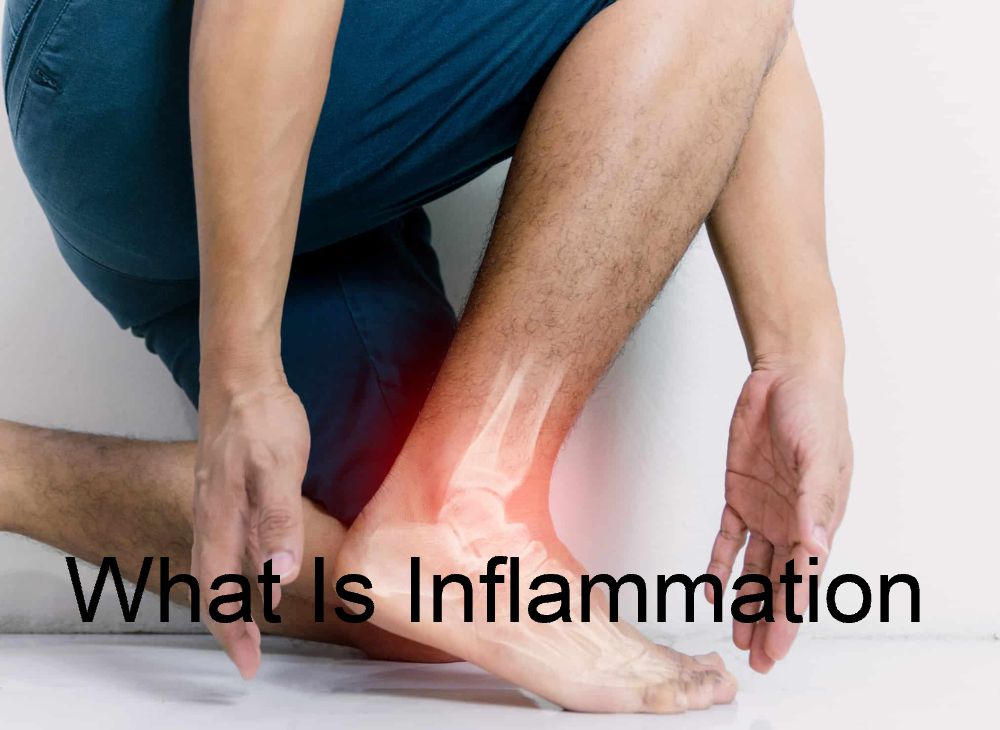
Understanding Peripheral Neuropathy begins with knowing it’s a condition affecting the peripheral nerves, which are the nerves outside your brain and spinal cord.
This condition can cause a wide range of symptoms, from pain and numbness to weakness, typically in the hands and feet. The symptoms can vary depending on the nerves affected.
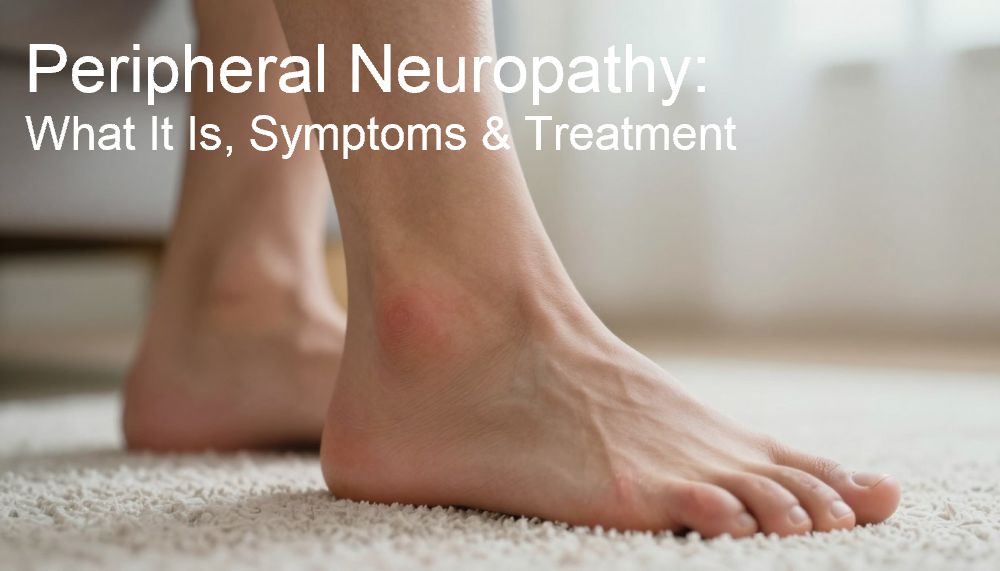
Treating neuropathy often involves addressing the underlying cause, which could be diabetes, injury, or infection, and managing symptoms to improve quality of life.
Key Takeaways
- Peripheral neuropathy affects nerves outside the brain and spinal cord.
- Symptoms include pain, numbness, and weakness, mainly in hands and feet.
- Treatment involves addressing the underlying cause and managing symptoms.
- The condition can result from various factors, including diabetes and injury.
- Effective management can significantly improve quality of life.
What Is Peripheral Neuropathy?
To comprehend peripheral neuropathy, it’s essential to first understand the peripheral nervous system and its role in our overall health. The peripheral nervous system is a complex network of nerves that connects the brain and spinal cord to the rest of the body, facilitating communication and controlling various bodily functions.
Definition and Overview
Peripheral neuropathy refers to the damage or dysfunction of the peripheral nerves, which can disrupt the normal functioning of the body’s systems. This condition can manifest in various ways, including numbness, tingling, pain, or weakness in the affected areas. Nerve damage can result from a variety of causes, including diabetes, trauma, infections, and exposure to toxins.
Prevalence in the United States
Peripheral neuropathy is a significant health issue in the United States, affecting millions of people. According to recent studies, approximately 20 million Americans suffer from some form of peripheral neuropathy. The prevalence increases with age, and it is more common among individuals with certain underlying health conditions, such as diabetes. Understanding the prevalence and causes can help in developing strategies for prevention and management.
The Peripheral Nervous System Explained
To comprehend peripheral neuropathy, it’s essential to first understand the peripheral nervous system and its functions. The peripheral nervous system is a complex network of nerves that connects the brain and spinal cord to the rest of the body, facilitating communication between the central nervous system and various bodily parts.
Structure and Function
The peripheral nervous system is divided into two main components: the somatic nervous system and the autonomic nervous system. The somatic nervous system is responsible for transmitting sensory information from the body to the brain and motor signals from the brain to the muscles, enabling voluntary movements. The autonomic nervous system controls involuntary actions, such as heart rate, digestion, and blood pressure.
“The peripheral nervous system is crucial for our ability to interact with the environment,” as it enables us to feel sensations, move voluntarily, and maintain homeostasis.
Difference Between Central and Peripheral Nervous Systems
The central nervous system, comprising the brain and spinal cord, processes information and coordinates the body’s responses. In contrast, the peripheral nervous system acts as a relay system, transmitting nerve signals between the central nervous system and the rest of the body. Understanding the distinction between these two systems is vital for diagnosing and treating neurological disorders, including peripheral neuropathy.
As noted by neurological experts, “The interplay between the central and peripheral nervous systems is intricate, and dysfunction in one can significantly impact the other.”
Types of Peripheral Neuropathy
Understanding the different types of peripheral neuropathy is crucial for effective diagnosis and treatment. Peripheral neuropathy is not a single condition but rather a group of disorders that affect the peripheral nerves in various ways.
Mononeuropathy
Mononeuropathy involves damage to a single peripheral nerve. This type of neuropathy can result from injury, compression, or inflammation of the nerve. Symptoms depend on the nerve affected and can include weakness, numbness, or pain in the area supplied by the nerve.
Polyneuropathy
Polyneuropathy refers to the simultaneous malfunction of many peripheral nerves. This condition can be caused by a variety of factors, including diabetes, nutritional deficiencies, and exposure to toxins. Symptoms can range from mild numbness to severe pain and muscle weakness.
Multiple Mononeuropathy
Multiple mononeuropathy involves damage to two or more peripheral nerves. This condition is often associated with systemic diseases such as diabetes or vasculitis. Symptoms can vary depending on the nerves affected and may include pain, weakness, and sensory loss.
Diabetic Neuropathy
Diabetic neuropathy is a type of neuropathy that occurs in people with diabetes. High blood sugar levels over a long period can damage the nerves, leading to symptoms such as numbness, tingling, and pain, typically in the hands and feet.
| Type of Neuropathy | Causes | Symptoms |
|---|---|---|
| Mononeuropathy | Injury, compression, inflammation | Weakness, numbness, pain |
| Polyneuropathy | Diabetes, nutritional deficiencies, toxins | Numbness, pain, muscle weakness |
| Multiple Mononeuropathy | Systemic diseases (e.g., diabetes, vasculitis) | Pain, weakness, sensory loss |
| Diabetic Neuropathy | High blood sugar levels | Numbness, tingling, pain (typically in hands and feet) |
Common Causes of Peripheral Neuropathy
Understanding the causes of peripheral neuropathy is crucial for effective management and treatment. Peripheral neuropathy is not a single disease but a complex condition that results from various underlying health issues and external factors.
Diabetes and Blood Sugar Issues
Diabetes is one of the most common causes of peripheral neuropathy. High blood sugar levels over a long period can damage the nerves, leading to diabetic neuropathy. Managing blood sugar levels is crucial in preventing or slowing the progression of neuropathy in diabetic patients.
Autoimmune Disorders
Autoimmune disorders, where the body’s immune system attacks its own tissues, can lead to peripheral neuropathy. Conditions such as rheumatoid arthritis, lupus, and Guillain-Barré Syndrome can cause nerve damage by triggering an abnormal immune response.
Vitamin Deficiencies
Deficiencies in certain vitamins, particularly B vitamins (B1, B6, B12), can cause peripheral neuropathy. These vitamins are crucial for the health of the nervous system. Ensuring adequate intake through diet or supplements can help prevent neuropathy.
Toxic Exposure
Exposure to certain toxins, such as heavy metals (lead, mercury), industrial chemicals, and certain medications (chemotherapy), can damage peripheral nerves. Limiting exposure to these toxins is essential in preventing neuropathy.
Other Medical Conditions
Other medical conditions, including kidney disease, liver disease, and certain infections, can also contribute to the development of peripheral neuropathy. Managing these conditions effectively can help mitigate the risk of neuropathy.
In conclusion, peripheral neuropathy can result from a variety of causes, including diabetes, autoimmune disorders, vitamin deficiencies, toxic exposure, and other medical conditions. Identifying and managing these underlying causes is key to treating and preventing the progression of peripheral neuropathy.
Symptoms of Peripheral Neuropathy
Peripheral neuropathy symptoms can range from mild to severe and include a range of sensory, motor, and autonomic disturbances. These symptoms occur due to damage to the peripheral nerves, which can disrupt communication between the brain and the rest of the body.
Sensory Symptoms
Sensory symptoms are common in peripheral neuropathy and include numbness, tingling, and pain. Numbness can make it difficult to feel sensations, while tingling can cause uncomfortable sensations like pins and needles. Pain associated with peripheral neuropathy can be sharp, burning, or stabbing.
Motor Symptoms
Motor symptoms result from damage to the motor nerves and can lead to muscle weakness. This weakness can impair mobility and make everyday activities challenging. In severe cases, it can lead to muscle atrophy if not properly managed.
Autonomic Symptoms
Autonomic symptoms occur due to damage to the autonomic nerves, which control involuntary functions like digestion and blood pressure regulation. Symptoms can include digestive issues, orthostatic hypotension, and other autonomic dysfunctions that can significantly impact quality of life.
How Peripheral Neuropathy Affects Different Body Parts
Understanding how peripheral neuropathy affects various body parts is crucial for effective management. This condition can impact different areas of the body in distinct ways, leading to a variety of symptoms and challenges.
Hands and Feet
Peripheral neuropathy often affects the hands and feet, causing symptoms such as numbness, tingling, and pain. These sensations can make everyday activities like walking or gripping objects difficult. For instance, individuals may experience:
- Difficulty buttoning shirts or tying shoelaces due to reduced dexterity
- Pain or discomfort when walking, which can affect mobility
- Sensitivity to touch, making it hard to wear certain types of clothing
Legs and Arms
The legs and arms can also be affected by peripheral neuropathy, leading to muscle weakness and coordination issues. This can impact an individual’s ability to perform tasks that require strength or precision, such as:
- Carrying groceries or other heavy objects
- Engaging in physical activities or sports
Internal Organs
In some cases, peripheral neuropathy can affect the nerves controlling internal organs, leading to issues such as:
- Digestive problems due to impaired gut motility
- Blood pressure fluctuations resulting from autonomic dysfunction
These effects highlight the importance of comprehensive care for individuals with peripheral neuropathy.
Diagnosing Peripheral Neuropathy
To diagnose peripheral neuropathy, healthcare professionals employ a range of diagnostic tests and examinations. This comprehensive approach is crucial for understanding the condition’s impact on the patient and determining the most effective treatment plan.
Physical and Neurological Examination
The diagnostic process begins with a thorough physical and neurological examination. This involves assessing the patient’s medical history, checking for sensory and motor deficits, and evaluating reflexes. A healthcare provider may use various tools to test sensation, muscle strength, and nerve function, helping to identify the extent and nature of nerve damage.
Nerve Conduction Studies and Electromyography
Nerve conduction studies (NCS) and electromyography (EMG) are critical diagnostic tests for peripheral neuropathy. NCS measure the speed and strength of electrical signals in nerves, while EMG assesses the electrical activity of muscles. These tests help healthcare providers diagnose nerve damage and determine its severity.
Blood Tests and Other Diagnostic Tools
Blood tests are also essential in diagnosing peripheral neuropathy, as they can help identify underlying conditions such as diabetes, vitamin deficiencies, or autoimmune disorders that may be causing nerve damage. Other diagnostic tools, including imaging tests like MRI or CT scans, may be used to rule out other conditions or identify nerve damage.
As noted by a medical expert, “A comprehensive diagnostic approach is vital for accurately diagnosing peripheral neuropathy and developing an effective treatment plan.” This highlights the importance of a thorough evaluation in managing the condition.
Treatment Options for Peripheral Neuropathy
Peripheral neuropathy treatment involves a range of strategies to alleviate symptoms and address underlying causes. Effective management often requires a combination of therapies tailored to the individual’s specific condition and needs.
Medications for Symptom Management
Various medications can help manage the symptoms of peripheral neuropathy. Over-the-counter pain relievers such as ibuprofen or acetaminophen can be effective for mild to moderate pain. For more severe pain, prescription medications like gabapentin or pregabalin may be prescribed. In some cases, topical creams containing capsaicin can provide relief.
- Pain relievers (e.g., ibuprofen, acetaminophen)
- Anticonvulsants (e.g., gabapentin, pregabalin)
- Topical creams (e.g., capsaicin)
Physical Therapy Approaches
Physical therapy plays a crucial role in managing peripheral neuropathy, especially in maintaining mobility and strength. A physical therapist can design a personalized exercise program to help improve balance, flexibility, and muscle strength. Techniques such as transcutaneous electrical nerve stimulation (TENS) may also be used to alleviate pain.
Alternative and Complementary Treatments
In addition to conventional treatments, several alternative and complementary therapies may offer relief. Acupuncture and massage therapy are among the options that some people find helpful in managing their symptoms. It’s essential to discuss these treatments with a healthcare provider to ensure they are used safely and effectively.
Treating the Underlying Cause
When possible, treating the underlying cause of peripheral neuropathy is a critical aspect of management. For instance, tight blood sugar control is essential for individuals with diabetic neuropathy. For neuropathy caused by vitamin deficiencies, supplementation can help alleviate symptoms and prevent further nerve damage.
By addressing the root cause and using a combination of the treatment options available, individuals with peripheral neuropathy can experience significant improvement in their symptoms and quality of life.
Living With Peripheral Neuropathy
Living with peripheral neuropathy can be challenging, but there are several strategies that can help alleviate its symptoms. Effective management involves a combination of medical treatment, lifestyle changes, and adaptive techniques.
Daily Management Strategies
Managing peripheral neuropathy on a daily basis requires attention to detail and a proactive approach. This includes maintaining a healthy diet rich in vitamins and minerals, especially those that support nerve health like B vitamins. Regular exercise can also help manage symptoms by improving circulation and overall health.
Additionally, individuals can benefit from keeping a symptom diary to track when symptoms occur and what might trigger them. This can help in identifying patterns and making necessary adjustments to daily routines.
Adaptive Tools and Techniques
There are various adaptive tools and techniques that can make living with peripheral neuropathy easier. For instance, using ergonomic furniture and adaptive utensils can reduce strain on affected limbs. Techniques such as meditation and relaxation exercises can also help manage stress and potentially reduce symptom severity.
When to See a Doctor
It’s crucial to know when to seek medical attention. If symptoms worsen or if new symptoms appear, such as increased pain, numbness, or weakness, it’s essential to consult a healthcare provider. Regular check-ups can help manage the condition and address any complications early.
Understanding when to seek help can significantly impact the quality of life for individuals with peripheral neuropathy. Being proactive about medical care can lead to better symptom management and overall health.
Preventing Peripheral Neuropathy
Peripheral neuropathy can often be prevented or its onset delayed through a combination of healthy lifestyle choices and proactive management of existing medical conditions. By understanding the risk factors and taking preventive measures, individuals can significantly reduce their likelihood of developing this condition.
Healthy Lifestyle Choices
Making healthy lifestyle choices is crucial in preventing peripheral neuropathy. This includes maintaining a balanced diet rich in vitamins and minerals, particularly B vitamins, which are essential for nerve health. Avoiding excessive alcohol consumption and quitting smoking are also vital, as both alcohol abuse and smoking can damage nerves. Regular physical activity, such as walking or other aerobic exercises, can improve circulation and overall health, further reducing the risk of neuropathy.
Managing Existing Conditions
For individuals with existing medical conditions, such as diabetes, effective management is key to preventing peripheral neuropathy. Strict blood sugar control can help prevent diabetic neuropathy. Regular check-ups with healthcare providers and adherence to prescribed treatments are essential. Additionally, managing other conditions like autoimmune disorders and vitamin deficiencies through appropriate medical care can also prevent neuropathy.
| Condition | Management Strategy | Benefit |
|---|---|---|
| Diabetes | Strict blood sugar control | Prevents diabetic neuropathy |
| Autoimmune Disorders | Appropriate medical treatment | Reduces risk of neuropathy |
| Vitamin Deficiencies | Dietary adjustments and supplements | Supports nerve health |
By combining healthy lifestyle choices with effective management of existing conditions, individuals can significantly reduce their risk of developing peripheral neuropathy.
Conclusion
Peripheral neuropathy is a complex condition that affects millions of people worldwide. It involves damage to the peripheral nerves, leading to a wide range of symptoms including numbness, tingling, pain, and muscle weakness. Managing peripheral neuropathy requires a comprehensive approach that includes understanding its causes, symptoms, and treatment options.
A peripheral neuropathy summary highlights the importance of diagnosing the underlying cause of the condition. This can involve blood tests, nerve conduction studies, and electromyography. Treatment options vary depending on the cause and may include medications for symptom management, physical therapy, and alternative treatments.
Managing peripheral neuropathy effectively involves making healthy lifestyle choices and managing existing medical conditions. By understanding the condition and its treatment options, individuals can take steps to alleviate symptoms and improve their quality of life. This conclusion provides a clear overview of peripheral neuropathy, emphasizing the importance of a comprehensive approach to managing the condition.
FAQ
What is peripheral neuropathy?
Peripheral neuropathy refers to the damage or disease affecting the peripheral nerves, which are the nerves located outside of the brain and spinal cord. It can cause a wide range of symptoms, including numbness, tingling, pain, and muscle weakness.
What are the common causes of peripheral neuropathy?
The common causes of peripheral neuropathy include diabetes, autoimmune disorders, vitamin deficiencies, toxic exposure, and other medical conditions. Diabetes is one of the most common causes, and managing blood sugar levels is crucial in preventing diabetic neuropathy.
What are the symptoms of peripheral neuropathy?
The symptoms of peripheral neuropathy can vary depending on the type of nerve affected and may include sensory symptoms like numbness, tingling, and pain, motor symptoms like muscle weakness, and autonomic symptoms affecting digestion, blood pressure, and other bodily functions.
How is peripheral neuropathy diagnosed?
Diagnosing peripheral neuropathy involves a combination of physical and neurological examinations, nerve conduction studies, electromyography, and blood tests. These diagnostic tools help in identifying the condition and understanding its underlying cause.
What are the treatment options for peripheral neuropathy?
Treatment options for peripheral neuropathy include medications for symptom management, physical therapy approaches, alternative and complementary treatments, and treating the underlying cause. The goal is to manage symptoms, slow disease progression, and improve quality of life.
Can peripheral neuropathy be prevented?
While not all cases of peripheral neuropathy can be prevented, maintaining a healthy lifestyle, managing existing conditions like diabetes, and avoiding toxic exposures can reduce the risk of developing the condition.
How does peripheral neuropathy affect daily life?
Peripheral neuropathy can significantly impact daily life, causing discomfort, affecting mobility, and influencing overall well-being. However, with proper management and adaptive strategies, individuals can learn to live with the condition and maintain their independence.
Are there different types of peripheral neuropathy?
Yes, there are several types of peripheral neuropathy, including mononeuropathy, polyneuropathy, multiple mononeuropathy, and diabetic neuropathy. Each type has distinct characteristics and effects on the body.