Neuropathic pain, also known as nerve pain, is a chronic condition that occurs when nerves are damaged or not functioning properly. This type of pain can manifest in various parts of the body and is often described as a shooting, burning, or stabbing sensation.
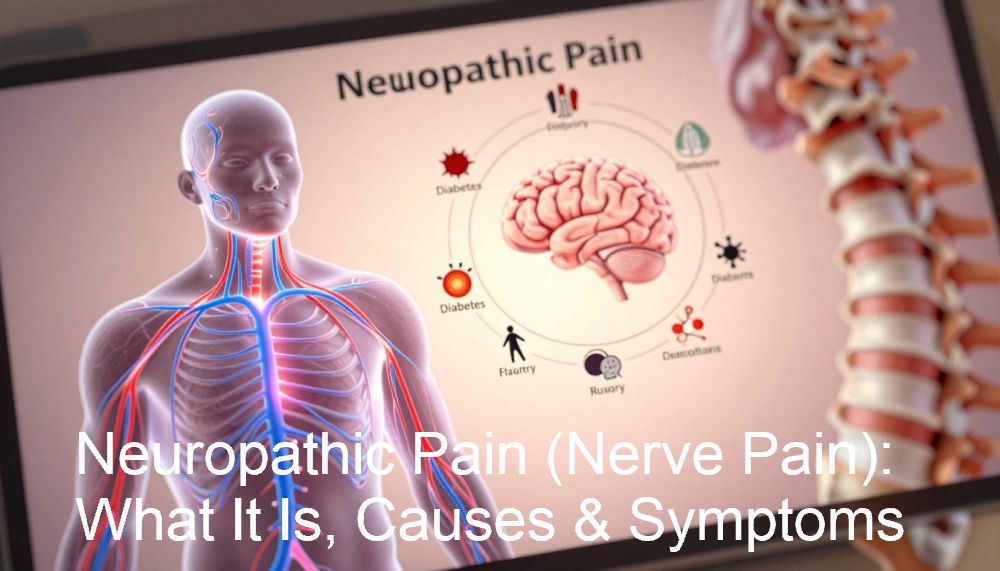
The causes of neuropathic pain can vary, but common triggers include diabetes, injury, infection, and certain medical conditions. Understanding the underlying cause is crucial for effective management.
Symptoms can range from mild to severe and may include numbness, tingling, and sensitivity to touch. Recognizing these symptoms is the first step towards seeking appropriate treatment.
Key Takeaways
- Neuropathic pain is a chronic condition resulting from nerve damage.
- Causes include diabetes, injury, infection, and certain medical conditions.
- Symptoms can vary and include numbness, tingling, and sensitivity to touch.
- Understanding the cause is crucial for effective management.
- Recognizing symptoms is key to seeking appropriate treatment.
Understanding Neuropathic Pain
Neuropathic pain is a complex condition that affects millions of people worldwide, causing significant discomfort and impairment in daily life. It is characterized by chronic pain resulting from damage to or dysfunction of the nervous system. This type of pain can manifest in various forms, including burning, shooting, or stabbing sensations.
Definition and Characteristics
Neuropathic pain is defined by its origin: it’s caused by a lesion or disease affecting the somatosensory nervous system. The characteristics of neuropathic pain include its chronic nature, often persisting beyond the normal healing time of an injury. It can also involve abnormal pain sensations such as allodynia, where non-painful stimuli are perceived as painful.
How Neuropathic Pain Differs from Other Types of Pain
Unlike nociceptive pain, which is caused by tissue damage, neuropathic pain arises from nerve damage or dysfunction. This distinction is crucial because it affects how the pain is treated. Neuropathic pain often requires a different approach, focusing on managing pain signals and addressing the underlying nerve damage.
The management of neuropathic pain can be challenging due to its complex nature and the variability in patient responses. Understanding its definition and characteristics is key to developing effective treatment plans.
The Science Behind Nerve Pain
To comprehend neuropathic pain, it’s essential to understand how the nervous system functions. The nervous system is a complex network that includes the brain, spinal cord, and nerves, all working together to control the body’s functions.
Nervous System Basics
The nervous system is divided into two main parts: the central nervous system (CNS), which includes the brain and spinal cord, and the peripheral nervous system (PNS), comprising nerves that connect the CNS to the rest of the body. Understanding this basic structure is vital for grasping how neuropathic pain occurs.
Pain Signal Transmission
Pain signal transmission is a critical function of the nervous system. When a painful stimulus is detected, specialized nerve endings called nociceptors send signals through the nerves to the spinal cord and then to the brain, where the pain is processed and perceived. This complex pathway involves multiple neurotransmitters and receptors.
What Goes Wrong in Neuropathic Pain
In neuropathic pain, something goes awry in the pain signal transmission process. This can be due to damage to the nerves themselves or to the pathways that transmit pain signals. As a result, the nerves may send incorrect or exaggerated pain signals to the brain, leading to the chronic pain characteristic of neuropathic pain.
Understanding these mechanisms is crucial for developing effective treatments. By targeting the specific causes of neuropathic pain, healthcare providers can offer a range of therapies to alleviate symptoms and improve quality of life.
Common Causes of Neuropathic Pain
Understanding the root causes of neuropathic pain is crucial for effective management and treatment. Neuropathic pain can result from damage to or dysfunction of the nervous system, and various factors can contribute to its development.
Diabetes and Diabetic Neuropathy
Diabetes is a leading cause of neuropathic pain, primarily through the development of diabetic neuropathy. High blood sugar levels over time can damage nerve fibers, leading to pain, numbness, and tingling, typically in the hands and feet. According to the American Diabetes Association, diabetic neuropathy affects up to 50% of people with diabetes.
Infections and Viruses
Certain infections and viruses can cause neuropathic pain by damaging nerves. For example, post-herpetic neuralgia is a complication of shingles, caused by the varicella-zoster virus. Other infections, such as Lyme disease and HIV, can also lead to neuropathic pain.
Physical Trauma and Nerve Compression
Physical trauma, including injuries from accidents or surgery, can cause nerve damage leading to neuropathic pain. Nerve compression, as seen in conditions like carpal tunnel syndrome, can also result in neuropathic pain symptoms.
Chemotherapy and Cancer Treatments
Chemotherapy and other cancer treatments can damage nerves, leading to a condition known as chemotherapy-induced peripheral neuropathy (CIPN). This condition can cause significant pain and discomfort.
Other Medical Conditions
Various other medical conditions can contribute to neuropathic pain, including multiple sclerosis, fibromyalgia, and autoimmune disorders. As noted by a study published in the Journal of Pain Research, “The presence of neuropathic pain can significantly impact the quality of life, emphasizing the need for proper diagnosis and treatment.”
“Neuropathic pain is a complex and multifactorial condition that requires a comprehensive approach to management.”
– Dr. John Smith, Pain Management Specialist
By understanding these common causes, individuals can better navigate their treatment options and work towards managing their neuropathic pain effectively.
Types of Nerve Pain Conditions
Understanding the different types of nerve pain is crucial for effective management and treatment. Neuropathic pain can manifest in various forms, each with its own set of characteristics and underlying causes. This diversity makes diagnosis and treatment challenging, but also highlights the importance of a comprehensive approach.
Peripheral Neuropathy
Peripheral neuropathy is a common type of nerve pain that affects the peripheral nerves, often causing weakness, numbness, and pain, usually in the hands and feet. This condition can result from diabetes, nutritional deficiencies, or exposure to toxins. According to the
“The prevalence of peripheral neuropathy increases with age, affecting up to 20% of older adults,”
as noted by experts in the field.
Trigeminal Neuralgia
Trigeminal neuralgia is characterized by intense, shock-like or stabbing pain in parts of the face. This condition affects the trigeminal nerve and can be triggered by everyday activities such as eating or talking. The pain can be severe and debilitating, impacting the quality of life.
Post-herpetic Neuralgia (Shingles)
Post-herpetic neuralgia (PHN) is a complication of shingles, causing persistent pain in the area where the shingles rash occurred. PHN can last for months or even years after the initial rash has healed. The pain is often described as burning or aching, and can be accompanied by sensitivity to touch.
Other Common Types
Other types of nerve pain conditions include complex regional pain syndrome (CRPS), phantom limb pain, and painful diabetic neuropathy. Each of these conditions has its unique characteristics and challenges. A comprehensive treatment plan is essential for managing these conditions effectively.
| Condition | Characteristics | Common Causes |
|---|---|---|
| Peripheral Neuropathy | Weakness, numbness, pain in hands and feet | Diabetes, nutritional deficiencies, toxins |
| Trigeminal Neuralgia | Shock-like or stabbing pain in the face | Nerve compression or irritation |
| Post-herpetic Neuralgia | Persistent pain after shingles rash | Complication of shingles |
Recognizing Neuropathic Pain Symptoms
Recognizing the symptoms of neuropathic pain is crucial for timely medical intervention. Neuropathic pain is characterized by a variety of symptoms that can significantly impact an individual’s quality of life.
Sensory Symptoms
Sensory symptoms are a hallmark of neuropathic pain. These symptoms can manifest in different ways, affecting the patient’s perception and sensation.
Burning and Tingling Sensations
One of the most common sensory symptoms is a burning or tingling sensation. This can feel like a pins-and-needles sensation or a burning feeling, often without any apparent cause.
Numbness and Loss of Sensation
Numbness and loss of sensation are also prevalent. Patients may experience a reduction or complete loss of sensation in certain areas, making it difficult to perform daily activities.
Pain Characteristics
Neuropathic pain can have various pain characteristics, including sharp, shooting, or stabbing pain. The pain can be constant or intermittent and may vary in intensity.
| Symptom | Description |
|---|---|
| Burning Sensation | A feeling of burning, often without an apparent cause |
| Tingling Sensation | A pins-and-needles feeling, often in the extremities |
| Numbness | A reduction or loss of sensation in certain areas |
| Sharp Pain | Sudden, intense pain that can be stabbing or shooting |
When to See a Doctor
It’s essential to seek medical attention if you’re experiencing persistent or severe symptoms. Early diagnosis and treatment can significantly improve outcomes.
If you’re experiencing any of the following, consider consulting a healthcare professional:
- Unexplained burning or tingling sensations
- Numbness or loss of sensation
- Sharp, shooting, or stabbing pain
Risk Factors for Developing Neuropathic Pain
Understanding the risk factors for neuropathic pain is essential for prevention and effective management. Several factors can increase the likelihood of developing this condition.
Medical Conditions
Certain medical conditions are known to increase the risk of neuropathic pain. For instance, diabetes is a major risk factor due to the potential for diabetic neuropathy. Other conditions include multiple sclerosis, Parkinson’s disease, and infections like HIV/AIDS and Lyme disease. These conditions can damage nerves, leading to neuropathic pain.
Lifestyle Factors
Lifestyle factors also play a significant role. For example, excessive alcohol consumption can lead to nerve damage, and a poor diet lacking essential nutrients can contribute to neuropathy. Additionally, obesity and a sedentary lifestyle can increase the risk. It’s crucial to maintain a healthy lifestyle to mitigate these risks.
Age and Genetic Factors
Age is another significant risk factor, as older adults are more likely to develop neuropathic pain due to the natural aging process and the increased likelihood of underlying medical conditions. Genetic predisposition can also play a role, with some individuals being more susceptible to neuropathic pain due to their genetic makeup.
By understanding these risk factors, individuals can take proactive steps to reduce their likelihood of developing neuropathic pain.
Diagnosing Neuropathic Pain
To accurately diagnose neuropathic pain, healthcare professionals must employ a combination of medical history review, physical examination, and diagnostic tests.
Medical History and Physical Examination
A thorough medical history is crucial in diagnosing neuropathic pain, as it helps identify potential causes such as diabetes, infections, or physical trauma. A physical examination assesses sensory function, muscle strength, and reflexes, providing further clues about the underlying cause.
Diagnostic Tests
Diagnostic tests play a vital role in confirming the diagnosis. These may include nerve conduction studies, electromyography (EMG), and imaging tests like MRI or CT scans. These tests help identify nerve damage or compression.
Ruling Out Other Conditions
It’s essential to rule out other conditions that may mimic neuropathic pain, such as musculoskeletal pain or other types of chronic pain. A careful evaluation and diagnostic tests help healthcare professionals make an accurate diagnosis.
Why Nerve Pain Can Be Difficult to Treat
Nerve pain is notoriously difficult to treat, and understanding why is crucial for effective management. Neuropathic pain arises from damage to the nervous system, which can result from various causes, including diabetes, infections, and physical trauma. This complexity makes treatment challenging.
Unique Challenges in Pain Management
Managing neuropathic pain is complicated by several factors. Firstly, the pain is often chronic and can be resistant to conventional pain relief medications. Secondly, the underlying cause of the pain can be difficult to diagnose and treat. For instance, diabetic neuropathy requires managing blood sugar levels alongside pain relief.
Another challenge is the variability in patient responses to treatment. What works for one patient may not work for another, making personalized treatment plans essential. As noted by a study published in the Journal of Pain Research, “The heterogeneity of neuropathic pain requires a tailored approach to treatment.”
| Challenge | Description | Impact on Treatment |
|---|---|---|
| Chronic Nature | Long-term pain condition | Requires long-term management strategies |
| Resistance to Medication | Often resistant to conventional pain relief | Necessitates alternative treatment approaches |
| Variability in Patient Response | Different responses to the same treatment | Demands personalized treatment plans |
Importance of Finding the Underlying Cause
Identifying the underlying cause of neuropathic pain is crucial for effective treatment. A thorough diagnosis can reveal the root cause, whether it’s diabetes, nerve compression, or another condition. Treating the underlying cause can significantly improve pain management outcomes.
For example, if the neuropathic pain is due to nerve compression, treatments such as physical therapy or surgery may be necessary to relieve the compression.
“Accurate diagnosis is the cornerstone of effective neuropathic pain management, allowing for targeted interventions that address the root cause of the pain.”
Understanding the unique challenges in pain management and the importance of finding the underlying cause can significantly enhance treatment outcomes for patients with neuropathic pain.
Medication Options for Neuropathic Pain Relief
For individuals suffering from neuropathic pain, finding the right medication can be a significant step towards relief. Neuropathic pain, characterized by its complexity and variability, often requires a tailored approach to management. Medications play a crucial role in this management, offering various options to alleviate symptoms.
Anticonvulsants
Anticonvulsants, also known as anti-seizure medications, are commonly used to treat neuropathic pain. Drugs like gabapentin and pregabalin have been shown to be effective in reducing pain symptoms. They work by stabilizing abnormal electrical activity in the nervous system.
Antidepressants
Certain antidepressants, particularly tricyclic antidepressants (TCAs) and serotonin-norepinephrine reuptake inhibitors (SNRIs), are used to manage neuropathic pain. Amitriptyline and duloxetine are examples of such medications. They can help by affecting the levels of neurotransmitters in the brain that influence pain perception.
Pain Relievers and NSAIDs
Over-the-counter pain relievers and nonsteroidal anti-inflammatory drugs (NSAIDs) are often considered for neuropathic pain management. While they may not be as effective for neuropathic pain as other medications, they can still provide relief for some patients. Examples include acetaminophen and ibuprofen.
Topical Treatments
Topical treatments, such as lidocaine patches and capsaicin cream, offer another option for managing neuropathic pain. Lidocaine works by numbing the skin, while capsaicin reduces pain by decreasing the amount of a chemical called substance P in the nerves. These treatments are particularly useful for localized pain.
| Medication Type | Examples | Mechanism of Action |
|---|---|---|
| Anticonvulsants | Gabapentin, Pregabalin | Stabilize abnormal electrical activity |
| Antidepressants | Amitriptyline, Duloxetine | Affect neurotransmitter levels |
| Pain Relievers/NSAIDs | Acetaminophen, Ibuprofen | Reduce pain and inflammation |
| Topical Treatments | Lidocaine, Capsaicin | Numb skin or reduce substance P |
Advanced Treatment Approaches
For patients with neuropathic pain who haven’t found relief with conventional treatments, advanced treatment approaches offer new hope. These innovative therapies are designed to target the complex mechanisms underlying neuropathic pain, providing relief when other treatments have failed.
Spinal Cord Stimulation
Spinal cord stimulation (SCS) is a revolutionary treatment that involves implanting a device that delivers electrical impulses to the spinal cord, interrupting pain signals to the brain. This therapy has been shown to significantly reduce pain in patients with neuropathic pain conditions.
Peripheral Nerve Stimulation
Peripheral nerve stimulation (PNS) is another advanced treatment that targets specific nerves responsible for transmitting pain signals. By delivering electrical stimulation to these nerves, PNS can effectively reduce neuropathic pain.
Nerve Blocks and Injections
Nerve blocks and injections involve administering local anesthetics or steroids to specific nerves or areas to block pain signals. These procedures can provide temporary or long-term relief for patients with neuropathic pain.
Surgical Interventions
In some cases, surgical interventions may be necessary to alleviate neuropathic pain. Surgical options can include procedures to decompress nerves, repair damaged nerves, or implant devices to manage pain.
The following table summarizes the advanced treatment approaches discussed:
| Treatment Approach | Description | Potential Benefits |
|---|---|---|
| Spinal Cord Stimulation | Implantable device delivering electrical impulses to the spinal cord | Significant pain reduction, improved quality of life |
| Peripheral Nerve Stimulation | Electrical stimulation targeting specific nerves | Effective pain relief, reduced medication dependency |
| Nerve Blocks and Injections | Local anesthetics or steroids administered to specific nerves or areas | Temporary or long-term pain relief, diagnostic utility |
| Surgical Interventions | Procedures to decompress, repair, or implant devices | Pain alleviation, improved function, enhanced quality of life |
These advanced treatment approaches represent a significant advancement in the management of neuropathic pain, offering new possibilities for patients who have not responded to traditional therapies.
Non-Medication Therapies
Beyond medication, various non-medication therapies are available to help manage neuropathic pain. These therapies can be used alone or in conjunction with medication to provide relief and improve quality of life.
Physical and Occupational Therapy
Physical therapy can help improve mobility and strength, while occupational therapy assists in adapting daily activities to manage pain more effectively. Techniques such as gentle exercises, stretches, and physical modalities like heat or cold therapy can be beneficial.
- Exercise programs tailored to individual needs
- Manual therapy to improve joint mobility
- Education on posture and body mechanics
Psychological Approaches
Psychological approaches, including cognitive-behavioral therapy (CBT) and mindfulness-based stress reduction (MBSR), can help individuals cope with chronic pain. These therapies address the emotional and psychological aspects of pain.
Key benefits include:
- Improved pain coping strategies
- Reduced stress and anxiety
- Enhanced overall well-being
Alternative and Complementary Therapies
Alternative and complementary therapies such as acupuncture, massage therapy, and yoga can also provide relief. These therapies focus on holistic healing and can be used alongside conventional treatments.
By incorporating these non-medication therapies into a treatment plan, individuals with neuropathic pain can experience significant improvements in their symptoms and quality of life.
Living with Chronic Neuropathic Pain
Managing chronic neuropathic pain involves more than just treating the pain; it requires a comprehensive plan that incorporates medical treatment, lifestyle changes, and support systems. Living with this condition can be challenging, but with the right strategies, individuals can improve their quality of life.
Developing a Comprehensive Pain Management Plan
A comprehensive pain management plan is crucial for effectively managing chronic neuropathic pain. This plan should be tailored to the individual’s specific needs and may include a combination of medications, alternative therapies, and lifestyle modifications. It’s essential to work closely with healthcare providers to develop a plan that addresses the unique aspects of one’s condition.
| Component | Description | Benefits |
|---|---|---|
| Medications | Anticonvulsants, antidepressants, pain relievers | Reduces pain intensity, manages symptoms |
| Lifestyle Modifications | Dietary changes, exercise, stress management | Improves overall health, enhances pain management |
| Alternative Therapies | Physical therapy, psychological support, acupuncture | Provides additional pain relief, supports mental health |
Lifestyle Modifications to Improve Quality of Life
Making specific lifestyle modifications can significantly improve the quality of life for individuals living with chronic neuropathic pain. This includes adopting a healthy diet, engaging in appropriate exercise, and practicing stress management techniques. Such changes can help mitigate some of the pain and improve overall well-being.
Support Systems and Resources
Having a strong support system is vital for individuals dealing with chronic neuropathic pain. This can include family, friends, support groups, and professional resources. Utilizing these support systems can provide emotional support, practical help, and valuable information for managing the condition.
By combining a comprehensive pain management plan, lifestyle modifications, and support systems, individuals can better navigate the challenges of living with chronic neuropathic pain.
Prevention and Management Strategies
Preventing neuropathic pain requires a comprehensive approach that includes managing underlying conditions and adopting healthy lifestyle choices. By understanding the factors that contribute to neuropathic pain, individuals can take proactive steps to reduce their risk.
Managing Underlying Conditions
Managing underlying medical conditions is crucial in preventing neuropathic pain. For instance, controlling blood sugar levels in diabetes can prevent diabetic neuropathy. Regular medical check-ups and adherence to treatment plans can significantly reduce the risk of developing neuropathic pain.
Healthy Lifestyle Choices
Adopting a healthy lifestyle can also play a significant role in preventing neuropathic pain. This includes maintaining a balanced diet, exercising regularly, and avoiding excessive alcohol consumption. These habits not only improve overall health but also reduce the risk of conditions that can lead to neuropathic pain.
Early Intervention Importance
Early intervention is critical in managing neuropathic pain effectively. Recognizing the symptoms early and seeking medical attention can lead to timely treatment and better outcomes. Key strategies include:
- Seeking medical help at the onset of symptoms
- Following a treatment plan tailored to the individual’s condition
- Making necessary lifestyle adjustments to manage pain
Conclusion
Understanding neuropathic pain is crucial for effective management. This condition is characterized by damage to the nervous system, leading to chronic pain. The causes of neuropathic pain are diverse, including diabetes, infections, physical trauma, and chemotherapy.
A comprehensive diagnosis involves medical history, physical examination, and diagnostic tests to rule out other conditions. Treatment options range from medication, such as anticonvulsants and antidepressants, to advanced therapies like spinal cord stimulation and nerve blocks.
Managing neuropathic pain requires a multifaceted approach, incorporating lifestyle modifications, psychological support, and alternative therapies. By understanding the key takeaways from this article, individuals can better navigate their treatment options and improve their quality of life.
Effective management of neuropathic pain is achievable with the right combination of treatments and support. By summarizing the main points and focusing on managing neuropathic pain, individuals can take the first step towards a more comprehensive pain management plan.
FAQ
What is neuropathic pain?
Neuropathic pain is a type of chronic pain caused by damage to or dysfunction of the nervous system, which can result in abnormal pain signals being sent to the brain.
What are the common causes of neuropathic pain?
Common causes of neuropathic pain include diabetes, infections, physical trauma, chemotherapy, and certain medical conditions, such as multiple sclerosis and shingles.
What are the symptoms of neuropathic pain?
Symptoms of neuropathic pain can include burning or tingling sensations, numbness, stabbing or shooting pain, and sensitivity to touch or cold temperatures.
How is neuropathic pain diagnosed?
Diagnosing neuropathic pain typically involves a medical history, physical examination, and diagnostic tests, such as electromyography (EMG) or nerve conduction studies (NCS), to rule out other conditions.
What are the treatment options for neuropathic pain?
Treatment options for neuropathic pain include medications, such as anticonvulsants, antidepressants, and pain relievers, as well as non-medication therapies, like physical therapy, psychological approaches, and alternative therapies.
Can neuropathic pain be cured?
While some cases of neuropathic pain can be managed or alleviated, a cure is not always possible. Treatment focuses on reducing symptoms and improving quality of life.
How can I manage my neuropathic pain?
Managing neuropathic pain involves developing a comprehensive pain management plan, making lifestyle modifications, and utilizing support systems and resources to improve quality of life.
Are there any alternative therapies that can help with neuropathic pain?
Alternative therapies, such as acupuncture, massage, and relaxation techniques, may help alleviate neuropathic pain symptoms, although their effectiveness can vary from person to person.
Can lifestyle changes help with neuropathic pain?
Yes, making healthy lifestyle choices, such as maintaining a healthy weight, exercising regularly, and managing stress, can help improve symptoms of neuropathic pain.
Where can I find support for living with neuropathic pain?
Support groups, online resources, and healthcare professionals can provide valuable support and guidance for individuals living with neuropathic pain.