Understanding liver disease is crucial for maintaining overall health. The liver plays a vital role in detoxification, metabolism, and the production of vital proteins. However, when it’s affected by disease, it can lead to severe health complications.
Liver damage can occur due to various factors, including genetics, lifestyle choices, and environmental factors. Conditions like fatty liver disease and cirrhosis are becoming increasingly common, often leading to liver failure if left untreated.
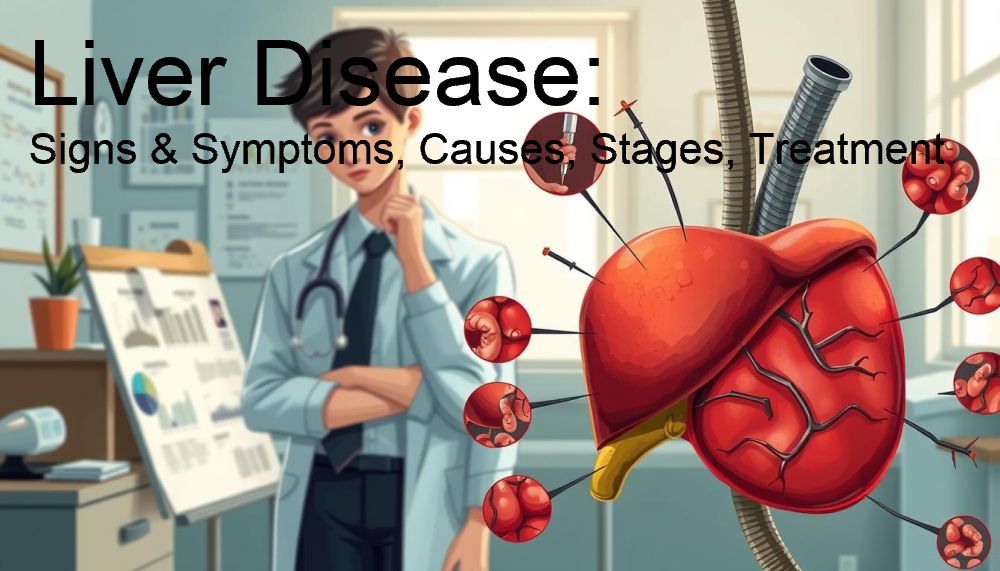
Recognizing the signs and symptoms of liver disease is the first step towards seeking timely medical intervention. Early diagnosis and treatment can significantly improve outcomes for individuals affected by liver disease.
Key Takeaways
- Liver disease encompasses various conditions that affect the liver.
- Factors such as genetics and lifestyle choices can contribute to liver damage.
- Early recognition of symptoms is crucial for effective treatment.
- Conditions like fatty liver disease and cirrhosis can lead to severe complications.
- Timely medical intervention can improve outcomes for individuals with liver disease.
What Your Liver Does and Why It Matters
The liver is a vital organ that performs a multitude of critical functions essential for maintaining overall health. It is responsible for detoxifying the blood, producing essential proteins for blood plasma, and producing bile, which aids in digestion.
The Vital Functions of Your Liver
The liver’s functions are diverse and critical. It metabolizes nutrients from food, regulates glycogen storage, and breaks down fats. It also plays a key role in removing toxins and waste products from the bloodstream, ensuring that the body remains free from harmful substances.
How Liver Damage Affects Your Body
When the liver is damaged, its ability to perform these vital functions is compromised. This can lead to a buildup of toxins, impaired metabolism, and a range of other health issues. “Liver damage can have far-reaching consequences on overall health.” It can result in conditions such as jaundice, fatigue, and in severe cases, liver failure.
The Liver’s Remarkable Ability to Regenerate
One of the liver’s most remarkable features is its ability to regenerate. Even when damaged, the liver can repair itself by producing new liver cells. This regenerative capacity is a testament to the liver’s resilience and importance.
Understanding the liver’s functions and its capacity for regeneration highlights the importance of maintaining liver health. By adopting a healthy lifestyle, individuals can support their liver’s well-being and overall health.
Types of Liver Disease
Understanding the different types of liver disease is crucial for effective diagnosis and treatment. Liver disease encompasses a broad spectrum of conditions, each with its own set of causes, symptoms, and treatment options.
Alcoholic Liver Disease
Alcoholic liver disease is a condition that occurs due to excessive alcohol consumption, leading to liver damage. It progresses through several stages, each with distinct characteristics.
Alcoholic Fatty Liver
The initial stage is characterized by the accumulation of fat in liver cells, which can be reversible with abstinence from alcohol.
Alcoholic Hepatitis
This is a more severe inflammation of the liver caused by continued alcohol abuse, potentially leading to liver cell damage.
Alcohol-Related Cirrhosis
The final stage involves scarring of the liver, which can lead to liver failure if not addressed.
Nonalcoholic Fatty Liver Disease (NAFLD)
NAFLD is a condition where fat accumulates in the liver of people who drink little or no alcohol. It is closely associated with obesity and metabolic syndrome.
Metabolic Dysfunction-Associated Steatotic Liver Disease
This is a subtype of NAFLD, characterized by liver fat accumulation in the context of metabolic dysfunction.
Viral Hepatitis
Viral hepatitis refers to inflammation of the liver caused by a viral infection. There are several types of viral hepatitis, each with different implications.
Hepatitis A, B, and C
Hepatitis A is typically spread through fecal-oral contact, while Hepatitis B and C are transmitted through bodily fluids and blood. Hepatitis C is a major cause of chronic liver disease.
Autoimmune Liver Diseases
Autoimmune liver diseases occur when the body’s immune system attacks liver cells. This category includes conditions like autoimmune hepatitis.
Genetic Liver Disorders
Genetic liver disorders are inherited conditions that affect liver function. They include Wilson disease and hemochromatosis.
Wilson Disease
A rare genetic disorder characterized by excessive accumulation of copper in the body, particularly in the liver.
Hemochromatosis
A condition where too much iron builds up in the body, leading to liver damage among other complications.
Recognizing these different types of liver disease is essential for appropriate management and treatment. Each condition requires a tailored approach to mitigate its impact on the liver and overall health.
Common Causes of Liver Disease
Several factors contribute to the development of liver disease, and being aware of these can aid in early detection and intervention. Understanding the common causes is crucial for both prevention and treatment.
Excessive Alcohol Consumption
Excessive alcohol consumption is a leading cause of liver disease, including conditions such as alcoholic hepatitis and cirrhosis. Chronic alcohol abuse can lead to liver inflammation and scarring, potentially resulting in liver failure.
Viral Infections
Viral infections, particularly hepatitis B and C, are significant causes of liver disease worldwide. These viruses can cause chronic infections, leading to liver inflammation and potentially cirrhosis or liver cancer.
Obesity and Metabolic Syndrome
Obesity and metabolic syndrome are increasingly recognized as major risk factors for liver disease, particularly non-alcoholic fatty liver disease (NAFLD). Insulin resistance and dyslipidemia associated with metabolic syndrome can exacerbate liver damage.
Medications and Toxins
Certain medications and environmental toxins can cause liver injury. For example, acetaminophen overdose is a common cause of acute liver failure. Exposure to industrial chemicals and some herbal supplements can also be hepatotoxic.
Genetic Factors
Genetic disorders such as hemochromatosis and Wilson’s disease can lead to liver disease by causing abnormal accumulation of substances like iron or copper in the liver.
Other Contributing Factors
Other factors that can contribute to liver disease include autoimmune conditions, where the body’s immune system attacks liver cells, and certain infections like schistosomiasis.
| Cause | Description | Potential Outcome |
|---|---|---|
| Excessive Alcohol Consumption | Chronic alcohol abuse leading to liver inflammation | Cirrhosis, Liver Failure |
| Viral Infections | Hepatitis B and C infections causing chronic liver inflammation | Liver Cancer, Cirrhosis |
| Obesity and Metabolic Syndrome | Insulin resistance and dyslipidemia leading to NAFLD | NASH, Cirrhosis |
“Understanding the causes of liver disease is the first step towards prevention and effective management. By addressing risk factors such as alcohol consumption and obesity, individuals can significantly reduce their risk of developing liver disease.”
Signs and Symptoms of Liver Disease
Recognizing the signs and symptoms of liver disease is essential for preventing its progression and complications. Liver disease can manifest in various ways, and being aware of these signs can help individuals seek medical attention early.
Early Warning Signs
Liver disease often starts with subtle symptoms that can be easy to overlook. Some of the early warning signs include:
- Fatigue and Weakness: Feeling unusually tired or weak without a clear reason can be an early indicator of liver issues.
- Unexplained Weight Loss: Losing weight without any changes in diet or exercise could signal liver problems.
- Loss of Appetite: A decrease in appetite can be an early sign of liver disease.
Common Symptoms
As liver disease progresses, more noticeable symptoms can appear. Common symptoms include:
- Jaundice (Yellowing of Skin and Eyes): One of the most recognizable symptoms is jaundice, which causes the skin and eyes to turn yellow.
- Abdominal Pain and Swelling: Pain or swelling in the abdominal area can indicate liver inflammation or damage.
- Nausea and Vomiting: Feeling nauseous or vomiting can be symptoms of liver disease.
Advanced Symptoms
In advanced stages, liver disease can cause more severe symptoms, including:
- Fluid Buildup in the Abdomen (Ascites): Ascites is a condition where fluid accumulates in the abdomen, often due to cirrhosis.
- Mental Confusion: Advanced liver disease can lead to hepatic encephalopathy, causing mental confusion and cognitive issues.
- Bleeding Easily: Liver disease can affect the production of clotting factors, leading to easy bruising and bleeding.
When to Seek Medical Attention
It’s crucial to seek medical attention if you experience any of the symptoms mentioned above, especially if they persist or worsen over time. Early diagnosis and treatment can significantly improve outcomes for individuals with liver disease.
Stages of Liver Disease
Understanding the stages of liver disease is crucial for patients to grasp the progression of their condition and the importance of timely treatment. Liver disease progresses through several distinct stages, each with its own characteristics and implications for patient health.
Inflammation: The First Stage
The initial stage of liver disease is often characterized by inflammation, where the liver becomes swollen due to injury or infection. This inflammation can be caused by various factors, including excessive alcohol consumption, viral infections, or exposure to toxins.
Fibrosis: Scarring Begins
As liver disease advances, it can lead to fibrosis, a condition where the liver starts to develop scar tissue. If left unchecked, fibrosis can progress further, leading to more severe scarring.
Cirrhosis: Permanent Scarring
Cirrhosis represents a more advanced stage of liver disease, where the liver is heavily scarred, and its function is significantly impaired. Cirrhosis can lead to serious complications, including liver failure.
Liver Failure: When Function Deteriorates
Liver failure occurs when the liver is no longer able to perform its essential functions. This can be due to advanced cirrhosis or other severe liver damage, requiring immediate medical attention.
End-Stage Liver Disease
The final stage of liver disease is known as end-stage liver disease, where the liver is severely damaged and unable to function. At this point, a liver transplant may be the only viable treatment option.
Recognizing these stages is vital for managing liver disease effectively and improving patient outcomes. Early detection and appropriate treatment can significantly impact the progression of the disease.
Diagnosing Liver Disease
Diagnosing liver disease involves a multi-faceted approach that includes several diagnostic tests. Healthcare professionals use a combination of these tests to accurately assess liver health and determine the presence of any liver conditions.
Physical Examination
A physical examination is often the first step in diagnosing liver disease. During this examination, doctors look for visible signs of liver damage, such as jaundice or abdominal swelling.
Looking for Visible Signs
Doctors check for visible signs like jaundice, which is characterized by a yellowing of the skin and eyes.
Checking for Liver Enlargement
They also check for liver enlargement by palpating the abdomen to feel for any abnormalities.
Blood Tests
Blood tests are crucial for diagnosing liver disease. They help assess liver function and identify potential issues.
Liver Function Tests
Liver function tests measure the levels of certain enzymes and proteins in the blood that indicate liver health.
Viral Hepatitis Tests
Tests for viral hepatitis check for the presence of specific antibodies or viral genetic material.
Imaging Tests
Imaging tests provide visual information about the liver’s condition.
Ultrasound
An ultrasound uses sound waves to create images of the liver, helping to identify abnormalities.
CT Scan and MRI
CT scans and MRIs offer more detailed images of the liver, aiding in the diagnosis of various liver conditions.
Liver Biopsy
In some cases, a liver biopsy may be necessary to diagnose liver disease accurately.
When a Tissue Sample is Needed
A liver biopsy involves taking a tissue sample from the liver for detailed examination.
| Diagnostic Method | Description |
|---|---|
| Physical Examination | Checking for visible signs and liver enlargement |
| Blood Tests | Liver function tests and viral hepatitis tests |
| Imaging Tests | Ultrasound, CT scan, and MRI |
| Liver Biopsy | Taking a tissue sample for detailed examination |
Treatment Options for Liver Disease
Effective treatment of liver disease requires a comprehensive approach that addresses the underlying cause and severity of the condition. The goal is to halt disease progression, manage symptoms, and improve quality of life.
Lifestyle Changes
Lifestyle modifications play a crucial role in managing liver disease. These changes can help alleviate symptoms and slow disease progression.
Dietary Modifications
A healthy diet is essential for liver health. Patients are often advised to follow a low-sodium diet to reduce the risk of complications like ascites.
Exercise Recommendations
Regular physical activity can help improve overall health and reduce liver fat. It’s recommended to engage in moderate-intensity exercise, such as brisk walking, for at least 150 minutes per week.
Alcohol Cessation
For individuals with alcoholic liver disease, stopping alcohol consumption is critical. This can be challenging and may require professional help.
Medications
Various medications are used to treat liver disease, depending on the underlying cause.
Antiviral Treatments
Antiviral medications are used to treat viral hepatitis, helping to reduce viral load and slow disease progression.
Corticosteroids
Corticosteroids may be prescribed to reduce inflammation in autoimmune hepatitis.
Other Medications
Other medications may be used to manage specific symptoms or complications of liver disease.
Managing Complications
As liver disease progresses, complications can arise that require specific management strategies.
Treating Portal Hypertension
Portal hypertension can be managed with medications that reduce pressure in the portal vein.
Managing Ascites
Ascites, a buildup of fluid in the abdomen, can be managed with diuretics and paracentesis.
Addressing Hepatic Encephalopathy
Hepatic encephalopathy is treated with medications that reduce ammonia levels in the blood.
Liver Transplantation
In advanced cases of liver disease, liver transplantation may be necessary.
When It’s Necessary
Liver transplantation is considered when liver function is severely compromised and other treatments have failed.
The Transplant Process
The transplant process involves evaluation, waiting for a donor liver, and post-transplant care.
Complications of Untreated Liver Disease
Untreated liver disease can lead to a multitude of serious complications that significantly impact a patient’s quality of life. These complications can be severe and potentially life-threatening, making timely medical intervention crucial.
Portal Hypertension
Portal hypertension is a significant complication of liver disease, characterized by increased pressure in the portal vein. This condition can lead to various complications, including variceal bleeding and splenomegaly.
Causes and Effects
The primary cause of portal hypertension is cirrhosis, although other liver diseases can also contribute to its development. The increased pressure can cause blood to be diverted into smaller veins, leading to varices that are prone to bleeding.
Treatment Approaches
Treatment for portal hypertension focuses on reducing the risk of bleeding and managing complications. This may include medications to lower portal pressure, endoscopic therapy to treat varices, and surgical interventions in severe cases.
Ascites
Ascites, the accumulation of fluid in the peritoneal cavity, is another complication of untreated liver disease. It is often associated with cirrhosis and portal hypertension.
Symptoms and Diagnosis
Symptoms of ascites include abdominal swelling and discomfort. Diagnosis is typically made through physical examination and imaging studies, such as ultrasound.
Management Options
Management of ascites involves dietary changes, such as sodium restriction, and diuretic therapy to promote fluid excretion. In severe cases, paracentesis may be performed to remove excess fluid.
Hepatic Encephalopathy
Hepatic encephalopathy is a neuropsychiatric disturbance caused by liver dysfunction. It can range from mild cognitive impairment to coma.
Recognizing the Signs
Signs of hepatic encephalopathy include confusion, altered mental status, and, in advanced cases, loss of consciousness. Early recognition is crucial for effective management.
Treatment Strategies
Treatment involves addressing the underlying liver disease, reducing ammonia production through dietary changes and medications, and managing symptoms.
Liver Cancer
Liver cancer, particularly hepatocellular carcinoma, is a significant risk for individuals with chronic liver disease.
Risk Factors
Risk factors for liver cancer include chronic viral hepatitis, cirrhosis, and certain genetic conditions. Regular screening is recommended for high-risk individuals.
Screening and Treatment
Screening involves regular imaging studies, such as ultrasound, and alpha-fetoprotein measurement. Treatment options depend on the stage of cancer and may include surgical resection, ablation therapies, and systemic treatments.
Preventing Liver Disease
Adopting certain habits and being mindful of environmental toxins can significantly reduce the risk of developing liver disease. By making informed choices, individuals can protect their liver health and overall well-being.
Healthy Lifestyle Choices
Making healthy lifestyle choices is crucial in preventing liver disease. This includes dietary changes and regular physical activity.
Limiting Alcohol Consumption
Reducing alcohol intake is one of the most effective ways to prevent liver disease. Excessive alcohol consumption is a major risk factor for liver damage.
Maintaining a Healthy Weight
Obesity is linked to an increased risk of non-alcoholic fatty liver disease (NAFLD). Maintaining a healthy weight through a balanced diet and regular exercise can help prevent this condition.
Vaccination
Vaccination against certain hepatitis viruses is a critical preventive measure.
Hepatitis A and B Vaccines
Vaccines are available for hepatitis A and B, which can cause liver disease. Getting vaccinated can significantly reduce the risk of infection.
Avoiding Toxins
Avoiding exposure to toxins is another key aspect of liver disease prevention.
Medication Safety
Being cautious with medication use and following dosage instructions can help prevent liver damage.
Environmental Hazards
Awareness of environmental toxins, such as chemicals and pollutants, can help individuals take steps to minimize exposure.
Regular Check-ups
Regular health check-ups are essential for early detection and prevention of liver disease.
Screening Recommendations
Individuals at risk should follow screening recommendations for liver disease. Early detection can lead to timely intervention and better outcomes.
| Prevention Strategy | Description | Benefit |
|---|---|---|
| Healthy Lifestyle Choices | Dietary changes and regular physical activity | Reduces risk of NAFLD and other liver conditions |
| Vaccination | Hepatitis A and B vaccines | Prevents hepatitis infections |
| Avoiding Toxins | Medication safety and avoiding environmental hazards | Minimizes liver damage from toxins |
Living with Liver Disease
Living with liver disease can be challenging, but with the right guidance on diet, exercise, and mental well-being, individuals can lead fulfilling lives. Effective management of liver disease involves a multifaceted approach that includes dietary adjustments, regular physical activity, and mental health support.
Diet and Nutrition
A well-balanced diet is crucial for individuals with liver disease. The goal is to maintain a healthy weight, support liver function, and prevent further damage.
Foods to Embrace
Focus on consuming a variety of nutrient-rich foods, including:
- Fruits and vegetables
- Whole grains
- Lean proteins
- Healthy fats
Foods to Limit or Avoid
Certain foods can exacerbate liver disease. It’s advisable to limit or avoid:
- Processed and high-sugar foods
- High-sodium foods
- Alcohol
- Foods high in saturated and trans fats
Physical Activity Guidelines
Regular physical activity is essential for overall health and can help manage liver disease. Aim for at least 150 minutes of moderate-intensity exercise or 75 minutes of vigorous-intensity exercise per week.
Mental Health Support
Living with liver disease can take a toll on mental health. Seeking support from healthcare professionals, support groups, or counseling services is crucial.
Support Groups and Resources
Connecting with others who are living with liver disease can provide valuable support and guidance.
Finding Community Support
Look for local support groups or online forums where you can share experiences and advice.
Online Resources
Utilize reputable online resources for information on liver disease management, including dietary advice and mental health support.
| Resource | Description | Contact Information |
|---|---|---|
| Liver Foundation | Provides information on liver health and disease management | www.liverfoundation.org |
| American Liver Association | Offers resources on liver disease, including diet and lifestyle advice | www.liverassociation.org |
Conclusion
Understanding liver disease is crucial for maintaining overall health. The liver plays a vital role in detoxification, metabolism, and the production of essential proteins. Liver disease can result from various factors, including excessive alcohol consumption, viral infections, and genetic disorders.
A liver disease summary highlights the importance of recognizing early warning signs, such as fatigue, jaundice, and abdominal pain. If left untreated, liver disease can progress through stages, including inflammation, fibrosis, cirrhosis, and liver failure. Treatment options range from lifestyle changes and medications to liver transplantation in advanced cases.
The liver health importance cannot be overstated. By making healthy lifestyle choices, such as a balanced diet, regular exercise, and avoiding toxins, individuals can significantly reduce their risk of developing liver disease. Regular check-ups and screenings can also help identify potential issues early on.
In conclusion, being informed about liver disease is the first step towards protecting liver health. By understanding the causes, symptoms, and treatment options, individuals can take proactive measures to maintain a healthy liver and overall well-being.
FAQ
What are the common symptoms of liver disease?
Common symptoms include fatigue, weakness, jaundice (yellowing of the skin and eyes), abdominal pain, nausea, and loss of appetite. In advanced stages, symptoms may include fluid buildup in the abdomen (ascites), mental confusion, and bleeding easily.
What causes liver disease?
Liver disease can be caused by excessive alcohol consumption, viral infections (such as hepatitis B and C), obesity, metabolic syndrome, genetic factors, and exposure to toxins. Other contributing factors include certain medications and autoimmune disorders.
How is liver disease diagnosed?
Diagnosis involves a physical examination to look for visible signs and check for liver enlargement, blood tests (including liver function tests and viral hepatitis tests), imaging tests (such as ultrasound, CT scan, and MRI), and sometimes a liver biopsy to examine a tissue sample.
What are the stages of liver disease?
The stages include inflammation (the initial stage), fibrosis (scarring begins), cirrhosis (permanent scarring), liver failure (when liver function deteriorates), and end-stage liver disease. Understanding these stages is crucial for managing the condition.
Can liver disease be treated?
Yes, treatment options are available, including lifestyle changes (dietary modifications, exercise, and alcohol cessation), medications (antiviral treatments, corticosteroids, and others), managing complications (treating portal hypertension, managing ascites, and addressing hepatic encephalopathy), and liver transplantation in severe cases.
How can liver disease be prevented?
Prevention involves making healthy lifestyle choices (limiting alcohol consumption, maintaining a healthy weight), getting vaccinated against hepatitis A and B, avoiding toxins (medication safety and environmental hazards), and having regular check-ups and screenings.
What lifestyle changes can help manage liver disease?
Dietary modifications, regular exercise, and stopping alcohol consumption can help manage the condition. It’s also important to follow specific dietary recommendations and physical activity guidelines tailored to the individual’s needs.
What are the complications of untreated liver disease?
Complications include portal hypertension, ascites, hepatic encephalopathy, and an increased risk of liver cancer. Early treatment can help prevent or manage these complications.
Is it possible to live with liver disease?
Yes, with proper management, including diet and nutrition adjustments, physical activity, mental health support, and support groups, individuals can live with liver disease. It’s essential to work closely with healthcare providers to manage the condition effectively.