Halitosis, commonly known as bad breath, is a condition that affects millions of people worldwide. It can be a source of embarrassment and discomfort, impacting one’s social and professional life.
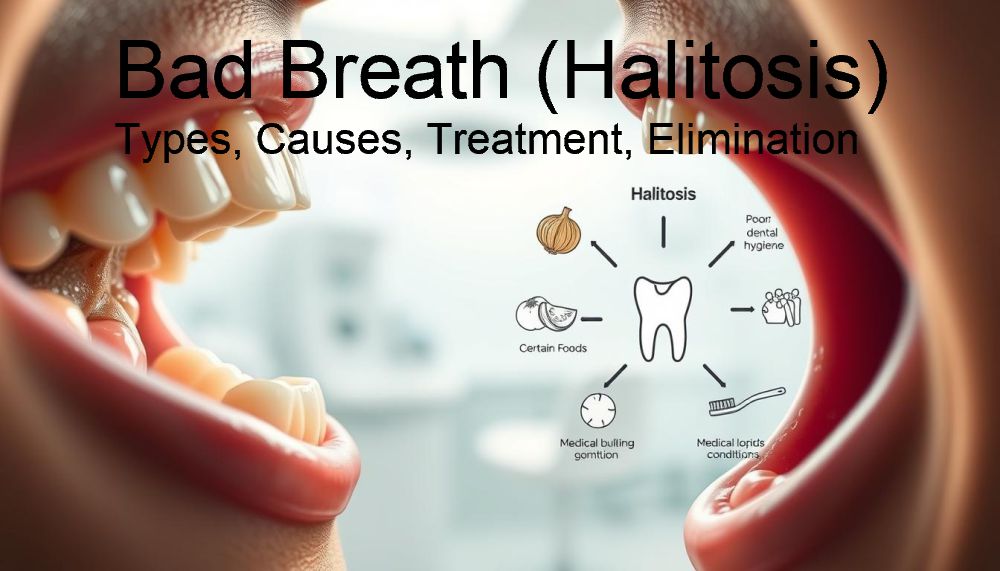
The causes of bad breath can vary, ranging from poor oral hygiene to underlying health issues. Understanding the types and causes is crucial for effective treatment and elimination.
Maintaining good oral health is key to preventing halitosis. Regular dental check-ups and proper brushing and flossing techniques can help mitigate the risk of developing bad odor.
Key Takeaways
- Halitosis is a common condition that can significantly impact one’s quality of life.
- Poor oral hygiene is a primary cause of bad breath.
- Underlying health issues can also contribute to halitosis.
- Regular dental check-ups are essential for maintaining good oral health.
- Proper brushing and flossing techniques can help prevent bad odor.
What Causes Bad Breath? Understanding the Science of Halitosis
Understanding the causes of bad breath is crucial for effective treatment and prevention. Halitosis, the medical term for bad breath, is a complex condition influenced by various factors.
Definition and Prevalence of Halitosis in America
Halitosis is defined as a condition characterized by persistent bad breath that can be a source of social and psychological distress. In America, halitosis affects a significant portion of the population, with studies suggesting that approximately 25% of adults experience bad breath on a regular basis.
The prevalence of halitosis is attributed to various factors, including poor oral hygiene, dietary habits, and underlying medical conditions.
The Psychological Impact of Persistent Oral Odor
The psychological impact of halitosis should not be underestimated. Individuals suffering from persistent bad breath often experience anxiety, depression, and low self-esteem.
Persistent oral odor can lead to social isolation, as individuals may avoid social interactions due to embarrassment about their breath. It’s essential to address halitosis not just as a physical condition but also as a potential mental health concern.
Types of Bad Breath and How to Identify Them
Understanding the different types of bad breath is crucial for determining the underlying cause and finding an effective solution. Bad breath, or halitosis, can manifest in various forms, each with distinct characteristics and causes.
Morning Breath: Why It Happens
Morning breath is a common experience for many people. It occurs due to the reduction in saliva production during sleep, allowing bacteria to thrive in the mouth. This type of bad breath typically resolves on its own after eating or brushing teeth.
Persistent (Chronic) Halitosis and Its Patterns
Chronic halitosis refers to bad breath that persists over time. It can be caused by a variety of factors, including poor oral hygiene, gum disease, dry mouth, or systemic health issues. Identifying the pattern of chronic halitosis, such as whether it occurs at specific times of the day or is constant, can help in diagnosing its cause.
Psychogenic Halitosis: When the Mind Perceives Odor
Psychogenic halitosis is a condition where individuals believe they have bad breath, even when no odor is detectable by others. This perception can be linked to psychological factors, such as anxiety or obsessive-compulsive disorder. Addressing psychogenic halitosis often requires a different approach, focusing on the psychological aspects rather than just oral hygiene.
Recognizing the specific type of bad breath is essential for effective management. By understanding whether you are experiencing morning breath, chronic halitosis, or psychogenic halitosis, you can take targeted steps to address the issue.
Common Causes of Bad Breath in the Mouth
Understanding the causes of bad breath is crucial for effective treatment. Bad breath, or halitosis, can significantly impact an individual’s quality of life, affecting their social interactions and self-confidence.
Bacterial Buildup and Poor Oral Hygiene
Bacterial buildup is a primary cause of bad breath. When oral hygiene is poor, bacteria accumulate on the teeth, tongue, and gums, producing volatile sulfur compounds (VSCs) that lead to unpleasant odors. Regular brushing and flossing can help mitigate this issue by reducing bacterial loads.
Dental Problems That Lead to Oral Odor
Dental problems are another significant contributor to bad breath. Issues such as gum disease and cavities can create an environment conducive to bacterial growth.
Gum Disease and Periodontitis
Gum disease, including periodontitis, is a serious condition that can cause bad breath. The inflammation and infection associated with these conditions lead to the production of VSCs.
Cavities and Tooth Decay
Cavities and tooth decay provide a haven for bacteria, contributing to the development of halitosis. Untreated, these conditions can worsen, leading to more severe oral health issues.
Dry Mouth (Xerostomia) and Decreased Saliva Production
Dry mouth, or xerostomia, occurs when saliva production decreases. Saliva plays a crucial role in oral hygiene by washing away bacteria and food particles. Without sufficient saliva, the risk of bad breath increases.
Some common causes of dry mouth include medication side effects, dehydration, and certain medical conditions. Managing dry mouth can involve staying hydrated, using saliva substitutes, or adjusting medications.
By understanding these common causes of bad breath, individuals can take the first step towards addressing their halitosis and improving their oral health.
Diet-Related Factors That Make Your Breath Smell Bad
Dietary choices can significantly impact the occurrence of bad breath or halitosis. The food we eat and the beverages we consume can either contribute to or combat the condition.
Odor-Causing Foods: Garlic, Onions, and Strong Spices
Certain foods are notorious for causing bad breath. Garlic and onions contain volatile compounds that can linger in the mouth and throat, leading to unpleasant odors. Similarly, strong spices can leave residues that contribute to halitosis. While these foods can be part of a healthy diet, their consumption should be moderated to prevent bad breath.
Beverages That Contribute to Halitosis
Beverages can also play a role in the development of bad breath. Drinks like coffee and alcohol can dry out the mouth, reducing saliva production and creating an environment conducive to bacterial growth. Additionally, sugary drinks can feed oral bacteria, further contributing to halitosis.
Fasting, Low-Carb Diets, and Ketosis Breath
Fasting or following a low-carb diet can lead to a condition known as ketosis breath. When the body burns fat for energy instead of carbohydrates, it produces acetone, a chemical that can cause bad breath. While this condition is generally temporary, it can be managed by staying hydrated and adjusting dietary habits.
Understanding the impact of diet on bad breath is crucial for managing halitosis. By making informed choices about the foods and beverages we consume, we can take significant steps towards fresher breath and better oral health.
Medical Conditions Associated with Bad Breath
Understanding the medical conditions associated with bad breath is crucial for effective treatment and management. Various health issues can cause halitosis, making it essential to identify and address the underlying cause.
Respiratory Tract Infections and Sinus Problems
Respiratory tract infections, including sinusitis, can lead to bad breath due to the accumulation of bacteria and pus. Sinus infections, in particular, can cause a foul odor as a result of the infection.
Gastrointestinal Issues and Acid Reflux
Gastrointestinal problems, such as acid reflux disease (GERD), can contribute to halitosis. The regurgitation of stomach contents can lead to bad breath, as the acidic nature of the reflux can affect the mouth.
Diabetes and Metabolic Disorders
Diabetes and other metabolic disorders can cause changes in breath odor. For instance, diabetic ketoacidosis can result in a fruity or acetone-like smell.
Liver and Kidney Dysfunction
Liver and kidney dysfunction can also lead to bad breath. The liver’s inability to detoxify the body efficiently and the kidneys’ failure to filter waste can result in halitosis.
Some common signs that bad breath might be related to a medical condition include persistence despite good oral hygiene, accompanying symptoms like dry mouth or digestive issues, and a significant change in breath odor. Identifying the underlying cause is key to managing halitosis effectively.
- Respiratory infections can cause bad breath.
- Gastrointestinal issues are linked to halitosis.
- Metabolic disorders can alter breath odor.
- Liver and kidney problems can lead to bad breath.
By understanding these medical conditions and their connection to bad breath, individuals can seek appropriate medical care to address the root cause of their halitosis.
How to Diagnose the Source of Your Bad Breath
To tackle bad breath, it’s essential to determine its underlying cause, which can be achieved through a combination of self-assessment techniques and professional evaluation. Understanding the root cause is crucial for effective treatment.
Self-Assessment Techniques That Actually Work
One of the simplest ways to start diagnosing bad breath is through self-assessment. You can begin by paying attention to your oral hygiene habits and checking for any signs of dry mouth or gum disease. Try the “wrist test” by licking your wrist, waiting a few seconds, and then smelling it. This can give you an idea of how your breath might smell to others. Additionally, asking a trusted friend or family member for their honest opinion can provide valuable insight.
Professional Evaluation Methods Used by Dentists
Dentists play a crucial role in diagnosing the source of bad breath. During a professional evaluation, your dentist will examine your mouth for signs of oral health issues, such as gum disease, cavities, or dry mouth. They may also use a halimeter to measure the level of volatile sulfur compounds (VSCs) in your breath, which are a common cause of halitosis. Furthermore, your dentist might refer you to a healthcare provider if they suspect an underlying medical condition is causing your bad breath.
When to Consult a Healthcare Provider About Halitosis
If you’ve tried improving your oral hygiene and still experience persistent bad breath, it’s time to consult a healthcare provider. They can help identify any underlying medical conditions, such as sinus infections, gastroesophageal reflux disease (GERD), or diabetes, that might be contributing to your halitosis. Your healthcare provider may perform tests or refer you to a specialist for further evaluation.
Effective Treatments for Eliminating Bad Breath
To get rid of bad breath, it’s essential to understand the causes and apply effective treatments, ranging from simple hygiene practices to medical interventions.
Improving Daily Oral Hygiene Practices
Good oral hygiene is the foundation of fresh breath. This includes proper brushing techniques, effective flossing methods, and regular tongue cleaning.
Proper Brushing Techniques
Brushing your teeth at least twice a day with a fluoride toothpaste is crucial. Use gentle circular motions to clean all surfaces of your teeth.
Flossing Methods That Remove Odor-Causing Particles
Flossing once a day helps remove food particles and plaque from between your teeth, reducing the risk of bad breath. Use a gentle zig-zag motion to clean between teeth.
Tongue Cleaning for Fresher Breath
Cleaning your tongue is often overlooked but is crucial for eliminating bacteria that can cause bad breath. Use a tongue scraper or your toothbrush to gently clean the surface of your tongue.
Professional Dental Treatments for Chronic Halitosis
For persistent bad breath, professional dental treatments can be highly effective. These may include deep cleaning, treatment of gum disease, and other procedures to address underlying oral health issues.
- Deep cleaning to remove tartar and plaque below the gum line
- Treatment of gum disease to prevent further oral health issues
- Other dental procedures to address specific causes of bad breath
Medical Interventions for Systemic Causes
If bad breath is caused by an underlying medical condition, such as diabetes or gastrointestinal issues, medical interventions may be necessary. This could involve treating the underlying condition or adjusting medications that contribute to dry mouth or other oral health issues.
Products and Solutions That Actually Freshen Breath
Achieving fresh breath involves using the right oral care products and adopting healthy habits. With so many options available, it can be overwhelming to choose the most effective products. This section will explore various solutions that can help manage bad breath.
Effective Toothpastes and Mouthwashes for Halitosis
Toothpastes and mouthwashes are the first line of defense against bad breath. Look for products containing ingredients like zinc, which has been shown to neutralize volatile sulfur compounds (VSCs) that cause halitosis. Colgate Total and Crest Pro-Health are examples of toothpastes that offer long-lasting protection against bad breath. Mouthwashes like Listerine Antiseptic can also help kill bacteria that cause bad breath.
Specialized Oral Care Tools for Breath Management
In addition to toothpaste and mouthwash, there are specialized oral care tools that can help manage bad breath. Tongue scrapers, for example, can remove bacteria and debris from the surface of the tongue, a common source of halitosis. Interdental brushes can clean between teeth, where a regular toothbrush may not reach. Using these tools as part of a daily oral hygiene routine can significantly reduce bad breath.
Natural Remedies and Home Solutions That Work
For those looking for alternative solutions, there are several natural remedies that can help freshen breath. Chewing on herbs like parsley or basil can temporarily freshen breath due to their antimicrobial properties. Green tea is another natural breath freshener, as it contains catechins that can help reduce bacteria in the mouth. Additionally, staying hydrated by drinking plenty of water can help stimulate saliva production, which naturally cleanses the mouth.
Preventing Bad Breath: Daily Habits for Long-Term Fresh Breath
Preventing bad breath is not just about masking odors, but about adopting a lifestyle that promotes oral health. By incorporating simple daily habits into your routine, you can maintain fresh breath and boost your confidence.
Optimal Oral Hygiene Routines
Good oral hygiene is the foundation of fresh breath. Brushing your teeth at least twice a day with fluoride toothpaste and cleaning between your teeth once a day helps remove plaque and bacteria that can cause bad breath. Using an antibacterial mouthwash can provide additional protection against oral bacteria.
- Brush teeth at least twice a day
- Clean between teeth once a day
- Use antibacterial mouthwash
Hydration and Saliva Stimulation Strategies
Staying hydrated is crucial for maintaining saliva production, which naturally washes away bacteria and food particles. Drinking water throughout the day can help keep your mouth moist. Chewing sugar-free gum or sucking on sugar-free candies can stimulate saliva production, further aiding in the prevention of bad breath.
| Hydration Method | Benefits |
|---|---|
| Drinking Water | Maintains mouth moisture, washes away bacteria |
| Chewing Sugar-Free Gum | Stimulates saliva production |
Dietary Adjustments for Consistently Fresh Breath
A balanced diet rich in fruits, vegetables, and whole grains can help maintain fresh breath. Certain foods like parsley and citrus fruits have natural deodorizing properties. Avoiding strong-smelling foods like garlic and onions can also help prevent bad breath. As Dr. Jane Smith, a renowned nutritionist, notes,
“A healthy diet is not just good for your overall health, but also for your oral health and fresh breath.”
By implementing these daily habits, you can enjoy long-term fresh breath and improved oral health.
Conclusion: Taking Control of Your Breath and Confidence
Maintaining fresh breath is crucial for both oral health and personal confidence. By understanding the causes of bad breath and implementing effective strategies, individuals can take control of their breath and overall well-being.
The journey to fresh breath involves a combination of good oral hygiene practices, dietary adjustments, and awareness of underlying medical conditions. Regular dental check-ups and proper oral care routines play a significant role in preventing halitosis.
By incorporating the tips and recommendations outlined in this article, readers can achieve long-term fresh breath and enhanced confidence in their daily interactions. Taking control of one’s breath is a step towards a healthier, more confident life.
FAQ
What is the main cause of bad breath?
The main cause of bad breath, also known as halitosis, is often related to poor oral hygiene, which allows bacteria to accumulate in the mouth, leading to unpleasant odors.
Can certain foods cause bad breath?
Yes, certain foods like garlic, onions, and strong spices can cause bad breath due to the volatile compounds they contain, which can be released into the bloodstream and eventually into the lungs, where they are exhaled.
How does dry mouth contribute to bad breath?
Dry mouth, or xerostomia, contributes to bad breath because saliva helps to cleanse the mouth and remove bacteria. When saliva production is reduced, bacteria can thrive, leading to bad breath.
Can gum disease cause bad breath?
Yes, gum disease, also known as periodontal disease, can cause bad breath. The bacteria that cause gum disease can lead to the formation of plaque and tartar, which can cause unpleasant odors.
Is bad breath a sign of an underlying health condition?
In some cases, bad breath can be a sign of an underlying health condition, such as diabetes, liver or kidney disease, or gastrointestinal issues. If bad breath persists despite good oral hygiene, it’s a good idea to consult a healthcare provider.
How can I get rid of bad breath?
To get rid of bad breath, practice good oral hygiene, including brushing and flossing regularly, and using a tongue scraper to remove bacteria from the surface of the tongue. Regular dental check-ups and a healthy diet can also help.
Can mouthwash help with bad breath?
Yes, mouthwash can help with bad breath by killing bacteria and freshening the mouth. Look for a mouthwash that contains antibacterial ingredients and is approved by the American Dental Association.
How often should I brush and floss to prevent bad breath?
To prevent bad breath, brush your teeth at least twice a day and floss once a day to remove food particles and plaque from between your teeth and under your gumline.