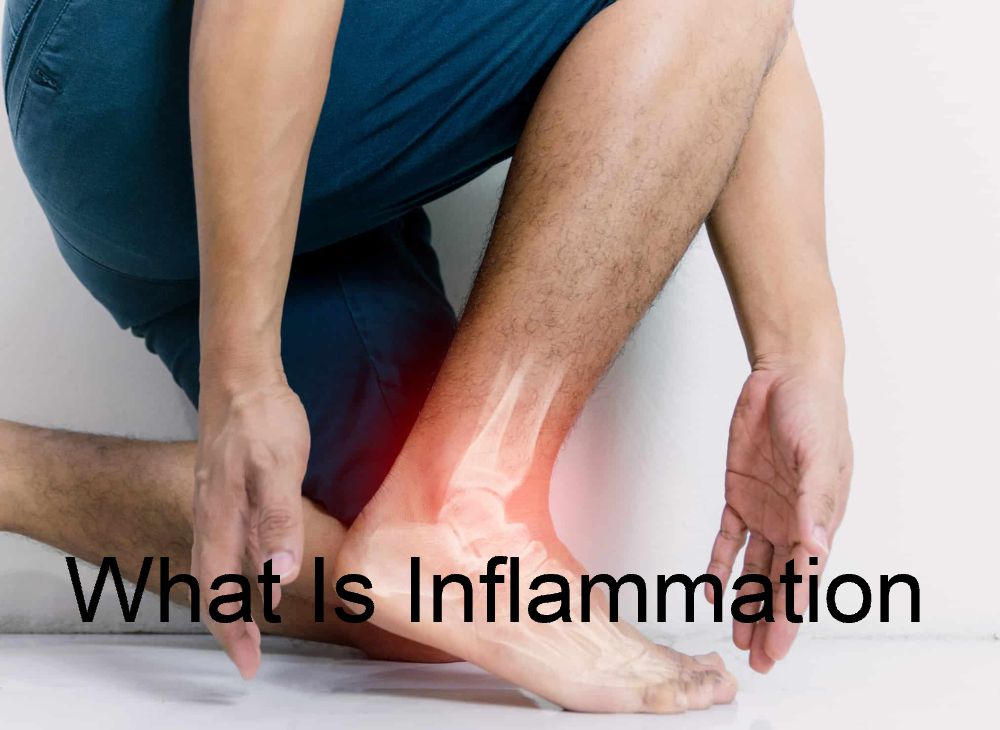
Knee pain is a common complaint that affects millions of people worldwide. It can be caused by a variety of factors, including injuries, overuse, and certain medical conditions.
The knee joint is a complex structure that consists of bones, cartilage, and ligaments. When any of these components are damaged, it can lead to discomfort and knee pain.
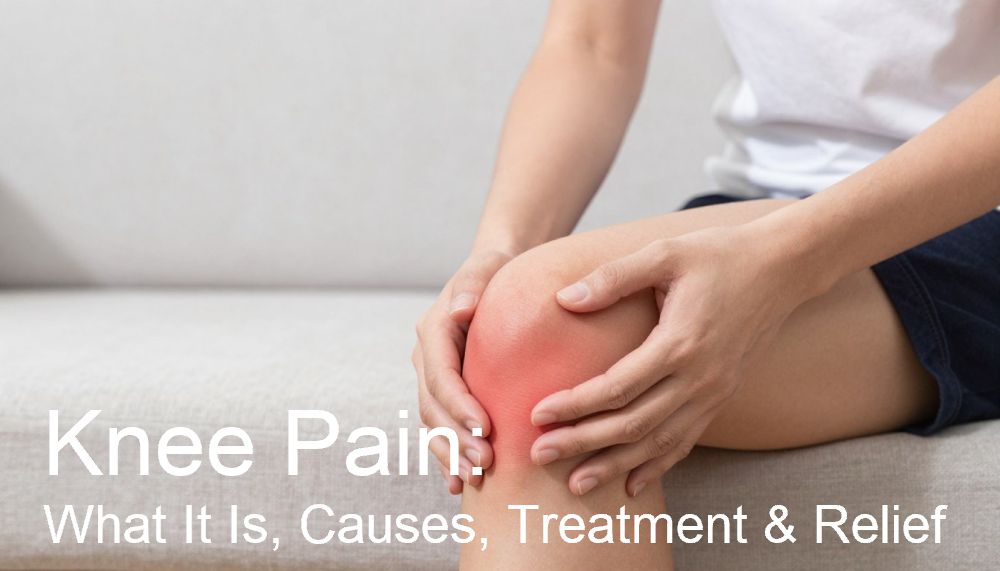
Osteoarthritis is one of the most common causes of knee pain, especially among older adults. Other causes include knee injuries and problems with the ligament. Fortunately, there are various treatment options available to alleviate knee pain and improve quality of life.
Key Takeaways
- Understanding the causes of knee pain is crucial for effective treatment.
- Osteoarthritis is a common cause of knee pain among older adults.
- Knee injuries can also lead to significant knee pain.
- Various treatment options are available to alleviate knee pain.
- Proper diagnosis is essential for determining the best course of treatment.
Understanding Knee Pain
Knee pain can manifest in different forms, ranging from acute injuries to chronic conditions, making it essential to comprehend its causes and effects. Knee pain is not just a symptom; it’s a signal that something is amiss within the complex structure of the knee joint.
What Constitutes Knee Pain
Knee pain refers to any form of discomfort or pain experienced in or around the knee joint. It can result from various factors, including injuries, infections, or chronic conditions like arthritis. The pain can range from a dull ache to sharp, stabbing pain, and its intensity can vary depending on the underlying cause.
The knee joint is a complex structure comprising bones, ligaments, tendons, and cartilage, all of which can be potential sources of pain. For instance, ligament sprains or tears, meniscal injuries, and osteoarthritis are common conditions that can lead to knee pain.
- Ligament sprains or tears
- Meniscal injuries
- Osteoarthritis
Impact on Daily Life
Knee pain can significantly impact an individual’s daily life, affecting their ability to perform routine tasks and enjoy physical activities. Simple actions like walking, climbing stairs, or even standing up from a seated position can become challenging and painful.
The impact of knee pain on daily life can be far-reaching, influencing not just physical capabilities but also mental health. Chronic knee pain, in particular, can lead to feelings of frustration, anxiety, and depression due to the ongoing discomfort and limitations it imposes.
Effective management of knee pain is crucial to mitigate its effects on daily life. This involves a combination of medical treatments, lifestyle modifications, and sometimes alternative therapies to address the pain and its underlying causes.
Anatomy of the Knee Joint
Understanding the anatomy of the knee joint is essential for grasping how knee pain occurs. The knee joint is a complex structure made up of bones, cartilage, ligaments, tendons, and muscles, all working together to facilitate movement.
Bones and Cartilage
The knee joint is formed by the intersection of three bones: the femur (thigh bone), tibia (shin bone), and patella (kneecap). The ends of these bones are covered in articular cartilage, which reduces friction during movement and absorbs shock. Cartilage damage or wear can lead to conditions like osteoarthritis, a common cause of knee pain.
“The health of the articular cartilage is crucial for smooth knee function,” as noted by orthopedic specialists. Maintaining healthy cartilage is vital for preventing knee pain.
Ligaments and Tendons
Ligaments connect bones to other bones, providing stability to the knee joint. The main ligaments are the anterior cruciate ligament (ACL), posterior cruciate ligament (PCL), medial collateral ligament (MCL), and lateral collateral ligament (LCL). Tendons, on the other hand, connect muscles to bones. The quadriceps tendon and patellar tendon are key tendons around the knee, facilitating straightening and bending movements.
- ACL: Prevents excessive forward movement of the tibia.
- PCL: Prevents excessive backward movement of the tibia.
- MCL and LCL: Provide medial and lateral stability.
Muscles Supporting the Knee
The muscles around the knee, including the quadriceps and hamstrings, play a crucial role in knee movement and stability. Strengthening these muscles through exercise can help alleviate knee pain and prevent future injuries.
As
“Strong muscles around the knee joint can significantly reduce the risk of injury and alleviate pain.”
This highlights the importance of maintaining muscle strength around the knee.
Common Causes of Knee Pain
Knee pain can stem from a variety of sources, including degenerative conditions and acute injuries. Understanding these causes is essential for determining the most effective treatment plan.
Osteoarthritis
Osteoarthritis is a leading cause of knee pain, particularly among older adults. It occurs when the cartilage that cushions the joints breaks down, leading to bone-on-bone contact and significant discomfort. Symptoms include pain, stiffness, and limited mobility. Osteoarthritis can be managed through lifestyle changes, physical therapy, and, in some cases, surgery.
Injuries and Trauma
Injuries and trauma are common causes of knee pain, especially among athletes and individuals who engage in physical activities. These injuries can range from mild sprains to severe ligament tears.
Ligament Tears (ACL, MCL, PCL)
Ligament tears, including those affecting the ACL, MCL, and PCL, are serious injuries that can cause significant knee pain and instability. Prompt medical attention is crucial for proper diagnosis and treatment, which may include surgery and rehabilitation.
Meniscus Tears
The meniscus is a cartilage structure in the knee joint that can tear due to injury or wear and tear. Symptoms of a meniscus tear include pain, swelling, and catching or locking of the knee. Treatment options vary depending on the severity of the tear.
Inflammatory Conditions
Inflammatory conditions are another significant cause of knee pain. These conditions involve inflammation of the knee joint and surrounding tissues.
Rheumatoid Arthritis
Rheumatoid arthritis is an autoimmune disease that can cause knee pain and inflammation. It is characterized by symmetric joint involvement and can lead to significant disability if not managed properly.
Gout and Pseudogout
Gout and pseudogout are conditions caused by the deposition of crystals within the joint, leading to sudden and severe pain. Treatment involves managing the underlying cause and alleviating symptoms.
Overuse and Mechanical Issues
Overuse and mechanical issues are common causes of knee pain, particularly among athletes and individuals with repetitive strain injuries.
Patellofemoral Pain Syndrome
Patellofemoral pain syndrome is characterized by pain around or behind the patella, often related to activities that put stress on the knee. Physical therapy and proper training techniques can help alleviate symptoms.
Iliotibial Band Syndrome
Iliotibial band syndrome occurs when the iliotibial band becomes inflamed, causing pain on the outside of the knee. This condition is common among runners and cyclists. Treatment involves rest, physical therapy, and adjustments to training routines.
Types of Knee Pain
Understanding the different types of knee pain is crucial for effective diagnosis and treatment. Knee pain can be categorized based on its duration, location, and characteristics, helping healthcare professionals identify the underlying cause.
Acute vs. Chronic Pain
Knee pain can be classified as either acute or chronic. Acute pain is typically sharp and occurs suddenly, often due to an injury or trauma. In contrast, chronic pain persists over a longer period, sometimes becoming a recurring issue.
- Acute pain is usually a result of a specific incident, such as a fall or sports injury.
- Chronic pain can be caused by ongoing conditions like arthritis or repetitive strain.
Location-Specific Pain
The location of knee pain can provide valuable insights into its cause. Pain can occur at the front, inside, or outside of the knee.
Front of the Knee Pain
Pain at the front of the knee is often associated with conditions like patellofemoral pain syndrome or chondromalacia patellae. These conditions involve the cartilage under the kneecap.
Inside of the Knee Pain
Pain on the inside of the knee can be due to medial collateral ligament injuries or meniscal tears. These injuries are common in sports that involve twisting movements.
Outside of the Knee Pain
Pain on the outside of the knee may result from iliotibial band syndrome or lateral collateral ligament injuries. These conditions are often seen in runners or cyclists.
Pain Patterns and What They Mean
The pattern of knee pain, including when it occurs and how long it lasts, can help determine its cause. For example, pain that worsens with activity may indicate a mechanical issue, while pain that persists at rest could suggest an inflammatory condition.
Diagnosing Knee Pain
The diagnostic process for knee pain typically involves a combination of physical examination, imaging tests, and laboratory tests. This comprehensive approach helps healthcare professionals identify the underlying cause of knee pain and develop an effective treatment plan.
Physical Examination
A physical examination is a crucial step in diagnosing knee pain. During this examination, a healthcare professional will assess the knee’s range of motion, stability, and pain levels. They may also perform specific maneuvers to evaluate the integrity of the knee joint and surrounding structures.
Imaging Tests
Imaging tests provide valuable information about the knee’s internal structures. These tests can help diagnose a range of conditions, from fractures to soft tissue injuries.
X-rays
X-rays are commonly used to evaluate bone health and detect fractures or degenerative changes. They are particularly useful for diagnosing osteoarthritis.
MRI
Magnetic Resonance Imaging (MRI) is a highly sensitive test for soft tissue injuries, such as ligament sprains or meniscal tears. It provides detailed images of the knee’s internal structures.
CT Scans
Computed Tomography (CT) scans offer a more detailed view of the knee’s bony structures than X-rays. They are useful for detecting complex fractures or bone lesions.
Laboratory Tests
Laboratory tests, such as blood work, can help diagnose inflammatory or infectious conditions that may be causing knee pain. These tests can also help rule out other potential causes of pain.
By combining the results of physical examination, imaging tests, and laboratory tests, healthcare professionals can develop a comprehensive understanding of the underlying cause of knee pain and create an effective treatment plan.
Non-Surgical Treatment Options
Non-surgical treatments offer a range of solutions for individuals suffering from knee pain, providing relief without the need for surgery. These treatments are often the first line of defense against knee pain and can be highly effective in managing symptoms and improving quality of life.
Medications for Pain Relief
Medications play a crucial role in managing knee pain. They can help reduce inflammation, alleviate pain, and improve function.
Over-the-Counter Options
Over-the-counter (OTC) medications such as acetaminophen and ibuprofen are commonly used to manage knee pain. Acetaminophen is effective for pain relief, while ibuprofen has the added benefit of reducing inflammation.
Prescription Medications
For more severe pain, prescription medications may be necessary. These can include stronger pain relievers or corticosteroids to reduce inflammation. It’s essential to follow a healthcare provider’s guidance when using prescription medications.
Physical Therapy Approaches
Physical therapy is a highly effective non-surgical treatment for knee pain. It involves exercises and techniques to improve knee function, strengthen surrounding muscles, and enhance mobility. A physical therapist can create a personalized program to address specific needs and goals.
Injections and Other Procedures
Injections and other minimally invasive procedures can provide significant relief for knee pain. These treatments target the source of pain and inflammation directly.
Corticosteroid Injections
Corticosteroid injections are used to reduce inflammation and relieve pain. They are particularly effective for individuals with inflammatory conditions such as arthritis.
Hyaluronic Acid Injections
Hyaluronic acid injections help to lubricate the knee joint, improving mobility and reducing pain. This treatment is often used for osteoarthritis and can provide relief for several months.
In conclusion, non-surgical treatment options for knee pain are diverse and can be tailored to individual needs. By understanding the available treatments, individuals can make informed decisions about their care and work towards achieving relief from knee pain.
Surgical Interventions for Knee Pain
Surgical interventions offer a viable solution for individuals suffering from knee pain that hasn’t responded to conservative treatments. When other methods fail to provide relief, surgery can be a crucial step towards regaining mobility and reducing pain.
Arthroscopic Procedures
Arthroscopic surgery involves using a small camera and surgical tools to diagnose and treat knee problems. This minimally invasive procedure allows for quicker recovery times compared to traditional open surgery. Common arthroscopic procedures include removing damaged cartilage or bone fragments, repairing torn ligaments, and smoothing rough joint surfaces.
Partial Knee Replacement
Partial knee replacement, also known as unicompartmental knee replacement, involves replacing only the damaged part of the knee. This procedure is suitable for patients whose knee damage is limited to one area. Benefits include smaller incisions, less blood loss, and faster recovery compared to total knee replacement.
Total Knee Replacement
Total knee replacement involves replacing the entire knee joint with artificial components. This surgery is often recommended for patients with severe knee arthritis or significant knee damage. Total knee replacement can significantly reduce pain and improve function.
Preparation for Surgery
Preparation is key to a successful surgical outcome. Patients are typically advised to stop certain medications, undergo pre-operative testing, and plan for post-surgery care.
Recovery and Rehabilitation
Recovery from knee surgery involves a combination of rest, physical therapy, and pain management. Rehabilitation plays a crucial role in regaining strength and mobility.
Long-term Outcomes
Long-term outcomes for knee surgery vary depending on the procedure and individual factors. Generally, patients can expect significant pain reduction and improved knee function.
Understanding the different surgical options available can help individuals make informed decisions about their treatment. It’s essential to consult with a healthcare professional to determine the most appropriate course of action.
Home Remedies and Self-Care
Effective management of knee pain involves a combination of medical treatment and home-based self-care strategies. Home remedies and self-care are essential for alleviating pain and improving knee function. By incorporating these methods into your daily routine, you can significantly reduce discomfort and enhance your quality of life.
RICE Method
The RICE method, which stands for Rest, Ice, Compression, and Elevation, is a widely recognized approach for managing knee pain. Rest helps prevent further injury, Ice reduces swelling, Compression helps reduce swelling, and Elevation decreases pain and swelling.
Applying the RICE method correctly can significantly alleviate knee pain. For instance, using ice packs for 15-20 minutes several times a day can help reduce inflammation.
Exercises for Knee Strength
Strengthening the muscles around the knee can help alleviate pain and improve function. Exercises targeting the quadriceps, hamstrings, and calf muscles are particularly beneficial.
Quadriceps Strengthening
Quadriceps strengthening exercises, such as straight leg raises, can help stabilize the knee. To perform a straight leg raise, lie on your back, tighten your quadriceps, and lift your leg about 12 inches off the ground.
Hamstring and Calf Exercises
Hamstring exercises, like hamstring curls, and calf raises can also enhance knee stability. These exercises should be done gently and within a pain-free range.
Lifestyle Modifications
Making certain lifestyle changes can also help manage knee pain. Maintaining a healthy weight reduces the strain on your knees, while wearing supportive footwear can help alleviate pain.
Here’s a simple comparison of lifestyle modifications:
| Lifestyle Change | Benefit |
|---|---|
| Maintaining a healthy weight | Reduces strain on knees |
| Wearing supportive footwear | Alleviates knee pain |
| Avoiding high-impact activities | Reduces knee stress |
Alternative and Complementary Therapies
Knee pain sufferers can find relief through alternative and complementary therapies that work alongside conventional treatments. These therapies can enhance pain management and improve quality of life.
Acupuncture
Acupuncture involves the insertion of fine needles into specific points on the body to stimulate healing and pain relief. Studies have shown that acupuncture can be effective in reducing knee pain, particularly for individuals with osteoarthritis. By promoting natural healing processes, acupuncture offers a valuable complementary therapy.
Massage Therapy
Massage therapy is another effective alternative therapy for knee pain. It involves the manipulation of soft tissues to improve circulation, reduce stiffness, and alleviate pain. Regular massage can help maintain knee mobility and reduce discomfort, making it a beneficial addition to a comprehensive treatment plan.
Supplements and Natural Remedies
Certain supplements have gained attention for their potential to support knee health and alleviate pain. Two notable examples are glucosamine and chondroitin, and omega-3 fatty acids.
Glucosamine and Chondroitin
Glucosamine and chondroitin are naturally occurring compounds found in the body. Supplementing with these substances may help maintain cartilage health and reduce joint pain. Research suggests that they can be particularly beneficial for individuals with osteoarthritis.
Omega-3 Fatty Acids
Omega-3 fatty acids, known for their anti-inflammatory properties, can also play a role in managing knee pain. Found in fish oil supplements, omega-3s may help reduce inflammation and promote overall joint health. Incorporating these supplements into one’s diet could provide additional relief.
By considering alternative and complementary therapies, individuals with knee pain can develop a more comprehensive approach to managing their condition. It’s essential to consult with a healthcare professional before starting any new therapies or supplements.
Prevention Strategies for Knee Pain
Proactive measures can help mitigate the risk of developing knee pain. By adopting certain preventive strategies, individuals can significantly reduce their likelihood of experiencing knee pain and maintain an active, healthy lifestyle.
Maintaining Healthy Weight
One of the most effective ways to prevent knee pain is by maintaining a healthy weight. Excess weight puts additional stress on the knee joint, increasing the risk of developing conditions like osteoarthritis. A healthy diet combined with regular exercise can help achieve and maintain a healthy weight.
According to the Arthritis Foundation, losing just one pound of body weight can reduce the pressure on the knees by several pounds, thereby reducing the risk of knee pain.
Proper Exercise Techniques
Engaging in regular exercise is crucial, but it’s equally important to use proper techniques to avoid putting unnecessary strain on the knees. Exercises that strengthen the muscles around the knee, such as the quadriceps and hamstrings, can provide additional support and reduce the risk of injury.
Tips for Proper Exercise Techniques:
- Warm up before starting any exercise.
- Use proper form and technique.
- Avoid overexertion.
- Cool down after exercising.
Protective Equipment
Using protective equipment can help prevent knee injuries and pain. Two essential types of protective equipment are knee braces and proper footwear.
Knee Braces
Knee braces provide additional support to the knee joint, reducing the risk of injury during physical activities. They are particularly useful for individuals with a history of knee problems or those engaging in high-impact sports.
Proper Footwear
Wearing proper footwear is crucial for knee health. Shoes that provide adequate support and cushioning can help absorb shock and reduce the impact on the knees. It’s essential to choose footwear that is appropriate for the specific activity.
| Activity | Recommended Footwear Features |
|---|---|
| Running | Cushioning, Supportive Arch |
| Hiking | Ankle Support, Traction |
| High-Impact Sports | Shock Absorption, Stability |
“Prevention is better than cure.” This age-old adage holds particularly true for knee pain. By taking proactive steps, individuals can significantly reduce their risk of developing knee pain and enjoy a healthier, more active life.
When to See a Doctor
Understanding when to seek medical attention for knee pain is crucial for effective treatment and preventing further complications. Knee pain can arise from various causes, and while some cases may resolve on their own, others require prompt medical evaluation.
Warning Signs and Symptoms
Certain symptoms indicate the need for medical attention. If you experience severe pain, swelling, or instability in the knee, it’s advisable to consult a doctor. Additionally, if the pain is accompanied by fever, redness, or warmth around the knee, it could signify an infection or inflammatory condition that needs medical intervention.
Other warning signs include a limited range of motion or the inability to bear weight on the knee. If you notice any of these symptoms, it’s essential to seek medical advice to determine the underlying cause and appropriate treatment.
Emergency Situations
In some cases, knee pain can be a sign of an emergency situation that requires immediate medical attention. If you experience a traumatic injury or hear a popping sound at the time of injury, you should seek emergency care. Similarly, if you have signs of a deep vein thrombosis (DVT), such as swelling, pain, or discoloration in one leg, you should seek immediate medical help.
Recognizing these emergency situations can help you take the necessary steps to address potentially serious conditions. If you’re unsure about the severity of your knee pain or the presence of any warning signs, it’s always best to consult with a healthcare professional.
Living with Chronic Knee Pain
Living with chronic knee pain requires a multifaceted approach to manage its impact on daily life. Chronic knee pain can affect not only the physical well-being of an individual but also their mental health.
Adaptive Strategies
Adapting to life with chronic knee pain involves several strategies. Modifying daily activities to avoid exacerbating the pain is crucial. This can include changing the way one performs tasks or using assistive devices to reduce strain on the knee.
Another key strategy is engaging in appropriate exercises that strengthen the muscles around the knee without causing further injury. Low-impact activities like swimming or cycling can be beneficial.
Mental Health Considerations
Chronic knee pain can have a significant impact on mental health, leading to feelings of frustration, anxiety, or depression. It’s essential to address these mental health considerations as part of a comprehensive pain management plan.
Seeking support from healthcare professionals, support groups, or through counseling can provide individuals with the tools they need to cope with the emotional aspects of chronic knee pain.
By adopting adaptive strategies and addressing mental health, individuals can better manage the challenges of living with chronic knee pain.
Conclusion
Knee pain is a complex condition that affects millions of people worldwide. Understanding its causes, symptoms, and treatment options is essential for effective management and relief. This article has provided a detailed overview of knee pain, covering its anatomy, common causes, and various treatment approaches.
A knee pain summary highlights the importance of addressing this condition, whether through non-surgical methods like physical therapy and medications or surgical interventions such as knee replacement. A comprehensive treatment summary reveals that a combination of medical treatments, lifestyle modifications, and alternative therapies can significantly improve quality of life.
In conclusion, managing knee pain requires a multifaceted approach. By understanding the causes and exploring various treatment options, individuals can find relief and regain mobility. It’s essential to consult healthcare professionals to determine the best course of treatment for specific needs.
FAQ
What are the most common causes of knee pain?
Knee pain can be caused by a variety of factors, including osteoarthritis, injuries such as ligament tears or meniscus tears, inflammatory conditions like rheumatoid arthritis, and overuse or mechanical issues such as patellofemoral pain syndrome.
How is knee pain diagnosed?
Diagnosing knee pain typically involves a physical examination, imaging tests such as X-rays or MRI, and sometimes laboratory tests to determine the underlying cause of the pain.
What are the treatment options for knee pain?
Treatment options for knee pain include non-surgical approaches like medications, physical therapy, and injections, as well as surgical interventions such as arthroscopic procedures or knee replacement surgery.
Can knee pain be managed without surgery?
Yes, many cases of knee pain can be managed without surgery through treatments like physical therapy, medications, and lifestyle modifications.
What is the RICE method, and how can it help with knee pain?
The RICE method, which stands for Rest, Ice, Compression, and Elevation, is a first-line treatment approach for acute knee pain that can help reduce pain and inflammation.
Are there any exercises that can help strengthen the knee?
Yes, exercises that strengthen the quadriceps, hamstrings, and calf muscles can help support the knee and alleviate pain.
When should I see a doctor for knee pain?
It’s advisable to see a doctor if you experience severe pain, swelling, or if the pain persists or worsens over time. Emergency situations, such as a sudden inability to move the knee, also require immediate medical attention.
Can maintaining a healthy weight help prevent knee pain?
Yes, maintaining a healthy weight can significantly reduce the stress on your knee joint, helping to prevent or alleviate knee pain.
Are there any alternative therapies that can help with knee pain?
Alternative therapies such as acupuncture, massage therapy, and certain supplements like glucosamine and omega-3 fatty acids may provide relief for some individuals with knee pain.
What is the difference between acute and chronic knee pain?
Acute knee pain is typically sharp and occurs suddenly, often due to an injury, while chronic knee pain is persistent or recurring and can be caused by a variety of factors, including osteoarthritis or overuse.