Maintaining good oral health is crucial for a healthy smile. Good dental care habits can prevent a variety of issues, from cavities to gum disease. By following simple tips, you can ensure a lifetime of healthy teeth and gums.
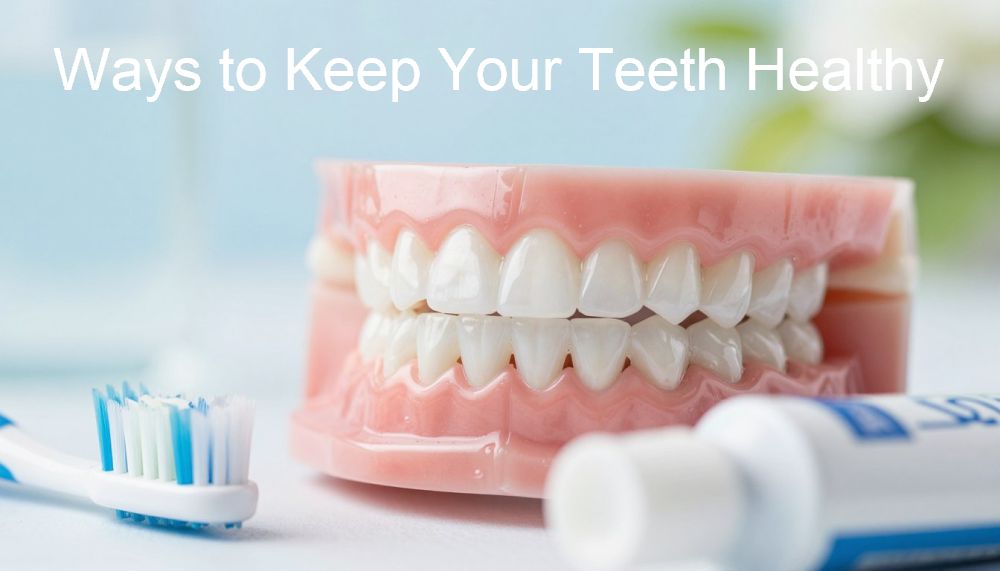
A healthy smile is not just about aesthetics; it’s a reflection of your overall health. Practicing good oral hygiene is essential, and there are several ways to keep your teeth healthy. This article will explore these methods to help you maintain optimal oral health.
Key Takeaways
- Practice good oral hygiene habits daily
- Visit your dentist regularly for check-ups
- Maintain a balanced diet to support oral health
- Avoid sugary and acidic foods and drinks
- Don’t neglect your gums; they are just as important as your teeth
The Foundation of a Healthy Smile
The foundation of a healthy smile lies in understanding the interplay between oral and overall health. Research has shown that there is a significant link between the health of your mouth and your overall well-being. For instance, studies have indicated that gum disease may be associated with various systemic conditions, including heart disease and diabetes.
The Connection Between Oral and Overall Health
Oral health is not just about having a beautiful smile; it’s also about maintaining the health of your gums, teeth, and the surrounding tissues. Gum disease, also known as periodontal disease, is a common condition that can lead to serious health issues if left untreated. The connection between oral health and overall health is complex, with evidence suggesting that there may be a link between gum disease and systemic inflammation.
Understanding Common Dental Problems
Common dental problems include tooth decay, gum disease, and oral infections. Tooth decay occurs when bacteria in the mouth break down food, especially sugars, and produce acid that damages tooth enamel. Regular dental check-ups and good oral hygiene practices can help prevent these issues. Some common signs of dental problems include:
- Bleeding gums
- Persistent bad breath
- Sensitivity to hot or cold temperatures
By understanding these common dental problems and their connection to overall health, individuals can take proactive steps to maintain a healthy smile and overall well-being.
Master the Art of Proper Brushing
Brushing your teeth correctly is more than just a routine; it’s an art that requires the right tools and technique. To achieve a healthy smile, it’s essential to understand the basics of proper brushing.
Selecting the Ideal Toothbrush and Toothpaste
Choosing the right toothbrush and toothpaste is the first step in mastering the art of brushing. Opt for a toothbrush with soft bristles and a size that comfortably fits in your mouth. For toothpaste, select one that contains fluoride and is suitable for your teeth type (sensitive, normal, or whitening).
Perfecting Your Brushing Technique
Proper brushing technique involves more than just moving the toothbrush back and forth. Hold your toothbrush at a 45-degree angle against your gums and move it gently in small circular motions.
Morning and Evening Routines
Establishing consistent morning and evening routines is vital. Brush your teeth for at least two minutes, twice a day, to remove plaque and food particles.
Reaching All Surfaces of Your Teeth
Ensure you brush all surfaces of your teeth: the outer, inner, and chewing surfaces. Don’t forget the often-neglected areas at the back and the surfaces of your molars.
| Brushing Tips | Benefits |
|---|---|
| Use a soft-bristled toothbrush | Gentle on gums and teeth |
| Brush at a 45-degree angle | Effective plaque removal |
| Brush for 2 minutes | Thorough cleaning |
Make Flossing a Daily Habit
To achieve a healthier smile, making flossing a daily habit is essential. Flossing is a crucial component of oral care that removes food particles and plaque from between your teeth, areas that a toothbrush can’t reach.
Step-by-Step Flossing Guide
Flossing correctly is key to its effectiveness. Here’s a simple guide:
- Take a long piece of floss and wrap it around your middle fingers, leaving about 1-2 inches in between.
- Gently slide the floss between your teeth, curving it around each tooth in a “C” shape.
- Slide the floss up and down against the tooth, making sure to clean below the gum line.
Repeat this process for all your teeth, including the back sides of your molars.
Modern Alternatives to Traditional Floss
For those who find traditional flossing challenging, there are modern alternatives available.
Water Flossers and Their Benefits
Water flossers use a stream of water to remove plaque and debris. They’re especially beneficial for people with tightly spaced teeth or orthodontic appliances.
Interdental brushes are small, cone-shaped brushes that can be used to clean between teeth, especially in tight spaces where regular floss can’t reach.
By incorporating these tools into your daily routine, you can significantly enhance your oral hygiene and maintain a healthier smile.
Rinse with Therapeutic Mouthwash
Using a therapeutic mouthwash can be a simple yet effective way to boost your oral health. Therapeutic mouthwashes are designed to provide additional benefits beyond just freshening breath, such as reducing plaque, preventing gingivitis, and strengthening teeth.
Different Types of Mouthwash and Their Purposes
There are several types of mouthwash available, each serving a specific purpose:
- Antiseptic mouthwash: Reduces plaque and gingivitis by killing bacteria.
- Fluoride mouthwash: Strengthens tooth enamel and helps prevent tooth decay.
- Desensitizing mouthwash: Helps alleviate sensitivity in teeth.
- Whitening mouthwash: Contains mild abrasives or chemicals to help remove surface stains.
When and How to Use Mouthwash Effectively
To maximize the benefits of mouthwash, it’s essential to use it correctly. Here are some tips:
- Rinse with mouthwash at a different time than brushing your teeth to maximize its effectiveness.
- Use the recommended amount (usually 4-6 ounces).
- Swish the mouthwash around your mouth for 30 seconds to 1 minute.
- Do not swallow mouthwash or rinse your mouth with water immediately after.
Incorporating a therapeutic mouthwash into your daily routine can significantly enhance your oral health. By understanding the different types and using them effectively, you can enjoy a healthier, fresher smile.
Fuel Your Smile with Tooth-Friendly Foods
Tooth-friendly foods are essential for a healthy smile and overall well-being. “You are what you eat” holds particularly true when it comes to your teeth. Consuming the right foods can help strengthen your teeth, prevent decay, and maintain fresh breath.
Calcium-Rich Foods That Build Strong Teeth
Calcium is crucial for building and maintaining strong teeth. Foods rich in calcium include dairy products like milk, cheese, and yogurt. These foods help fortify tooth enamel, making teeth more resistant to decay. Other calcium-rich foods include leafy greens like kale and broccoli, as well as almonds.
Some of the best calcium-rich foods for your teeth include:
- Milk and dairy products
- Leafy greens like kale and broccoli
- Almonds
- Fortified plant-based milk
Crunchy Foods That Naturally Clean Teeth
Crunchy foods like apples, carrots, and celery can help clean your teeth naturally by stimulating saliva production, which helps wash away food particles and neutralize acids. These foods also help strengthen your gums and can reduce the risk of gum disease.
Foods That Fight Bad Breath
Certain foods can help combat bad breath by reducing bacteria in the mouth and promoting fresh breath. Parsley, for example, is known for its breath-freshening properties. Other foods like citrus fruits, green tea, and yogurt can also help.
“A healthy mouth is not just about the teeth; it’s also about the gums and the overall oral environment.”
What to Avoid for Optimal Dental Health
While some foods can help promote oral health, others can be detrimental. Sugary and acidic foods, for instance, can lead to tooth decay and erosion. Sticky foods like dried fruits and candies can get stuck between teeth, increasing the risk of cavities. Limiting or avoiding these foods can help maintain optimal dental health.
By incorporating tooth-friendly foods into your diet and limiting harmful ones, you can take a significant step towards maintaining a healthy, vibrant smile.
Stay Hydrated for Healthier Teeth
Staying hydrated is vital for overall oral hygiene and healthy teeth. Water is a simple yet effective way to maintain good oral health.
How Water Naturally Cleanses Your Mouth
Water helps to naturally cleanse your mouth by washing away food particles and bacteria that can lead to plaque and tartar buildup. This process is essential for preventing bad breath and gum disease. Drinking water throughout the day can significantly reduce the risk of oral health issues.
The Protective Benefits of Fluoridated Water
Fluoridated water provides additional protection against tooth decay by strengthening tooth enamel and making teeth more resistant to acid attacks from plaque bacteria and sugars in the mouth. Communities that have fluoridated water systems tend to have lower rates of tooth decay.
| Oral Health Benefit | Role of Water | Benefit of Fluoridated Water |
|---|---|---|
| Cleansing the Mouth | Washes away food particles and bacteria | Additional protection against decay |
| Preventing Bad Breath | Reduces bacteria that cause bad breath | Strengthens tooth enamel |
| Reducing Gum Disease | Helps prevent plaque buildup | Makes teeth more resistant to acid attacks |
By staying hydrated and drinking fluoridated water, you can significantly improve your oral health and maintain healthier teeth.
Ways to Keep Your Teeth Healthy Throughout Life
A lifetime of healthy smiles depends on understanding and implementing effective oral hygiene practices tailored to different life stages. As we journey through life, our oral health needs evolve, requiring us to adapt our dental care strategies.
Age-Specific Dental Care Strategies
Children and teenagers need guidance on proper brushing and flossing techniques, while adults should focus on maintaining consistent oral hygiene habits. Seniors may require specialized care due to issues like dry mouth or gum recession.
Building Sustainable Oral Health Habits
Establishing a robust dental routine is crucial for long-term oral health. This involves creating a morning to night dental routine that includes brushing twice a day and flossing once a day.
Morning to Night Dental Routine
Start your day with a thorough brushing using fluoride toothpaste, followed by a gentle flossing session. Before bed, repeat the brushing and flossing process to remove the day’s accumulated plaque and food particles.
Seasonal Dental Care Tips
Different seasons bring different challenges to oral health. For instance, during summer, increased consumption of sugary drinks can lead to tooth decay. In contrast, winter often brings dry air, which can cause dry mouth. Being aware of these seasonal changes can help you adjust your oral hygiene habits accordingly.
| Life Stage | Oral Health Focus | Key Practices |
|---|---|---|
| Children | Preventive Care | Brushing, Flossing, Fluoride Treatments |
| Adults | Maintenance and Prevention | Regular Check-ups, Healthy Diet |
| Seniors | Managing Age-Related Issues | Gum Care, Dry Mouth Management |
By understanding and implementing age-specific dental care strategies and building sustainable oral health habits, you can enjoy a lifetime of healthy teeth and a beautiful smile.
Visit Your Dentist Regularly
To maintain optimal oral health, regular dentist visits are essential. Regular dental check-ups help in early detection of dental problems, preventing more severe issues that could lead to pain, discomfort, and higher treatment costs.
How Often You Should Schedule Check-ups
The frequency of dental visits depends on your oral health needs. Generally, a check-up every six months is recommended, but your dentist may suggest a different schedule based on your condition.
Making the Most of Your Dental Appointments
To get the most out of your dental visits, it’s crucial to be prepared. Here are some tips:
- Arrive a few minutes early to complete any necessary paperwork.
- Be honest about your oral hygiene habits and any concerns you have.
Questions to Ask Your Dentist
Don’t hesitate to ask questions during your visit. Some examples include:
- What are the best practices for my specific oral health needs?
- Are there any new technologies or treatments that could benefit me?
Understanding Professional Cleaning Benefits
Professional dental cleaning removes plaque and tartar that can lead to cavities and gum disease. Regular cleanings can help prevent these issues and keep your teeth healthy.
| Benefits | Description |
|---|---|
| Prevents Cavities | Removes plaque and tartar to prevent tooth decay. |
| Gum Disease Prevention | Reduces the risk of gingivitis and periodontitis. |
| Fresher Breath | Leaves your mouth feeling clean and fresh. |
Protect Your Teeth from Physical Damage
Physical damage to teeth can be prevented with the right protective measures, ensuring a healthy smile for years to come. Whether you’re involved in sports or have a habit of grinding your teeth at night, there are effective ways to safeguard your teeth.
Custom Mouthguards for Sports and Activities
For athletes and individuals involved in contact sports, custom mouthguards are a must-have. These guards are tailored to fit your teeth perfectly, providing superior protection against impacts that could damage your teeth or dental work.
| Type of Mouthguard | Features | Benefits |
|---|---|---|
| Custom-Fit | Made from impressions of your teeth | Maximum comfort and protection |
| Boil-and-Bite | Molded to your teeth by boiling and biting | Moderate protection, easier to find |
| Stock | Ready-made, one-size-fits-all | Least comfortable, minimal protection |
Night Guards for Teeth Grinding and Clenching
Night guards are essential for individuals who grind or clench their teeth during sleep. These devices help to distribute the force of your bite evenly, reducing wear on your teeth and alleviating jaw tension.
By using custom mouthguards and night guards, you can effectively protect your teeth from physical damage, ensuring a healthier, happier smile.
Respond Quickly to Dental Problems
Being aware of the signs of dental emergencies and knowing how to react can save your teeth. Dental issues can range from a sudden toothache to a knocked-out tooth, and understanding how to respond is crucial.
Warning Signs You Shouldn’t Ignore
Certain symptoms indicate that you need immediate dental attention. These include severe toothache, sensitivity to hot or cold temperatures, and bleeding gums. If you experience any of these warning signs, it’s essential to act quickly.
Other signs that require prompt action include a loose tooth, swelling in the gums or face, and bad breath that persists despite good oral hygiene. Recognizing these signs early can help prevent further complications.
Emergency Dental Care Essentials
In the event of a dental emergency, knowing what to do can make a significant difference. For a knocked-out tooth, gently rinse it with water and try to place it back in the socket. If that’s not possible, keep it moist in a container of milk or saliva.
For severe toothaches, rinse your mouth with warm water and apply a cold compress to reduce swelling. If you have a broken or chipped tooth, save any broken pieces and see your dentist immediately. Being prepared with these emergency dental care essentials can help you respond effectively to dental problems.
Enhance Your Routine with Specialized Products
To achieve a healthier smile, consider integrating advanced oral care tools into your regimen. Specialized products can significantly enhance your oral hygiene routine, providing better cleaning and protection for your teeth.
Electric Toothbrushes and Sonic Technology
Electric toothbrushes, particularly those with sonic technology, offer superior plaque removal and gum care compared to manual toothbrushes. Sonic toothbrushes use high-frequency vibrations to clean teeth more effectively, making them a valuable addition to your oral care routine.
Supplemental Tools for Complete Oral Care
Beyond toothbrushes, there are various supplemental tools that can enhance your oral hygiene. These include tongue scrapers for fresher breath and teeth whitening options for a brighter smile.
Tongue Scrapers for Fresher Breath
Tongue scrapers remove bacteria and debris from the surface of your tongue, reducing bad breath and improving overall oral hygiene. Regular use can lead to fresher breath and a cleaner mouth.
Teeth Whitening Options That Work
For those looking to enhance their smile, teeth whitening products can be effective. From whitening toothpaste to professional treatments, there are various options available.
“A brighter smile can boost confidence and enhance your overall appearance.”
| Oral Care Tool | Benefits |
|---|---|
| Electric Toothbrushes | Improved plaque removal, better gum care |
| Tongue Scrapers | Fresher breath, reduced bacteria |
| Teeth Whitening Products | Brighter smile, enhanced confidence |
Conclusion: Your Lifetime of Healthy Smiles
Maintaining a healthy smile requires consistent effort and dedication to good oral hygiene practices. By implementing the strategies discussed in this article, you can enjoy a lifetime of healthy teeth and overall well-being.
Proper brushing, flossing, and rinsing with mouthwash are essential for removing plaque and bacteria that can lead to dental problems. A balanced diet rich in calcium and crunchy foods can also help keep your teeth strong and clean. Regular dental check-ups and using protective gear during sports or activities can further safeguard your oral health.
By making dental care a priority, you can prevent common dental issues and ensure a healthy, beautiful smile for years to come. Start incorporating these habits into your daily routine today and enjoy the benefits of a lifetime of healthy smiles.
FAQ
How often should I brush my teeth to keep them healthy?
You should brush your teeth at least twice a day, in the morning and before bed, using a fluoride toothpaste to remove plaque and bacteria.
What is the correct way to brush my teeth?
To brush your teeth correctly, use a soft-bristled toothbrush and gentle circular motions to cover all surfaces of your teeth, including the front, back, and top.
Why is flossing important for oral health?
Flossing is crucial because it removes food particles and plaque from between your teeth and under your gumline, where a toothbrush can’t reach, helping to prevent gum disease.
Can mouthwash replace brushing and flossing?
No, mouthwash is not a replacement for brushing and flossing. It can be used as an additional tool to help kill bacteria and freshen breath, but it should be used in conjunction with regular brushing and flossing.
How does diet affect my oral health?
A diet high in sugars and acids can contribute to tooth decay and erosion, while a balanced diet rich in calcium and vitamins can help strengthen teeth and gums.
Why is it important to visit my dentist regularly?
Regular dental check-ups are essential for maintaining good oral health, as they allow your dentist to catch any potential problems early, provide professional cleanings, and offer personalized advice.
What are the benefits of using a water flosser?
Water flossers can be an effective alternative to traditional flossing, especially for those with tightly spaced teeth or orthodontic appliances, as they can help remove plaque and debris.
How can I protect my teeth from grinding at night?
Using a night guard can help protect your teeth from grinding and clenching during sleep, reducing wear and tear on your teeth.
Are electric toothbrushes more effective than manual toothbrushes?
Electric toothbrushes can be more effective at removing plaque and improving gum health, especially for those with limited dexterity or who have trouble brushing correctly with a manual toothbrush.
How can I maintain healthy teeth throughout my life?
By practicing good oral hygiene habits, including regular brushing, flossing, and dental check-ups, and maintaining a healthy diet, you can help ensure a lifetime of healthy teeth and gums.