Black Cohosh, known scientifically as Cimicifuga racemosa, is a herbal supplement that has been used for centuries to alleviate various health issues, particularly those related to women’s health.
One of the primary uses of Black Cohosh is to mitigate menopausal symptoms, such as hot flashes and mood swings. Its effectiveness in addressing these symptoms has made it a popular choice among women seeking natural remedies.
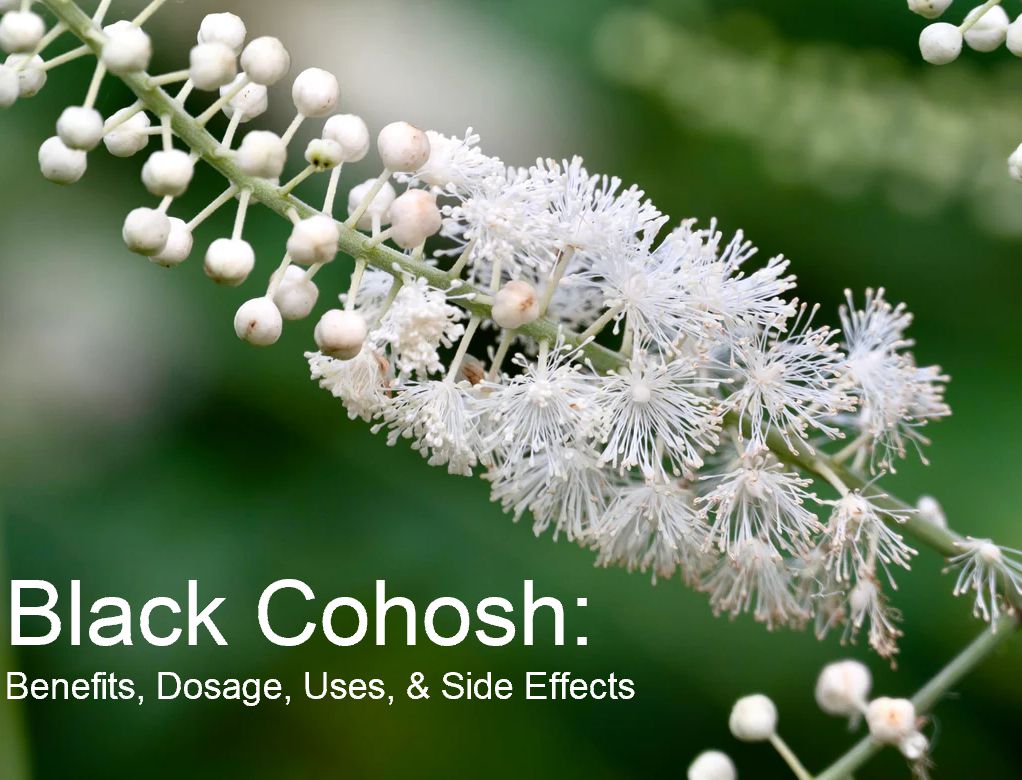
The benefits of using Cohosh extend beyond menopausal relief. It is also used for its potential anti-inflammatory properties and to support overall well-being. However, like any supplement, it’s crucial to be aware of the potential side effects and recommended dosage.
Key Takeaways
- Black Cohosh is primarily used to alleviate menopausal symptoms.
- It is known for its potential in reducing hot flashes and mood swings.
- The herbal supplement may have anti-inflammatory properties.
- Awareness of potential side effects is crucial.
- Following the recommended dosage is important for safe use.
What Is Black Cohosh?
With its origins deeply rooted in Native American medicinal practices, Black Cohosh has become a subject of interest in modern herbal medicine. Black Cohosh, known scientifically as Actaea Racemosa or Cimicifuga Racemosa, is a perennial herb native to North America. It has been used for centuries to treat various health conditions, particularly those related to women’s health.
Botanical Classification and Origin
Black Cohosh belongs to the family Ranunculaceae. Understanding its botanical classification helps in identifying its properties and potential uses.
Actaea Racemosa and Cimicifuga Racemosa
The plant is known by two scientific names: Actaea Racemosa and Cimicifuga Racemosa. Both names are used interchangeably, although Actaea Racemosa is more commonly used in modern botanical nomenclature.
Native Habitats and Cultivation
Black Cohosh is native to the eastern regions of North America, typically growing in rich, moist soils in woodland areas. It is cultivated for its rhizomes, which are used in medicine.
Historical Use in Traditional Medicine
The historical use of Black Cohosh in traditional medicine is well-documented, particularly in the context of Native American practices.
Native American Medicinal Applications
Native Americans used Black Cohosh for a variety of medicinal purposes, including treating gynecological disorders and rheumatism. Its use was widespread among different tribes.
Evolution into Modern Herbal Medicine
The traditional knowledge of Black Cohosh was adopted by early European settlers, and it has since evolved into a popular herbal supplement in modern times, used primarily for menopausal symptoms.
| Aspect | Description | Significance |
|---|---|---|
| Botanical Name | Actaea Racemosa/Cimicifuga Racemosa | Identifies the plant species |
| Native Habitat | Eastern North America | Rich, moist woodland soils |
| Traditional Use | Native American medicine | Gynecological disorders, rheumatism |
| Modern Use | Herbal supplement | Menopausal symptoms |
How Black Cohosh Works in the Body
To grasp how Black Cohosh exerts its effects, it’s essential to examine its bioactive components and their mechanisms of action. Black Cohosh contains a variety of active compounds that contribute to its therapeutic properties.
Active Compounds and Mechanisms
The primary active compounds in Black Cohosh are triterpene glycosides, including actein and cimicifugoside. These compounds are believed to be responsible for the herb’s effects on the body.
Key Phytochemicals and Their Functions
The key phytochemicals in Black Cohosh have various functions, including:
- Modulating hormonal activity
- Influencing neurotransmitter function
- Exerting anti-inflammatory effects
Absorption and Metabolism
The absorption and metabolism of Black Cohosh’s active compounds are crucial for understanding its efficacy. Research suggests that these compounds are absorbed in the gastrointestinal tract and then metabolized in the liver.
Potential Effects on Hormonal Balance
Black Cohosh is often used to alleviate symptoms related to hormonal imbalance, particularly during menopause. Its effects on hormonal balance are complex and involve multiple mechanisms.
Estrogen-Like Effects vs. Reality
While Black Cohosh is sometimes thought to have estrogen-like effects, the reality is more nuanced. The herb does not contain phytoestrogens, but it may influence estrogen receptors and hormonal pathways.
Interaction with Neurotransmitters
Black Cohosh may also interact with neurotransmitters, such as serotonin and dopamine, which play a role in mood regulation and other physiological processes.
Key Benefits of Black Cohosh
Black Cohosh has been widely recognized for its numerous health benefits, particularly in alleviating menopausal symptoms. This herbal supplement has been used for centuries in traditional medicine and is now backed by modern research.
Relief from Menopausal Symptoms
One of the primary benefits of Black Cohosh is its ability to provide relief from menopausal symptoms. These symptoms can significantly impact a woman’s quality of life, making everyday activities challenging.
Impact on Vasomotor Symptoms
Vasomotor symptoms, such as hot flashes and night sweats, are common during menopause. Studies have shown that Black Cohosh can help reduce the frequency and severity of these symptoms, improving overall comfort and quality of life.
Quality of Life Improvements
By alleviating menopausal symptoms, Black Cohosh can significantly enhance a woman’s quality of life. This includes improved sleep, better mood stability, and increased ability to participate in daily activities without discomfort.
Potential Effects on Mood and Sleep
Black Cohosh may also have a positive impact on mood and sleep. Some studies suggest that it can help reduce anxiety and depression associated with menopause, leading to better overall well-being.
Other Reported Benefits
In addition to relieving menopausal symptoms, Black Cohosh has been reported to have other benefits. These include potential improvements in bone health and cardiovascular health, although more research is needed to confirm these effects.
In summary, Black Cohosh offers several key benefits, particularly for women experiencing menopause. Its ability to alleviate vasomotor symptoms, improve quality of life, and potentially enhance mood and sleep make it a valuable supplement to consider.
Black Cohosh for Menopause
For women experiencing menopause, Black Cohosh may provide relief from some of the most bothersome symptoms. Menopause is a natural biological process, but it can come with uncomfortable symptoms such as hot flashes, night sweats, and mood changes. Black Cohosh, a herbal supplement, has been studied for its potential in alleviating these symptoms.
Managing Hot Flashes and Night Sweats
One of the primary uses of Black Cohosh during menopause is to manage hot flashes and night sweats. These symptoms can be disruptive and affect a woman’s quality of life. Studies have shown that Black Cohosh may help reduce the frequency and severity of hot flashes.
Onset and Duration of Effects
The onset of Black Cohosh’s effects can vary. Some women may experience relief within a few weeks, while others may need to use it for a longer period. The duration of its effects also depends on individual factors, including the severity of symptoms and overall health.
Effectiveness Compared to Other Treatments
When comparing Black Cohosh to other treatments for menopausal symptoms, its effectiveness can be considered in the context of hormone replacement therapy (HRT) and other herbal supplements. While HRT is effective, it comes with potential risks. Black Cohosh offers a more natural alternative, although its effectiveness can vary from person to person.
Effects on Other Menopausal Symptoms
Apart from hot flashes and night sweats, Black Cohosh may also help with other menopausal symptoms. These include mood swings, sleep disturbances, and vaginal dryness. The supplement’s potential to alleviate these symptoms can significantly improve a woman’s overall well-being during menopause.
Key benefits of Black Cohosh for menopause include:
- Relief from hot flashes and night sweats
- Potential improvement in mood swings and sleep quality
- A natural alternative to hormone replacement therapy
Comparison with Hormone Replacement Therapy
Hormone replacement therapy is a common treatment for menopausal symptoms, but it may not be suitable for everyone due to potential health risks. Black Cohosh offers a complementary or alternative option. While it may not be as potent as HRT, it has a different risk profile and can be considered by women looking for a more natural approach.
In conclusion, Black Cohosh is a valuable option for women seeking to manage their menopausal symptoms naturally. Its potential benefits, combined with a relatively favorable safety profile, make it worth considering.
Black Cohosh and Breast Cancer Considerations
Black cohosh, a popular herbal supplement, has raised questions regarding its safety for individuals with a history of breast cancer. As its use continues to be prevalent among menopausal women, understanding its potential impact on breast cancer survivors is crucial.
Research on Safety for Breast Cancer Patients
Studies examining the safety of black cohosh for breast cancer patients have yielded mixed results. Some research suggests that black cohosh may not increase the risk of breast cancer recurrence, while other studies have raised concerns about its potential estrogenic effects. A comprehensive review of clinical trials and observational studies is necessary to fully understand the risks involved.
Recommendations for Breast Cancer Survivors
For breast cancer survivors considering black cohosh, it is essential to consult with a healthcare provider. They can help weigh the potential benefits against the risks, taking into account individual health status and medical history. Survivors should be cautious and monitor their health closely if they decide to use black cohosh.
Key Considerations:
- Discuss black cohosh use with your healthcare provider.
- Monitor health changes closely.
- Be aware of potential interactions with other treatments.
Scientific Evidence and Clinical Studies
Clinical evidence supporting the use of Black Cohosh is a topic of ongoing debate. While some studies suggest benefits, others raise concerns about its efficacy and safety.
Randomized Controlled Trials
Randomized controlled trials (RCTs) are considered the gold standard in clinical research. Several RCTs have investigated Black Cohosh’s effectiveness in alleviating menopausal symptoms.
Key Study Findings
Some RCTs have reported that Black Cohosh significantly reduces the frequency and severity of hot flashes in menopausal women. For instance, a study published in the Journal of Women’s Health found that Black Cohosh extract reduced hot flashes by 50% in a sample of 300 postmenopausal women.
Limitations of Current Research
Despite positive findings, many RCTs have methodological limitations, such as small sample sizes or short durations. This makes it challenging to draw definitive conclusions about Black Cohosh’s efficacy.
Systematic Reviews and Meta-Analyses
Systematic reviews and meta-analyses provide a comprehensive overview of the existing evidence. These analyses combine data from multiple studies to identify trends and patterns.
Efficacy Evidence Summary
A systematic review published in the Journal of Clinical Epidemiology concluded that Black Cohosh may have a modest effect on menopausal symptoms, particularly hot flashes. However, the evidence is not uniform, and more research is needed.
Safety Evidence Summary
Regarding safety, systematic reviews have generally found Black Cohosh to be well-tolerated, with few serious adverse effects reported. However, concerns about potential liver toxicity have been raised.
| Study Type | Key Findings | Limitations |
|---|---|---|
| Randomized Controlled Trials | Black Cohosh reduces hot flashes by 50% in some studies | Small sample sizes, short durations |
| Systematic Reviews and Meta-Analyses | Modest effect on menopausal symptoms; well-tolerated | Variable evidence quality, potential liver toxicity concerns |
Proper Black Cohosh Dosage
Understanding the correct dosage of Black Cohosh is crucial for maximizing its benefits while minimizing potential side effects. The appropriate dosage can vary based on several factors, including the individual’s health status and the specific product being used.
Standard Dosing Guidelines
Most studies have used Black Cohosh extracts at doses between 40 mg to 128 mg per day. The typical recommended daily intake is around 40 mg.
Recommended Daily Intake (40 mg)
A daily dose of 40 mg is commonly recommended, as it has been shown to be effective in managing menopausal symptoms without significant adverse effects.
Adjusting Dosage for Individual Needs
Some individuals may require adjustments to this dosage based on their response and health status. It’s essential to consult with a healthcare provider to determine the best dosage for individual needs.
Duration of Use Recommendations
The duration of use can vary depending on the individual’s health goals and response to the supplement.
Short-term vs. Long-term Use
While some studies have examined short-term use (less than 6 months), others have looked at long-term use (up to 12 months or more). The decision between short-term and long-term use should be made in consultation with a healthcare provider.
When to Expect Results
Results from Black Cohosh supplementation can vary, but many women report improvements in menopausal symptoms within a few weeks to a few months of consistent use.
| Dosage | Duration | Expected Outcome |
|---|---|---|
| 40 mg/day | Short-term (up to 6 months) | Relief from menopausal symptoms |
| 40-128 mg/day | Long-term (up to 12 months or more) | Continued symptom management |
“The effectiveness of Black Cohosh in managing menopausal symptoms is closely tied to the dosage and duration of use.”
— Dr. Jane Smith, Herbal Medicine Expert
Different Forms of Black Cohosh Supplements
Black Cohosh supplements come in various forms, each with its own unique characteristics and benefits. Understanding these differences is essential for selecting the most appropriate supplement for your needs.
Extracts and Standardization
Black Cohosh extracts are concentrated forms of the herb, typically made using solvents like isopropanol or ethanol. The standardization of these extracts is crucial for ensuring consistency in their active compounds.
Isopropanolic vs. Ethanolic Extracts
Isopropanolic extracts are made using isopropanol as a solvent, while ethanolic extracts use ethanol. Both types have their own advantages, with isopropanolic extracts often being considered more effective for certain applications.
Understanding Standardization Labels
Standardization labels on Black Cohosh supplements indicate the concentration of specific active compounds. For example, a product might be standardized to contain a certain percentage of triterpene glycosides, which are believed to be key active ingredients.
Tablets, Capsules, and Tinctures
Black Cohosh is available in various forms, including tablets, capsules, and tinctures. Tablets and capsules offer convenience and precise dosing, while tinctures provide a more traditional and potentially more bioavailable form of the herb.
| Form | Description | Benefits |
|---|---|---|
| Tablets | Compressed powder form | Convenient, precise dosing |
| Capsules | Powder or extract enclosed in a capsule | Easy to swallow, flexible dosing |
| Tinctures | Liquid extract | Potentially more bioavailable, flexible dosing |
Combination Products with Red Clover and Other Herbs
Some Black Cohosh supplements are combined with other herbs like Red Clover to potentially enhance their benefits. These combination products may offer a synergistic effect, although more research is needed to confirm their efficacy.
“The combination of Black Cohosh with other herbs may offer a more comprehensive approach to managing menopausal symptoms.”
When choosing a Black Cohosh supplement, consider the form that best suits your needs and preferences. Always consult with a healthcare professional before starting any new supplement regimen.
Choosing Quality Black Cohosh Supplements
When selecting a Black Cohosh supplement, it’s crucial to prioritize quality to ensure efficacy and safety. The supplement industry is largely unregulated, making it essential for consumers to be vigilant.
Third-Party Testing and Certification
One way to ensure the quality of a Black Cohosh supplement is to look for products that have undergone third-party testing. Organizations such as the National Science Foundation (NSF) and the International Society for Sports Nutrition (ISSN) provide certification for products that meet certain standards. Certification indicates that the product has been tested for purity, potency, and manufacturing quality.
| Certification | Description | Benefits |
|---|---|---|
| NSF International | Tests for quality and purity | Ensures product safety and efficacy |
| ISSN | Certifies sports nutrition products | Validates product claims |
Avoiding Adulterated Products
Another critical aspect is avoiding supplements that may be adulterated with harmful substances. Consumers should be cautious of products with unusually low prices or exaggerated claims. Checking the label for clear ingredient lists and looking for products with transparent manufacturing processes can help.
Potential Side Effects and Safety Concerns
Understanding the potential side effects of Black Cohosh is essential for safe usage. While generally considered safe for most people, Black Cohosh can cause adverse reactions in some individuals.
Common Side Effects
Some users may experience mild side effects when taking Black Cohosh. These can include:
Gastrointestinal Issues
Gastrointestinal symptoms such as nausea, vomiting, and diarrhea have been reported. These effects are typically mild and may subside as the body adjusts to the supplement.
Headaches and Other Mild Effects
Headaches and other mild effects like dizziness or stomach cramps can occur. If these symptoms persist, it’s advisable to consult a healthcare provider.
Liver Health Concerns
Liver health is a significant concern when using Black Cohosh. There have been reports of liver damage associated with its use.
Case Reports of Liver Damage
Some case reports have linked Black Cohosh to liver damage, including hepatitis and liver failure. Although these cases are rare, they highlight the importance of monitoring liver function.
FDA Warnings and Current Understanding
The FDA has issued warnings regarding the potential liver risks associated with Black Cohosh. While the exact mechanism is not fully understood, it’s recommended to use caution and consult healthcare professionals.
Recognizing Adverse Reactions
It’s crucial to recognize the signs of adverse reactions to Black Cohosh. Being aware of these can help in taking prompt action.
Warning Signs to Watch For
- Severe stomach pain
- Yellowing of the skin or eyes (jaundice)
- Dark urine
- Unusual tiredness or weakness
When to Seek Medical Attention
If you experience any of these symptoms, seek medical attention immediately. It’s always better to err on the side of caution when it comes to potential health risks.
Drug Interactions with Black Cohosh
When considering Black Cohosh supplementation, it’s crucial to understand its potential interactions with other medications and supplements. Black Cohosh can affect how certain drugs work in the body, potentially leading to increased side effects or reduced efficacy.
Medications That May Interact
Black Cohosh may interact with various medications, including hormone therapies and contraceptives, as well as drugs used to manage blood pressure and cholesterol levels.
Hormone Therapies and Contraceptives
The use of Black Cohosh alongside hormone therapies or contraceptives may lead to complex interactions due to its potential estrogenic effects. This could potentially alter the efficacy or increase the risk of side effects associated with these medications.
Blood Pressure and Cholesterol Medications
There is a possibility that Black Cohosh may interact with medications used to treat high blood pressure and high cholesterol, potentially affecting their efficacy or increasing the risk of side effects. Monitoring is recommended when using Black Cohosh with these drugs.
Supplements That May Interact
In addition to medications, Black Cohosh may also interact with certain supplements, including herbs with similar effects and those that affect liver function.
Herbs with Similar Effects
Combining Black Cohosh with other herbs that have estrogenic or sedative effects may enhance or alter these effects, potentially leading to increased benefits or risks.
Supplements Affecting Liver Function
Since Black Cohosh is metabolized in the liver, taking it with other supplements that affect liver function may alter its metabolism, potentially affecting its efficacy or increasing the risk of liver-related side effects.
Who Should Avoid Black Cohosh
It’s crucial to understand who should avoid Black Cohosh due to potential health risks. While generally considered safe for many, certain individuals should exercise caution or avoid it altogether.
Medical Conditions That Contraindicate Use
Specific medical conditions may make it risky to use Black Cohosh. These include:
Liver Disorders
Individuals with liver disorders should be cautious, as Black Cohosh has been associated with rare cases of liver damage.
Hormone-Sensitive Conditions
Those with hormone-sensitive conditions, such as certain cancers, should avoid Black Cohosh due to its potential estrogenic effects.
Pregnancy, Breastfeeding, and Age Considerations
Black Cohosh is not recommended for pregnant or breastfeeding women due to a lack of safety data. Additionally, its use in children and adolescents is not well-studied, so caution is advised.
| Group | Recommendation |
|---|---|
| Pregnant Women | Avoid |
| Breastfeeding Women | Avoid |
| Children and Adolescents | Use with Caution |
Conclusion
In summary, Black Cohosh offers various health benefits, particularly for menopausal women, by alleviating symptoms such as hot flashes and mood swings. The herb’s active compounds work to potentially balance hormonal changes, providing relief and improving quality of life.
When considering Black Cohosh, it’s essential to weigh its benefits against potential safety concerns. While generally considered safe, Black Cohosh may interact with certain medications or exacerbate specific health conditions. Ensuring proper dosage and being aware of potential side effects are crucial for safe usage.
By understanding the Black Cohosh benefits and safety profile, individuals can make informed decisions about incorporating this herbal supplement into their health regimen. As with any supplement, consulting a healthcare professional before starting Black Cohosh is recommended to ensure safe and effective use.
FAQ
What is Black Cohosh used for?
Black Cohosh is primarily used to alleviate menopausal symptoms such as hot flashes and night sweats. It is also used for other purposes, including relief from mood swings and improvement in overall quality of life.
How does Black Cohosh work?
Black Cohosh is believed to work by interacting with the body’s hormonal system, potentially producing estrogen-like effects. It may also influence neurotransmitters, contributing to its therapeutic effects.
What is the recommended dosage of Black Cohosh?
The standard recommended dosage is around 40 mg per day, but this can vary depending on individual needs and the specific product being used.
Are there any side effects associated with Black Cohosh?
Common side effects include gastrointestinal issues and headaches. There are also concerns about potential liver damage, although the evidence is not conclusive.
Can Black Cohosh be used by breast cancer patients?
The safety of using Black Cohosh for breast cancer patients is a topic of ongoing research. Some studies suggest it may be safe, but it’s crucial to consult with a healthcare professional before using it.
How long does it take to see the effects of Black Cohosh?
The onset of effects can vary, but many users report improvements within a few weeks of starting treatment.
Can Black Cohosh interact with other medications?
Yes, Black Cohosh may interact with hormone therapies, blood pressure medications, and certain supplements, among others. It’s essential to consult with a healthcare provider before using it.
Who should avoid using Black Cohosh?
Individuals with liver disorders, hormone-sensitive conditions, and those who are pregnant or breastfeeding should avoid using Black Cohosh or consult with a healthcare professional before doing so.
What forms of Black Cohosh supplements are available?
Black Cohosh is available in various forms, including extracts, tablets, capsules, and tinctures. Some products are standardized to contain specific amounts of active compounds.
How can I ensure I’m buying a high-quality Black Cohosh supplement?
Look for products that have been tested by third-party organizations and have certifications from reputable bodies. Be wary of adulterated products and choose supplements from manufacturers that adhere to good manufacturing practices.