Thermogenesis is a fascinating process that plays a significant role in our body’s energy expenditure. Simply put, it’s the body’s natural heat production, which can significantly impact our metabolic rate. When we consume food, our body uses energy to digest, absorb, and process nutrients, resulting in a temporary increase in metabolic rate.
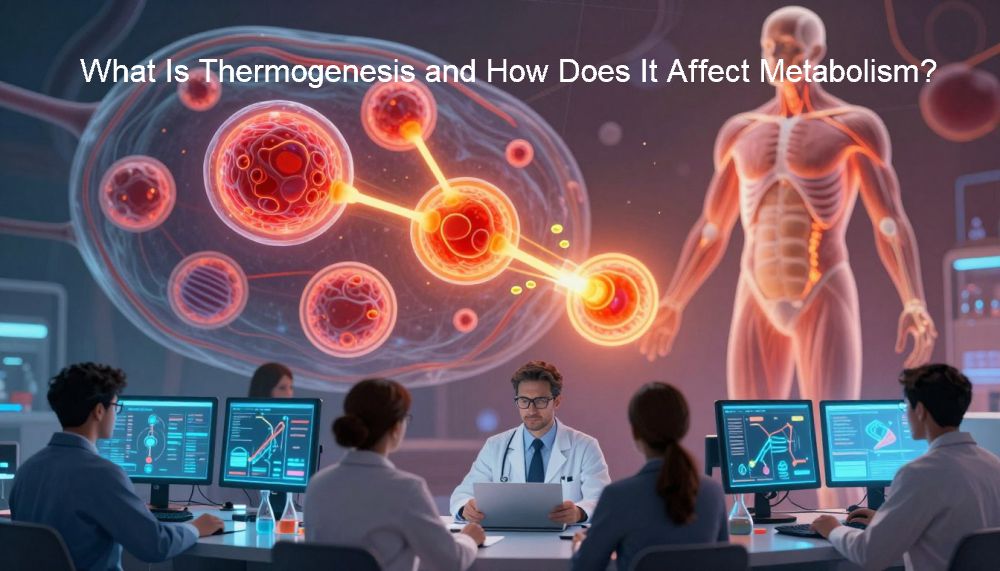
This process, also known as diet-induced thermogenesis, contributes to our overall energy expenditure and can influence our ability to lose or gain weight. Understanding thermogenesis can provide valuable insights into how our body regulates its energy balance and how we can optimize our metabolism for better health.
Key Takeaways
- Thermogenesis is the body’s natural heat production process.
- It affects our metabolic rate and energy expenditure.
- Diet-induced thermogenesis is a significant contributor to our overall energy balance.
- Understanding thermogenesis can help optimize our metabolism.
- A healthy metabolic rate is crucial for overall well-being.
The Science of Thermogenesis Explained
Understanding thermogenesis is key to unlocking the secrets of our metabolic rate and overall energy expenditure. Thermogenesis refers to the process by which our bodies generate heat, a function that is crucial for maintaining various bodily processes.
At its core, thermogenesis involves the production of heat in the body, primarily through the activation of certain cellular mechanisms. This process is not just about keeping us warm; it’s intricately linked with how we expend energy.
What Happens When Your Body Generates Heat
When your body generates heat, it’s a sign that thermogenesis is at work. This process involves the breakdown of nutrients to produce energy, which is then released as heat. There are several ways this can happen, including through muscle activity, the digestion of food, and even the activation of certain types of fat cells known as brown adipose tissue.
The role of brown adipose tissue in thermogenesis is particularly noteworthy. Unlike white fat, which stores energy, brown fat burns energy to produce heat, thereby contributing to calorie expenditure and potentially aiding in weight management.
Why Thermogenesis Matters for Energy Balance
Thermogenesis plays a critical role in energy balance by influencing how many calories our bodies burn. A higher thermogenic rate can lead to increased calorie expenditure, which is beneficial for weight loss and maintenance. Conversely, a lower thermogenic rate can result in fewer calories being burned, potentially leading to weight gain.
Factors that influence thermogenesis include diet, exercise, and even environmental conditions such as temperature. For instance, exposure to cold can activate thermogenesis as the body works to maintain its internal temperature.
Key factors influencing thermogenesis:
- Dietary composition and calorie intake
- Physical activity levels
- Environmental temperature
- Hormonal balance
By understanding and potentially enhancing thermogenesis, individuals can better manage their energy balance, supporting their overall metabolic health and weight management goals.
How Thermogenesis Powers Your Metabolism
Thermogenesis plays a crucial role in powering your metabolism by generating heat in your body. This process is vital for maintaining energy balance and supporting overall metabolic health.
When your body produces heat, it expends energy, which in turn, boosts your metabolic rate. This metabolic boost is essential for various bodily functions, from basic cellular processes to physical activity.
The Metabolic Boost from Heat Production
The metabolic boost from heat production is a result of your body’s effort to maintain its internal temperature. This process involves various cellular activities that consume energy and produce heat as a byproduct.
As noted by experts, “Thermogenesis is a significant contributor to daily energy expenditure, and understanding its mechanisms can provide insights into metabolic health.” (
This quote highlights the importance of thermogenesis in metabolic health.
)
The heat generated through thermogenesis not only helps maintain body temperature but also enhances metabolic rate. This enhancement is crucial for burning calories and supporting weight management efforts.
Measuring Thermogenesis in Daily Energy Expenditure
Measuring thermogenesis in daily energy expenditure involves assessing the amount of energy your body uses to produce heat. This measurement can be done through various methods, including indirect calorimetry.
| Method | Description | Application |
|---|---|---|
| Indirect Calorimetry | Measures oxygen consumption and carbon dioxide production | Research and clinical settings |
| Heart Rate Monitoring | Estimates energy expenditure based on heart rate | Athletic training and fitness tracking |
| Doubly Labeled Water | Measures carbon dioxide production over time | Research on energy expenditure in free-living conditions |
Understanding how to measure thermogenesis can help individuals better manage their energy expenditure and improve their metabolic health.
By incorporating lifestyle changes that enhance thermogenesis, such as regular exercise and dietary adjustments, individuals can potentially boost their metabolic rate and support their overall health goals.
The 4 Types of Thermogenesis Your Body Uses
Your body employs four distinct types of thermogenesis to manage energy expenditure. These processes work together to help regulate your metabolism and overall energy balance.
Exercise-Induced Thermogenesis: Burning Calories Through Movement
Exercise-induced thermogenesis refers to the calories burned during physical activity. This can range from structured workouts like running or weightlifting to more casual activities such as walking or gardening. Regular exercise not only burns calories during the activity but also enhances your metabolic rate for a period afterward, contributing to overall energy expenditure.
Diet-Induced Thermogenesis: The Thermic Effect of Food
Diet-induced thermogenesis, also known as the thermic effect of food (TEF), is the energy expended by our bodies to process and utilize nutrients from the food we eat. Different foods have different thermic effects; for example, protein requires more energy to digest than carbohydrates or fats, thereby increasing the thermogenic effect.
| Food Type | Thermic Effect |
|---|---|
| Protein | 20-30% |
| Carbohydrates | 5-10% |
| Fats | 0-5% |
Non-Exercise Activity Thermogenesis (NEAT): Everyday Calorie Burning
NEAT refers to the energy expended on activities other than structured exercise, such as fidgeting, standing, or doing household chores. NEAT can vary significantly between individuals and can be a substantial contributor to daily energy expenditure. Increasing NEAT can be as simple as taking the stairs instead of the elevator or pacing while on phone calls.
“NEAT can account for up to 50% of total daily energy expenditure in some individuals, highlighting its importance in overall metabolic health.”
Adaptive Thermogenesis: How Your Body Adjusts
Adaptive thermogenesis is the body’s ability to adjust its energy expenditure in response to environmental changes, such as cold exposure, or dietary changes. For instance, exposure to cold can activate brown adipose tissue, a type of fat that is highly metabolically active and generates heat. This adaptive response helps maintain body temperature and can influence overall energy balance.
Thermogenesis and Weight Loss: The Connection
The connection between thermogenesis and weight loss is rooted in the body’s ability to generate heat, thereby increasing energy expenditure. Thermogenesis, as we’ve explored, is the process by which our bodies produce heat, and it’s a critical factor in how we burn calories.
When our bodies are more efficient at producing heat, we’re better at burning fat for energy. This is because thermogenesis directly influences our metabolic rate, determining how many calories we burn at rest and during activity.
How Enhanced Heat Production Helps Burn Fat
Enhanced heat production through thermogenesis helps burn fat in several ways. Firstly, it increases our resting metabolic rate (RMR), meaning we burn more calories even when we’re not actively exercising. This is crucial for weight loss, as a higher RMR can significantly impact our overall energy expenditure.
Key mechanisms through which thermogenesis aids in fat loss include:
- Increased lipolysis: Thermogenesis promotes the breakdown of fat cells, releasing fatty acids into the bloodstream to be used as energy.
- Enhanced mitochondrial function: Heat production improves the efficiency of mitochondria, the powerhouses of our cells, allowing for more effective energy production.
- Brown adipose tissue activation: Certain types of thermogenesis, like cold-induced thermogenesis, activate brown fat, which is highly metabolically active and burns white fat.
Creating a Calorie Deficit Through Thermogenic Processes
Creating a calorie deficit is essential for weight loss, and thermogenic processes play a significant role in achieving this. By enhancing our body’s heat production, we can increase our energy expenditure, making it easier to burn more calories than we consume.
To leverage thermogenesis for weight loss, focus on:
- Increasing physical activity, especially through exercise-induced thermogenesis.
- Adjusting your diet to include thermogenic foods and nutrients.
- Incorporating lifestyle changes that boost non-exercise activity thermogenesis (NEAT).
By understanding and utilizing these thermogenic processes, individuals can more effectively manage their weight and improve overall metabolic health.
Eat Your Way to Better Thermogenesis
The food you eat plays a crucial role in thermogenesis, the process by which your body generates heat. By incorporating specific foods into your diet, you can potentially boost your metabolic rate and enhance your body’s calorie-burning capabilities.
Protein: The Thermogenic Superstar
Protein is known for its high thermic effect, meaning your body expends more energy to digest and process it compared to fats and carbohydrates. This makes protein-rich foods an excellent choice for those looking to increase thermogenesis. Increasing protein intake can help boost your metabolic rate, supporting weight loss and overall metabolic health.
Examples of high-protein foods include lean meats, fish, eggs, dairy products, and plant-based options like legumes and tofu. Incorporating these into your meals can help maximize thermogenesis.
Spice It Up: How Hot Foods Boost Heat Production
Spicy foods, particularly those containing capsaicin (found in chili peppers), have been shown to have a thermogenic effect. Capsaicin can increase your body’s heat production, potentially enhancing metabolism and fat burning. Adding a dash of spice to your meals not only adds flavor but can also contribute to a more efficient metabolism.
Coffee, Tea, and Other Natural Thermogenic Boosters
Beverages like coffee and green tea are well-known for their thermogenic properties. Caffeine, found in coffee, can increase metabolic rate and enhance fat burning. Green tea contains catechins, which may also contribute to increased thermogenesis. Other natural boosters include citrus fruits and certain spices like ginger and turmeric.
Strategic Eating: Timing and Frequency for Maximum Effect
Not only what you eat but also when and how often you eat can impact thermogenesis. Eating smaller, more frequent meals can help keep your metabolism active throughout the day. Additionally, timing your meals around your activity levels can further enhance thermogenic effects.
For instance, consuming a protein-rich meal after exercise can support muscle recovery and potentially boost post-exercise thermogenesis. Being mindful of your eating schedule and composition can help maximize your body’s natural calorie-burning processes.
Workouts That Maximize Your Thermogenic Potential
To boost your metabolism, it’s essential to incorporate workouts that maximize your thermogenic potential. Thermogenic exercises not only burn calories during the activity but also enhance your body’s ability to generate heat, thereby increasing your metabolic rate.
HIIT: The Thermogenic Workout Champion
High-Intensity Interval Training (HIIT) is a highly effective method for maximizing thermogenesis. HIIT involves short bursts of intense exercise followed by brief periods of rest. This type of training has been shown to significantly increase your metabolic rate, both during and after exercise.
The beauty of HIIT lies in its versatility. You can apply HIIT to various forms of exercise, such as sprinting, cycling, or bodyweight exercises. The key is to push yourself to your maximum capacity during the intense intervals, followed by adequate rest.
Building Muscle to Become a Calorie-Burning Machine
Building muscle mass is another effective way to enhance your thermogenic potential. Muscle tissue requires more energy to maintain than fat tissue, so the more muscle you have, the higher your resting metabolic rate will be.
Incorporating strength training exercises into your workout routine can help you build muscle. Focus on compound exercises like squats, deadlifts, and bench presses, which work multiple muscle groups at once. As you build more muscle, you’ll notice an increase in your overall calorie burn, even at rest.
The Afterburn Effect: Post-Exercise Oxygen Consumption
The afterburn effect, also known as excess post-exercise oxygen consumption (EPOC), refers to the increased oxygen consumption by your body after intense exercise. This phenomenon is a result of your body’s need to replenish energy stores, repair muscles, and return to a resting state.
EPOC can significantly contribute to your overall energy expenditure. The more intense your workout, the greater the afterburn effect will be. This means that even after you’ve finished exercising, your body continues to burn calories at an elevated rate.
Daily Habits That Influence Thermogenesis
Your daily habits play a crucial role in influencing thermogenesis, a key factor in your metabolic health. Thermogenesis is the process by which your body generates heat, and it’s an essential component of your overall energy expenditure.
Several daily habits can significantly impact your thermogenic processes. Let’s explore some of the most influential factors.
Sleep: The Overlooked Metabolic Regulator
Sleep is a critical component of metabolic health, and it plays a significant role in regulating thermogenesis. During sleep, your body repairs and regenerates tissues, builds bone and muscle, and strengthens your immune system. Poor sleep quality or duration can disrupt hormonal balances, leading to decreased thermogenesis and potentially affecting weight management.
Adequate sleep is essential for maintaining a healthy metabolic rate. Studies have shown that sleep deprivation can lead to decreased thermogenesis and increased inflammation, making it more challenging to lose weight or maintain weight loss.
| Sleep Duration | Effect on Thermogenesis |
|---|---|
| Less than 5 hours | Decreased thermogenesis, increased risk of weight gain |
| 7-9 hours | Optimal thermogenesis, supports weight management |
| More than 10 hours | Potential decrease in thermogenesis due to excessive sleep |
Stress Management for Hormonal Balance
Chronic stress can have a detrimental impact on your metabolic health, including thermogenesis. When you’re under stress, your body releases cortisol, a hormone that can lead to increased fat storage around the abdominal area. Effective stress management techniques, such as meditation, yoga, or deep breathing exercises, can help mitigate the negative effects of stress on your metabolism.
Stress management is crucial for maintaining hormonal balance, which in turn supports thermogenic processes. By incorporating stress-reducing activities into your daily routine, you can help your body maintain a healthy metabolic rate.
Cold Exposure and Brown Fat Activation
Cold exposure is another daily habit that can influence thermogenesis. When you’re exposed to cold temperatures, your body activates brown fat, a type of fat that is highly metabolically active and generates heat. This process is known as non-shivering thermogenesis.
Cold showers or spending time in cold environments can stimulate brown fat activation, potentially increasing your resting metabolic rate and enhancing thermogenesis. While more research is needed, incorporating cold exposure into your daily routine may be a useful adjunct to a healthy diet and regular exercise.
By understanding and adjusting your daily habits, you can potentially enhance your thermogenic processes and support your overall metabolic health.
Thermogenic Supplements: Separating Fact from Fiction
Thermogenic supplements are marketed as a means to enhance metabolic rate and facilitate weight loss, but it’s crucial to separate fact from fiction when evaluating their effectiveness. As the supplement industry continues to grow, understanding the role of thermogenic aids in fat loss and energy expenditure becomes increasingly important.
Popular Ingredients and Their Real-World Effects
Many thermogenic supplements contain ingredients like green tea extract, caffeine, and capsaicin, which are believed to have thermogenic properties. Green tea extract, for instance, contains catechins that may help increase metabolism and enhance fat burning. Caffeine is another common ingredient that not only boosts energy but also has been shown to increase thermogenesis.
The real-world effects of these ingredients can vary based on factors such as dosage, individual tolerance, and the presence of other ingredients in the supplement. For example, while caffeine can significantly enhance thermogenesis, individuals with a high caffeine tolerance may not experience the same level of effect as those who are more sensitive to it.
What You Should Know Before Taking Thermogenic Aids
Before incorporating thermogenic supplements into your regimen, it’s essential to consider several factors. First, evaluate the ingredient list and look for clinically-tested components. Be wary of supplements with proprietary blends that don’t disclose the exact amount of each ingredient.
- Consult with a healthcare professional, especially if you have any pre-existing health conditions or are taking medications.
- Follow the recommended dosage and be aware of potential side effects, such as jitteriness or an increased heart rate.
- Combine thermogenic supplements with a balanced diet and regular exercise for optimal results.
By being informed and cautious, you can make the most out of thermogenic supplements while minimizing potential risks.
Conclusion: Putting Thermogenesis to Work for Your Metabolic Health
Thermogenesis plays a vital role in energy expenditure and fat loss, making it a crucial aspect of metabolic health. By understanding how to harness thermogenic processes, individuals can optimize their metabolic rate and improve overall well-being.
A combination of strategic eating, regular exercise, and daily habits can significantly enhance thermogenesis. Incorporating protein-rich foods, spicy dishes, and thermogenic beverages like coffee and tea can boost diet-induced thermogenesis. Engaging in HIIT workouts and building muscle mass can also increase exercise-induced thermogenesis.
Additionally, managing stress, getting adequate sleep, and exposing oneself to cold temperatures can activate adaptive thermogenesis. By incorporating these habits into daily life, individuals can increase their energy expenditure, enhance fat loss, and promote a healthier metabolic rate.
By applying the knowledge of thermogenesis, individuals can take control of their metabolic health and achieve a more balanced and efficient metabolism. This, in turn, can lead to improved overall health and a reduced risk of metabolic disorders.
FAQ
What is thermogenesis and how does it affect my metabolism?
Thermogenesis is the body’s natural process of producing heat, which plays a crucial role in energy expenditure and metabolic health. It helps burn calories, including those from fat, and can be influenced by diet, exercise, and other lifestyle factors.
How can I boost my thermogenesis to lose weight?
Boosting thermogenesis can be achieved through a combination of dietary changes, such as consuming protein-rich foods and spicy meals, engaging in regular exercise like HIIT, and incorporating daily habits like getting enough sleep and managing stress. Additionally, cold exposure and certain supplements may also help.
What are the different types of thermogenesis and how do they contribute to weight loss?
There are four main types of thermogenesis: exercise-induced, diet-induced, non-exercise activity thermogenesis (NEAT), and adaptive thermogenesis. Each type plays a role in burning calories and enhancing metabolic health, and together they can help create a calorie deficit necessary for weight loss.
Can certain foods really increase my thermogenesis?
Yes, certain foods have been shown to have a thermogenic effect. Protein-rich foods, for example, require more energy to digest, which can increase thermogenesis. Spicy foods containing capsaicin can also boost heat production. Other natural thermogenic boosters include coffee and tea.
How does exercise impact thermogenesis, and what type of exercise is most effective?
Exercise, particularly high-intensity interval training (HIIT), can significantly enhance thermogenesis by increasing energy expenditure during and after exercise. Resistance training also plays a crucial role by building muscle tissue, which further contributes to resting metabolic rate.
Are thermogenic supplements effective for weight loss?
Some thermogenic supplements contain ingredients that may help increase thermogenesis, such as green tea extract or cayenne pepper. However, their effectiveness can vary, and it’s essential to consult with a healthcare professional before adding any supplements to your regimen.
How does sleep affect thermogenesis, and how can I optimize my sleep for better metabolic health?
Sleep plays a critical role in regulating metabolic health, including thermogenesis. Poor sleep can disrupt hormonal balance, leading to decreased thermogenesis. Optimizing sleep involves maintaining a consistent sleep schedule, creating a sleep-conducive environment, and avoiding stimulating activities before bedtime.
Can stress impact my thermogenic processes, and how can I manage stress for better metabolic health?
Chronic stress can negatively affect thermogenesis by altering hormonal balance. Engaging in stress-reducing activities like meditation, yoga, or deep breathing exercises can help mitigate this effect and support overall metabolic well-being.