Maintaining adequate vitamin d levels is crucial for overall health, as it plays a significant role in bone health and immune function. Many individuals are unaware of the importance of this essential nutrient and its impact on their well-being.
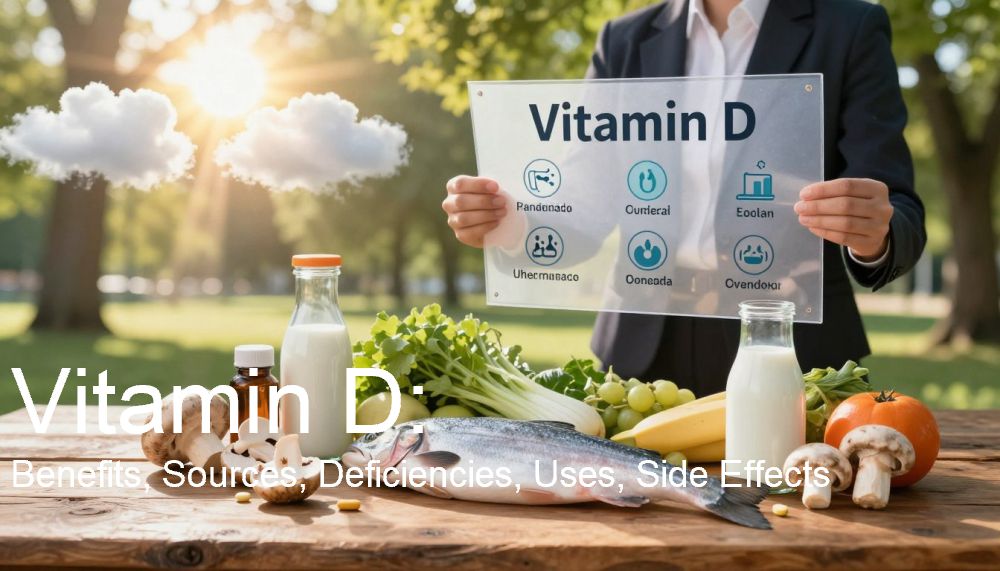
Understanding the benefits of vitamin d supplementation can help individuals make informed decisions about their health. This article will explore the various aspects of vitamin d, including its sources, deficiencies, uses, and potential side effects of taking vitamin d supplements.
Key Takeaways
- Understanding the importance of maintaining adequate vitamin d levels.
- Exploring the benefits and potential side effects of vitamin d supplementation.
- Identifying sources of vitamin d and understanding deficiencies.
- Learning how to take vitamin d supplements effectively.
- Recognizing the role of vitamin d in overall health and well-being.
Understanding Vitamin D and Its Role
Understanding Vitamin D is essential for appreciating its impact on our health and wellbeing. Vitamin D is a fat-soluble vitamin that plays a critical role in maintaining strong bones, immune function, and overall health.
The Science Behind Vitamin D
Vitamin D is unique because it can be synthesized in the skin upon exposure to sunlight. This process involves a complex biochemical pathway that ultimately leads to the production of the active form of Vitamin D, which then binds to Vitamin D receptors in various tissues, influencing gene expression and cellular function.
The significance of Vitamin D extends beyond bone health; it is also involved in regulating cell growth, neuromuscular function, and immune response. Adequate levels of Vitamin D are crucial for maintaining overall health and preventing diseases.
Forms of Vitamin D: D2 vs D3
There are two primary forms of Vitamin D: D2 (ergocalciferol) and D3 (cholecalciferol). While both forms contribute to the body’s Vitamin D status, they have different origins and potencies. Vitamin D2 is derived from fungal sources and is often used in fortified foods and supplements. Vitamin D3, on the other hand, is synthesized in the skin and is also available through dietary sources like fatty fish and fortified dairy products.
Research suggests that Vitamin D3 is more effective at raising and maintaining adequate Vitamin D levels in the body compared to D2. Therefore, when choosing a Vitamin D supplement, D3 is generally recommended.
How Vitamin D Functions in the Body
Understanding how Vitamin D functions in the body is essential for appreciating its importance. Vitamin D is a vital nutrient that plays a significant role in maintaining overall health.
Vitamin D as a Fat-Soluble Nutrient
Vitamin D is classified as a fat-soluble vitamin, meaning it is absorbed by the body along with fats. This characteristic allows it to be stored in the body’s fatty tissues for later use. Being fat-soluble, Vitamin D can be obtained through dietary sources and supplements, as well as being produced by the skin upon exposure to sunlight.
Vitamin D Receptors and Their Function
Vitamin D exerts its effects by binding to Vitamin D receptors (VDRs) found in various cells throughout the body. These receptors are part of a larger family of nuclear receptors that regulate gene expression. When Vitamin D binds to its receptor, it influences the transcription of numerous genes, thereby affecting a wide range of physiological processes.
Metabolism and Activation Process
The metabolism and activation of Vitamin D involve several steps. Initially, Vitamin D is converted into its major circulating form, 25-hydroxyvitamin D, in the liver. This compound is then transported to the kidneys, where it is further converted into its active form, 1,25-dihydroxyvitamin D, through the action of the enzyme 1-alpha-hydroxylase. This active form of Vitamin D is responsible for most of its biological effects.
| Process | Location | Outcome |
|---|---|---|
| Conversion to 25-hydroxyvitamin D | Liver | Major circulating form |
| Conversion to 1,25-dihydroxyvitamin D | Kidneys | Active form of Vitamin D |
Key Health Benefits of Vitamin D
The importance of Vitamin D extends far beyond its well-known role in bone health. This essential nutrient plays a critical role in various bodily functions, contributing to overall well-being.
Bone Health and Calcium Absorption
Vitamin D is crucial for maintaining strong bones by facilitating calcium absorption in the gut. It helps regulate calcium levels in the body, ensuring that bones remain dense and healthy. Without sufficient Vitamin D, bones can become thin, brittle, or misshapen.
Immune System Support
Vitamin D has been shown to play a significant role in immune system regulation. It helps to fight off infections and may reduce the risk of autoimmune diseases. Research suggests that Vitamin D deficiency is associated with an increased risk of respiratory infections.
Mood Regulation and Mental Health
There is a link between Vitamin D levels and mood regulation. Some studies indicate that Vitamin D supplementation can help alleviate symptoms of depression and seasonal affective disorder. Maintaining adequate Vitamin D levels is considered important for mental health.
“Vitamin D deficiency has been linked to various mental health conditions, highlighting the importance of maintaining optimal levels.”
Cardiovascular Health
Vitamin D is also believed to contribute to cardiovascular health. Research suggests that it may help lower blood pressure and reduce the risk of heart disease, although more research is needed to fully understand its effects.
Other Emerging Benefits
Emerging evidence suggests that Vitamin D may have additional benefits, including reducing the risk of certain cancers and cognitive decline. However, further studies are required to confirm these associations.
Natural and Supplemental Sources of Vitamin D
Understanding the sources of Vitamin D is vital for ensuring optimal levels in the body. Vitamin D can be obtained through various means, including exposure to sunlight, consumption of certain foods, and dietary supplements.
Sunlight Exposure and Vitamin D Synthesis
Sunlight is a natural source of Vitamin D. When skin is exposed to the sun’s UVB rays, it synthesizes Vitamin D3. The amount of Vitamin D produced depends on several factors, including skin tone, age, and the time of day. For instance, individuals with darker skin tones may require more sun exposure to produce the same amount of Vitamin D as those with lighter skin.
Food Sources Rich in Vitamin D
Certain foods are naturally rich in Vitamin D. Fatty fish like salmon, mackerel, and sardines are among the best dietary sources. Other foods, such as egg yolks and beef liver, contain smaller amounts. Including these foods in your diet can help maintain adequate Vitamin D levels.
Fortified Foods
In addition to natural sources, many foods are fortified with Vitamin D. These include dairy products, orange juice, and cereals. Fortified foods can be particularly helpful for individuals who have limited sun exposure or dietary restrictions.
Supplement Options and Considerations
For those who cannot obtain sufficient Vitamin D from sunlight and diet alone, supplements are available. Vitamin D supplements come in two forms: D2 and D3. While both can help raise Vitamin D levels, D3 is generally considered more effective. It’s essential to consult with a healthcare provider to determine the best supplement and dosage for individual needs.
Recommended Vitamin D Intake by Life Stage
The recommended Vitamin D intake is not a one-size-fits-all recommendation; it differs significantly across various life stages. Ensuring adequate Vitamin D levels is crucial for overall health, and the requirements can vary based on age, health status, and other factors.
Daily Requirements for Children and Adolescents
For children and adolescents, Vitamin D is essential for bone development and density. The daily recommended intake for this age group is typically around 600-1000 IU (International Units), supporting healthy growth and development.
Adult Requirements
Adults require Vitamin D for maintaining bone health and supporting immune function. The recommended daily intake is generally around 600-800 IU, though some adults may need more based on their health status or exposure to sunlight.
Needs During Pregnancy and Breastfeeding
During pregnancy and breastfeeding, women have a higher demand for Vitamin D to support the health of both mother and baby. The recommended intake is typically around 600-800 IU per day, but healthcare providers may recommend higher doses in some cases.
Factors Affecting Individual Vitamin D Needs
Several factors can influence an individual’s Vitamin D needs, including skin color, geographic location, and exposure to sunlight. For instance, individuals with darker skin or those living further from the equator may require more Vitamin D due to reduced synthesis from sunlight.
Vitamin D Deficiency: Causes and Risk Factors
Understanding the causes and risk factors of vitamin D deficiency is crucial for prevention and treatment. Vitamin D deficiency is a widespread issue that affects various populations worldwide.
Limited Sun Exposure
Limited sun exposure is a significant risk factor for vitamin D deficiency. People who live in northern latitudes, wear protective clothing, or spend most of their time indoors are at higher risk. UVB rays from the sun trigger vitamin D synthesis in the skin, making sun exposure crucial for maintaining adequate levels.
Dietary Insufficiency
Dietary insufficiency is another critical factor. Vitamin D is found in limited food sources, such as fatty fish, egg yolks, and fortified dairy products. Individuals who follow a diet lacking these foods are more likely to experience deficiency. Fortified foods can help bridge this gap, but consumption varies widely among different populations.
Medical Conditions Affecting Absorption
Certain medical conditions can affect the body’s ability to absorb vitamin D. Conditions such as celiac disease, Crohn’s disease, and kidney or liver disease can impair vitamin D absorption, increasing the risk of deficiency.
High-Risk Populations
Some populations are at a higher risk for vitamin D deficiency. These include older adults, individuals with darker skin pigmentation, and those with limited mobility or sun exposure. Pregnant and breastfeeding women also have higher vitamin D needs.
| Risk Factor | Description | Impact on Vitamin D Levels |
|---|---|---|
| Limited Sun Exposure | Reduced UVB ray exposure due to lifestyle or geographical factors | Decreased vitamin D synthesis |
| Dietary Insufficiency | Lack of vitamin D-rich foods in the diet | Inadequate vitamin D intake |
| Medical Conditions | Conditions affecting nutrient absorption | Impaired vitamin D absorption |
| High-Risk Populations | Specific groups with higher vitamin D needs or reduced synthesis | Increased risk of deficiency |
Recognizing these causes and risk factors is essential for addressing vitamin D deficiency effectively. By understanding the underlying reasons, individuals can take proactive steps to maintain optimal vitamin D levels.
Recognizing and Diagnosing Vitamin D Deficiency
Diagnosing Vitamin D deficiency requires a comprehensive approach, including understanding its symptoms, diagnostic tests, and interpreting blood levels. Vitamin D deficiency is a significant public health concern, affecting various populations worldwide.
Common Symptoms and Signs
The symptoms of Vitamin D deficiency can be nonspecific and varied, making diagnosis challenging. Common symptoms include:
- Fatigue and muscle weakness
- Bone pain or tenderness
- Mood changes, such as depression or anxiety
- Impaired wound healing
These symptoms can significantly impact an individual’s quality of life, emphasizing the need for timely diagnosis and treatment.
Diagnostic Testing Methods
Diagnostic testing is crucial for confirming Vitamin D deficiency. The most common test measures the level of 25-hydroxyvitamin D [25(OH)D] in the blood. This test is considered the best indicator of Vitamin D status.
Diagnostic tests are typically recommended for individuals at high risk of deficiency or those showing symptoms.
Understanding Vitamin D Blood Levels
Understanding the results of Vitamin D blood tests is essential for diagnosis. Blood levels are categorized as follows:
- Deficient: Less than 20 ng/mL
- Insufficient: 20-29 ng/mL
- Sufficient: 30-50 ng/mL
- Potential toxicity: Above 100 ng/mL
Healthcare providers interpret these levels in the context of an individual’s overall health, medical history, and risk factors.
Treating and Preventing Vitamin D Deficiency
Addressing Vitamin D deficiency involves a multi-faceted approach that includes supplementation, lifestyle changes, and regular monitoring. Effective treatment and prevention strategies are crucial for maintaining optimal Vitamin D levels, which are essential for overall health.
Supplementation Protocols
Supplementation is often necessary to treat Vitamin D deficiency, especially in individuals with limited sun exposure or those with certain medical conditions. Vitamin D supplements come in two forms: D2 and D3, with D3 being more effective at raising blood levels of Vitamin D. The choice of supplement and dosage should be guided by a healthcare professional to ensure safety and efficacy.
Lifestyle Modifications for Better Vitamin D Status
In addition to supplementation, certain lifestyle changes can help improve Vitamin D status. Increasing sunlight exposure is a natural way to boost Vitamin D levels, although this must be balanced with skin cancer risk. Dietary adjustments, such as consuming more Vitamin D-rich foods like fatty fish, fortified dairy products, and cereals, can also contribute to improved Vitamin D levels.
Monitoring and Maintaining Optimal Levels
Regular monitoring of Vitamin D levels is essential to ensure that treatment is effective and to make any necessary adjustments. This involves periodic blood tests to check Vitamin D levels. Maintaining optimal levels requires ongoing commitment to supplementation and lifestyle modifications, as well as regular check-ins with a healthcare provider.
Special Considerations for Different Populations
Vitamin D is crucial for various populations, each with unique needs and challenges. Ensuring adequate levels of this vitamin is vital for maintaining overall health and preventing deficiencies.
Vitamin D for Older Adults
Older adults are at a higher risk for Vitamin D deficiency due to factors like reduced skin synthesis, less exposure to sunlight, and decreased dietary intake. Supplementation is often recommended to maintain bone health and prevent falls. According to a study, “Vitamin D supplementation significantly reduced the risk of falls in older adults”
“Vitamin D supplementation significantly reduced the risk of falls in older adults”
(Source:
Health Journal
).
Children and Vitamin D Requirements
Children require Vitamin D for bone development and growth. Adequate levels are crucial during infancy and adolescence. Ensuring sufficient Vitamin D through diet, sunlight, or supplements is vital for preventing rickets and other bone disorders.
Considerations for Dark-Skinned Individuals
Individuals with darker skin have a higher risk of Vitamin D deficiency due to reduced Vitamin D synthesis from sunlight. Increased sun exposure or supplementation may be necessary to maintain adequate levels.
Vitamin D for Those with Limited Mobility or Sun Exposure
People with limited mobility or those who have limited sun exposure, such as night shift workers, require alternative sources of Vitamin D. Dietary sources and supplements become crucial
In conclusion, different populations have unique needs when it comes to Vitamin D. Understanding these needs is key to preventing deficiencies and maintaining overall health.
Potential Side Effects and Vitamin D Toxicity
While Vitamin D is essential, taking too much can have adverse effects. Vitamin D toxicity, also known as hypervitaminosis D, occurs when there is an excessive intake of Vitamin D, leading to a range of health issues.
Symptoms of Excessive Vitamin D
Excessive Vitamin D can cause a variety of symptoms, including nausea, vomiting, and weakness. Other signs may include excessive thirst and urination, as well as kidney damage in severe cases. It’s crucial to recognize these symptoms early to prevent long-term damage.
Safe Upper Limits and Precautions
The safe upper limit for Vitamin D intake varies by age, but generally, intakes above 4000 IU (International Units) per day can lead to toxicity. To avoid adverse effects, it’s essential to be aware of the Vitamin D content in supplements and fortified foods.
Precautions include monitoring Vitamin D levels, especially for individuals on long-term supplementation, and being cautious with high-dose supplements. Consulting with a healthcare provider can help determine the right intake level and minimize the risk of toxicity.
Conclusion
Vitamin D plays a crucial role in maintaining overall health, and its importance cannot be overstated. As discussed in the preceding sections, Vitamin D is essential for bone health, immune system support, mood regulation, and cardiovascular health.
The key takeaways from this article highlight the significance of understanding Vitamin D’s role, its natural and supplemental sources, and the recommended intake by life stage. Recognizing the causes and risk factors of Vitamin D deficiency, as well as its symptoms and diagnostic testing methods, is vital for maintaining optimal levels.
To ensure overall health, it is essential to be aware of the potential side effects and toxicity associated with excessive Vitamin D intake. By understanding the importance of Vitamin D and taking steps to maintain optimal levels, individuals can significantly improve their overall well-being.
In summary, Vitamin D is a vital nutrient that requires attention to maintain optimal levels. By being informed about its benefits, sources, and potential deficiencies, individuals can take proactive steps towards achieving better health.
FAQ
What is Vitamin D and why is it important?
Vitamin D is a fat-soluble vitamin that plays a crucial role in maintaining strong bones, immune function, and overall health. It helps the body absorb calcium, which is necessary for building and maintaining healthy bones.
What are the different forms of Vitamin D?
There are two main forms of Vitamin D: D2 (ergocalciferol) and D3 (cholecalciferol). Vitamin D3 is the more effective form and is produced in the skin upon exposure to sunlight, while Vitamin D2 is found in some plant-based foods and supplements.
How can I get enough Vitamin D?
You can get Vitamin D through sunlight exposure, dietary sources such as fatty fish, fortified foods, and supplements. The amount of Vitamin D you need varies by age, skin color, and other factors, so it’s essential to consult with a healthcare professional to determine the best approach for you.
What are the symptoms of Vitamin D deficiency?
Common symptoms of Vitamin D deficiency include fatigue, bone pain, muscle weakness, and mood changes. In severe cases, it can lead to conditions like rickets in children and osteomalacia in adults.
How is Vitamin D deficiency diagnosed?
Vitamin D deficiency is diagnosed through a blood test that measures the level of 25-hydroxyvitamin D in the blood. A healthcare professional can interpret the results and recommend treatment if necessary.
Can I take too much Vitamin D?
Yes, taking too much Vitamin D can lead to toxicity, which can cause symptoms like nausea, vomiting, and weakness. It’s essential to follow the recommended dosage and consult with a healthcare professional before taking any supplements.
Are there any groups that are more at risk for Vitamin D deficiency?
Yes, certain groups are more at risk for Vitamin D deficiency, including older adults, people with dark skin, those with limited sun exposure, and individuals with certain medical conditions. Pregnant and breastfeeding women also have a higher demand for Vitamin D.
How can I maintain optimal Vitamin D levels?
Maintaining optimal Vitamin D levels can be achieved through a combination of sunlight exposure, dietary sources, and supplements. Regular monitoring of Vitamin D levels and consulting with a healthcare professional can help ensure you’re getting the right amount.