Have you ever wondered what gives certain fruits and vegetables their vibrant colors? Many of these natural wonders contain powerful plant pigments that support your well-being. Today, we explore the role of a quercetin supplement and how it can improve your daily vitality through science.
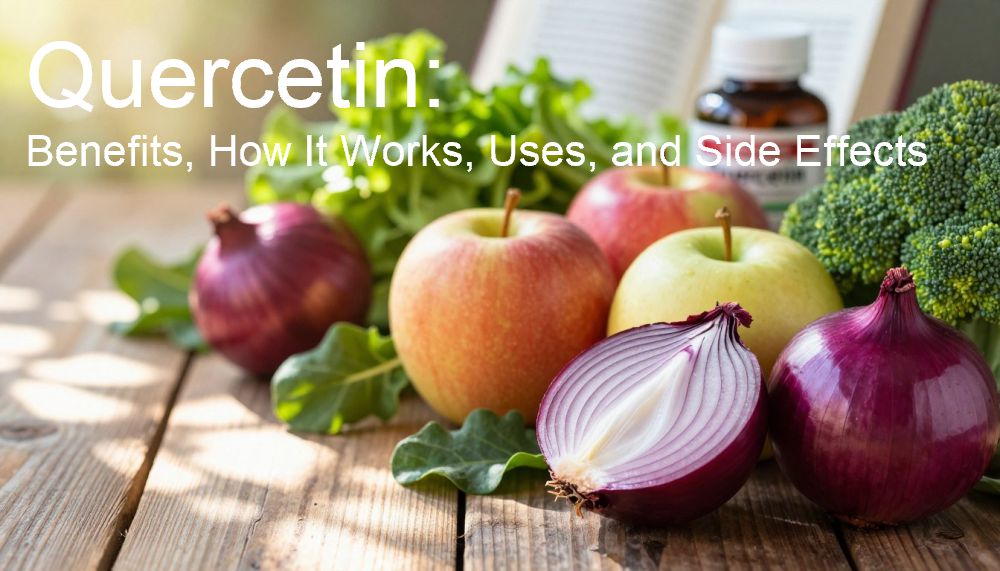
Onions, apples, and berries contain this specific flavonoid. Experts often praise its strong antioxidant effects, which help protect your cells from damage. Many people also choose to take this natural aid to fill gaps in their nutrition.
Understanding these health advantages can help you make better choices for your long-term wellness. By learning how it works, you can decide if this plant-based compound is right for your lifestyle. It remains a popular choice for those seeking to boost their body’s natural defenses.
Key Takeaways
- This nutrient is a natural plant pigment found in common foods like onions and apples.
- It provides significant protection against oxidative stress and cellular damage.
- The compound supports a healthy immune response and may reduce inflammation.
- Adding this flavonoid to your diet can help maintain cardiovascular health and blood flow.
- Concentrated forms are available for those who need higher doses than food provides.
- Research suggests it works best when combined with other healthy lifestyle choices.
What Is Quercetin?
Quercetin is a type of flavonoid, a class of plant compounds known for their antioxidant properties. Flavonoids are a group of phytonutrients found in various fruits, vegetables, grains, bark, roots, stems, flowers, tea, and wine. These compounds are responsible for the vibrant colors of many fruits and vegetables and play a crucial role in protecting plants from environmental stressors.
Quercetin as a Natural Flavonoid
As a natural flavonoid, quercetin is widely distributed in the plant kingdom. It is particularly abundant in apples, onions, garlic, and various berries. Quercetin has been studied extensively for its potential health benefits, including its antioxidant, anti-inflammatory, and immune-modulating effects.
Quercetin’s structure allows it to scavenge free radicals and modulate various cellular pathways, contributing to its potential health benefits. The compound has been shown to have protective effects against various diseases, including cardiovascular disease, certain cancers, and neurodegenerative disorders.
Quercetin Glycosides vs. Quercetin Aglycone
Quercetin exists in two main forms: glycosides and aglycone. Quercetin glycosides are compounds where quercetin is bound to a sugar molecule, while quercetin aglycone is the form without any attached sugar. The glycoside form is more commonly found in nature and is generally considered more bioavailable due to its better solubility in water.
The difference between these forms can affect their absorption and utilization by the body. Research suggests that while the glycoside form may be more readily absorbed, the aglycone form may have higher bioactivity. Understanding the distinction between these forms is crucial for appreciating how quercetin is processed and utilized by the body.
| Form | Description | Bioavailability |
|---|---|---|
| Quercetin Glycosides | Quercetin bound to a sugar molecule | Generally considered higher due to better water solubility |
| Quercetin Aglycone | Quercetin without attached sugar | May have higher bioactivity, but potentially lower absorption |
“The bioavailability and efficacy of quercetin supplements can vary based on their form and the presence of other nutrients.”
How Quercetin Works in Your Body
Understanding how quercetin works in the body is crucial for appreciating its potential health benefits. Quercetin’s biological activities are complex and involve multiple mechanisms that contribute to its overall effects on human health.
Absorption and Metabolism of Quercetin
Quercetin is absorbed in the small intestine, where it is conjugated into various metabolites. These metabolites are then distributed throughout the body, exerting their effects on various tissues and organs. The bioavailability of quercetin can vary depending on the form in which it is consumed, with some forms being more easily absorbed than others.
Antioxidant Properties of Quercetin
One of the key mechanisms by which quercetin exerts its effects is through its antioxidant properties. Quercetin has been shown to scavenge free radicals and reduce oxidative stress in various cell types. This antioxidant activity can help protect against cell damage and contribute to the prevention of chronic diseases.
The antioxidant effects of quercetin are summarized in the following table:
| Antioxidant Effect | Description | Potential Benefit |
|---|---|---|
| Free Radical Scavenging | Neutralizes harmful free radicals | Reduces oxidative stress |
| Metal Ion Chelation | Binds to metal ions, preventing oxidative reactions | Protects against metal-induced oxidative damage |
| Inhibition of Oxidative Enzymes | Inhibits enzymes involved in oxidative stress | Reduces production of reactive oxygen species |
Anti-Inflammatory Mechanisms
In addition to its antioxidant properties, quercetin also exhibits anti-inflammatory effects. It has been shown to modulate various inflammatory pathways, including the inhibition of pro-inflammatory cytokines and the suppression of inflammatory enzyme activity. These anti-inflammatory mechanisms can contribute to the alleviation of symptoms associated with inflammatory conditions.
By understanding how quercetin works in the body, including its absorption, antioxidant properties, and anti-inflammatory mechanisms, individuals can better appreciate the potential benefits of this flavonoid for overall health and well-being.
Health Benefits of Quercetin
Quercetin offers numerous health benefits that make it a valuable supplement for overall wellness. Its diverse effects on the body make it a popular choice among those seeking to support their health naturally.
Cardiovascular Health and Blood Pressure Support
Quercetin has been shown to have positive effects on cardiovascular health, which is crucial for overall well-being. Cardiovascular health is a key area where quercetin may offer significant benefits.
Effects on Heart Health
Research indicates that quercetin may help support heart health by improving various cardiovascular risk factors. This includes potential benefits in reducing inflammation and improving blood vessel function.
Blood Pressure Regulation
Quercetin may also play a role in blood pressure regulation. Studies suggest that it can help maintain healthy blood pressure levels, which is essential for preventing cardiovascular diseases.
Anti-Inflammatory Effects Throughout the Body
One of the key benefits of quercetin is its anti-inflammatory effects. By reducing inflammation, quercetin may help alleviate symptoms associated with various chronic conditions.
Allergy Relief and Respiratory Support
Quercetin is also known for its potential in providing allergy relief and supporting respiratory health. Its anti-inflammatory properties may help in managing allergy symptoms and supporting lung function.
Exercise Performance and Recovery Benefits
Athletes and individuals who engage in regular physical activity may benefit from quercetin supplementation due to its potential effects on exercise performance and recovery. Quercetin may help improve endurance and reduce muscle soreness after exercise.
Potential Cognitive and Brain Health Support
Emerging research suggests that quercetin may have cognitive and brain health benefits. Its antioxidant properties could play a role in protecting against age-related cognitive decline.
Common Uses and Applications of Quercetin
Quercetin’s broad spectrum of benefits has led to its diverse applications in therapeutic and preventive health contexts. Its versatility makes it a valuable compound for addressing various health concerns.
Therapeutic Uses for Specific Health Conditions
Quercetin has been studied for its potential therapeutic benefits in managing specific health conditions. Its anti-inflammatory properties make it a potential adjunct therapy for conditions characterized by chronic inflammation.
Some of the health conditions where quercetin may be beneficial include:
- Arthritis and other inflammatory joint diseases
- Cardiovascular diseases
- Allergies and respiratory conditions
Preventive Health Applications
Beyond its therapeutic uses, quercetin is also valued for its preventive health benefits. Regular consumption may help in maintaining overall health and reducing the risk of chronic diseases.
| Health Benefit | Description |
|---|---|
| Antioxidant Activity | Quercetin’s antioxidant properties help protect cells from oxidative damage. |
| Immune System Support | Quercetin may help in supporting immune function and reducing the severity of infections. |
| Cardiovascular Health | Quercetin may contribute to heart health by supporting blood vessel function and reducing inflammation. |
Quercetin in Sports and Fitness
Athletes and fitness enthusiasts are increasingly turning to quercetin supplementation due to its potential benefits for exercise performance and recovery. Quercetin may help in enhancing endurance and reducing muscle soreness after exercise.
The potential benefits of quercetin for athletes include:
- Improved exercise performance
- Enhanced endurance
- Faster recovery times
Natural Food Sources Rich in Quercetin
Incorporating quercetin-rich foods into your diet can be a delicious way to support your overall health. Quercetin is widely distributed in various natural food sources, making it relatively easy to increase your intake through dietary adjustments.
Fruits Containing High Amounts of Quercetin
Fruits are among the richest sources of quercetin. Some of the top quercetin-rich fruits include apples, berries, and grapes. Apples, particularly the skin, contain significant amounts of quercetin. Berries such as blueberries, cranberries, and elderberries are also high in this flavonoid.
Top Quercetin-Rich Fruits:
- Apples
- Blueberries
- Cranberries
- Elderberries
- Grapes
Vegetables and Leafy Greens
Vegetables and leafy greens are another crucial group of quercetin-rich foods. Onions, particularly red onions, are known for their high quercetin content. Leafy greens like kale and spinach also contribute significantly to dietary quercetin intake.
Notable Quercetin-Rich Vegetables and Leafy Greens:
- Onions (especially red onions)
- Kale
- Spinach
- Broccoli
Other Dietary Sources of Quercetin
Apart from fruits and vegetables, other foods and beverages can contribute to your quercetin intake. This includes various beverages and certain herbs and spices.
Beverages Rich in Quercetin
Certain beverages are rich in quercetin, providing an easy way to boost your intake. Tea, particularly green tea and black tea, is a significant source. Red wine, in moderation, can also contribute to quercetin intake.
“Drinking tea has been associated with various health benefits, partly due to its quercetin content.”
Herbs and Spices
Some herbs and spices are rich in quercetin, adding flavor and nutrition to your meals. Dill, parsley, and capers are examples of herbs and spices that contain quercetin.
| Herb/Spice | Quercetin Content |
|---|---|
| Dill | High |
| Parsley | High |
| Capers | Very High |
“A diet rich in whole foods can provide a significant amount of quercetin, supporting overall health and well-being.”
— Nutrition Expert
Quercetin Supplementation and Dosage
With various quercetin supplements available, understanding their differences and optimal dosages can help maximize their health benefits. Quercetin supplementation has become increasingly popular due to its potential to support overall health and wellness.
Types of Quercetin Supplements Available
Quercetin supplements come in different forms, each with its unique characteristics. Some of the most common types include:
- Quercetin dihydrate
- Quercetin aglycone
- Quercetin glycosides
These forms can be found in various products, often combined with other nutrients to enhance their effects.
Quercetin with Vitamin C
One popular combination is quercetin with vitamin C, as vitamin C can enhance the absorption of quercetin. This combination is believed to boost the immune system and provide antioxidant benefits.
Quercetin Combined with Resveratrol
Another common formulation is quercetin combined with resveratrol, a polyphenol found in grapes. This combination may offer synergistic benefits, potentially enhancing cardiovascular health and anti-inflammatory effects.
Recommended Dosage Guidelines
The optimal dosage of quercetin can vary based on individual health goals and needs. However, there are general guidelines that can be followed.
Standard Dosing: 500 Milligrams of Quercetin
A common dosage is 500 milligrams of quercetin per serving, often taken once or twice daily. This amount is considered effective for supporting general health and wellness.
Daily Quercetin Intake Recommendations
The daily quercetin intake can range from 500 to 1000 milligrams, divided into multiple doses. It’s essential to consult with a healthcare professional to determine the best dosage for specific health concerns.
Optimal Timing for Taking Quercetin Supplements
The timing of quercetin supplementation can influence its effectiveness. Taking quercetin with meals may enhance absorption, while spreading out doses throughout the day can help maintain consistent levels in the body.
Understanding the different aspects of quercetin supplementation, including types, dosages, and timing, can help individuals make informed decisions about their health regimen.
Potential Side Effects of Quercetin
Understanding the potential side effects of quercetin is crucial for safe supplementation. While generally considered safe, quercetin can cause adverse effects, particularly when taken in high doses or combined with other medications.
Common Side Effects When Taking Quercetin
Most people tolerate quercetin well, but some may experience side effects. Common side effects include:
- Headaches: Some individuals may experience headaches when taking quercetin supplements.
- Gastrointestinal issues: Nausea, stomach pain, or diarrhea can occur in some cases.
- Tingling sensations: A few people may experience tingling or numbness in their extremities.
These side effects are typically mild and temporary. However, if they persist or worsen, it’s advisable to consult a healthcare professional.
Safety of Quercetin for Long-Term Use
Research on the long-term safety of quercetin supplementation is ongoing. Current evidence suggests that quercetin is generally safe for long-term use when taken at recommended doses. A study published in the Journal of Nutrition found that long-term quercetin supplementation did not cause significant adverse effects in healthy adults.
However, it’s essential to monitor your body’s response and adjust your dosage or discontinue use if you experience any adverse effects.
Risk of Side Effects at Higher Doses
Taking higher doses of quercetin may increase the risk of side effects. Some potential risks associated with high doses include:
- Kidney damage: High doses of quercetin may potentially cause kidney damage in susceptible individuals.
- Interactions with medications: Quercetin can interact with certain medications, such as blood thinners, at high doses.
To minimize the risk of side effects, it’s crucial to follow recommended dosage guidelines and consult with a healthcare professional before taking quercetin supplements, especially if you have pre-existing health conditions or are taking medications.
Drug Interactions and Precautions
Understanding the potential drug interactions associated with quercetin is essential for safe supplementation. While quercetin is generally considered safe, its interaction with certain medications can lead to adverse effects.
Quercetin and Warfarin Interactions
One of the most significant interactions to be aware of is between quercetin and warfarin, a blood thinner. Quercetin may enhance the effects of warfarin, potentially leading to an increased risk of bleeding.
How Quercetin Might Increase the Effects of Warfarin
Quercetin can displace warfarin from protein binding sites, potentially increasing the anticoagulant effect. This interaction may lead to an elevated International Normalized Ratio (INR), indicating a higher risk of bleeding complications.
Monitoring Side Effects of Warfarin
Individuals taking warfarin should be closely monitored when supplementing with quercetin. Regular checks on INR levels and watching for signs of bleeding, such as bruising or nosebleeds, are crucial.
Interactions with Other Medications
Quercetin can interact with a variety of medications beyond warfarin, affecting their metabolism and efficacy.
Quercetin’s Effect on Drug Metabolism
Quercetin influences the activity of certain enzymes involved in drug metabolism, such as cytochrome P450. This can alter the levels of various drugs in the bloodstream, potentially leading to either increased efficacy or toxicity.
Medications That May Interact with Quercetin
- Certain antibiotics, such as quinolones and macrolides
- Statins and other cholesterol-lowering medications
- Some anti-inflammatory drugs
- Medications for managing blood pressure
Who Should Avoid Taking Quercetin
Certain individuals should exercise caution or avoid quercetin supplementation altogether due to potential health risks or interactions.
These include:
- People on medications that could interact with quercetin, such as blood thinners and certain antibiotics
- Pregnant or breastfeeding women, due to limited research on quercetin’s effects in these populations
- Individuals with kidney disease, as quercetin may affect kidney function
Who Should Consider Taking Quercetin Supplements
While quercetin is readily available in various foods, certain individuals may benefit from supplementation to achieve optimal health benefits. Quercetin supplements can provide a concentrated dose that may be challenging to obtain through diet alone, especially for those with specific health needs or lifestyle factors.
Ideal Candidates for Quercetin Supplementation
Several groups of people may particularly benefit from quercetin supplementation. These include:
- Athletes and individuals with high physical activity levels: Quercetin may help improve exercise performance and aid in recovery.
- People with allergies or respiratory issues: Quercetin’s anti-inflammatory properties may help alleviate symptoms associated with allergies and respiratory conditions.
- Individuals with cardiovascular concerns: Quercetin may support heart health by helping to maintain healthy blood pressure and improve overall cardiovascular function.
- Those experiencing chronic inflammation: Quercetin’s antioxidant and anti-inflammatory effects may help manage inflammation and related health issues.
When Dietary Quercetin May Not Be Enough
While a diet rich in fruits, vegetables, and other quercetin-containing foods is beneficial, there are situations where supplementation may be necessary or advantageous. For instance:
- Increased demand due to high physical activity: Athletes or individuals with strenuous physical routines may require more quercetin than they can easily consume through food sources.
- Specific health conditions: Certain health issues may necessitate higher intake of quercetin than is practically achievable through diet alone.
- Poor diet or malabsorption issues: Individuals with dietary restrictions or malabsorption problems may not get sufficient quercetin from their diet, making supplementation a viable option.
It’s essential for individuals to consult with a healthcare professional before starting any supplement regimen, including quercetin, to determine the best approach based on their unique health status and needs.
What the Research Says About Quercetin
The current body of research on quercetin presents a compelling narrative of its potential health benefits. As a flavonoid found in various plant-based foods, quercetin has been studied extensively for its antioxidant, anti-inflammatory, and potentially therapeutic properties.
Evidence from Human Studies
Human studies have provided valuable insights into the effects of quercetin supplementation on various health outcomes. Research suggests that quercetin may help reduce inflammation and improve cardiovascular health. For instance, a study published in the Journal of Nutrition found that quercetin supplementation decreased systolic blood pressure in hypertensive patients.
Another area of interest is quercetin’s potential to alleviate allergy symptoms. A clinical trial demonstrated that quercetin supplementation reduced symptoms in patients with seasonal allergic rhinitis. These findings are promising, although more research is needed to fully understand quercetin’s effects in humans.
Animal Studies Suggest Additional Benefits
Animal studies have expanded our understanding of quercetin’s potential benefits, suggesting that it may have neuroprotective effects and anti-cancer properties. Research in animal models has shown that quercetin may help mitigate oxidative stress and inflammation in the brain, potentially offering protection against neurodegenerative diseases.
Furthermore, animal studies have indicated that quercetin may have anti-cancer effects by inhibiting tumor growth and inducing apoptosis in cancer cells.
“Quercetin has been shown to possess anti-proliferative and pro-apoptotic effects in various cancer cell lines, suggesting its potential as a chemopreventive agent.”
Current Limitations and Future Research Directions
While the existing evidence is promising, there are several limitations to the current research on quercetin. One of the primary challenges is the variability in quercetin’s bioavailability, which can affect its efficacy in humans. Future studies should focus on optimizing quercetin supplementation regimens and exploring its potential therapeutic applications in various health conditions.
Additionally, more research is needed to fully understand quercetin’s mechanisms of action and its interactions with other medications. As the scientific community continues to explore the properties of quercetin, we can expect to gain a deeper understanding of its potential benefits and limitations.
Conclusion
Quercetin is a powerful flavonoid that offers numerous health benefits, from supporting cardiovascular health to enhancing exercise performance. Through its antioxidant and anti-inflammatory properties, quercetin supplementation can be a valuable addition to a comprehensive health and wellness plan.
A summary of the key points highlights quercetin’s potential in alleviating allergy symptoms, supporting brain health, and providing anti-inflammatory effects throughout the body. While quercetin is available in various foods, supplementation can help ensure adequate intake, particularly for those with specific health needs or goals.
As research continues to uncover the full scope of quercetin benefits, incorporating this natural compound into one’s daily routine may prove to be a beneficial step towards achieving overall health and wellness. By understanding the uses, benefits, and potential side effects of quercetin supplementation, individuals can make informed decisions about its role in their health regimen.
FAQ
What exactly is quercetin and where does it come from?
Quercetin is a natural flavonoid and a plant pigment that belongs to a group of plant compounds called polyphenols. It is found in many plants and foods, such as red onions, apples, berries, and green tea. In nature, it often exists as quercetin glycosides, but in many dietary supplements, you will find it as quercetin aglycone, which is the “pure” form of the molecule without attached sugars. Quercetin is an antioxidant that helps your body fight free radical damage and supports overall wellness.
What are the most common health benefits of quercetin?
The health benefits of quercetin are wide-ranging. Studies suggest that quercetin may provide significant antioxidant and anti-inflammatory effects, which help protect the cardiovascular system and support healthy blood pressure levels. Furthermore, quercetin may help reduce the symptoms of seasonal allergies by stabilizing histamine-releasing cells. Many people use quercetin to boost their immune system and improve their therapeutic potential against common environmental stressors.
How does the effect of quercetin supplementation help with inflammation?
The effect of quercetin on inflammatory factors is one of its most studied attributes. Quercetin works by inhibiting certain enzymes and cytokines that trigger inflammation in the body. Research on the effect of quercetin supplementation shows that it has an inhibitory effect on pro-inflammatory markers, which means quercetin reduces systemic irritation. This makes it a popular choice for those looking to manage a chronic health condition related to swelling or joint discomfort.
What is the recommended dosage for a quercetin supplement?
While the optimal quercetin have not been established for every single condition, a common daily quercetin dose used in clinical research is 500 milligrams of quercetin, taken once or twice daily. Many high-quality brands, such as Thorne or Now Foods, offer a 500 mg of quercetin capsule. To increase the effects, some people take quercetin with vitamin c or look for formulas containing resveratrol and quercetin, as these combinations may improve the nutrient’s bioavailability.
Can I get enough quercetin from my diet alone?
Foods rich in quercetin like kale, capers, and blueberries are excellent, but the amount of quercetin you get from a typical diet is often much lower than what is found in a quercetin supplement. While a diet high in quercetin is great for general health, those looking for specific results—like improved exercise performance and recovery—often choose to take quercetin supplements to ensure a consistent, concentrated dose.
Are there any potential side effects of quercetin?
Quercetin is possibly safe for most people when taken by mouth for short periods. However, it is important to be aware of quercetin and its side effects, which can include mild headaches or stomach upset in some individuals. At very high doses, there is a risk of side effects related to kidney health, so it is best to stay within the recommended guidelines. If you want to learn more about quercetin safety for your specific needs, consulting a healthcare provider is always a smart move.
Does quercetin interact with medications like Warfarin?
Yes, caution is necessary when taking quercetin and warfarin together. Because quercetin might increase the effects that warfarin has on blood thinning, taking quercetin along with medications like this could increase the risk of bruising or bleeding. Additionally, quercetin might decrease how quickly the liver breaks down certain drugs, which changes the quercetin on the pharmacokinetics of those medicines. Always monitor the side effects of these medications closely if you are adding a new supplement to your routine.
Can taking quercetin by mouth before exercise improve performance?
Some evidence suggests that quercetin can provide a modest boost to athletic performance. Taking quercetin by mouth before exercise may help increase endurance and reduce the oxidative stress caused by intense physical activity. Animal studies suggest that quercetin may even help with mitochondrial biogenesis, though human results can vary. For athletes, the antioxidant properties of quercetin help support a faster recovery after a grueling workout.
Is quercetin safe for long-term use?
Quercetin has been safely used in many studies for up to 12 weeks. While quercetin is generally considered well-tolerated, the long-term safety of high-dose quercetin intake (over 1,000 mg daily) is less clear. For those using it daily, it’s often recommended to cycle the supplement or stick to a moderate quercetin supplementation on blood health and immune support under medical supervision.