Have you ever noticed those tiny, dark purple fruits popping up in local wellness shops? These small wonders, often called elderberries, have become a staple for anyone looking to boost their immune system naturally. People across the United States are rediscovering this ancient remedy for its incredible health benefits and vibrant flavor.
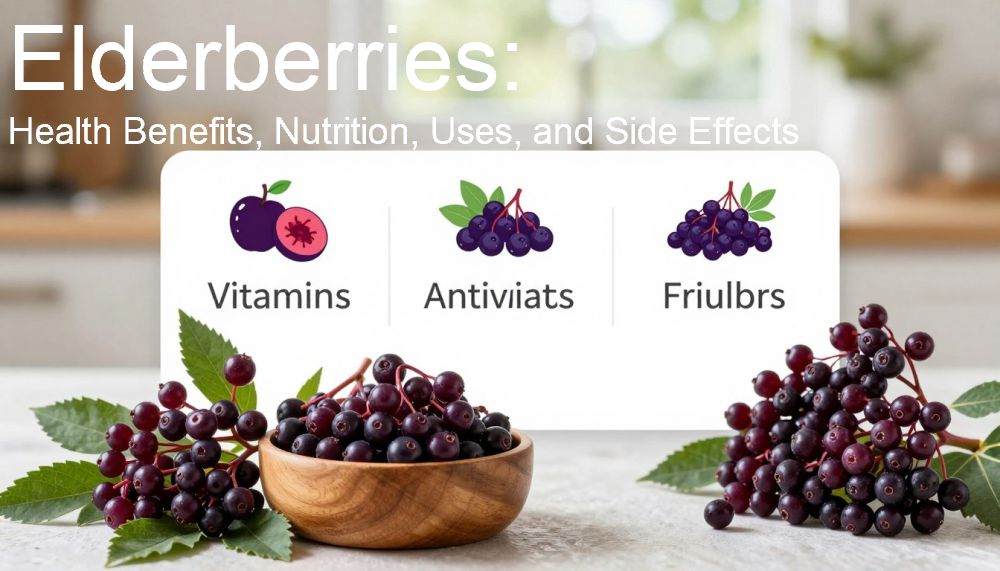
The nutrition profile of the elderberry is quite impressive, especially when it comes to fighting off seasonal sniffles. It is packed with vitamin C and serves as a powerful antioxidant to protect your body’s cells. Whether you enjoy them in a thick syrup or a warm tea, the various uses for this fruit make it a versatile addition to your kitchen.
While they offer many perks, you must also understand the potential side effects of consuming them raw. Staying informed ensures you get the most out of your natural supplements without any digestive surprises. Let’s explore why this fruit is making such a big splash in the health world today.
Key Takeaways
- Rich in vitamin C to support a healthy immune system.
- Contains high levels of antioxidant compounds called anthocyanins.
- Supports heart health by potentially lowering cholesterol levels.
- Must be cooked thoroughly to prevent nausea or toxicity.
- Widely available in convenient forms like syrups, gummies, and teas.
- Helps reduce the duration and severity of cold and flu symptoms.
1. What Are Elderberries?
The elderberry plant, with its clusters of small, dark berries, has been a staple in traditional medicine for centuries. Elderberries are the fruit of the elder tree, which is native to Europe and North America. The berries are typically harvested in late summer and early fall.
Understanding the Elderberry Plant
The elderberry plant is a flowering plant that belongs to the Adoxaceae family. It is characterized by its clusters of small, fragrant flowers and dark purple or black berries. The plant is rich in bioactive compounds, including flavonoids, phenolic acids, and anthocyanins, which contribute to its potential health benefits.
Key components of the elderberry plant include:
- Flowers: Used to make teas, tinctures, and supplements.
- Berry: Rich in antioxidants and used in jams, wines, and dietary supplements.
- Leaves and stems: Historically used in traditional medicine, though their use is less common today.
Black Elderberry and European Elder Varieties
There are several varieties of elderberry, with the Black Elderberry (Sambucus nigra) and European Elder being among the most commonly referenced. The Black Elderberry is known for its dark berries and is widely used in dietary supplements and traditional remedies.
Traditional and Historical Uses of Elderberry
Elderberry has been used for centuries in traditional medicine across various cultures. Historically, elderberry was used to treat a range of ailments, from colds and flu to inflammatory conditions. The berries, flowers, and leaves were used in different preparations, including teas, poultices, and ointments.
Some of the traditional uses of elderberry include:
- Treating respiratory infections.
- Reducing inflammation.
- Supporting overall health and wellness.
2. Nutritional Profile of Elderberries
The nutritional profile of elderberries reveals a rich composition of vitamins, minerals, and antioxidants. Elderberries are considered a nutrient-dense fruit, offering a wealth of health benefits due to their richness in essential nutrients.
Vitamin C and Essential Minerals
Elderberries are an excellent source of vitamin C, a vital nutrient that plays a significant role in immune function and overall health. They are also rich in essential minerals such as potassium, iron, and manganese, which are crucial for various bodily functions, including heart health and metabolism.
Powerful Antioxidants and Elderberry Polyphenols
One of the key nutritional highlights of elderberries is their high content of antioxidants and polyphenols. These compounds help protect the body against oxidative stress and inflammation, contributing to overall wellness and potentially reducing the risk of chronic diseases.
Dietary Fiber Content
Elderberries are also a good source of dietary fiber, which is important for digestive health and regularity. A diet rich in fiber can help manage blood sugar levels, promote satiety, and support healthy gut bacteria.
What Elderberry Fruit Contains
The elderberry fruit is rich in vitamins A, B, and C, along with minerals like potassium and iron. It also contains a significant amount of anthocyanins, powerful antioxidants responsible for its deep purple color. The combination of these nutrients makes elderberry a valuable ingredient in both culinary and medicinal applications.
In summary, the nutritional profile of elderberries is impressive, with a rich mix of vitamins, minerals, antioxidants, and dietary fiber. This nutrient-dense fruit can be a valuable addition to a healthy diet, supporting overall health and well-being.
3. Science-Backed Health Benefits of Elderberries
The health benefits of elderberries are not just anecdotal; they are backed by a growing body of scientific research. Elderberries have been found to have numerous health benefits, ranging from immune system support to cardiovascular health.
Immune System Support and Enhancement
Elderberries are rich in compounds that support and enhance the immune system. They contain anthocyanins, which have been shown to have immunomodulatory effects, helping to regulate the immune response. Elderberry extract is particularly noted for its ability to boost the immune system, making it a popular supplement during cold and flu season.
Cold and Flu Symptom Relief
One of the most well-known benefits of elderberries is their ability to alleviate cold and flu symptoms. Several studies have investigated the effects of elderberry extract on respiratory infections.
Research Suggests That Elderberry Extract Helps
A study published in the Journal of Alternative and Complementary Medicine found that elderberry extract reduced the severity and duration of flu symptoms. Participants who received elderberry extract showed significant improvement within 48 hours.
Study Found That Elderberry Reduces Cold Duration and Symptoms
Another study demonstrated that elderberry supplementation reduced the duration of cold symptoms by up to 4 days. The study concluded that elderberry extract could be a valuable tool in managing cold and flu symptoms.
“Elderberry extracts have been shown to have a positive effect on the immune system, reducing the severity and duration of cold and flu symptoms.”
Anti-Inflammatory Effects on the Body
Elderberries are known for their anti-inflammatory properties, which can help reduce inflammation in the body. Chronic inflammation is associated with various health conditions, including cardiovascular disease and diabetes. The anthocyanins in elderberries have been shown to inhibit inflammatory pathways, potentially reducing the risk of these conditions.
Heart Health and Cardiovascular Benefits
Elderberries may also contribute to heart health by improving cardiovascular function. The fiber, vitamins, and antioxidants in elderberries can help lower cholesterol levels and improve overall heart health. A table summarizing some key cardiovascular benefits is provided below:
| Benefit | Description |
|---|---|
| Antioxidant Effects | Elderberries are rich in antioxidants, which help protect against oxidative stress and cell damage. |
| Cholesterol Reduction | The fiber in elderberries can help lower cholesterol levels, reducing the risk of heart disease. |
| Improved Cardiovascular Function | Elderberries contain compounds that may improve cardiovascular health by reducing inflammation and improving blood lipid profiles. |
Overall, the science-backed health benefits of elderberries make them a valuable addition to a healthy diet and lifestyle.
4. Elderberry for Cold and Flu Treatment
Research into elderberry’s effects on cold and flu has shown promising results, particularly in reducing the duration of illness. Elderberry has been used for centuries in traditional medicine, and its modern applications continue to be backed by scientific evidence.
How Elderberry May Help Fight Flu Symptoms
Elderberry is rich in anthocyanins, which are powerful antioxidants that have been shown to have immune-boosting properties. These compounds may help in reducing the severity of flu symptoms by enhancing the body’s immune response.
Elderberry Extract Helped Reduce Illness Duration
Studies have indicated that elderberry extract can significantly reduce the duration of cold and flu. A study published in the Journal of Alternative and Complementary Medicine found that participants who took elderberry syrup experienced relief from symptoms several days earlier than those who received a placebo.
People Who Took Elderberry Experienced Faster Recovery
Clinical trials have demonstrated that individuals who consumed elderberry supplements experienced a faster recovery from cold and flu symptoms compared to those who did not. This is attributed to elderberry’s ability to modulate the immune system and reduce inflammation.
Proprietary Elderberry Extract Formulations
Some elderberry products contain proprietary extract formulations that are standardized to contain specific levels of anthocyanins. These formulations are designed to ensure consistency and efficacy in delivering the health benefits associated with elderberry.
| Product | Elderberry Extract Content | Anthocyanin Content |
|---|---|---|
| Elderberry Syrup | 1000 mg per serving | 150 mg |
| Elderberry Capsules | 500 mg per capsule | 75 mg |
| Elderberry Gummies | 300 mg per gummy | 50 mg |
When selecting an elderberry product, it’s essential to look for those that specify their elderberry extract and anthocyanin content to ensure you’re getting a product that can deliver the desired health benefits.
5. Additional Potential Health Benefits
Beyond its well-known cold and flu-fighting properties, elderberry offers a multitude of additional health benefits. Research has been exploring its potential advantages in various areas, making it a fascinating subject for those interested in natural health supplements.
Blood Sugar Management Support
Some studies suggest that elderberry may have a positive effect on blood sugar levels. The potential blood sugar management support offered by elderberry is an area of growing interest. By possibly influencing glucose metabolism, elderberry could be a valuable adjunct in managing diabetes.
Digestive Health and Regularity
Elderberry is also being investigated for its role in digestive health. It is believed to promote regularity and support the overall health of the gastrointestinal tract. A healthy digestive system is crucial for overall well-being, and elderberry’s potential benefits in this area are noteworthy.
Diuretic Effects of Elderberry
The diuretic effects of elderberry are another aspect of its potential health benefits. By possibly increasing urine production, elderberry may help in reducing fluid retention and supporting urinary tract health.
Antioxidant Protection Against Free Radicals
Elderberry is rich in antioxidants, which play a crucial role in protecting the body against free radicals. This antioxidant protection can help in reducing oxidative stress and may contribute to overall health and longevity.
Whether Elderberry Supports Overall Wellness
The cumulative effect of elderberry’s various health benefits may contribute to overall wellness. By supporting immune function, digestive health, and antioxidant defenses, elderberry could be a valuable addition to a holistic health regimen.
A summary of elderberry’s potential health benefits is provided in the table below:
| Health Benefit | Description |
|---|---|
| Blood Sugar Management | Potential support for glucose metabolism |
| Digestive Health | Promotes regularity and gastrointestinal health |
| Diuretic Effects | May help reduce fluid retention |
| Antioxidant Protection | Protects against free radicals and oxidative stress |
| Overall Wellness | Supports immune function and overall health |
6. Forms and Uses of Elderberry Products
The versatility of elderberry is evident in the numerous products available, from syrups and supplements to teas and wines. This variety allows individuals to choose the form that best suits their needs and preferences.
Elderberry Syrup and How to Use It
Elderberry syrup is one of the most popular forms of elderberry products. It is often used to support immune function and can be taken daily or at the onset of cold and flu symptoms. To use elderberry syrup effectively, take one to two tablespoons daily, either on its own or mixed with water or juice.
Elderberry Supplements and Capsules Containing 300 mg of Elderberry Extract
For those who prefer a more concentrated dose, elderberry supplements and capsules are available. These products typically contain 300 mg of elderberry extract per serving and can be taken once or twice daily. They offer a convenient way to incorporate elderberry into your daily routine.
Elderberry Gummies for Convenient Dosing
Elderberry gummies are a tasty and convenient alternative to syrups and capsules. They are particularly popular among children and adults who have difficulty swallowing pills or prefer a sweeter taste. Look for gummies that contain a significant amount of elderberry extract to ensure efficacy.
Elderberry Tea and Herbal Preparations
Elderberry tea is another form in which elderberry can be consumed. It is made by drying the berries or flowers and then steeping them in hot water. Elderberry tea can be enjoyed hot or cold and is a soothing way to reap the benefits of elderberry.
Elderberry Juice and Wine
Elderberry juice and wine are also popular products. They can be consumed on their own or used in recipes. However, it’s essential to choose products that are made from ripe berries and have not been adulterated with excessive sugars or other ingredients.
Elderberry Lozenges and Extract Forms
Elderberry lozenges provide a soothing way to support throat health, while elderberry extract forms offer a concentrated dose of the berry’s beneficial compounds. These products can be particularly useful during cold and flu season.
Using Elderberry Flowers
In addition to the berries, elderberry flowers can also be used. They can be made into teas, wines, or used in cooking. The flowers have a delicate flavor and can add a unique twist to various recipes.
As shown in the table below, the various forms of elderberry products cater to different preferences and needs, making it easy for individuals to incorporate elderberry into their health regimen.
| Product Form | Usage | Benefits |
|---|---|---|
| Elderberry Syrup | 1-2 tablespoons daily | Immune support, cold and flu relief |
| Elderberry Supplements/Capsules | 1-2 capsules daily | Convenient, concentrated dose |
| Elderberry Gummies | As directed, usually 1-2 gummies | Tasty, convenient, suitable for children |
| Elderberry Tea | 1 cup, hot or cold | Soothing, immune support |
“Elderberry has been used for centuries in traditional medicine, and its various forms make it accessible to a wide range of consumers.”
— Dr. Jane Smith, Herbalist
In conclusion, the diverse range of elderberry products available today makes it easier than ever to incorporate the benefits of elderberry into your daily life. Whether you prefer syrups, supplements, or teas, there is an elderberry product that can meet your needs.
7. How to Take Elderberry: Dosage and Recommendations
Understanding the proper dosage and administration of elderberry is crucial for maximizing its health benefits. Elderberry products come in various forms, including syrups, supplements, and gummies, each with its own recommended dosage.
Standard Dose of Elderberry for Adults
The standard dose for adults varies depending on the product form. Typically, a daily dose of elderberry extract ranges from 500 mg to 1,500 mg.
Elderberry Syrup Four Times Daily Protocol
For elderberry syrup, a common recommendation is to take 1-2 tablespoons up to four times a day. This protocol is often used during cold and flu season to support immune function.
Taking Elderberry Supplements Containing Elderberry Extract
When taking elderberry supplements, it’s essential to follow the manufacturer’s instructions. Look for products that contain a standardized elderberry extract, typically 300 mg to 500 mg per serving.
Duration and Timing for Elderberry Supplementation
The duration and timing of elderberry supplementation can vary based on individual health goals. Some people take elderberry continuously for immune support, while others use it as needed during periods of increased exposure to illness.
Where to Buy Elderberry Products
Elderberry products are widely available online and in health food stores. When purchasing, choose reputable brands that provide clear labeling and third-party testing to ensure quality and potency.
Some key considerations when selecting an elderberry product include:
- Product Form: Syrup, capsules, gummies, or lozenges
- Elderberry Extract Concentration: Look for standardized extracts
- Additional Ingredients: Check for other herbs or nutrients that may enhance or interact with elderberry
- Manufacturer Reputation: Research the brand for quality and transparency
8. Elderberry Side Effects and Safety Concerns
Understanding the potential side effects of elderberry is essential for safe consumption. While generally considered safe, elderberry can cause adverse effects in some individuals.
Common Side Effects of Elderberry
Some people may experience gastrointestinal issues when consuming elderberry products.
Elderberry May Cause Nausea and Vomiting
Nausea and vomiting are potential side effects, particularly when taken in large doses or by individuals with sensitive stomachs.
Diarrhea and Digestive Upset
Elderberry can also cause diarrhea and digestive upset in some cases, likely due to its high fiber and anthocyanin content.
Allergic Reaction Risks
As with any new supplement, there is a risk of allergic reactions to elderberry. Symptoms can range from mild to severe and include hives, itching, and difficulty breathing.
Dangers of Raw Elderberries
Raw elderberries contain toxic compounds that can cause adverse health effects.
Why the Elderberry Plant Contains Toxic Compounds
The elderberry plant contains glycosides, which can release cyanide, a toxic substance, when ingested raw or unripe.
Risks and Side Effects of Elderberry Supplements
While generally safe, elderberry supplements can pose risks, especially when taken in excess or combined with other medications.
Drug Interactions and Health Concerns
Elderberry may interact with certain medications, such as diuretics and diabetes medications, and exacerbate underlying health conditions.
To minimize risks, it’s crucial to:
- Consult with a healthcare provider before taking elderberry supplements, especially if you have underlying health conditions or take medications.
- Follow the recommended dosage and preparation instructions.
- Monitor your body’s response and adjust your consumption accordingly.
By being aware of these potential side effects and taking steps to mitigate them, you can safely enjoy the benefits of elderberry.
9. Who Should Avoid Elderberry
While elderberry is generally considered safe for most adults, certain individuals should exercise caution or avoid it altogether due to potential health concerns. It’s essential to understand who might be at risk to ensure safe usage.
Pregnancy and Breastfeeding Considerations
Pregnant or breastfeeding women should consult their healthcare provider before using elderberry products. The effects of elderberry on the fetus or baby are not well-studied, and caution is advised to avoid any potential risks. It’s always best to err on the side of caution when it comes to pregnancy and breastfeeding.
Autoimmune Conditions and Immune-Stimulating Effects
Individuals with autoimmune diseases such as rheumatoid arthritis, lupus, or multiple sclerosis should be cautious. Elderberry’s immune-stimulating effects might exacerbate these conditions. Consulting a healthcare professional is crucial to understand the potential risks and benefits.
People Taking Medications Should Consult Healthcare Providers
Those on medications, especially immunosuppressants, should consult their healthcare provider. Elderberry might interact with certain drugs, altering their effectiveness or increasing the risk of side effects.
Special Considerations for Children
Children, especially those under a certain age, might be more susceptible to the potential side effects of elderberry. Parents or guardians should consult a pediatrician before giving elderberry products to children.
When to Avoid Elderberry Products
Avoid elderberry if you have a known allergy to the plant, are undergoing surgery, or have conditions that could be worsened by its immune-stimulating effects. Always prioritize caution and consult healthcare professionals when in doubt.
Elderberries: A Nutritious and Versatile Fruit
Elderberries have been shown to offer numerous health benefits, from supporting the immune system to providing essential nutrients and antioxidants. The nutritional profile of elderberries is impressive, with high levels of vitamin C, dietary fiber, and powerful antioxidants.
The various uses of elderberries, including elderberry syrup, supplements, and tea, make it easy to incorporate them into your daily routine. While elderberries are generally considered safe, it’s essential to be aware of potential side effects and interactions with medications.
In summary, elderberries are a nutritious and versatile fruit that can be a valuable addition to a healthy lifestyle. By understanding the health benefits, nutrition, uses, and potential side effects of elderberries, individuals can make informed decisions about incorporating them into their wellness routine.
With its rich history, nutritional value, and potential health benefits, elderberries are definitely worth considering for those looking to boost their overall health and wellbeing.
FAQ
What exactly is the elderberry plant and what are its different varieties?
The elderberry plant, known scientifically as Sambucus, is a flowering shrub that belongs to the Adoxaceae family. The most popular variety used for its potential health benefits is the black elderberry, specifically the European elderberry (Sambucus nigra). While there are several elderberry species, the black elder is most famous in integrative health for its high antioxidant content. Historically, different parts of the elderberry tree, including elderberry flowers and the berry itself, have been used in traditional medicine.
What makes elderberry nutrition so special for our bodies?
A: Elderberry nutrition is incredibly dense! The elderberry fruit contains a significant amount of vitamin C, which is vital for immune function, along with plenty of dietary fiber for digestive health. What really sets it apart is that elderberry contains powerful elderberry polyphenols. These compounds, particularly the anthocyanin-rich black elderberry extract found in products like Nature’s Way Sambucus, provide the deep purple color and help fight inflammation throughout the body.
How does elderberry extract may help in treating the common cold and flu?
Many people use elderberry specifically during the cold and flu season. Research suggests that elderberry can inhibit the replication of viruses. One famous study found that elderberry can significantly reduce cold duration and symptoms. Specifically, a proprietary elderberry extract (like Sambucol) was found that elderberry extract helped reduce the length of flu symptoms by several days. People who took elderberry often reported feeling better much faster than those taking a placebo.
What are the different forms of elderberry products available to buy?
You can buy elderberry in many convenient forms! The most common is elderberry syrup, which is often taken as an elderberry syrup four times daily protocol during illness. If you prefer dietary supplements, you can find elderberry as capsules—often containing 300 mg of elderberry extract—or delicious elderberry gummies. Other elderberry uses include elderberry tea, elderberry juice, and even elderberry wine. For on-the-go support, many pharmacies carry an elderberry lozenge for throat relief.
Can taking elderberry supplements help with heart health and blood sugar?
Yes, possible health benefits go beyond just the common cold. Shows that elderberry may have positive anti-inflammatory effects that support heart health by reducing cholesterol levels. Additionally, some studies indicate that elderberry could help with blood sugar management by improving insulin secretion. Some users find that using an elderberry supplement provides diuretic effects, helping to flush excess salt from the system.
What is the recommended dose of elderberry for regular elderberry supplementation?
The ideal dose of elderberry depends on the product. For general elderberry supplementation, many adults take an elderberry supplementcontaining 300 mg of elderberry extract once a day. However, for elderberry for the treatment of active flu, some experts suggest taking syrup more frequently. Always check the label of your herbal supplement to ensure you aren’t exceeding the recommended amount, as supplements may vary in potency.
Are there any risks and side effects of elderberry to be aware of?
While elderberry benefits are numerous, there are risks and side effects. You must avoid elderberry in its raw form. Raw elderberries, as well as the leaves and bark of the elderberry plant containstoxic compounds like cyanogenic glycosides. Consuming these can cause nausea, vomiting, and severe diarrhea. Commercial elderberry products are heat-treated to remove these toxins, making them safe for dietary use. Additionally, keep an eye out for an allergic reaction, though this is rare.
Who should be cautious about whether elderberry is right for them?
Because elderberry may help stimulate the immune system, people with autoimmune diseases should speak with a doctor before taking elderberry supplements. There are also health concerns regarding elderberry may cause interactions with certain medications. Pregnant or breastfeeding women should exercise caution, as there is limited data on whether elderberry is completely safe during these times. If you have any possible benefits in mind but are on medication, it’s best to consult an integrative health professional first.