Discover the power of astaxanthin, a potent antioxidant that has been gaining attention for its numerous health benefits. Found in various natural sources, this supplement has been linked to several positive effects on overall well-being.
As a supplement, it is essential to understand its sources, potential side effects, and diverse uses. By exploring these aspects, individuals can make informed decisions about incorporating astaxanthin into their health regimen.
Key Takeaways
- Understand the benefits and uses of astaxanthin
- Learn about the natural sources of astaxanthin
- Discover potential side effects and precautions
- Explore the various uses of astaxanthin as a supplement
- Gain insights into the antioxidant properties of astaxanthin
What is Astaxanthin?
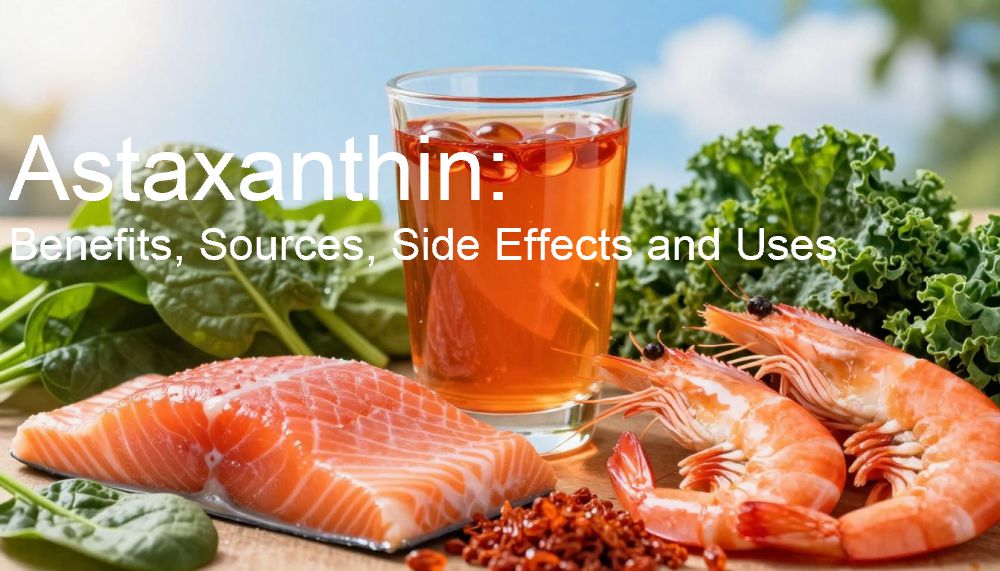
Astaxanthin is a naturally occurring carotenoid that has garnered significant attention for its potent antioxidant properties. This vibrant red pigment is found in various aquatic organisms, including microalgae, salmon, krill, and shrimp, giving them their distinctive color.
To understand the significance of astaxanthin, it’s essential to delve into its scientific background.
The Science Behind This Powerful Carotenoid
Astaxanthin’s effectiveness as an antioxidant is rooted in its unique chemical structure and properties.
Chemical Structure and Properties
Astaxanthin’s molecular structure allows it to span across cell membranes, providing comprehensive protection against oxidative stress. Its antioxidant capacity is significantly higher than other carotenoids, making it a potent free radical scavenger.
How It’s Formed in Nature
Astaxanthin is primarily produced by the microalgae Haematococcus pluvialis in freshwater environments. When these algae are subjected to stress conditions like high salinity, intense light, or nutrient deficiency, they produce astaxanthin as a protective mechanism.
How Astaxanthin Differs from Other Antioxidants
Unlike other antioxidants, astaxanthin has a unique ability to span the cell membrane, providing protection from both inside and outside the cell. This characteristic, combined with its high antioxidant capacity, makes astaxanthin particularly effective in combating oxidative stress and neutralizing free radicals.
Astaxanthin’s distinct properties position it as a superior antioxidant compared to others like vitamin C, vitamin E, and beta-carotene, offering broader and more effective protection against oxidative damage.
The Remarkable Antioxidant Properties of Astaxanthin
Astaxanthin is renowned for its extraordinary antioxidant properties, which play a crucial role in maintaining overall health. Its ability to combat oxidative stress and neutralize free radicals makes it a valuable compound in promoting wellness.
Oxidative stress occurs when there’s an imbalance between the production of free radicals and the body’s ability to counteract their harmful effects. This imbalance can lead to cell damage, contributing to various health issues. Astaxanthin’s potent antioxidant properties help mitigate this stress.
How Astaxanthin Combats Oxidative Stress
Astaxanthin combats oxidative stress through several mechanisms. Firstly, it can span across cell membranes, providing protection from both inside and outside the cell. This unique ability allows astaxanthin to effectively shield cells from oxidative damage. Additionally, astaxanthin has been shown to enhance the body’s natural antioxidant defenses, further bolstering its protective effects.
Astaxanthin’s Role in Neutralizing Free Radicals
Free radicals are unstable molecules that can cause oxidative stress, leading to cell damage. Astaxanthin plays a significant role in neutralizing free radicals, thereby reducing oxidative stress. Its molecular structure allows it to scavenge various types of free radicals, including singlet oxygen and peroxyl radicals, making it highly effective in protecting cells from damage.
By incorporating astaxanthin into one’s regimen, either through diet or supplementation, individuals can potentially enhance their body’s ability to combat oxidative stress and promote overall health.
Health Benefits of Astaxanthin
Astaxanthin has been increasingly recognized for its broad spectrum of health benefits, making it a valuable supplement for overall wellness. This powerful carotenoid, found in various marine organisms, has been studied extensively for its positive effects on human health.
Skin Health and Anti-Aging Effects
Astaxanthin’s antioxidant properties make it particularly beneficial for skin health. It helps protect the skin from damage caused by UV radiation and improves skin elasticity, contributing to a more youthful appearance.
Protection Against UV Damage
Astaxanthin may help protect the skin against UV damage by reducing the formation of free radicals caused by exposure to sunlight. This can lead to a decrease in sunburn severity and potentially lower the risk of skin cancer.
Improving Skin Elasticity
By enhancing skin elasticity, astaxanthin can help reduce the appearance of fine lines and wrinkles, giving the skin a smoother and more radiant look. Regular supplementation may lead to noticeable improvements in skin texture.
Heart Health and Cardiovascular Benefits
Astaxanthin has been shown to support heart health by improving cardiovascular function. It helps in reducing triglycerides and improving blood lipid profiles, which can contribute to a lower risk of heart disease.
The cardiovascular benefits of astaxanthin also include its ability to help lower blood pressure in individuals with hypertension, further supporting overall heart health.
Eye Health and Protection Against Macular Degeneration
Astaxanthin’s antioxidant properties extend to supporting eye health. It may help protect against macular degeneration by reducing oxidative stress in the retina, potentially preserving vision as we age.
Regular consumption of astaxanthin could contribute to maintaining healthy vision and reducing the risk of age-related eye disorders.
Anti-Inflammatory Properties
Astaxanthin is known for its potent anti-inflammatory properties, which can help in reducing inflammation throughout the body. This can be particularly beneficial for individuals suffering from chronic inflammatory conditions.
By modulating the body’s inflammatory response, astaxanthin may help alleviate symptoms associated with various inflammatory diseases, enhancing overall quality of life.
Astaxanthin for Athletic Performance and Recovery
The antioxidant properties of astaxanthin make it a valuable supplement for athletes seeking to improve endurance and reduce muscle damage. Astaxanthin’s unique ability to combat oxidative stress can be particularly beneficial for individuals engaged in intense physical activity.
Enhancing Endurance and Stamina
Astaxanthin supplementation has been shown to enhance endurance and stamina in athletes. By reducing oxidative stress and inflammation, astaxanthin can help athletes perform at higher intensities for longer durations. Some key benefits include:
- Increased endurance during prolonged exercise
- Improved overall athletic performance
- Enhanced stamina, allowing for more intense workouts
Reducing Exercise-Induced Muscle Damage
Intense exercise can lead to muscle damage, partly due to oxidative stress and inflammation. Astaxanthin’s potent antioxidant effects can help mitigate this damage, supporting faster recovery. The benefits of astaxanthin in this area include:
- Reduced muscle soreness after exercise
- Lower levels of muscle damage biomarkers
- Faster recovery times, enabling more frequent training
By incorporating astaxanthin into their regimen, athletes may experience significant improvements in both performance and recovery, making it a valuable addition to their training program.
Natural Sources of Astaxanthin
For those looking to incorporate astaxanthin into their diet, understanding its natural sources is crucial. Astaxanthin is predominantly found in aquatic organisms, which are then consumed by humans or used as supplements.
Haematococcus Pluvialis: The Primary Source
Haematococcus pluvialis is a freshwater microalgae that is recognized as the richest natural source of astaxanthin. This microalgae produces astaxanthin as a protective mechanism against stressful conditions such as intense sunlight and nutrient deficiency. The astaxanthin extracted from Haematococcus pluvialis is used in dietary supplements due to its high potency and bioavailability.
Seafood Sources: Salmon, Krill, and Shrimp
Astaxanthin is also found in various seafood, particularly in fatty fish and crustaceans. Salmon is one of the most well-known sources, with wild-caught salmon containing higher levels of astaxanthin than farmed salmon. Krill and shrimp are other significant sources, with krill oil supplements being particularly popular for their astaxanthin content.
Other Natural Sources
Apart from Haematococcus pluvialis and seafood, astaxanthin can be found in other natural sources, albeit in smaller quantities. Some species of krill and phytoplankton also contain astaxanthin. Consuming a variety of these astaxanthin-rich foods can help individuals reap the benefits of this powerful antioxidant.
Astaxanthin Supplements: Types and Considerations
When it comes to astaxanthin supplements, understanding the differences between types is crucial for making an informed decision. Astaxanthin supplements are available in various forms, and choosing the right one depends on several factors, including the source, dosage, and individual health goals.
Natural vs. Synthetic Astaxanthin
Astaxanthin supplements can be derived from natural sources or produced synthetically. Natural astaxanthin is typically extracted from Haematococcus pluvialis, a microalgae that is considered the richest source of this carotenoid. Synthetic astaxanthin, on the other hand, is produced through chemical synthesis. While both forms have antioxidant properties, natural astaxanthin is generally considered more effective and bioavailable.
Dosage Recommendations
The optimal dosage of astaxanthin can vary based on individual health goals and needs. Understanding the appropriate dosage is crucial for maximizing benefits while minimizing potential side effects.
Standard Dosages for Different Health Goals
For general health and wellness, a daily dose of 2-4 mg is often recommended. For specific health concerns, such as inflammation or cardiovascular health, higher doses may be necessary, typically ranging from 6-12 mg per day.
Timing and Administration
The timing of astaxanthin supplementation can impact its effectiveness. Taking astaxanthin with a meal that contains healthy fats can enhance absorption, as it is a fat-soluble carotenoid.
How to Choose a Quality Supplement
Selecting a high-quality astaxanthin supplement involves several considerations. Look for products that are derived from reputable sources, have undergone third-party testing, and provide clear labeling regarding dosage and ingredients.
| Supplement Feature | Description | Importance |
|---|---|---|
| Source | Natural (Haematococcus pluvialis) or Synthetic | High |
| Dosage | Clear labeling of mg per serving | High |
| Third-Party Testing | Verification of purity and potency | High |
| Additional Ingredients | Check for allergens or unwanted additives | Medium |
Practical Uses of Astaxanthin in Daily Life
Astaxanthin offers a multitude of uses that can enhance overall well-being. This powerful antioxidant can be incorporated into daily life through various methods, maximizing its health benefits.
Incorporating Astaxanthin into Your Diet
One of the most effective ways to utilize astaxanthin is through dietary incorporation. You can consume astaxanthin-rich foods such as salmon, krill, and shrimp. Additionally, astaxanthin supplements are available in capsule or softgel form, making it easy to add to your daily routine. When choosing a supplement, opt for products derived from Haematococcus pluvialis, as they tend to have higher potency.
Topical Applications for Skin Health
Astaxanthin can also be applied topically to promote skin health. Creams and serums containing astaxanthin can help reduce the appearance of fine lines and wrinkles, improve skin elasticity, and protect against UV damage. Its antioxidant properties help in maintaining healthy skin by combating oxidative stress.
Combining Astaxanthin with Other Supplements
Combining astaxanthin with other supplements can enhance its benefits. For instance, pairing astaxanthin with omega-3 fatty acids can support heart health, while combining it with vitamin C may boost its antioxidant effects. However, it’s essential to consult with a healthcare professional before starting any new supplement regimen to avoid potential interactions.
By incorporating astaxanthin into your diet, using it topically, or combining it with other supplements, you can harness its full potential and enjoy the numerous health benefits it offers.
Potential Side Effects and Safety Concerns
While Astaxanthin is generally considered safe, it’s crucial to understand its potential side effects. As with any dietary supplement, Astaxanthin may cause adverse reactions in some individuals.
Common Side Effects
Astaxanthin is typically well-tolerated, but some users may experience mild side effects. These can include gastrointestinal issues such as nausea or stomach discomfort. In rare cases, high doses may cause increased bowel movements or changes in urine color. If you experience any of these symptoms, it’s advisable to consult with a healthcare professional.
Drug Interactions
Astaxanthin may interact with certain medications, including blood thinners like warfarin and antihypertensive drugs. These interactions can potentially lead to adverse effects, such as increased risk of bleeding or hypotension. It’s essential to inform your healthcare provider about any supplements you’re taking, including Astaxanthin, to avoid potential drug interactions.
Who Should Avoid Astaxanthin
Certain individuals should exercise caution or avoid Astaxanthin altogether. This includes people with specific medical conditions and those who are pregnant or nursing.
Pregnancy and Nursing Considerations
While Astaxanthin is generally considered safe, there is limited research on its effects during pregnancy and nursing. As a precaution, pregnant or breastfeeding women should consult their healthcare provider before taking Astaxanthin supplements.
Medical Conditions That May Be Affected
Individuals with certain medical conditions, such as autoimmune disorders or hormone-sensitive cancers, should consult their healthcare provider before using Astaxanthin. The supplement may potentially exacerbate these conditions or interact with medications used to treat them.
Conclusion: Is Astaxanthin Right for You?
Astaxanthin offers numerous potential benefits, from enhancing skin health and athletic performance to providing antioxidant protection. When considering whether astaxanthin is right for you, it’s essential to weigh these benefits against safety considerations.
Individuals looking to incorporate astaxanthin into their regimen should consider their specific health needs and consult with a healthcare professional. This is particularly important for those with pre-existing medical conditions or taking medications that may interact with astaxanthin.
Making an informed decision involves understanding the potential benefits, such as improved cardiovascular health and anti-inflammatory effects, alongside potential side effects and safety concerns. By carefully evaluating these factors, you can determine if astaxanthin aligns with your health goals.
Ultimately, astaxanthin’s unique properties make it a valuable supplement for many. As with any supplement, a thoughtful and informed approach to its use is crucial for maximizing its benefits while minimizing risks.
FAQ
What is astaxanthin and where is it found?
Astaxanthin is a potent antioxidant carotenoid found in various microalgae and aquatic animals, such as salmon, krill, and shrimp. The primary natural source is the microalgae Haematococcus pluvialis.
What are the health benefits of taking astaxanthin?
Astaxanthin has been associated with numerous health benefits, including antioxidant effects, anti-inflammatory properties, improved skin health, heart health, and eye health. It may also enhance endurance and reduce muscle damage during exercise.
How does astaxanthin compare to other antioxidants?
Astaxanthin is considered one of the most powerful antioxidants due to its unique molecular structure, which allows it to span across cell membranes and provide antioxidant protection both inside and outside cells.
Can astaxanthin help with skin health and anti-aging?
Yes, astaxanthin has been shown to protect the skin against UV damage, improve skin elasticity, and reduce the appearance of fine lines and wrinkles, making it a popular ingredient in anti-aging skincare products.
What is the recommended dosage of astaxanthin?
The optimal dosage of astaxanthin can vary depending on the specific health goal. Typical dosages range from 2 to 12 mg per day, with some studies using higher doses for specific conditions.
Are there any potential side effects of taking astaxanthin?
Astaxanthin is generally considered safe, but high doses may cause stomach discomfort or diarrhea in some individuals. It may also interact with certain medications, such as blood thinners.
Who should avoid taking astaxanthin?
Pregnant or nursing women, individuals with autoimmune disorders, and those taking certain medications (e.g., blood thinners, diabetes medications) should consult their healthcare provider before taking astaxanthin supplements.
Can astaxanthin be used topically for skin health?
Yes, astaxanthin can be used topically in skincare products to provide antioxidant protection and improve skin health. It is often combined with other antioxidants and skincare ingredients.
How does astaxanthin support heart health?
Astaxanthin may help support heart health by reducing inflammation, improving lipid profiles, and protecting against oxidative stress, all of which can contribute to a reduced risk of cardiovascular disease.
Is synthetic astaxanthin as effective as natural astaxanthin?
Natural astaxanthin derived from Haematococcus pluvialis is generally considered more effective than synthetic astaxanthin due to its unique bioavailability and molecular structure.