Rhodiola rosea, commonly known as golden root, is an adaptogenic herb that has been used for centuries to enhance mental and physical performance.
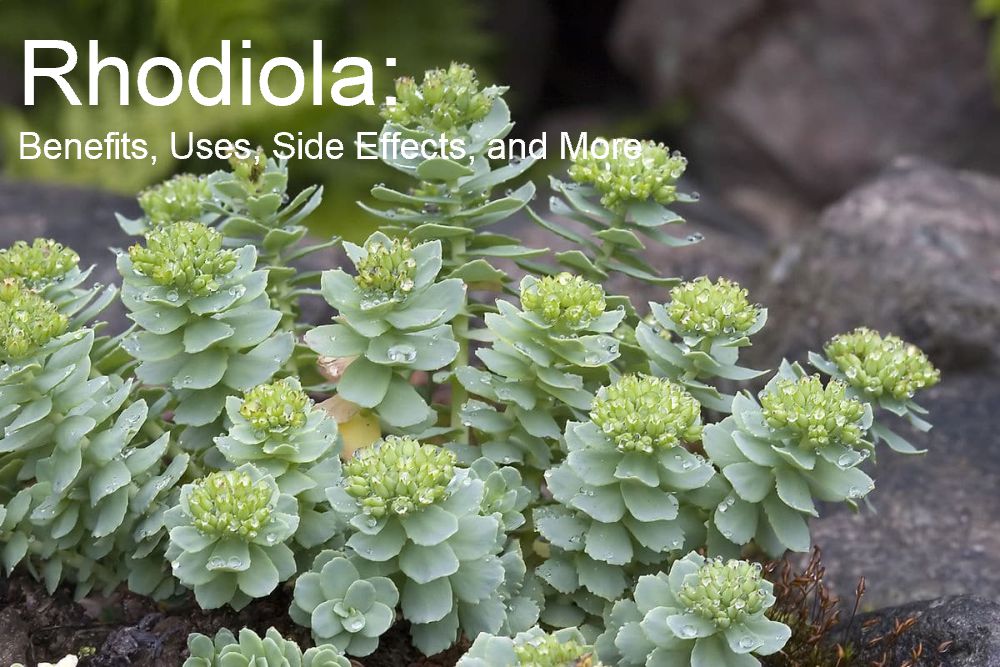
This herb is native to high-altitude regions of Europe and Asia, where it has been traditionally used to combat fatigue, stress, and mental clarity issues.
The health benefits of Rhodiola are numerous, ranging from improving mood and reducing stress to enhancing cognitive function and boosting energy levels.
Key Takeaways
- Rhodiola rosea is an adaptogenic herb used to enhance mental and physical performance.
- It has been traditionally used to combat fatigue, stress, and mental clarity issues.
- The herb offers numerous health benefits, including improved mood and reduced stress.
- Rhodiola enhances cognitive function and boosts energy levels.
- It is native to high-altitude regions of Europe and Asia.
What Is Rhodiola?
With its rich history in traditional medicine, Rhodiola has become a popular supplement for stress relief and energy. Rhodiola, often referred to as the golden root, is a genus of plants known for their adaptogenic properties. Adaptogens are substances that help the body adapt to stress, promoting balance and enhancing overall well-being.
Origins and History of the Golden Root
Rhodiola has its roots in traditional medicine, dating back centuries in regions such as Russia, Scandinavia, and Asia. The herb was valued for its ability to enhance physical and mental performance, particularly in harsh environments. Historically, Rhodiola was used by Russian astronauts and Scandinavian warriors to improve endurance and combat fatigue.
The use of Rhodiola was first documented in the 18th century by Russian physicians, who noted its effectiveness in treating fatigue, depression, and anxiety. Since then, it has been a subject of extensive research, focusing on its potential health benefits and the mechanisms behind its adaptogenic properties.
Different Types: Rhodiola Rosea vs. Rhodiola Crenulata
There are several species within the Rhodiola genus, with Rhodiola Rosea and Rhodiola Crenulata being the most studied. While both are used for similar purposes, they have distinct characteristics and are native to different regions.
- Rhodiola Rosea is primarily found in the high-altitude regions of Europe and Asia. It is known for its rosy fragrance and is rich in active compounds like salidroside and rosavins.
- Rhodiola Crenulata, on the other hand, is native to the Himalayan region. It is also rich in salidroside but contains different proportions of active compounds compared to Rhodiola Rosea.
Both types are used to enhance physical and mental performance, though Rhodiola Rosea is more commonly studied and used in supplements.
The Science Behind Rhodiola
Delving into the science of Rhodiola, we uncover the roles of salidroside and rosavins in its efficacy. Rhodiola rosea, a plant adapted to harsh environments, has been studied extensively for its adaptogenic properties. The science behind Rhodiola reveals that its active compounds are responsible for its beneficial effects on the body.
Active Compounds: Salidroside and Rosavins
Rhodiola’s therapeutic effects are primarily attributed to its salidroside and rosavins content. Salidroside is known for its antioxidant properties, while rosavins are believed to contribute to Rhodiola’s stress-reducing effects. Research has shown that these compounds work synergistically to enhance Rhodiola’s overall efficacy.
How Rhodiola Works as an Adaptogen
Rhodiola is classified as an adaptogen, meaning it helps the body adapt to stress. Studies suggest that Rhodiola achieves this by influencing the body’s stress response system, including the hypothalamic-pituitary-adrenal (HPA) axis. By modulating this system, Rhodiola can help reduce fatigue and improve mental performance under stress.
As noted by experts, “Rhodiola rosea has been shown to have a positive impact on mental performance, mood, and stress tolerance.” This is supported by various studies demonstrating Rhodiola’s ability to enhance cognitive function and reduce symptoms of stress and anxiety.
7 Evidence-Based Benefits of Rhodiola
Research has uncovered seven key benefits of Rhodiola that can enhance overall well-being. As an adaptogen, Rhodiola has been used for centuries to improve mental and physical health. Its benefits are backed by a growing body of scientific evidence.
Stress Reduction and Fatigue Fighting
Rhodiola is well-known for its ability to reduce stress and combat fatigue. Studies have shown that it can help alleviate symptoms of burnout and improve overall mental performance. By regulating the body’s response to stress, Rhodiola enables individuals to stay focused and energized throughout the day.
Reducing stress is crucial for maintaining good health, and Rhodiola has been shown to be effective in this area. In a study published in the journal Phytomedicine, participants who took Rhodiola extract experienced a significant reduction in stress symptoms compared to those who received a placebo.
Cognitive Performance Enhancement
Rhodiola has been found to enhance cognitive performance, including improvements in memory, attention, and mental processing speed. Its ability to reduce mental fatigue and improve concentration makes it a popular choice among students and professionals alike.
As noted by Dr. Kelly McGonigal, a health psychologist, “Rhodiola can be a valuable tool for improving mental performance, especially during times of high stress or intense mental activity.”
Physical Performance and Exercise Benefits
Rhodiola can also improve physical performance by increasing endurance and reducing perceived exertion. Athletes and individuals who engage in regular exercise may benefit from Rhodiola’s ability to enhance physical capacity and speed up recovery.
A study published in the Journal of Strength and Conditioning Research found that Rhodiola supplementation improved exercise performance and reduced fatigue in athletes.
Mood Improvement and Depression Relief
Rhodiola has been shown to have a positive effect on mood and may help alleviate symptoms of depression. Its ability to regulate neurotransmitters and reduce stress makes it a potential natural remedy for mood disorders.
“Rhodiola rosea has been shown to have antidepressant effects by increasing the levels of neurotransmitters such as dopamine, serotonin, and norepinephrine.”
Antioxidant and Neuroprotective Effects
Rhodiola contains antioxidants that help protect cells from damage caused by free radicals. Its neuroprotective effects may also help safeguard against age-related cognitive decline and neurodegenerative diseases.
The antioxidant properties of Rhodiola are attributed to its active compounds, including salidroside and rosavins. These compounds help neutralize free radicals and promote overall health.
Anti-inflammatory Properties
Rhodiola has anti-inflammatory properties that may help reduce inflammation and promote healing. Chronic inflammation is associated with various health conditions, and Rhodiola’s anti-inflammatory effects may help mitigate this risk.
By incorporating Rhodiola into their supplement routine, individuals may be able to reduce their risk of chronic diseases and promote overall well-being.
Rhodiola for Specific Health Conditions
With its rich history and scientific backing, Rhodiola is being explored for its therapeutic effects on various health concerns. The adaptogenic properties of Rhodiola make it a valuable herb for managing specific health issues, ranging from anxiety and stress-related disorders to cognitive decline and physical endurance.
Anxiety and Stress-Related Disorders
Rhodiola has been studied for its potential in reducing symptoms of anxiety and stress-related disorders. Research indicates that Rhodiola can help mitigate the body’s stress response, promoting a sense of calm and well-being. Its anxiolytic effects are attributed to its ability to influence the body’s stress response system.
A study published in the Phytomedicine journal found that Rhodiola extract significantly reduced anxiety in individuals with generalized anxiety disorder. The participants experienced a notable decrease in symptoms without severe side effects, highlighting Rhodiola’s potential as a natural anxiolytic.
Cognitive Function and Brain Health
Rhodiola is also recognized for its cognitive-enhancing properties. It is believed to improve mental performance, including attention, memory, and mental processing speed. The herb’s neuroprotective effects may help in maintaining brain health and potentially slowing down cognitive decline.
Research has shown that Rhodiola can enhance cognitive function by reducing mental fatigue and improving concentration. This makes it a popular choice among students and individuals with demanding mental work.
Physical Endurance and Recovery
Athletes and individuals engaging in strenuous physical activities may benefit from Rhodiola’s ability to enhance physical endurance and aid in recovery. Studies suggest that Rhodiola can improve exercise performance and reduce the perception of effort, making it easier to push through challenging workouts.
| Benefits | Description |
|---|---|
| Enhanced Endurance | Rhodiola helps improve physical performance. |
| Faster Recovery | Aids in reducing muscle damage and fatigue post-exercise. |
| Reduced Fatigue | Helps in mitigating the perception of effort during exercise. |
Alleviating Various Aspects of Life-Stress Symptoms
Rhodiola’s adaptogenic properties make it effective in alleviating symptoms associated with life stress, including fatigue, mood swings, and decreased productivity. By helping the body adapt to stress, Rhodiola can improve overall well-being and quality of life.
Individuals experiencing chronic stress may find Rhodiola beneficial in managing their stress levels and improving their resilience to stressors.
How to Use Rhodiola Effectively
To maximize the benefits of Rhodiola, it’s crucial to understand the proper usage guidelines. Rhodiola can be a valuable addition to a health regimen when used correctly.
Recommended Dosages
The recommended dosage of Rhodiola can vary depending on the specific product and individual needs. Generally, a dose between 100-600 mg per day is considered effective.
Single Dose vs. Daily Supplementation
Some individuals prefer taking Rhodiola as a single dose before a specific event or challenge, while others opt for daily supplementation. Research suggests that consistent daily use may provide more sustained benefits.
Timing and Cycling Strategies
Timing is also an important consideration. Taking Rhodiola in the morning can help improve mental performance throughout the day. Cycling Rhodiola, such as taking it for 6-8 weeks followed by a 1-2 week break, may help maintain its effectiveness.
Different Forms of Rhodiola Supplements
Rhodiola is available in various forms, including extracts, capsules, and tinctures. Extracts are often standardized to contain specific percentages of active compounds like rosavins and salidroside.
Extracts, Capsules, and Tinctures
When choosing a supplement, consider the following:
- Extracts: Convenient and often standardized
- Capsules: Easy to incorporate into a daily routine
- Tinctures: Allow for flexible dosing
By understanding the different forms and dosages, individuals can make informed decisions about how to incorporate Rhodiola into their health regimen effectively.
Potential Side Effects and Safety Profile
Understanding the safety profile of Rhodiola is essential for safe usage. While generally considered safe for most people, Rhodiola can cause some side effects and interact with certain medications.
Common Side Effects
Some users may experience dry mouth, dizziness, or an upset stomach when taking Rhodiola. These side effects are typically mild and temporary.
Drug Interactions and Precautions
Rhodiola may interact with certain medications, including blood thinners, diabetes medications, and MAOIs. It’s crucial to consult with a healthcare provider before starting Rhodiola, especially if you’re already taking other medications.
Who Should Avoid Rhodiola
Certain individuals should avoid Rhodiola or use it with caution under medical supervision. This includes people with bipolar disorder, those taking certain psychiatric medications, and individuals with specific medical conditions.
Pregnancy, Nursing, and Medical Conditions
Pregnant or nursing women should consult their healthcare provider before using Rhodiola, as its effects on the fetus or baby are not well-studied. Individuals with medical conditions should also seek medical advice to avoid any adverse interactions.
| Condition | Precaution |
|---|---|
| Pregnancy | Consult healthcare provider |
| Nursing | Consult healthcare provider |
| Bipolar Disorder | Avoid or use with caution |
Comparing Rhodiola to Other Adaptogens
When it comes to adaptogenic herbs, Rhodiola is often considered alongside other popular options like Ashwagandha and Ginseng. These natural substances have gained significant attention for their potential to help the body adapt to stress and promote overall well-being.
Rhodiola vs. Ashwagandha
Rhodiola and Ashwagandha are both adaptogenic herbs, but they have different primary benefits. Ashwagandha is known for its cortisol-reducing properties, while Rhodiola is often praised for its ability to enhance mental performance and reduce fatigue. A study published in the Journal of Alternative and Complementary Medicine found that both herbs could reduce stress and anxiety, but through different mechanisms.
Rhodiola vs. Ginseng
Ginseng, particularly Asian Ginseng (Panax ginseng), is another well-known adaptogen. While both Rhodiola and Ginseng are used to combat fatigue and improve mental function, Ginseng is often associated with physical energy enhancement. Rhodiola, on the other hand, is more commonly linked to mental clarity and stress resilience.
Combining Rhodiola with Other Supplements
Many people choose to combine Rhodiola with other adaptogenic herbs to potentially enhance its effects.
“Combining adaptogens like Rhodiola with other natural substances may offer a synergistic effect, potentially leading to improved stress resilience and overall well-being.”
However, it’s crucial to consult with a healthcare professional before combining supplements to avoid potential interactions or adverse effects.
Choosing Quality Rhodiola Supplements
The market for Rhodiola supplements is saturated, making it crucial to know what to look for in a quality product.
What to Look for in Products
When selecting a Rhodiola supplement, several factors come into play. Standardization is key; look for products that are standardized to contain specific percentages of active compounds like salidroside and rosavins.
Standardization and Extraction Methods
The method of extraction can significantly impact the quality of the supplement. Optimal extraction methods ensure that the active compounds are preserved.
Reputable Brands and Quality Markers
Choosing a reputable brand is vital. Look for brands that adhere to Good Manufacturing Practices (GMP) and have certifications from third-party testing organizations.
| Brand | Certification | Standardization |
|---|---|---|
| Brand A | GMP, NSF International | 3% Rosavins, 1% Salidroside |
| Brand B | GMP, ConsumerLab.com | 4% Rosavins, 2% Salidroside |
Reading Labels and Third-Party Testing
Always read the label carefully. Third-party testing is a good indicator of a product’s quality and purity.
“Third-party testing provides an unbiased assessment of a supplement’s quality, ensuring it meets label claims.”
Conclusion
Rhodiola supplementation has been explored in various contexts, from stress reduction and fatigue fighting to cognitive performance enhancement and physical endurance. The evidence-based benefits of Rhodiola highlight its potential as a valuable adaptogen for overall health and well-being.
Using Rhodiola effectively involves understanding the recommended dosages, timing, and cycling strategies. By incorporating Rhodiola into a health routine, individuals may experience improvements in mental and physical performance, as well as enhanced resilience to stress.
The rhodiola benefits are multifaceted, ranging from antioxidant and neuroprotective effects to anti-inflammatory properties. As with any supplement, it’s essential to be aware of potential side effects and drug interactions to ensure safe use.
In conclusion, Rhodiola supplementation offers a promising avenue for those seeking to enhance their overall health. By considering the information presented and consulting with a healthcare professional, individuals can make informed decisions about using Rhodiola as part of their health regimen.
FAQ
What is Rhodiola?
Rhodiola is an adaptogenic herb, also known as golden root or arctic root, that has been used for centuries to enhance mental and physical performance, reduce stress, and promote overall well-being.
What are the benefits of taking Rhodiola supplements?
The benefits of Rhodiola supplements include reducing stress and fatigue, improving cognitive function, enhancing physical performance, and promoting a positive mood. Rhodiola may also have antioxidant, neuroprotective, and anti-inflammatory effects.
How does Rhodiola work as an adaptogen?
Rhodiola works as an adaptogen by helping the body adapt to stress, whether physical, mental, or emotional. It does this by influencing the body’s stress response system, including the hypothalamic-pituitary-adrenal (HPA) axis.
What is the recommended dosage of Rhodiola?
The recommended dosage of Rhodiola varies depending on the specific product and individual needs. Typical dosages range from 100 to 600 mg per day, taken in one or two doses.
Can Rhodiola interact with other medications?
Yes, Rhodiola may interact with certain medications, including blood thinners, diabetes medications, and certain antidepressants. It’s essential to consult with a healthcare professional before taking Rhodiola supplements, especially if you’re taking other medications.
Is Rhodiola safe for everyone?
While Rhodiola is generally considered safe, it’s not recommended for everyone, particularly pregnant or nursing women, and individuals with certain medical conditions. Consult with a healthcare professional before taking Rhodiola supplements.
How long does it take to experience the benefits of Rhodiola?
The time it takes to experience the benefits of Rhodiola can vary depending on individual factors, such as the dosage and quality of the supplement, as well as individual tolerance and sensitivity.
Can I take Rhodiola with other supplements?
Yes, Rhodiola can be taken with other supplements, but it’s essential to consult with a healthcare professional to ensure safe and effective combinations.
How do I choose a high-quality Rhodiola supplement?
To choose a high-quality Rhodiola supplement, look for products that are standardized to contain a specific percentage of active compounds, such as salidroside and rosavins. Also, choose products from reputable brands that adhere to good manufacturing practices (GMPs) and third-party testing.