Keeping your vision sharp is a vital part of staying active and happy. Many people ignore small changes in their sight until things get blurry or hard to see. Learning about various vision problems helps you take control of your long-term wellness.
Seeing the world clearly allows us to connect with others and perform daily tasks safely. However, several conditions can impact how well we perceive colors, depth, and fine details. It is essential to recognize these shifts early to prevent lasting damage to your sight.
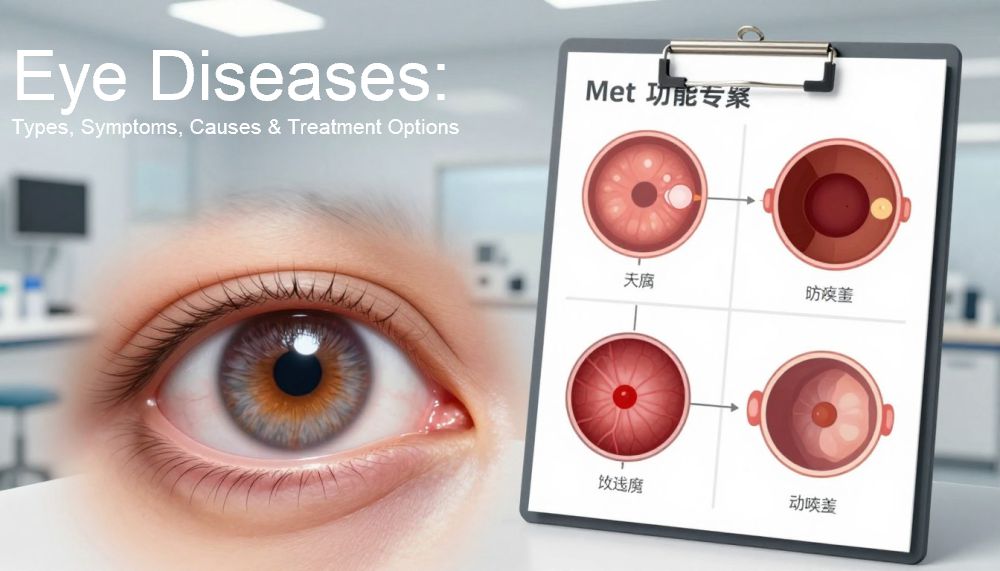
Protecting your eye health involves more than just getting a new pair of glasses. It requires a proactive approach to ocular maintenance and regular checkups with a professional. Understanding how to spot early signs of trouble ensures your world stays bright and clear.
Modern medicine offers incredible treatment options for many common visual issues. Whether you need medical intervention or simple corrective drops, staying informed is the first step toward better clarity. Knowledge helps you make better choices for your future.
Let’s explore the common types of diseases affecting sight to help you stay ahead of any issues. By learning the causes and symptoms, you can ensure a lifetime of vibrant sight for you and your family.
Key Takeaways
- Regular screenings are essential for maintaining strong, clear sight.
- Early detection of symptoms can prevent permanent vision loss.
- Modern medical advances provide various effective recovery paths.
- Nutrient-rich diets and safety habits support lasting ocular wellness.
- Corrective measures range from simple lenses to advanced procedures.
- Awareness of family history plays a major role in preventive care.
Understanding Eye Diseases and Their Impact on Vision
Understanding the effects of common eye diseases like glaucoma and cataract on vision is crucial for effective management.
Eye diseases can significantly affect an individual’s quality of life by impairing their vision. Vision loss can result from various eye conditions, making everyday tasks challenging.
“The eyes are the windows to the soul, and their health is crucial for experiencing the world’s beauty.”
Common eye diseases such as glaucoma and cataract are leading causes of vision loss. Glaucoma damages the optic nerve, while cataracts cloud the lens of the eye, affecting vision clarity.
The impact of these diseases on vision can be significant. For instance, glaucoma can lead to peripheral vision loss, while advanced cataracts can cause blindness if not treated.
| Eye Disease | Impact on Vision | Treatment Options |
|---|---|---|
| Glaucoma | Peripheral vision loss, blindness | Medications, surgery |
| Cataract | Blurred vision, blindness | Surgery |
| Diabetic Retinopathy | Vision loss, blindness | Laser surgery, injections |
Early detection and treatment are critical in managing eye diseases and preventing vision loss. Regular eye exams can help identify these conditions in their early stages.
- Regular eye check-ups
- Awareness of family history
- Healthy lifestyle choices
By understanding eye diseases and their impact on vision, individuals can take proactive steps to protect their eye health and maintain their vision.
Common Types of Eye Diseases
Eye health is vital for overall well-being, and recognizing common eye diseases is the first step towards preserving vision. Various eye conditions can affect individuals, impacting their quality of life. Understanding these diseases is crucial for timely intervention and effective management.
Glaucoma: The Silent Thief of Sight
Glaucoma is a group of eye conditions that damage the optic nerve, often due to abnormally high pressure in the eye. It’s known as the “silent thief of sight” because it can cause irreversible vision loss without noticeable symptoms until advanced stages. Early detection through regular eye exams is critical for preventing vision loss.
Cataracts: Clouding of the Eye Lens
A cataract is a clouding of the lens in the eye that affects vision. Most cataracts are age-related and develop gradually. Symptoms include faded colors, blurry vision, and halos around lights. Cataract surgery is a highly effective treatment, involving the removal of the cloudy lens and replacement with an artificial lens.
Age-Related Macular Degeneration
Age-related macular degeneration (AMD) is a condition that affects the macula, the part of the retina responsible for central vision. It can cause vision loss in older adults. There are two forms: dry AMD, characterized by the accumulation of waste material under the macula, and wet AMD, marked by the growth of abnormal blood vessels under the macula. Monitoring and early detection are key to managing AMD.
Diabetic Retinopathy and Blood Vessel Damage
Diabetic retinopathy is a complication of diabetes that results from damage to the blood vessels of the retina. It can cause blindness if left untreated. Symptoms include floaters, blurred vision, and vision loss. Managing diabetes and regular eye exams are crucial for preventing and treating diabetic retinopathy.
Dry Eye Syndrome
Dry eye syndrome occurs when the eyes do not produce enough tears or when the tears are of poor quality. This condition can cause discomfort, blurred vision, and increased risk of eye infections. Treatment includes artificial tears, lifestyle changes, and in some cases, procedures to improve tear production or reduce evaporation.
Conjunctivitis (Pink Eye) and Eye Infections
Conjunctivitis, commonly known as pink eye, is an inflammation or infection of the conjunctiva, the thin membrane covering the white part of the eye and inside of the eyelids. It can be caused by viruses, bacteria, or allergens. Symptoms include redness, itching, and discharge. Treatment depends on the cause and may include antibiotics or antiviral medication.
Refractive Errors and Vision Problems
Refractive errors occur when the shape of the eye does not bend light correctly, resulting in blurred vision. Common types include myopia (nearsightedness), hyperopia (farsightedness), and astigmatism. Corrective lenses (glasses or contacts) or refractive surgery can correct these vision problems.
| Disease | Symptoms | Treatment |
|---|---|---|
| Glaucoma | Vision loss, often without early symptoms | Medications, surgery |
| Cataracts | Faded colors, blurry vision, halos | Surgery |
| Age-Related Macular Degeneration | Central vision loss | Monitoring, injections, lifestyle changes |
| Diabetic Retinopathy | Floaters, blurred vision, vision loss | Managing diabetes, laser surgery |
Recognizing the Symptoms of Eye Diseases
Recognizing the signs of eye diseases can be the first step towards preserving your vision and overall eye health. Eye diseases often manifest through a variety of symptoms that can be categorized into visual changes and physical discomfort.
Visual Changes and Disturbances
Visual disturbances are among the most common indicators of eye diseases. These can include a range of symptoms that affect how you perceive the world around you.
Blurred Vision and Loss of Central Vision
Blurred vision is a symptom where objects appear out of focus, making daily activities challenging. Loss of central vision affects the ability to see straight ahead, impacting tasks like reading or driving.
Conditions such as age-related macular degeneration can cause loss of central vision, significantly impairing daily life.
Blind Spots and Vision Loss
The development of blind spots can be a sign of advanced eye disease. These are areas in the visual field where you cannot see.
Vision loss can be gradual or sudden, depending on the underlying cause, such as diabetic retinopathy or glaucoma.
Light Sensitivity and Floaters
Light sensitivity, or photophobia, is an increased sensitivity to light, which can be uncomfortable and disrupt daily activities.
Floaters are small spots that appear to float in front of your eyes, often noticed when looking at something bright. While common, a sudden increase in floaters can indicate a serious condition.
Physical Symptoms and Discomfort
Apart from visual disturbances, eye diseases can also cause physical discomfort and other symptoms.
Eye Pain and Pressure
Eye pain can range from a mild, annoying sensation to severe pain. It can be a symptom of various eye conditions, including conjunctivitis or acute angle-closure glaucoma.
Eye pressure is often associated with glaucoma and can be a precursor to more severe vision problems if not addressed.
Redness, Swelling, and Irritation
Redness and swelling are common symptoms of eye infections or allergies, such as conjunctivitis.
Irritation can be caused by dryness, allergies, or foreign particles in the eye.
Excessive Tearing or Dryness
Excessive tearing can be a response to irritation or an underlying condition.
Dryness, on the other hand, is often associated with dry eye syndrome, where the eyes do not produce enough tears.
| Symptom | Description | Possible Causes |
|---|---|---|
| Blurred Vision | Objects appear out of focus | Cataracts, Refractive Errors |
| Blind Spots | Areas in the visual field where you cannot see | Glaucoma, Diabetic Retinopathy |
| Light Sensitivity | Increased sensitivity to light | Conjunctivitis, Migraines |
| Eye Pain | Mild to severe pain in the eye | Conjunctivitis, Glaucoma |
| Redness and Swelling | Visible redness and swelling of the eye | Infections, Allergies |
What Causes Eye Diseases and Conditions
The development of eye diseases is often linked to a combination of genetic, environmental, and systemic health factors. Understanding these causes is essential for maintaining good eye health and preventing vision loss.
Age-Related Factors and Degenerative Changes
As people age, the risk of developing certain eye diseases increases. Age-related macular degeneration and cataracts are two common conditions associated with aging. These degenerative changes can significantly impact vision if not addressed promptly.
Genetic and Hereditary Influences
Genetics play a significant role in the development of many eye diseases. Conditions such as glaucoma and age-related macular degeneration have been linked to genetic factors. Individuals with a family history of these conditions are at higher risk.
Lifestyle and Environmental Causes
Lifestyle choices and environmental exposures can significantly contribute to the development of eye diseases. Factors such as smoking, diet, and exposure to UV radiation can impact eye health.
Eye Injuries and Trauma
Eye injuries can occur due to various reasons, including accidents, sports injuries, or chemical exposure. Such trauma can lead to serious eye conditions, including cataracts, retinal detachment, or even vision loss.
UV Exposure and Lack of Eye Protection
Prolonged exposure to UV radiation without proper eye protection can lead to conditions such as cataracts and macular degeneration. Wearing sunglasses that block 100% of UV rays is crucial for protecting eye health.
Systemic Health Conditions
Certain systemic health conditions can have a significant impact on eye health. Managing these conditions is crucial for preventing related eye diseases.
Diabetes and High Blood Pressure
Diabetes can lead to diabetic retinopathy, a condition that damages the blood vessels in the retina. High blood pressure can also affect the eyes by causing blood vessels to burst or leak, potentially leading to vision loss.
Autoimmune Disorders
Autoimmune disorders, such as rheumatoid arthritis, can increase the risk of developing certain eye conditions, including dry eye syndrome and uveitis.
| Systemic Condition | Associated Eye Disease | Impact on Vision |
|---|---|---|
| Diabetes | Diabetic Retinopathy | Vision Loss, Blindness |
| High Blood Pressure | Retinal Vascular Occlusion | Vision Loss |
| Autoimmune Disorders | Dry Eye Syndrome, Uveitis | Discomfort, Vision Impairment |
How Eye Diseases Are Diagnosed Through Comprehensive Eye Exams
Comprehensive eye exams are the cornerstone of diagnosing eye diseases, enabling eye care professionals to identify issues early on. These exams are designed to assess not just the sharpness of your vision, but the overall health of your eyes.
Components of a Comprehensive Eye Examination
A comprehensive eye examination includes a series of tests to evaluate different aspects of your vision and eye health. It typically starts with a review of your medical history and a discussion about your symptoms or concerns. Visual acuity tests, which measure the sharpness of your vision, are a fundamental part of the exam.
The examination also includes an external examination of the eyes and their surrounding tissues, as well as an assessment of how well your eyes work together. The pupil dilation is often performed to allow the eye care professional to examine the retina and other internal structures more effectively.
Specialized Diagnostic Tests and Imaging
Beyond the standard tests, specialized diagnostic tests and imaging techniques are used to gain a deeper understanding of your eye health. These can include tonometry to measure eye pressure, crucial for detecting conditions like glaucoma.
Tonometry for Eye Pressure Measurement
Tonometry is a non-invasive test used to measure the pressure inside your eyes. High eye pressure is a significant risk factor for glaucoma, a condition that can lead to vision loss if not treated. There are different methods of tonometry, including the Goldmann applanation tonometry, which is considered the gold standard.
Retinal Imaging and OCT Scans
Retinal imaging allows for detailed photographs of the retina, helping to detect diseases like diabetic retinopathy and age-related macular degeneration. OCT (Optical Coherence Tomography) scans provide cross-sectional images of the retina, enabling the detection of even the earliest signs of disease.
| Diagnostic Test | Purpose |
|---|---|
| Tonometry | Measures eye pressure to detect glaucoma |
| Retinal Imaging | Captures detailed images of the retina to detect diseases |
| OCT Scans | Provides cross-sectional images of the retina for early disease detection |
The Importance of Early Detection and Regular Eye Examinations
Early detection of eye diseases is critical for effective treatment and preventing vision loss. Regular eye examinations can identify issues before symptoms arise, allowing for timely intervention. This is particularly important for conditions like glaucoma and diabetic retinopathy, where early treatment can significantly impact outcomes.
By understanding the components of a comprehensive eye exam and the specialized tests involved, individuals can better appreciate the importance of regular eye check-ups. It’s not just about correcting vision; it’s about maintaining overall eye health.
Treatment Options for Various Eye Diseases
Understanding the array of treatment options available is crucial for managing eye diseases effectively. The choice of treatment depends on the type and severity of the eye condition.
Prescription Eye Drops and Medications
For many eye diseases, the first line of treatment involves prescription eye drops or oral medications. These can help manage symptoms, slow disease progression, and in some cases, restore vision.
Treatment for Glaucoma and Eye Pressure
Glaucoma treatment often begins with eye drops that reduce intraocular pressure. Prostaglandin analogs and beta-blockers are commonly prescribed.
Medications for Dry Eye and Inflammation
Dry eye syndrome is typically managed with lubricating eye drops or anti-inflammatory medications. In severe cases, punctal plugs may be used to conserve tears.
Surgical Interventions and Procedures
When conservative treatments are ineffective, surgical interventions may be necessary. Advances in surgical techniques have improved outcomes for many patients.
Cataract Surgery
Cataract surgery involves removing the cloudy lens and replacing it with an intraocular lens (IOL). This is a highly successful procedure with a quick recovery time.
Laser Surgery for Glaucoma and Diabetic Retinopathy
Laser surgery can be used to treat glaucoma by improving drainage and reduce eye pressure. It’s also used for diabetic retinopathy to prevent further vision loss.
Vitrectomy and Retinal Procedures
A vitrectomy involves removing the vitreous gel and any blood or debris. It’s used for retinal detachment and other severe retinal conditions.
Vision Correction and Rehabilitative Options
For some eye diseases, vision correction or rehabilitative measures can significantly improve quality of life.
Eyeglasses and Contact Lenses
Corrective lenses can correct refractive errors and improve vision. Specialized lenses are available for certain conditions.
Low Vision Aids
Low vision aids, such as magnifiers and telescopic lenses, can help individuals with significant vision loss.
The following table summarizes the treatment options for various eye diseases:
| Eye Disease | Treatment Options |
|---|---|
| Glaucoma | Eye drops, laser surgery, trabeculectomy |
| Cataracts | Cataract surgery |
| Diabetic Retinopathy | Laser surgery, vitrectomy, intravitreal injections |
| Dry Eye Syndrome | Lubricating eye drops, anti-inflammatory medications, punctal plugs |
Preventing Eye Diseases and Maintaining Good Eye Health
Preventing eye diseases requires a multifaceted approach that includes protecting your eyes, adopting a healthy lifestyle, and being proactive about your eye care. By understanding the various factors that contribute to eye health, individuals can take informed steps to preserve their vision.
Protect Your Eyes from Injury and UV Damage
Protecting your eyes from injury and UV damage is a critical aspect of maintaining eye health. UV radiation can cause significant harm, increasing the risk of cataracts and macular degeneration. Wearing sunglasses that block 100% of UV rays and protective eyewear during hazardous activities can significantly reduce these risks.
Adopt Healthy Lifestyle Habits for Eye Care
Adopting healthy lifestyle habits plays a vital role in eye care. This includes a balanced diet rich in nutrients beneficial for eye health, regular physical activity, and avoiding smoking.
Nutrition for Optimal Eye Health
A diet rich in leafy greens, omega-3 fatty acids, and antioxidants can support eye health. Foods such as spinach, salmon, and nuts are beneficial due to their high content of lutein, zeaxanthin, and omega-3 fatty acids.
| Nutrient | Benefit | Food Sources |
|---|---|---|
| Lutein and Zeaxanthin | Protects the macula | Spinach, kale, eggs |
| Omega-3 Fatty Acids | Reduces inflammation | Salmon, walnuts, chia seeds |
| Vitamin A | Essential for retina health | Carrots, sweet potatoes, liver |
Managing Chronic Conditions
Managing chronic conditions such as diabetes is crucial for preventing eye diseases like diabetic retinopathy. Regular monitoring and control of blood sugar levels can help mitigate the risk of developing eye complications.
“Regular eye exams are crucial for detecting eye diseases early, when they are more treatable.”
— American Academy of Ophthalmology
Schedule Regular Eye Check-Ups with an Eye Care Professional
Regular eye check-ups are essential for maintaining good eye health. These visits allow for the early detection of eye diseases, timely intervention, and the prevention of vision loss.
- Schedule comprehensive eye exams as recommended by your eye care professional.
- Report any changes in your vision or eye health during your exams.
- Follow the advice of your eye care professional regarding eye care and disease prevention.
When to See an Eye Doctor or Eye Specialist
Knowing when to visit an eye doctor or eye specialist is crucial for maintaining good eye health and preventing vision loss. Regular eye exams and timely medical interventions can significantly impact the outcome of various eye diseases and conditions.
Emergency Warning Signs Requiring Immediate Attention
Certain symptoms indicate a need for immediate medical attention. If you experience any of the following, seek care from an eye care professional without delay:
- Sudden loss of vision or significant changes in vision
- Severe eye pain or discomfort
- Eye injury or trauma
- Flashes of light or an increase in floaters
- Redness or swelling of the eye
Recommended Schedule for Routine Eye Exams
The frequency of routine eye exams depends on age, risk factors, and existing eye health conditions. Here is a general guideline:
| Age Group | Recommended Frequency |
|---|---|
| Children | At 6 months, 3 years, and before starting school, then every 2 years unless otherwise recommended |
| Adults (20-39 years) | Every 2-3 years |
| Adults (40-64 years) | Every 2 years |
| Adults (65 years and older) | Annually |
Individuals with a family history of eye diseases, diabetes, or other risk factors may need more frequent exams as recommended by their eye care professional.
Conclusion
Understanding eye diseases, their symptoms, causes, and treatment options is crucial for maintaining good eye health and vision protection. As discussed, various eye diseases can significantly impact vision, and being aware of these conditions can help individuals seek timely medical attention.
Comprehensive eye care involves not only treating eye diseases but also adopting preventive measures to protect vision. Regular eye exams, a healthy lifestyle, and protective eyewear can significantly reduce the risk of developing eye diseases.
By prioritizing eye health and seeking professional eye care when needed, individuals can safeguard their vision and overall well-being. Stay informed, take proactive steps towards eye care, and consult with an eye care professional to ensure you’re doing everything possible to protect your vision.
FAQ
What exactly happens during a comprehensive eye exam?
A comprehensive eye exam is a thorough evaluation of your overall eye health that goes far beyond a simple vision screening. During the appointment, an eye care professional at a clinic like Pearle Vision or Warby Parker will check your visual acuity, evaluate how your eye muscles work together, and measure the pressure within the eye using tonometry. They will also use specialized tools to look at the back of the eye, including the retina, blood vessels, and the optic nerve, to ensure there are no signs of various eye diseases or common eye problems.
Why is glaucoma often called the “silent thief of sight”?
Glaucoma is a group of eye conditions that causes damage to the optic nerve, often due to abnormally high eye pressure. It earned its nickname because it frequently develops without noticeable symptoms in its early stages. Many people don’t realize they have an eye issue until significant vision loss has occurred. This is why regular eye exams are crucial for early detection and treatment, which may include prescription eye drops like Xalatan or Lumigan to protect your vision.
What are the primary causes of vision loss in older adults?
The leading causes of vision impairment as we age include age-related macular degeneration, cataracts, and glaucoma. Cataracts are a common eye condition where the lens of the eye becomes cloudy, while age-related macular degeneration affects your central vision, making it difficult to see fine details. Early detection through a routine eye check-up is the best way to manage these various diseases and conditions and prevent them from leading to permanent blindness.
Can diabetes really affect my eyesight?
Yes, absolutely. Diabetic retinopathy is a common eye disease and a leading cause of blindness in adults. It occurs when high blood sugar levels cause damage to the tiny blood vessels in the retina, located at the back of the eye. Those with diabetes are also more susceptible to various diseases like glaucoma and cataracts. Consistent monitoring by an eye specialist and managing your blood sugar are vital steps to maintain good eye health.
What are the most common symptoms of eye diseases I should watch out for?
Common symptoms can vary, but you should contact an eye doctor if you experience blurred vision, eye pain, sudden light sensitivity, or the appearance of “floaters.” Other symptoms of common eye diseases include redness, swelling, and irritation, a loss of peripheral vision, or difficulty seeing at night. Because many eye diseases don’t show early signs, keeping up with regular eye check-ups is the most effective way to catch an eye condition before it affects your sight.
How is dry eye syndrome treated?
Dry eye syndrome is a common eye condition where your eyes don’t produce enough quality tears. Symptoms include a stinging or scratching sensation and blurred vision. Treatment options range from over-the-counter artificial tears (like Systane) to prescription eye drops such as Restasis or Xiidra. Your eye care professional might also suggest lifestyle changes or specialized procedures to help you maintain good eye health and comfort.
What is “pink eye,” and is it dangerous?
Known as pink eye, conjunctivitis is an eye infection or inflammation of the transparent membrane that lines your eyelid. It is a common type of eye problem that can be viral, bacterial, or allergic. While it is usually not a threat to your long-term vision, it is highly contagious. If you notice discharge or extreme redness in one eye or both, a comprehensive eye examination can help determine if you need antibiotic eye drops or other treatments.
How can I protect my eyes from daily strain and environmental damage?
To protect your eyes, it is essential to wear eye protection, such as sunglasses from brands like Ray-Ban or Oakley that offer 100% UV protection. If you work at a computer, follow the 20-20-20 rule to reduce strain on your eye muscles. Furthermore, wearing safety goggles during home repairs or sports can prevent serious eye injuries. Lastly, scheduling regular eye examinations ensures that any refractive errors or eye diseases and disorders are managed early.
Are refractive errors considered an eye disease?
Refractive errors, such as nearsightedness (myopia) and farsightedness (hyperopia), are technically vision problems rather than diseases. They occur when the shape of the part of the eye—specifically the cornea or lens—prevents light from focusing correctly on the retina. These are the most common eye problems and are easily corrected with prescription eye wear like eyeglasses or contact lens options from Acuvue or Biofinity.