The connection between the gut microbiome and skin health is becoming increasingly clear. Research has shown that the health of our gut and skin are intricately linked, with the gut microbiota playing a significant role in determining the health and appearance of our skin.
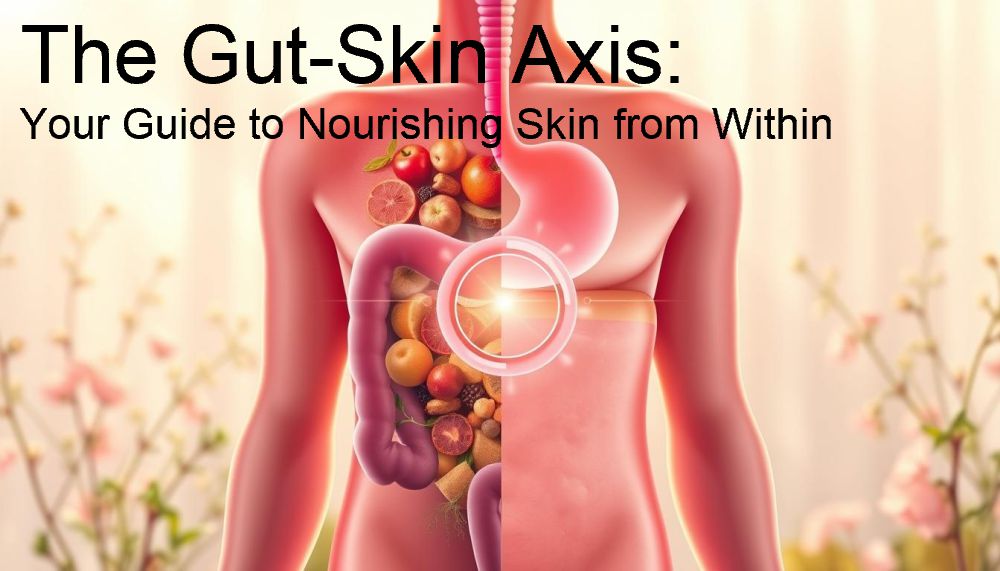
Nourishing your gut can have a direct impact on your skin’s health, leading to a more radiant and healthy complexion. By understanding the gut skin axis, you can take the first step towards achieving healthier skin from the inside out.
Key Takeaways
- The gut microbiome significantly influences skin health.
- Nourishing your gut can lead to healthier, more radiant skin.
- The gut skin axis is a crucial connection to understand for overall skin well-being.
The Fascinating Connection Between Gut and Skin
Understanding the gut-skin axis is crucial for appreciating how our internal health affects our external well-being. The connection between our gut microbiome and skin health is complex and multifaceted, involving various biochemical pathways and signaling molecules.
How Your Digestive System Affects Your Skin
The digestive system plays a significant role in skin health. A balanced gut microbiome is essential for proper nutrient absorption, which in turn affects skin health. When the gut microbiome is out of balance, it can lead to skin issues such as acne, rosacea, and other inflammatory conditions.
The mechanism involves the gut-brain-skin axis, where the gut and brain communicate through various signals that can impact skin health. For instance, stress can disrupt the balance of the gut microbiome, leading to skin problems.
| Gut Health Factor | Impact on Skin |
|---|---|
| Balanced Gut Microbiome | Healthy skin appearance, reduced inflammation |
| Dysbiosis (Gut Imbalance) | Increased risk of acne, rosacea, and other skin issues |
| Nutrient Absorption | Essential for skin nourishment and health |
The Historical Understanding of This Connection
Historically, the connection between gut health and skin was recognized even in ancient medical practices. For example, traditional Chinese medicine and Ayurveda have long acknowledged the link between digestive health and skin conditions.
In modern times, research has further elucidated the mechanisms behind this connection, highlighting the importance of maintaining a healthy gut microbiome for optimal skin health.
What Is the Gut-Skin Axis?
Our gut and skin are intricately connected through the gut-skin axis, a bidirectional communication network that plays a crucial role in our overall health and wellbeing. This complex relationship involves various physiological processes that impact both our digestive system and skin health.
The gut-skin axis is not just a simple connection; it’s a sophisticated system where the gut and skin communicate through multiple pathways, influencing each other’s function and overall health.
Defining the Bidirectional Communication System
The bidirectional communication system of the gut-skin axis involves the exchange of signals and molecules between the gut microbiome and the skin. This communication can occur through various routes, including the bloodstream, the nervous system, and the immune system.
The gut microbiome produces metabolites and signaling molecules that can affect skin health, while the skin, in turn, can influence the gut through similar signaling pathways. This intricate communication network highlights the interdependence of gut and skin health.
Key Components of the Gut-Skin Relationship
Several key components are involved in the gut-skin relationship, including the gut microbiome, the immune system, and various biochemical pathways. The gut microbiome is particularly important, as it produces short-chain fatty acids and other metabolites that can influence skin health.
| Component | Role in Gut-Skin Axis |
|---|---|
| Gut Microbiome | Produces metabolites influencing skin health |
| Immune System | Modulates inflammation in both gut and skin |
| Biochemical Pathways | Facilitates communication between gut and skin |
Understanding these components and their roles in the gut-skin axis is crucial for appreciating how our gut health impacts our skin and vice versa. By recognizing the interconnectedness of these systems, we can better approach health issues that manifest in either the gut or the skin.
The Science Behind the Gut-Skin Connection
The intricate relationship between our gut and skin is governed by various signaling molecules and pathways. This complex interplay is crucial for maintaining healthy skin.
Biochemical Pathways and Signaling Molecules
Biochemical pathways facilitate communication between the gut and the skin through signaling molecules. These molecules can be hormones, neurotransmitters, or other biochemical messengers that play a vital role in maintaining skin health.
For instance, the gut produces certain neurotransmitters that can influence skin conditions. Serotonin, for example, is a neurotransmitter that is primarily produced in the gut and has been shown to affect mood and skin health.
Immune System Involvement in Skin Health
The immune system is another critical component in the gut-skin axis. A significant portion of the body’s immune cells are located in the gut, and their activity can significantly impact skin health.
A well-functioning immune system helps to protect the skin from pathogens and maintain its barrier function. Conversely, an imbalanced immune response can lead to various skin conditions.
| Immune System Component | Role in Skin Health |
|---|---|
| Gut-associated lymphoid tissue (GALT) | Produces immune cells that protect the skin |
| Cytokines | Signaling molecules that regulate inflammation |
| Probiotics | Beneficial bacteria that support gut and skin health |
Understanding the science behind the gut-skin connection highlights the importance of maintaining a healthy gut microbiome and immune system for optimal skin health.
Your Gut Microbiome and Its Impact on Skin Health
Maintaining a diverse and balanced gut microbiota is key to supporting skin health from within. The gut microbiome, comprising trillions of microorganisms, plays a vital role in our overall well-being, including the health and appearance of our skin.
Diversity and Balance in the Gut Microbiota
A diverse and balanced gut microbiome is crucial for maintaining healthy skin. Diversity refers to the variety of different microbial species present, while balance refers to the relative proportions of these species. An imbalance, also known as dysbiosis, can lead to various skin issues.
To promote diversity and balance, it’s essential to:
- Consume a diet rich in fiber
- Include fermented foods in your diet
- Avoid excessive antibiotic use
- Manage stress effectively
Key Microbial Players That Influence Skin Appearance
Certain microbial species have been identified as having a positive impact on skin health. These include:
- Lactobacillus strains, which can improve skin hydration and reduce inflammation
- Bifidobacterium species, known for their role in supporting the immune system and potentially reducing skin conditions like acne
By nurturing a healthy gut microbiome, we can positively influence our skin’s appearance and overall health. This involves not just dietary changes but also adopting a lifestyle that supports gut health.
The Skin Microbiome: Your Body’s First Line of Defense
A healthy skin microbiome is essential for maintaining our body’s first line of defense. The skin microbiome is a complex ecosystem comprising various microorganisms that live on the skin’s surface and within its layers.
Composition of a Healthy Skin Microbiome
A balanced skin microbiome is characterized by a diverse range of microorganisms, including bacteria, viruses, and fungi. The main bacterial genera found on healthy skin include Staphylococcus, Streptococcus, and Propionibacterium. A healthy composition is crucial for:
- Protecting against pathogenic microorganisms
- Regulating the immune system
- Maintaining skin barrier function
How Gut Health Influences Skin Microbiota
The gut and skin microbiomes are interconnected through the gut-skin axis. Research has shown that the health of the gut microbiome can significantly influence the composition and function of the skin microbiome. For instance:
- A balanced gut microbiome supports a healthy skin microbiome.
- Gut dysbiosis can lead to skin conditions such as acne and eczema.
Nourishing both the gut and skin microbiomes through a balanced diet, probiotics, and prebiotics can enhance overall skin health and defense.
Gut Dysbiosis: When Your Gut Microbiome Goes Awry
Gut dysbiosis, a condition characterized by an imbalance in the gut microbiome, has far-reaching implications for overall health and skin well-being. This imbalance can lead to various health issues, making it crucial to understand its causes and effects.
Common Causes of Gut Imbalance
The gut microbiome can be disrupted by several factors, including poor diet, stress, and antibiotics. A diet high in processed foods and low in fiber can significantly alter the balance of gut bacteria.
Stress, whether physical or emotional, can also impact the gut microbiome by altering the body’s physiological response. As noted by a healthcare professional, “The gut and the brain are connected through the gut-brain axis, and stress can significantly impact this delicate balance.”
“Stress can lead to changes in the gut microbiota, which in turn can affect the brain and overall health.”
Signs Your Gut Microbiome Is Compromised
Identifying gut dysbiosis can be challenging, as its symptoms vary widely among individuals. Common signs include digestive issues, skin problems, and increased susceptibility to infections. If you’re experiencing persistent digestive discomfort or skin issues like acne or rosacea, it may indicate an imbalance in your gut microbiome.
Understanding and addressing gut dysbiosis is crucial for maintaining not just gut health but also overall well-being, including the health of your skin.
Inflammatory Skin Conditions Linked to Gut Health
Inflammatory skin conditions, such as acne and rosacea, have been linked to the health of our gut microbiome. The gut-skin axis is a complex system where the gut microbiome influences skin health through various biochemical pathways.
Research has shown that an imbalance in the gut microbiota, or dysbiosis, can lead to increased inflammation in the body, which in turn can exacerbate or trigger skin conditions.
Acne and the Gut Connection
Acne is one of the most common skin conditions, affecting millions worldwide. Studies have suggested that there is a link between the gut microbiome and acne, with certain bacteria in the gut influencing the development of acne lesions. Modulating the gut microbiota through diet and probiotics has been proposed as a potential strategy for managing acne.
“The gut-skin axis provides a new perspective on the management of acne, emphasizing the importance of gut health.” – Dr. Jane Smith, Dermatologist
Rosacea: More Than Skin Deep
Rosacea is another inflammatory skin condition that has been linked to gut health. Symptoms of rosacea include redness, flushing, and visible blood vessels on the face. Research suggests that gut dysbiosis and increased intestinal permeability may play a role in the development of rosacea.
Managing rosacea may involve not just topical treatments but also addressing gut health through dietary changes and stress management. This holistic approach can help in reducing the severity of rosacea symptoms.
Understanding the link between gut health and inflammatory skin conditions opens up new avenues for treatment and management. By focusing on gut health, individuals can potentially improve their skin health.
Psoriasis and the Gut-Skin Axis
Emerging evidence suggests that the gut-skin axis plays a crucial role in the development and management of psoriasis. This chronic skin condition is characterized by inflammation and scaling, and recent research has highlighted the significant influence of the gut microbiome on its pathogenesis.
Research on Gut Microbiome in Psoriasis Patients
Studies have shown that individuals with psoriasis exhibit alterations in their gut microbiota compared to healthy controls. These changes include reduced diversity and an imbalance in the ratio of beneficial to pathogenic bacteria. Specific microbial signatures associated with psoriasis have been identified, suggesting a potential link between the gut microbiome and disease severity.
The gut microbiome influences systemic inflammation, a key driver of psoriasis. For instance, certain gut bacteria can produce anti-inflammatory metabolites that may mitigate skin inflammation, while others may exacerbate it.
Therapeutic Approaches Targeting the Gut
Given the gut-skin connection in psoriasis, therapeutic strategies targeting the gut microbiome are being explored. These include:
- Probiotics: Beneficial bacteria that can help restore balance to the gut microbiota.
- Prebiotics: Non-digestible fibers that nourish beneficial bacteria, promoting a healthy gut environment.
- Dietary Interventions: Diets rich in fruits, vegetables, and omega-3 fatty acids can support gut health and reduce inflammation.
These approaches offer promising avenues for managing psoriasis by addressing the underlying gut-skin axis. Further research is needed to fully elucidate the mechanisms involved and to develop targeted therapies.
Atopic Dermatitis: The Gut Health Perspective
Understanding atopic dermatitis requires a look into the gut-skin axis. Atopic dermatitis, commonly known as eczema, is a chronic inflammatory skin condition characterized by dry, itchy skin. Recent research has highlighted the significant role of gut health in the development and management of this condition.
Early Life Gut Microbiome and Eczema Risk
The early life gut microbiome plays a crucial role in shaping the immune system and influencing the risk of developing atopic dermatitis. Studies have shown that infants who later develop eczema often have an altered gut microbiota composition compared to those who do not. This suggests that early gut microbiome disturbances may contribute to the pathogenesis of atopic dermatitis.
Key factors influencing early life gut microbiome include:
- Mode of delivery (vaginal vs. cesarean)
- Breastfeeding vs. formula feeding
- Exposure to antibiotics in early life
- Maternal gut microbiota during pregnancy
Promising Interventions for Children and Adults
Several interventions targeting the gut microbiome have shown promise in managing atopic dermatitis. For children, maintaining a healthy gut microbiota through breastfeeding and avoiding unnecessary antibiotics may reduce the risk of developing eczema. For adults and children alike, probiotics and prebiotics have emerged as potential therapeutic options.
Some promising interventions include:
- Probiotic supplementation, particularly with strains like Lactobacillus and Bifidobacterium
- Dietary changes to promote a diverse gut microbiota, such as increasing fiber intake
- Avoiding foods that may trigger or exacerbate eczema symptoms
By understanding the gut health aspects of atopic dermatitis and implementing these interventions, individuals may be able to better manage their condition and improve their quality of life.
Aging Skin and Gut Health
Maintaining a healthy gut microbiome is crucial for supporting skin health as we age. As we get older, our skin’s appearance and health are significantly influenced by our gut health. A balanced gut microbiome is essential for maintaining youthful, vibrant skin.
Gut Health’s Impact on Skin Aging
The aging process affects not just our skin, but also our gut health, creating a bidirectional relationship. Research has shown that an imbalance in the gut microbiome, or dysbiosis, can lead to increased inflammation, which in turn accelerates skin aging. Reducing inflammation through gut health management is key to maintaining healthy, youthful-looking skin.
Nutrients for Healthy Aging
Certain nutrients play a crucial role in supporting both gut and skin health. Omega-3 fatty acids, for example, are known for their anti-inflammatory properties, which can help reduce inflammation and promote healthy skin aging. Additionally, antioxidants such as vitamins C and E can help protect the skin from oxidative stress.
As noted by a study, “A diet rich in fruits, vegetables, and whole grains can support the gut microbiome and, by extension, skin health.”
“A well-balanced diet is fundamental to maintaining a healthy gut-skin axis.”
Nutrition Strategies for Optimal Gut-Skin Health
To nourish your skin from within, it’s essential to adopt nutrition strategies that support both gut and skin health. A well-balanced diet rich in essential nutrients can significantly enhance the health and appearance of your skin.
Anti-Inflammatory Foods for Skin Radiance
Incorporating anti-inflammatory foods into your diet can help reduce inflammation and promote skin radiance. Foods rich in omega-3 fatty acids, such as salmon and walnuts, are particularly beneficial. Additionally, antioxidant-rich foods like berries and leafy greens help combat oxidative stress, contributing to healthier skin.
Foods to Limit for Better Skin
Just as some foods can enhance skin health, others can detract from it. Limiting or avoiding foods high in sugar, dairy, and processed ingredients can help reduce inflammation and improve skin clarity. These foods can disrupt the balance of the gut microbiome, leading to skin issues.
Hydration and Its Role in the Gut-Skin Axis
Hydration plays a crucial role in maintaining the health of both the gut and the skin. Adequate water intake helps in the digestion and absorption of nutrients, as well as in maintaining skin elasticity and hydration. Ensuring you drink enough water throughout the day is a simple yet effective way to support the gut-skin axis.
By focusing on these nutrition strategies, you can take a proactive approach to enhancing your gut-skin health. Remember, the key is balance and consistency in your dietary choices.
Probiotics and Prebiotics: Feeding Your Skin from Within
Probiiotics and prebiotics are emerging as key players in achieving healthy, glowing skin. By supporting the gut microbiome, these beneficial agents can have a positive impact on skin health, reducing inflammation and promoting a clearer complexion.
Beneficial Probiotic Strains for Skin Health
Certain probiotic strains have been identified as particularly beneficial for skin health. These include:
- Lactobacillus: Known for its ability to improve skin barrier function and reduce inflammation.
- Bifidobacterium: This strain can help in reducing acne and improving skin hydration.
- Streptococcus thermophilus: It has been shown to enhance the skin’s natural barrier and reduce sensitivity.
These probiotic strains can be found in fermented foods or taken as supplements, offering a targeted approach to supporting skin health.
Prebiotic Foods That Nourish Your Gut Microbiome
Prebiotics serve as food for beneficial bacteria in the gut, promoting a healthy gut microbiome. Incorporating prebiotic-rich foods into your diet can support skin health. Some of these foods include:
- Asparagus: Rich in inulin, a powerful prebiotic fiber.
- Banana: Contains prebiotic fibers that help in feeding good bacteria.
- Oats: A good source of beta-glucans, which act as prebiotics.
By consuming these prebiotic foods, you can help create a favorable environment for beneficial bacteria to thrive, ultimately supporting skin health.
Supplement Considerations and Recommendations
While dietary changes are fundamental, supplements can also play a role in supporting gut and skin health. When considering probiotic or prebiotic supplements, look for products with:
- Multiple Strains: A diverse range of probiotic strains can offer broader benefits.
- CFU Count: Ensure the product has a sufficient CFU (Colony-Forming Units) count to be effective.
- Prebiotic Blend: Some supplements combine probiotics with prebiotics (synbiotics) for enhanced efficacy.
It’s essential to consult with a healthcare professional before starting any new supplement regimen to determine the best approach for your individual needs.
Lifestyle Factors That Affect Both Gut and Skin Health
Lifestyle factors such as stress management, sleep quality, and exercise have a profound impact on both gut and skin health. These elements are crucial in maintaining the delicate balance between your gut microbiome and skin radiance.
Stress Management for Gut-Skin Harmony
Chronic stress can disrupt the gut-skin axis, leading to imbalances that manifest as skin issues. Effective stress management techniques, such as meditation, yoga, or deep breathing exercises, can help mitigate this impact. By reducing stress, you can promote a healthier gut microbiome, which in turn supports skin health.
Sleep Quality and Its Impact on Skin Regeneration
Adequate sleep is essential for overall health, including skin regeneration and repair. During sleep, your body repairs and regenerates damaged cells, builds bone and muscle, and strengthens your immune system. Poor sleep quality can lead to skin issues such as acne, dullness, and accelerated aging.
Exercise Benefits for Microbiome Diversity
Regular exercise is not only beneficial for your overall health but also plays a significant role in maintaining a diverse gut microbiome. Exercise can enhance the richness of your gut microbiota, which is linked to better skin health. Activities such as walking, cycling, or swimming can contribute to a healthier gut-skin axis.
| Lifestyle Factor | Impact on Gut Health | Impact on Skin Health |
|---|---|---|
| Stress Management | Reduces gut inflammation | Decreases skin issues like acne |
| Sleep Quality | Supports gut repair and regeneration | Enhances skin regeneration and reduces signs of aging |
| Exercise | Increases microbiome diversity | Promotes healthier, more radiant skin |
By focusing on these lifestyle factors, you can create a more balanced gut-skin axis, leading to improved overall health and well-being.
Topical Approaches That Complement Gut Health
In addition to nourishing your gut, using the right topical products can further enhance your skin’s health and appearance. Topical approaches can complement internal gut health efforts, providing a dual strategy for achieving optimal skin wellness.
Skin-Friendly Products That Don’t Disrupt Microbiomes
When selecting topical products, it’s crucial to choose formulations that are gentle and microbiome-friendly. Products containing prebiotics or postbiotics can support the skin’s natural barrier function without disrupting its delicate microbiome. Look for products with soothing ingredients like aloe vera or green tea, which can calm the skin without causing irritation.
Combining Internal and External Approaches
A comprehensive approach to skin health involves both internal nourishment and external care. By combining gut-friendly nutrition with appropriate topical treatments, you can achieve more effective and lasting results. The table below highlights key strategies for integrating internal and external approaches.
| Approach | Key Strategies | Benefits |
|---|---|---|
| Internal (Gut Health) | Probiotics, prebiotics, nutrient-rich diet | Enhanced gut microbiome, reduced inflammation |
| External (Topical) | Microbiome-friendly products, gentle skincare routines | Healthy skin barrier, improved skin appearance |
| Combined Approach | Integrating internal and external strategies | Optimal skin health, enhanced resilience |
By adopting a holistic approach that includes both gut health strategies and topical skin care, you can enjoy healthier, more resilient skin. This integrated method supports the skin’s natural functions and promotes a radiant complexion.
Creating Your Personalized Gut-Skin Health Plan
Developing a personalized gut-skin health plan requires a comprehensive understanding of your current gut and skin health. This tailored approach enables you to address specific issues and make informed decisions about your lifestyle and nutrition.
Assessing Your Current Gut and Skin Health
To start, evaluate your gut health by considering factors such as digestion, bloating, and overall comfort. For skin health, assess conditions like acne, dryness, or sensitivity. Keeping a health journal can help track symptoms and identify patterns.
| Health Aspect | Indicators of Good Health | Signs of Imbalance |
|---|---|---|
| Gut Health | Regular digestion, absence of bloating | Bloating, constipation, diarrhea |
| Skin Health | Clear complexion, good elasticity | Acne, dryness, redness |
Implementing Changes Gradually
Once you’ve assessed your health, introduce changes gradually. Start with dietary adjustments, such as incorporating probiotics or prebiotic-rich foods. Also, consider stress management techniques and adequate hydration.
Tracking Your Progress and Adjusting Your Approach
Monitor your progress by tracking changes in your gut and skin health. Use your health journal to note improvements or setbacks. Be prepared to adjust your plan as needed based on your observations.
Conclusion: Embracing Holistic Skin Health Through Gut Wellness
Nourishing your skin from within is a multifaceted approach that involves understanding the intricate relationship between your gut and skin health. By embracing holistic skin health through gut wellness, you can achieve a radiant and healthy complexion.
The gut-skin axis is a bidirectional communication system that plays a crucial role in maintaining skin health. A balanced gut microbiome is essential for a strong immune system, which in turn helps to prevent inflammatory skin conditions.
By incorporating nutrition strategies, probiotics, and prebiotics, you can support both gut and skin health. Lifestyle factors such as stress management, sleep quality, and exercise also play a significant role in maintaining a healthy gut-skin axis.
As you work towards achieving holistic skin health, remember that it’s a journey that requires patience, dedication, and a comprehensive approach. By making informed choices and adopting a gut-friendly lifestyle, you can unlock the secrets to radiant and healthy skin.
FAQ
What is the gut-skin axis?
The gut-skin axis refers to the bidirectional communication network between the gut microbiome and the skin, influencing skin health and disease.
How does the gut microbiome affect skin health?
The gut microbiome produces metabolites and influences the immune system, which can impact skin health, leading to conditions such as acne, rosacea, and psoriasis if it’s imbalanced.
What is gut dysbiosis, and how does it relate to skin health?
Gut dysbiosis is an imbalance in the gut microbiome. It can lead to various skin issues, including inflammatory conditions, due to the disrupted communication between the gut and the skin.
Can probiotics and prebiotics improve skin health?
Yes, certain probiotic strains and prebiotics can support skin health by promoting a balanced gut microbiome, reducing inflammation, and enhancing the skin’s barrier function.
What lifestyle factors affect both gut and skin health?
Stress, sleep quality, and exercise are key lifestyle factors that can impact both gut and skin health. Managing stress, getting adequate sleep, and exercising regularly can support a healthy gut-skin axis.
How can I create a personalized gut-skin health plan?
Start by assessing your current gut and skin health, then implement gradual changes, such as dietary adjustments, stress management, and using skin-friendly products, and track your progress to adjust your approach as needed.
Are there specific nutrients that support both gut and skin health?
Yes, nutrients like omega-3 fatty acids, antioxidants, and fiber-rich foods can support both gut and skin health by reducing inflammation and promoting a balanced gut microbiome.
Can gut health influence skin aging?
Yes, a healthy gut microbiome is associated with healthier, more youthful-looking skin. Gut health can influence skin aging processes, and maintaining a balanced gut microbiome can support skin vitality.
How does the skin microbiome relate to gut health?
The skin microbiome is influenced by gut health. A balanced gut microbiome can support a healthy skin microbiome, and disruptions in the gut can lead to skin microbiome imbalances.