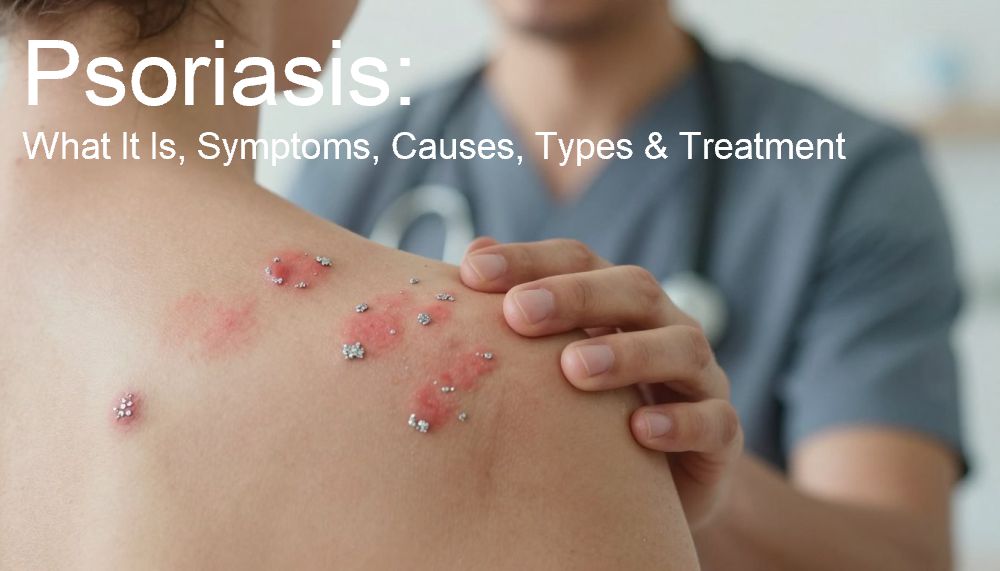
Are you or a loved one experiencing red, scaly patches on the skin? You might be dealing with psoriasis, a chronic autoimmune condition that speeds up the life cycle of skin cells. This condition causes cells to build up rapidly on the surface of the skin, leading to scales, dry patches, and other symptoms.
Understanding psoriasis is crucial for managing its symptoms and finding effective treatment. There are several types of this condition, including plaque psoriasis, which is the most common form, and psoriatic arthritis, which affects the joints.
Key Takeaways
- Psoriasis is a chronic autoimmune condition that affects the skin.
- There are several types of psoriasis, including plaque psoriasis and psoriatic arthritis.
- Understanding the symptoms and causes is crucial for effective management.
- Various treatment options are available to alleviate symptoms.
- Proper diagnosis is essential for determining the best course of treatment.
Understanding Psoriasis
The term psoriasis might be familiar, but what does it really mean? Psoriasis is a chronic autoimmune skin condition that speeds up the life cycle of skin cells, causing them to build up rapidly on the surface of the skin. This results in scaling, inflammation, and redness.
What Is Psoriasis?
Psoriasis is characterized by an abnormal immune response that triggers inflammation and excessive skin cell production. It’s not just a cosmetic issue; it can significantly impact a person’s quality of life.
How Common Is Psoriasis?
Psoriasis is more common than many people think. According to the National Psoriasis Foundation, approximately 125 million people worldwide have psoriasis. In the United States alone, about 3% of the population is affected.
| Prevalence | Percentage | Number of People (approx.) |
|---|---|---|
| Global | 2-3% | 125 million |
| United States | 3% | 8 million |
Is Psoriasis Contagious?
No, psoriasis is not contagious. You cannot catch it from someone else, nor can you spread it to others through physical contact. It’s an autoimmune condition, not an infectious disease.
Understanding that psoriasis is a chronic condition and not contagious can help reduce stigma and encourage those affected to seek appropriate treatment and support.
The Science Behind Psoriasis
The development of psoriasis is linked to several key biological processes, including immune response and skin regeneration. Psoriasis is an autoimmune condition where the immune system plays a crucial role in its pathogenesis.
The Immune System’s Role
The immune system’s role in psoriasis is significant, as it mistakenly identifies healthy skin cells as foreign and mounts an immune response against them. This leads to inflammation and accelerated skin cell production. The immune system’s dysfunction is central to the development of psoriasis, making it a key area of focus for treatment.
Accelerated Skin Cell Growth
In psoriasis, skin cells are produced at an alarming rate, resulting in the characteristic scales and plaques associated with the condition. Normally, skin cells take about 28 days to mature and shed. In psoriasis, this process is sped up to just 3-4 days, leading to a buildup of dead skin cells. This rapid turnover contributes to the symptoms of psoriasis.
Inflammation Process
Inflammation is a hallmark of psoriasis, driven by the immune system’s response. The inflammation process involves various cytokines and other immune factors that promote the condition’s progression. Understanding and addressing this inflammation is crucial for managing psoriasis effectively.
By grasping the science behind psoriasis, including the immune system’s role, accelerated skin cell growth, and the inflammation process, individuals can better understand their condition and work with healthcare providers to develop effective treatment plans.
Recognizing Psoriasis Symptoms
Recognizing the symptoms of psoriasis is crucial for effective management. Psoriasis symptoms can vary significantly from one individual to another, making diagnosis and treatment challenging.
Common Physical Symptoms
The most common physical symptom of psoriasis is the appearance of red, scaly patches on the skin, known as plaques. These plaques can be itchy and painful, and they often appear on the elbows, knees, scalp, and lower back. In some cases, psoriasis can also cause changes in the nails, such as thickening, pitting, or separation from the nail bed.
In addition to skin and nail symptoms, some people with psoriasis may experience joint pain and stiffness, a condition known as psoriatic arthritis. This can lead to reduced mobility and increased discomfort.
Psychological Impact
Psoriasis can have a significant psychological impact on individuals, affecting their self-esteem, body image, and overall mental health. The visible nature of the condition can lead to feelings of embarrassment, anxiety, and depression. It’s essential for healthcare providers to address these psychological aspects as part of a comprehensive treatment plan.
Symptom Severity and Flare-ups
Psoriasis symptoms can range from mild to severe and may vary over time. Some individuals may experience periods of remission, where symptoms are minimal or absent, followed by flare-ups where symptoms worsen. Understanding and managing these flare-ups is crucial for maintaining quality of life.
Factors that can trigger flare-ups include stress, cold weather, skin injuries, and certain medications. By identifying and avoiding these triggers, individuals can better manage their symptoms and reduce the frequency of flare-ups.
Causes of Psoriasis
Understanding the causes of psoriasis involves examining genetic, environmental, and immune system factors. Psoriasis is a multifactorial condition, and research has made significant progress in identifying the key contributors to its development.
Genetic Factors
Genetics play a significant role in the development of psoriasis. Individuals with a family history of psoriasis are more likely to develop the condition. Specific genetic markers have been identified as increasing the risk of developing psoriasis. These genetic factors influence the immune system’s behavior and skin cell production.
Environmental Triggers
Environmental factors can trigger or exacerbate psoriasis in susceptible individuals. Common triggers include:
- Stress
- Skin injuries
- Infections
- Certain medications
These triggers can initiate an immune response that leads to the development of psoriatic lesions.
The Autoimmune Connection
Psoriasis is recognized as an autoimmune condition, where the immune system mistakenly attacks healthy skin cells. This autoimmune response leads to the characteristic symptoms of psoriasis, including red, scaly patches on the skin. The immune system’s dysregulation is central to the development of psoriasis.
The interplay between genetic predisposition, environmental triggers, and the autoimmune response is complex. Understanding these factors is crucial for developing effective treatment strategies for managing psoriasis.
Common Psoriasis Triggers
Understanding what triggers psoriasis is key to managing the condition effectively. Psoriasis triggers can vary widely among individuals, and being aware of these triggers can help in preventing flare-ups.
Stress and Emotional Factors
Stress is a well-known trigger for psoriasis. High levels of stress can lead to an increase in inflammatory responses in the body, which can exacerbate psoriasis symptoms. Practicing stress-reducing techniques such as meditation or yoga can be beneficial.
Injuries and Skin Trauma
Injuries to the skin, including cuts, scrapes, or burns, can trigger psoriasis flare-ups in some individuals. This is known as the Koebner phenomenon. Being mindful of skin care and taking steps to prevent injuries can help manage psoriasis.
Medications and Substances
Certain medications, such as lithium, beta-blockers, and antimalarial drugs, can trigger or worsen psoriasis. Additionally, the withdrawal of corticosteroids can lead to a flare-up. It’s essential to discuss any medication changes with a healthcare provider.
Weather and Seasonal Changes
Weather changes and seasonal variations can also affect psoriasis. Cold, dry weather can dry out the skin and trigger flare-ups, while some people may experience improvements in warmer, sunnier conditions.
| Trigger | Effect on Psoriasis | Management Tips |
|---|---|---|
| Stress | Increases inflammation | Practice stress-reducing techniques |
| Skin Injuries | Can cause Koebner phenomenon | Take care of skin, prevent injuries |
| Certain Medications | Can trigger or worsen symptoms | Consult healthcare provider about medication changes |
| Cold, Dry Weather | Dries out skin, triggers flare-ups | Moisturize regularly, use humidifier |
Types of Psoriasis
Psoriasis is not a single condition but encompasses several types, each with distinct characteristics. Understanding these variations is crucial for effective management and treatment.
Plaque Psoriasis
Plaque psoriasis is the most common form, accounting for about 80-90% of cases. It is characterized by raised, red patches covered with a silvery white buildup of dead skin cells. These plaques can appear anywhere on the body but are most commonly found on the elbows, knees, and scalp.
Guttate Psoriasis
Guttate psoriasis typically affects children and young adults, often appearing after a bacterial infection like strep throat. It is marked by small, dot-like lesions on the skin, primarily on the trunk, arms, and legs.
Inverse Psoriasis
Inverse or flexural psoriasis occurs in the folds of the skin, such as the armpits, groin, and under the breasts. It presents as smooth, red patches without the typical scaling seen in plaque psoriasis, making it uncomfortable due to the friction and moisture retention in these areas.
Pustular Psoriasis
Pustular psoriasis is a rare form characterized by white blisters filled with pus, surrounded by red skin. It can be localized to specific areas like the hands and feet or be generalized, covering large areas of the body.
Erythrodermic Psoriasis
Erythrodermic psoriasis is a severe and potentially life-threatening form, characterized by widespread redness and scaling across the body. It can lead to severe dryness, itching, and pain, and may require hospitalization.
Nail Psoriasis
Nail psoriasis affects the fingernails and toenails, causing changes such as pitting, discoloration, and thickening. In severe cases, it can lead to the nail separating from the nail bed.
Scalp Psoriasis
Scalp psoriasis can range from mild scaling to severe, thick, crusted plaques covering the entire scalp. It can be itchy and flaky, sometimes extending beyond the hairline onto the forehead, ears, or neck.
Each type of psoriasis has its unique characteristics and challenges. Understanding the specific type is crucial for determining the most effective treatment plan.
Psoriasis and Psoriatic Arthritis
The link between psoriasis and psoriatic arthritis is complex, involving both skin and joint manifestations. Psoriatic arthritis (PsA) is a chronic inflammatory condition that occurs in some people with psoriasis, causing pain, stiffness, and swelling in the joints.
The Connection Between Skin and Joints
Psoriasis and psoriatic arthritis are interconnected through a common underlying inflammatory process. Research suggests that the same genetic and environmental factors that contribute to psoriasis can also lead to the development of PsA. The inflammation that causes skin cell buildup in psoriasis can also affect the joints, leading to the symptoms of PsA.
The inflammatory process involves the activation of certain immune cells, which release chemicals that cause inflammation. In PsA, this inflammation can lead to joint damage and deformity if not properly managed.
Symptoms of Psoriatic Arthritis
The symptoms of PsA can vary from person to person but typically include:
- Joint pain, stiffness, and swelling
- Reduced range of motion
- Swollen fingers and toes
- Lower back pain
- Fatigue
Early diagnosis is crucial to prevent long-term joint damage. If you’re experiencing these symptoms alongside psoriasis, it’s essential to consult with your healthcare provider.
Diagnosis and Treatment Approaches
Diagnosing PsA involves a combination of physical examination, medical history, and imaging tests such as X-rays or MRI. Treatment approaches aim to reduce inflammation, relieve symptoms, and prevent joint damage.
| Treatment Approach | Description |
|---|---|
| Nonsteroidal Anti-Inflammatory Drugs (NSAIDs) | Used to reduce pain and inflammation |
| Disease-Modifying Antirheumatic Drugs (DMARDs) | Slows down disease progression |
| Biologic Agents | Targets specific proteins involved in inflammation |
Effective management of PsA requires a comprehensive approach that may include medication, lifestyle changes, and physical therapy. Working closely with your healthcare provider can help you develop a personalized treatment plan.
Diagnosing Psoriasis
The diagnosis of psoriasis is made through a physical examination, medical history, and occasionally, a skin biopsy. Diagnosing psoriasis accurately is crucial for effective treatment.
Physical Examination
A thorough physical examination is the first step in diagnosing psoriasis. Healthcare providers look for characteristic signs such as red, scaly patches on the skin, typically on the elbows, knees, or scalp.
Skin Biopsy
In some cases, a skin biopsy may be performed to confirm the diagnosis. This involves removing a small sample of skin for examination under a microscope.
Ruling Out Other Conditions
It’s essential to rule out other conditions that can mimic psoriasis, such as eczema or dermatitis. A healthcare provider may use various diagnostic tests to differentiate these conditions.
| Diagnostic Method | Description | Use in Psoriasis Diagnosis |
|---|---|---|
| Physical Examination | Visual inspection of the skin | Primary method for diagnosing psoriasis |
| Skin Biopsy | Microscopic examination of skin sample | Confirmatory test when diagnosis is uncertain |
| Medical History | Review of patient’s medical and family history | Helps in assessing the likelihood of psoriasis |
Accurate diagnosis is key to managing psoriasis effectively. By combining physical examination, medical history, and sometimes a skin biopsy, healthcare providers can diagnose psoriasis and develop an appropriate treatment plan.
Topical Treatments for Psoriasis
Topical therapies play a crucial role in controlling psoriasis, providing relief from scaling and inflammation. These treatments are applied directly to the skin and come in various forms, including creams, ointments, and lotions.
Corticosteroids
Corticosteroids are one of the most commonly used topical treatments for psoriasis. They work by reducing inflammation and suppressing the immune system, thereby decreasing the production of skin cells. Topical corticosteroids are available in different strengths, from mild over-the-counter preparations to potent prescription medications.
Vitamin D Analogues
Vitamin D analogues, such as calcipotriene, are another effective treatment for psoriasis. They help slow down the growth of skin cells and are often used in combination with corticosteroids for enhanced efficacy.
Retinoids and Coal Tar
Retinoids derived from vitamin A can help normalize skin cell growth. Coal tar, an old remedy, reduces scaling, itching, and inflammation. Though effective, coal tar can be messy and have a strong odor.
Salicylic Acid
Salicylic acid helps remove scales and reduce the thickness of psoriatic plaques, making it easier to penetrate other topical treatments.
Moisturizers and Emollients
Moisturizers and emollients are crucial in managing psoriasis as they help keep the skin hydrated, reducing dryness and itching. They can be used alone or in conjunction with other topical treatments.
By understanding the different topical treatments available, individuals with psoriasis can work with their healthcare providers to develop a personalized treatment plan that effectively manages their symptoms.
Systemic Medications for Psoriasis
Moderate to severe psoriasis often requires the use of systemic medications to manage symptoms effectively. Systemic medications are drugs that work throughout the body to treat psoriasis. They are typically prescribed when psoriasis is severe, covers a large area of the body, or hasn’t responded to other treatments.
Traditional Oral Medications
Traditional oral medications are a common first-line treatment for moderate to severe psoriasis. These include:
- Methotrexate: Works by suppressing the immune system to reduce skin cell turnover.
- Cyclosporine: An immunosuppressant that can provide rapid improvement but is generally recommended for short-term use due to potential side effects.
- Acitretin: A retinoid that helps normalize skin cell growth.
According to the National Psoriasis Foundation, these medications can be effective but require regular monitoring due to potential side effects.
Biologics
Biologics are a newer class of systemic medications that target specific parts of the immune system. They are administered via injection or infusion. Examples include:
- Etanercept (Enbrel): Blocks TNF-alpha, a protein that causes inflammation.
- Adalimumab (Humira): Also blocks TNF-alpha, reducing inflammation.
- Ustekinumab (Stelara): Targets interleukin-12 and interleukin-23, proteins involved in inflammatory and immune responses.
Biologics have been shown to be highly effective for many patients, offering significant improvement in symptoms with potentially fewer side effects compared to traditional systemic medications.
“Biologic therapies have revolutionized the treatment of moderate to severe psoriasis, offering new hope for patients who have not responded to conventional therapies.” –
A leading dermatologist
Oral Retinoids
Oral retinoids, such as acitretin, are derivatives of vitamin A. They help in reducing the production of skin cells and are particularly useful for treating severe pustular or erythrodermic psoriasis.
Immunosuppressants
Immunosuppressants like cyclosporine and methotrexate work by dampening the immune system’s abnormal response. They are effective for short-term use but can have significant side effects with long-term use.
| Medication Type | Examples | Mechanism of Action |
|---|---|---|
| Traditional Oral Medications | Methotrexate, Cyclosporine | Suppress immune system |
| Biologics | Etanercept, Adalimumab, Ustekinumab | Target specific proteins involved in inflammation |
| Oral Retinoids | Acitretin | Normalize skin cell production |
In conclusion, systemic medications offer a range of treatment options for individuals with moderate to severe psoriasis. The choice of medication depends on the severity of the condition, patient health, and potential side effects. It’s essential for patients to work closely with their healthcare provider to find the most effective treatment plan.
Light Therapy for Psoriasis
The therapeutic benefits of light therapy for psoriasis have been increasingly recognized in dermatology. Light therapy, also known as phototherapy, involves exposure to specific wavelengths of light under medical supervision.
UVB Phototherapy
UVB phototherapy is a common treatment for psoriasis, utilizing a specific range of ultraviolet B light. This treatment can slow down the growth of skin cells, reducing the severity of psoriasis symptoms. There are two types of UVB phototherapy: narrowband and broadband.
PUVA (Psoralen Plus UVA)
PUVA therapy combines UVA light with psoralen, a medication that makes the skin more sensitive to light. This combination is effective for treating more severe cases of psoriasis. However, it carries a higher risk of side effects, including nausea and an increased risk of skin cancer.
Excimer Laser
The excimer laser is a targeted form of UVB phototherapy that delivers a high dose of ultraviolet light directly to affected areas. This method is particularly effective for localized psoriasis, offering the advantage of minimizing exposure to unaffected skin.
Safety and Side Effects
While light therapy can be an effective treatment for psoriasis, it’s not without risks. Common side effects include redness, itching, and an increased risk of skin aging and skin cancer. Regular monitoring by a healthcare professional is crucial to mitigate these risks.
Some key considerations for light therapy include:
- The type of psoriasis and its severity
- The patient’s skin type and history
- Potential interactions with other treatments
By understanding the different types of light therapy and their implications, patients can make informed decisions about their treatment options.
Lifestyle Management for Psoriasis
Lifestyle management plays a crucial role in controlling psoriasis symptoms and improving quality of life. Effective management involves a combination of dietary adjustments, stress management techniques, regular exercise, weight management, and avoiding known triggers.
Dietary Considerations
A balanced diet rich in nutrients can help manage psoriasis symptoms. Foods that are high in omega-3 fatty acids, antioxidants, and fiber are beneficial. It’s also important to stay hydrated by drinking plenty of water.
- Beneficial Foods: Fatty fish, leafy greens, fruits, and whole grains.
- Foods to Avoid: Processed foods, red meat, and dairy products high in fat.
Stress Management Techniques
Stress is a known trigger for psoriasis flare-ups. Techniques such as meditation, yoga, and deep breathing exercises can help manage stress levels.
“Stress management is crucial for individuals with psoriasis. By incorporating relaxation techniques into daily routines, individuals can better manage their symptoms and improve their overall well-being.”
Exercise and Weight Management
Regular physical activity not only helps in maintaining a healthy weight but also reduces stress and improves overall health. Activities such as walking, swimming, and cycling are recommended.
Avoiding Triggers
Identifying and avoiding triggers is key to managing psoriasis. Common triggers include stress, certain medications, and skin injuries. Keeping a diary can help track and identify personal triggers.
| Lifestyle Change | Benefit |
|---|---|
| Dietary Adjustments | Reduces inflammation and promotes overall health |
| Stress Management | Decreases the frequency of flare-ups |
| Regular Exercise | Improves overall health and reduces stress |
By incorporating these lifestyle changes, individuals with psoriasis can better manage their symptoms and improve their quality of life.
Special Considerations in Psoriasis
Special considerations are crucial when treating psoriasis in different groups. Psoriasis, a chronic autoimmune condition, affects people in various ways, necessitating tailored management strategies.
Psoriasis in Children
Psoriasis in children presents unique challenges. It can significantly impact their quality of life, affecting not just their skin but also their emotional well-being. Treatment options must be carefully selected to ensure safety and efficacy in this younger population.
Psoriasis in Skin of Color
In individuals with skin of color, psoriasis can manifest differently, often with more pronounced skin discoloration. Understanding these differences is crucial for accurate diagnosis and effective treatment.
Psoriasis During Pregnancy
During pregnancy, managing psoriasis requires careful consideration to ensure the health of both mother and fetus. Some treatments may need to be adjusted or discontinued.
Psoriasis and Other Health Conditions
Psoriasis often coexists with other health conditions, such as psoriatic arthritis, cardiovascular disease, and diabetes. Managing these comorbidities is essential for overall health.
| Condition | Considerations |
|---|---|
| Psoriasis in Children | Safe treatment options, emotional impact |
| Psoriasis in Skin of Color | Differential diagnosis, treatment response |
| Psoriasis During Pregnancy | Treatment adjustments, fetal safety |
| Psoriasis and Other Health Conditions | Comorbidity management, overall health |
Living with Psoriasis
For individuals living with psoriasis, daily life can be challenging, but with the right strategies and support, it’s possible to manage the condition effectively. Psoriasis is a chronic condition that requires ongoing management, but with the correct approach, individuals can lead active and fulfilling lives.
Managing Daily Life
Managing daily life with psoriasis involves a combination of medical treatment, lifestyle adjustments, and self-care. Simple changes, such as using gentle skin care products, wearing comfortable clothing, and maintaining a healthy diet, can make a significant difference. Establishing a daily routine that includes time for relaxation and stress management can also help in managing symptoms.
Emotional and Social Support
Emotional and social support are crucial for individuals living with psoriasis. Connecting with others who understand the condition can provide comfort and practical advice. Support groups, either online or in-person, can be invaluable resources. Additionally, talking to a mental health professional can help individuals cope with the emotional aspects of the condition.
Working with Healthcare Providers
Working closely with healthcare providers is essential for effective psoriasis management. Regular check-ups and open communication about symptoms and treatment concerns can help tailor a treatment plan that meets the individual’s needs. Keeping a symptom journal can be helpful in tracking changes and identifying potential triggers.
Patient Advocacy and Resources
Patient advocacy and resources play a vital role in supporting individuals with psoriasis. Organizations dedicated to psoriasis research and support can provide valuable information, educational materials, and advocacy. Utilizing these resources can empower individuals to take an active role in their care and stay updated on the latest treatments and research.
When to See a Doctor
Knowing when to consult a doctor can significantly impact the treatment outcome for psoriasis patients. Psoriasis is a chronic condition that requires proper medical attention to manage its symptoms effectively.
Warning Signs and Symptoms
If you’re experiencing any of the following, it’s time to seek medical help: persistent red patches on the skin, scales or crust on the skin, itching or burning sensations, or changes in the nails. Early diagnosis is crucial for effective management.
Finding a Dermatologist
To find a dermatologist, start by asking your primary care physician for a referral. You can also check online reviews or consult your insurance provider for a list of specialists in your network. Choosing the right dermatologist can make a significant difference in your treatment plan.
Preparing for Your Appointment
Before your appointment, make a list of your symptoms, including when they started and any factors that seem to trigger or relieve them. Be prepared to discuss your medical history and any treatments you’ve tried so far.
By being prepared, you can ensure a productive consultation and develop an effective treatment plan with your dermatologist.
Conclusion
Living with psoriasis requires a multifaceted treatment plan that incorporates medical treatments, lifestyle changes, and emotional support. By understanding the condition, its symptoms, and triggers, individuals can better manage their psoriasis and improve their quality of life.
A comprehensive approach to managing psoriasis involves a combination of topical treatments, systemic medications, and light therapy, as well as lifestyle modifications such as dietary changes, stress management, and regular exercise. Working closely with a healthcare provider is essential to develop a personalized treatment plan that addresses the unique needs of each individual.
By adopting a comprehensive approach to managing psoriasis, individuals can reduce symptoms, prevent flare-ups, and improve their overall well-being. Effective management of psoriasis enables individuals to lead active, healthy lives, and with the right treatment plan, it is possible to achieve significant improvements in quality of life.
FAQ
What is psoriasis?
Psoriasis is a chronic autoimmune skin condition that causes the rapid growth of skin cells, leading to thick, red, and scaly patches on the skin.
Is psoriasis contagious?
No, psoriasis is not contagious. You can’t catch it from someone else or spread it to others through physical contact.
What are the common symptoms of psoriasis?
Common symptoms of psoriasis include red, scaly patches on the skin, itching, burning, and stinging sensations, and thickening of the skin.
What are the different types of psoriasis?
There are several types of psoriasis, including plaque psoriasis, guttate psoriasis, inverse psoriasis, pustular psoriasis, erythrodermic psoriasis, nail psoriasis, and scalp psoriasis.
What triggers psoriasis?
Psoriasis can be triggered by a variety of factors, including stress, skin injuries, certain medications, and changes in weather or seasons.
How is psoriasis diagnosed?
Psoriasis is typically diagnosed through a physical examination, medical history, and sometimes a skin biopsy to rule out other conditions.
What are the treatment options for psoriasis?
Treatment options for psoriasis include topical treatments, light therapy, systemic medications, and lifestyle changes, such as dietary modifications and stress management.
Can psoriasis be cured?
While there is no cure for psoriasis, it can be effectively managed with treatment and lifestyle changes to reduce symptoms and prevent flare-ups.
How does psoriasis affect mental health?
Psoriasis can have a significant impact on mental health, causing feelings of anxiety, depression, and low self-esteem due to the visible symptoms and discomfort.
Can children get psoriasis?
Yes, children can develop psoriasis, and it’s essential to seek medical attention if you suspect your child has symptoms of the condition.
How can I manage psoriasis during pregnancy?
Managing psoriasis during pregnancy requires careful consideration of treatment options and lifestyle changes to ensure the health and well-being of both mother and baby.
Are there any resources available for people with psoriasis?
Yes, there are many resources available, including patient advocacy groups, online forums, and support networks, to help people with psoriasis manage their condition and improve their quality of life.