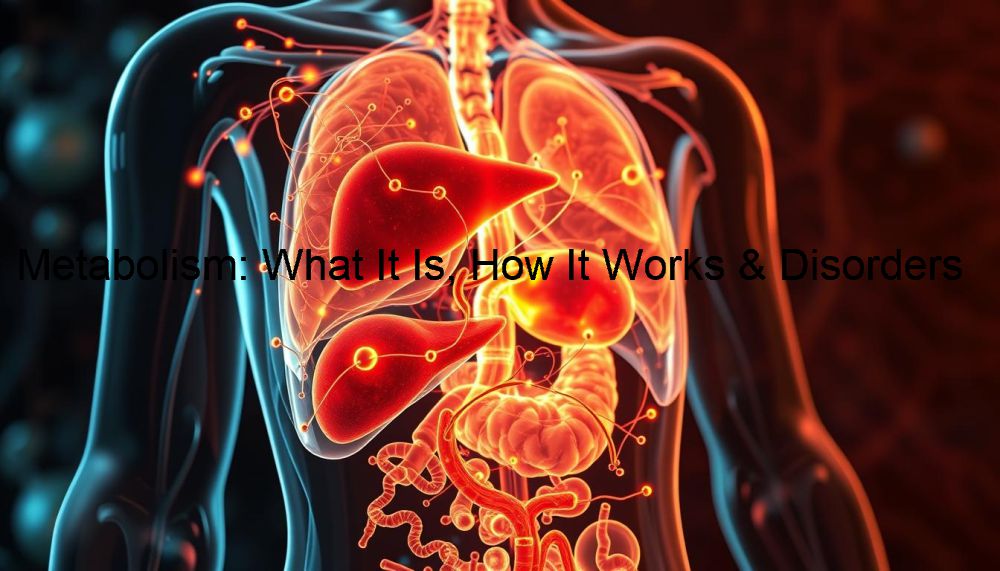
The thyroid gland plays a vital role in regulating metabolism, energy levels, and overall health. When it doesn’t function properly, it can lead to various thyroid disorders, including hypothyroidism and hyperthyroidism.
Understanding thyroid disease is crucial for managing its symptoms and receiving proper care. This comprehensive guide will walk you through the symptoms, diagnosis, and care options available for thyroid hormone imbalances.
Key Takeaways
- Understanding the role of the thyroid gland in overall health
- Recognizing the symptoms of thyroid disorders
- Learning about diagnosis options for thyroid disease
- Exploring care and treatment options for hypothyroidism and hyperthyroidism
- Managing thyroid health through lifestyle changes
Understanding the Thyroid Gland and Its Function
Understanding the thyroid gland and its function is essential for appreciating its impact on our overall well-being. The thyroid gland is a vital organ that plays a central role in regulating various bodily functions.
What Is the Thyroid Gland?
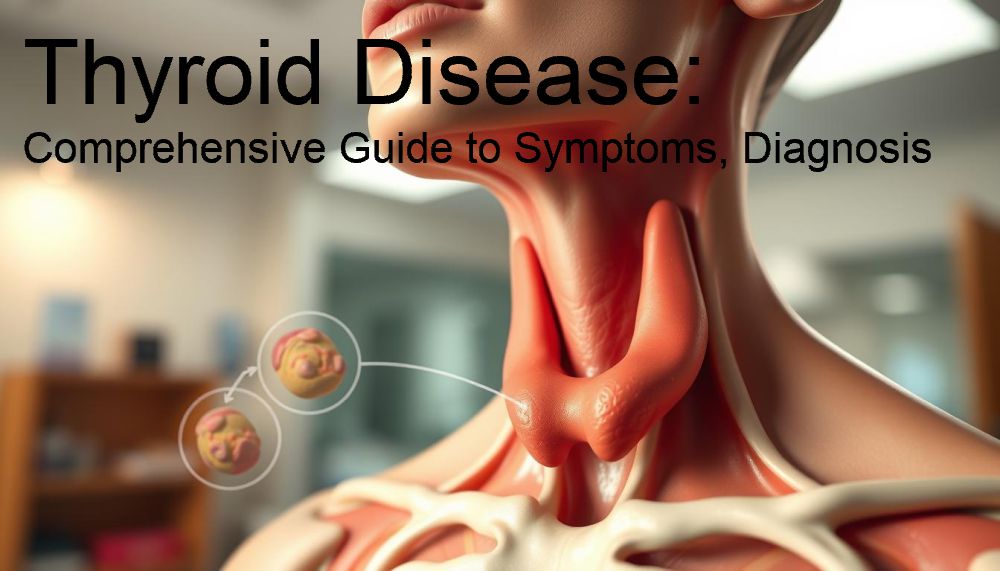
The thyroid gland is a small, butterfly-shaped endocrine gland located in the neck, below the Adam’s apple. It is a crucial component of the endocrine system.
Location and Structure
The thyroid gland is situated in the anterior (front) part of the neck, wrapping around the trachea. It consists of two lobes connected by an isthmus. This unique structure allows it to produce and distribute thyroid hormones effectively.
Role in the Endocrine System
The thyroid gland is an integral part of the endocrine system, producing thyroid hormones that regulate metabolism, energy generation, and overall metabolic health. It works in conjunction with other endocrine glands to maintain hormonal balance.
How Thyroid Hormones Affect Your Body
Thyroid hormones have a profound impact on various bodily functions, influencing metabolism, growth, and development.
Regulation of Metabolism
Thyroid hormones regulate metabolic rate, influencing how the body uses energy. They affect the metabolism of carbohydrates, fats, and proteins, ensuring that the body’s energy needs are met.
Influence on Body Systems
Thyroid hormones influence various body systems, including the nervous, cardiovascular, and muscular systems. They play a crucial role in maintaining the health and function of these systems.
| Body System | Influence of Thyroid Hormones |
|---|---|
| Nervous System | Regulation of nerve function and development |
| Cardiovascular System | Influence on heart rate and cardiac output |
| Muscular System | Impact on muscle strength and metabolism |
The Importance of Balanced Thyroid Function
Balanced thyroid function is crucial for maintaining overall health. Imbalances can lead to various health issues, including hypothyroidism and hyperthyroidism. Ensuring that the thyroid gland functions properly is essential for preventing these conditions.
Common Types of Thyroid Disease
Thyroid disease is not a single condition but rather a group of disorders that include hypothyroidism, hyperthyroidism, and other thyroid-related issues. Understanding these conditions is crucial for proper diagnosis and treatment.
Hypothyroidism (Underactive Thyroid)
Hypothyroidism occurs when the thyroid gland does not produce enough thyroid hormones, which are essential for various bodily functions. This condition can lead to a range of symptoms, including fatigue, weight gain, and dry skin.
Hashimoto’s Disease
Hashimoto’s disease is a common cause of hypothyroidism. It is an autoimmune condition where the immune system attacks the thyroid gland, leading to inflammation and reduced thyroid hormone production.
Other Causes of Hypothyroidism
Other causes of hypothyroidism include thyroid surgery, radioactive iodine treatment, and certain medications. It’s essential to identify the underlying cause to manage the condition effectively.
Hyperthyroidism (Overactive Thyroid)
Hyperthyroidism is characterized by the overproduction of thyroid hormones, leading to symptoms such as weight loss, palpitations, and anxiety.
Graves’ Disease
Graves’ disease is the most common cause of hyperthyroidism. It is an autoimmune disorder that stimulates the thyroid gland to produce excess thyroid hormones.
Thyroid Nodules Causing Hyperthyroidism
In some cases, thyroid nodules can cause hyperthyroidism by producing thyroid hormones independently of the body’s regulatory mechanisms.
Thyroid Nodules and Goiters
Thyroid nodules are lumps that form in the thyroid gland, and goiters refer to the enlargement of the thyroid gland. Both conditions can be associated with hypothyroidism or hyperthyroidism.
Thyroid Cancer
Thyroid cancer is a less common but serious condition that requires prompt diagnosis and treatment. It can be associated with thyroid nodules and other thyroid diseases.
Thyroiditis and Other Inflammatory Conditions
Thyroiditis refers to inflammation of the thyroid gland, which can cause temporary hyperthyroidism followed by hypothyroidism. Other inflammatory conditions can also affect the thyroid gland.
| Condition | Characteristics | Common Symptoms |
|---|---|---|
| Hypothyroidism | Underproduction of thyroid hormones | Fatigue, weight gain, dry skin |
| Hyperthyroidism | Overproduction of thyroid hormones | Weight loss, palpitations, anxiety |
| Hashimoto’s Disease | Autoimmune hypothyroidism | Fatigue, weight gain, cold intolerance |
| Graves’ Disease | Autoimmune hyperthyroidism | Weight loss, palpitations, heat intolerance |
Recognizing Symptoms of Thyroid Disease
Recognizing the signs of thyroid disease is essential for timely medical intervention. Thyroid disorders can manifest in various ways, affecting different aspects of health.
Signs of Hypothyroidism
Hypothyroidism, or an underactive thyroid, occurs when the thyroid gland doesn’t produce enough thyroid hormones. This condition can lead to a variety of symptoms.
Physical Symptoms
Some common physical symptoms of hypothyroidism include:
- Fatigue and weakness
- Weight gain
- Cold intolerance
- Dry skin and hair loss
Mental and Emotional Changes
In addition to physical symptoms, hypothyroidism can also cause mental and emotional changes, such as:
- Depression
- Memory problems
- Difficulty concentrating
Signs of Hyperthyroidism
Hyperthyroidism, or an overactive thyroid, happens when the thyroid gland produces too many thyroid hormones. This condition has its own set of distinct symptoms.
Physical Manifestations
Physical symptoms of hyperthyroidism include:
- Weight loss
- Rapid heartbeat
- Heat intolerance
- Tremors
Psychological Effects
Hyperthyroidism can also lead to psychological effects, such as:
- Anxiety
- Irritability
- Mood swings
As noted by thyroid experts, “The symptoms of hyperthyroidism can be quite pronounced, significantly impacting a person’s quality of life.”
Symptoms of Thyroid Nodules and Goiters
Thyroid nodules and goiters are other thyroid conditions that can cause noticeable symptoms.
Some common symptoms include:
- A visible swelling at the base of the neck
- Difficulty swallowing or breathing
- Hoarseness
Warning Signs of Thyroid Cancer
Thyroid cancer is a serious condition that requires prompt diagnosis and treatment. Some warning signs include:
- A lump or nodule in the neck
- Swollen lymph nodes
- Hoarseness or voice changes
Thyroid Eye Disease Symptoms
Thyroid eye disease is an autoimmune condition often associated with Graves’ disease, a form of hyperthyroidism. Symptoms can include:
- Bulging eyes
- Double vision
- Eye irritation
- Sensitivity to light
A comprehensive understanding of these symptoms can aid in early detection and treatment.
| Condition | Common Symptoms |
|---|---|
| Hypothyroidism | Fatigue, weight gain, cold intolerance, dry skin |
| Hyperthyroidism | Weight loss, rapid heartbeat, heat intolerance, tremors |
| Thyroid Nodules/Goiters | Neck swelling, difficulty swallowing, hoarseness |
| Thyroid Cancer | Neck lump, swollen lymph nodes, voice changes |
| Thyroid Eye Disease | Bulging eyes, double vision, eye irritation |
Risk Factors and Causes of Thyroid Disorders
The development of thyroid disorders can be attributed to a multitude of factors, including genetic, environmental, and demographic elements. Understanding these risk factors and causes is crucial for the prevention, diagnosis, and treatment of thyroid diseases.
Genetic and Family History Factors
Genetic predisposition plays a significant role in the development of thyroid disorders. Individuals with a family history of thyroid disease are more likely to develop thyroid conditions. Genetic factors can influence the susceptibility to autoimmune thyroid diseases, such as Hashimoto’s thyroiditis and Graves’ disease.
Autoimmune Conditions and Thyroid Disease
Autoimmune conditions are a major cause of thyroid disorders. In autoimmune thyroiditis, the immune system mistakenly attacks the thyroid gland, leading to inflammation and dysfunction. Conditions like Hashimoto’s thyroiditis and Graves’ disease are characterized by an abnormal immune response.
Environmental Triggers
Environmental factors also contribute to the development of thyroid disorders. Two significant environmental triggers are:
- Iodine Deficiency or Excess: Iodine is crucial for thyroid hormone production. Both insufficient and excessive iodine intake can lead to thyroid problems.
- Radiation Exposure: Exposure to radiation, especially in childhood, increases the risk of developing thyroid nodules and cancer.
Iodine Deficiency or Excess
Iodine deficiency is a well-known cause of goiter and hypothyroidism. On the other hand, excessive iodine intake can lead to hyperthyroidism or thyroiditis in susceptible individuals.
Radiation Exposure
Radiation exposure, particularly during childhood, significantly increases the risk of thyroid cancer. This is because the thyroid gland is more sensitive to radiation during this period.
Age, Gender, and Demographic Factors
Thyroid disorders can affect anyone, but certain demographic factors increase the risk. For instance, thyroid diseases are more common in women than men, and the risk increases with age.
Medications and Medical Treatments
Certain medications and medical treatments can affect thyroid function. For example, some drugs used to treat heart conditions, psychiatric disorders, and cancer can interfere with thyroid hormone production or metabolism.
By understanding these risk factors and causes, individuals can take proactive steps to manage their thyroid health. Regular check-ups and screenings are essential for early detection and treatment.
Diagnosing Thyroid Disease
The diagnosis of thyroid disorders requires a comprehensive strategy that includes clinical evaluation, biochemical tests, and sometimes imaging tests. Diagnosing thyroid disease accurately is crucial for effective treatment and management.
Physical Examination Techniques
A thorough physical examination is the first step in diagnosing thyroid disease. Healthcare providers check for signs such as an enlarged thyroid gland, nodules, or tenderness in the neck. They also assess overall health, looking for symptoms like changes in heart rate, skin condition, and reflexes.
Blood Tests and Hormone Level Assessment
Blood tests are critical for assessing thyroid function. These tests measure the levels of thyroid hormones (T3 and T4) and thyroid-stimulating hormone (TSH) in the blood.
TSH, T3, and T4 Testing
TSH testing is often the first step in diagnosing thyroid disorders. Abnormal TSH levels can indicate hypothyroidism or hyperthyroidism. T3 and T4 tests measure the actual levels of thyroid hormones in the blood, helping to confirm the diagnosis.
Antibody Tests
Antibody tests detect the presence of antibodies against the thyroid gland, which can indicate autoimmune thyroid diseases like Hashimoto’s thyroiditis or Graves’ disease.
Imaging Tests
Imaging tests provide valuable information about the thyroid gland’s structure and function.
Thyroid Ultrasound
A thyroid ultrasound uses sound waves to create images of the thyroid gland. It’s particularly useful for identifying nodules and assessing their characteristics.
Thyroid Scan and Radioactive Iodine Uptake
A thyroid scan involves ingesting a small amount of radioactive iodine to visualize the thyroid gland’s structure and function. The radioactive iodine uptake test measures how much iodine the thyroid gland takes up, helping to diagnose hyperthyroidism and assess thyroid nodule activity.
Biopsy and Other Diagnostic Procedures
In some cases, a biopsy may be necessary to examine thyroid nodules or tissue for cancer cells. This involves removing a small sample of thyroid tissue for microscopic examination.
Interpreting Your Test Results
Understanding your test results is crucial for determining the best course of treatment. Your healthcare provider will interpret the results of your blood tests, imaging studies, and other diagnostic procedures to diagnose thyroid disease accurately.
- Blood Tests: Assess thyroid hormone levels and detect antibodies.
- Imaging Tests: Visualize the thyroid gland’s structure and function.
- Biopsy: Examine thyroid tissue for cancer cells.
By combining these diagnostic approaches, healthcare providers can accurately diagnose thyroid disease and develop an effective treatment plan.
Treatment Options for Thyroid Disease
Effective management of thyroid disease requires a comprehensive understanding of the available treatment options. The choice of treatment depends on the type and severity of the thyroid condition, as well as the patient’s overall health and preferences.
Medication Therapies
Medication is often the first line of treatment for thyroid disease. For hypothyroidism, hormone replacement therapy is typically prescribed to restore normal thyroid hormone levels. This involves taking synthetic thyroid hormones, such as levothyroxine, orally on a daily basis.
Hormone Replacement for Hypothyroidism
Hormone replacement therapy for hypothyroidism is usually a long-term commitment. Regular blood tests are necessary to monitor thyroid hormone levels and adjust the dosage as needed. It’s crucial to take the medication on an empty stomach and wait at least 4 hours before consuming foods or supplements that may interfere with absorption.
Anti-Thyroid Medications for Hyperthyroidism
For hyperthyroidism, anti-thyroid medications are used to reduce thyroid hormone production. These medications, such as methimazole, work by inhibiting the synthesis of thyroid hormones. Regular monitoring is required to avoid side effects and adjust the dosage.
Radioactive Iodine Treatment
Radioactive iodine treatment is a common and effective treatment for hyperthyroidism and certain types of thyroid cancer. It involves ingesting radioactive iodine orally, which is then absorbed by the thyroid gland.
Procedure and Effectiveness
The radioactive iodine is taken up by the thyroid cells, where it destroys them, thereby reducing thyroid hormone production. This treatment is often used for patients with Graves’ disease or toxic multinodular goiter. The effectiveness of the treatment is typically evaluated through follow-up blood tests and imaging studies.
Safety Considerations
While generally safe, radioactive iodine treatment can have side effects, including thyroiditis and potential damage to the salivary glands. Patients are advised on precautions to minimize exposure to others, especially pregnant women and children, for a period after treatment.
Surgical Interventions
Surgery may be recommended for certain thyroid conditions, including thyroid nodules, goiters, and thyroid cancer. The type of surgery depends on the condition and may involve removing part or all of the thyroid gland.
Partial and Total Thyroidectomy
A partial thyroidectomy involves removing one lobe of the thyroid gland, while a total thyroidectomy involves removing the entire gland. The choice between these procedures depends on the underlying condition and the extent of the disease.
Recovery and Follow-up Care
After surgery, patients are monitored for complications and may require thyroid hormone replacement therapy if the entire thyroid gland is removed. Follow-up care includes regular check-ups and thyroid function tests to ensure proper recovery and management of thyroid hormone levels.
Treatment Approaches for Different Thyroid Conditions
The treatment approach varies depending on the specific thyroid condition. For example, thyroid nodules may be treated with fine-needle aspiration biopsy, followed by surgery if necessary. Thyroiditis, an inflammatory condition, may be managed with medication or, in some cases, surgery.
Managing Treatment Side Effects
Managing the side effects of thyroid disease treatment is crucial for maintaining the patient’s quality of life. This may involve adjusting medication dosages, treating side effects directly, or switching to alternative treatments. Regular follow-up with healthcare providers is essential for monitoring and managing any adverse effects.
Living With and Managing Thyroid Disease
Managing thyroid disease effectively requires a comprehensive approach that incorporates lifestyle changes, dietary adjustments, and regular monitoring. This multifaceted strategy helps individuals with thyroid conditions lead active and fulfilling lives.
Lifestyle Modifications
Lifestyle changes play a significant role in managing thyroid disease. Regular physical activity and stress management are crucial components.
Exercise Recommendations
Engaging in regular exercise can help alleviate symptoms of thyroid disease. Activities such as yoga, walking, and swimming are highly recommended.
Stress Management
Stress can exacerbate thyroid symptoms. Techniques like meditation, deep breathing exercises, and mindfulness can help manage stress levels.
Diet and Nutrition Considerations
Dietary adjustments are vital for individuals with thyroid disease. The intake of iodine, in particular, has a significant impact on thyroid function.
Iodine in Your Diet
Iodine is essential for thyroid hormone production. Foods rich in iodine, such as seaweed, dairy products, and iodized salt, should be consumed in appropriate amounts.
Foods to Embrace and Avoid
Certain foods can either support or hinder thyroid function. It’s essential to be aware of the foods that are beneficial and those that should be avoided.
Monitoring Your Condition Long-term
Regular monitoring of thyroid hormone levels is crucial for effective disease management. This involves regular blood tests and check-ups with healthcare providers.
Coping With Thyroid-Related Symptoms
Coping with the symptoms of thyroid disease can be challenging. Support groups, counseling, and staying informed about the condition can provide relief.
Pregnancy and Thyroid Disease
Pregnancy complicates thyroid disease management due to the changes in thyroid hormone demands. Close monitoring and adjustments in treatment are often necessary during pregnancy.
Prevention and Early Detection of Thyroid Problems
While some thyroid conditions can’t be prevented, early detection can significantly improve treatment outcomes. Understanding the risk factors and taking proactive steps can aid in managing thyroid health.
Preventive Measures
Maintaining a healthy lifestyle, including a balanced diet rich in iodine, selenium, and zinc, can support thyroid function. Avoiding excessive radiation exposure and managing stress are also beneficial.
Regular Screening Recommendations
Regular thyroid screenings are recommended, especially for those with a family history of thyroid disease. Annual check-ups can help in early detection.
Self-examination Techniques
Individuals can perform simple self-examinations to check for any unusual changes in the thyroid gland. Noticing any lumps or swelling warrants a medical consultation.
When to See a Doctor
If you experience symptoms such as persistent fatigue, weight changes, or neck discomfort, seek medical attention. Prompt evaluation can lead to early diagnosis and treatment.
Warning Signs That Require Medical Attention
- Unexplained weight gain or loss
- Difficulty swallowing
- Neck pain or swelling
Preparing for Your Appointment
Before your doctor’s visit, make a list of your symptoms, questions, and any medications you’re taking. Being prepared ensures a productive consultation.
Conclusion
Managing thyroid disease requires a comprehensive approach that incorporates medical treatment, lifestyle modifications, and ongoing monitoring. By understanding the symptoms, diagnosis, and treatment options, individuals can take an active role in their thyroid health.
A diagnosis of thyroid disease can be overwhelming, but with the right care and support, it is possible to manage the condition and improve overall well-being. Regular check-ups with healthcare providers, adherence to medication regimens, and healthy lifestyle choices can help mitigate symptoms and prevent complications.
By staying informed and engaged in their care, individuals with thyroid disease can lead active and fulfilling lives. Effective thyroid disease management is key to achieving optimal health outcomes and improving quality of life.
FAQ
What are the main types of thyroid disease?
The two main types of thyroid disease are hypothyroidism (underactive thyroid) and hyperthyroidism (overactive thyroid). Other types include thyroid nodules, goiters, thyroid cancer, and thyroiditis.
What is the thyroid gland, and what does it do?
The thyroid gland is a small gland located in the front of the neck. It produces thyroid hormones that regulate metabolism, influence various body systems, and affect overall health.
What are the symptoms of hypothyroidism?
Symptoms of hypothyroidism include fatigue, weight gain, dry skin, hair loss, cold intolerance, and depression. Some people may also experience muscle weakness, joint pain, and heavy or irregular menstrual periods.
How is hyperthyroidism diagnosed?
Hyperthyroidism is diagnosed through a combination of physical examination, blood tests to assess thyroid hormone levels (TSH, T3, and T4), and sometimes imaging tests like thyroid ultrasound or radioactive iodine uptake tests.
What is Hashimoto’s disease, and how is it treated?
Hashimoto’s disease is an autoimmune condition that causes hypothyroidism. Treatment typically involves hormone replacement therapy with synthetic thyroid hormones to manage symptoms and normalize thyroid hormone levels.
Can thyroid disease be cured?
Some types of thyroid disease, like hypothyroidism, can be managed with treatment, but there is no cure. Hyperthyroidism can sometimes be treated with radioactive iodine or surgery, which can provide a more permanent solution.
How does diet affect thyroid health?
Diet plays a crucial role in thyroid health. Iodine is essential for thyroid hormone production, so adequate iodine intake is important. Some foods, like those high in soy or cruciferous vegetables, may interfere with thyroid function in certain individuals.
What are the risks of radioactive iodine treatment?
Radioactive iodine treatment can have side effects, including thyroid gland damage, hypothyroidism, and potential risks to the salivary glands and other tissues. However, it is generally considered safe when used appropriately.
Can thyroid disease affect pregnancy?
Yes, thyroid disease can impact pregnancy. Untreated or undertreated hypothyroidism or hyperthyroidism can increase the risk of miscarriage, preterm labor, and other complications. Pregnant women with thyroid disease require careful monitoring and management.
How can I manage thyroid disease long-term?
Managing thyroid disease long-term involves regular monitoring of thyroid hormone levels, adjusting medication as needed, maintaining a healthy lifestyle, and being aware of potential symptoms or complications.