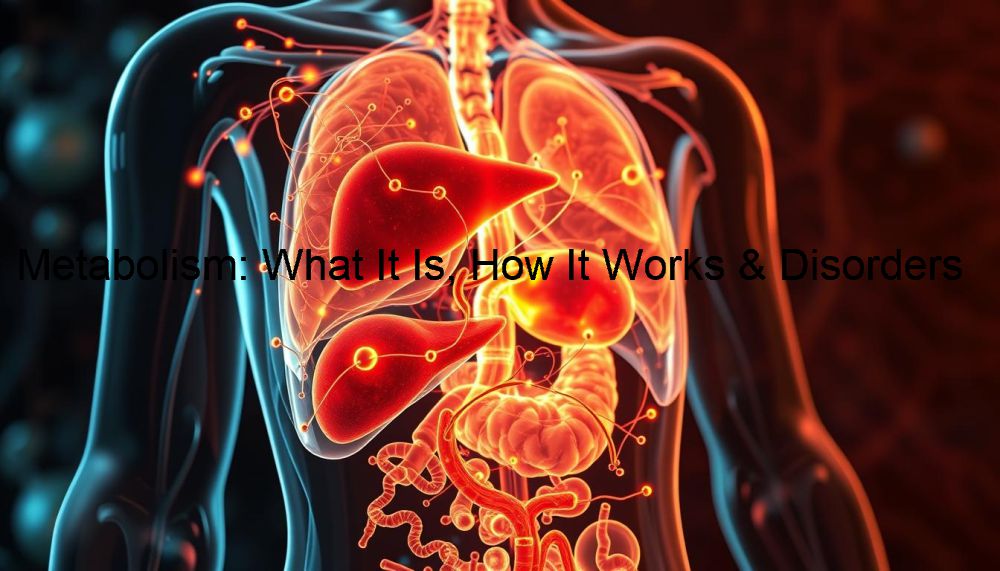
Heartburn is a common condition characterized by a burning sensation in the chest, often accompanied by a sour taste in the mouth. It occurs when stomach acid flows back up into the esophagus, causing discomfort and pain. Certain foods can trigger this condition, making it essential to identify and avoid them.
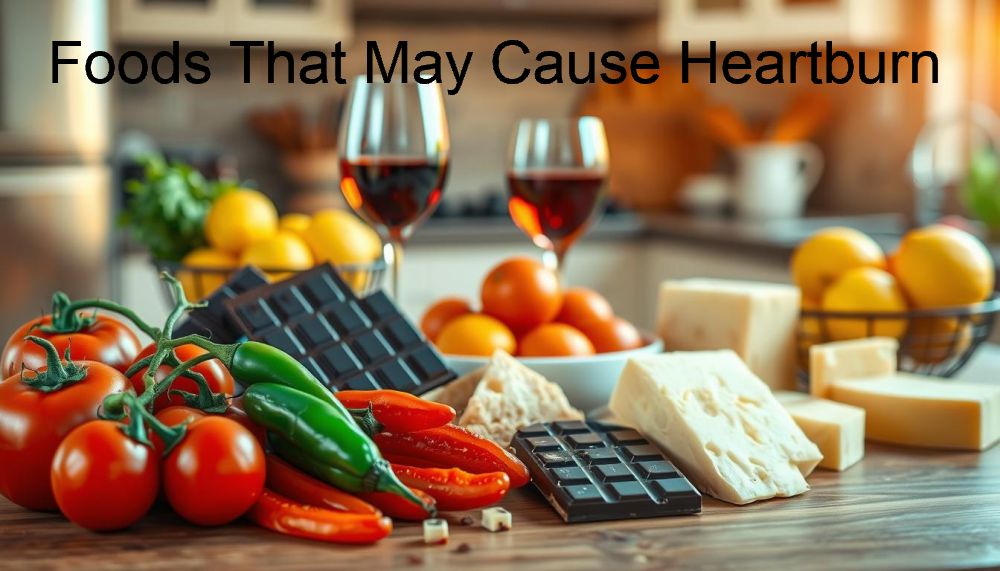
Understanding the link between diet and heartburn symptoms can help alleviate the discomfort. Acid reflux is a related condition that can be managed by making informed food choices. By knowing which foods to avoid, individuals can reduce the occurrence of heartburn and improve their overall digestive health.
Key Takeaways
- Heartburn is a burning sensation in the chest caused by stomach acid flowing back into the esophagus.
- Certain foods can trigger heartburn symptoms.
- Managing diet is crucial in alleviating acid reflux and heartburn.
- Identifying and avoiding trigger foods can reduce heartburn occurrences.
- Making informed food choices improves overall digestive health.
What Is Heartburn and Why Does It Occur?
Heartburn, also known as acid reflux, occurs when stomach acid flows back into the esophagus. This backflow, or reflux, happens when the lower esophageal sphincter (LES) relaxes or weakens, allowing stomach contents to rise into the esophagus, causing irritation and discomfort.
The Mechanism Behind Acid Reflux
The LES is a ring-like muscle that separates the esophagus and stomach. Normally, it relaxes to allow food into the stomach and then tightens to prevent stomach acid from backing up into the esophagus. However, when this mechanism fails, acid reflux occurs, leading to heartburn symptoms.
Risk Factors for Developing Heartburn
Several factors can increase the risk of developing heartburn. These include medical conditions and lifestyle factors.
Medical Conditions That Increase Susceptibility
Certain medical conditions can make heartburn more likely. For instance, gastroesophageal reflux disease (GERD) is a chronic condition where the LES doesn’t function properly, leading to frequent acid reflux.
Lifestyle Factors That Worsen Symptoms
Lifestyle factors also play a significant role. Obesity, for example, can put pressure on the stomach, causing the LES to open, allowing acid to flow into the esophagus. Smoking is another factor that can weaken the LES and reduce saliva production, which helps neutralize stomach acid.
| Risk Factor | Description | Impact on Heartburn |
|---|---|---|
| Obesity | Increased pressure on the stomach | Higher likelihood of acid reflux |
| Smoking | Weakens LES and reduces saliva production | Increases heartburn symptoms |
| GERD | Chronic condition affecting LES function | Frequent heartburn episodes |
Understanding these risk factors can help individuals take preventive measures to reduce their likelihood of experiencing heartburn. By making informed lifestyle choices and managing underlying medical conditions, it’s possible to alleviate symptoms and improve quality of life.
How Foods Cause Heartburn: The Science Explained
Certain foods can lead to heartburn by influencing the lower esophageal sphincter and stomach acid production. When we eat, our body responds in various ways that can either prevent or provoke heartburn.
The Lower Esophageal Sphincter’s Role
The lower esophageal sphincter (LES) acts as a barrier between the esophagus and the stomach. Foods that relax the LES can allow stomach acid to flow back into the esophagus, causing heartburn. Common culprits include fatty foods and certain beverages.
How Stomach Acid Production Affects Symptoms
Stomach acid is crucial for digestion, but excessive production can lead to heartburn. Foods that trigger more acid production can worsen symptoms in people with heartburn. Understanding which foods to avoid is key to managing heartburn.
Individual Variations in Food Sensitivities
People with heartburn may react differently to the same foods. Keeping a food diary can help identify personal triggers.
| Food | Effect on LES | Stomach Acid Production |
|---|---|---|
| Fatty Foods | Relaxes LES | Increases |
| Citrus Fruits | No significant effect | Increases |
| Spicy Foods | Can relax LES | Increases |
Citrus Fruits and Juices: Acidic Troublemakers
Oranges, lemons, and grapefruits are not just refreshing; they’re also potentially irritating to the esophagus due to their acidity. Citrus fruits and their juices are among the most common dietary triggers for heartburn.
Why Oranges, Lemons, and Grapefruits Trigger Symptoms
The high acidity in citrus fruits is the primary reason they can trigger heartburn. When consumed, these fruits can relax the lower esophageal sphincter (LES), allowing stomach acid to flow back into the esophagus and cause discomfort.
Lower-Acid Fruit Alternatives
For those who experience heartburn after consuming citrus fruits, there are alternative fruits that are lower in acidity. Fruits like bananas, apples, and pears are less likely to trigger heartburn symptoms.
Tips for Enjoying Citrus Without the Burn
If you can’t resist citrus fruits, there are ways to enjoy them without triggering heartburn. Consuming them in moderation, avoiding citrus on an empty stomach, and pairing them with other foods can help mitigate their acidic effects.
| Fruit | Acidity Level | Heartburn Potential |
|---|---|---|
| Orange | High | High |
| Banana | Low | Low |
| Lemon | Very High | Very High |
| Apple | Moderate | Moderate |
Tomatoes and Tomato-Based Products
For many people, tomatoes are a staple ingredient, but they can also be a source of discomfort due to their potential to trigger heartburn. Tomatoes are acidic, with a pH level that can irritate the esophagus and lead to the symptoms associated with acid reflux.
From Pasta Sauce to Ketchup: Hidden Heartburn Triggers
Tomato-based products like pasta sauce, ketchup, and salsa are common culprits behind heartburn. These products are not only acidic but are also often consumed in large quantities, exacerbating the problem. Being mindful of portion sizes and choosing low-acid versions can help mitigate the risk.
Reducing Acidity in Tomato Dishes
Cooking methods and ingredient adjustments can reduce the acidity of tomato dishes. Adding a pinch of baking soda or using dairy products like milk or cream can help neutralize the acidity.
Alternative Ingredients for Cooking
For those who experience persistent heartburn, exploring alternative ingredients can be beneficial. Using roasted red peppers or other vegetables can mimic the flavor of tomatoes without the acidity. Experimenting with different cooking techniques and ingredients can help manage heartburn symptoms while still enjoying flavorful meals.
Spicy Foods That May Cause Heartburn
The relationship between spicy foods and heartburn is complex and multifaceted. While spicy cuisine can add flavor and excitement to meals, it can also trigger uncomfortable heartburn symptoms in some individuals.
Capsaicin’s Impact on the Digestive System
Capsaicin, the compound responsible for the heat in spicy foods, affects the digestive system in several ways. It can relax the lower esophageal sphincter (LES), allowing stomach acid to flow back into the esophagus and cause heartburn. Capsaicin’s potency varies among different types of peppers and dishes, influencing its potential to trigger heartburn.
Cultural Cuisines Known for Their Spicy Dishes
Various cultural cuisines are renowned for their spicy dishes, which can be challenging for those prone to heartburn. For example:
- Indian cuisine often features a variety of spicy curries.
- Szechuan Chinese dishes are known for their bold, spicy flavors.
- Korean BBQ frequently includes spicy marinades and sauces.
Understanding the ingredients and preparation methods in these cuisines can help individuals make informed choices to manage their heartburn symptoms.
Building Tolerance to Spicy Foods Safely
For those who enjoy spicy foods but experience heartburn, building tolerance gradually is a viable strategy. This can involve:
- Starting with mildly spicy dishes and gradually increasing the heat level.
- Eating smaller portions of spicy foods to gauge tolerance.
- Combining spicy foods with other ingredients that may help mitigate heartburn, such as dairy products containing casein.
As one registered dietitian noted, “Gradually introducing spicy foods into your diet can help your digestive system adapt, reducing the risk of heartburn.”
| Cuisine | Common Spicy Ingredients | Heartburn Impact |
|---|---|---|
| Indian | Chili peppers, cayenne pepper | High |
| Szechuan Chinese | Szechuan peppercorns, chili oil | High |
| Korean | Gochugaru (Korean chili flakes), gochujang (Korean chili paste) | High |
By understanding the effects of spicy foods on heartburn and adopting strategies to manage symptoms, individuals can continue to enjoy their favorite spicy dishes while maintaining digestive comfort.
Fried and High-Fat Foods: Digestion Slowers
Fried and high-fat foods are notorious for slowing down digestion, which can trigger acid reflux in many individuals. This category of foods includes a wide range of items, from fried chicken and French fries to rich, creamy sauces and high-fat dairy products.
Why Fatty Foods Sit in the Stomach Longer
Fatty foods take longer to digest because they slow down the movement of the stomach muscles. This delayed emptying allows stomach acid to linger longer in the esophagus, increasing the risk of heartburn. As Dr. John Smith, a gastroenterologist, notes, “High-fat meals can significantly delay gastric emptying, making it a risk factor for acid reflux.”
“The key to managing heartburn is understanding how different foods affect your digestive system.”
Fast Food and Its Impact on Acid Reflux
Fast food, often high in fat and fried ingredients, is particularly problematic for individuals prone to heartburn. The high fat content not only slows digestion but also relaxes the lower esophageal sphincter, making it easier for stomach acid to backflow into the esophagus. Regular consumption of fast food can exacerbate acid reflux symptoms.
Healthier Cooking Methods to Prevent Symptoms
To enjoy your favorite foods without triggering heartburn, consider adopting healthier cooking methods. Grilling, baking, or steaming food instead of frying can significantly reduce fat intake. For instance, grilled chicken or baked fish can be delicious alternatives to fried foods. Additionally, using herbs and spices for flavor instead of rich sauces can help minimize the risk of heartburn.
By making these simple changes, individuals can reduce their risk of heartburn while still enjoying flavorful meals. As always, being mindful of the foods that trigger heartburn and making informed choices can lead to better digestive health.
Onions and Garlic: Flavorful but Problematic
The pungency of onions and garlic can be a double-edged sword for those who enjoy cooking. While they add depth and flavor to various dishes, they can also trigger heartburn in sensitive individuals.
Raw vs. Cooked: Which Causes More Issues?
Raw onions and garlic are more likely to cause heartburn than their cooked counterparts. This is because cooking can break down some of the compounds that irritate the esophagus. “Raw onions and garlic contain more of the sulfur compounds that can relax the lower esophageal sphincter, allowing stomach acid to flow back up into the esophagus,” says a gastroenterologist.
Cooking onions and garlic can reduce their potency, making them less likely to trigger heartburn. However, the method of cooking can also play a role. For instance, sautéing or caramelizing onions can make them sweeter and less irritating.
Flavor Alternatives for Sensitive Individuals
For those who experience heartburn after consuming onions and garlic, there are alternative flavor enhancers available. Herbs and spices can add flavor without the risk of heartburn.
Using Herbs and Spices as Substitutes
Some effective substitutes include ginger, turmeric, and paprika. These ingredients not only add flavor but also have anti-inflammatory properties. As one chef notes, “Using herbs and spices can elevate your dishes without triggering heartburn.”
Incorporating these alternatives into your cooking can help minimize the risk of heartburn while maintaining the flavor profiles you enjoy.
Coffee and Caffeinated Beverages
Caffeine in coffee can affect the esophageal sphincter, potentially leading to heartburn. For many, coffee is a daily staple, but its impact on digestive comfort can be significant.
How Caffeine Relaxes the Esophageal Sphincter
Caffeine is known to relax the lower esophageal sphincter (LES), a critical barrier that prevents stomach acid from flowing back into the esophagus. When the LES is relaxed, it can allow acid to escape, leading to the discomfort of heartburn. This effect is why many people experience heartburn after consuming caffeinated beverages.
Decaf Options and Their Effectiveness
For those who experience heartburn from regular coffee, decaf coffee might seem like a viable alternative. While decaf coffee contains much less caffeine, it is not entirely caffeine-free and may still affect some individuals. However, for many, switching to decaf can reduce heartburn symptoms.
Timing Your Coffee Consumption
The timing of coffee consumption can also play a role in managing heartburn. Drinking coffee on an empty stomach can exacerbate its effects, as there’s no food to buffer the acid production. It’s advisable to consume coffee with or after meals to mitigate potential discomfort.
By being mindful of when and how much coffee you drink, you can enjoy your favorite beverage while minimizing its impact on your digestive system.
Chocolate: The Sweet Heartburn Trigger
While chocolate is often associated with pleasure, it can also be a trigger for heartburn in susceptible people. This beloved treat contains several compounds that can relax the lower esophageal sphincter (LES), allowing stomach acid to flow back into the esophagus and cause discomfort.
Compounds in Chocolate That Worsen Reflux
Chocolate contains caffeine and theobromine, both of which can contribute to heartburn. Caffeine is known to relax the LES, while theobromine can slow digestion, potentially worsening reflux symptoms. Additionally, chocolate is high in fat, which can delay gastric emptying and increase pressure on the LES.
Dark vs. Milk Chocolate: Is There a Difference?
The type of chocolate may influence its potential to trigger heartburn. Dark chocolate, with its higher cocoa content, might be more problematic due to its higher concentration of theobromine. On the other hand, milk chocolate contains more sugar and milk, which could potentially slow down digestion further. However, individual reactions can vary greatly.
Portion Control Strategies
For those who experience heartburn after consuming chocolate, practicing portion control can be helpful. Limiting the amount of chocolate consumed at any one time may reduce the risk of triggering heartburn. Here’s a simple guide to help manage chocolate portions:
| Chocolate Type | Recommended Portion | Potential Heartburn Trigger |
|---|---|---|
| Dark Chocolate | 1 oz (28g) | High Theobromine Content |
| Milk Chocolate | 1 oz (28g) | High Sugar and Milk Content |
By being mindful of the type and amount of chocolate consumed, individuals can enjoy this treat while minimizing its potential to cause heartburn.
Alcohol: From Wine to Spirits
The relationship between alcohol and heartburn is complex, involving various factors that influence acid production. Alcohol can relax the lower esophageal sphincter (LES), allowing stomach acid to flow back into the esophagus and cause heartburn.
Why Alcohol Increases Acid Production
Alcohol consumption can stimulate the stomach to produce more acid, exacerbating heartburn symptoms. Ethanol, a key component in alcoholic beverages, irritates the stomach lining, leading to increased acid production. This irritation can result in a burning sensation in the chest and throat.
Comparing Different Types of Alcoholic Beverages
Not all alcoholic drinks are created equal when it comes to heartburn. Some beverages are more likely to trigger symptoms than others.
| Type of Alcohol | Heartburn Potential |
|---|---|
| White Wine | High |
| Red Wine | Moderate |
| Beer | Moderate to High |
| Spirits (e.g., Vodka, Whiskey) | Low to Moderate |
Mixing Strategies to Reduce Symptoms
For those who enjoy alcoholic beverages but suffer from heartburn, there are strategies to minimize symptoms. Mixing drinks with low-acid ingredients or choosing non-carbonated beverages can help. Avoiding citrus-based mixers is also advisable, as they can irritate the stomach.
Understanding how different types of alcohol affect heartburn can help individuals make informed choices. By being mindful of the drinks they consume and adopting mixing strategies, people can enjoy alcohol while minimizing its negative impact on their digestive health.
Mint and Peppermint: Surprising Culprits
While mint and peppermint are often used to soothe digestive issues, they can surprisingly trigger heartburn in some individuals. This paradoxical effect is worth exploring to understand how these seemingly benign substances can cause discomfort.
The Paradox: Soothing for Some, Triggering for Others
Mint and peppermint are known for their calming effects on the stomach, helping to ease digestion and reduce nausea. However, for some people, these herbs can relax the lower esophageal sphincter (LES), allowing stomach acid to flow back into the esophagus and cause heartburn. The reason behind this varied response lies in individual differences in digestive systems and sensitivities.
Mint-Containing Products to Watch For
Many products contain mint or peppermint, from chewing gums and toothpastes to teas and desserts. Being aware of these products can help individuals prone to heartburn avoid potential triggers. Some common products to watch include:
- Mint-flavored teas and beverages
- Peppermint candies and chocolates
- Mint-infused desserts and ice creams
Alternative Digestive Aids
For those who experience heartburn from mint or peppermint, there are alternative digestive aids. Consider trying:
| Digestive Aid | Description |
|---|---|
| Ginger | Known for its anti-inflammatory properties, ginger can help soothe the digestive system. |
| Fennel | Fennel seeds or tea can aid digestion and reduce symptoms of heartburn. |
| Probiotics | Beneficial bacteria that can help maintain a healthy gut and reduce heartburn. |
Conclusion: Managing Your Diet for Heartburn Relief
Managing heartburn effectively requires a comprehensive approach to dietary changes. By understanding which foods trigger symptoms, individuals can make informed decisions about their diet.
The foods that commonly cause heartburn, such as citrus fruits, tomatoes, spicy foods, fried and high-fat foods, onions, garlic, coffee, chocolate, and alcohol, can be limited or avoided to achieve heartburn relief. Making dietary changes is a crucial step in heartburn management.
By incorporating lower-acid alternatives, reducing portion sizes, and eating smaller, more frequent meals, individuals can alleviate symptoms. Additionally, being mindful of cooking methods and ingredient choices can further help in managing heartburn.
Implementing these dietary adjustments can significantly improve quality of life for those experiencing heartburn. By taking control of their diet, individuals can reduce the frequency and severity of heartburn episodes, leading to a more comfortable and enjoyable life.
FAQ
What are some common foods that cause heartburn?
Common foods that may cause heartburn include citrus fruits and juices, tomatoes and tomato-based products, spicy foods, fried and high-fat foods, onions, garlic, coffee, caffeinated beverages, chocolate, and alcohol.
Why do citrus fruits and juices trigger heartburn symptoms?
Citrus fruits and juices are acidic and can irritate the esophagus, triggering heartburn symptoms in some individuals. Their high acidity can relax the lower esophageal sphincter, allowing stomach acid to flow back up into the esophagus.
Can cooking onions and garlic reduce their potential to cause heartburn?
Cooking onions and garlic can sometimes reduce their potential to cause heartburn, as the cooking process can break down some of the compounds that may trigger symptoms. However, the effect can vary from person to person.
How does caffeine in coffee and other beverages affect heartburn?
Caffeine can relax the lower esophageal sphincter, potentially allowing stomach acid to flow back up into the esophagus and cause heartburn. It can also stimulate the production of stomach acid, further increasing the risk of heartburn symptoms.
Are there any alternatives to trigger foods that can still provide flavor?
Yes, there are alternatives to trigger foods that can still provide flavor. For example, herbs and spices can be used as substitutes for onions and garlic, and non-citrus fruits can be used in place of citrus fruits. Exploring different cuisines and recipes can also help in finding flavorful alternatives.
Can changing the way I cook help reduce heartburn symptoms?
Yes, changing cooking methods can help reduce heartburn symptoms. For instance, opting for grilling, baking, or steaming instead of frying can reduce the fat content of meals, potentially lowering the risk of heartburn. Using herbs and spices for flavor instead of relying on trigger ingredients is another strategy.
Is it necessary to completely avoid trigger foods to manage heartburn?
Not everyone needs to completely avoid trigger foods, but being mindful of portion sizes and the frequency of consumption can help manage heartburn. Some individuals may find that they can tolerate small amounts of certain trigger foods without experiencing symptoms.
Can decaf coffee or tea reduce the risk of heartburn?
Decaf coffee or tea may reduce the risk of heartburn compared to their caffeinated counterparts, as they contain less or no caffeine, which is known to relax the lower esophageal sphincter and potentially trigger heartburn. However, individual reactions can vary.