Tongkat Ali, also known as Eurycoma longifolia Jack, is a herbal supplement that has gained popularity for its potential health benefits. Originating from Southeast Asia, it has been used for centuries in traditional medicine.
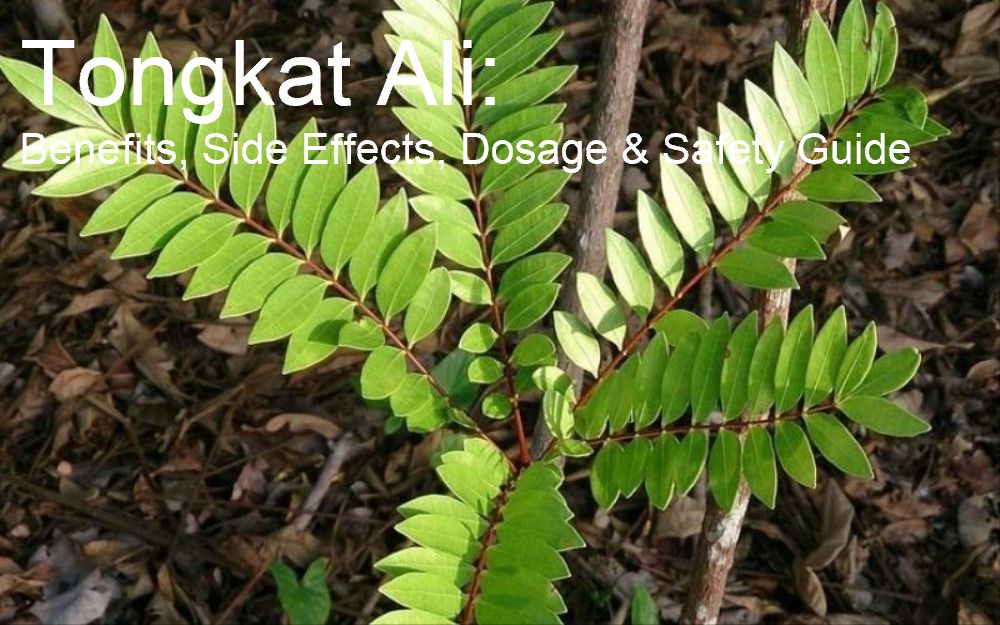
This supplement is known for its various benefits, including enhancing energy and improving overall well-being. However, understanding its side effects, dosage, and safety is crucial for those considering it as a health supplement.
As we explore the world of Tongkat Ali, it’s essential to delve into its benefits and potential risks to provide a comprehensive guide for users.
Key Takeaways
- Understanding the benefits and risks of Tongkat Ali.
- Recommended dosage for safe consumption.
- Potential side effects and their implications.
- The importance of consulting a healthcare professional.
- Safety guidelines for using Tongkat Ali as a supplement.
What is Tongkat Ali?
Eurycoma longifolia Jack, commonly referred to as Tongkat Ali, is a plant with a rich history in traditional medicine across Southeast Asia. This herb has been a staple in traditional practices, particularly in Malaysia and Indonesia, where it is native.
Origin and Traditional Uses
Tongkat Ali is derived from the roots of the Eurycoma longifolia Jack plant. For centuries, it has been used to treat various ailments, including fever, malaria, and fatigue. The traditional use of Tongkat Ali is deeply rooted in its perceived health benefits, which include enhancing male virility and vitality.
Active Compounds and Mechanisms
The efficacy of Tongkat Ali is attributed to its rich composition of bioactive compounds, including quassinoids, alkaloids, and flavonoids. These compounds are believed to contribute to its testosterone-enhancing properties by stimulating the release of luteinizing hormone and testosterone, thus potentially improving muscle mass and strength.
Understanding the active compounds and their mechanisms provides insight into how Tongkat Ali may exert its beneficial effects, supporting its traditional use with a modern scientific perspective.
The History and Cultural Significance of Tongkat Ali
The history of Tongkat Ali is deeply rooted in the traditional medicine of Southeast Asia, particularly in Malaysia and Indonesia, where it has been used for centuries.
Tongkat Ali, which translates to “Ali’s walking stick,” has been a revered herb in traditional practices, not just for its medicinal properties but also for its cultural significance.
Traditional Medicine Applications
In traditional medicine, Tongkat Ali has been utilized for its various health benefits, including enhancing male fertility and sexual health. It is also believed to improve overall vitality and energy levels.
Traditionally, the roots of the Tongkat Ali plant are harvested, dried, and then brewed into a tea or decoction for consumption.
Modern Popularity and Global Use
In recent years, Tongkat Ali has gained popularity worldwide as a natural supplement for testosterone enhancement and overall well-being.
Its global use has been facilitated by the increasing availability of Tongkat Ali supplements in various forms, including capsules and powders.
| Region | Traditional Use | Modern Use |
|---|---|---|
| Southeast Asia | Traditional medicine, fertility, and energy | Natural supplement for testosterone and well-being |
| Global | Cultural significance and traditional practices | Widely available as dietary supplements |
Potential Benefits of Tongkat Ali
The potential benefits of Tongkat Ali are vast, ranging from testosterone enhancement to improved athletic performance. This traditional herbal remedy has been used for centuries, and modern research is now validating its various health benefits.
Testosterone Enhancement
Tongkat Ali is well-known for its ability to enhance testosterone levels. Research on hormone regulation has shown that it can significantly impact testosterone production.
Research on Hormone Regulation
Studies have demonstrated that Tongkat Ali can increase testosterone levels by improving the body’s natural hormone regulation mechanisms. This is crucial for maintaining overall health and physical performance.
Effects on Low Testosterone Conditions
For individuals with low testosterone, Tongkat Ali may offer a natural solution. It has been shown to improve symptoms associated with low testosterone, such as fatigue and decreased libido.
Sexual Health Improvements
Tongkat Ali is also recognized for its positive effects on sexual health. It can improve libido and overall sexual function, making it a popular choice for those looking to enhance their sexual well-being.
Athletic Performance and Muscle Growth
Athletes and bodybuilders often use Tongkat Ali to improve athletic performance and enhance muscle growth. Its ability to boost testosterone levels contributes to increased strength and endurance.
Stress Reduction and Mood Enhancement
In addition to its physical benefits, Tongkat Ali is believed to help with stress reduction and mood enhancement. It is thought to have adaptogenic properties, helping the body to better cope with stress.
| Benefit | Description |
|---|---|
| Testosterone Enhancement | Improves testosterone levels, enhancing overall health and physical performance. |
| Sexual Health Improvements | Boosts libido and improves sexual function. |
| Athletic Performance and Muscle Growth | Increases strength, endurance, and muscle mass. |
| Stress Reduction and Mood Enhancement | Helps the body cope with stress and improves mood. |
Tongkat Ali for Men’s Health
With its rich history in traditional medicine, Tongkat Ali is now recognized for its potential to improve men’s health, especially in areas of erectile function and male fertility. This herbal supplement has been studied for its various benefits, which can significantly impact the quality of life for men.
Erectile Function and Sexual Performance
Tongkat Ali is known for its potential to enhance erectile function and improve sexual performance. Studies suggest that it may help in increasing libido and addressing erectile dysfunction by improving blood flow and hormonal balance.
Male Fertility and Reproductive Health
Tongkat Ali may also play a role in enhancing male fertility and overall reproductive health. Its potential benefits extend to improving sperm quality and addressing issues related to male infertility.
Sperm Quality and Motility
Research indicates that Tongkat Ali can improve sperm quality and motility, which are crucial factors in male fertility. By enhancing these aspects, Tongkat Ali may help men with low sperm count or poor sperm motility.
Addressing Male Infertility
Male infertility is a growing concern, and Tongkat Ali may offer a natural solution. By potentially improving testosterone levels and sperm health, it can be a valuable supplement for men facing fertility issues.
| Benefits | Description |
|---|---|
| Erectile Function | Improves erectile dysfunction by enhancing blood flow and hormonal balance. |
| Sperm Quality | Enhances sperm count and motility, aiding in male fertility. |
| Libido | Increases sexual desire and performance. |
Tongkat Ali for Women’s Health
Women can also reap the rewards of Tongkat Ali, from improved hormonal balance to enhanced vitality. While it’s often associated with men’s health, this herbal supplement offers a range of benefits that can support women’s overall well-being.
Hormonal Balance Benefits
Tongkat Ali may help women achieve hormonal balance, which is crucial for overall health. Regulating hormonal fluctuations can lead to improvements in mood, energy levels, and overall quality of life. Some potential benefits include:
- Reduced symptoms of PMS
- Improved menstrual regularity
- Enhanced overall hormonal balance
Energy, Vitality and Sexual Health
In addition to hormonal balance, Tongkat Ali is known to boost energy and vitality, making it a popular choice among individuals looking to enhance their overall well-being. For women, this can translate to improved physical performance, reduced fatigue, and a more active lifestyle. Moreover, Tongkat Ali may also support sexual health by potentially improving libido and overall sexual satisfaction.
Scientific Evidence Supporting Tongkat Ali
The efficacy of Tongkat Ali is backed by a growing body of scientific research. This herb has been the subject of numerous studies aimed at understanding its potential health benefits and mechanisms of action.
Clinical Studies and Research Findings
Several clinical studies have investigated the effects of Tongkat Ali on various health parameters. A 2017 study published in the Journal of the International Society of Sports Nutrition found that Tongkat Ali supplementation improved muscle strength and testosterone levels in healthy men. Another study conducted in 2015 demonstrated that Tongkat Ali extract improved sexual function in men with hypogonadism.
| Study | Sample Size | Key Findings |
|---|---|---|
| 2017 Journal of the International Society of Sports Nutrition | 63 men | Improved muscle strength and testosterone levels |
| 2015 Study on Hypogonadism | 45 men | Improved sexual function |
Limitations and Gaps in Current Research
While the existing evidence is promising, there are limitations and gaps in the current research on Tongkat Ali. Many studies have small sample sizes, and there is a need for more diverse and larger-scale clinical trials. Additionally, the optimal dosage and long-term effects of Tongkat Ali supplementation are not fully understood.
Further research is necessary to fully elucidate the benefits and potential risks associated with Tongkat Ali supplementation. This will help in providing clearer guidelines for its use and in maximizing its therapeutic potential.
Recommended Tongkat Ali Dosage
Determining the optimal Tongkat Ali dosage is crucial for maximizing its benefits while minimizing potential side effects. The effectiveness of this herbal supplement is closely tied to the dosage, making it essential to understand the recommended amounts for different health goals.
Standard Dosing Guidelines
Research and traditional use have established certain guidelines for Tongkat Ali dosing. Typically, a daily dose ranges from 200mg to 400mg.
200mg vs 400mg Daily Doses
Studies have shown that both 200mg and 400mg daily doses can be effective. The 200mg dose is often recommended for maintenance and general well-being, while the 400mg dose is typically used for more specific health concerns, such as testosterone enhancement or athletic performance.
Extract Concentration Considerations
The concentration of the Tongkat Ali extract is another critical factor. Standardized extracts with a higher concentration of bioactive compounds may require lower doses. It’s essential to consider the extract concentration when determining the optimal dosage.
Factors Affecting Optimal Dosage
Individual factors such as age, health status, and specific health goals can influence the optimal Tongkat Ali dosage. For instance, older individuals or those with certain health conditions may require adjusted dosages. Consulting with a healthcare professional is advisable to determine the most appropriate dose.
Cycling Recommendations
To avoid developing tolerance and maintain efficacy, some users choose to cycle Tongkat Ali supplementation. A common approach is to take it for 8-12 weeks, followed by a 4-week break. However, cycling recommendations can vary based on individual needs and health goals.
How to Take Tongkat Ali Effectively
To maximize the benefits of Tongkat Ali, it’s crucial to understand the optimal timing and methods of administration. Taking Tongkat Ali correctly can enhance its efficacy and help you achieve your health goals.
Timing and Administration Methods
The best time to take Tongkat Ali is in the morning, as it can help boost energy and vitality throughout the day. It’s recommended to take it on an empty stomach to maximize absorption. Administration methods can vary; it’s commonly available in capsule or extract form. Always follow the manufacturer’s instructions for the correct dosage.
Combining with Other Supplements
Combining Tongkat Ali with other supplements can enhance its benefits. However, it’s essential to choose the right combinations.
Synergistic Combinations
Tongkat Ali can be effectively combined with supplements like ashwagandha or macuna pruriens to enhance its testosterone-boosting effects. These synergistic combinations can lead to improved overall health and wellness.
Combinations to Avoid
- Avoid combining Tongkat Ali with stimulants like caffeine or other energy-boosting supplements, as this can lead to jitteriness or anxiety.
- Be cautious when combining it with other hormone-regulating supplements to avoid hormonal imbalances.
Always consult with a healthcare professional before starting any new supplement regimen or making changes to your existing routine.
Potential Side Effects of Tongkat Ali
Understanding the potential side effects of Tongkat Ali is essential for safe consumption. While generally considered safe, Tongkat Ali can cause adverse reactions in some individuals.
Common Side Effects
Some users may experience common side effects when taking Tongkat Ali. These can include:
- Mild stomach upset
- Increased irritability
- Insomnia
These side effects are typically mild and may subside as the body adjusts to the supplement.
Serious Adverse Reactions
Although rare, serious adverse reactions to Tongkat Ali can occur. It’s crucial to be aware of these potential risks:
| Reaction | Symptoms |
|---|---|
| Allergic Reactions | Rash, itching, difficulty breathing |
| Cardiovascular Issues | Rapid heartbeat, high blood pressure |
If you experience any of these serious adverse reactions, discontinue use and consult a healthcare professional immediately.
Safety Considerations and Warnings
While Tongkat Ali offers numerous benefits, it’s crucial to be aware of the potential safety considerations and warnings associated with its use. As with any supplement, understanding the safety profile is essential for maximizing benefits while minimizing risks.
Drug Interactions
Tongkat Ali may interact with certain medications, potentially altering their effectiveness or increasing the risk of adverse effects. For instance, it may interact with diabetes medications, blood thinners, and certain psychiatric drugs. Users should consult with a healthcare professional before combining Tongkat Ali with other medications to avoid potential drug interactions.
European Food Safety Authority Warnings
The European Food Safety Authority (EFSA) has issued warnings regarding the use of Tongkat Ali, particularly concerning its potential impact on hormonal balance and the lack of long-term safety data. Users should be aware of these warnings and consider them when deciding to use Tongkat Ali supplements.
Who Should Avoid Tongkat Ali
Certain individuals should avoid using Tongkat Ali due to potential health risks. This includes people with hormone-sensitive cancers, those with certain mental health conditions, and individuals taking specific medications that could interact with Tongkat Ali. Pregnant or breastfeeding women should also exercise caution and consult with a healthcare provider before using Tongkat Ali.
By being informed about these safety considerations and warnings, individuals can make more educated decisions about using Tongkat Ali supplements.
Choosing Quality Tongkat Ali Supplements
When selecting a Tongkat Ali supplement, it’s crucial to consider several factors to ensure you’re getting a high-quality product. The market for Tongkat Ali supplements has grown rapidly, leading to a wide range of products with varying levels of quality.
Extract Standardization and Potency
A key factor in choosing a quality Tongkat Ali supplement is the standardization of the extract. Look for products that specify the percentage of active compounds, such as eurycomanone, which is often considered a marker of potency. Standardization ensures that the product delivers a consistent dose of the desired active ingredients.
Reputable Manufacturers and Sourcing
The reputation of the manufacturer is another critical factor. Opt for brands that have a history of producing high-quality supplements and have transparent sourcing practices. Reputable manufacturers will often provide information about the origin of their Tongkat Ali and may conduct third-party testing to verify the purity and potency of their products.
What to Look for on Product Labels
When examining product labels, several details are important. Check for the presence of a certificate of analysis (COA), which indicates that the product has been tested by a third party. Also, look for clear labeling of the ingredients, including the amount of Tongkat Ali extract per serving and the percentage of active compounds. Avoid products with vague or missing information.
Conclusion
Tongkat ali has emerged as a popular supplement due to its potential benefits for overall health and wellness. As discussed, its primary advantages include testosterone enhancement, improved sexual health, and athletic performance.
When considering tongkat ali supplementation, it’s essential to be aware of the potential side effects and adhere to recommended dosage guidelines to ensure safe usage. A well-informed approach will help maximize the benefits while minimizing risks.
To make the most of tongkat ali, individuals should consult with a healthcare professional to determine the best dosage and assess any potential interactions with other medications. By doing so, users can harness the benefits of tongkat ali while maintaining a safe and effective supplementation regimen.
Ultimately, tongkat ali can be a valuable addition to a health and wellness routine when used responsibly and under the guidance of a healthcare professional, following a comprehensive safety guide.
FAQ
What is the recommended dosage of Tongkat Ali?
The recommended dosage of Tongkat Ali varies, but typical doses range from 200mg to 400mg per day. It’s essential to follow the manufacturer’s guidelines and consult with a healthcare professional to determine the best dosage for your needs.
What are the benefits of taking Tongkat Ali?
Tongkat Ali is believed to offer several benefits, including enhanced testosterone levels, improved sexual health, increased muscle mass, and reduced stress. However, individual results may vary, and more research is needed to confirm its effectiveness.
Can Tongkat Ali cause side effects?
While generally considered safe, Tongkat Ali may cause side effects in some individuals, such as insomnia, anxiety, or digestive issues. It’s crucial to monitor your body’s response and adjust your dosage or discontinue use if adverse effects occur.
Is Tongkat Ali safe for women to use?
Tongkat Ali is sometimes used by women to balance hormones and improve energy and vitality. However, its effects on women, particularly those with certain medical conditions or taking specific medications, are not well-studied. Women should consult with a healthcare professional before using Tongkat Ali.
Can I take Tongkat Ali with other supplements?
Tongkat Ali can be taken with other supplements, but it’s essential to be cautious and aware of potential interactions. Certain combinations may enhance benefits, while others may increase the risk of adverse effects. Consult with a healthcare professional to determine the best combinations for your needs.
How long does it take to see the effects of Tongkat Ali?
The time it takes to experience the effects of Tongkat Ali can vary depending on individual factors, such as dosage, health status, and sensitivity. Some people may notice improvements within a few weeks, while others may need to use it for a longer period.
Is Tongkat Ali regulated by any health authorities?
Tongkat Ali is considered a dietary supplement in many countries, and its regulation varies. The European Food Safety Authority has issued warnings regarding potential risks associated with Tongkat Ali. It’s essential to choose products from reputable manufacturers that adhere to good manufacturing practices.
Can Tongkat Ali interact with medications?
Tongkat Ali may interact with certain medications, such as blood thinners, diabetes medications, or blood pressure medications. It’s crucial to consult with a healthcare professional before using Tongkat Ali, especially if you’re taking prescription medications.