Panax Ginseng, a traditional herbal remedy, has been used for centuries to enhance overall well-being. Its significance extends beyond cultural heritage, as it offers various health benefits that have garnered attention globally.
The importance of understanding the uses and potential side effects of Panax Ginseng cannot be overstated. As with any supplement, being aware of the necessary precautions is crucial for safe consumption.
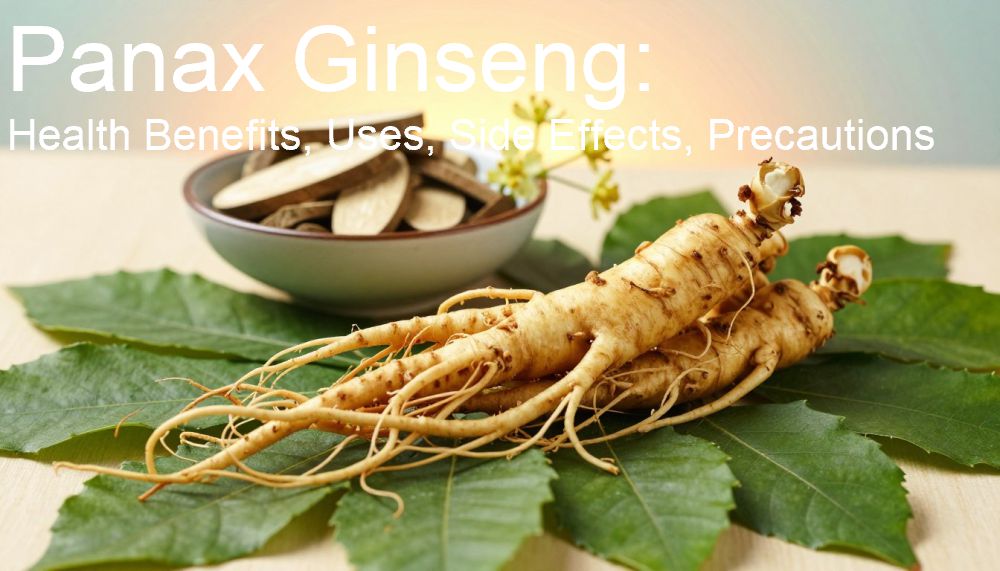
This introduction sets the stage for a comprehensive exploration of Panax Ginseng, delving into its advantages, applications, and potential risks.
Key Takeaways
- Panax Ginseng is a traditional herbal remedy with various health benefits.
- Understanding its uses and potential side effects is crucial.
- Precautions are necessary for safe consumption.
- Ginseng has been used for centuries to enhance overall well-being.
- Awareness of potential risks is essential for users.
What Is Panax Ginseng?
Panax Ginseng, a revered herb in traditional medicine, has been used for centuries. It is known for its adaptogenic properties, helping the body resist physical and mental stress. This herb is native to Asia and has been a cornerstone in traditional Asian medicine.
Historical Background and Traditional Use
Panax Ginseng has a rich historical background, with its use dating back thousands of years in traditional Chinese medicine. It was highly valued for its perceived health benefits, including enhancing vitality and promoting longevity. The traditional use of Panax Ginseng includes treating various ailments, from fatigue to digestive issues.
In traditional medicine, Panax Ginseng was often prepared as a tea, powder, or added to soups and dishes. Its adaptogenic properties were believed to help the body adapt to stress and promote overall well-being.
Botanical Characteristics of the Ginseng Plant
The Panax Ginseng plant is a perennial herb that grows in the mountainous regions of Asia. It has a distinctive botanical profile, characterized by a single stem with a few palmately compound leaves. The plant’s root is the most valued part, often harvested after several years of growth.
- The roots are typically forked and have a humanoid shape, which is where the name “ginseng” (meaning “man-root”) originates.
- The plant requires a shaded environment and well-drained soil to thrive.
- Panax Ginseng is slow-growing, taking several years to mature.
Different Types of Ginseng
Ginseng is not a single entity, but rather a diverse group of plants with various species offering distinct benefits. The different types of ginseng have been used for centuries in traditional medicine, each with its unique characteristics and uses.
Korean Red Ginseng
Korean Red Ginseng, known for its stimulating properties, is a popular variety that has been used for centuries. It is made by steaming and drying fresh ginseng, which enhances its ginsenoside content. This process gives Korean Red Ginseng its distinctive red color and is believed to increase its potency.
American Ginseng
American Ginseng (Panax quinquefolius) is native to North America and is known for its cooling properties. It is often used to enhance mental clarity and is believed to have a calming effect on the body. American Ginseng is typically harvested after several years, when its roots are mature and rich in ginsenosides.
Chinese Ginseng
Chinese Ginseng, also known as Panax ginseng, is one of the most commonly used varieties. It is highly valued for its adaptogenic properties, helping the body to adapt to stress and promoting overall well-being. Chinese Ginseng is available in various forms, including fresh, dried, and powdered.
Siberian Ginseng and Japanese Ginseng
Siberian Ginseng (Eleutherococcus senticosus) and Japanese Ginseng are other notable varieties. While not belonging to the Panax genus, they are still referred to as ginseng due to their similar adaptogenic properties. Siberian Ginseng is known for its ability to enhance endurance and reduce fatigue, whereas Japanese Ginseng is less commonly discussed but shares many benefits with other ginseng varieties.
Active Compounds in Panax Ginseng
Panax Ginseng’s health-promoting properties are largely due to its diverse array of active compounds, including ginsenosides and other beneficial substances. The complexity of its composition is a key factor in its therapeutic effects.
Ginsenosides and Their Functions
Ginsenosides are the primary active compounds in Panax Ginseng, responsible for many of its health benefits. These triterpene saponins have been shown to have various effects on the body, including anti-inflammatory and antioxidant actions. Research has identified several ginsenosides, such as Rb1, Rg1, and Re, each with unique functions and potential health benefits.
The functions of ginsenosides are diverse, ranging from enhancing cognitive function to supporting cardiovascular health. Their mechanisms of action involve modulating various cellular pathways, contributing to the overall efficacy of Panax Ginseng.
Other Beneficial Compounds
In addition to ginsenosides, Panax Ginseng contains other beneficial compounds, including polysaccharides, flavonoids, and vitamins. These substances contribute to the herb’s nutritional and therapeutic profile, enhancing its potential health benefits.
| Compound | Potential Benefits |
|---|---|
| Ginsenosides | Anti-inflammatory, antioxidant, cognitive enhancement |
| Polysaccharides | Immune system support, anti-diabetic effects |
| Flavonoids | Antioxidant, cardiovascular health |
Health Benefits of Panax Ginseng
Panax Ginseng has been revered for centuries due to its numerous health benefits, which have been increasingly supported by modern scientific research. This adaptogenic herb is known for its ability to enhance overall well-being by addressing various physiological and psychological aspects.
Energy Enhancement and Fatigue Reduction
One of the most well-known benefits of Panax Ginseng is its ability to enhance energy levels and reduce fatigue. Ginseng supplementation has been shown to improve physical performance and reduce perceived exertion during exercise. Studies suggest that ginsenosides, the active compounds in ginseng, play a crucial role in modulating energy metabolism.
Cognitive Function Improvement
Panax Ginseng has also been found to have a positive impact on cognitive function. Research indicates that ginseng can improve memory, concentration, and mental clarity. The mechanisms behind these effects are believed to involve the modulation of neurotransmitters and the enhancement of neural plasticity.
Immune System Support
Another significant health benefit of Panax Ginseng is its ability to support the immune system. Ginseng has been shown to stimulate the activity of immune cells, such as natural killer cells and macrophages, thereby enhancing the body’s defense against pathogens.
Anti-inflammatory Effects
Panax Ginseng possesses anti-inflammatory properties, which can contribute to its overall health benefits. Chronic inflammation is associated with various diseases, and ginseng’s ability to modulate inflammatory responses can help mitigate these conditions. The ginsenosides in Panax Ginseng have been shown to inhibit pro-inflammatory cytokines and mediators.
In conclusion, Panax Ginseng offers a wide range of health benefits, from energy enhancement and cognitive improvement to immune system support and anti-inflammatory effects. Its adaptogenic properties make it a valuable supplement for individuals seeking to improve their overall health and well-being.
Ginseng for Specific Health Conditions
Panax Ginseng has been studied for its potential benefits in managing various health conditions. Its adaptogenic properties are believed to contribute to its effectiveness in addressing different health issues.
Diabetes Management
Research has indicated that Panax Ginseng may help in managing diabetes. Studies have shown that it can improve glycemic control and reduce fasting glucose levels. The active compounds in Ginseng, particularly ginsenosides, are thought to be responsible for these effects.
Menopausal Symptoms Relief
Panax Ginseng has also been investigated for its potential in alleviating menopausal symptoms. Some studies suggest that it can reduce the severity of symptoms such as hot flashes and improve overall quality of life for menopausal women.
Cancer-Related Benefits
There is evidence to suggest that Panax Ginseng may have benefits for cancer patients. It is believed to enhance the immune system and potentially improve survival rates. However, more research is needed to fully understand its effects.
Respiratory Health
Panax Ginseng may also contribute to improved respiratory health. Some studies have indicated that it can help in managing chronic obstructive pulmonary disease (COPD) and other respiratory conditions.
In conclusion, Panax Ginseng shows promise in managing various health conditions, from diabetes and menopausal symptoms to cancer-related issues and respiratory health. Further research is necessary to fully understand its potential benefits and optimal uses.
Panax Ginseng for Physical Performance
Research into Panax ginseng’s effects on physical performance has shown promising results, making it a popular supplement among athletes. Panax ginseng is believed to enhance physical performance by reducing fatigue and improving endurance.
Athletic Performance Enhancement
Studies have indicated that Panax ginseng can improve athletic performance by increasing oxygen uptake, reducing lactate levels, and enhancing muscle strength. Athletes who supplement with Panax ginseng may experience improved exercise performance and reduced fatigue. The active compounds in Panax ginseng, particularly ginsenosides, are thought to be responsible for these effects.
- Improved oxygen uptake
- Reduced lactate levels
- Enhanced muscle strength
Recovery and Endurance Benefits
In addition to enhancing athletic performance, Panax ginseng is also believed to aid in recovery and improve endurance. The anti-inflammatory properties of Panax ginseng may help reduce muscle damage and soreness after exercise, allowing athletes to recover more quickly and train more effectively.
“Ginseng supplementation has been shown to have a positive effect on exercise-induced muscle damage and inflammation.”
Overall, Panax ginseng appears to be a valuable supplement for athletes looking to improve their physical performance, aid in recovery, and enhance endurance.
Ginseng for Mental Health
The adaptogenic properties of Panax Ginseng make it a valuable herb for addressing various mental health concerns. As a natural remedy, it has been used for centuries to promote overall wellbeing. Recent studies have focused on its potential benefits for mental health, including stress reduction, mood enhancement, and support for individuals dealing with depression and anxiety.
Stress Reduction Properties
Panax Ginseng is known for its ability to help the body adapt to stress. Its active compounds, particularly ginsenosides, play a crucial role in regulating the body’s response to stressors. By reducing cortisol levels and enhancing the body’s resilience, Panax Ginseng can help individuals manage stress more effectively.
Mood Enhancement Effects
In addition to its stress-reducing properties, Panax Ginseng has been found to have a positive impact on mood. Studies suggest that it can help alleviate symptoms of depression and improve overall mood. The mechanisms behind this are not fully understood, but it’s believed that ginsenosides may influence neurotransmitter activity in the brain.
Potential Benefits for Depression and Anxiety
While more research is needed, existing evidence suggests that Panax Ginseng may offer benefits for individuals suffering from depression and anxiety. Its adaptogenic properties can help stabilize mood and reduce anxiety symptoms. As part of a comprehensive treatment plan, Panax Ginseng could be a valuable adjunct therapy.
Cardiovascular and Sexual Health Benefits
Research into Panax Ginseng has revealed its potential to improve cardiovascular health and enhance sexual function. This traditional herb has been studied for its wide-ranging health benefits, and its effects on heart health and sexual vitality are of particular interest.
Blood Pressure and Heart Health
Panax Ginseng has been shown to have a positive impact on cardiovascular health by helping to regulate blood pressure and improve heart function. Studies have indicated that the ginsenosides present in Panax Ginseng may contribute to its cardiovascular benefits by improving vasodilation and reducing inflammation. Regular consumption of Panax Ginseng may help in maintaining healthy blood pressure levels, which is crucial for overall heart health.
Effects on Sexual Function in Men and Women
Panax Ginseng is also known for its effects on sexual health, enhancing libido and improving sexual function in both men and women. The herb is believed to improve sexual vitality by increasing nitric oxide production, which is essential for erectile function. Its adaptogenic properties may also help in reducing stress-related sexual dysfunction. Research suggests that Panax Ginseng can be a valuable supplement for those looking to improve their sexual health.
Scientific Research on Panax Ginseng
Panax Ginseng has been the subject of extensive scientific research, aiming to understand its therapeutic potential. The growing body of evidence from clinical studies has provided valuable insights into its health benefits and potential uses.
Clinical Studies and Their Findings
Numerous clinical studies have investigated the effects of Panax Ginseng on various health conditions. Research has shown that it may improve cognitive function, enhance energy levels, and support immune system health. For instance, a study published in the Journal of Ginseng Research found that Panax Ginseng improved cognitive performance in individuals with Alzheimer’s disease.
Other studies have explored its potential benefits for diabetes management, menopausal symptoms relief, and cardiovascular health. The findings suggest that Panax Ginseng may offer a range of health benefits, although more research is needed to fully understand its effects.
Limitations of Current Research
While the existing research on Panax Ginseng is promising, there are several limitations that need to be addressed. Many studies have small sample sizes, and the quality of the research varies. Additionally, the mechanisms by which Panax Ginseng exerts its effects are not fully understood, highlighting the need for further investigation.
Future studies should aim to address these limitations by conducting larger, well-designed trials that can provide more definitive conclusions about the benefits and risks of Panax Ginseng.
How to Use Panax Ginseng
To maximize the benefits of Panax Ginseng, it’s essential to understand how to use it effectively. Panax Ginseng can be consumed in various forms, and the appropriate dosage and preparation method can significantly impact its efficacy.
Recommended Dosages
The recommended dosage of Panax Ginseng varies depending on the individual’s health goals and the specific product being used. Typically, a daily dose of 400-800 mg is considered safe and effective for most adults. However, it’s crucial to follow the manufacturer’s instructions or consult with a healthcare professional to determine the best dosage for your specific needs.
Different Forms and Preparations
Panax Ginseng is available in various forms, including capsules, tablets, powders, and teas. The choice of form often depends on personal preference and the desired outcome. For instance, capsules and tablets offer convenience, while powders can be easily mixed into beverages or recipes.
| Form | Description | Typical Dosage |
|---|---|---|
| Capsules | Convenient and easy to use | 1-2 capsules daily |
| Powder | Versatile and can be mixed into various recipes | 1-2 grams daily |
| Tea | Traditional form, can be soothing | 1-2 cups daily |
Timing and Cycling Recommendations
The timing of Panax Ginseng intake can influence its effectiveness. Many users prefer taking it in the morning to boost energy throughout the day. Cycling Panax Ginseng, such as taking it for 2-3 months followed by a 1-2 month break, can help maintain its efficacy and prevent tolerance.
As with any supplement, it’s essential to monitor your body’s response to Panax Ginseng and adjust your usage accordingly. Consulting with a healthcare professional can provide personalized guidance tailored to your health needs and goals.
Potential Side Effects and Safety Concerns
Understanding the safety profile of Panax Ginseng is essential for its safe consumption. While generally considered safe for most people, Panax Ginseng can cause side effects and interact with certain medications.
Common Side Effects
Most users tolerate Panax Ginseng well, but some may experience mild side effects such as headaches, dizziness, and gastrointestinal issues. These effects are typically temporary and resolve on their own.
Serious Adverse Reactions
Although rare, serious adverse reactions can occur, including allergic reactions, insomnia, and changes in blood pressure. It’s crucial to monitor your body’s response when starting Panax Ginseng.
Drug Interactions
Panax Ginseng can interact with certain medications, such as blood thinners, diabetes medications, and stimulants. It’s essential to consult with a healthcare provider before using Panax Ginseng, especially if you’re taking other medications.
By being aware of these potential side effects and safety concerns, you can use Panax Ginseng more safely and effectively.
Conclusion
Panax Ginseng has been a cornerstone of traditional medicine for centuries, offering a multitude of health benefits and uses. This article has explored the various aspects of Panax Ginseng, from its historical background and botanical characteristics to its active compounds and potential health benefits.
A summary of Panax Ginseng reveals its versatility in enhancing energy, improving cognitive function, supporting the immune system, and providing anti-inflammatory effects. Its uses extend to managing specific health conditions, such as diabetes and menopausal symptoms, as well as enhancing physical performance and mental health.
While Panax Ginseng offers numerous ginseng benefits, it’s crucial to consider ginseng safety. Potential side effects and interactions with other medications must be acknowledged, emphasizing the need for responsible ginseng uses under the guidance of a healthcare professional.
In conclusion, Panax Ginseng is a valuable herb with a wide range of applications. By understanding its properties and using it judiciously, individuals can harness its benefits while minimizing risks.
FAQ
What is the recommended dosage of Panax Ginseng?
The recommended dosage of Panax Ginseng varies depending on the form and preparation. Typically, a daily dose of 400-800 mg of ginseng extract is considered safe and effective.
Can Panax Ginseng interact with other medications?
Yes, Panax Ginseng may interact with certain medications, such as blood thinners, diabetes medications, and blood pressure medications. It’s essential to consult with a healthcare provider before taking Panax Ginseng, especially if you’re taking other medications.
Is Panax Ginseng safe for pregnant or breastfeeding women?
There is limited research on the safety of Panax Ginseng during pregnancy and breastfeeding. As a precaution, it’s recommended to avoid using Panax Ginseng during these periods or consult with a healthcare provider before using it.
Can Panax Ginseng help with stress and anxiety?
Panax Ginseng has been traditionally used to help manage stress and anxiety. Some studies suggest that it may have a positive effect on reducing stress and anxiety, although more research is needed to confirm its efficacy.
What are the different forms of Panax Ginseng available?
Panax Ginseng is available in various forms, including capsules, tablets, powders, teas, and extracts. The different forms may vary in their ginsenoside content and bioavailability.
How long does it take to experience the benefits of Panax Ginseng?
The time it takes to experience the benefits of Panax Ginseng can vary depending on the individual, the form and dosage, and the specific health benefits being sought. Some people may notice improvements within a few weeks, while others may take longer.
Can Panax Ginseng be used in combination with other herbs or supplements?
Panax Ginseng can be used in combination with other herbs or supplements, but it’s essential to consult with a healthcare provider to ensure safe and effective use. Certain combinations may enhance or reduce the effects of Panax Ginseng.
Are there any serious side effects associated with Panax Ginseng?
While Panax Ginseng is generally considered safe, there have been reports of serious side effects, such as allergic reactions, digestive issues, and interactions with other medications. If you experience any severe side effects, discontinue use and consult with a healthcare provider.